



 Reviews
Can the 2025 Mercedes-Benz EQE 500 Replace the E-Class
This sultry sedan delivers classic Mercedes luxury and style, but there might be a few extras we would suggest. Luckily, Mercedes is listening.
Kirk Bell5 min read

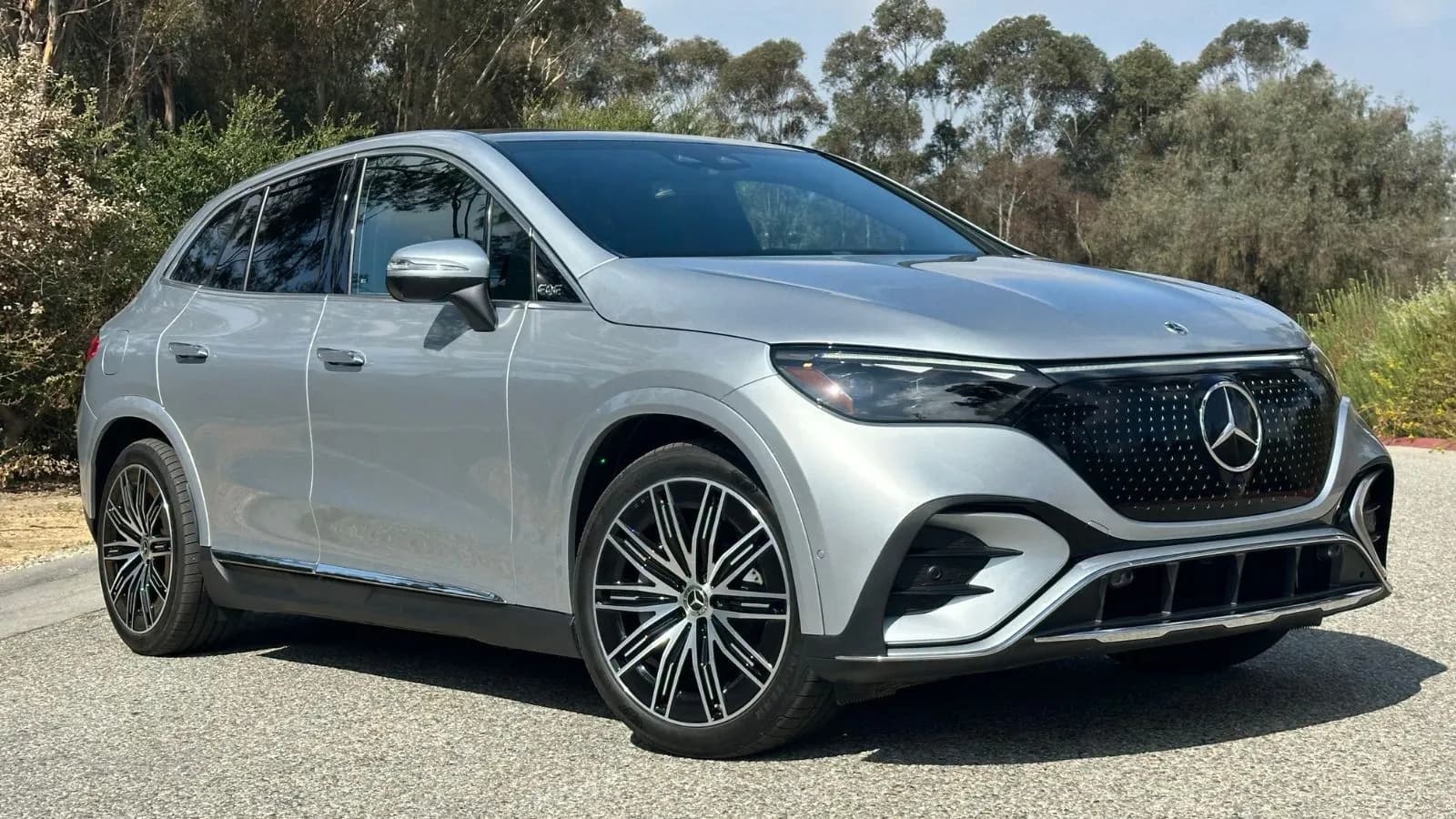
The 2026 Mercedes-Benz EQE 320+ SUV arrives with more power, a significantly lower starting price, and the comfort expected from a luxury EV. In real-world testing, it also delivered an impressive 326 miles of range, easily surpassing its EPA estimate.
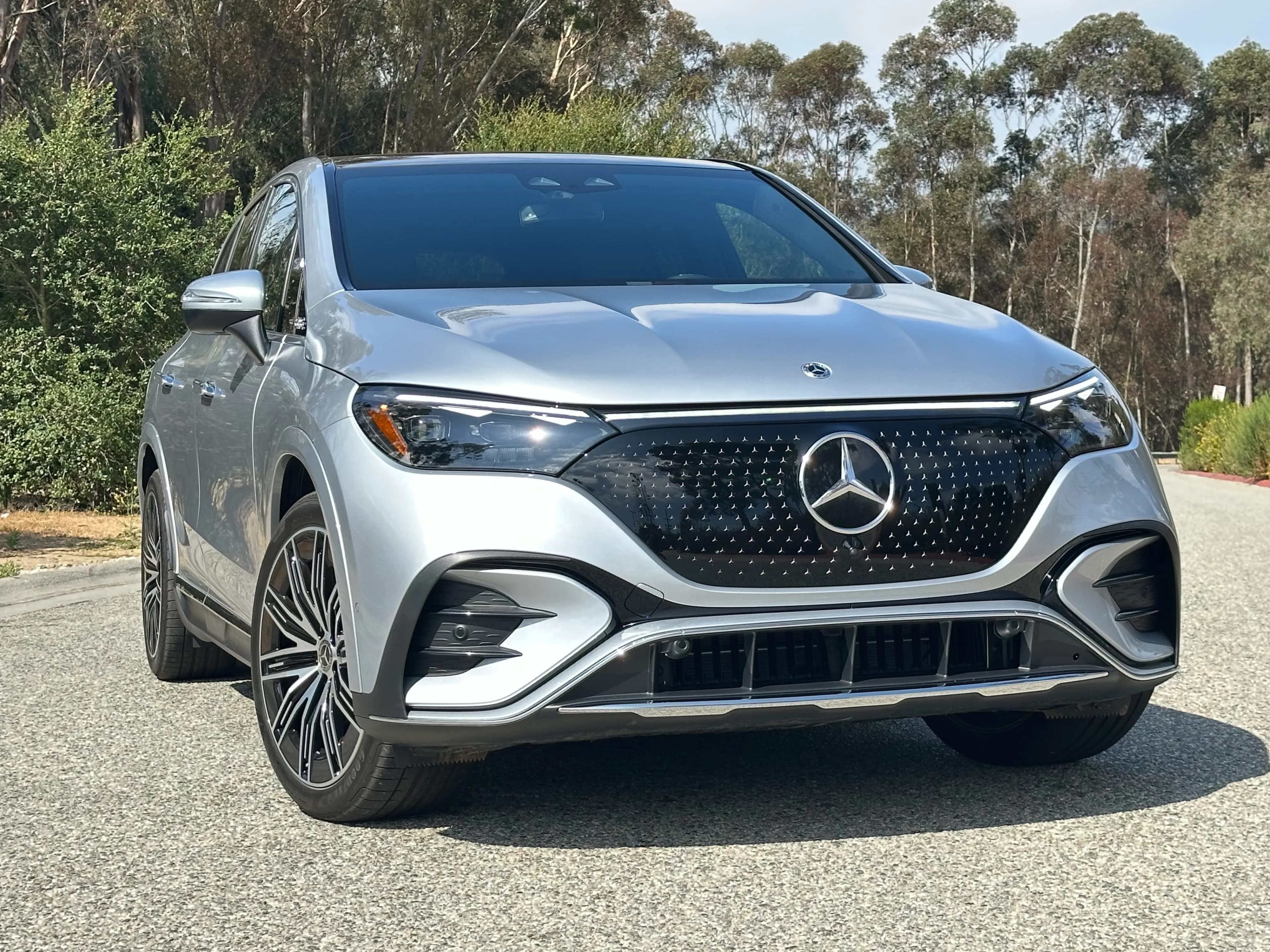
Rarely do cars get less expensive from one model year to the next, but that’s exactly what happened here. Last year’s 2025 EQE 350+ SUV carried a base price of $79,050 MSRP. The 2026 EQE 320+ is essentially the same vehicle despite the name change, yet it stickers for $66,200 MSRP - a price drop of nearly $13,000. Even better, there’s 27 more horsepower on tap. The base EQE 320+ has an EPA-estimated 302 miles of range, but my tester was equipped with the optional 21-inch wheels and summer tires and a host of other options that dropped the range estimate to 270 miles.
Let’s find out what the real-world range is and how well the updated EQE works as a summertime family hauler around Los Angeles.
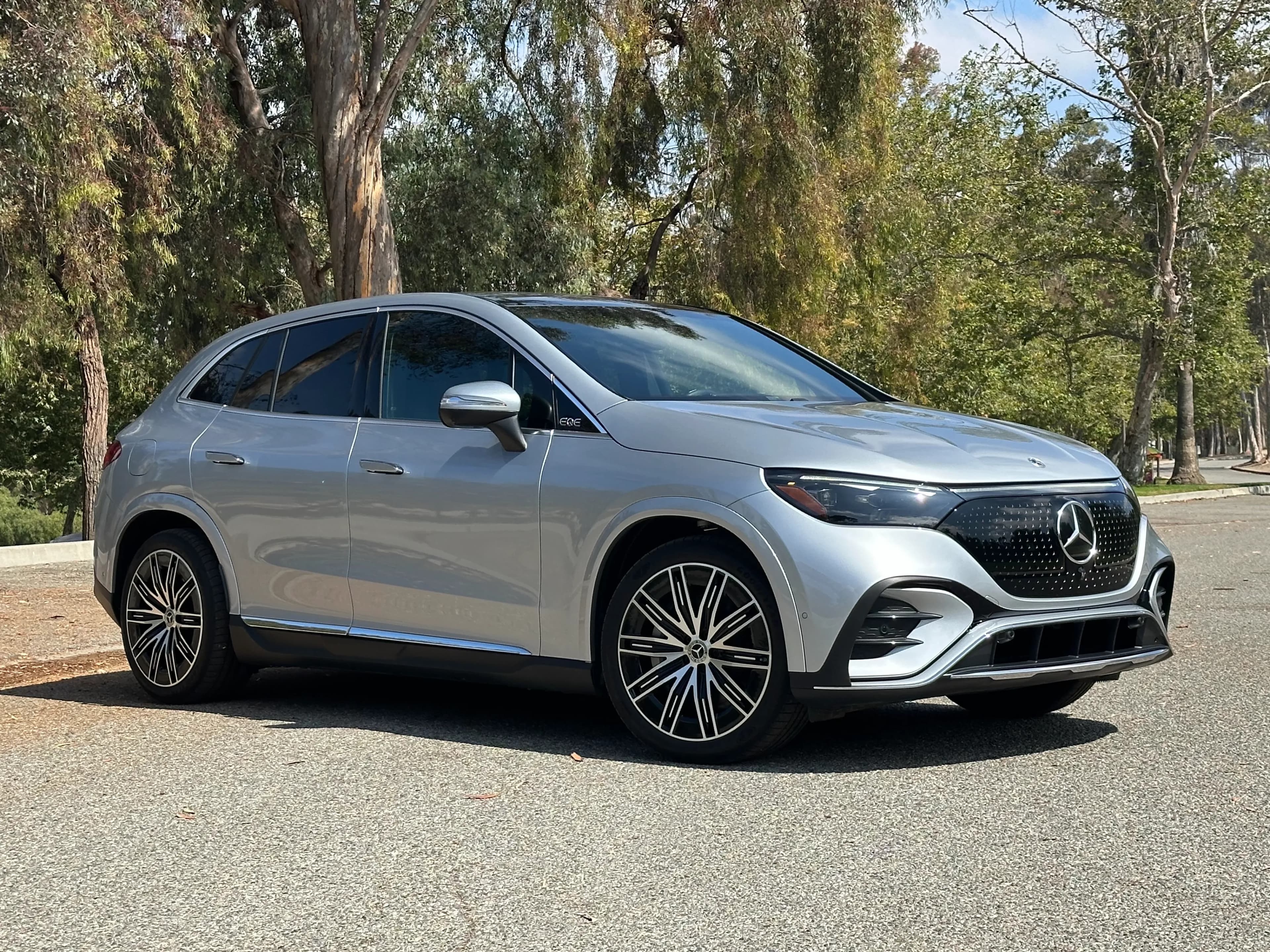
The EQE 320+ is a rear-drive EV with a 315-horsepower motor generating 416 lb-ft of torque. Mercedes-Benz quotes a 0-60 mph time of 5.9 seconds. The all-wheel-drive (AWD) EQE 320 4Matic adds a second electric motor to the front axle, and while horsepower remains the same, torque rises to 564 lb-ft, which knocks a few tenths off the acceleration times.
The EQE 320+ has a 96-kilowatt-hour battery, chargeable through the Tesla Supercharger network or at home, with a projected range of up to 302 miles. The 320 4Matic has a slightly smaller 90-kWh pack and has an estimated range of up to 253 miles.
Mercedes drivers can use Tesla Superchargers with a compatible NACS adapter, but connector access is only part of the public-charging experience, so see how to choose stations, prepare the battery, and make fast-charging stops easier ➜
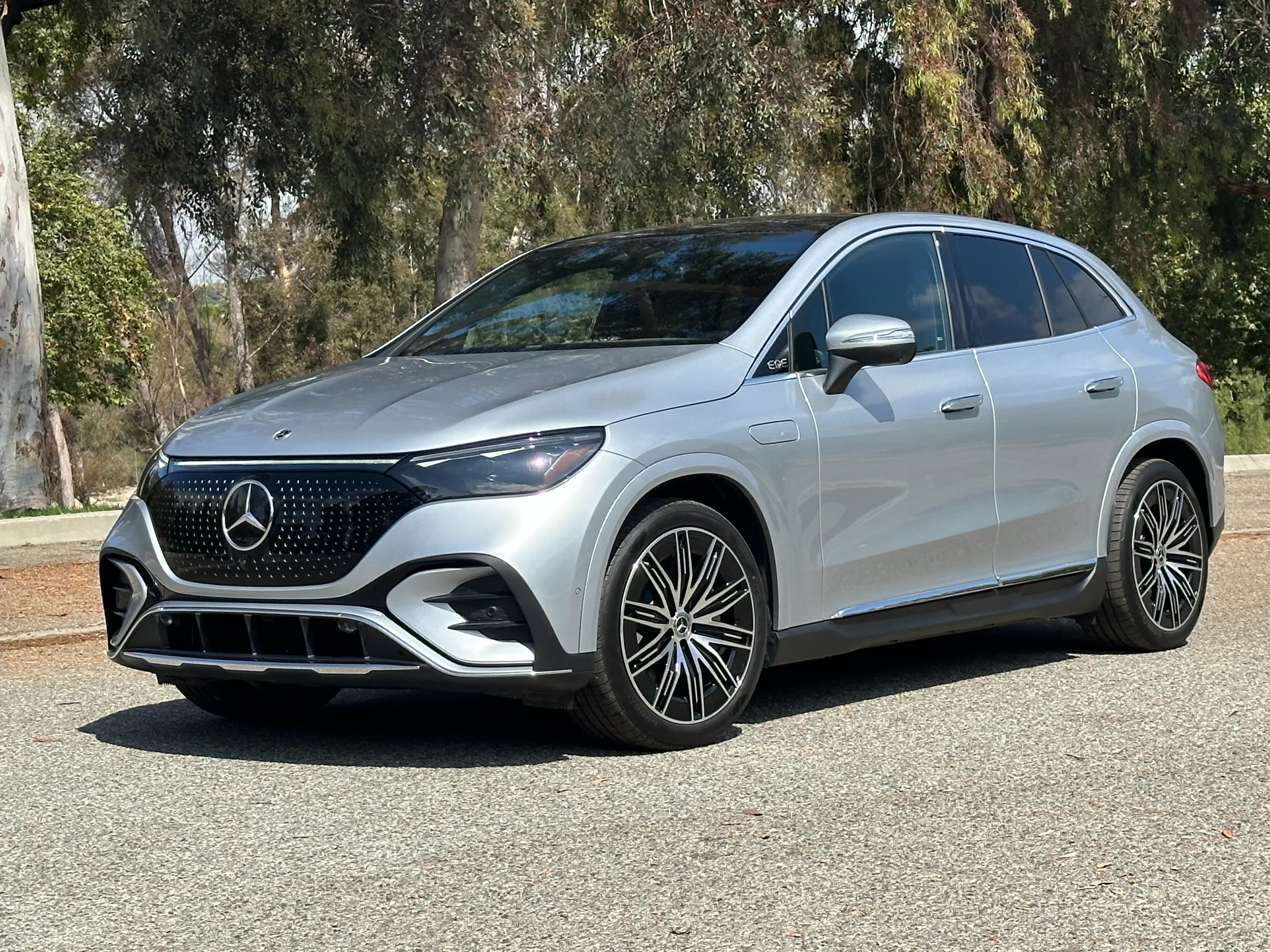
The 320+’s price starts at a deep discount over last year’s model, but it’s easy to select options that will drive it right back up. My test car came with the Exclusive trim package ($3,500), rear steering ($1,300), Airmatic air suspension ($1,900), a Burmeister sound system (standard in 2025, now $1,100), AMG Line exterior with body color wheel arches ($2,200), 21-inch wheels ($1,100) with summer tires, ventilated front seats ($450), a head-up display ($1,100), and Hepa air filtration ($450). Those add-ons brought my 320+ up to nearly $82,000. That’s not cheap, but it’s also not far off the base price of last year's EQE 350+. So, buyers are essentially getting a much better-equipped car for about the same money.
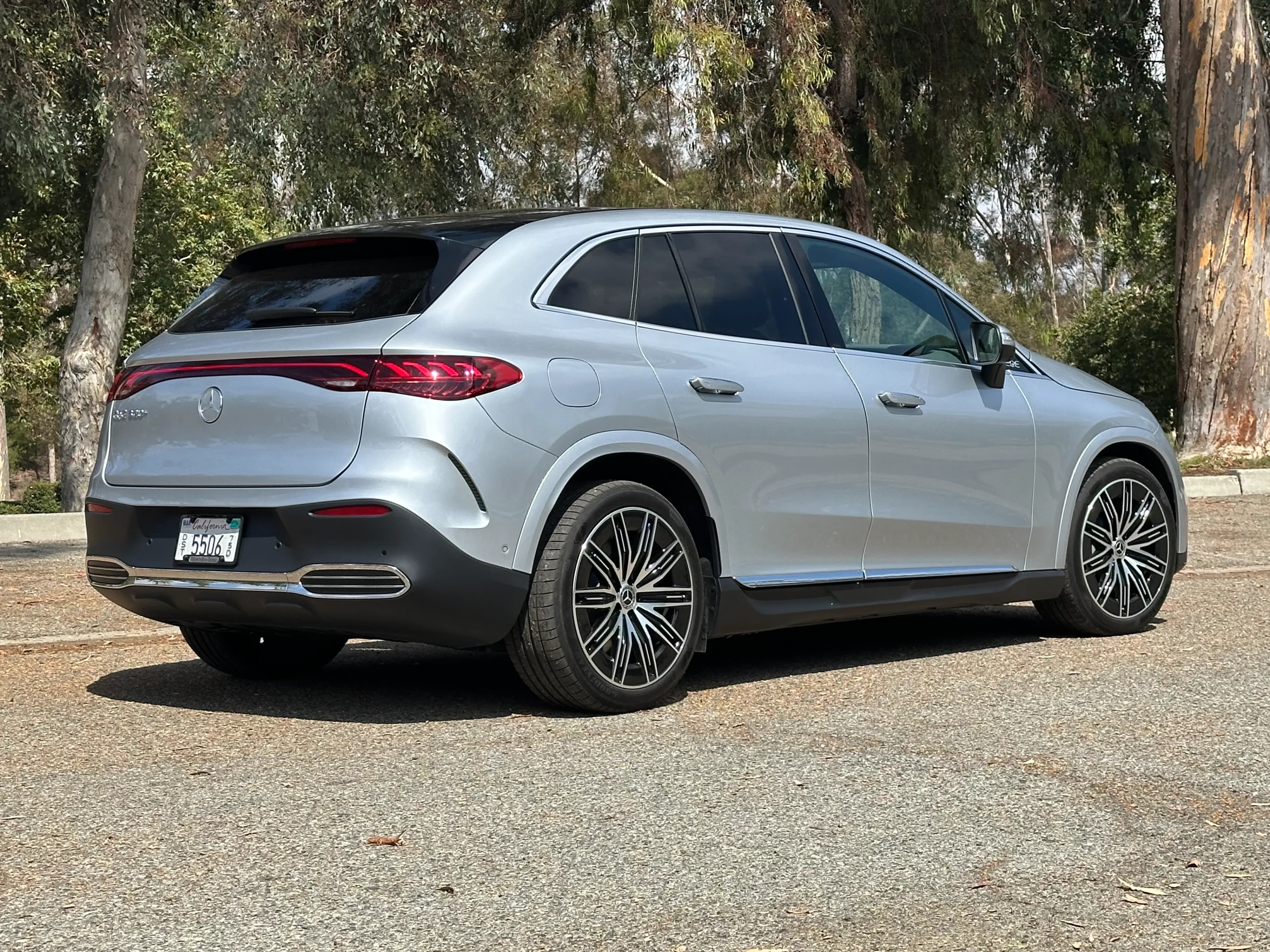
The EQE falls into a sweet spot in Mercedes' electric SUV lineup, between the top EQS and the smaller EQB. The big boy EQS rides on a wheelbase 7 inches longer, so it has room for a third row that the EQE doesn't offer. Still, since both share the same EVA2 platform, the driving experience is similar. Up front, the EQE feels spacious, with storage everywhere. There are two large center consoles, a big lower storage area, and generously deep door pockets. If you need a midsize luxury EV with loads of space upfront, this is it.
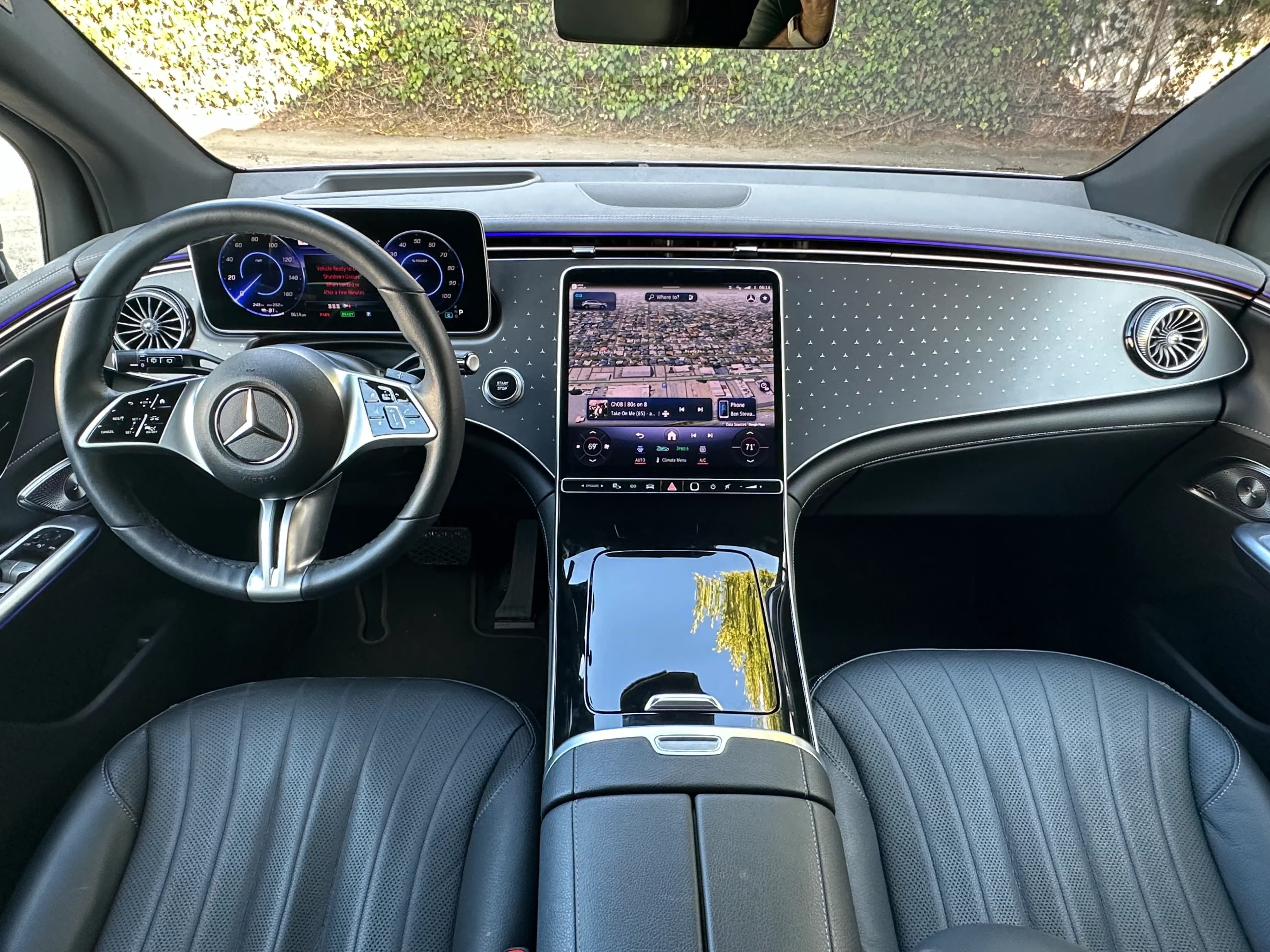
The dash is dominated by a star-pattern plastic panel that spans its width. At night, tiny Mercedes-Benz stars light up, and when paired with the blue interior trim lighting, it's rather pleasing and upscale. In daylight, though, the panel looks a little down-market. Natural-grain walnut is an option worth considering.
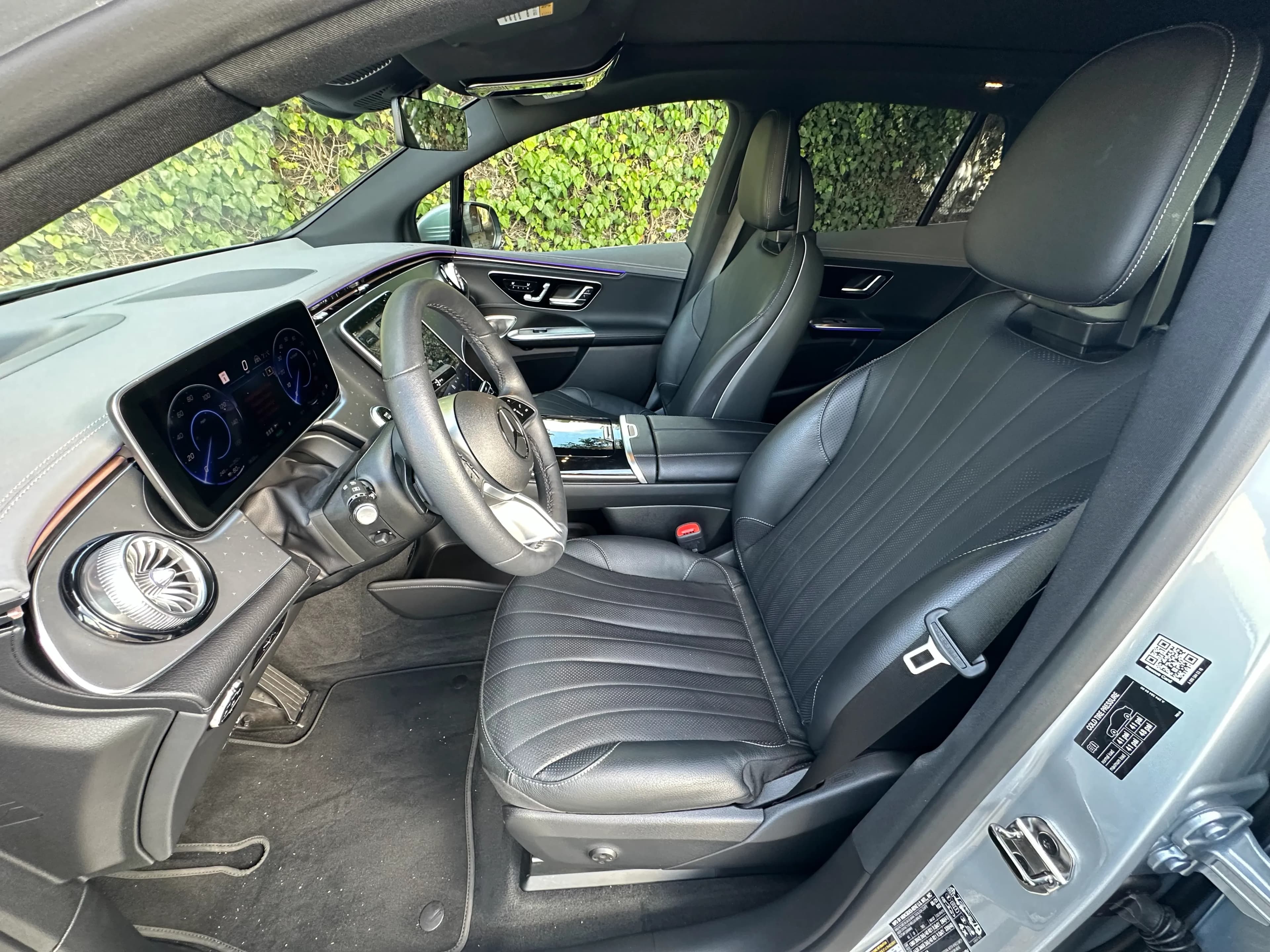
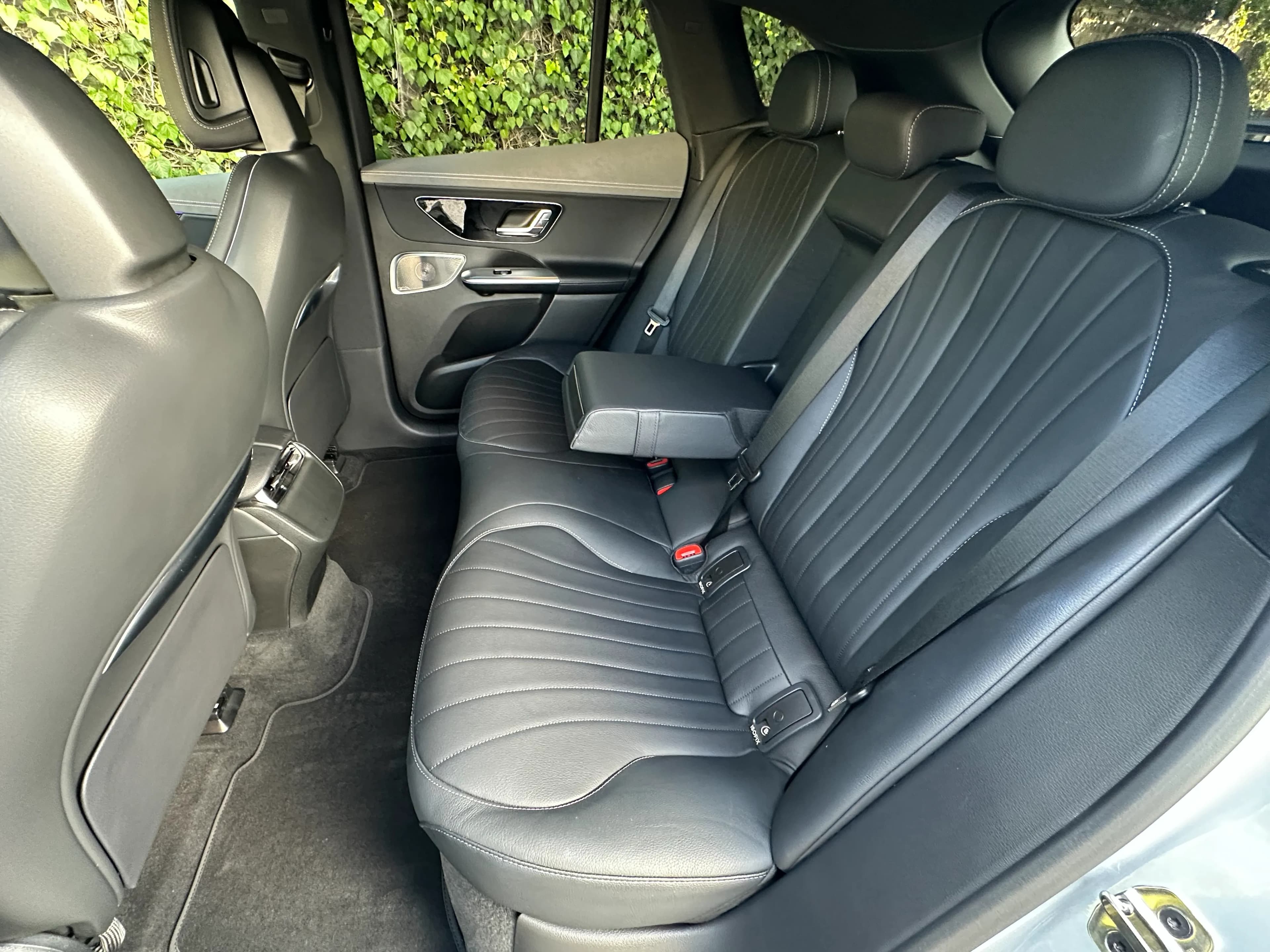
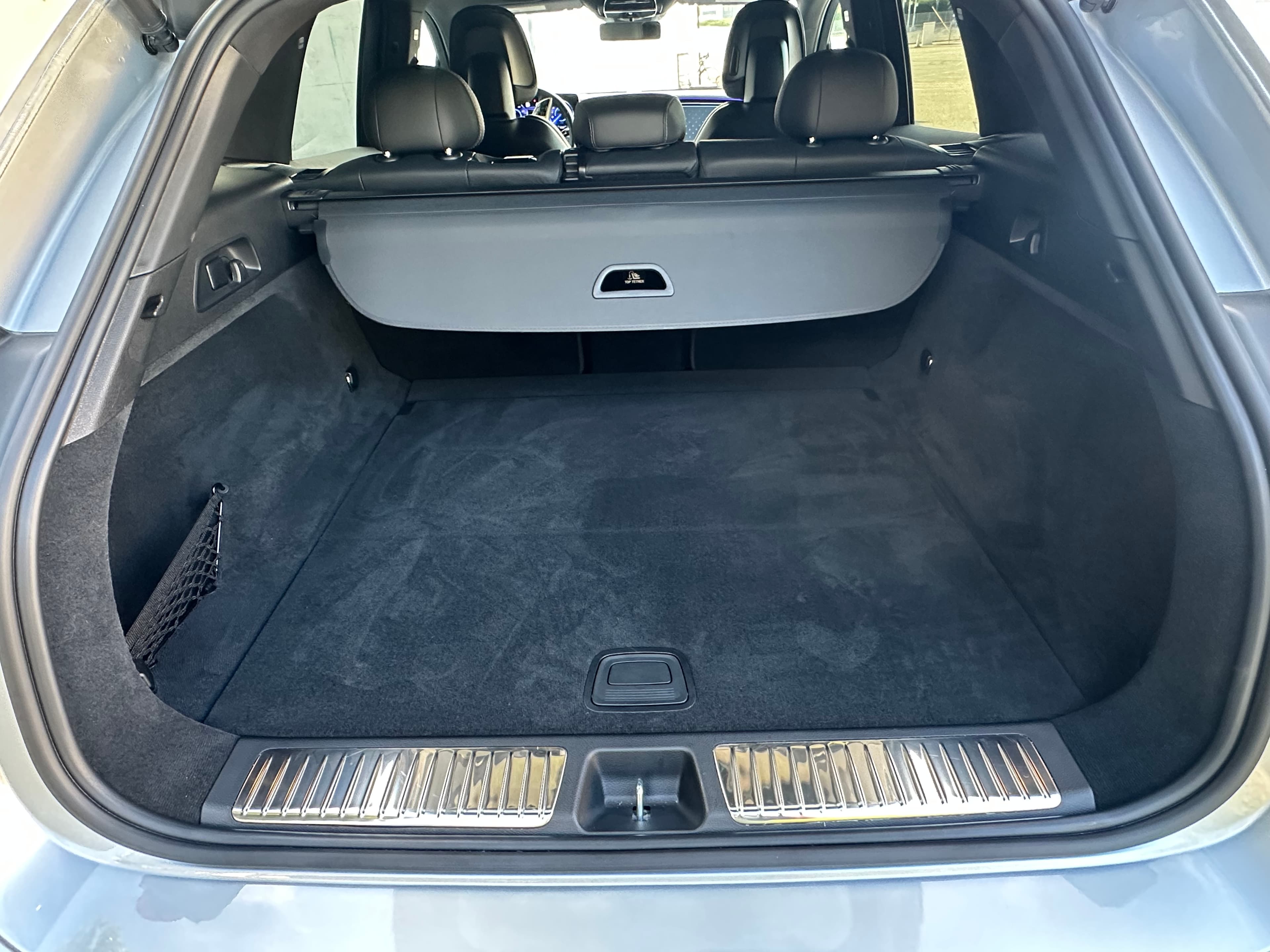
The leather ventilated seats in my car were supportive and comfortable. Hop into the rear seat and the legroom is downright limo-like, just an inch shy of the longer EQS. Sitting behind the driver’s seat adjusted for my 5-foot-11 build, I had nearly 5 inches of legroom to spare. It's roomy enough that our summer-camp carpoolers felt like they’d hit the big time. Cargo capacity with the rear seat folded is larger than the specs would suggest, too. It accommodated a sizable Saturday morning load of plants and gardening supplies with ease.
Strong range is only one part of long-distance EV travel, so see how to plan charging stops, account for terrain, and prepare for an electric road trip ➜
You can option an EQE SUV with the massive 56-inch Hyperscreen infotainment system for $4,950. That’s expensive, and it doesn't even run the more advanced Mercedes-Benz MB.OS software found in the new CLA Electric. Most drivers will find the standard 12.8-inch OLED portrait display to work well enough. I sure did. Adjusting temperature and fan speed on the screen is quick and easy, since both controls live on the home screen. A row of physical buttons sit along the lower edge of the screen, and pressing the EQ button pulls up a deep well of battery and range info. It’s well done. The only hassle I found was switching between audio streaming on my phone and the native satellite radio, which required several screen taps.
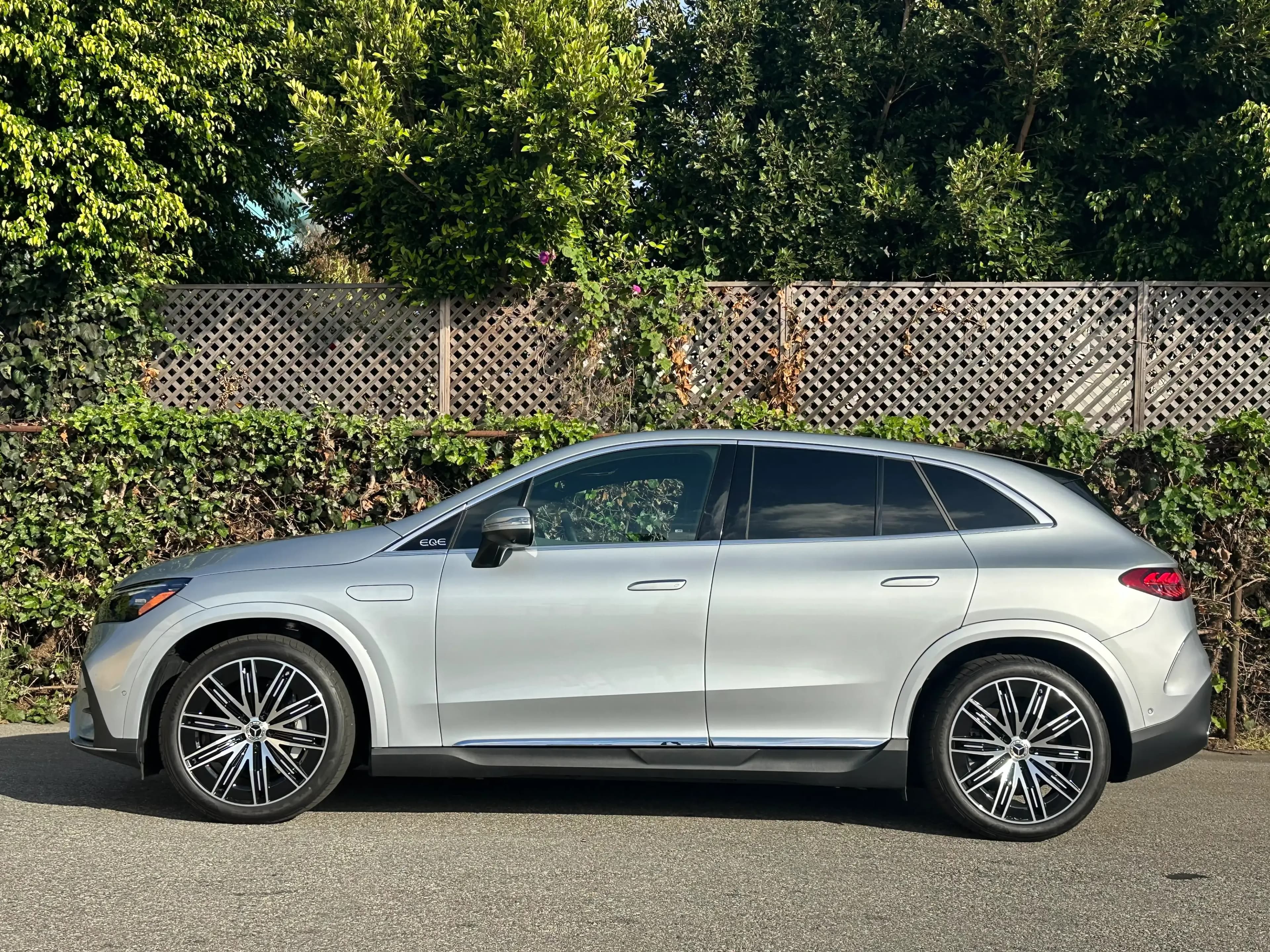
In the daily grind around Los Angeles, driving the EQE is a pleasing experience. Small parking spaces and tight maneuvers can easily frustrate drivers here, but the EQE’s optional rear steering gives it a tighter turning circle than the much smaller CLA sedan - or even a Honda Civic. It’s very nimble. The 2026 power bump helps, but compared to some rivals like the BMW iX, this Benz is still at the slower end. Regardless, I found the EQE had plenty of pep around town.
The optional air suspension is a bit of a mixed bag. Over some surfaces, the ride is smooth, but as soon as the low-profile 21-inch tires hit a sharp-edged pothole, you hear a thwack. In some cases, the impact is harsh enough for the cabin structure to creak. Comfort mode creates a subtle boat-like side-to-side motion at times, and although Sport mode is on the firm side, it does control the body motions better. It was my preferred mode both around town and for highway travel.
On the curvy roads in the Santa Monica mountains near Malibu, the summer tires provided excellent road holding. Sport mode is the obvious choice on these roads and really syncs the chassis down and limits roll. Despite weighing in at 5,300 pounds, it was easy to hustle on these fun roads, and, combined with the rear steering, this EV feels smaller than it is.
The EPA rates my tester at 270 miles, but after a full charge, my gauge cluster estimated 304. I had to put it to the test. I left the regen in the default Normal Recuperation mode for most of the week and was surprised to learn that after urban errands, a few canyon blasts, and an extended highway run, I easily surpassed those estimates. One cool thing: descending Encinal Canyon Road (essentially a full 5.2 miles of downhill to the coast), I added 13 miles of projected range through regen. By week's end, I'd covered 326 miles with 2 percent battery remaining. That’s quite a good showing and blows past the EPA estimates.
The EQE’s unusually strong result shows why the number on the window sticker is a comparison tool rather than a guaranteed outcome, so see how to evaluate EPA and real-world EV range when shopping ➜

The EQE 320+ SUV is a solid performer for a luxury family EV, with great range and roominess. The pricing cut from last year’s EQE 350 is a welcome one. To make the most of it, go easy on the options. The air suspension and the bigger wheels are the options I could probably live without. Stay close to that base price, and the EQE undercuts SUVs like the BMW iX while landing right where less expensive competitors like the Audi Q6 E-tron play.
The 2026 BMW iX xDrive60: Road Trip Champion
BMW’s updated iX counters the EQE with all-wheel drive, substantially more power, and up to 364 miles of range, but at a higher starting price.
Read More ➜
Driving the Audi Q6 e-tron
Audi’s midsize electric SUV offers similar pricing, up to 321 miles of range, and significantly quicker 270-kW DC fast charging.
Read More ➜
2025 Volvo EX90 Review: A Calm, Confident Take on Luxury EVs
The EX90 adds a third row, standard all-wheel drive, and up to 310 miles of range for families that need more passenger space.
Read More ➜
Ben Stewart has been a California-based automotive journalist for over 30 years, reporting on new vehicles, trends, technology and culture.
Get vehicle reviews, practical tips, and the latest GreenCars news.
ReviewsThis sultry sedan delivers classic Mercedes luxury and style, but there might be a few extras we would suggest. Luckily, Mercedes is listening.
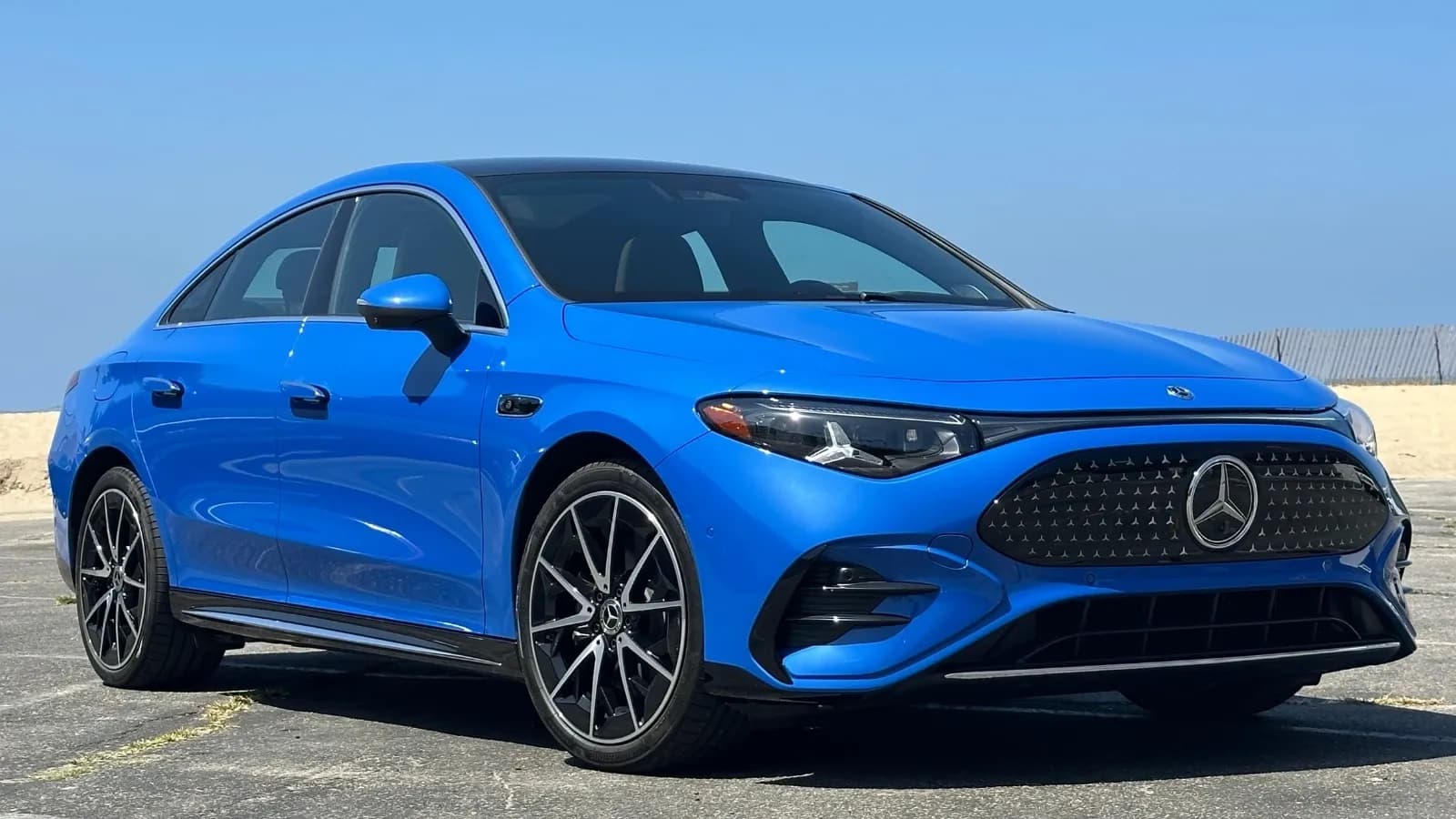
The CLA is an entry-level electric compact luxury sedan that delivers a dose of fun driving alongside serious EV range and might just be our new favorite.
 Reviews
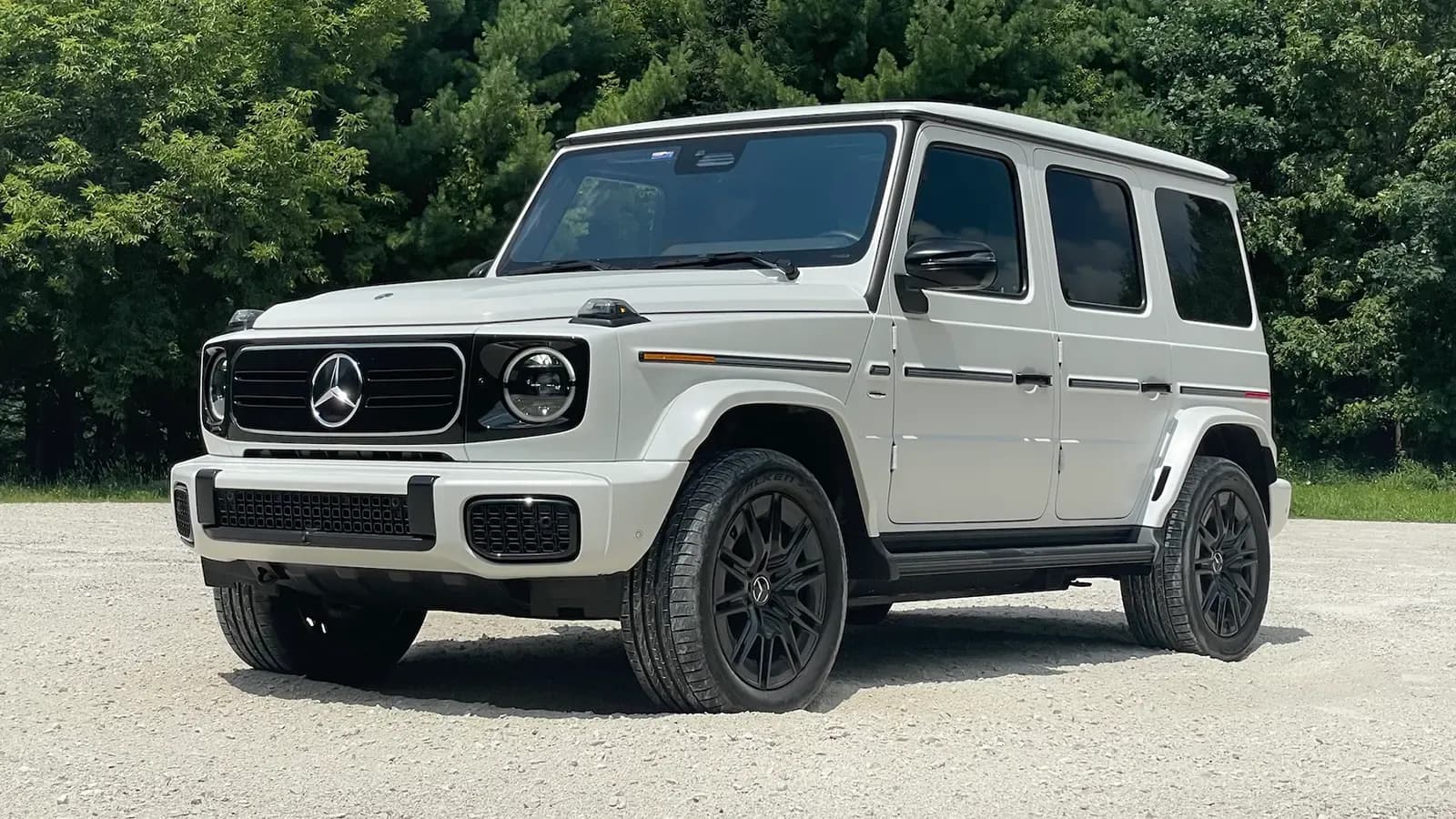
Electric power meets legendary off-road prowess in the Mercedes-Benz G 580. In fact, this electric G-Wagon has an independent motor for each wheel sending better traction as well as the miraculous “G-Turn”.