
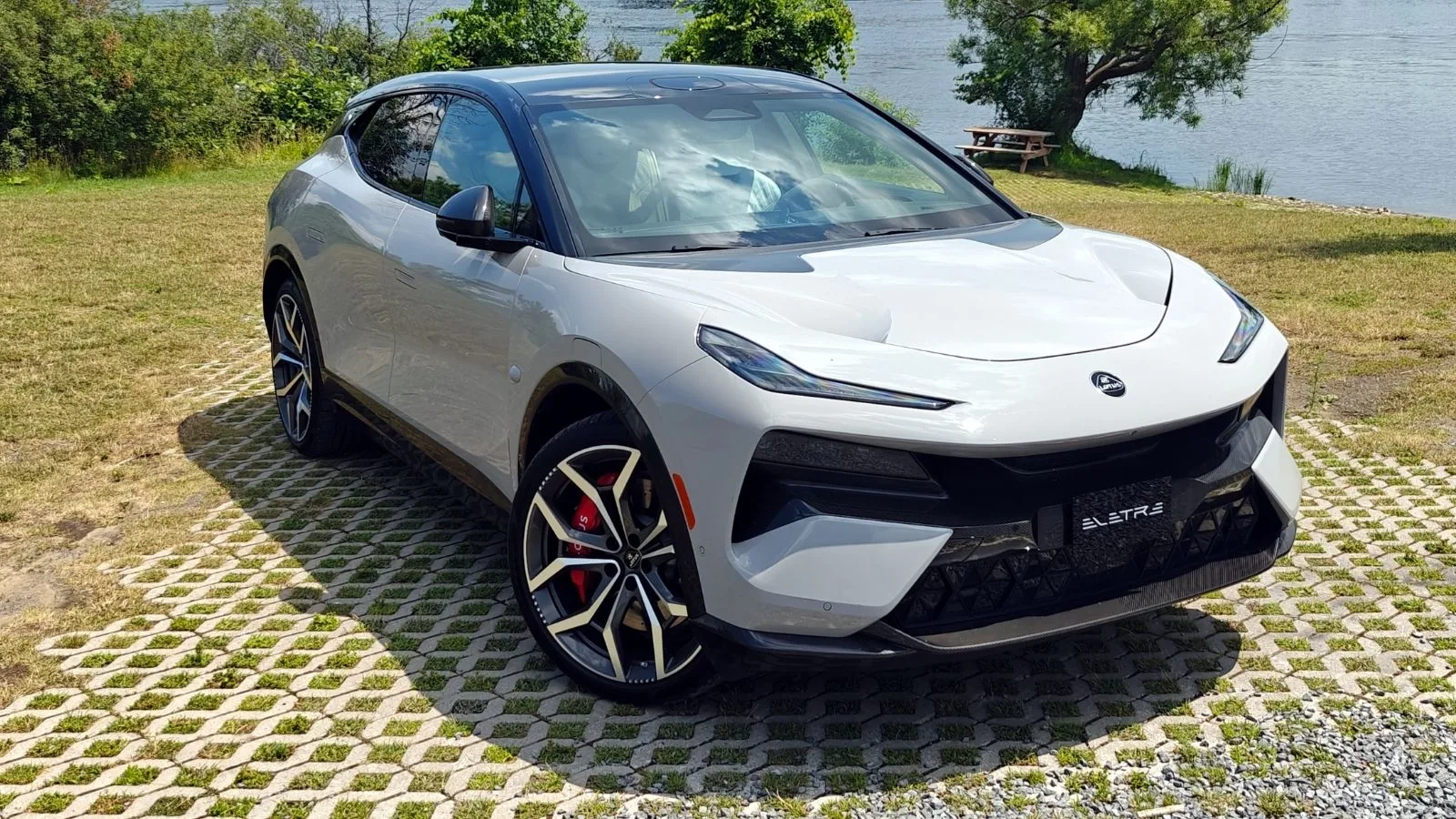

Fast Facts | 2026 Lotus Eletre
⚙️Output: 905 horsepower, 726 pound-feet of torque from a dual-motor, all-wheel-drive electric powertrain
🏁 Acceleration: 0-60 mph in under 3 seconds; 165 mph top speed
🔋Range: WLTP-estimated 254 miles from a 112-kWh battery pack
⚡Charging: 10 to 80 percent in about 20 minutes
💰MSRP: $232,900, including delivery
What Happens When Lotus Builds a 905-HP SUV?
Lotus has spent decades building light, nimble sports cars, but the introduction of the Eletre, the automaker’s first SUV and heaviest model yet, is finally balancing out the combined curb weights of all the lightweight roadsters that came before it.
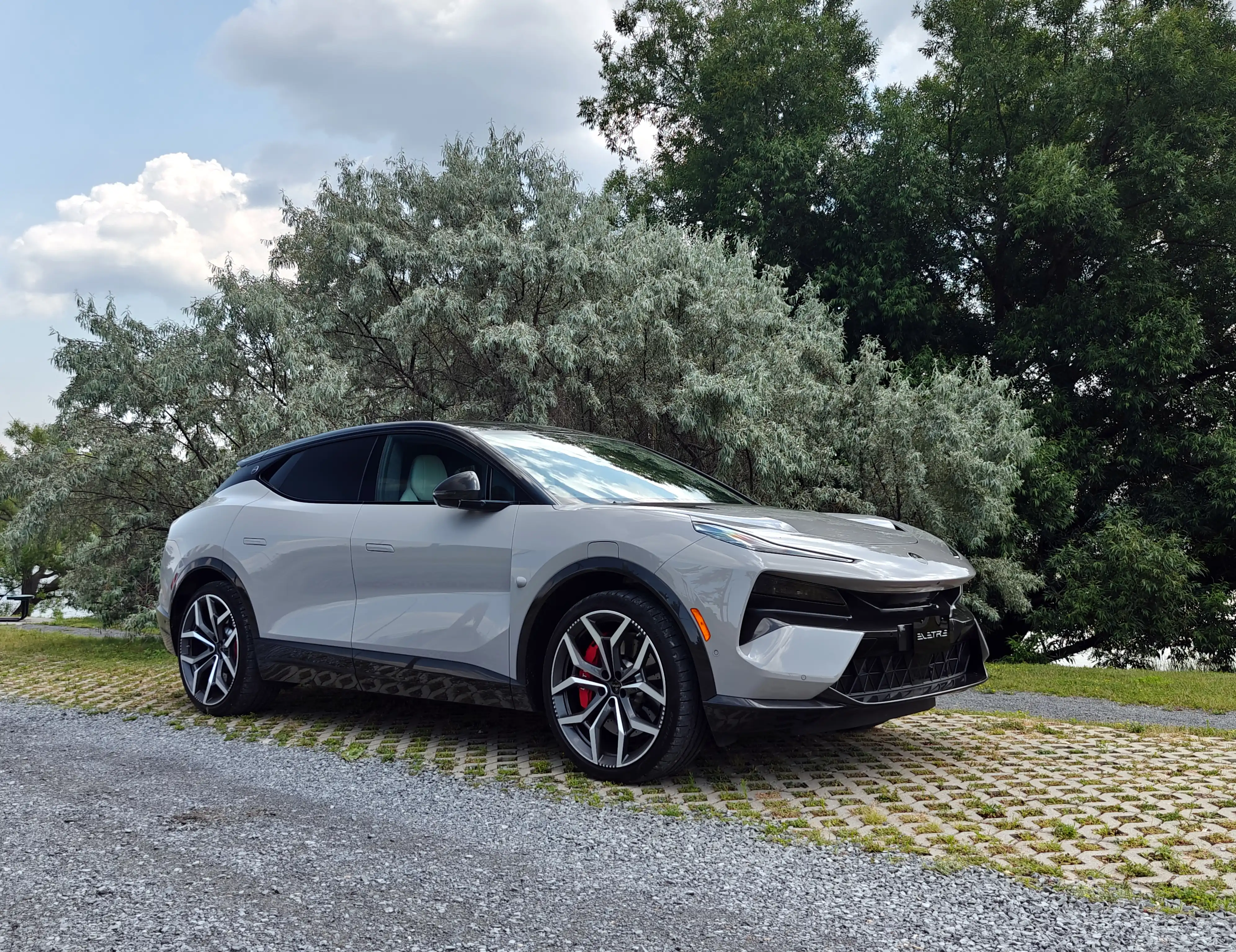
Context remains key when evaluating a vehicle like the Eletre. Despite its high-performance design brief, there’s little use comparing it to a history of purpose-built track stars. It’s more interesting to compare the Lotus, whose acceleration is powered entirely by a battery pack and electric motors, to the gas-guzzling, turbocharged V8-powered haulers that are more common in the super-SUV set.
It’s here that the 2026 Lotus Eletre distinguishes itself from behind the wheel. Without the drama of an exhaust roar or a tachometer ripping to redline, the Eletre instead focuses on the task at hand with almost startling precision.
Big Price, Bigger Power
In the U.S., Lotus briefly sold a limited number of Eletres as 2025 models, but it will not be available for 2026 due to tariffs. Lotus offers multiple versions of the Eletre in other markets, including Canada. I reviewed the top-shelf Carbon trim, which starts at a lofty MSRP of $232,900, including delivery fees.
If your pockets are deep enough, you won’t have much to complain about with Lotus’s "only the best" strategy. First up is a spec sheet that outshines even the best of the luxury SUV class, thanks to its dual-motor, all-wheel drive powertrain that produces an exceptional 905 horsepower and 726 pound-feet of torque, delivered in the instantaneous manner of electric setups.
That puts the Lotus in impressive company, out-muscling names like the Ferrari Purosangue, Lamborghini Urus, and Aston Martin DBX, all of which cost more and burn large quantities of gasoline. It’s also enough output to catapult the Eletre from a standing start to 60 mph in under three seconds, an astonishing feat given its curb weight checks in at just under 6,000 pounds.
It’s hard to overstate what that kind of acceleration feels like in the real world. I easily broke traction with my right foot to the floor, and one hard launch sent my phone flying out of its dashboard cubby and into the second-row seats. I never got close to the vehicle’s 165-mph top speed, but a few highway passes brushed up against the lower end of it with a startling ferocity.
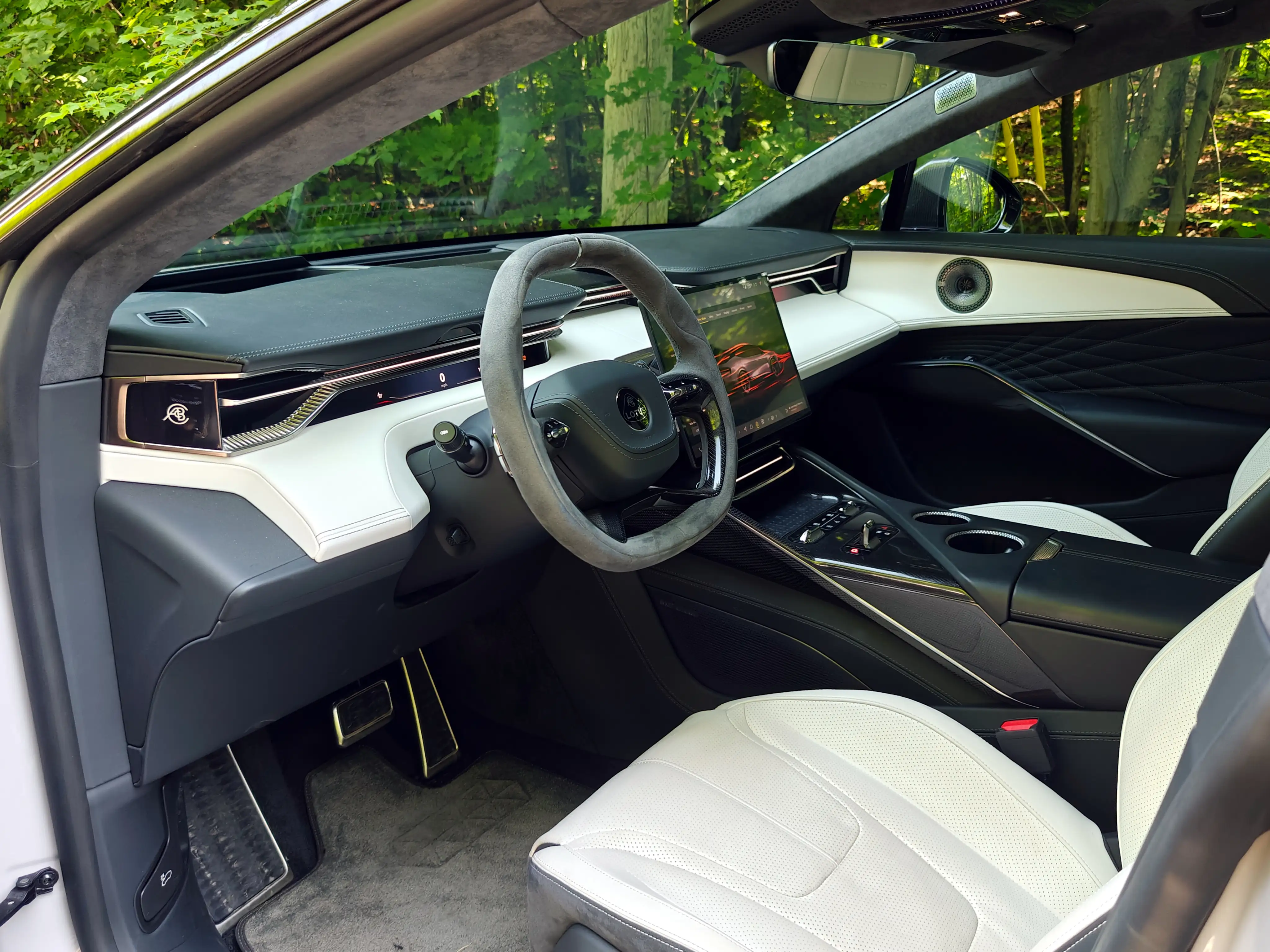
Big Boned, But With Hustle to Match
Wild acceleration comes with many modern performance EVs these days, so if that's all this Lotus had to offer, my review would be far less rosy. Fortunately, it’s how the rest of the SUV handles itself that truly elevates the Eletre.
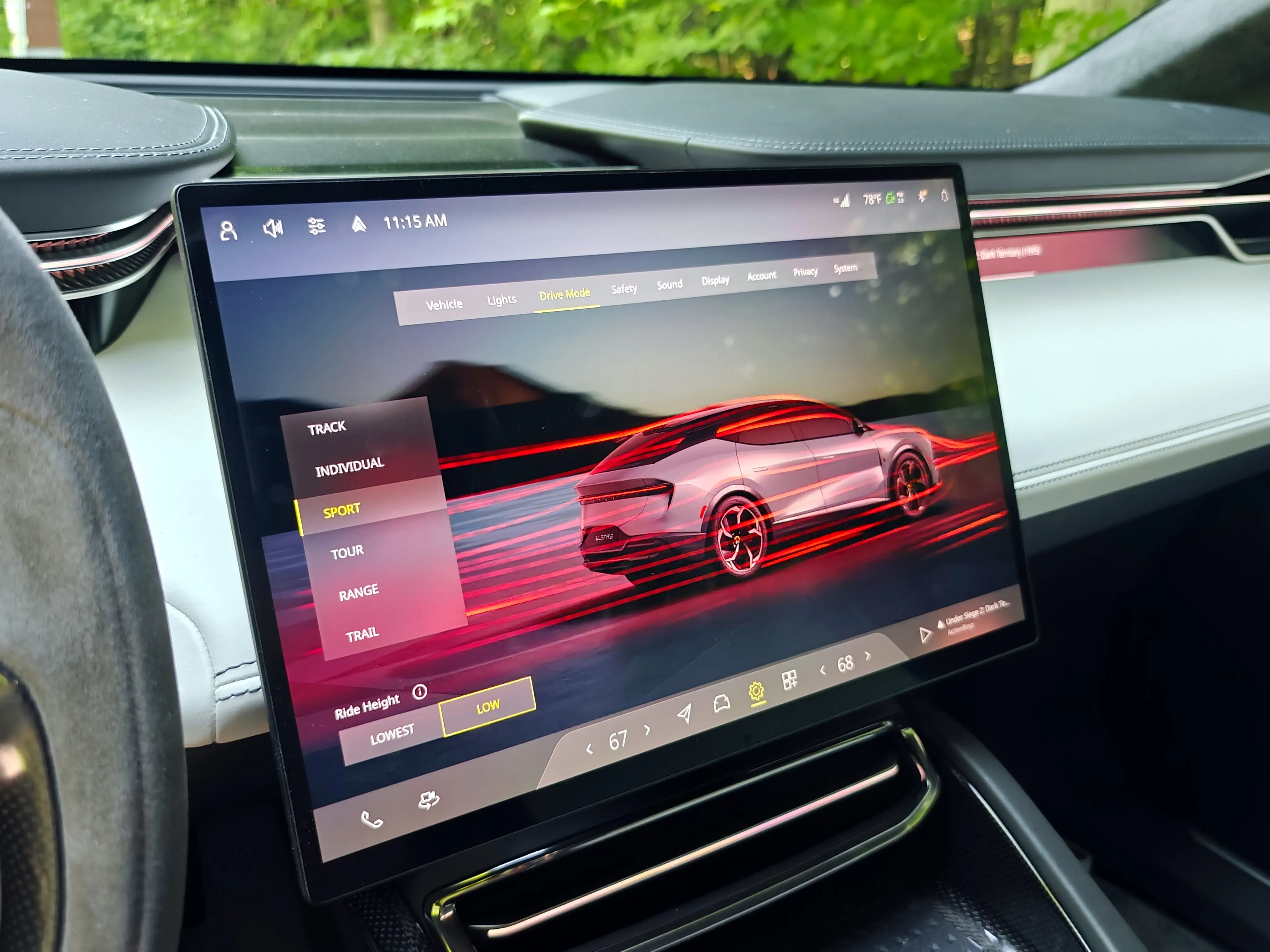
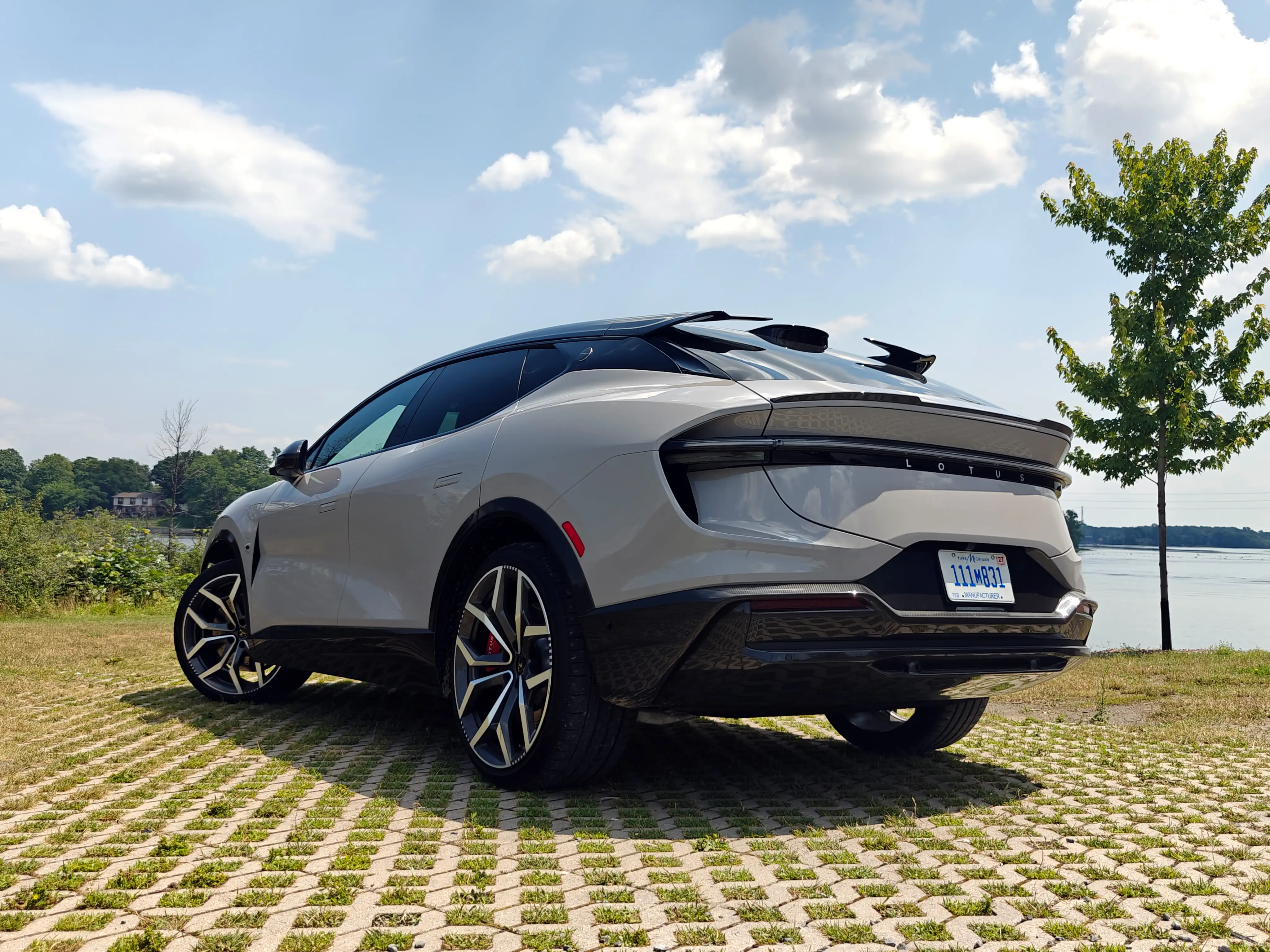
There are multiple drive modes available that aim to balance range, emphasize comfort, or seemingly defy the laws of physics, depending on your mood. The wildest of these, Track mode, deploys the Eletre’s rear wing, sharpens its accelerator response, and prepares its air suspension for maximum control.
Compared to other SUVs of its size, the Lotus trades the theatre of a howling engine for a relentlessly sticky pursuit of the next apex. I took the Eletre to a twisty rural road that my friends use to tune the suspensions on their track cars and set it loose. Rather than bullying its way through the corners, the SUV handled abrupt elevation and sharp direction changes with a flowing competence that masked much of its mass.
For a less outrageous but still handling-focused electric SUV, see how the Porsche Macan 4S combines an 800-volt platform with genuine sports-car reflexes ➜
.webp)
There's a bit of a penalty for all that capability: the Eletre is occasionally louder over broken bits of pavement than you'd expect. The brakes are also touchy in stop-and-go traffic as they switch back and forth between regenerative and traditional stopping power. That being said, the cabin didn't rattle or shake as the suspension dealt with less than smooth pavement.
Redefining What Looks Like A Lotus
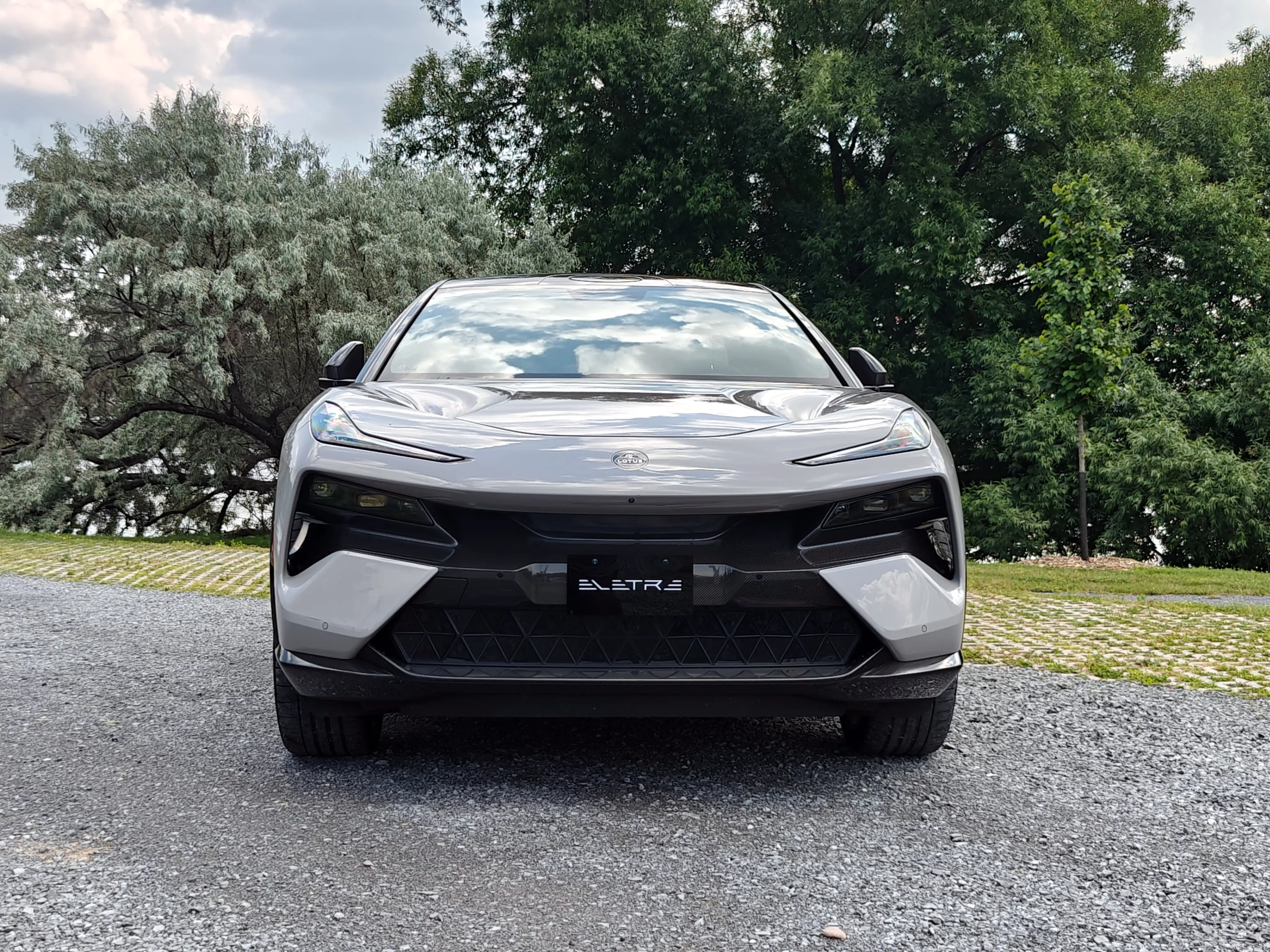
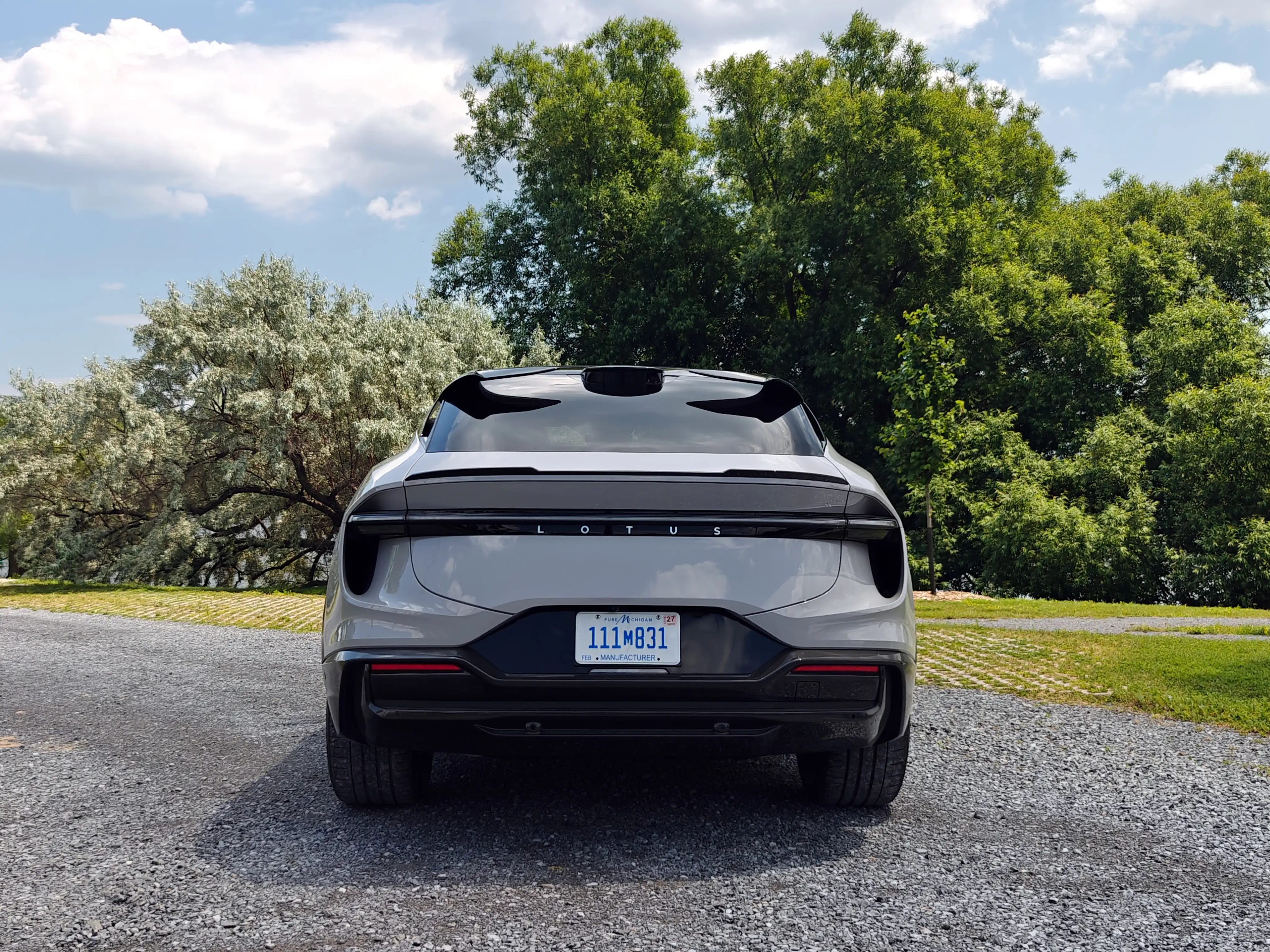
Longtime Lotus fans may need some time to get used to the Eletre’s look, since its sloped, aerodynamic shape bears little resemblance to anything else in the automaker’s showroom (or back catalog). Still, it’s a design that rewards a closer look — just like its cabin, which is also full of thoughtful details that make the interior feel special rather than gimmicky.
I had great sightlines from the driver’s seat, and the back row was also roomy. Trunk space is limited by the angle of the roof, but there's still enough room for a weekend’s worth of luggage for at least two people, and you can fold down the back bench if you need more room. One thing you can skip: the frunk found under the Electre’s hood, which won’t hold much more than a change of clothes.
Built to Keep Lotus Owners In The Family
A common question when a traditional sports car brand decides to build a high-end SUV is, "Who asked for this?" In speaking with Massimiliano Trantini, president and CEO of Lotus Americas, I learned the call was actually coming from inside the house.
“Lotus has always been known for sports cars, particularly the two-seater, and that’s what Lotus has always done the best,” he said. “[But] our fans were asking for something more than that. Something that can still be enjoyed with sporty characteristics, but that becomes something you can use more than just over the weekend, and becomes a day-to-day car, where you can bring your family with you, and still be in a Lotus.”
Positioning the Eletre as a lifestyle upgrade for Lotus diehards who are tired of leaving the kids at home makes a lot of sense for a company looking to grow its customer base — and one that’s probably eager to stop watching sports car buyers head elsewhere to satisfy their SUV needs.
A 350-kW peak only matters when the battery and charging station can support it, so see what fast charging actually looks like across the U.S. in 2026 ➜
For all its explosive speed and back-road balance, the Eletre remains a very usable, low-compromise (apart from the price) vehicle. With a WLTP-estimated 254 miles of range per charge from its 112-kilowatt-hour battery pack and an 800-volt infrastructure that can charge at speeds surpassing 350 kilowatts (enough to go from 10 to 80 percent in a mere 20 minutes), the Eletre’s thrills come with just as much everyday livability. That’s much, much harder to do with a high-strung gas engine, and it makes me glad that with its first SUV, Lotus didn’t even bother to try.
A WLTP estimate should not be compared directly with EPA-rated U.S. competitors, so see how to compare battery size, test cycles, and real-world EV range before shopping ➜
Keep Shopping the Performance EV Field
2026 Cadillac Lyriq-V Review: Cadillac’s Bold Electric V-Series SUV
Cadillac delivers a more attainable interpretation of the performance luxury EV SUV, with V-Series speed wrapped in a substantially less exotic package.
Read More ➜
The 2026 BMW iX xDrive60: Road Trip Champion
The BMW takes the opposite approach, prioritizing long-distance efficiency, comfort, and everyday luxury while still delivering serious electric performance.
Read More ➜
2027 Mercedes-AMG GT 4-Door Coupe First Look
Mercedes-AMG shows where extreme electric performance is heading next, with a four-door EV designed around repeatable power rather than SUV practicality.
Read More ➜