ResearchWhat Are the Most EV-Friendly Places in America?
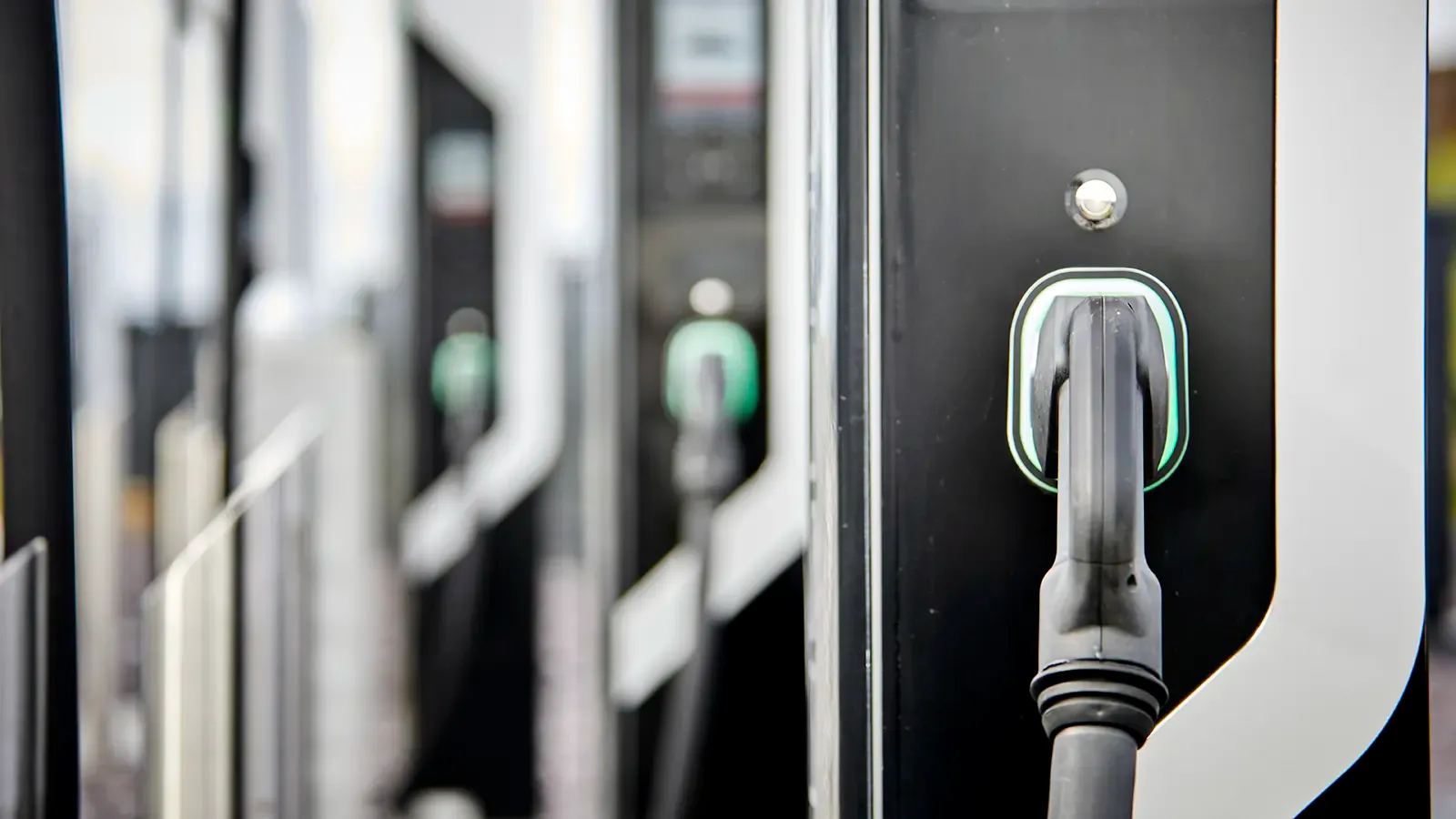
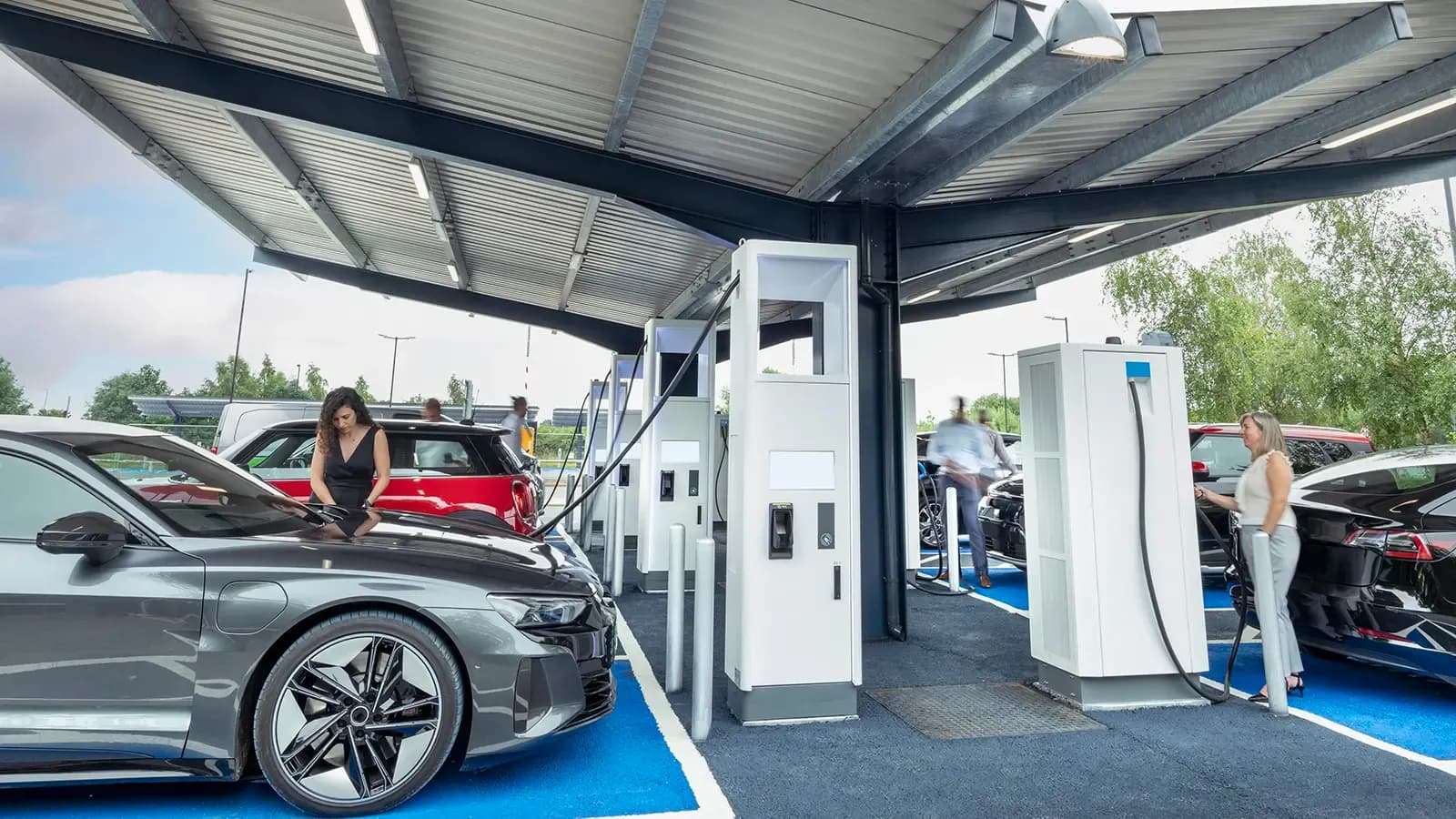
Electric cars are becoming more and more popular across the U.S. But some cities and states offer far better access to EV charging than others, according to a study by iSeeCars.
Page 3 of 4
ResearchElectric cars are becoming more and more popular across the U.S. But some cities and states offer far better access to EV charging than others, according to a study by iSeeCars.
ResearchOne pedal or two? Tesla has popularized one-pedal driving, where electric cars use aggressive brake regeneration to extend range. But Porsche thinks there's a better way. Read on to learn more.
ResearchIf you're curious about making the leap to an EV, but aren't yet ready to make a long-term commitment, Hyundai's new Evolve+ subscription service might be for you. It lets you drive an Ionic 5 or Kona Electric no strings attached for an all-in monthly fee.
ResearchYou can help lower CO2 emissions even more if the electricity you use to recharge your electric car or plug-in hybrid is sourced from clean energy. What is clean electricity and how do you get it? Let’s find out.
ResearchIn this article, we explain some of the perils that exist for our rivers and waterways and steps you can take to help preserve them. When faced with big problems we often hear people lament, “What can I do? I’m just one person.” Here are a few ideas.
ResearchAccording to a survey by industry watchdog Autolist, which surveyed over 1,300 consumers in early 2022, vehicle prices and range are the factors most on the minds of U.S. buyers – not gasoline savings.
ResearchElectric vehicles are often praised for helping drivers save money, but how reliable are they? Is there a tradeoff? Here on GreenCars.com, we look at why electric cars are more reliable and why software glitches seem to be the primary culprit.
ResearchAs the impact of climate change becomes more evident, the need for keeping carbon in soils is more important than ever. There is much we can each do to help repair our soil to reduce greenhouse gases. Here are some tips.
ResearchBy reducing your own carbon footprint, you not only reduce the amount of greenhouse gases in the atmosphere, but you also become part of a ripple effect resulting in a more sustainable way of living for all. Here are some tips.
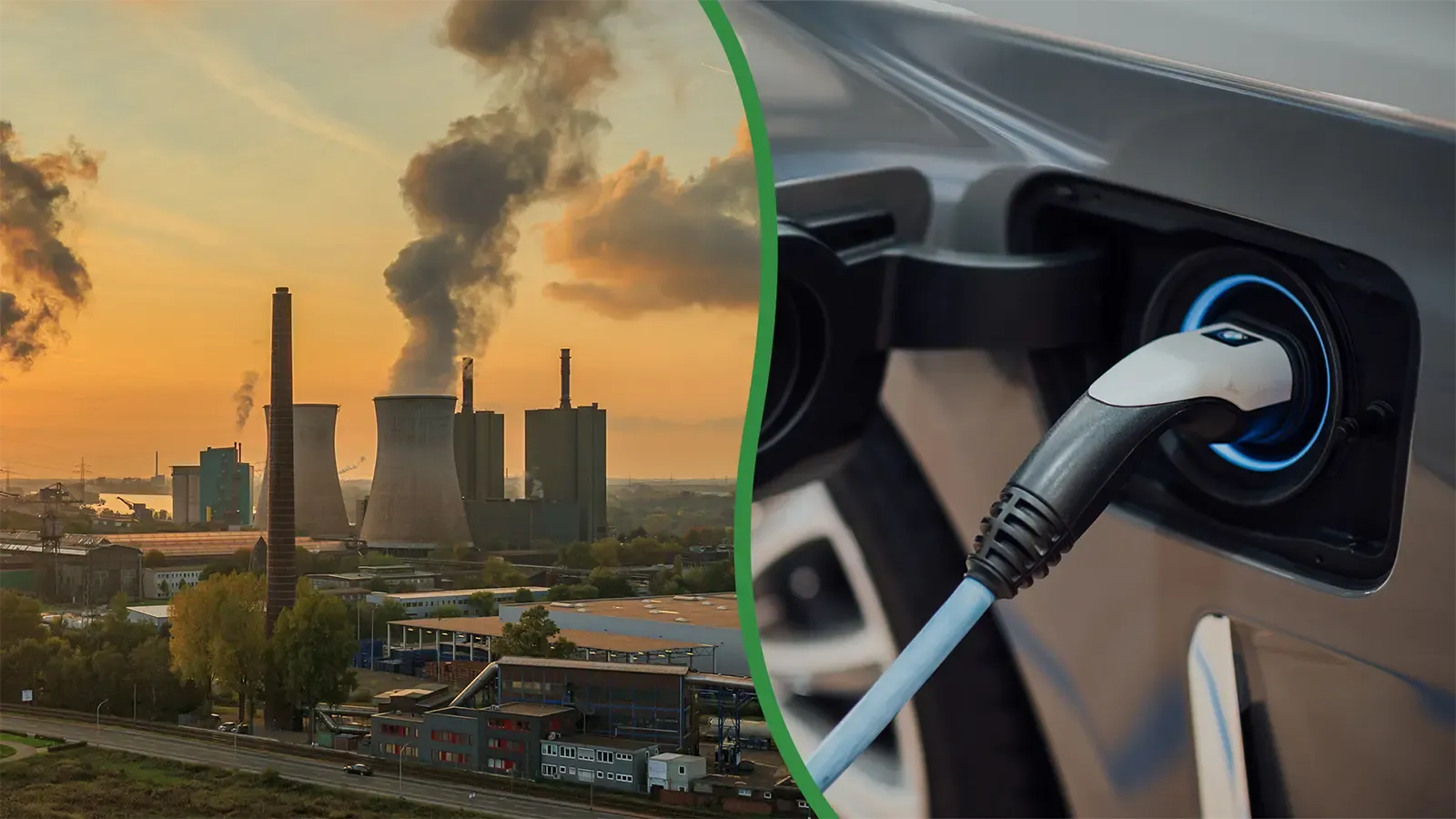
ResearchAre electric cars better for the environment than gasoline vehicles? Yes, but it's a complicated question. EVs may reduce carbon emissions but what about the negative impact of lithium mining? Can a car be truly green when electricity is still dirty?
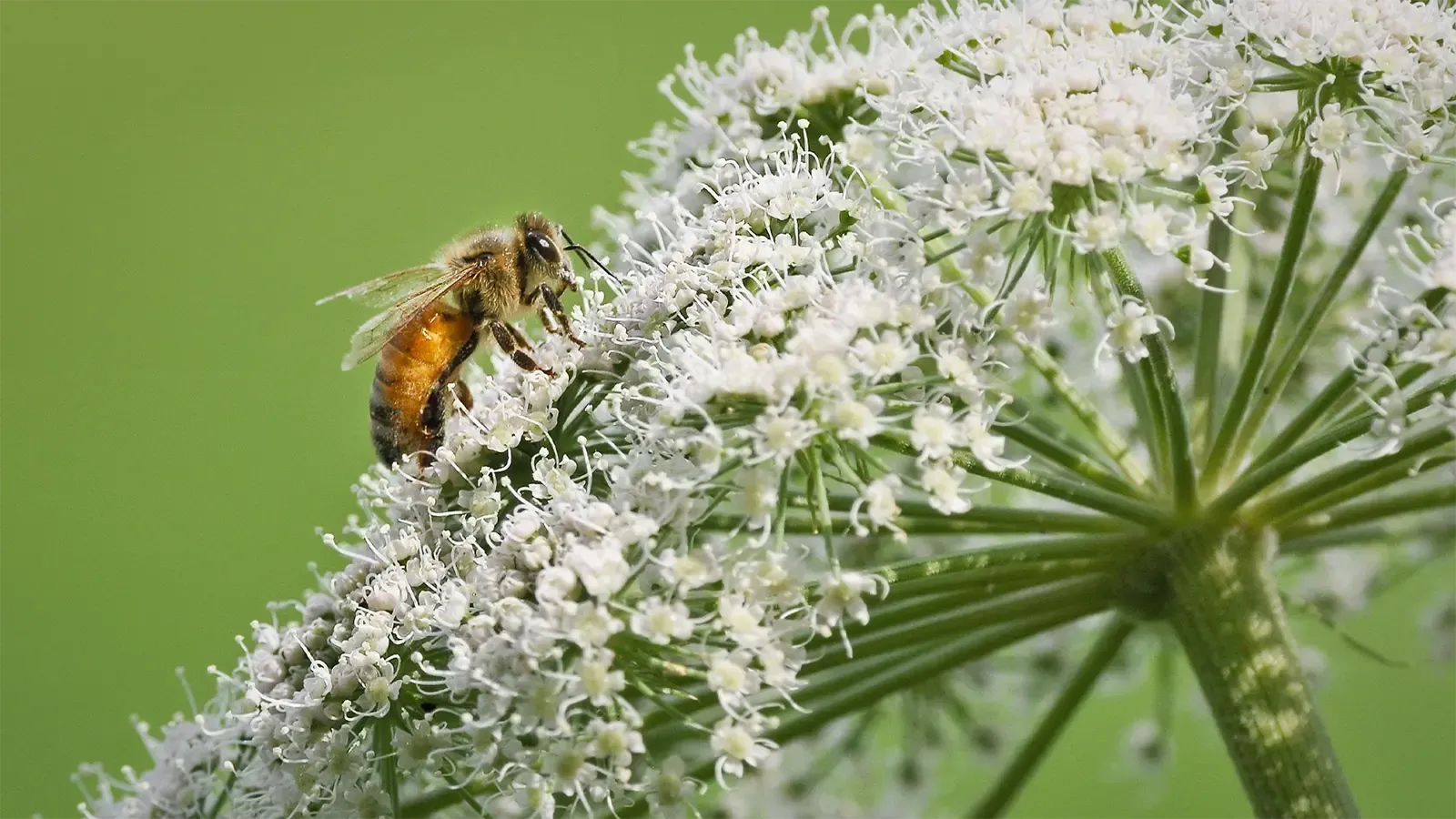
ResearchIn this article, we explore the dire ecological problems that exist for protecting our bees and offer encouraging ways we can work together to truly can make a positive difference. Want to help save the bees? Read on.
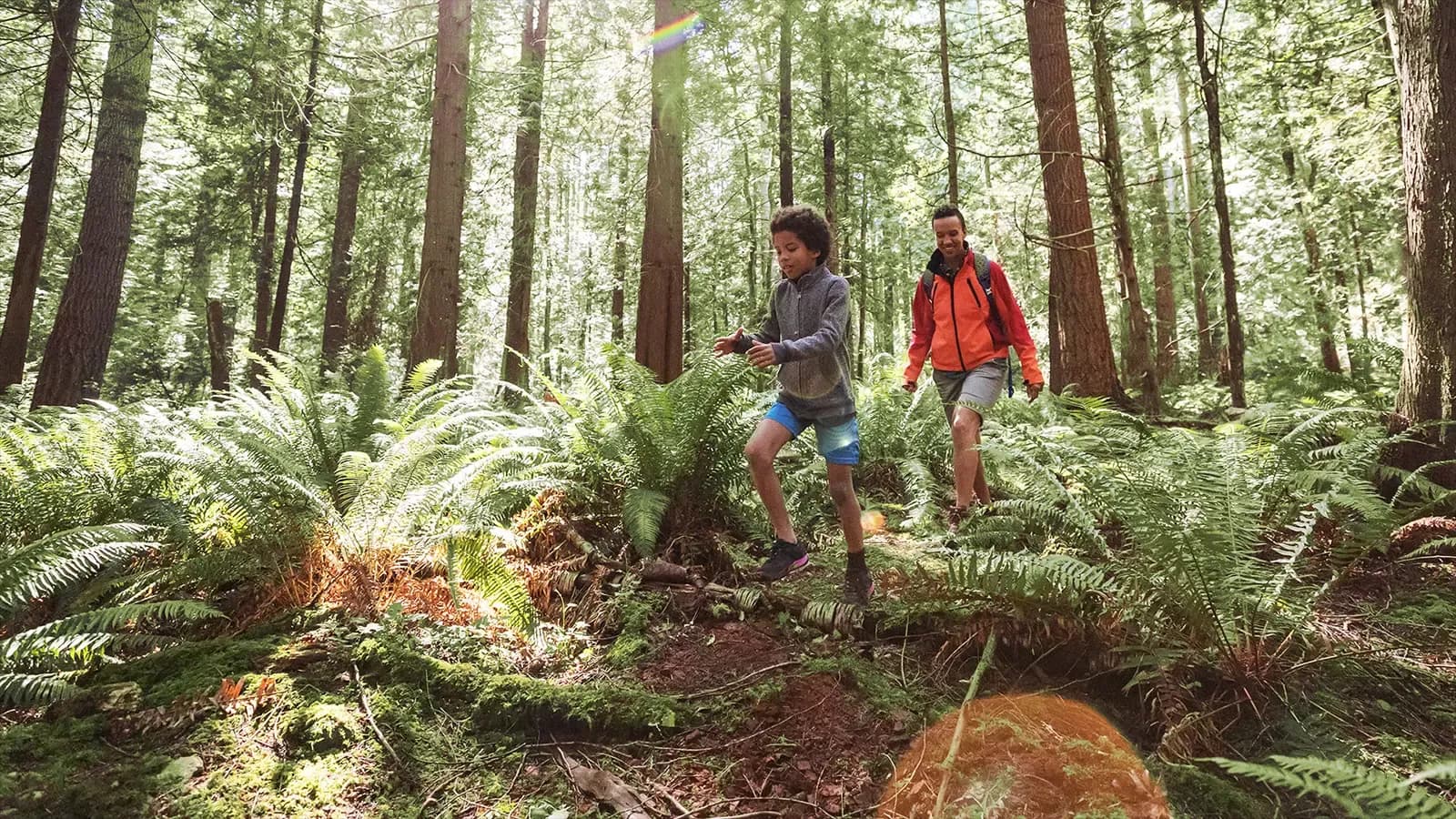
ResearchForests support the environment by regulating the climate, cleaning our water and preventing soil erosion. Trees improve our air quality by turning carbon dioxide into the oxygen we breathe. How can you do your part to preserve and restore them? Read on.
ResearchIn this article, we hope to help you understand the earth’s rising CO2 levels and why reducing greenhouse gases from automobiles is essential for our planet’s future.
ResearchElectric cars offer numerous advantages, among which are performance, smoothness, and zero-emissions driving. They can help contribute to cleaner air - but EV batteries come with some of their own problems.
ResearchThere are currently 5.25 trillion macro and micro-plastics in our oceans and 46,000 pieces of plastic in every square mile of ocean water. Our planet is literally swimming in plastic pollution. Here are some tips to reducing your plastic waste.
ResearchDoing your part to reduce plastic waste feels good. So does giving paper and glass products a second life by avoiding the landfill. But how you recycle is now more important than ever before. Here are some tips for recycling at home.
ResearchThe degradation of our oceans, known as marine pollution, stems from a combination of human caused dispersal of trash and chemicals that are washed out to sea in massive amounts. Over five million metric tons of plastic enters the oceans each year. What can you do to help?
ResearchIf you're looking for small ways that you can help contribute to a healthier planet, we're here to help. These sustainability hacks are easy and inexpensive to implement into your life.