Fast Facts | 2026 Lamborghini Temerario
- Output: 907 horsepower combined (789 from a twin-turbo 4.0-liter V8)
- Battery: 3.8-kWh pack mounted in the car's spine
- Drivetrain: Electrified all-wheel drive with an eight-speed dual-clutch transmission
- Drive Modes: Up to 13 different driving experiences, including the most aggressive mode, Corsa (Italian for "race"), that prioritizes acceleration
- Starting MSRP: Over $362,000
Electrification Does Not Have to Mean Sterilization
After decades of customer education, most of us know the role that hybrid drivetrains play in improving efficiency. Pairing electric motors with increasingly well-engineered gas engines is a consistent formula for boosting fuel economy. Aim your eyes at the upper reaches of the automotive stratosphere, however, and you’ll discover hybrid technologies deployed much differently.
Over the past decade, automakers have electrified supercars in earnest. It started with early pioneers like the Porsche 918, and it's led to today’s Ferraris, McLarens, and Koenigseggs, all of which rely on electric motors to deliver horsepower figures that, in some cases, triple those of their gas-only predecessors.
The basic PHEV architecture is familiar, but supercars use those same components very differently, so see how plug-in hybrid systems combine gasoline and electric power ➜
But there are myriad ways electrification can be used. It's not just to skyrocket the dyno line of a tire-melting performance vehicle. It can also dramatically reshape the driving experience when you push a sports car to its limits. These days, the differences between exotic automobiles are determined not just by the numbers on their spec sheets, but also by the software that sculpts how their motors and gas-burning engines collaborate on building full-throttle thrills.
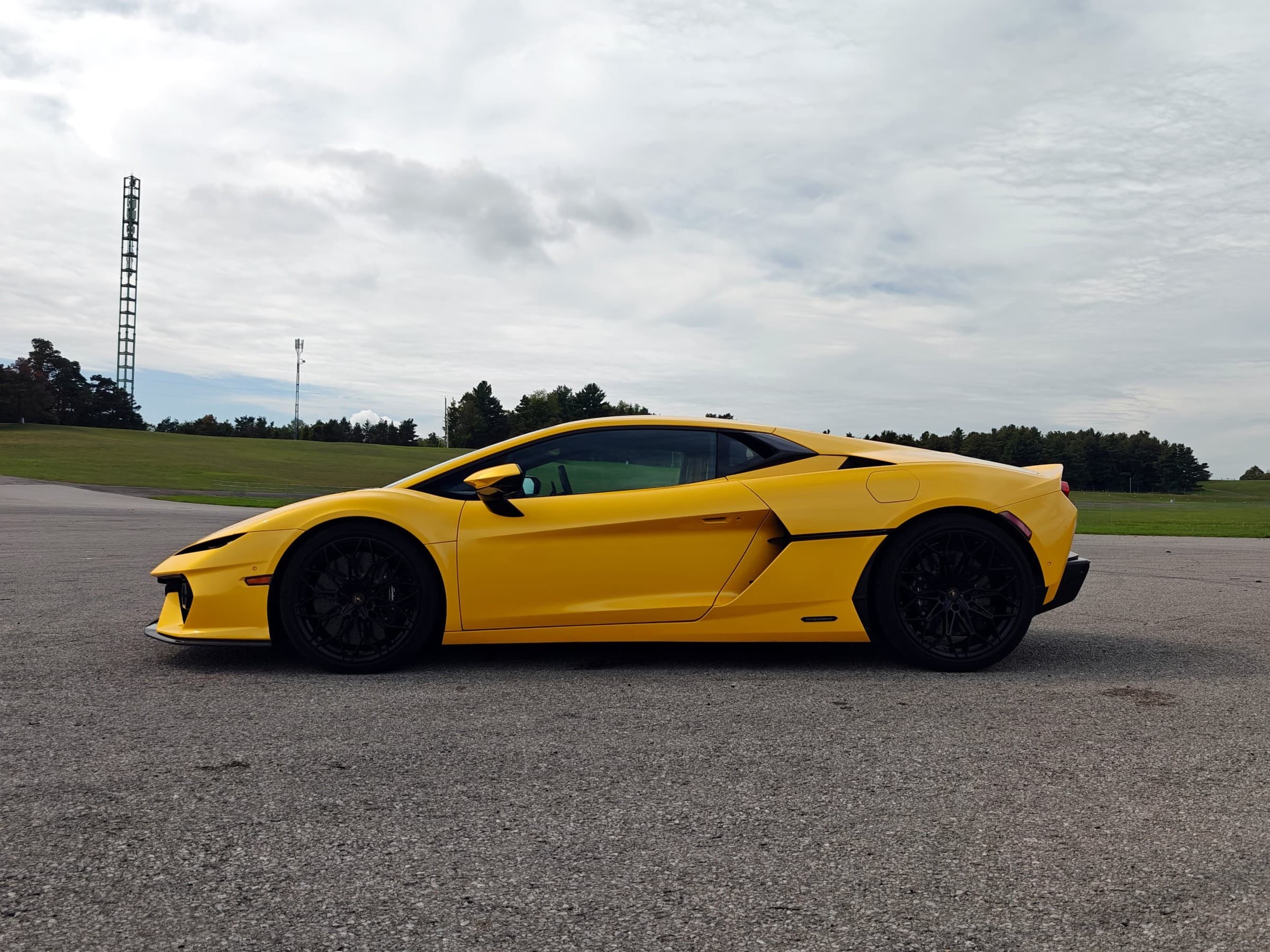
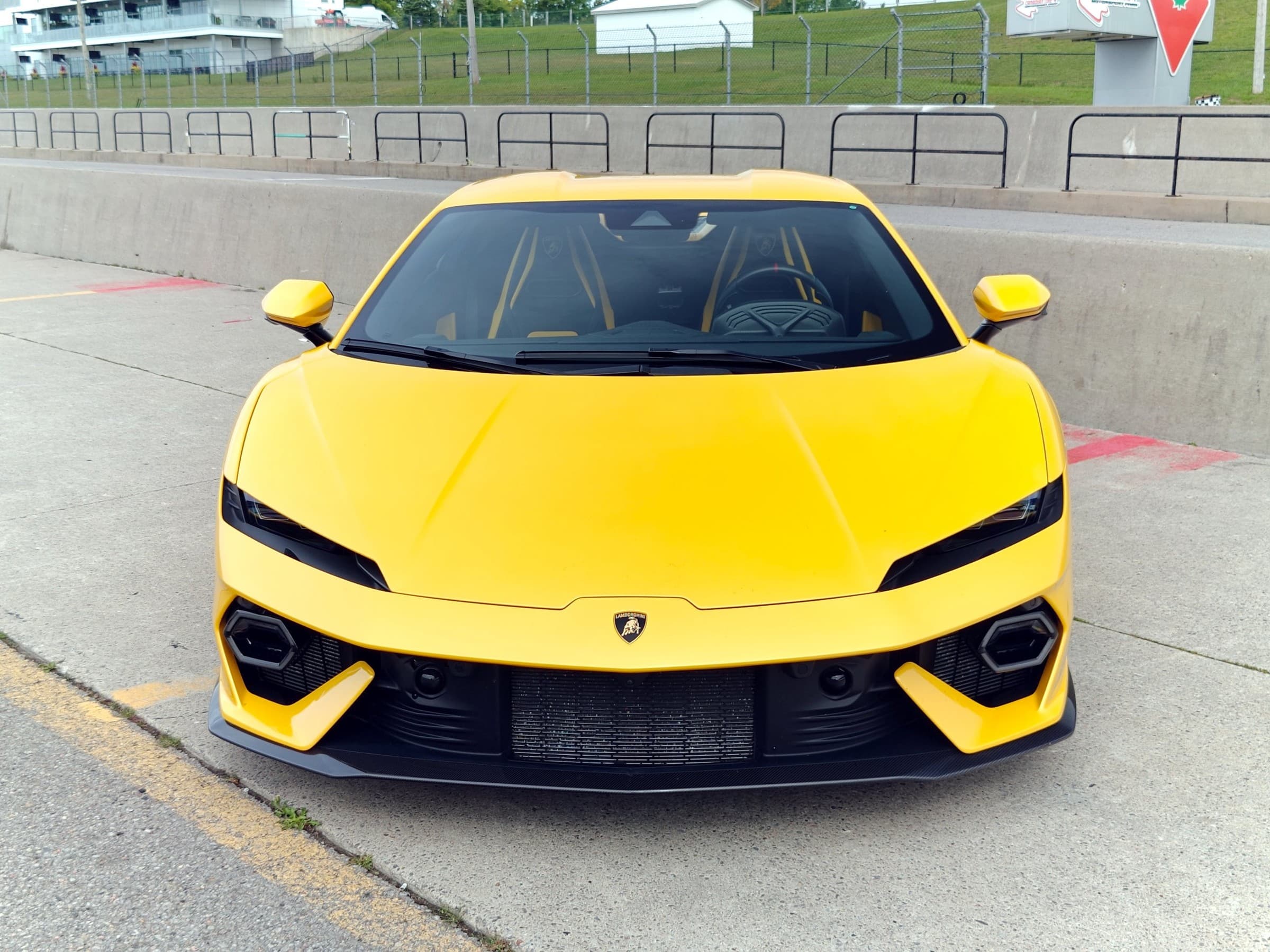
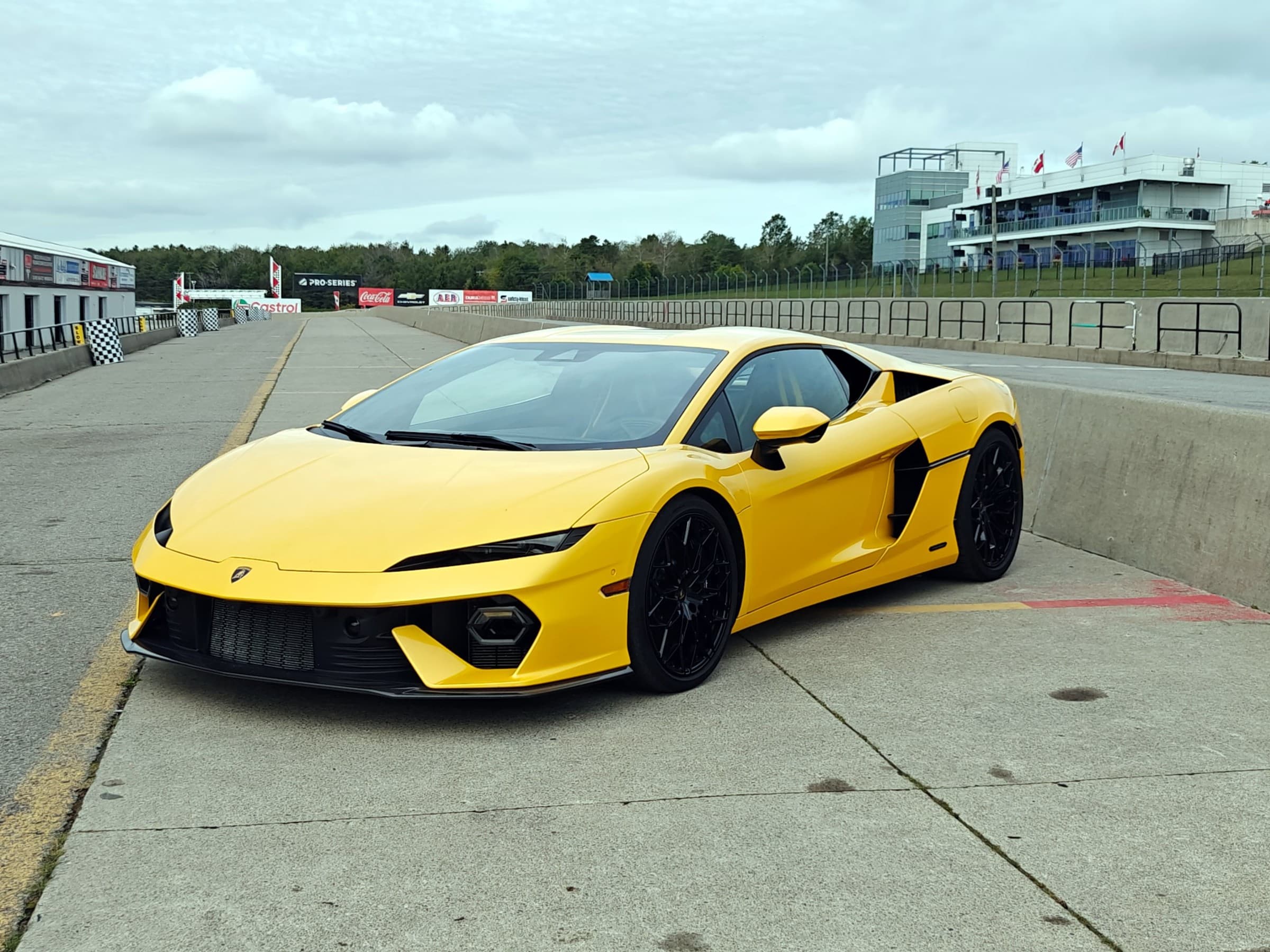
That's what I had in mind when I took the 2026 Lamborghini Temerario plug-in hybrid through the twists and turns of Canadian Tire Motorsports Park (CTMP). The Temerario replaces the Huracán as the Italian automaker's most affordable hybrid sports car, and running the 2.5-mile road course showed me just how granular car companies are in preserving the character their customers expect, while still delivering the massive performance upgrade that hybrid technology makes possible.
Not Your Typical Hybrid Template
At first glance, the Temerario’s spec sheet follows the current recipe for the entry-level exotics: take a 4.0-liter V8 and feed it via a pair of turbochargers tucked into the "hot-vee" between its cylinder banks. The details are what set it apart from several rivals, including the use of a flat-plane crankshaft and lets its revs soar all the way to 10,000 rpm before hitting the redline.
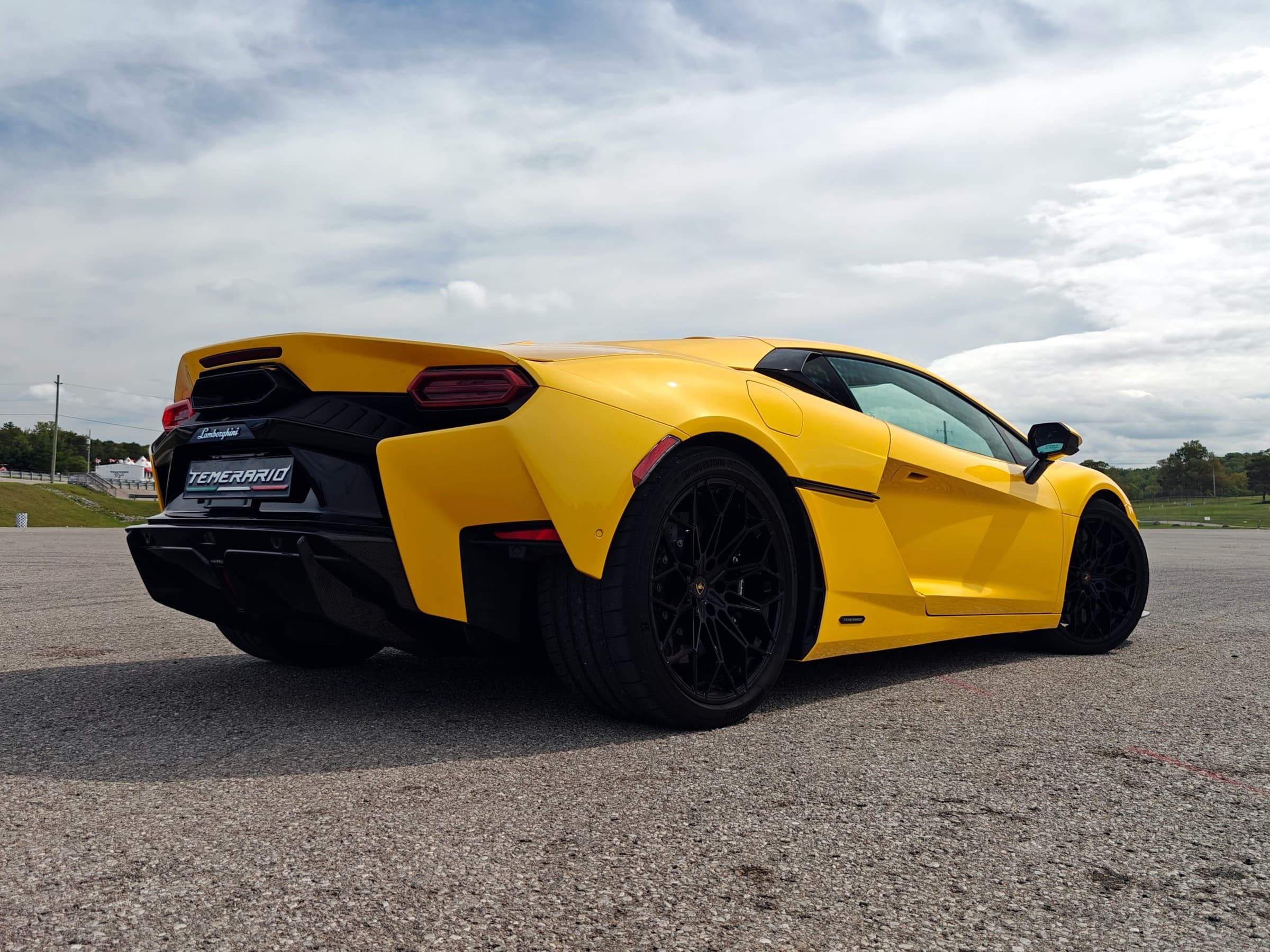
If those were all the tricks this Lamborghini coupe had up its sleeve, it would still be thrilling, if not exactly unique. What really separates the Temerario from the Huracán that preceded it is its three electric motors and, more importantly, how it employs them.
As with the V12-powered Lamborghini Revuelto, the brand's first hybrid sports car, the Temerario sits its 3.8-kWh battery in the spine of the chassis. One electric motor is positioned between the V8 and the eight-speed dual-clutch transmission, and the other two spin the front wheels.
The Revuelto introduced Lamborghini’s three-motor HPEV formula before the Temerario adapted it around a smaller, high-revving V8, so see how Lamborghini first applied plug-in hybrid power to its flagship supercar ➜
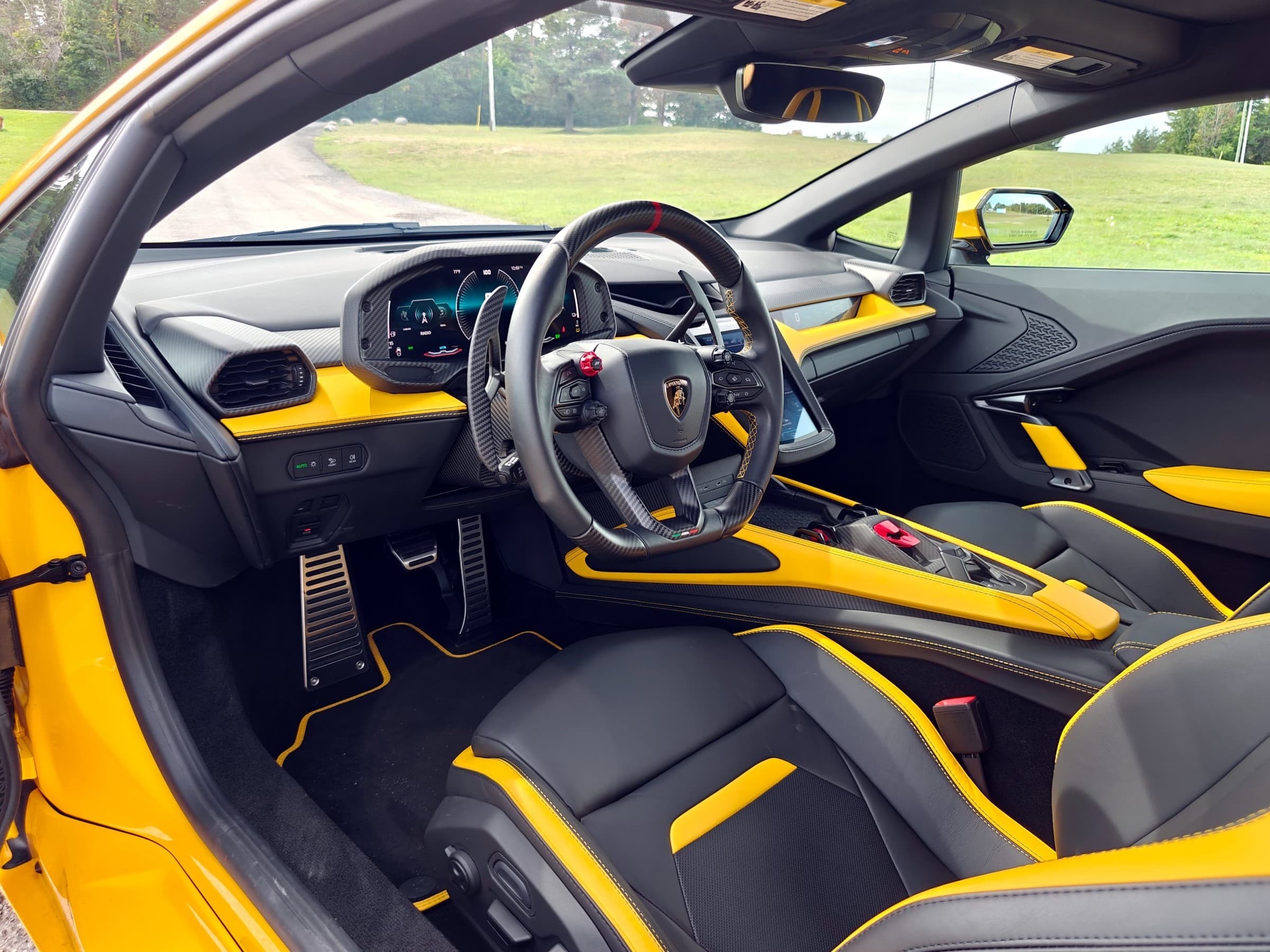
The twin-turbo V8 is the prime mover, responsible for 789 of its horsepower. Add the e-motor trio, and total output is pushed to 907 horsepower, which is an astonishing amount of thrust to put under anyone's right foot. Lamborghini's engineers know that, so they've judiciously balanced the delivery of the Temerario’s output based on the situation, the drive mode, and the physical location of its electric assists.
Digitally Sculpted, Yet Natural at Speed
Lamborghini claims that by fiddling with the steering wheel buttons and dials that control its drive modes and energy management details, you can choose from as many as 13 different driving experiences. At CTMP, my focus was entirely on maximizing speed and handling, so I chose the most aggressive drive mode, Corsa (Italian for "race"), and commanded the hybrid system to prioritize acceleration at all costs.
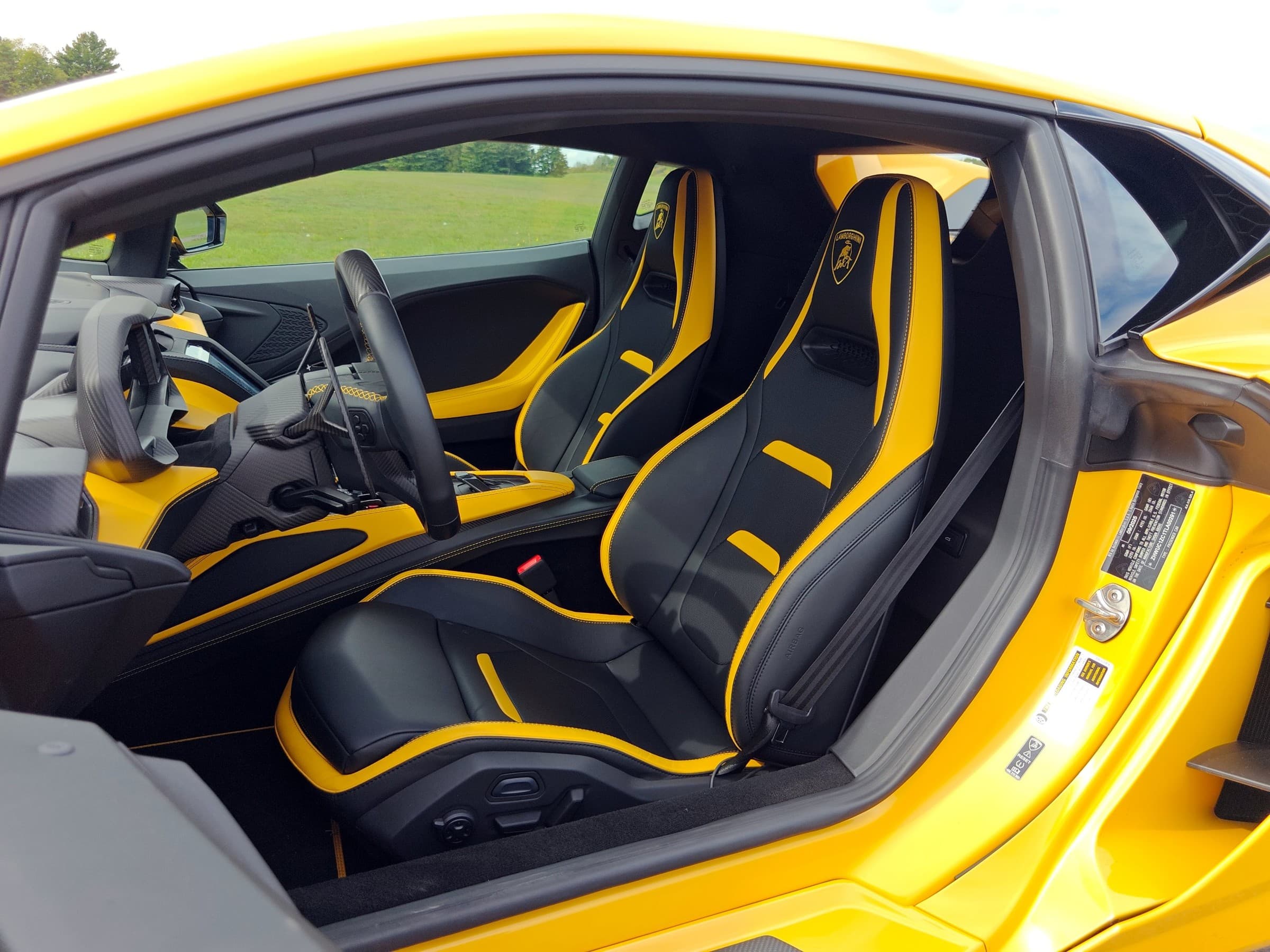
You might expect that to feel brutal, but the Temerario’s software is remarkably adept at leveraging the extra traction from electrified all-wheel drive without diluting the high-revving antics of its V8. It's a high-speed ballet. The electric motor's instant, nearly flat torque curve fills in the gaps while the peakier V8 muscles its way to 10,000 rpm.
That’s not the only advantage of the Temerario’s hybrid design. The front motors are active at all times, so the car can lean on them as part of its stability and traction control. At one point, when I got on the throttle a little too early coming out of a corner, the electronics knew to prioritize the front wheels to help pull the car straight as I countersteered. Meanwhile, the V8 remained on the boil. The Temerario doesn't cut fuel when it detects wheelspin. Instead, it redirects that extra power to charge the battery.
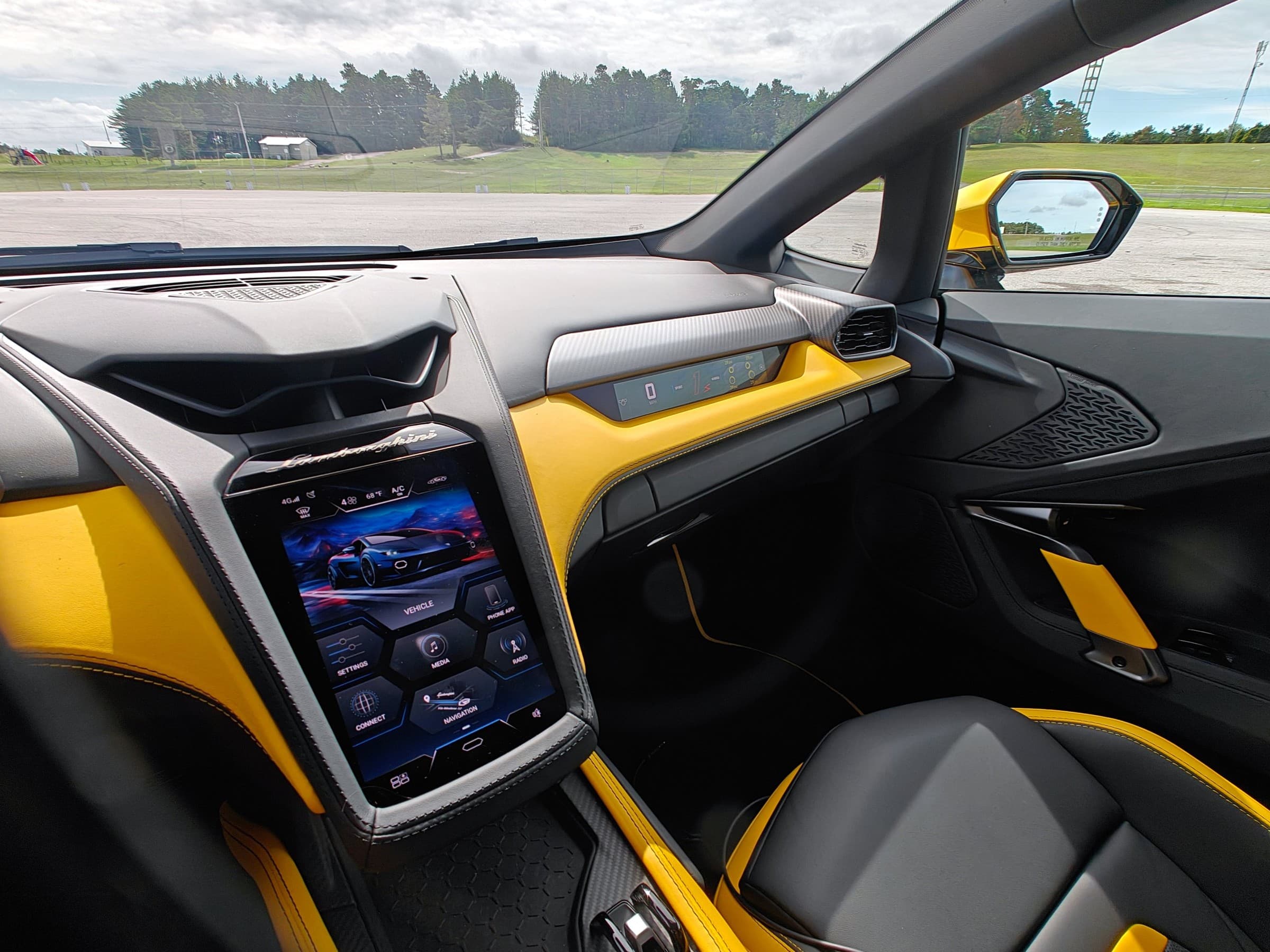
Together, the result is remarkable. Here is a car that maintains the considerable drama of a high-revving V8 and adds electric assist only on an as-needed basis. For most drivers, that near-transparent interplay remains unobtrusive until they have their own white-knuckle moment on a race track and are glad it's there.
Top Dollar Electrification
The most impressive thing any sports car can do is get out of the way while you enjoy an unfettered, communal experience with the asphalt beneath its wheels. All the acceleration in the world doesn’t mean much if the cockpit feels sterile.
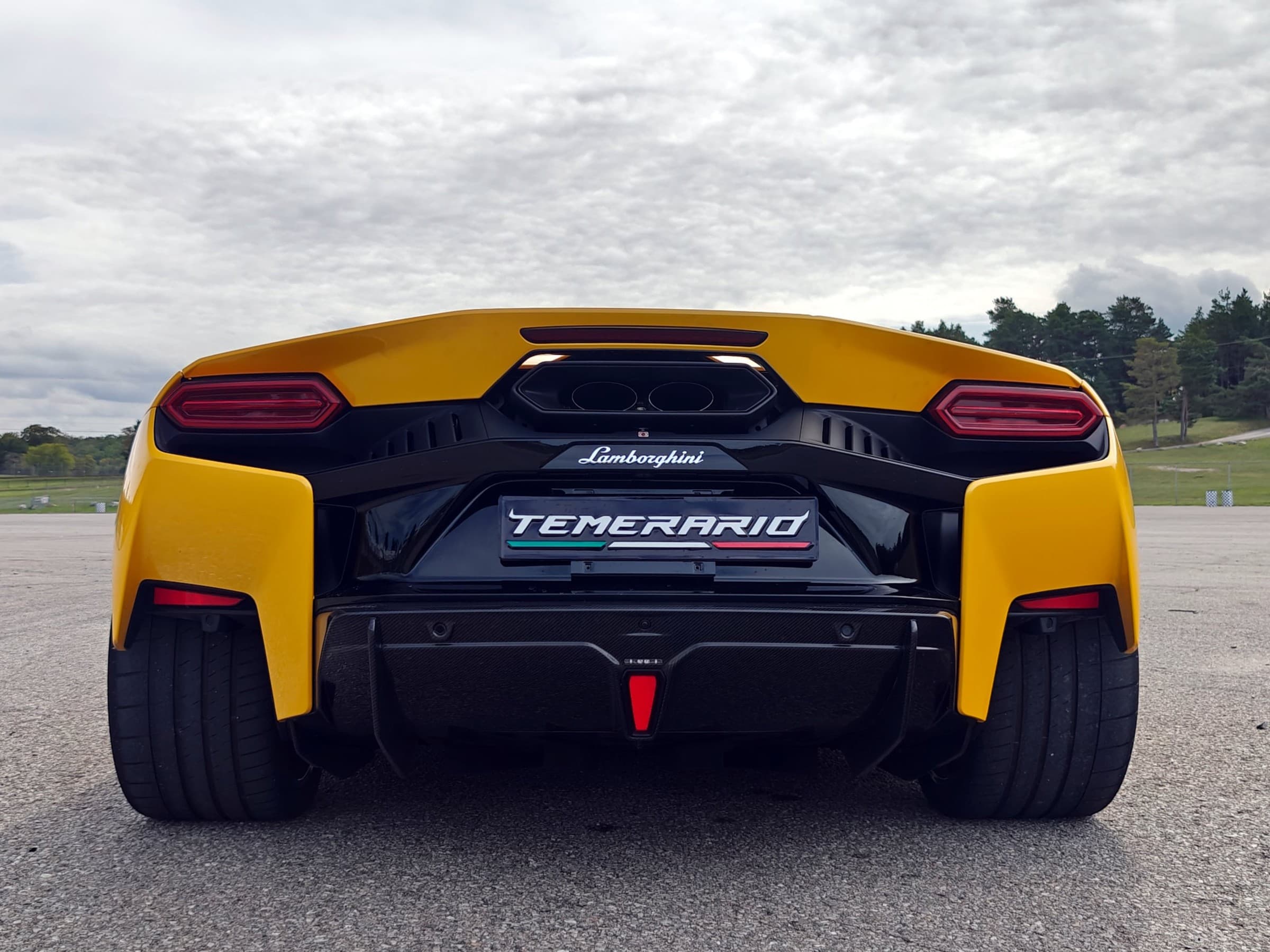
The Temerario maintains this connection between driver and road while amplifying the most engaging aspects of its high-spinning V8. That reveals just how adept modern engineering has become at melding electrons and combustion into one harmonious package.
Will you pay dearly for the privilege of piloting this Italian thoroughbred? With a starting price of over $362,000, the answer is a resounding yes. Still, that’s considerably less than you'd have doled out for a similarly e-boosted exotic a mere five years ago. It's a further indication that hybrid tech is quickly becoming the supercar lingua franca.
More Hybrids Built for Performance
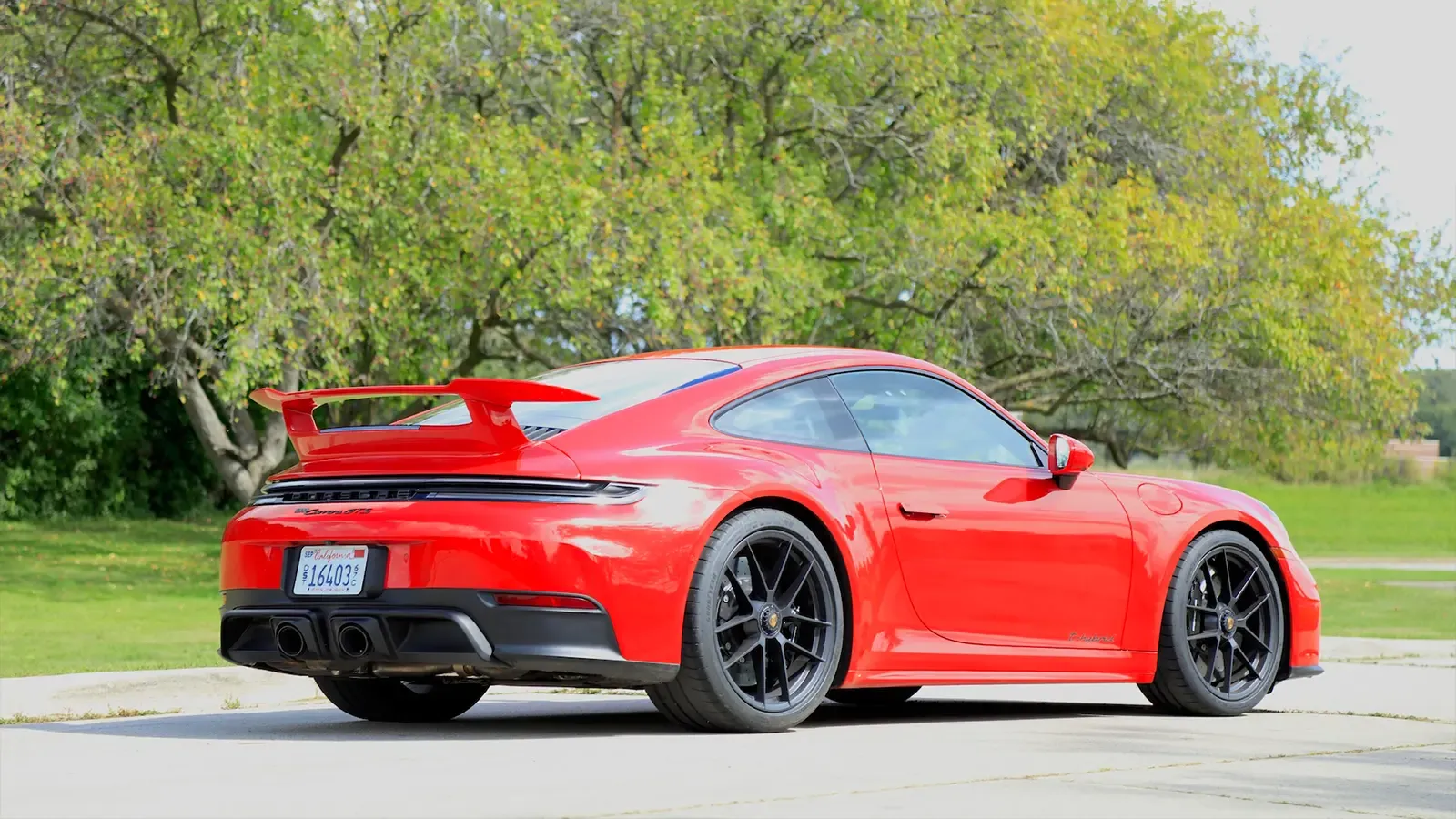
2025 Porsche 911 Carrera GTS T-Hybrid Review: Hybrid Power Meets Iconic Performance
Porsche takes a very different approach to electrification, using a much smaller battery and electric assistance to sharpen turbo response while preserving the 911’s familiar character.
Read More ➜
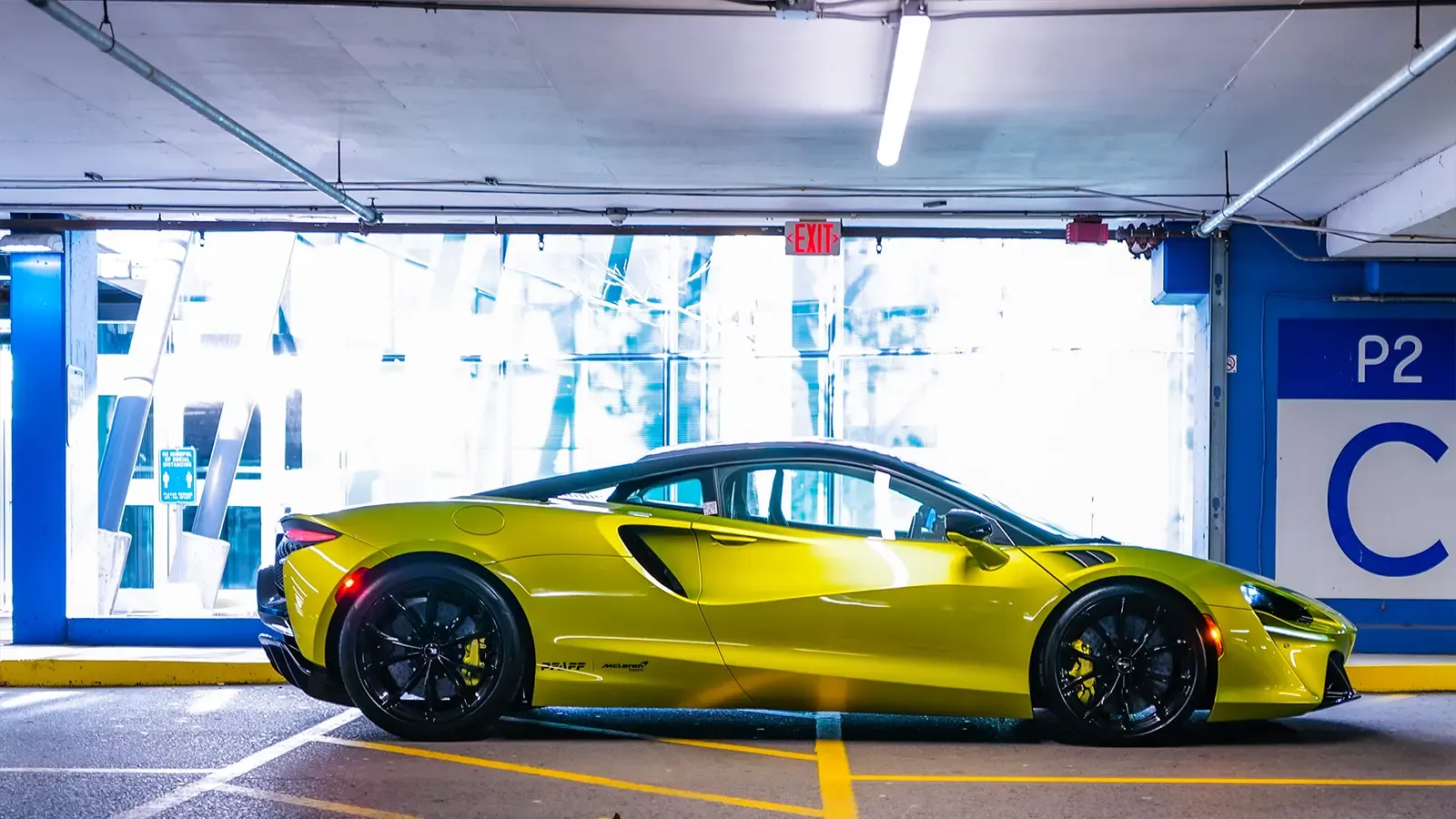
Road Test: McLaren’s 671-hp Plug-In Artura Supercar
McLaren’s lightweight plug-in hybrid provides another perspective on how electric torque can complement a high-revving combustion engine without overpowering the driving experience.
Read More ➜
Best Performance Plug-In Hybrids
For a wider view, these performance PHEVs show how manufacturers are using electric motors for throttle response, torque fill, traction, and outright speed rather than simply fuel savings.
Read More ➜





 Reviews