Fast Facts | EV Battery Durability
- Mach-E Fleet: 36,000 first-year Mach-Es, more than 2 billion miles logged, and 92 percent average battery capacity retained
- High-Mileage Drivers: 2,000+ Mach-Es past 100,000 miles, 30+ past 200,000 miles
- Recurrent Data: 97 percent average capacity after three years and 95 percent after five, across 14 brands
- No Range Loss: Cadillac, Hyundai, Mini, Rivian, and Mercedes-Benz averaged zero range loss after three years
- Less Expensive: A 2019 Chevy Bolt hit 471,000 miles and needed a new battery pack, and it cost just $1,800, less expensive than a new engine in an equivalent gas vehicle
The Battery-Replacement Fear Is Bigger Than the Data
Over the past two decades, most of us have watched the batteries in our smartphones and laptops fade rapidly. You're probably shopping for a new battery by the time these machines are two to three years old. Unfortunately, many people use that experience as a reason not to buy an electric vehicle. They worry they'll have to spend thousands of dollars on a new battery every few years.
Phone and EV batteries may use lithium-ion chemistry, but EVs add sophisticated temperature controls, software, and battery buffers, so see what actually affects EV battery health and lifespan ➜
With one notable exception, that perception doesn't reflect the reality of EV battery durability. Ford just dropped some fresh data that backs up the EV longevity story.
Ford started delivering Mustang Mach-Es to customers a little over five years ago. Like most automakers, Ford has been collecting telemetry data from those vehicles to see how they're holding up and how owners use them. Ford isn’t the only company gathering EV data, though. The most notable example is Recurrent.
Battery Tech Has Improved Since the First-Gen Nissan Leaf
Before we take a look at the data, let's talk about that aforementioned exception: the first-generation Nissan Leaf. Those early Leafs were the first relatively low-cost mainstream EVs, and they used air-cooled packs. Many early U.S. EV sales happened in the Southwest, including in California, Arizona, and Nevada. Many of these cars were exposed to very high temperatures and suffered premature degradation of the battery capacity. The good news: virtually all modern EVs use liquid-cooled battery packs that help prevent overheating.
2 Billion Miles and Counting for the First Mach-Es
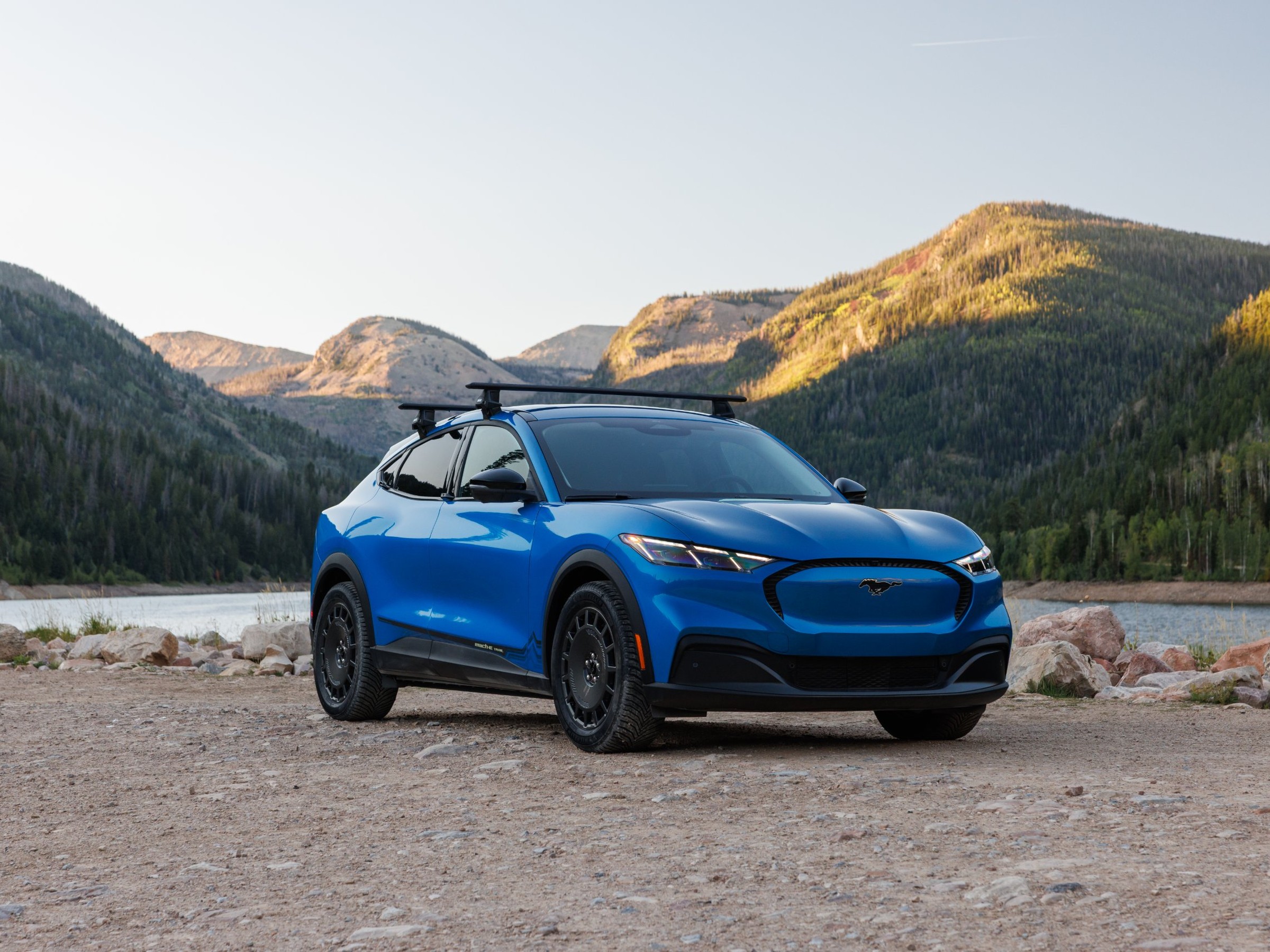
Ford sold 36,000 Mach-Es in its first year on sale, 2021 to 2022, and those vehicles have accumulated more than 2 billion miles. That's an average of over 55,500 miles each. Across that entire fleet, the batteries still have an average of 92 percent of their original usable capacity.
More than 2,000 have racked up more than 100,000 miles and still average 91 percent capacity. Over 30 have passed 200,000 miles with an average of 88 percent.
What Recurrent's Numbers Say
Recurrent provides a service that lets EV owners track their own battery health. It connects through the automakers' connected-vehicle services and currently tracks over 50,000 EVs. Owners and dealers can use the data to check battery health, learn how to maintain it, and get better prices when they trade in or sell an EV.
Recurrent's data covers a wide range of brands, including GM, Ford, Hyundai Motor Group, Tesla, Rivian, and others. According to its November 2025 report, five brands averaged no range loss after three years: Cadillac, Hyundai, Mini, Rivian, and Mercedes-Benz. All 14 brands in the report kept 91 percent or more of their original capacity. The overall average is 97 percent after three years and 95 percent after five.
What Happens to a 471,000-Mile Chevy Bolt?
For an extreme example of battery durability, check out the 2019 Chevrolet Bolt recently featured on the Out of Spec Renew YouTube channel. The Bolt's original battery was replaced in 2022 at 138,000 miles as part of a recall. That replacement battery then went another 330,000 miles before the channel replaced it, for a total of 471,000 miles.
The remanufactured replacement battery costs just $1,800. The channel didn’t charge the owner any markup or labor, but even with those added, the total bill would probably have come to only about $5,000 after 330,000 miles. A comparable gas car would likely have needed a new engine by then, and that would cost at least that much, if not more.
What This Means for EV Shoppers
Automakers and battery suppliers have learned a lot about keeping batteries healthy over time. It comes down to robust temperature management, good battery management software, and improved chemistry and manufacturing.
For anyone thinking about an EV but not ready to pay full price for a new one, the used market has some great deals. And the battery will likely last as long as the car's main mechanical components.
Mileage alone cannot tell you whether a used EV has a healthy battery, so see what to check before buying a used electric car ➜
More Real-World EV Battery Data
Real-World Data Shows Used EV Batteries Are Holding Up
Recurrent’s billion-mile dataset provides the independent range-retention context that complements Ford’s five-year Mach-E battery-health study.
Read More ➜
Used EVs Are Getting Cheaper Just as Gas Prices Are Rising
Better battery longevity makes today’s falling used-EV prices especially interesting, but shoppers should still check battery health and remaining warranty coverage.
Read More ➜
What Happens to EV Batteries After Use?
Even when a traction battery eventually ages out of automotive duty, many packs can be repurposed for stationary storage before their materials are recycled.
Read More ➜




 Industry Updates