- Powertrain
- Dual permanent-magnet electric motors, all-wheel drive, a disconnectable front motor, and a two-speed rear transmission
- Output
- 360 kW, equivalent to approximately 483 horsepower, with 590 pound-feet of torque listed in the supplied specifications
- Range
- Up to 762 kilometers, or approximately 473 miles, on the European WLTP cycle; an EPA estimate has not been announced
- Battery
- 94-kWh usable lithium-ion battery with an 800-volt electrical architecture
- Fast Charging
- Up to 330 kW, with Mercedes-Benz claiming as much as 202 miles of WLTP range added in 10 minutes under ideal conditions
- Performance
- Mercedes-Benz lists 0 to 100 km/h in 4.0 seconds; the supplied U.S. specifications list 0 to 60 mph in 3.9 seconds
- Available Technology
- 39.1-inch MBUX Hyperscreen, MB.OS, a multi-agent AI virtual assistant, and Burmester 4D Surround Sound
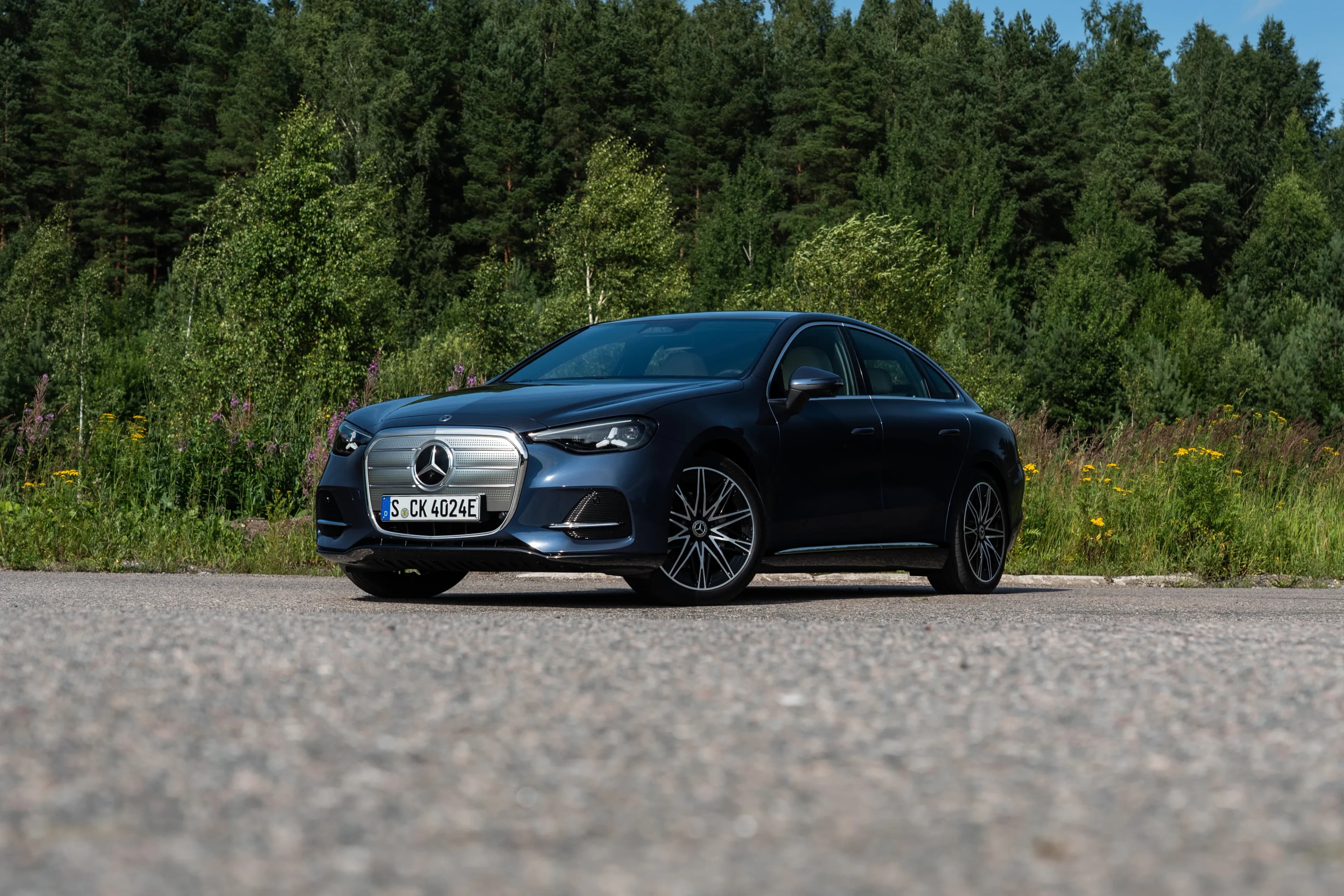
2027 Mercedes-Benz C400 4MATIC Electric
Mercedes Leaves the Jellybean Era Behind
Mercedes-Benz's first electric sedans, the EQS and EQE, didn't exactly find resounding success in the U.S. Their anonymous styling certainly didn't help, and neither did pricing and packaging that didn't always fit the templates set by the company's well-established lineup.
For its next electric sedan, Benz is taking a very different, more traditional approach: the C-Class Electric. It fits right into the company's existing lineup, wears far more familiar styling, and offers more performance, range, and tech than the company's previous electric four-door.
Mercedes-Benz recently invited me to Finland so I could check it out.
2027 Mercedes-Benz C400 4MATIC Electric
Range Without the Giant Battery
Initially, at least, the 2027 Mercedes-Benz C-Class electric will come in a single powertrain configuration: the dual-motor C 400 4Matic. It produces 483 horsepower and 590 pound-feet of torque, sent to all four wheels.
Both motors are permanent-magnet units, and the front motor features a disconnect clutch that lets the car coast more efficiently. That helps the C 400 go 474 miles on a charge in the European WLTP test cycle. Mercedes-Benz doesn't have an estimate yet for the tougher American EPA test cycle.
2027 Mercedes-Benz C400 4MATIC Electric
The 473-mile figure is based on Europe’s WLTP procedure rather than an EPA test, so see how to compare range estimates when shopping for an EV ➜
That range comes courtesy of a 94-kilowatt-hour battery pack mounted in the floor of the sedan. It charges at a maximum rate of 330 kilowatts, which Mercedes says is enough for a 10-to-80 percent charge in 22 minutes.
A 330-kW peak sounds impressive, but station output, battery temperature, and the charging curve determine the actual stop, so see what ultra-fast charging means for drivers in the real world ➜
2027 Mercedes-Benz C400 4MATIC Electric
The Hardware Is Standard. The Features May Not Be.
The 2027 Mercedes-Benz C-Class Electric is absolutely riddled with cameras and other sensors from front to back, and impressively, none of those are optional. Every C-Class comes with the full sensor suite, though not every car will make full use of it.
Mercedes is packaging some of that safety functionality into optional Digital Extras that buyers can enable at purchase or unlock later for a fee. The exact structure and pricing of those offers is yet to be determined, unfortunately, but key features like adaptive cruise control and lane-keeping assist will come standard.
Other features, like MB.Drive Assist and the upcoming MB.Drive Assist Pro, will likely cost extra or come bundled in some sort of technology package.
Mercedes describes these systems as driver assistance rather than unrestricted autonomy, so see where modern assistance and self-driving technology stand in 2026 ➜
I got to sample much of the suite during a safety demo Mercedes engineers created, including a simulated pedestrian jumping out from behind a car and an errant motorcyclist merging directly into my path. In every scenario, the car automatically stopped itself safely, with little to no intervention required.
Out on the road, the lane-centering system worked flawlessly, keeping the car in position on twisty secondary roads and on the highway. The automated lane-change feature, however, was more problematic. It took multiple attempts to get my sedan to overtake another car, and once it finally did, it stubbornly refused to return to the right lane. Hopefully some software updates can iron this out before the C-Class hits the market in early 2027.
2027 Mercedes-Benz C400 4MATIC Electric
Mercedes Builds a Wall of Screens
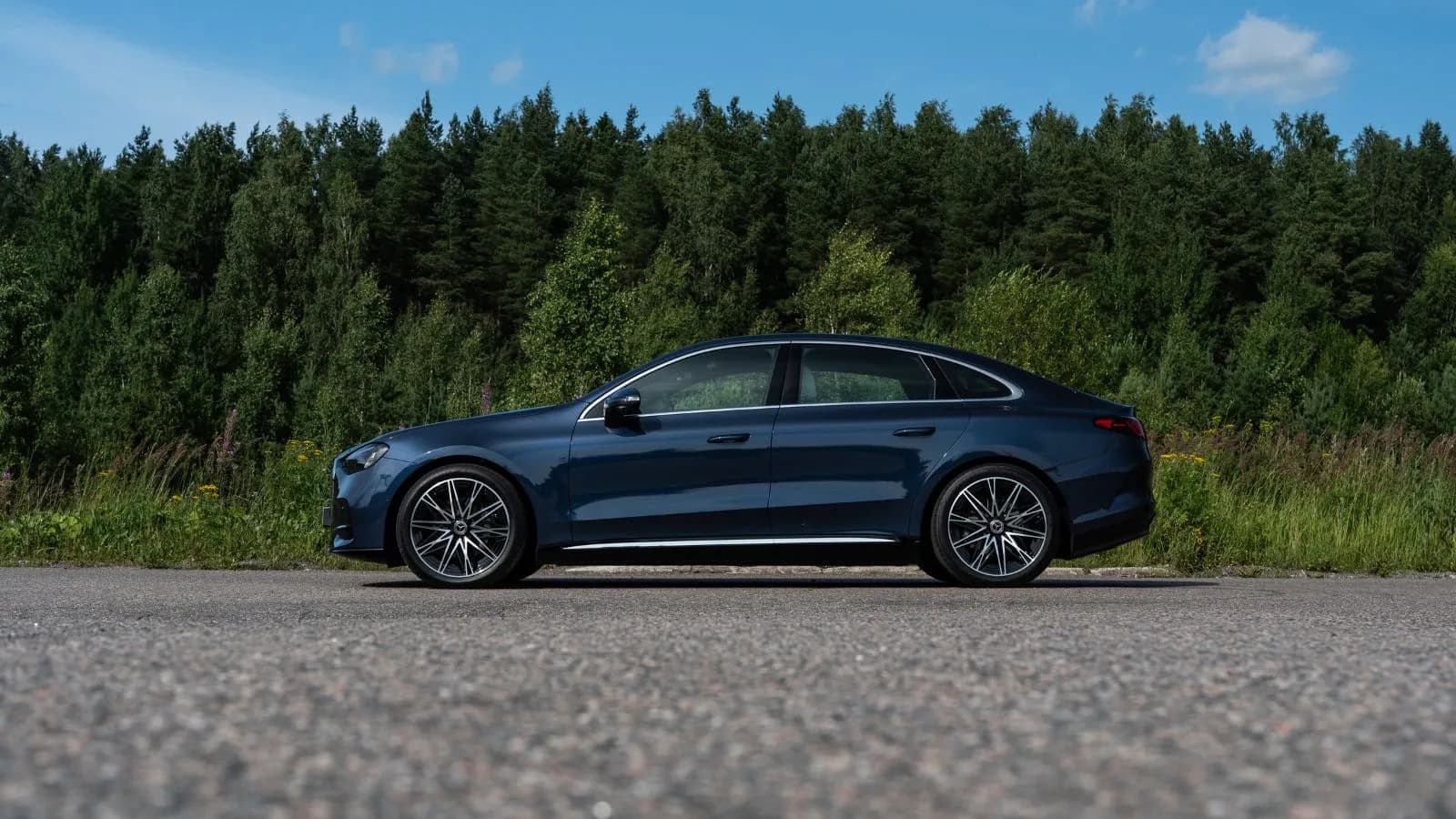
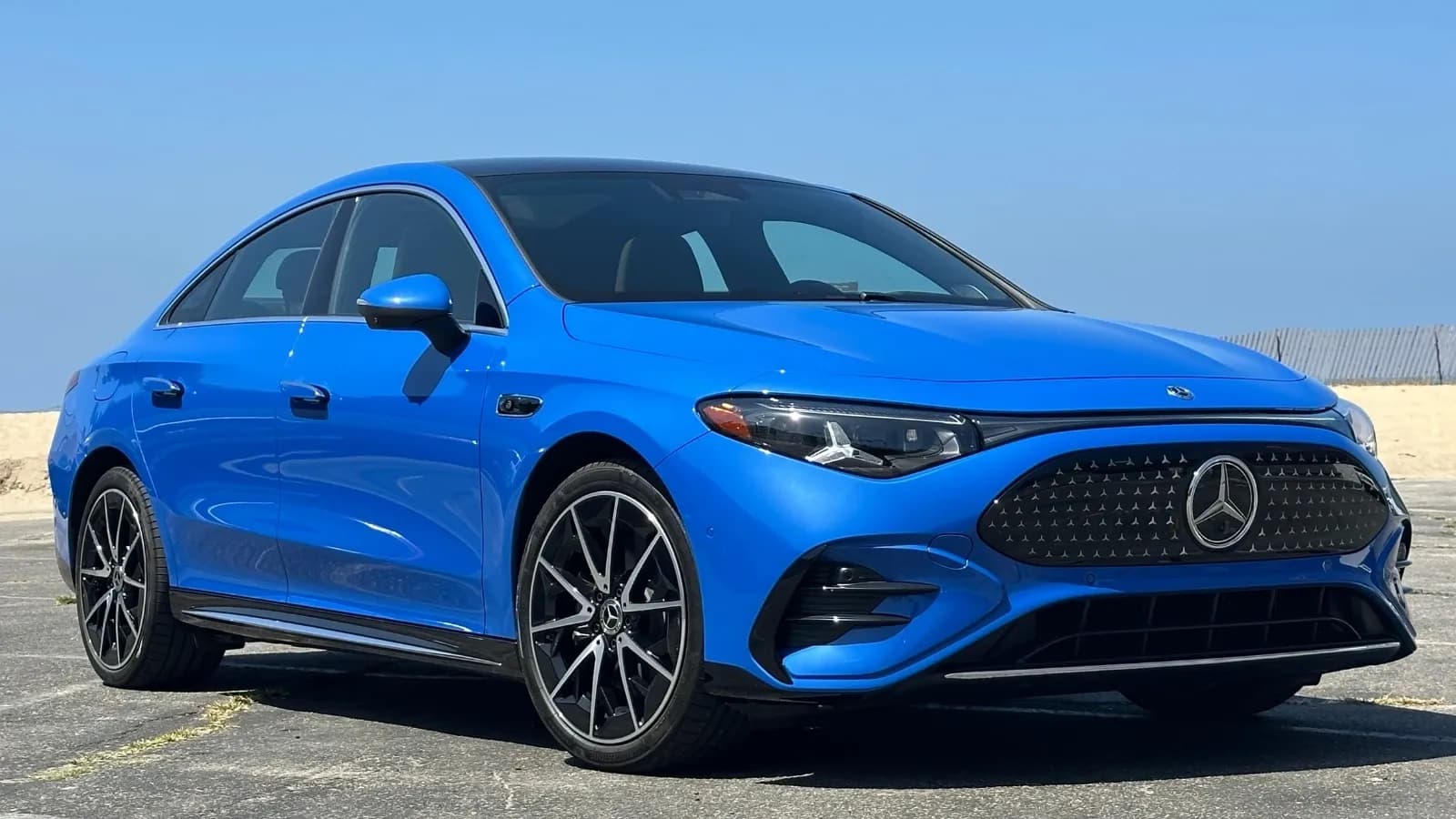
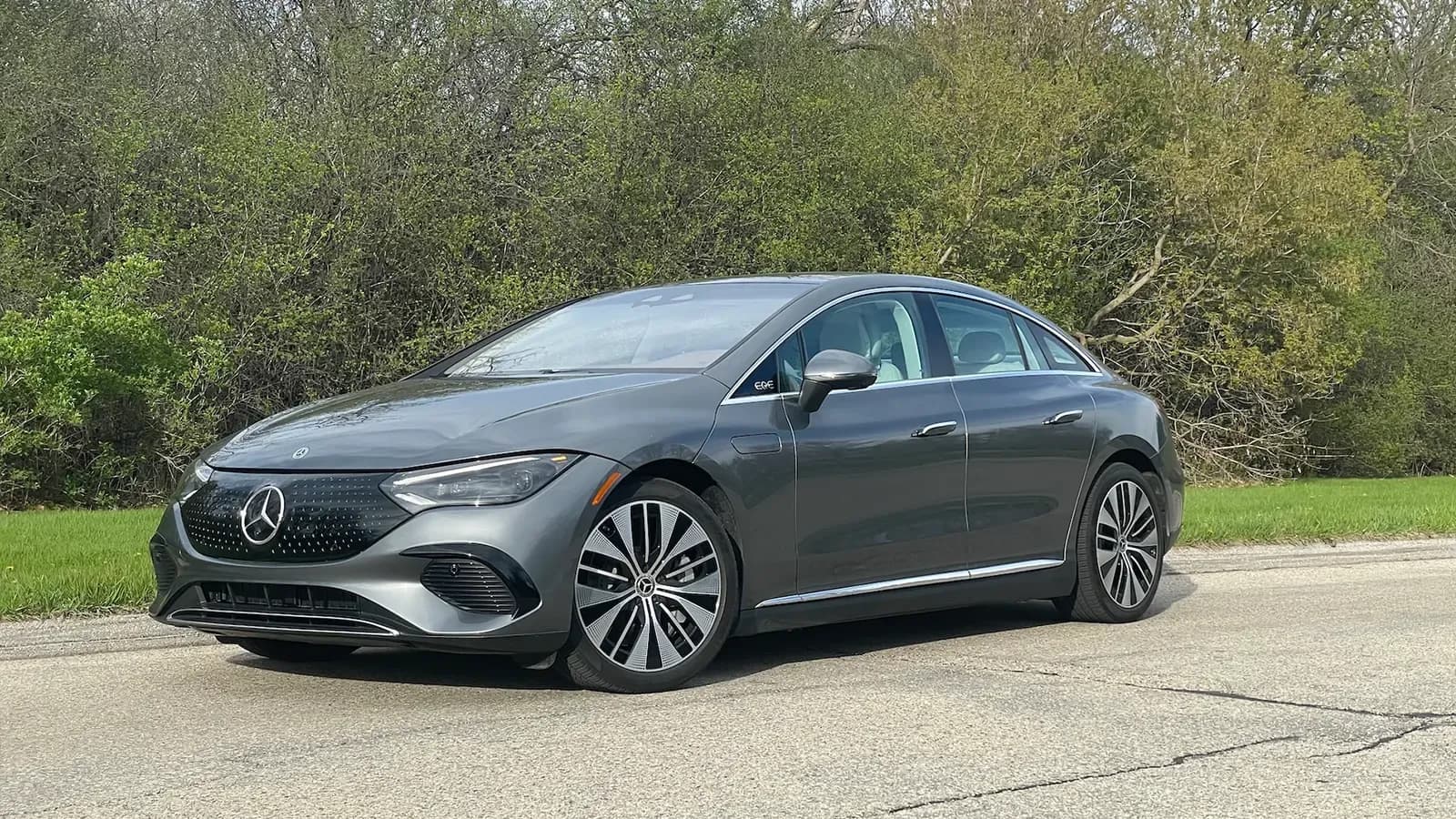
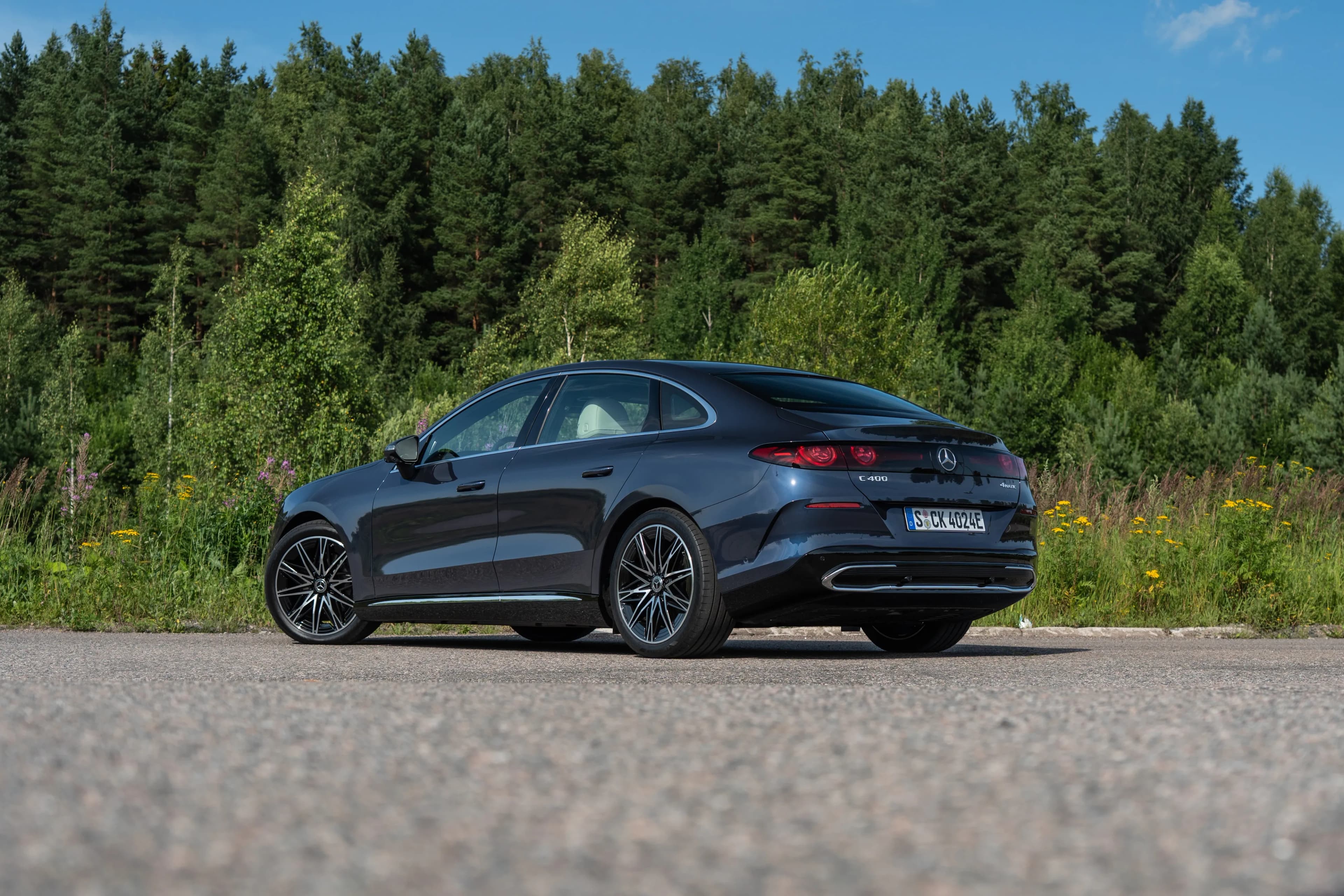
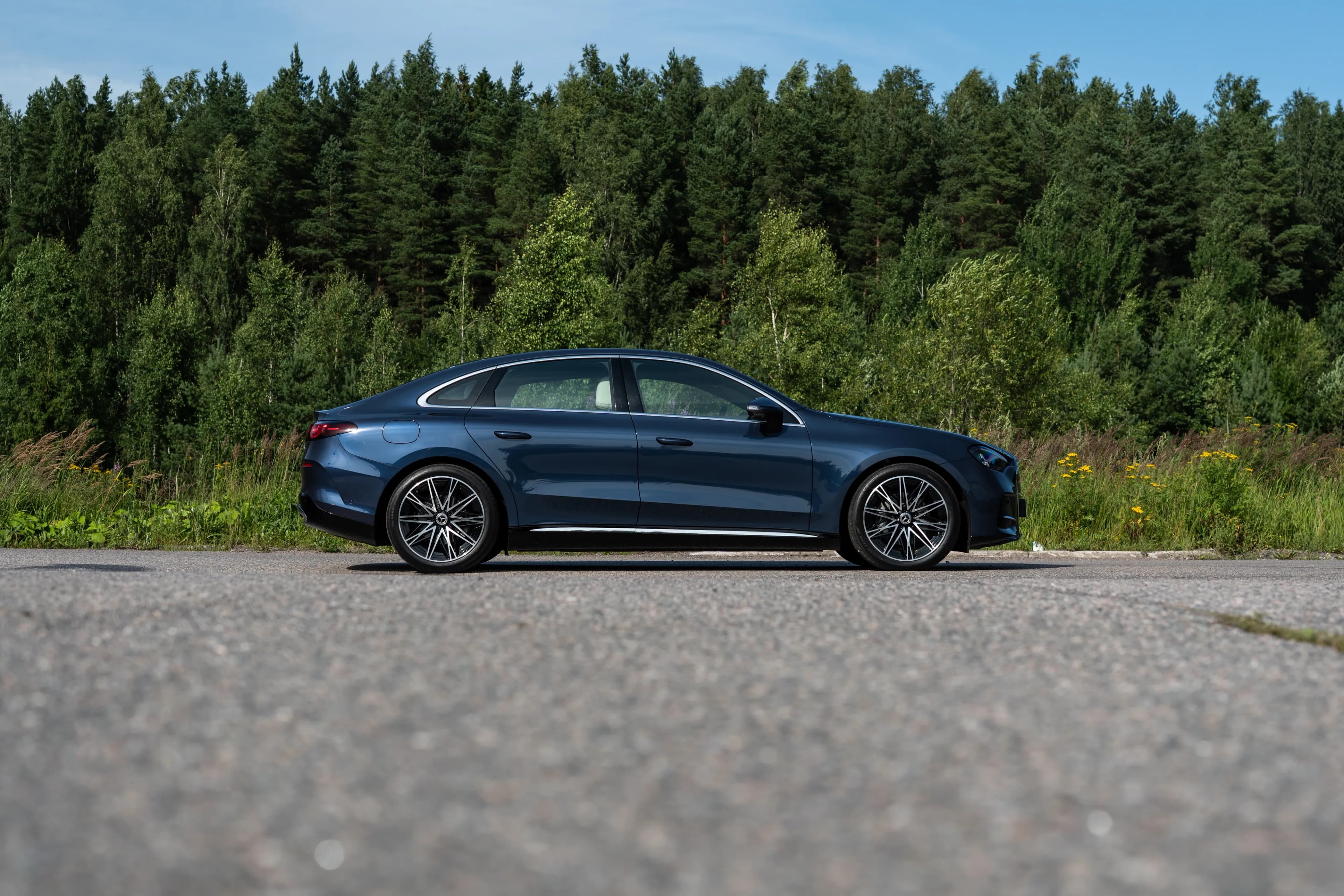
The new C-Class is redesigned inside and out. On the outside, it's maybe not Mercedes-Benz's most stylish machine ever, but it's a big step up from the company's last electric sedan, the EQE.
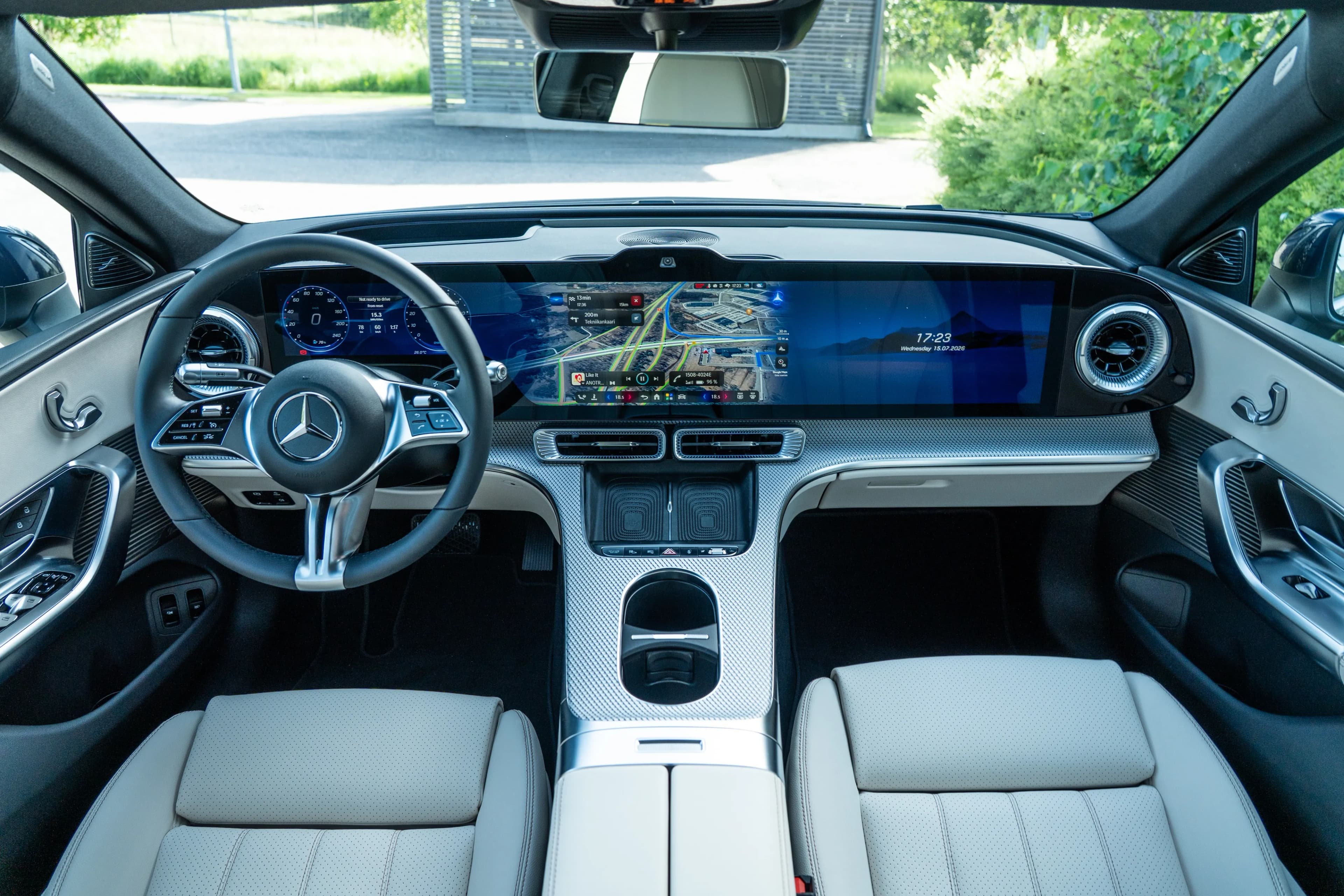
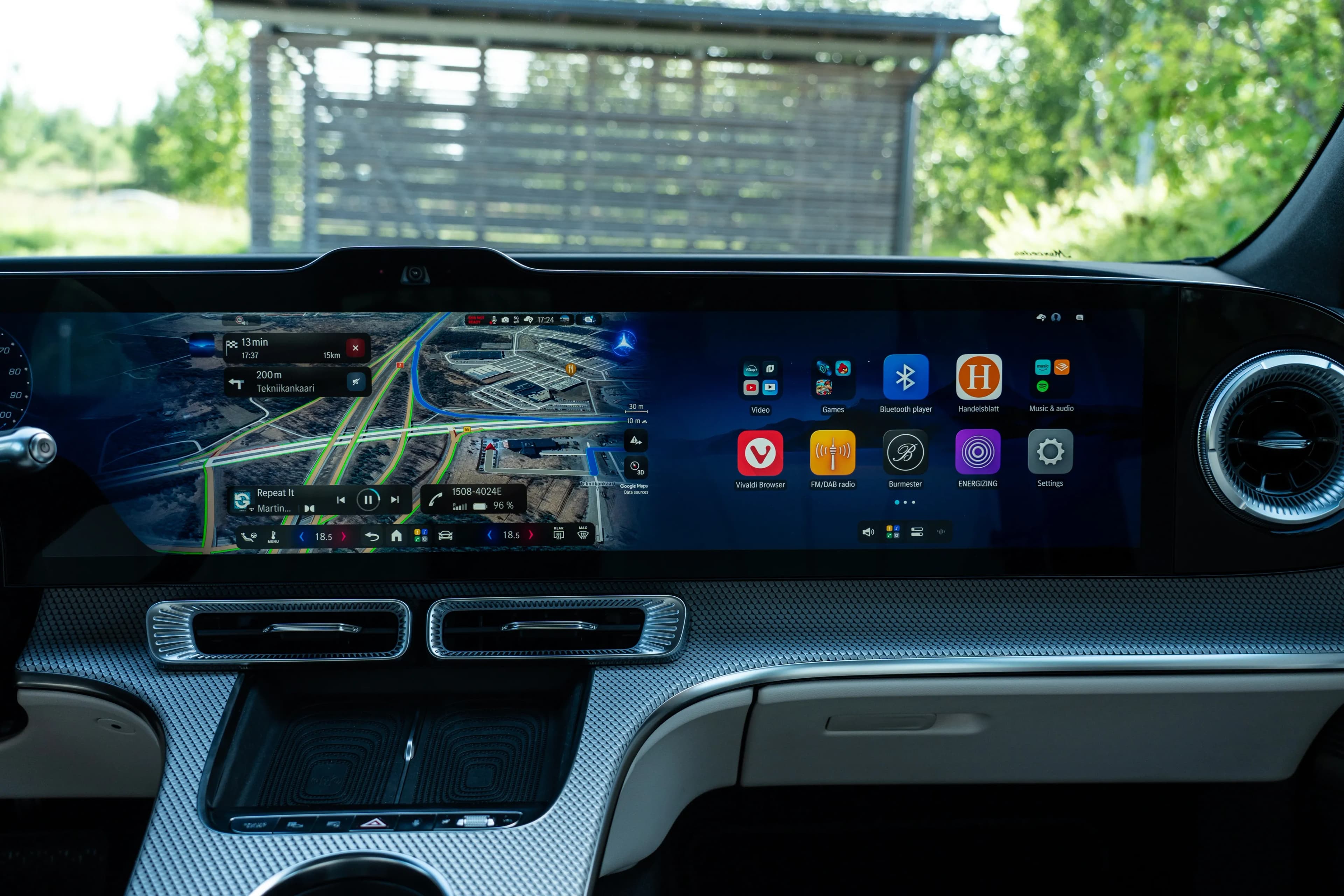
Inside, I'm not so sure it's a step forward. My tester featured the optional 39.1-inch Hyperscreen setup, a single panel that basically spans the entire width of the dashboard. I don't mind big displays in cars, especially when they look as good as this one, but I'm not a fan of the way this display is positioned. It sits upright, nearly vertical, and combined with the high center console, it makes you feel a little walled in.
The software, at least, is top-notch. The latest version of Mercedes' MBUX user interface makes it quick and easy to do just about everything you want. Plus, it's visually compelling. And if you get tired of tapping the screen, there's an integrated AI agent that can change vehicle settings, find destinations, look up restaurant reviews, and more.
2027 Mercedes-Benz C400 4MATIC Electric
Smooth and Secure
The C 400 4Matic pairs its dual-motor drivetrain with an optional adaptive suspension setup that can stiffen or soften at the touch of a button, and even raise or lower the vehicle as needed. On the roads in and around Helsinki, this created an incredibly smooth driving experience.
The C-Class is a world-class cruising machine, which is impressive considering it's positioned toward the more entry-level end of Mercedes-Benz's offerings. Speed bumps, cobblestones, broken asphalt, all of it passed underneath with no fuss.
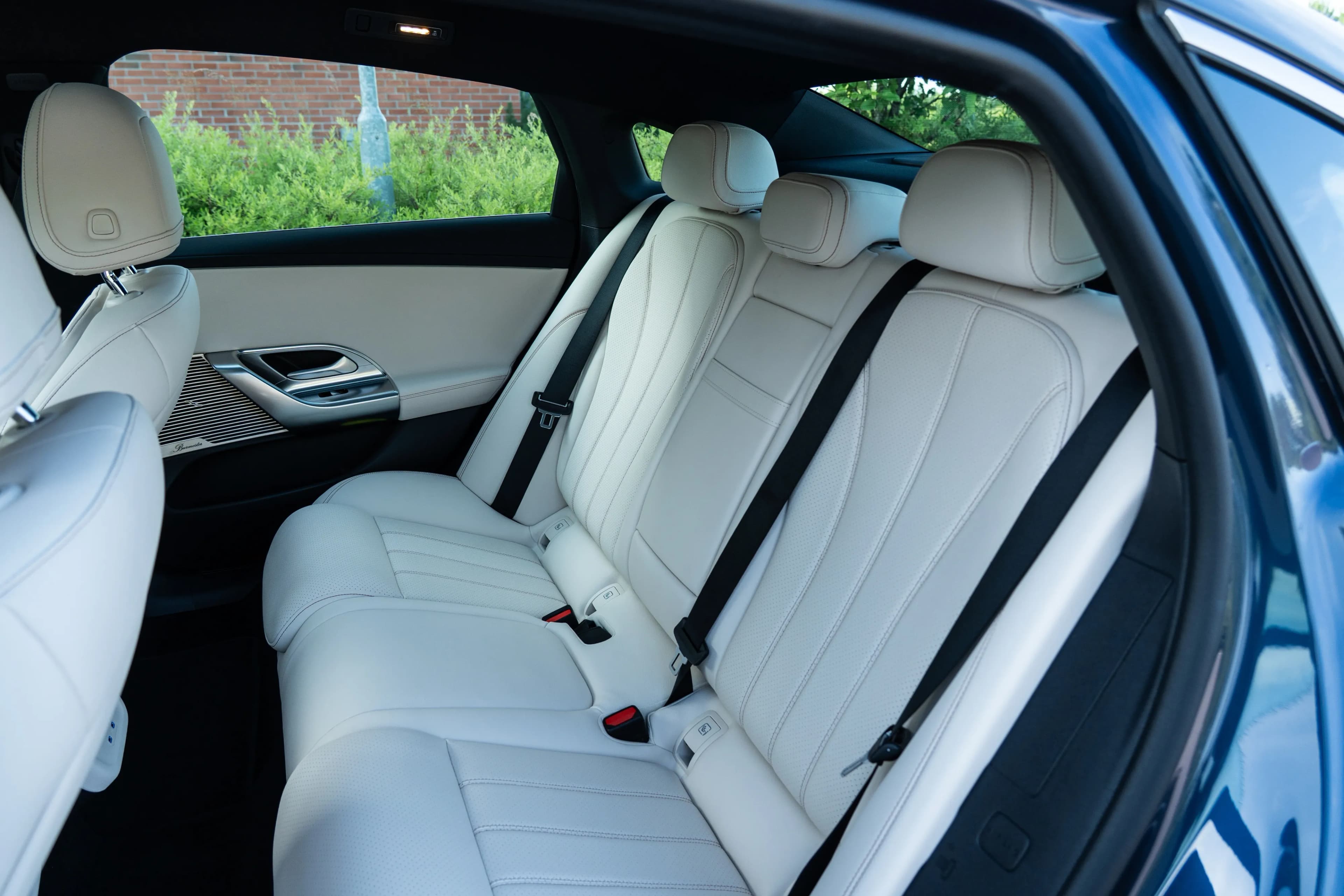
It's an incredibly quiet car, too, as you'd expect. There's just a hint of wind noise at highway speeds, and some particularly rough surfaces generated a bit of road noise, but on smooth pavement at any speed, the C-Class proved quiet and calm. It was the perfect soundscape for the optional 19-speaker Burmester 4D sound system.
Things can get feisty, though. Dial it over to Sport mode, and while the suspension didn't completely transform the car, the throttle response got far sharper and the rear-steering system a bit more aggressive.
On a tight, twisty road course, the C-Class didn't exactly feel right at home, but it didn't disappoint either. It's more nimble and engaging than I expected after spending the better part of a day wafting around, which makes it a stellar all-rounder.
2027 Mercedes-Benz C400 4MATIC Electric
The Verdict: A Cruiser With Real Depth
Mercedes has been through a few iterations of its electrified endeavors at this point, and the new C-Class Electric is a testament to just how far things have come. With the promise of world-class range and ride quality paired with stellar technology, it's hard to find much fault. The only question left is how much Mercedes-Benz will charge for admission. Sadly, we'll have to wait until we're closer to the 2027 release date to find out.
More Long-Range Electric Sedans Worth Watching
Audi A6 e-tron Sportback Review: A Hidden Gem Among EV Sedans
Audi’s sleek electric Sportback offers up to 392 miles of EPA-estimated range, strong charging performance, and a similarly calm approach to luxury.
Read More ➜
New Mercedes CLA Is an Efficiency Champ, With EV and Hybrid Options
The smaller CLA previews the 800-volt architecture, two-speed transmission, MB.OS software, and efficiency-first thinking now moving into the C-Class.
Read More ➜
Longest Range Electric Cars
Compare the current EVs that already offer some of the longest EPA-estimated driving ranges available in the United States.
Read More ➜