
Fast Facts | Five-Minute EV Charging
⚡ Core Claim: Five-minute charging could add hundreds of kilometers of range under optimal conditions
🔋 What Enables It: New battery architecture designed to accept energy faster without damaging cells
🏎️ Today’s Baseline: Many EVs can add meaningful range in 20 to 30 minutes on high-power chargers
🏗️ Real Bottleneck: Ultra-fast charging requires very high-power stations and strong grid connections
🧊 Real-World Variables: Battery temperature, state of charge, station capability, and charging curve shape results
🧠 Why It Matters: Shorter stops make EV road trips feel routine, not like a plan
⏳ Timing Reality: Lab-to-road adoption usually takes years, even when the tech is real
If you ask drivers what still gives them pause about electric vehicles, the answer usually comes down to one thing.
Charging time.
Modern EVs have already made major progress in this area. Many vehicles today can add 150 to 200 miles of range in about 20 to 30 minutes using high-power fast chargers.
But the industry is still pushing to make charging even faster.
Chinese automaker BYD recently unveiled a next-generation platform that could theoretically add roughly 400 kilometers of driving range in about five minutes under optimal conditions. The system relies on extremely high-power charging equipment paired with redesigned battery architecture that allows energy to move through the cells more quickly.
If that sounds close to the time it takes to refuel a gasoline vehicle, that is exactly the point.
Charging Technology Has Improved Rapidly
The progress in charging speed over the past decade has been remarkable.
Early electric vehicles often required several hours to add significant range. Fast charging existed, but power levels were limited.
If you want a clean baseline on what “fast charging” actually means day to day, start with different levels of electric car charging ➜
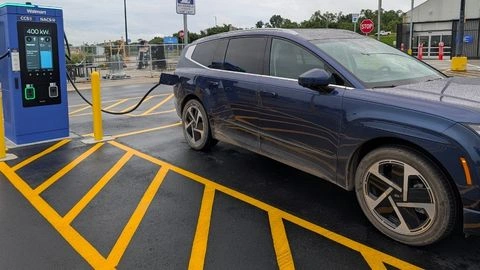
Today many EVs can accept 350-kilowatt charging, which can deliver hundreds of miles of range during a short stop. Tesla, Hyundai, Porsche, and several other manufacturers have built vehicles designed to take advantage of these high-power stations.
Battery chemistry improvements have played a major role. New cell designs reduce electrical resistance and improve cooling, allowing batteries to accept energy faster without damaging the cells.
Infrastructure Still Matters
Even the most advanced battery cannot charge quickly without the right infrastructure.
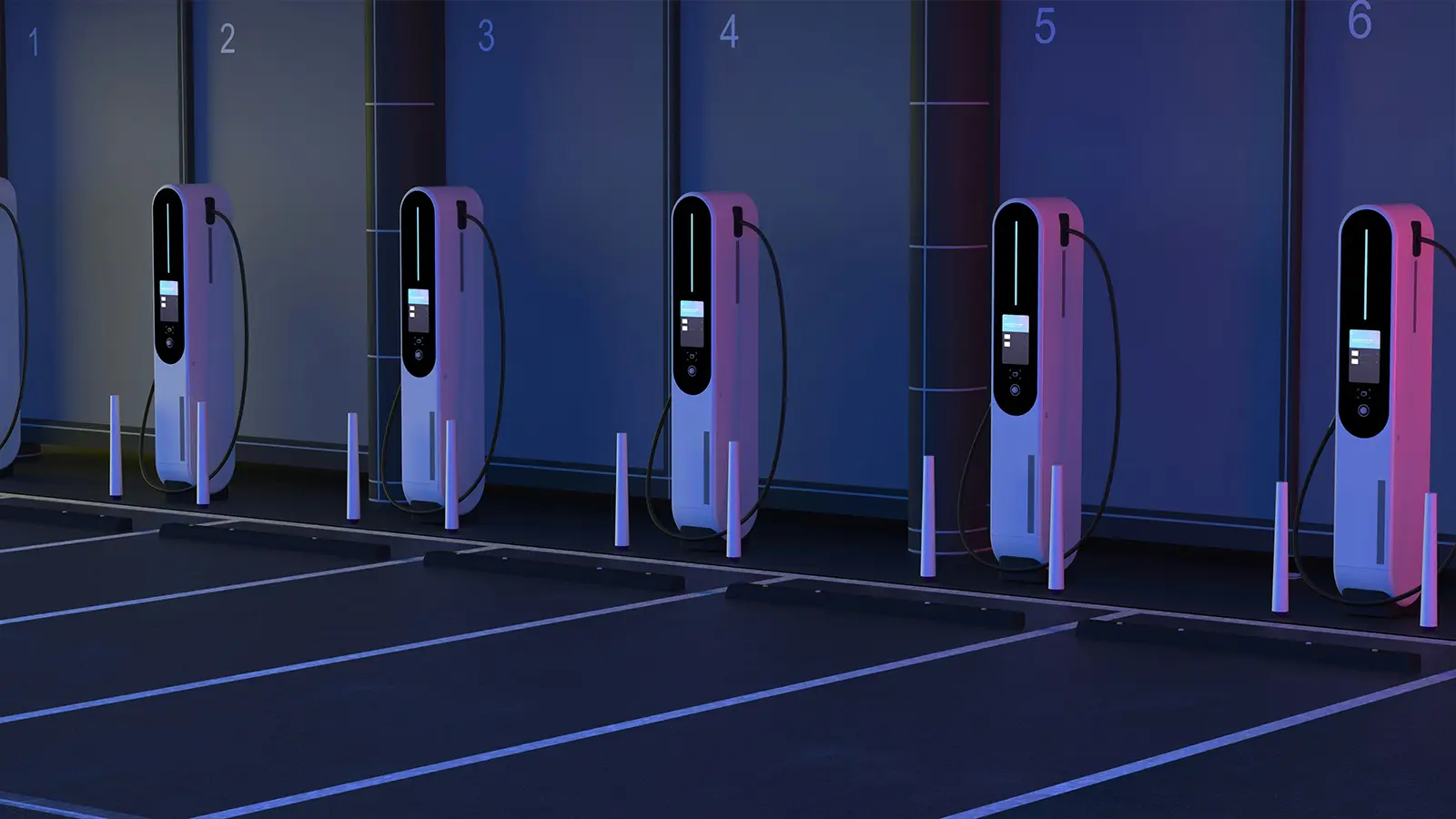
Delivering five minutes of charging at meaningful range requires extremely high-power equipment and strong grid connections at charging sites. Stations capable of delivering that kind of electricity are still rare.
If you want the practical reality of road-trip charging, read using public charging stations ➜
For that reason, ultra-fast charging breakthroughs usually take several years to move from laboratory demonstrations to real vehicles on public roads.
Still, the direction is clear.
Charging speeds continue to improve as both batteries and infrastructure evolve.
Why It Matters for Drivers
Faster charging does more than reduce waiting time.
It changes how people think about EV ownership.
When charging becomes quick enough to fit naturally into a coffee stop or rest break, long-distance travel feels far less intimidating for first-time EV drivers.
That is why automakers are racing to improve this part of the technology. Every improvement in charging speed narrows the gap between electric and gasoline driving.
And each generation of vehicles is closing that gap a little more.
⚡Ultra-Fast Charging Updates
BYD Announces Super Fast EV Charging in Five Minutes
The original news on BYD’s claim and what the technology targets under ideal conditions
Read More ➜
The Fastest Charging Electric Cars
A reality check on what’s already achievable today and which EVs are built to take advantage of high-power stations
Read More ➜
NEVI Charging Network Reboots in 2026
Why infrastructure funding and corridor buildouts matter, because five-minute charging means nothing without sites that can deliver power reliably
Read More ➜