
Fast Facts | State of Self-Driving in 2026
🧠 Big Truth: No consumer car is truly eyes-off self-driving everywhere yet
🛣️ Most Common: Level 2 driver assist is mainstream in new vehicles
👐 Hands-Free: Level 2+ works mainly on mapped highways, eyes still required
👀 Level 3 Shift: Eyes-off is allowed in limited conditions, but takeover alerts still apply
⚖️ Liability: Level 3 changes the responsibility story when crashes happen
🚕 Level 4 Today: Robotaxis can run without a human onboard, but only in constrained areas
📅 What’s Next: More Level 3 launches are being targeted for 2027–2028 windows
It’s early 2026 as I write this, and here's where we stand: there's still not a single consumer vehicle you can buy anywhere in the world that drives itself without a human keeping an eye on things. That said, today's cars have some seriously capable advanced driver-assistance systems, and greater degrees of automation are expected to become common by the end of the decade. So, what's available now, and what's coming soon? Let's break it down.
How We Define Assist and Automation
SAE International (the folks who define automotive standards) created a scale from Level 0 (starting from zero is an engineering thing) to Level 5 to describe how much a car can do on its own. Level 0 is like my 1990 Mazda Miata, no assist whatsoever. Level 5 would be a car that can drive anywhere, anytime, in any conditions, with no human supervision or intervention.
Virtually every new vehicle for sale in the U.S. in 2026 has at least Level 1 assist as standard equipment. That includes features like blind-spot monitoring, lane-departure warning, and automatic emergency braking, with each feature operating independently. At Level 2, systems start to work together, like lane centering teaming up with adaptive cruise control to manage both steering and speed. Everything up to Level 2 is considered driver assistance, not self-driving or autonomous, because you still have to watch the road and are responsible for what the vehicle does at all times.
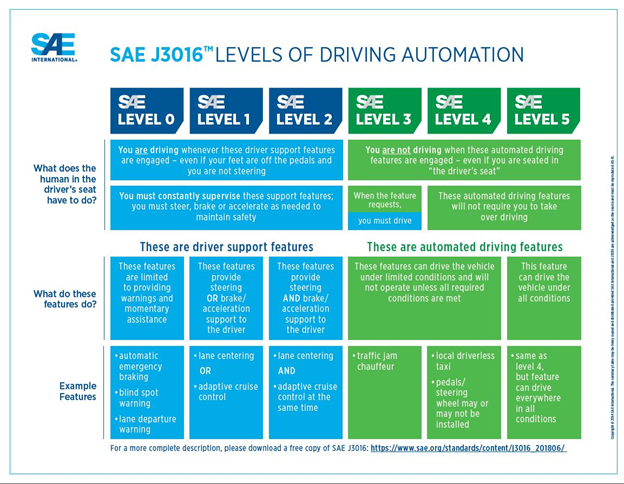
The SAE standard doesn’t distinguish between systems that require you to keep your hands on the wheel or go hands-off, so the industry has defined some sub-segments of Level 2.
The most basic Level 2 systems, like Nissan’s ProPilot V1 or Volvo’s Pilot Assist, are hands-on, eyes-on systems. Next, there's what we call Level 2+, which includes General Motors' Super Cruise, Ford's BlueCruise, and Stellantis’ Active Driving Assist. These let you take your hands off the wheel on highways while the car handles steering, though you still have to pay attention and be ready to take over at any moment. The car will stay in its lane and, in some cases, can automatically change lanes to pass slower traffic. You still have to watch the road; these systems generally don’t respond to traffic signals and may not be able to handle unmapped areas like construction zones.
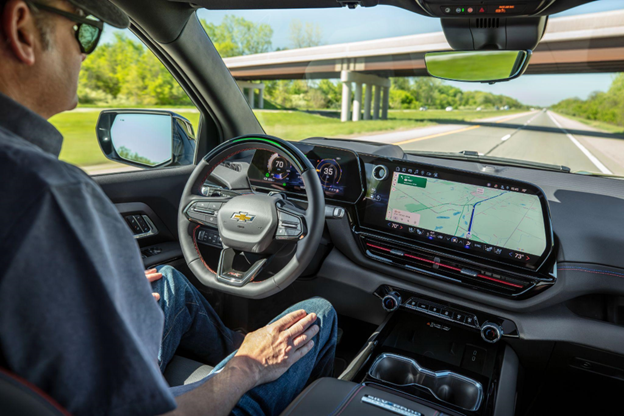
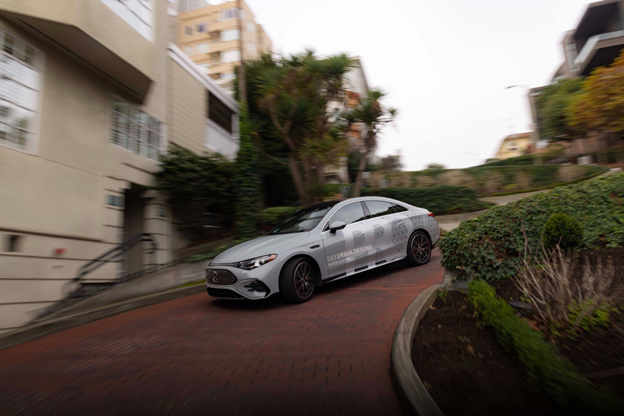
A newer variation called Level 2++ expands the operating range to city streets and may automatically stop at red lights and stop signs while navigating to a destination. These systems include Tesla's Full Self-Driving (which, despite the name, is not actually full self-driving) and Mercedes-Benz's new MB.Drive Assist Pro. Like Level 2+, you still need to keep your eyes on the road, and it's classified as an assistance system. If a crash happens, you're responsible.
Moving from Assist to Automation
SAE defines Level 3 as conditional automation, but another way to think of it is hands-off, eyes-off, brain-on. This is the first level where you don't have to watch the road full-time. You can text, respond to emails, or watch a video. At Level 2+ or Level 2++, the system reduces some traditional driver workload like steering and braking, but you still have cognitive work to do in monitoring the system, which can actually be more challenging than just driving. At Level 3, you get your time back, and that may be something people are willing to pay for, especially if they have a long commute.
Like Level 2+, Level 3 systems still have a limited operating domain, and most will start with highway-only operation before gradually expanding to rural roads and city streets. Despite not having to supervise constantly, you can’t take a nap or crawl in the back seat, and you can’t send your car out to earn money as a robotaxi. As the vehicle approaches its limits, like exiting the highway, you'll get an alert to take over.
So far, only Honda, BMW, and Mercedes-Benz have sold Level 3 systems, and in limited volumes. These assisted during traffic jams, operating at speeds up to about 40 mph in stop-and-go highway traffic. Honda's system was briefly available in Japan, BMW offered theirs on the 7 Series in Germany, and Mercedes rolled theirs out on the S-Class and EQS in Germany and the U.S. (though you could only use it in California or Nevada). Honda and Mercedes have since discontinued these systems.
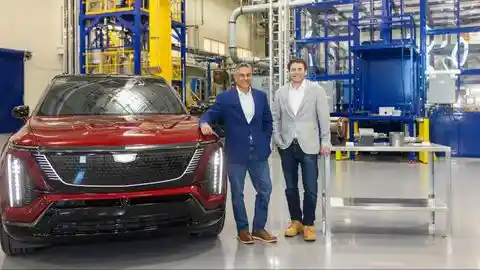
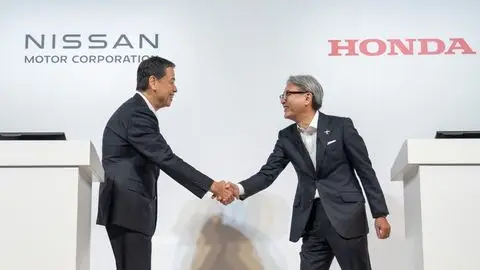
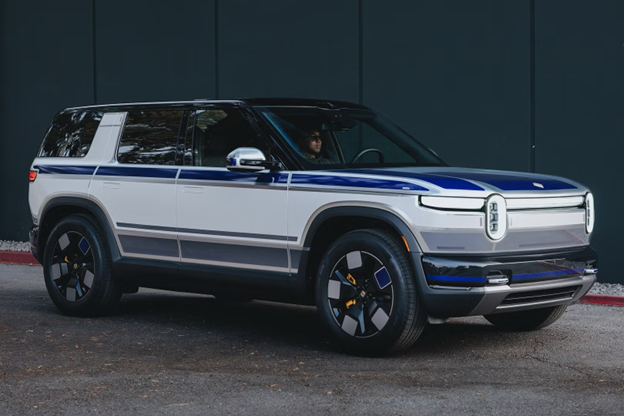
In recent months, we've seen a wave of announcements about more capable Level 3 systems arriving over the next three years, with most expected to launch around 2028. GM is bringing a next-generation Level 3 Super Cruise starting with the Cadillac Escalade IQ. Honda wants Level 3 on its 0 Series EVs. Rivian is targeting Level 3 for its new R2 SUV in 2027, while Lucid plans to launch a system in its new midsize model in 2028. Porsche and Audi are aiming for 2027 with a Mobileye-developed system, and Ford recently announced plans for an in-house developed Level 2 and Level 3 system for its Universal Electric Vehicle platform, launching in early 2027 with a $30,000 midsize pickup. Nissan also plans to launch a system with help from a British company called Wayve.
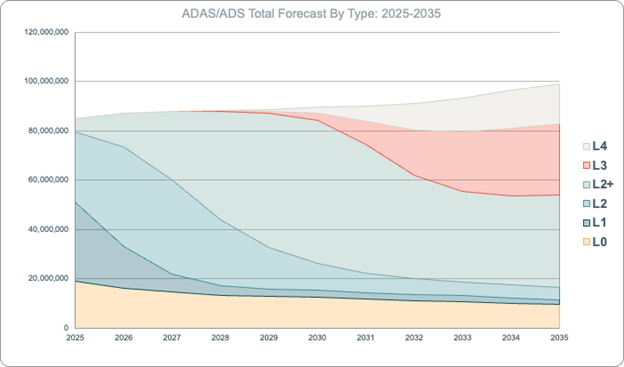
Telemetry recently forecast that, by 2030, nearly 2.8 million vehicles will be sold globally with Level 3 capability, and over 58 million with hands-off, eyes-on systems. Bringing Level 3 systems to market will be tougher than Level 2+ because of one major difference: the automaker becomes responsible if a crash occurs, not the driver. That's a huge shift in liability.
Robotaxis and Long-Haul Trucks
The reality is that Level 5, where a vehicle can drive anywhere without a human ever taking over, probably isn’t happening in the next decade. But Level 4 vehicles? Those are already on public roads today. These never require anyone on board, and they can detect problems and safely pull over without human intervention, but they operate within some constraints, like specific locations, weather conditions, or times of day. The most common examples today are robotaxis, with Waymo being the global leader.
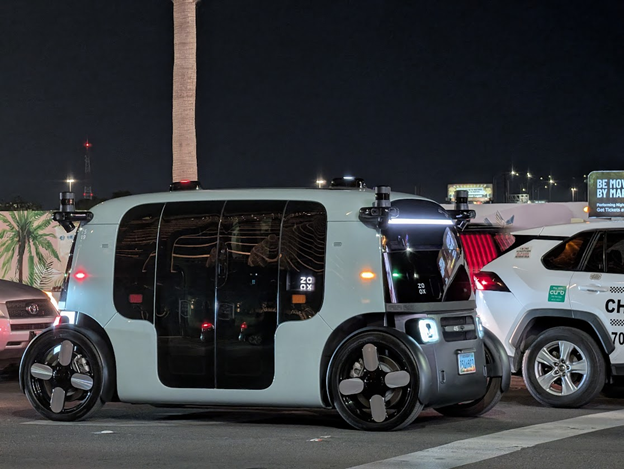
Waymo currently operates about 2,500 robotaxis across San Francisco, Los Angeles, Phoenix, Austin, Atlanta, and, most recently, Miami. They're targeting 20 cities by the end of 2026. These operate just like any ride-hail service; use an app to request a ride, and a car shows up to take you to your destination. In Austin and Atlanta, these rides are even available through the Uber app, while Lyft offers rides with May Mobility in Atlanta. More cities and providers are coming soon. Zoox also has robotaxis in Las Vegas and San Francisco, but they currently only have about 50 vehicles carrying passengers.
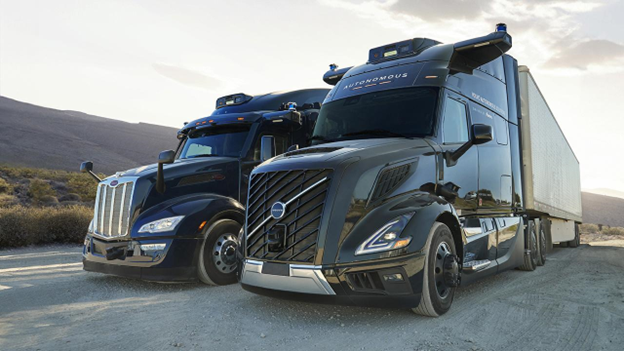
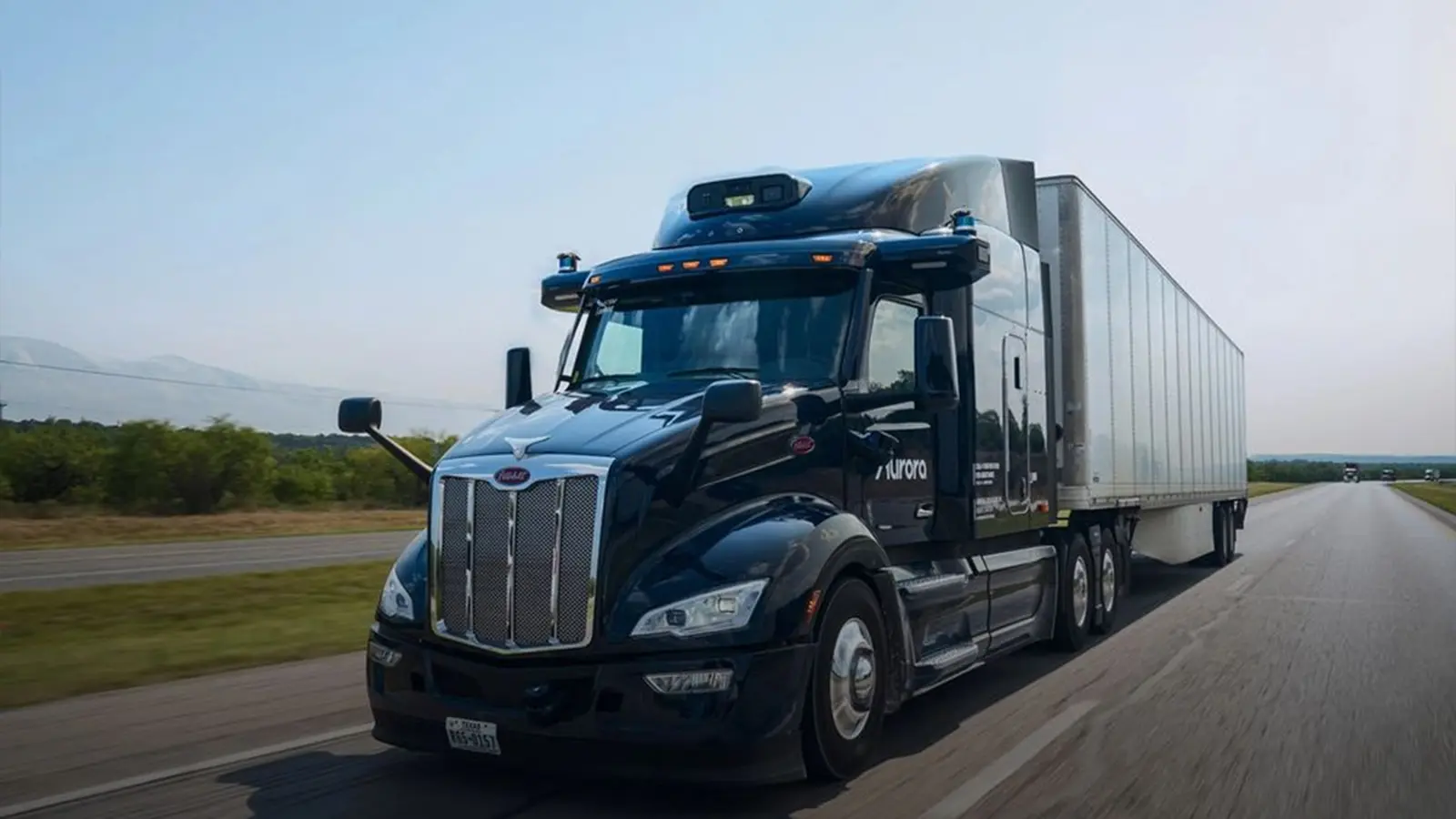
Finally, there are Level 4 tractor-trailers. Companies like Aurora and Kodiak are hauling freight without drivers. Aurora's trucks make daily deliveries across Texas between Dallas, Houston, and El Paso, with more expansion to come this year. Kodiak's fleet is delivering fracking sand to oil fields.
All this new capability comes from a combination of more sensors, including higher resolution cameras, radar, and lidar for Level 3 and Level 4, feeding into AI-based software running on high-performance computer platforms.
Assisted and automated driving systems are getting more capable and mature every year. You can’t buy a car where you can nap in the back seat yet, but we're getting there.
🚗 More Reads on Autonomous Driving
Volkswagen’s Autonomous Research Vehicle
A look at how VW is testing autonomy in the real world, and what that research says about what’s coming next
Read More ➜
Tesla Recalls 360,000 Models with Full Self-Driving
A reminder of the gap between branding and real autonomy, plus why “assist” still comes with real-world risks
Read More ➜
Robotaxi, Robovan, and Optimus: What’s Next for Tesla?
A reality-checked breakdown of Tesla’s autonomy ambitions, timelines, and what matters for consumers
Read More ➜