


 Reviews
2026 Hyundai Elantra Hybrid Review: High Style, Low Fuel Bills
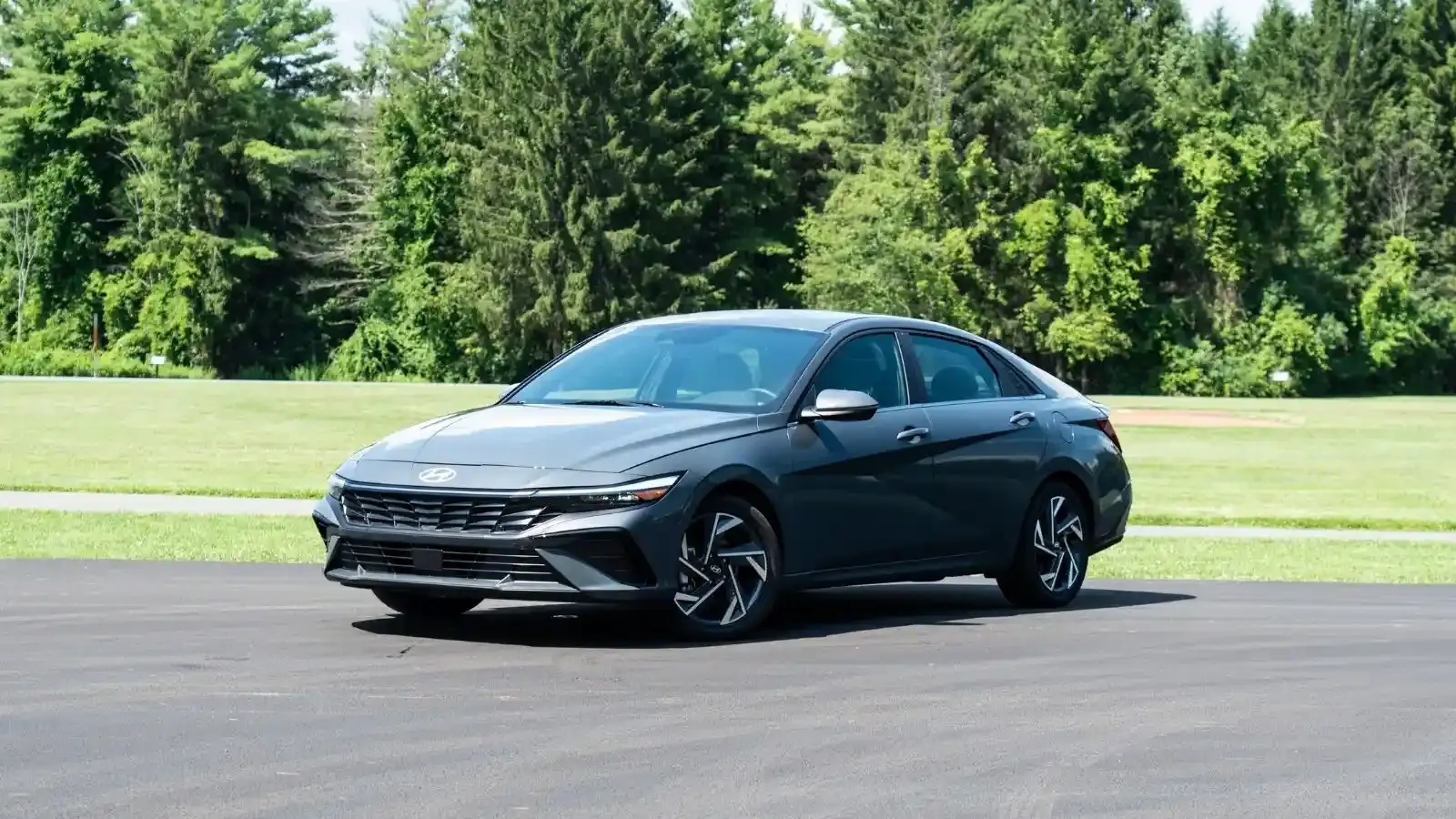
Skip the gas-only trims. The Elantra Hybrid delivers the low-end torque and high-end efficiency needed to make this sharp-looking compact a true standout.
Tim Stevens5 min read

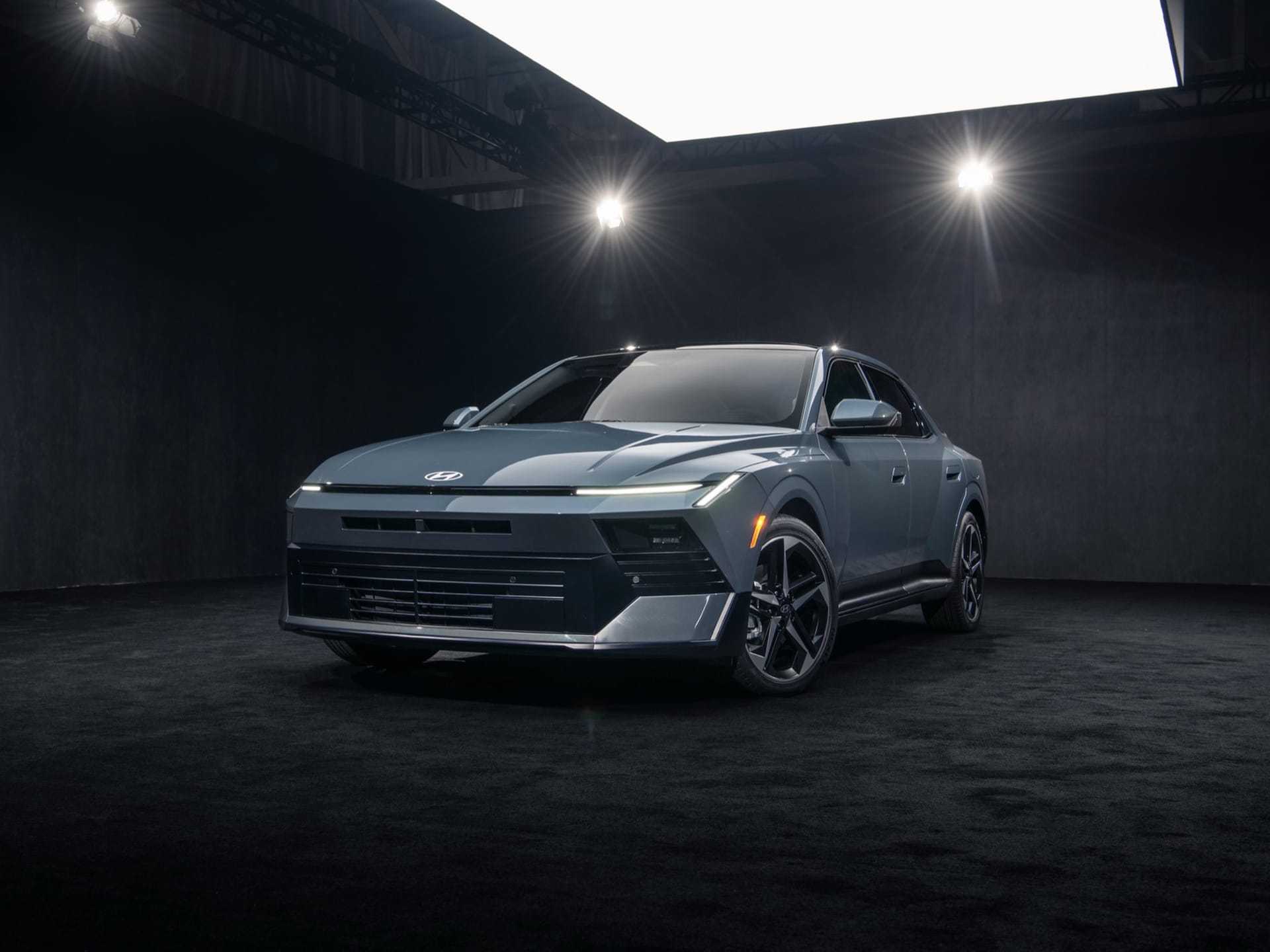
New styling, physical buttons, and a 155-horsepower hybrid: Hyundai's eighth-generation Elantra debuts in Los Angeles ahead of its North American arrival in early 2027.
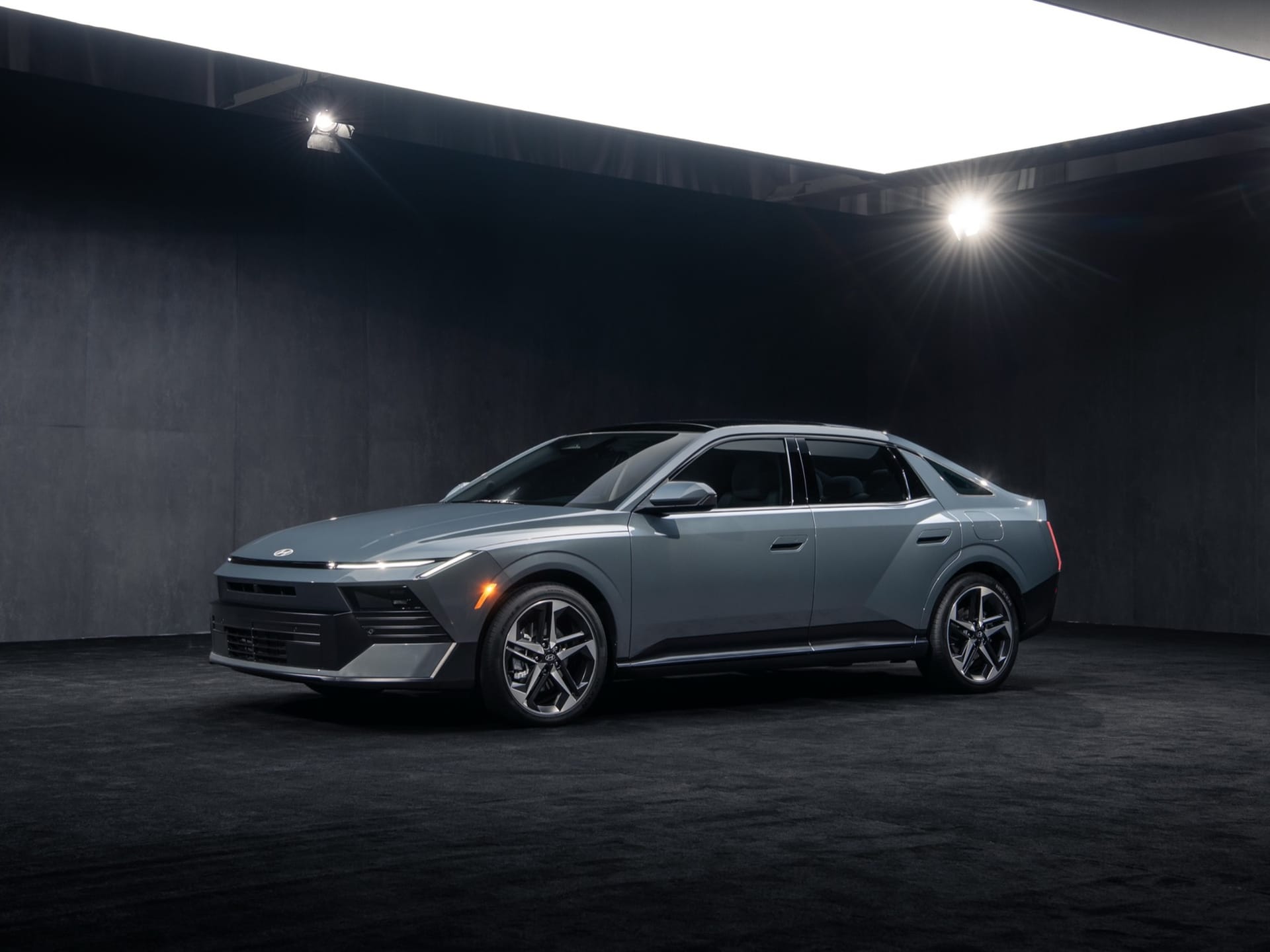
If there’s one thing you can count on with Hyundai design, it's that the brand doesn't take an incremental approach. Each new generation of a model tends to be a major departure. We saw that a couple of months ago with the new Tucson, and the same is true for the new eighth-generation Elantra, which makes its global public debut at the 2026 Los Angeles Auto Show. Like the outgoing generation, the new compact sedan comes with a choice of gas and hybrid powertrains.
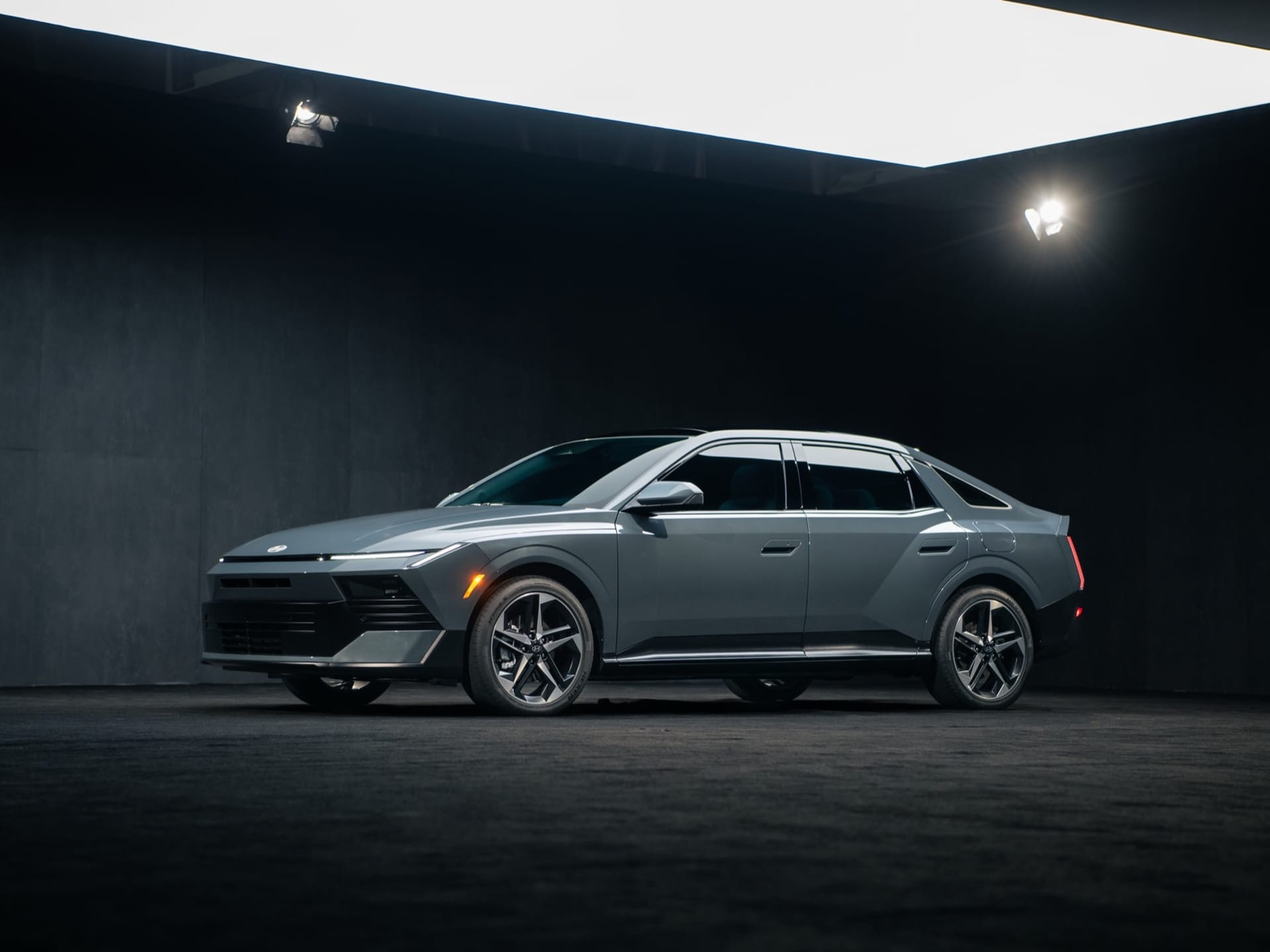
The new Elantra adopts Hyundai's “Art of Steel” design language. We got our first hints of it on the Boulder SUV concept at the New York Auto Show last spring, and then saw a production version on the new Tucson in September. One of its key design features is the “H-Edge” lighting scheme.
H-Edge incorporates the H from Hyundai's name into the design in a more modern and subtle way than the current-generation Santa Fe did a couple of years ago. Instead of a bold H at each corner and other places around the car, H-Edge appears once in front and once in the rear. On the Tucson, it's a slim horizontal lamp spanning most of the fascia, with a slim vertical lamp at each end. On the Elantra, the horizontal lamps reach only partway in from the corners, leaving a gap in the center front and rear.
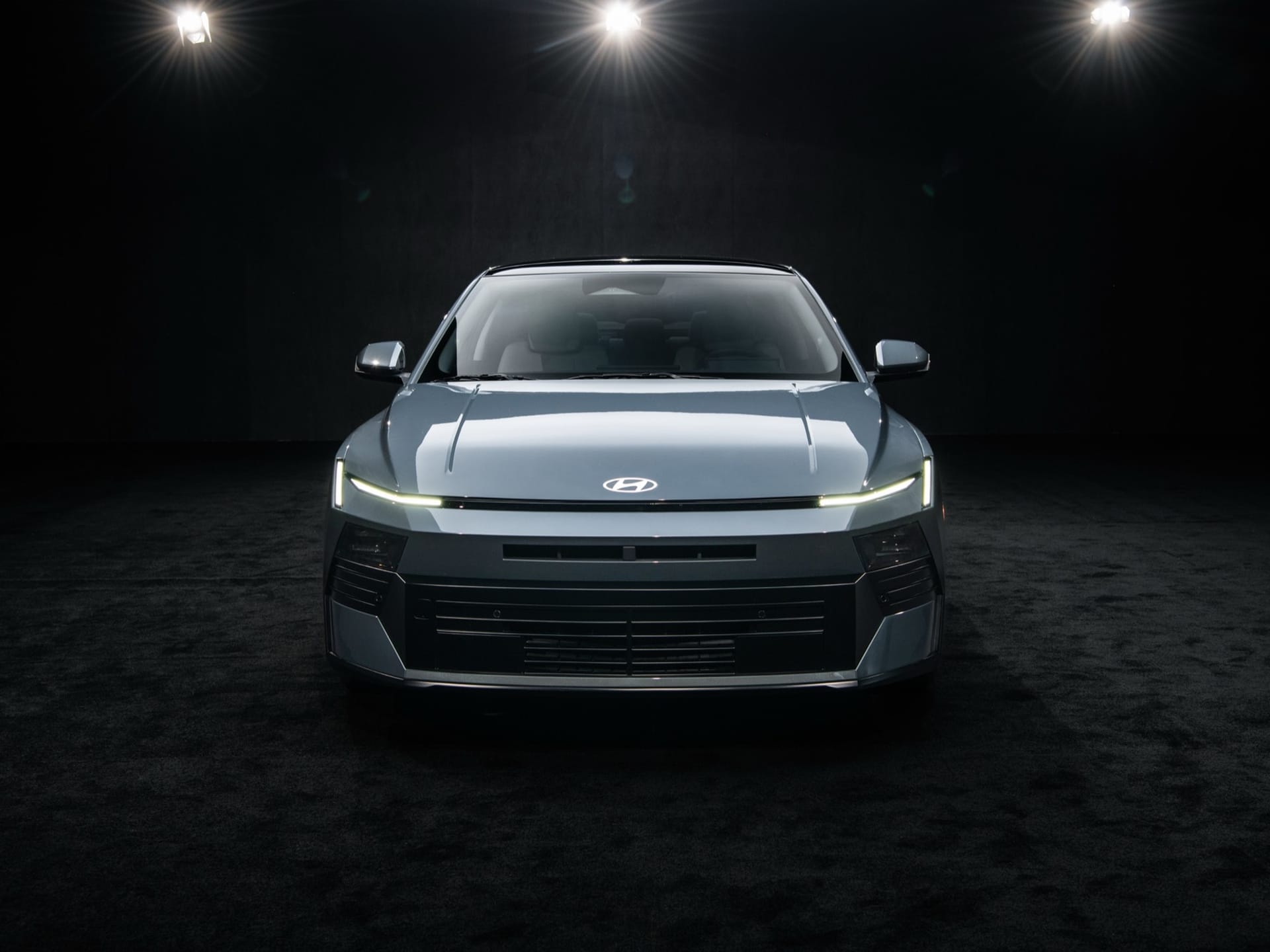
The other key design element is the bold fenders, which come most directly from the Boulder. They spread out aggressively from the body, giving the Elantra a broader-shouldered stance than any prior generation. The rear corners of the greenhouse are also new to the Elantra and look similar to those on the larger Azera sedan sold in Korea. The C-pillars are considerably thicker, painted body color, and wrap around a forward-leaning triangular window.
The new Elantra is a bit bigger all around: 3.3 inches longer, 1.2 inches wider, and 0.4 inches taller than the outgoing model. The wheelbase is also 1.2 inches longer than before.
Inside, the Elantra adopts a similar theme to the Tucson with a cabin built around Hyundai's new Pleos Connect infotainment system. Pleos Connect runs on Android Automotive, but it has a unique Hyundai interface, a Hyundai-developed AI voice assistant, and Hyundai’s own app market, where you can download media streaming apps and more. U.S.-market Elantras get a 12.9-inch center touchscreen.
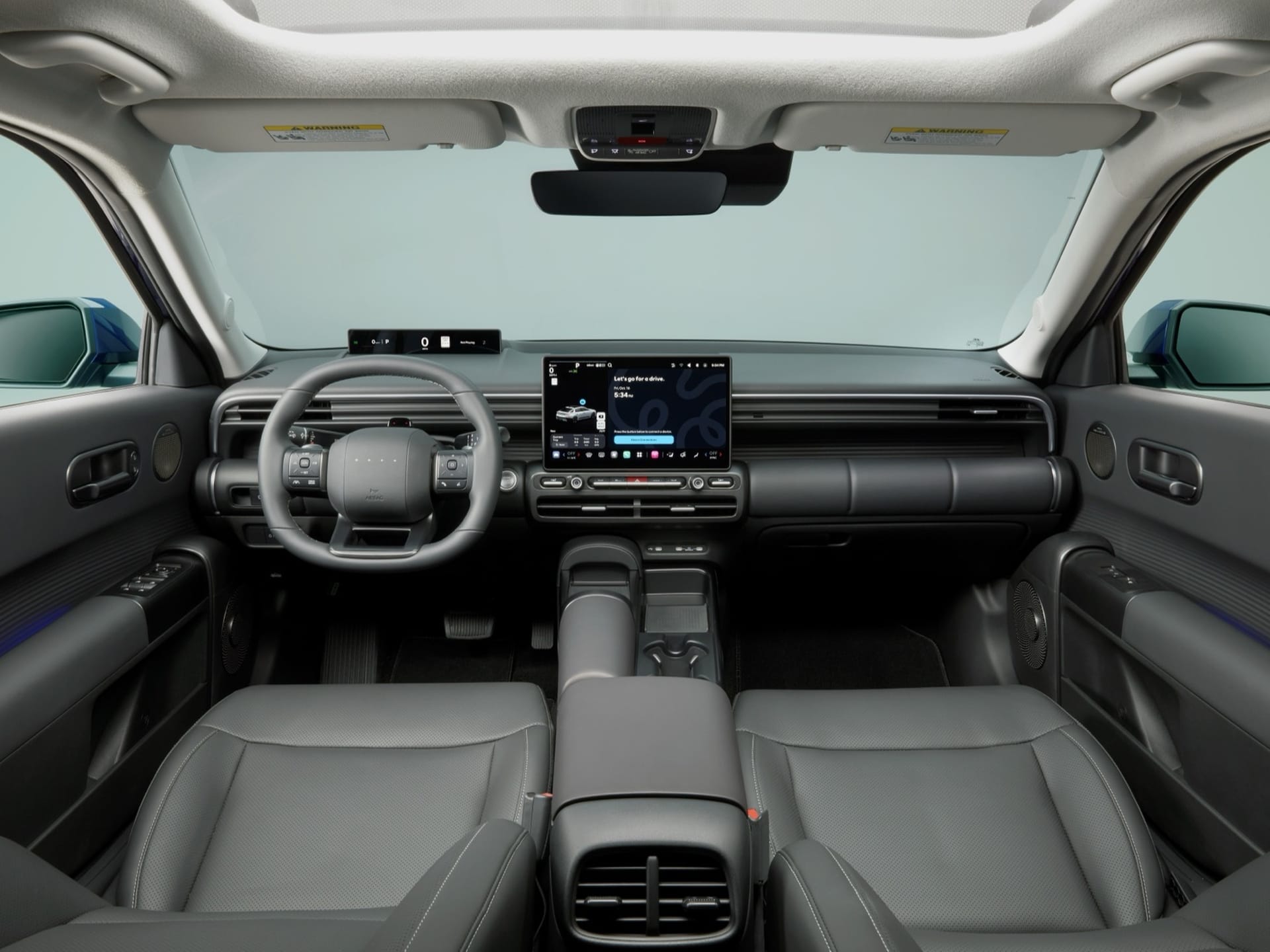
Like the Tucson, the Elantra gets a slim 9.9-inch instrument cluster display sitting atop the dashboard, close to the driver’s line of sight while watching the road. Hyundai heard the complaints loud and clear several years ago when the brand introduced a center stack with touch-only controls. Almost no one liked having to take their eyes off the road for basic tasks. Hyundai went back to physical controls, and that approach carries over to the Elantra, so you can handle most main functions by muscle memory.
The rest of the interior uses the furniture-inspired “curve of upholstery" look we first saw last year on the Ioniq 9 and Palisade. Available features include multiple USB-C ports, with up to 100 watts from the front-seat ports, and dual Qi2 wireless charging pads with 15-watt output.
North America will get two powertrain options. At launch, the Elantra carries over the 147-horsepower, naturally aspirated 2.0-liter four-cylinder gas engine, paired with a continuously variable automatic transmission. Hyundai projects it will deliver 35 mpg.
The hybrid arrives as a 2028 model and is an upgrade of the current-generation hybrid, with a belt-driven integrated starter-generator in place of a traditional alternator on the 1.6-liter gas engine. Hyundai upsized the motor-generator in the six-speed dual-clutch transmission, bringing combined output from 139 to 155 horsepower. Hyundai claims it's targeting up to 53 mpg combined.
Hyundai is targeting up to 53 mpg combined, but manufacturer targets and eventual EPA ratings are not interchangeable, so see how official fuel-economy numbers are calculated and why real-world MPG can differ ➜
The hybrid is also equipped with a third-generation smart regenerative braking system that optimizes regen based on current driving conditions, recovering more energy and extending battery life. Hyundai also added its Hierarchical Predictive Control system, which monitors terrain, road conditions, and driving patterns to further optimize control of the hybrid system. Using map data such as road grades, it lets the battery discharge deeper than normal to support more electrical power when climbing a hill, then recovers that energy through regenerative braking on the way down.
Hyundai’s new powertrain still follows the familiar hybrid formula of combining gasoline and electric propulsion, so see how modern hybrid systems work and where the electric motor fits in ➜
Hyundai has also added Stay mode, which works a lot like the Pet modes found in some EVs. It keeps the climate control and infotainment running while the car is parked with the engine off. If you need to run into a store and leave your dog in the car, you can activate Stay mode, and the hybrid battery keeps the cabin cool while you're gone.
If you live in South Korea, you can already buy this car as the Avante. In North America, the Elantra starts arriving in early 2027. Hyundai will release pricing and official fuel economy numbers closer to launch.
The new Elantra is another piece of Hyundai’s broader electrification push, so see how the company is expanding its U.S. hybrid and EV strategy ➜
Top Compact Hybrid Cars
See how today’s Elantra Hybrid fits among the Prius, Corolla Hybrid, and other compact cars chasing maximum efficiency without a plug.
Read More ➜
Revised Hyundai Ioniq 6
Hyundai’s electric sedan takes a very different approach to efficiency, styling, and technology while showing where the brand’s passenger-car design is heading.
Read More ➜
2026 Honda Civic Hybrid vs. 2026 Toyota Corolla Hybrid
Two of the Elantra Hybrid’s most important compact-car rivals go head-to-head on performance, MPG, price, practicality, and available AWD.
Read More ➜
GreenCars Contributor
Sam Abuelsamid is vice president of market research and leads Telemetry Insights' Transportation and Mobility research and advisory practice. Focusing on automated driving, mobility services, telematics, connectivity, cybersecurity, and advanced propulsion systems, Abuelsamid works with clients to help them understand emerging technology trends and shape strategies.
Get vehicle reviews, practical tips, and the latest GreenCars news.
ReviewsSkip the gas-only trims. The Elantra Hybrid delivers the low-end torque and high-end efficiency needed to make this sharp-looking compact a true standout.
 Reviews
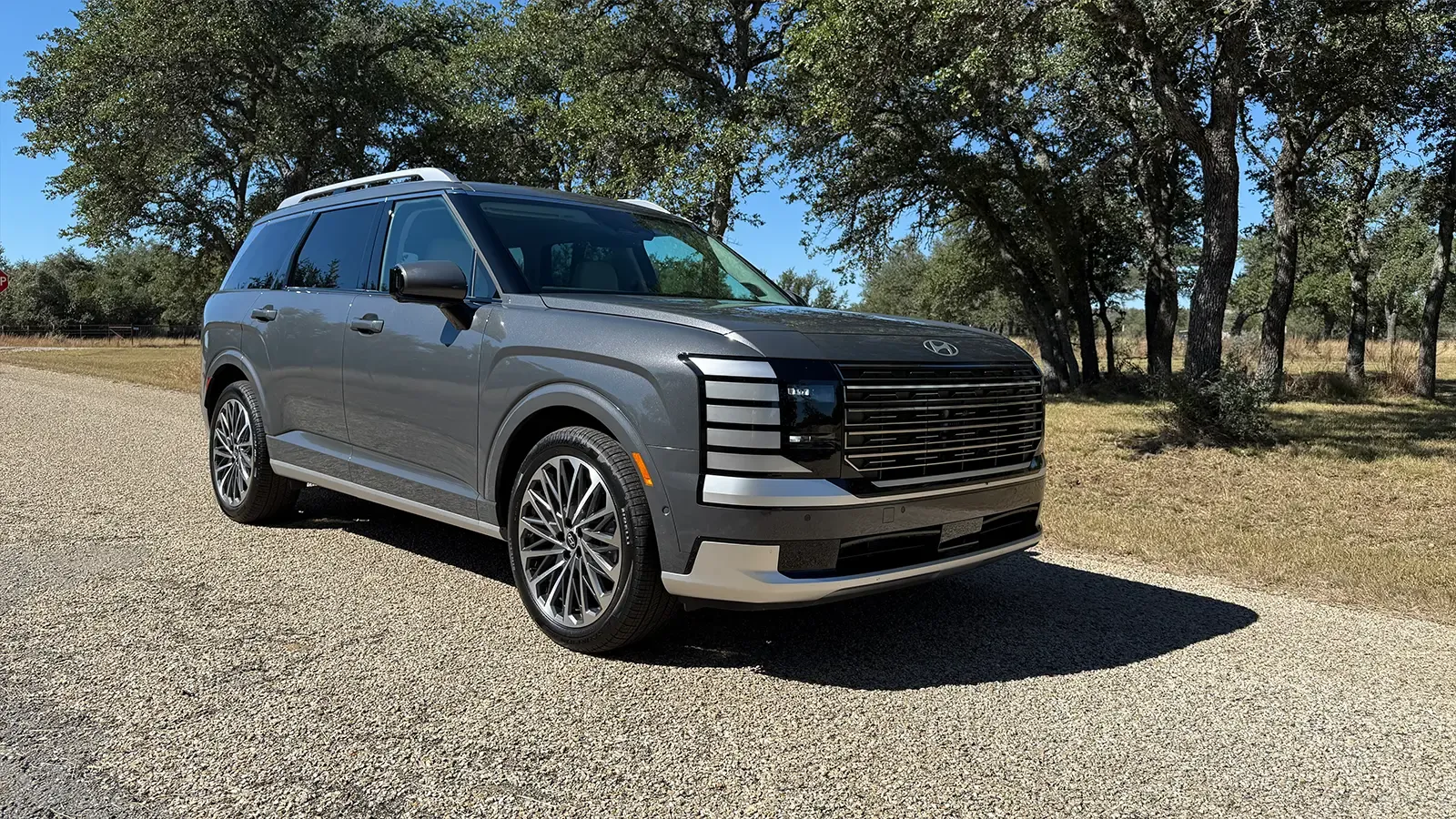
With more power on tap, better fuel economy, and the same features as the standard gas-powered Palisade, the question isn’t why you'd buy the hybrid - it’s why wouldn’t you?
 Previews
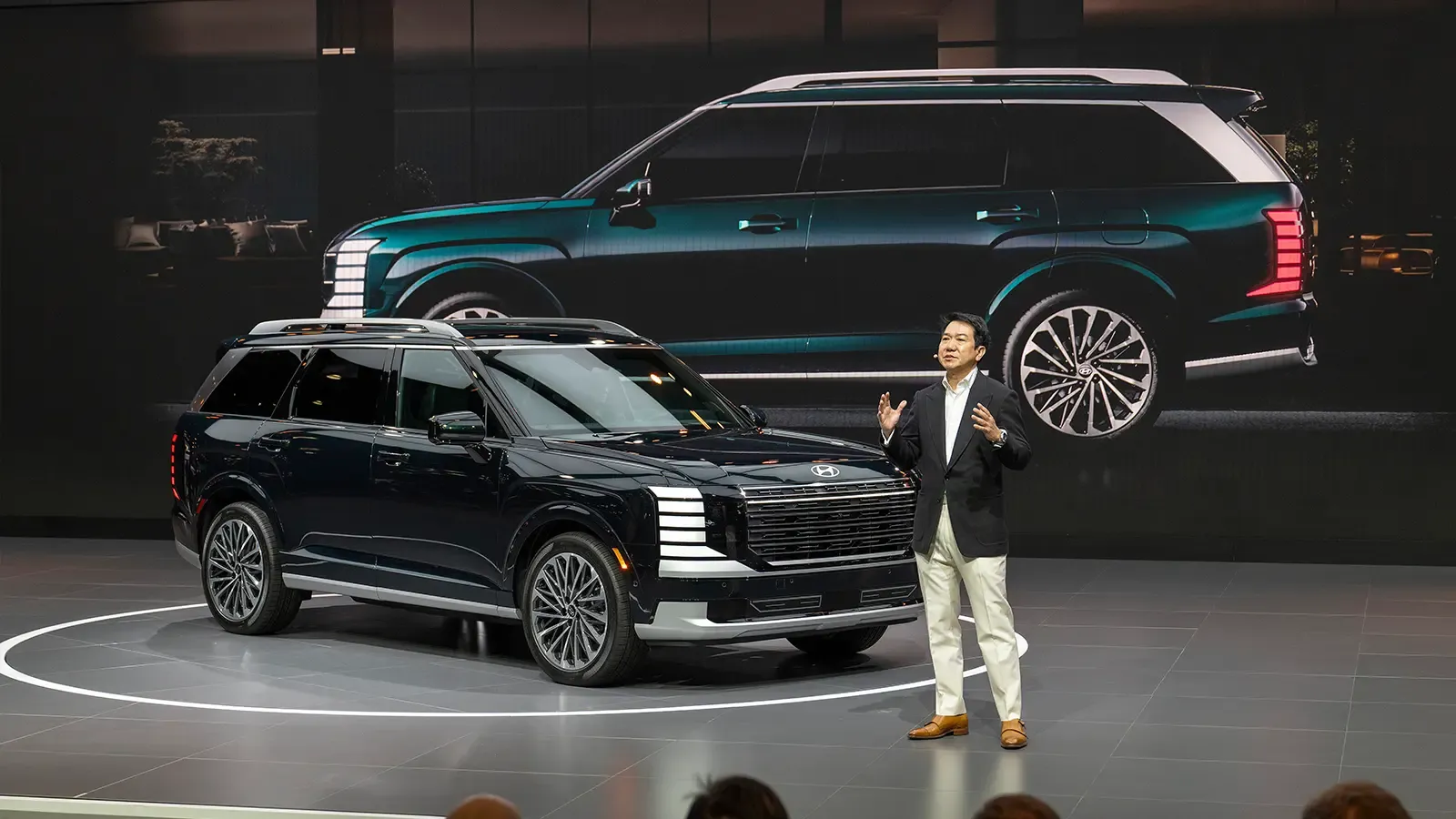
Check out the all-new Hyundai Palisade for 2026, a spacious and luxurious three-row SUV that is now available as a fuel-efficient Hybrid model that offers over 30 miles per gallon. Find out more here.