
Fast Facts | Permanent Magnets for GM EVs
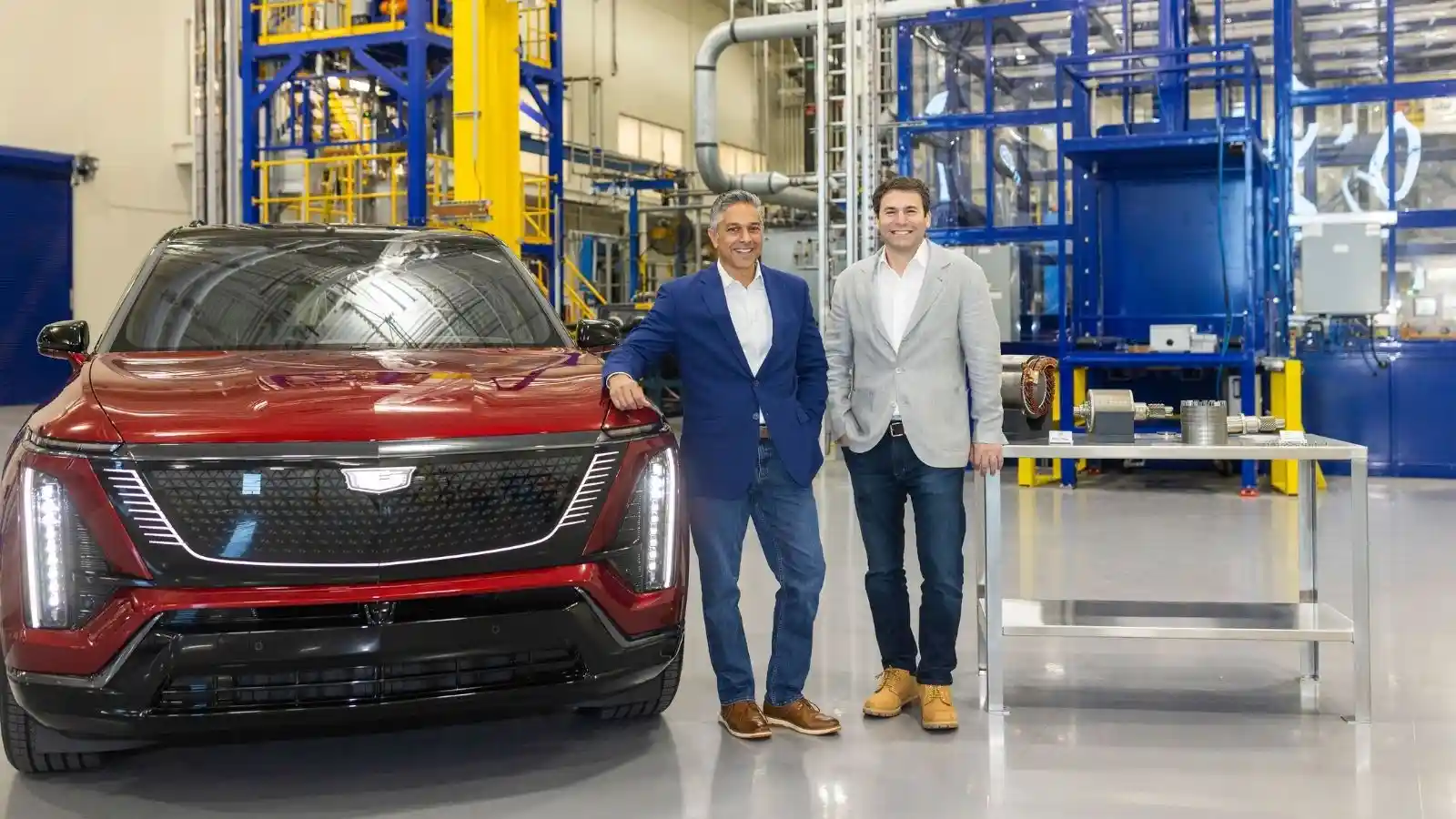
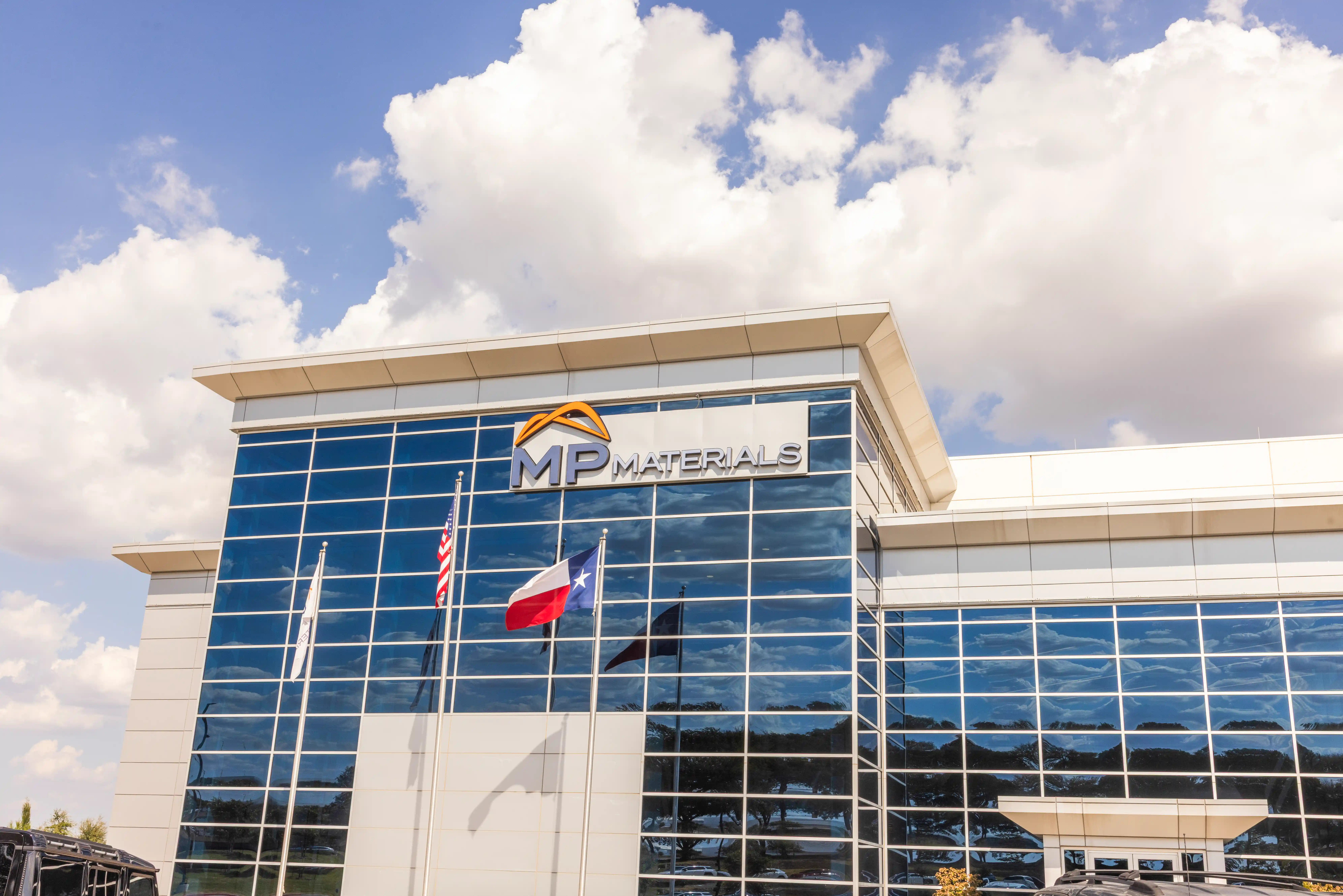
⚙️ Partner: MP Materials is the operator of the Mountain Pass rare earth mine in California, with a magnet production facility in Fort Worth, Texas
🌎 Why It Matters: China currently processes about 90 percent of the world's rare earth materials
🔧 GM's Share: 1,000 tonnes annually; 192 magnets per large motor, 128 per small motor
🗓️ Timeline: Production vehicles with MP-made magnets by the end of 2026
🤝 Other Partners: Apple and the Department of Defense
GM Wants More of Its EV Supply Chain Close to Home
If you've ever wondered what makes an EV motor spin, the answer usually comes down to magnets. For years, almost all of them came from China. That's starting to change, thanks to a partnership between General Motors and a company called MP Materials.
Why Do Magnets Matter for EVs?
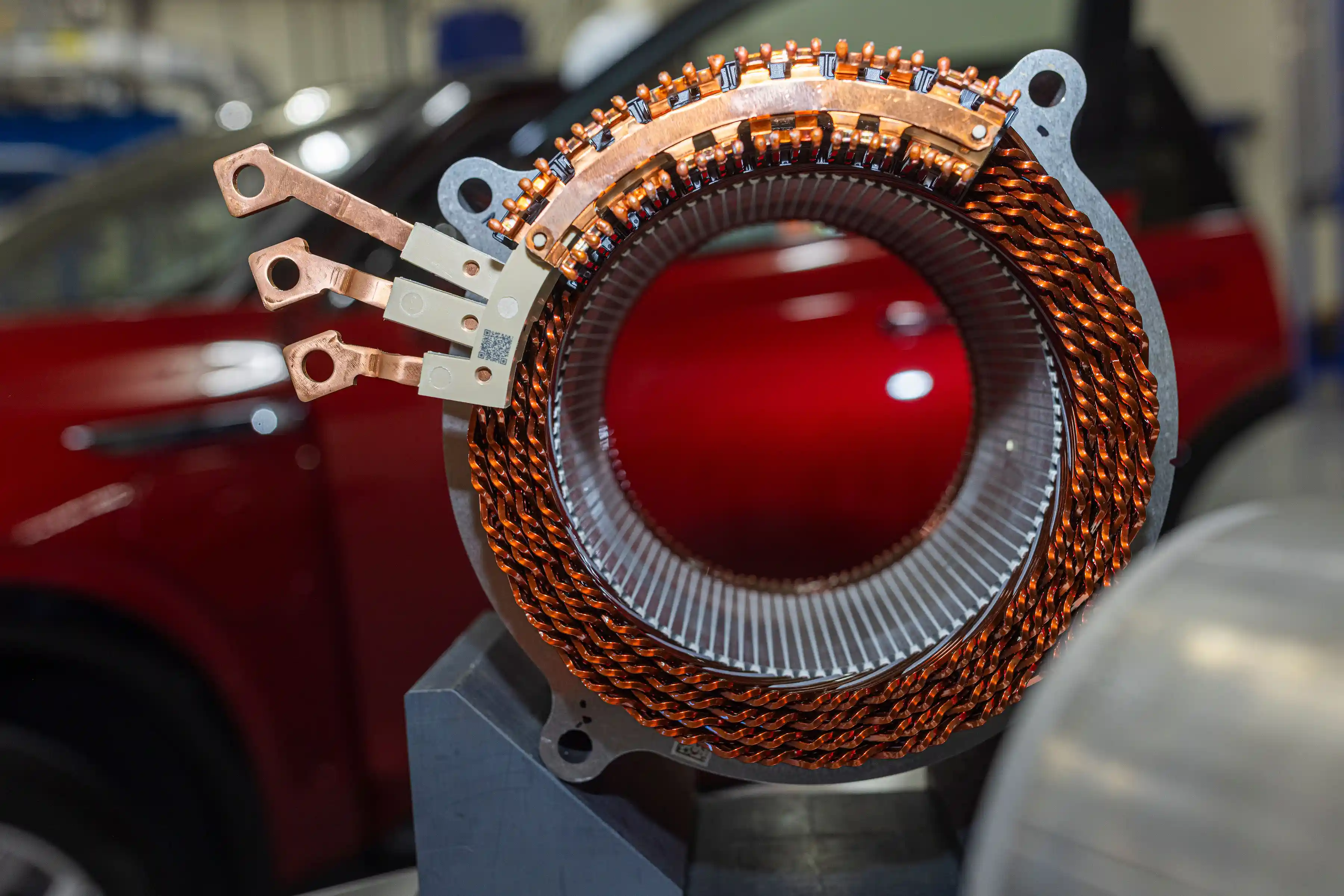
All motors use magnets to make the rotor spin and turn the wheels. Induction motors rely on electromagnets, created by winding copper around iron cores and running current through them. Most EVs, though, use motors with permanent magnets, which are more efficient and deliver greater power and torque density, but they come at a higher cost. To achieve the magnetic performance and reliability needed in a vehicle's harsh environment, though, you can't just use the old-fashioned iron magnets that we stick on the refrigerator. Instead, automakers rely on magnets containing rare earth elements.
Permanent-magnet motors are only one part of an EV’s much simpler propulsion system, so see how the motor, battery, charger, and control systems work together in an electric car ➜
While the name suggests these materials are uncommon, they are found almost everywhere on Earth. The rarity comes from the fact that they're rarely concentrated the way you’ll find veins of other materials like iron ore, gold, silver, and even coal. That makes them challenging to extract in a commercially viable way. As of 2026, there are only four known places in the world with concentrated quantities of rare earth metals: two in China, one in Australia, and one right here in the U.S., at the Mountain Pass mine in California.
For decades, China processed upwards of 90 percent of the world’s rare earth materials, including almost all the magnets. That's a tough spot for automakers like GM, which uses permanent-magnet motors across its EV lineup and knows it can’t rely exclusively on China as a source.
Establishing a Magnet Business
So, in 2021, GM decided it needed to shift its sourcing approach from globalization to buying where it builds. Rather than just relying on the lowest-cost materials and parts, it needed to build resilience into its supply chain by diversifying, which would help it withstand disruptions caused by natural disasters, geopolitical events, and even pandemics. At the same time, MP Materials was ramping up processing of rare earths from the Mountain Pass mine. However, MP had no experience producing magnets.
Rare-earth magnets are not the only critical material GM has tried to source closer to home, so see how GM also invested in domestic lithium production for its EV batteries ➜
After some back-and-forth, GM committed to a long-term purchase agreement with MP, provided the company could establish a magnet production business and demonstrate its magnets worked. That was enough to help MP secure the backing it needed to build a magnetics division and a factory in Fort Worth, Texas.
GM actually has experience with permanent magnets, having invented a process using neodymium in the early 1980s. It even ran a division called Magnequench that began magnet production in Indiana in 1986. But in the 1990s, GM sold Magnequench to a group of Chinese investors, and production eventually shifted from Indiana to China. The rest, as they say, is history.
From Mine to Motor
A lot goes into making a magnet: raw material from Mountain Pass travels to Fort Worth, where it's melted, powdered, pressed into molds, and sintered into finished magnets. It's a lot of steps, but GM is now sourcing magnets made from domestic materials and produced by an American company.
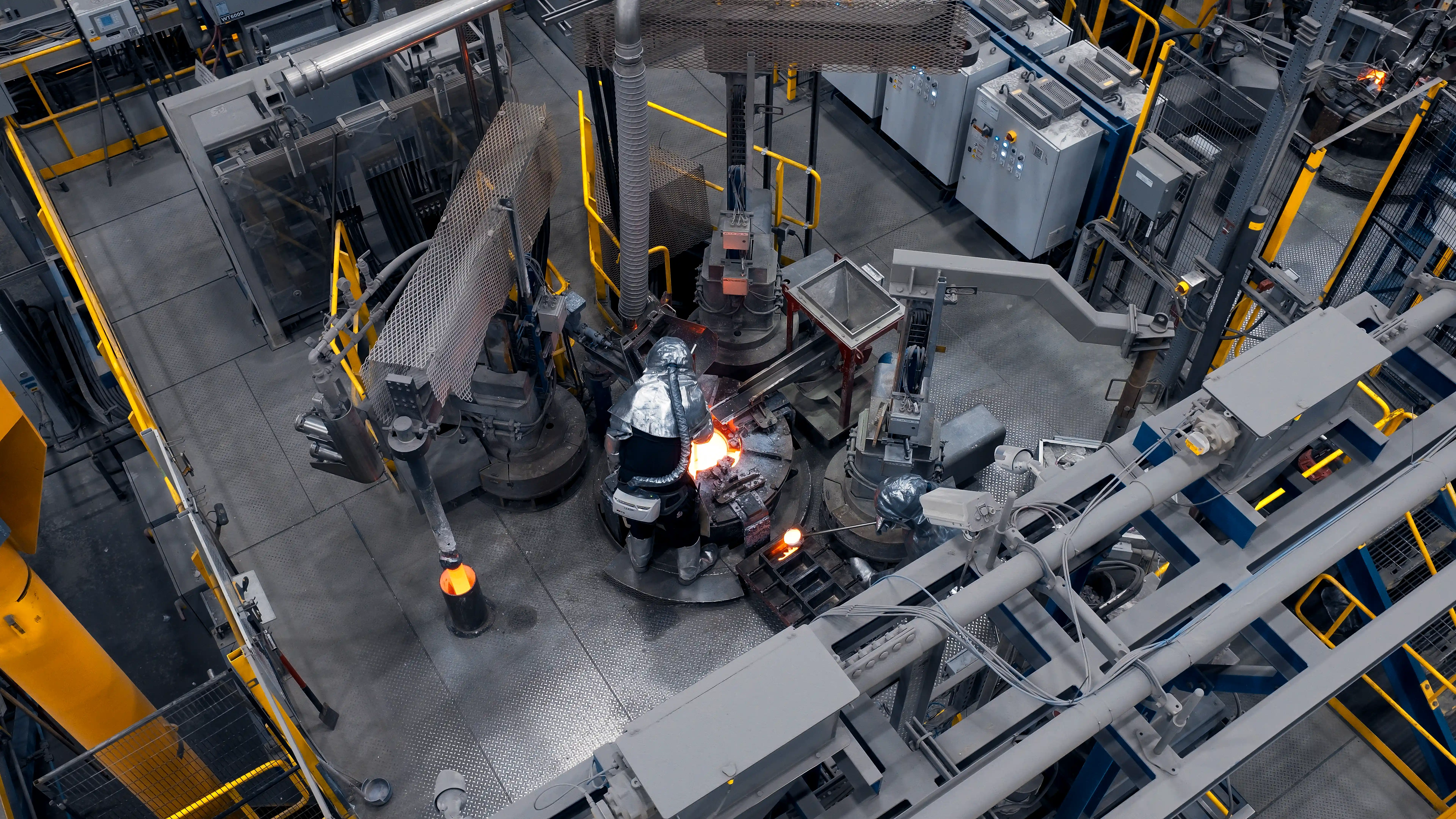
Once the Fort Worth plant reaches full production, it'll ship around 1 million magnets a day and 3,000 tonnes a year, of which 1,000 tonnes will go to GM. GM uses 192 magnets in each of its large motors and 128 magnets in each small one. Right now, GM is testing prototype motors built with these magnets at its propulsion engineering facility in Pontiac, Michigan, and the automaker should have them in production vehicles by the end of 2026.
Steps Toward a Domestic EV Supply Chain
GM isn't the only company interested in MP. The company also has a deal with Apple to supply recycled magnets from the same plant, and the Department of Defense is evaluating MP for magnets used in systems like drone motors. A new facility, five times the size of the current one, is currently under construction about 10 miles away.
Recycling could eventually become another domestic source of critical EV materials, so see how U.S. battery recycling is becoming part of the clean-energy supply chain ➜
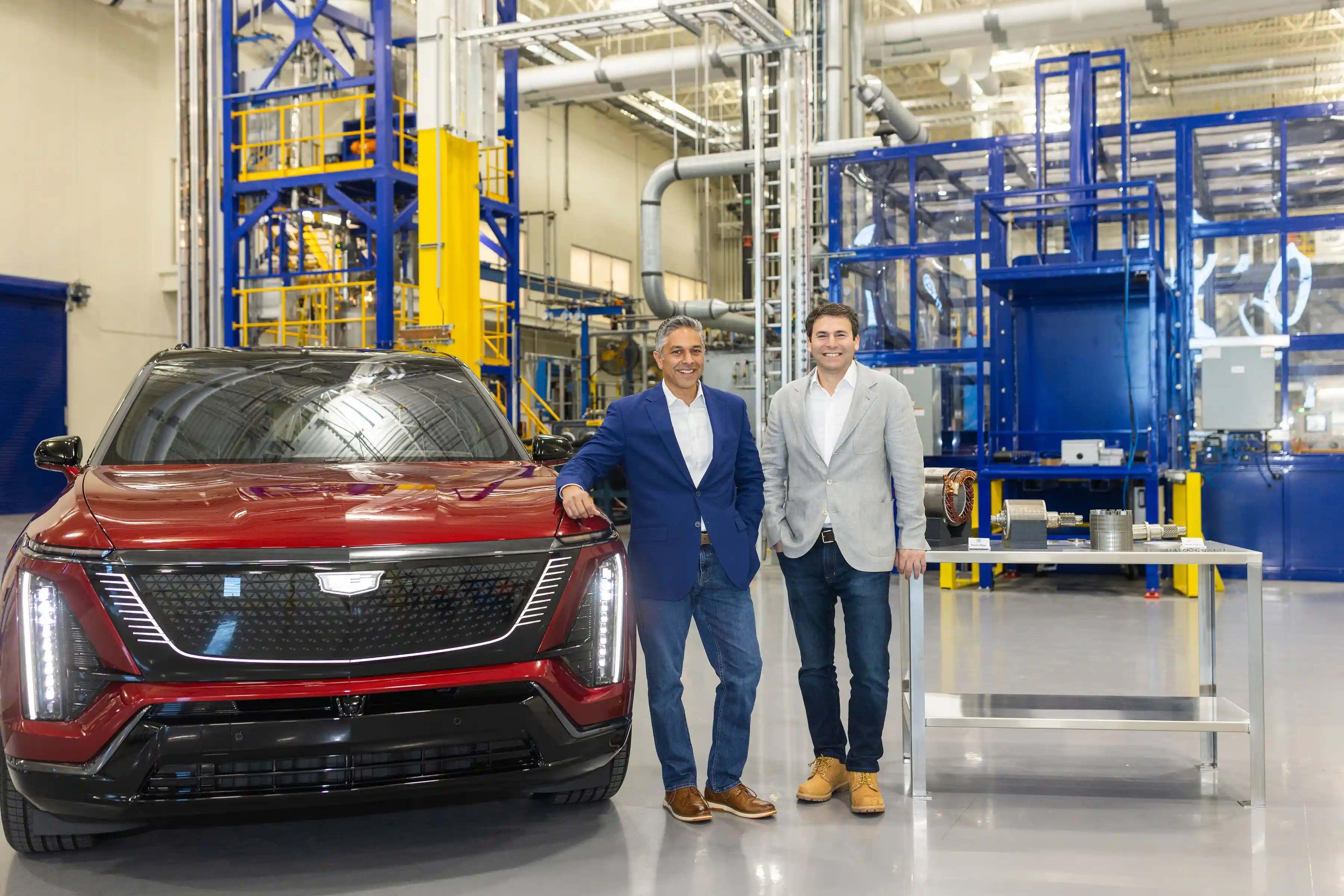
GM’s deal with MP Materials was key to establishing the magnet business, but it isn't exclusive. Before long, other automakers and manufacturers will likely be purchasing magnets from this factory as well, which should help drive down costs for everyone and bring domestic magnets closer to Chinese prices. This will be a key component in establishing a complete domestic supply chain for EVs and a wide range of other motor-dependent products.
More on America’s Growing EV Supply Chain
US Flexes Industrial Muscle as EV Battery Production Set to Double
Rare-earth magnets are one piece of a much larger push to build critical EV components and manufacturing capacity inside North America.
Read More ➜
Toyota and LG Sign U.S. Battery Manufacturing Deal
Toyota and LG provide another example of automakers bringing strategically important electrified-vehicle components closer to U.S. assembly plants.
Read More ➜
Toyota Expands North Carolina Battery Factory
Toyota’s multibillion-dollar North Carolina operation shows how quickly domestic production of EV and hybrid components is scaling beyond the vehicles themselves.
Read More ➜