


 Announcements
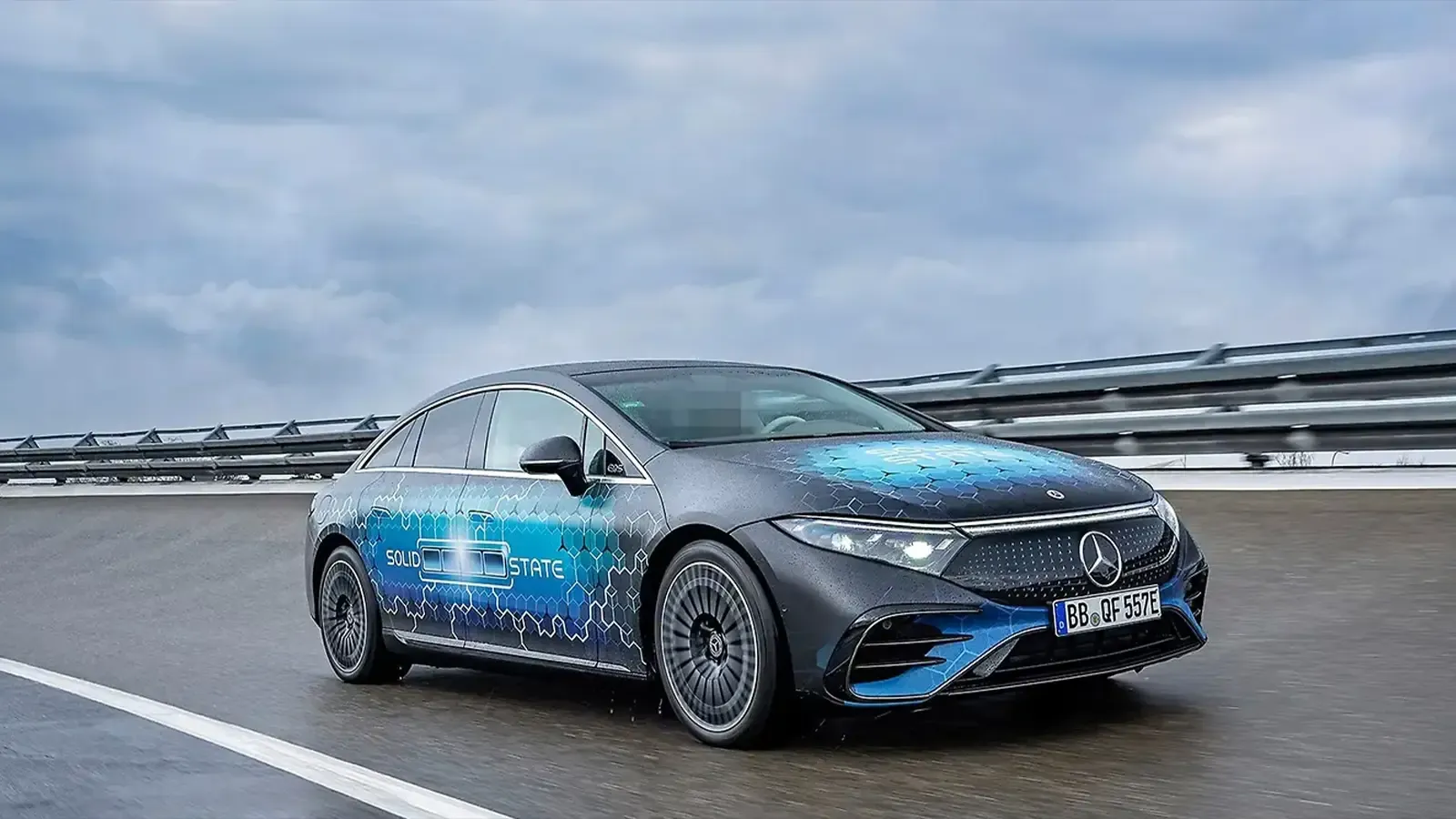
Mercedes solid-state batteries coming by 2030
Ready for 25 to 40 percent more range, better safety and faster charging? Mercedes-Benz will be using solid-state batteries in their EVs by 2030. Here’s the scoop!
Dave Nichols3 min read

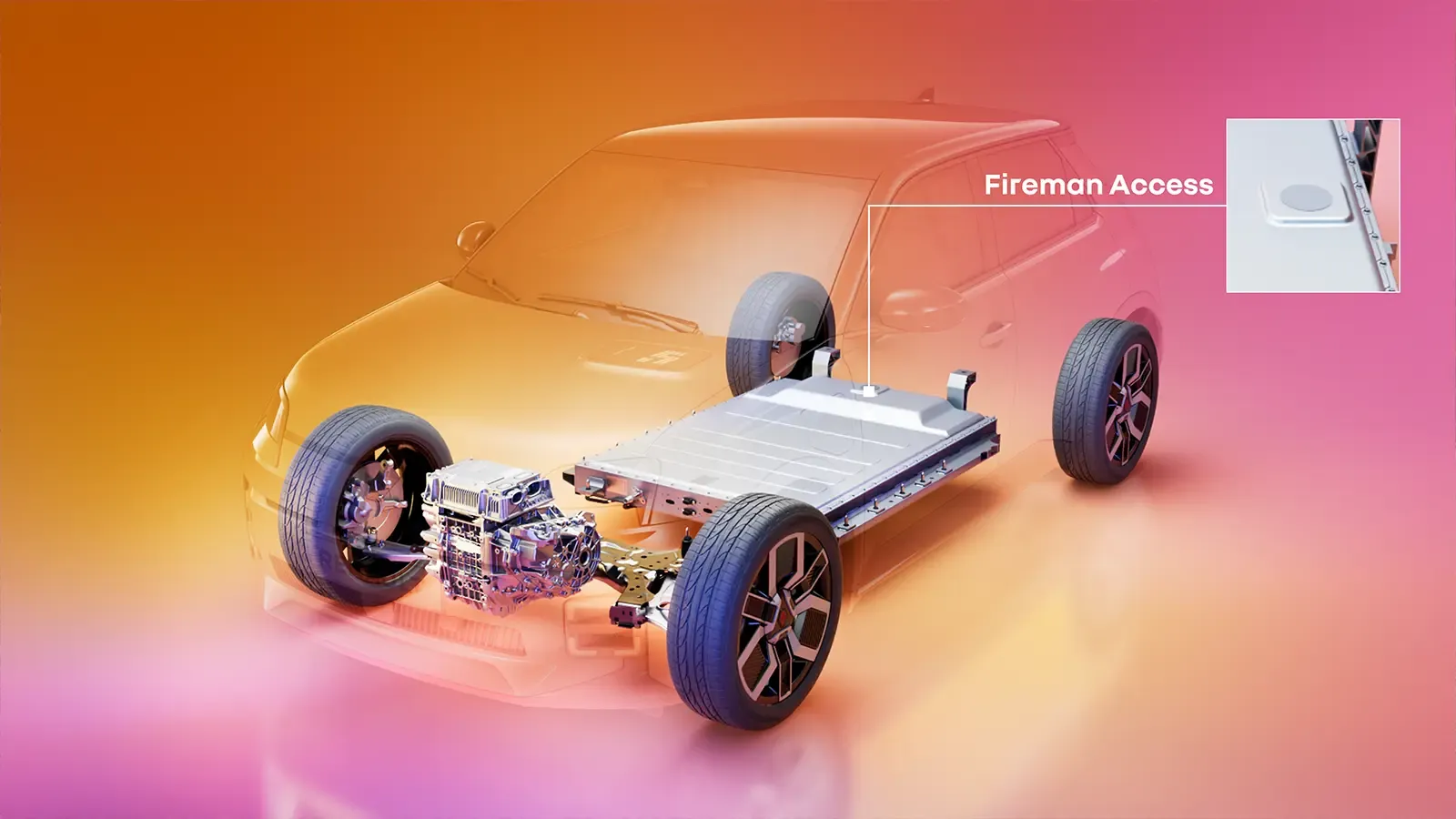
A clever new feature on EV batteries in Renault vehicles makes EV battery fires much easier to manage, potentially making “thermal runaway” a thing of the past.
Electric cars are statistically less likely to catch fire than conventional gasoline-powered vehicles, but when they do catch fire, the lithium-ion batteries in EVs can burn for hours, and can be very difficult to extinguish. A new innovation from Renault is set to help make EV battery fires as easy to manage as those that occur in gasoline vehicles, providing more reassurance to those nervous about switching to an electric car.
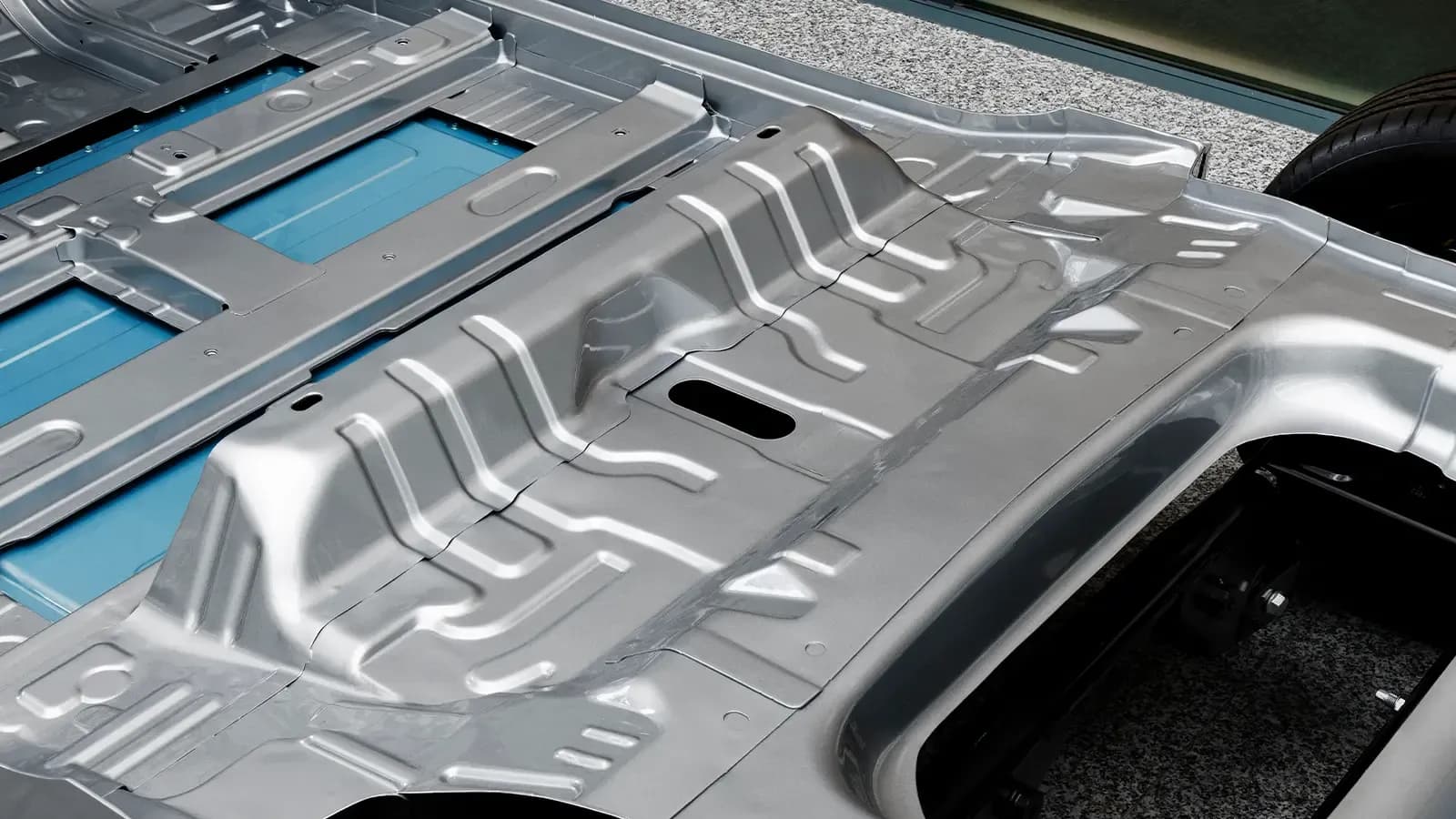
The innovation, called “fireman access,” is simple and brilliant. The high-voltage battery pack, which contains thousands of lithium-ion cells, is equipped with an opening covered by an adhesive disc from the inside. If the battery does catch fire, water pressure applied from the outside, such as from a firefighter’s hose, releases the adhesive disc, and lets water flood into the battery pack, cooling all of its cells at once instead of just cooling the battery from the outside as a single unit.
Renault claims that this is a far more effective way of stopping thermal runaway – the phenomenon where batteries catch fire and can burn uncontrollably for hours. The company says that it now takes only a few minutes to extinguish the flames from an EV battery, and also reduces water usage tenfold.
In a bid to help make the switch to EVs more comfortable for everyone, Renault (opens in a new tab) says that it’s granting a free license to any automaker that wants to use a similar setup. The “fireman access” port is already present on many vehicles from the company’s Renault, Dacia, and Mobilize brands.
Renault is not the only company that is working hard to reduce the risk of fires in EVs. Last year, battery supplier LG Chem (opens in a new tab) introduced a safety layer that is thinner than a human hair, which it says can prevent thermal runaway. Scientists in South Korea, LG Chem’s home, are also hard at work on lithium-metal batteries that use a solid polymer electrolyte, which they say can prevent fires completely.
Even as automakers race to improve safety, it’s important to note that all EVs come with cooling and temperature management systems designed to keep the batteries at their ideal operating temperature, and to prevent fires. But improving firefighters’ ability to extinguish a blaze when things do go wrong is still important work, not just to make EV cars safer, but to improve customer confidence in new battery tech.
Curious to see what else is on the horizon in EV battery technology? See some of the potential new battery types here.
Get vehicle reviews, practical tips, and the latest GreenCars news.
AnnouncementsReady for 25 to 40 percent more range, better safety and faster charging? Mercedes-Benz will be using solid-state batteries in their EVs by 2030. Here’s the scoop!
 Trends
Next-generation lithium-metal batteries offer more range in a smaller package, but they can degrade faster than lithium-ion. But scientists have found a way to extend their life – and also improve safety and environmental protection.
 Industry Updates
EVs need better battery technology, especially when you realize that by 2029, the global EV market is expected to reach over a trillion dollars in sales. The race is on to develop new battery technology for better performance and sustainability at a lower cost.