

 Reviews
2027 Mercedes-Benz C-Class Electric First Drive
Mercedes-Benz trades the polarizing styling of its previous electric sedans for classic elegance, serious range, and an ultra-smooth ride.
Tim Stevens6 min read

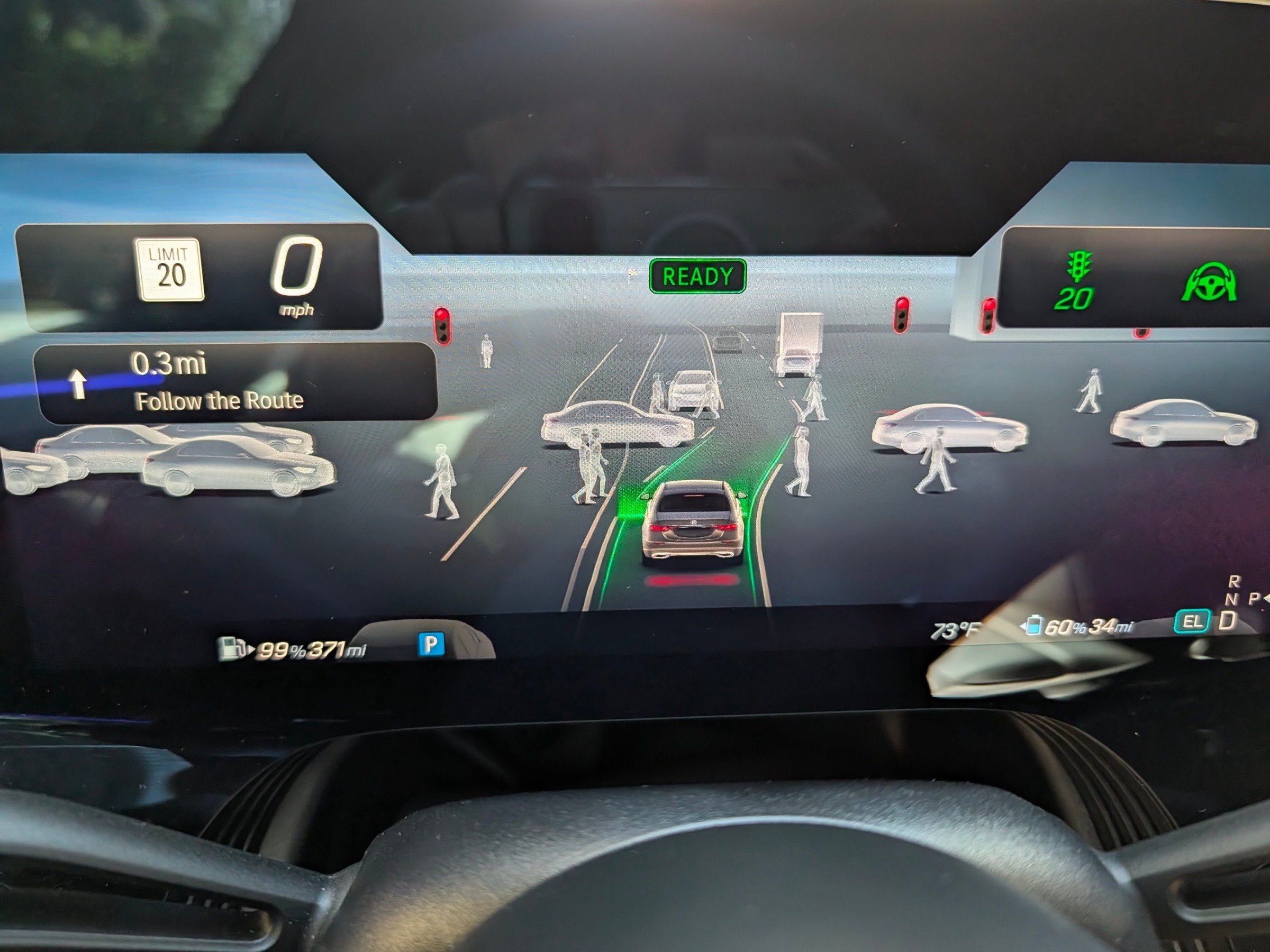
I tested Mercedes-Benz's Nvidia-powered MB.Drive Assist Pro and its hands-free driving system on the streets of San Francisco, and the results are impressive.
Mercedes-Benz has long been a pioneer in bringing driver-assist systems to production vehicles. In the 1970s, it launched the first digital electronic anti-lock brakes, then followed that with traction control, electronic stability control, adaptive cruise control, and more. Yet when it comes to hands-free driving, the world’s oldest automaker has done surprisingly little. Its hands-off/eyes-off Drive Pilot system was only offered for about two years, and even then, on a very limited basis.
That will change in 2027. Mercedes is rolling out hands-free highway assist across much of its lineup, along with MB.Drive Assist Pro for point-to-point navigation. I’ve had a chance to sample both.
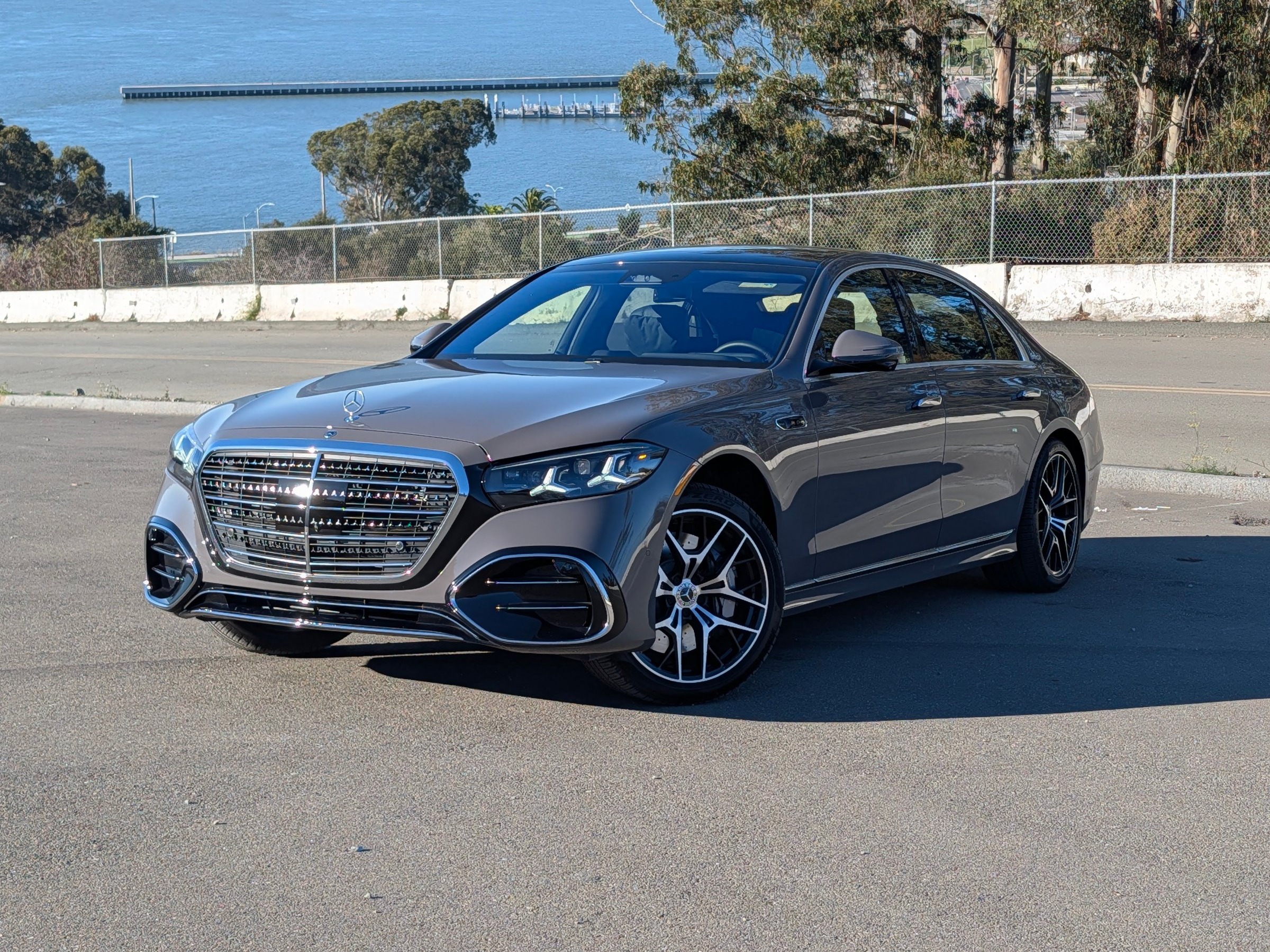
All of this tech is coming to Mercedes-Benz models built on the brand's latest MB. (opens in a new tab)OS system, including the CLA, GLB, GLC, GLE, C-Class, and S-Class, along with future models. Each one uses Nvidia's Orin system-on-chip (SoC) to power its advanced driver-assist systems (ADAS).
Starting with the CLA, Mercedes began integrating Nvidia’s Hyperion Drive hardware and software stack, including the new Alpamayo end-to-end AI driving model.
Nvidia also defined a reference suite of sensors. For these systems, that means 10 cameras (wide-angle and telephoto forward-facing cameras, four surround cameras, and four side-view cameras), five radar sensors (one medium-range front sensor and four short-range corner sensors), and 12 ultrasonic sensors.
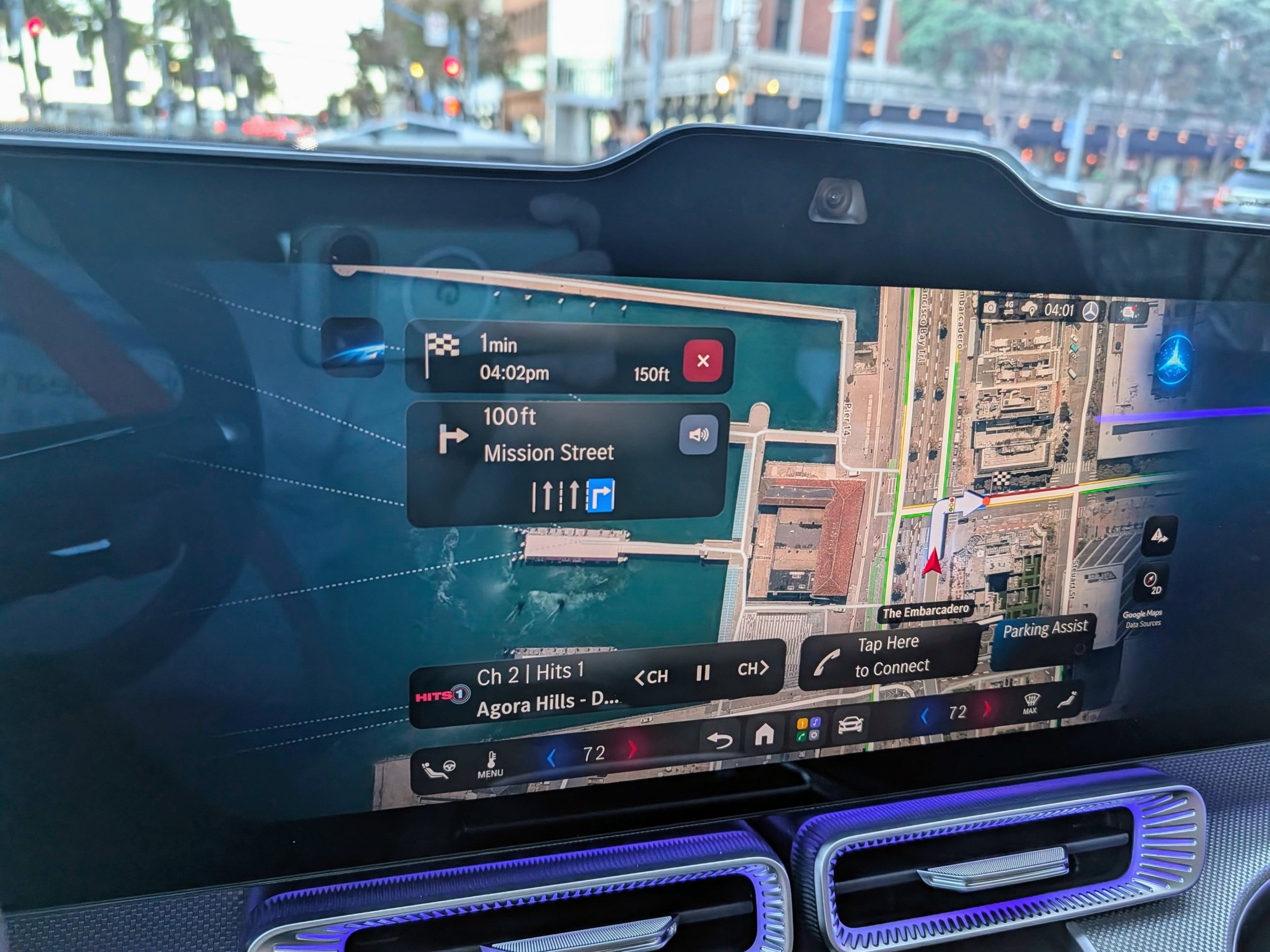
The Society of Automotive Engineers (SAE) classifies these systems as Level 2 (L2) because they require human supervision. L2 means the car can control its speed and steering while a human driver supervises, but it says nothing about whether the driver has to keep their hands on the wheel. So automakers have come up with their own labels. Like most automakers Mercedes calls MB.Drive Assist, which goes hands-free on highways, L2+. MB.Drive Assist Pro, which navigates point-to-point in cities and obeys traffic signals, is L2++, but it requires hands on the wheel. It’s all so confusing.
The difference between Level 2, informal “Level 2+,” Level 3, and true driverless automation is easy to blur, so see where today’s hands-free and automated-driving systems actually stand ➜
Labels aside, how well do these systems actually work? Mercedes-Benz brought me to San Francisco to find out, with the latest GLE, GLC, and S-Class on hand for different driving scenarios.
Mercedes bundles its ADAS functionality under the MB.Drive umbrella. MB.Drive Assist currently includes on-demand and proactive lane-change assist plus steering assist.
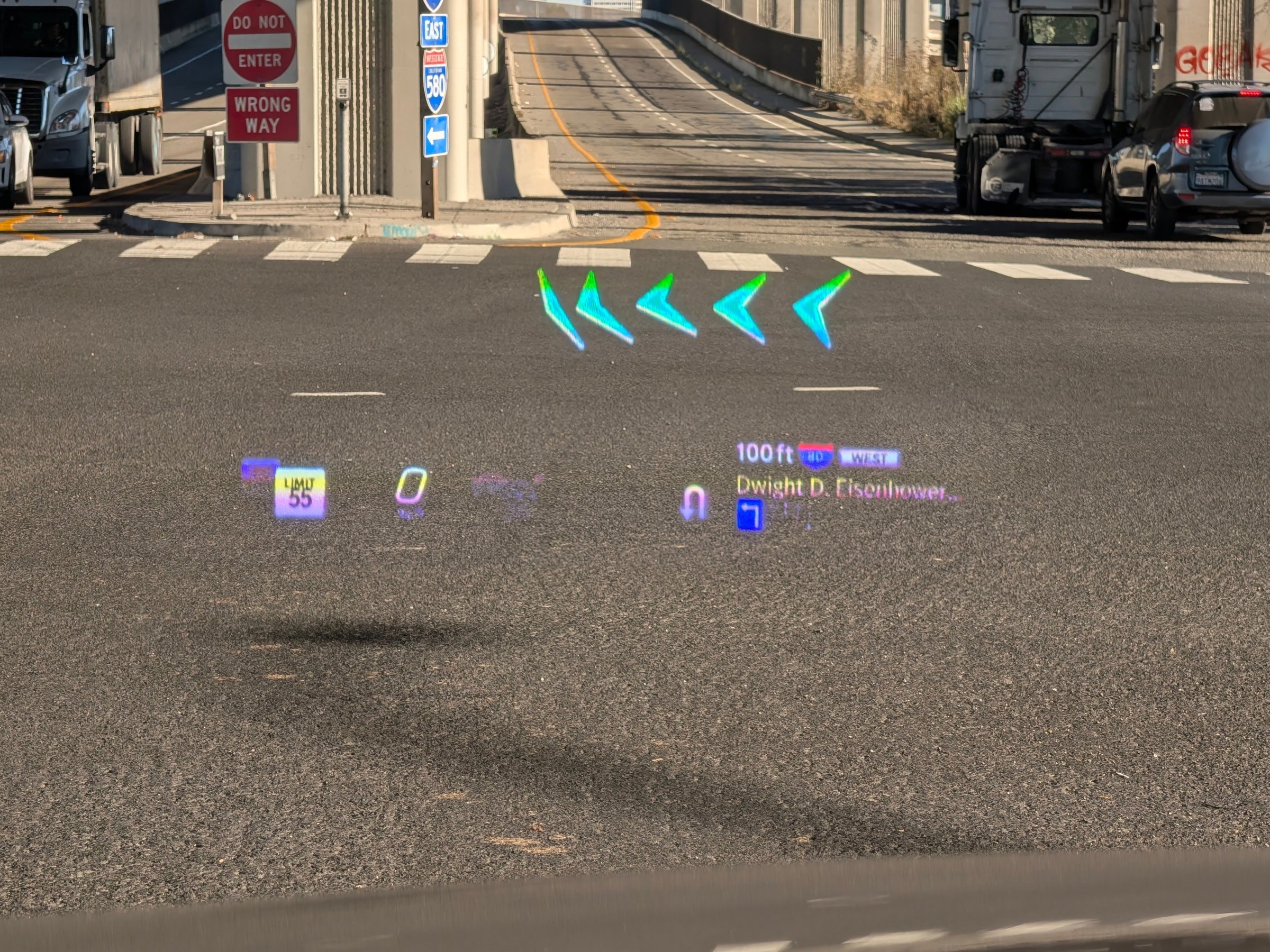
In spring 2027, Mercedes will roll out an over-the-air (OTA) update that adds L2+ hands-free highway driving to all of the models with MB.OS. For the most part, it's the same type of hands-free/eyes-on assist we’ve become accustomed to with GM Super Cruise, Ford BlueCruise, and numerous other brands in recent years. It works on all divided, limited-access highways in North America, which amounts to about 130,000 miles of roads.
Instead of GM's steering-wheel lights, Mercedes uses an icon in the upper-right corner of the instrument cluster. Gray hands on the icon mean hands-free driving is available. When the car needs you to take over, the hands return, and the icon turns red.
Overall, the hands-free highway assist works well. It kept the car centered in the lane and at a safe distance from the car ahead, and it made sure the adjacent lane was clear before changing lanes. But it’s the little details that make the difference. Like the latest versions of Super Cruise, if you’re using navigation, it automatically moves to the right lane about 1.5 to 2 miles before your exit, so you don’t have to do it at the last minute. When you pass a large truck, it nudges over to the far side of the lane to give you some extra room while passing.
There’s even a setting in the menu that lets you tell the car how many people are on board. Heading down I-880, I came up on the beginning of the express lane. The GLE I was in signaled a lane change to the left, then spotted the express lane sign, canceled the turn signal, and didn't change lanes. If you tell the car you've got multiple occupants, it'll automatically go in the express lane.
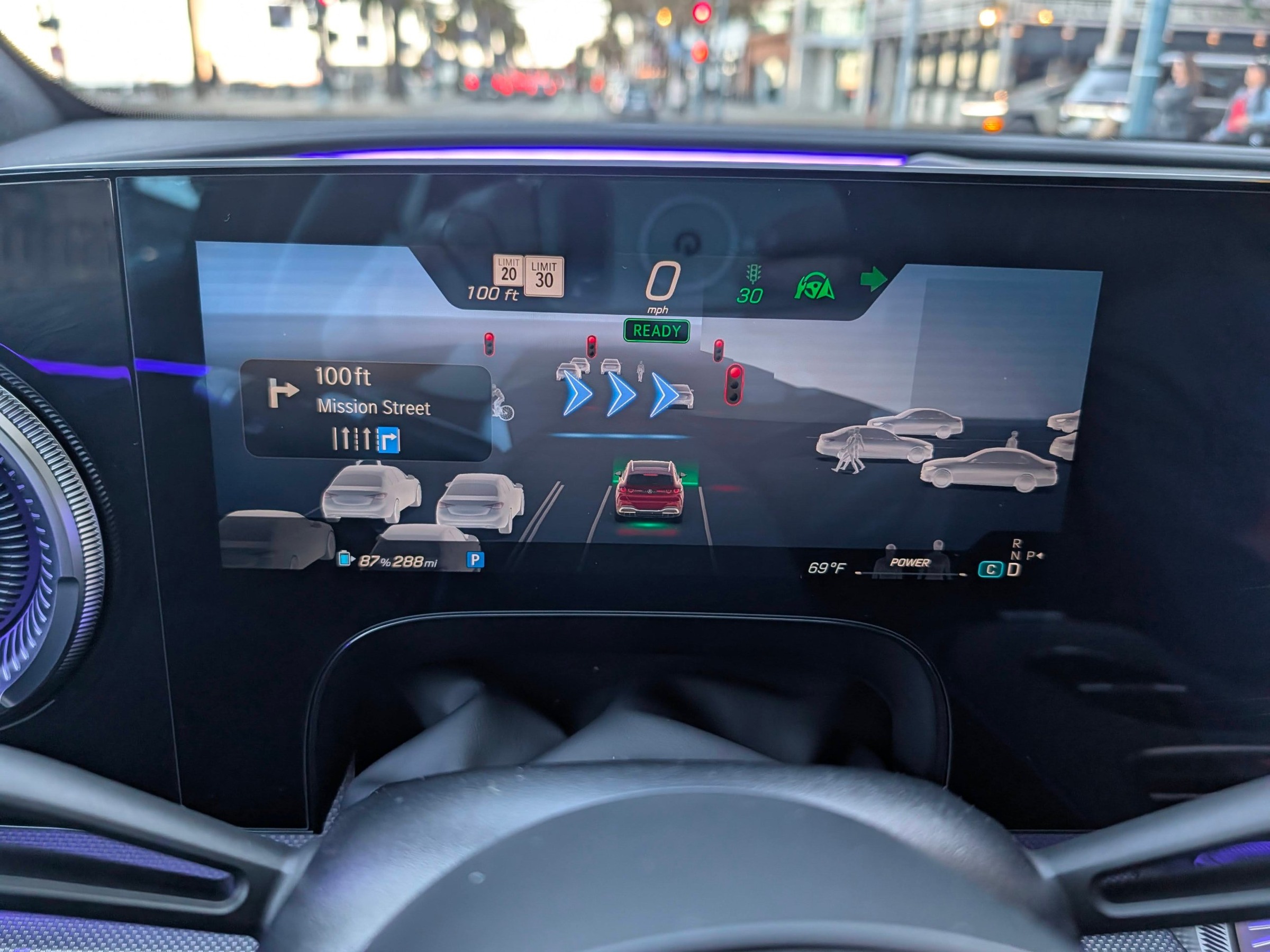
MB.Drive Assist Pro is essentially what Tesla introduced as Navigate on Autopilot in 2018. When you get in the car and set a destination in the navigation system, the car handles most of the driving, including making turns, stopping at traffic signals and stop signs, and automatically resuming until you get to your destination.
However, the initial version only works in urban areas (sort of), and it requires your hands on the wheel, at least nominally. Capacitive sensors in the wheel detect your touch, but you can let the wheel move freely in a light grasp, and the car won’t pester you to take hold of it.
While Assist Pro is hands-on, it’s seamlessly integrated with the hands-free highway assist. On a trip from San Francisco to Santa Clara, the car would navigate through the city, let you go hands-free on the 101 or I-280, then continue navigating through Silicon Valley with your hands lightly on the wheel.
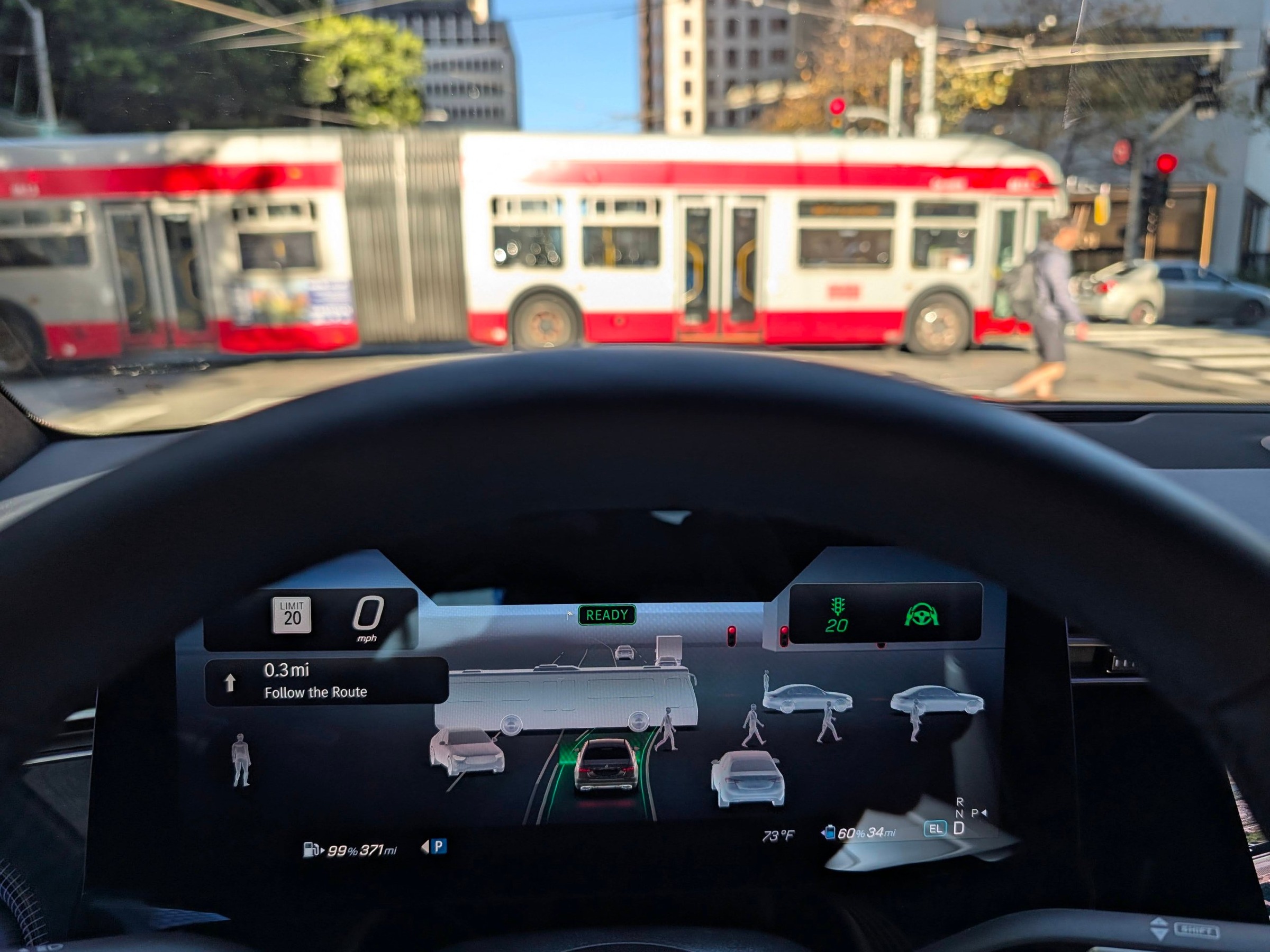
I spent about 45 minutes with MB.Drive Pro in a new GLC on the streets of San Francisco. We ventured out from our hotel on the Embarcadero and headed toward North Beach and Pacific Heights. It’s mostly a conventional grid with a few random streets intersecting at a diagonal. Some streets are one-way, others are two-way, and there’s curbside parking in many areas.
The system handled all of this surprisingly well, including many unprotected left turns, where it waited for oncoming traffic to clear. In one neighborhood where pedestrians kept crossing at random, it paused and let them go before proceeding. On a road with a series of stop signs, each with both a stop line and a zebra crossing, it stopped twice: once at the line, then again a few feet ahead at the crosswalk before proceeding through the intersection. Where cars were double-parked, it slowed, eased left to see if the way was clear, and then went around. The whole drive was very confidence-inspiring, and it never did anything alarming.
Over the coming weeks, Mercedes-Benz will send surveys to owners of MB.OS-equipped vehicles in California, inviting them to the early access program. Mercedes is looking for drivers who regularly use assist systems and are willing to provide regular feedback. Selected owners will get an OTA update that turns on MB.Drive Assist Pro. Later in 2027, Mercedes will offer the system nationally as a subscription through its app. Over the next several years, the automaker plans to continue adding new capabilities, eventually making it hands-free.
Real-world fleet feedback is becoming an important part of improving modern ADAS through software updates, so see how automakers can use real driving data to make assistance systems safer over time ➜
Mercedes-Benz is also bringing back Drive Pilot, the hands-off/eyes-off system it previously offered on the S-Class and EQS. This time, it'll have more complete functionality, including operation at higher speeds, lane changes, the ability to work at night or in rain, and coverage all across the country.
Mercedes-Benz hasn’t been on the cutting edge of automation in recent years, but it definitely wants to be more competitive going forward. Based on what I saw in San Francisco, its partnership with Nvidia is off to a very promising start.
2027 Mercedes-Benz CLA250+ Electric Review: The New Luxury EV Value Leader?
The CLA introduced Mercedes’ new MB.OS architecture and provides a useful look at the hardware foundation behind its next-generation driver-assistance systems.
Read More ➜
2027 Mercedes-Benz C-Class Electric First Drive
Mercedes’ next electric C-Class combines MB.OS, new-generation electronics, and the same software-defined approach spreading across the lineup.
Read More ➜
2026 Mercedes-Benz GLE450 4Matic Review: Luxury, In Spades
The current GLE provides a baseline for the luxury SUV before the refreshed 2027 model receives MB.OS and Mercedes’ new MB.DRIVE technology.
Read More ➜
GreenCars Contributor
Sam Abuelsamid is vice president of market research and leads Telemetry Insights' Transportation and Mobility research and advisory practice. Focusing on automated driving, mobility services, telematics, connectivity, cybersecurity, and advanced propulsion systems, Abuelsamid works with clients to help them understand emerging technology trends and shape strategies.
Get vehicle reviews, practical tips, and the latest GreenCars news.
ReviewsMercedes-Benz trades the polarizing styling of its previous electric sedans for classic elegance, serious range, and an ultra-smooth ride.
 Previews
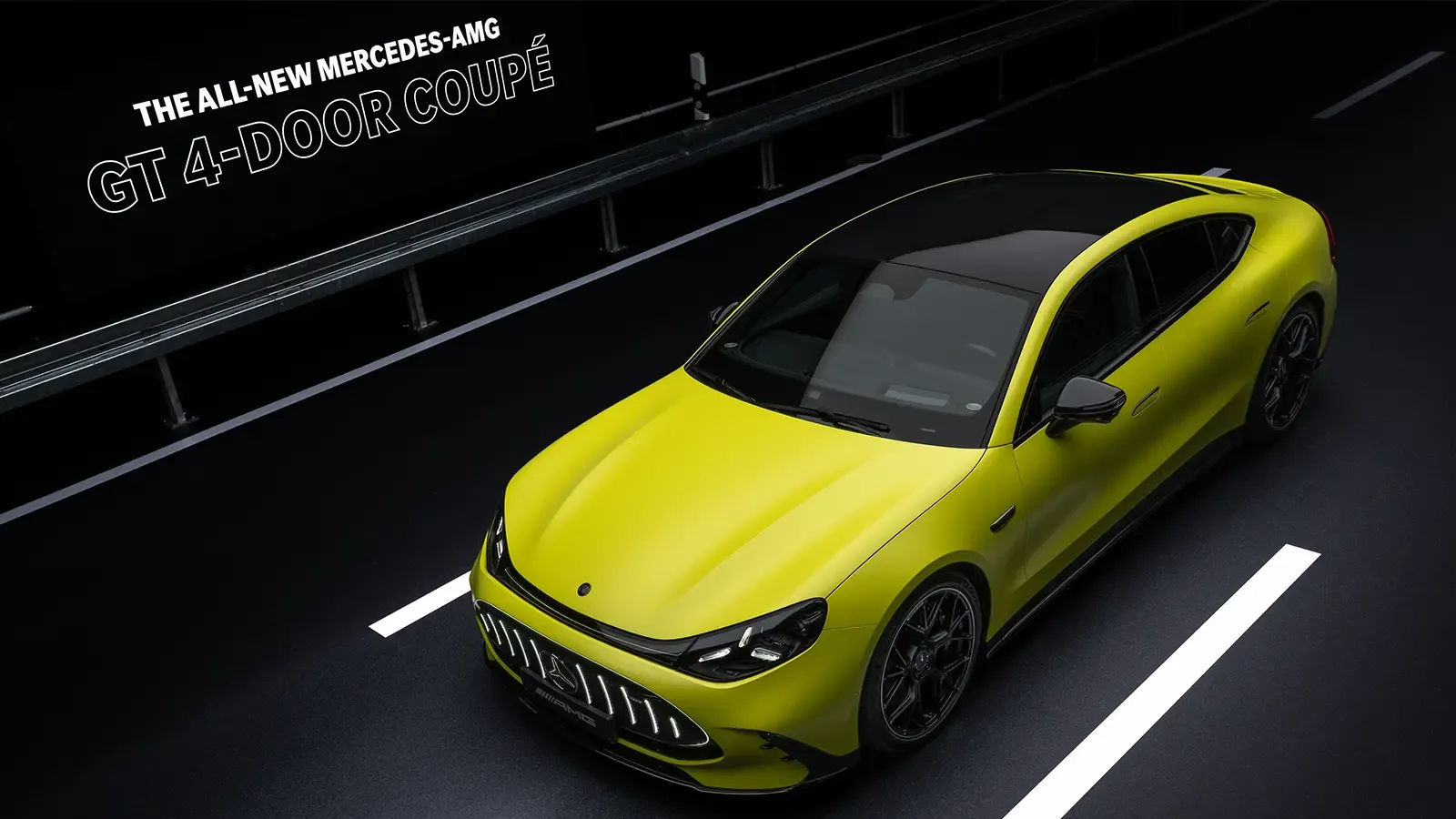
Mercedes-AMG is taking an innovative approach to electrification, with a 1,153-horsepower EV that has the heart and soul of a V8.
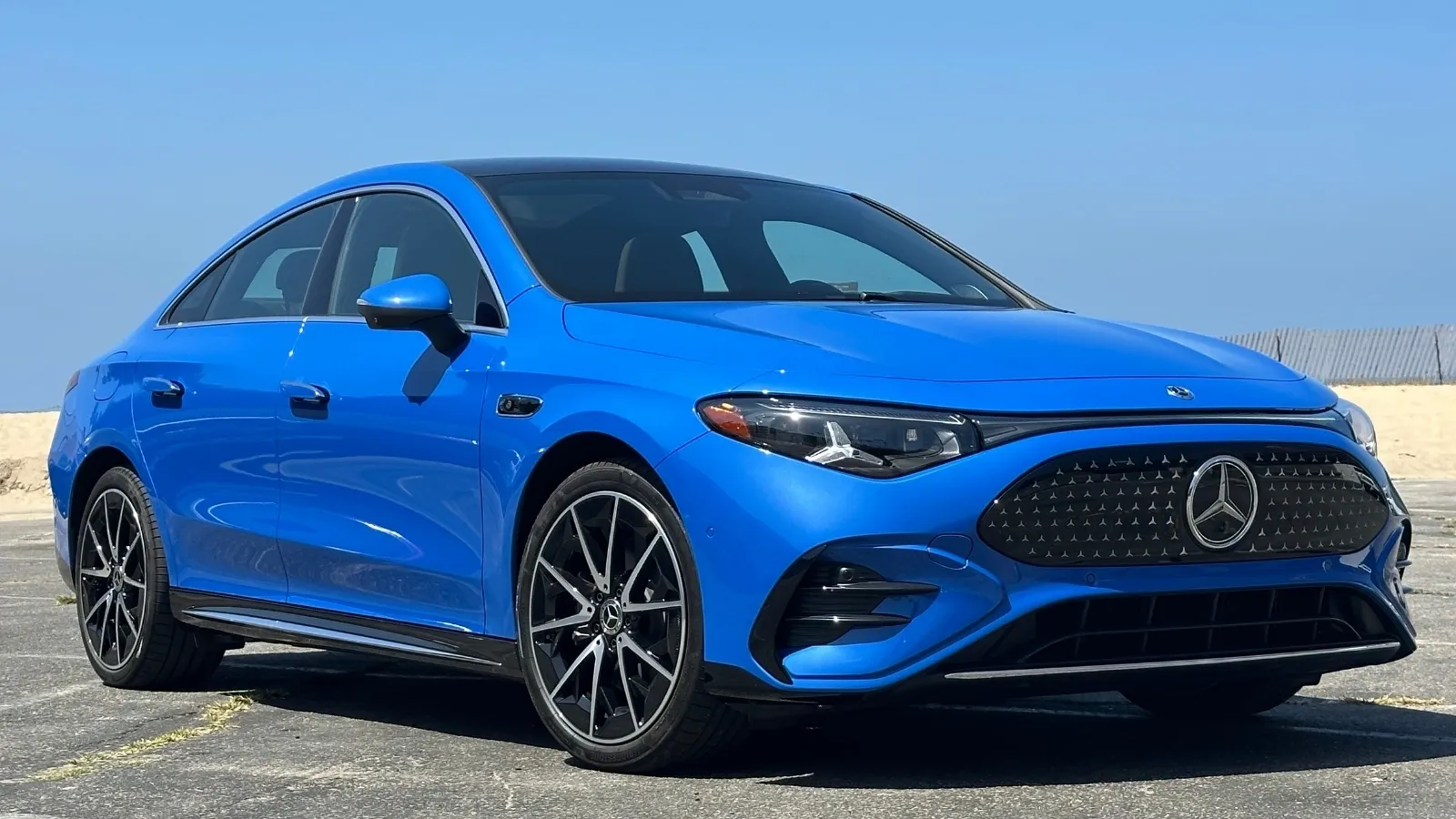
The CLA is an entry-level electric compact luxury sedan that delivers a dose of fun driving alongside serious EV range and might just be our new favorite.