
Fast Facts | 2027 Hyundai Tucson
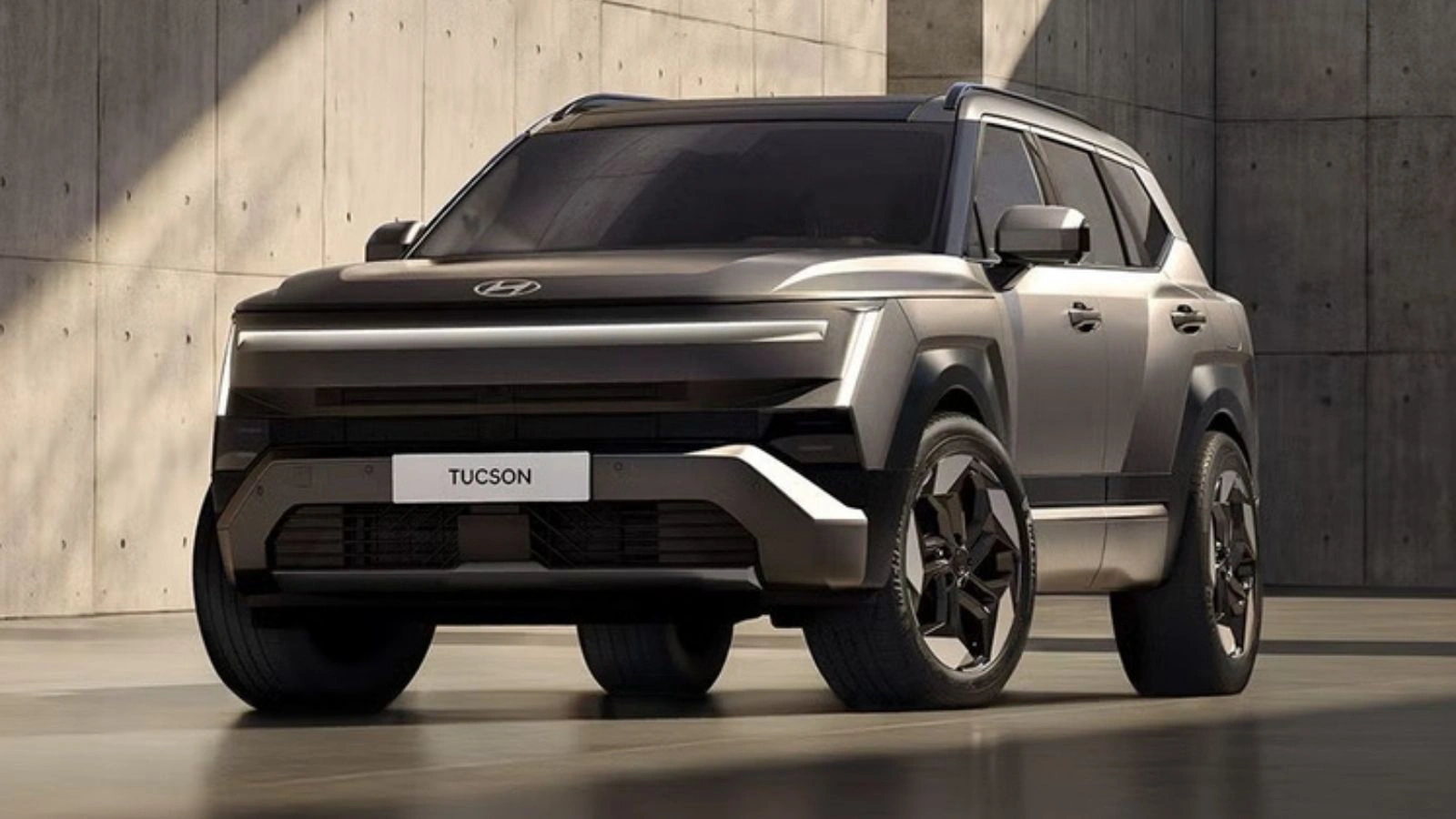
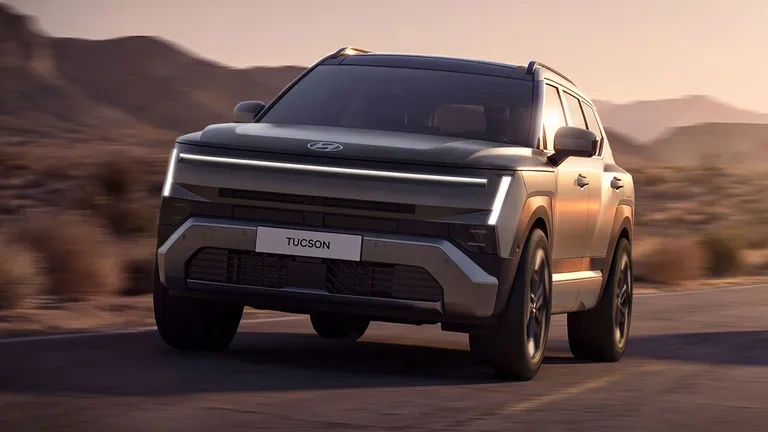
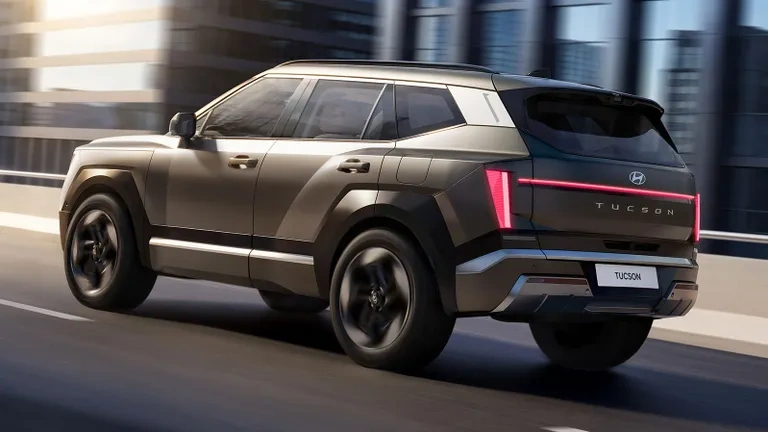
🪨 Design: The fifth-generation redesign is inspired by the Boulder concept, with bulging fenders and new lighting
📏 Size: 2.4 inches longer, 1.6 inches wider, and 1.2 inches more wheelbase than the outgoing model
🖥️ Tech: New Pleos infotainment system (built on Android Automotive) plus a bigger central display
🚘 Powertrain and Price: Not yet revealed, likely to come later this year
🗓️ On Sale Date: Early 2027
Hyundai Reinvents Its Best-Selling U.S. Model
It’s always a major event when an automaker redesigns one of its bestsellers, the success or failure of which can have a major impact on business. The Hyundai Motor Group, which includes the Hyundai, Kia, and Genesis brands, has grown into the world's third-largest automaker, behind the Toyota Group at number one and the Volkswagen Group at number two, and it could well overtake the Volkswagen Group in the next year or so. So, it’s crucial for the Tucson, which sold over 600,000 units in 2025, to continue its popularity with customers. Hyundai has just taken the wraps off the fifth generation of its compact crossover, and like each of the previous generations, it’s a major design departure.
The outgoing Tucson remains one of Hyundai’s most important nameplates, so follow the latest Tucson reviews, comparisons, and updates as the new generation gets closer to U.S. showrooms ➜
A New Design Inspired by the Boulder Concept
Hyundai has never been a brand to take an evolutionary approach to its redesigns. Each of the first four iterations of the Tucson looked distinctly different. It turns out we got our first hint of where this one was headed back in April, when Hyundai unveiled its Boulder concept at the New York Auto Show.
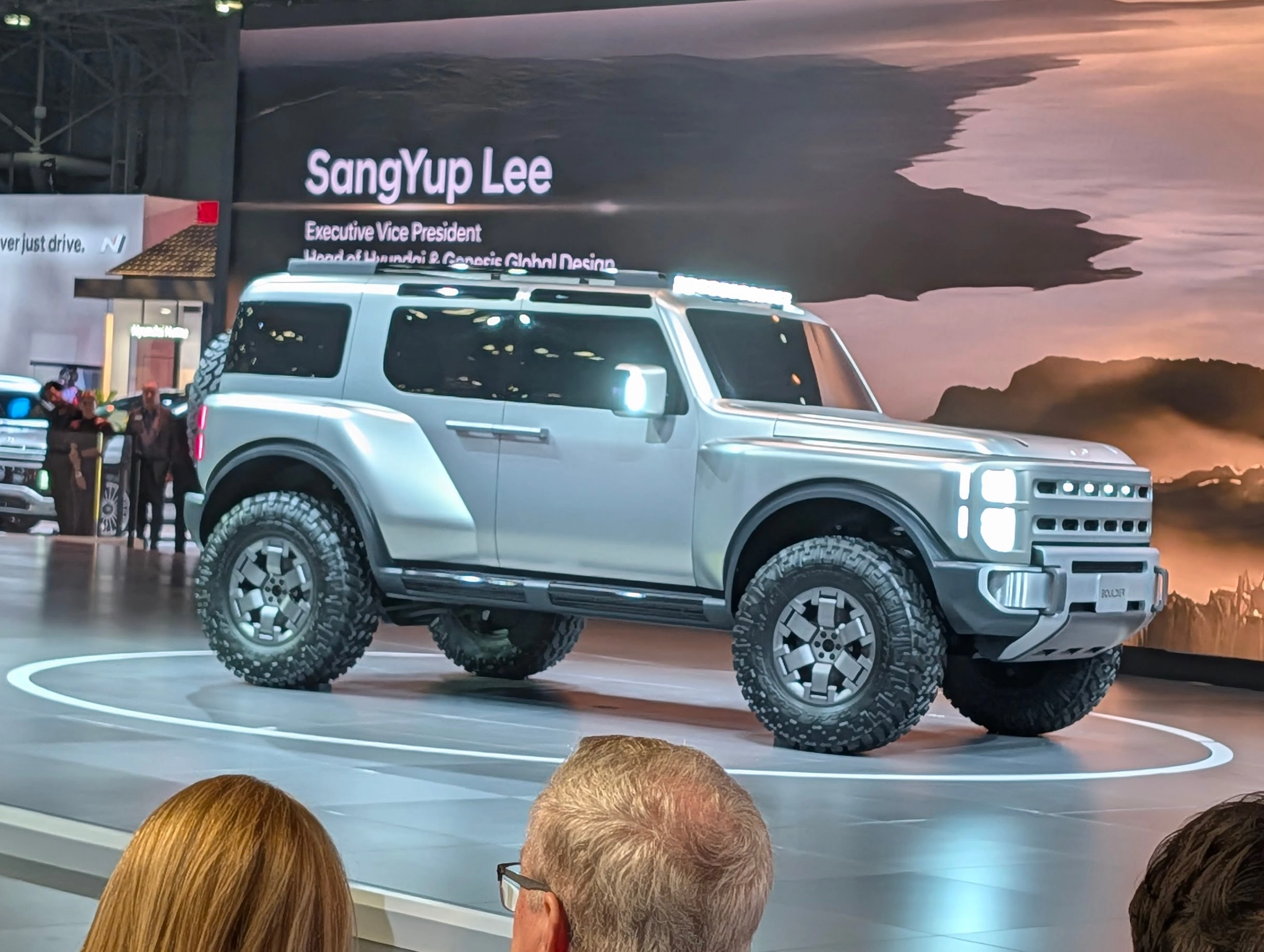
The Boulder is a much larger, body-on-frame SUV, expected to preview the look of a new midsize pickup truck (due by 2028) and, after that, a rugged off-roader aimed at the profitable segment currently dominated by the Jeep Wrangler, Ford Bronco, and Toyota 4Runner.
This new Tucson isn't a production version of the Boulder, but like Ford’s Bronco Sport to the Bronco, it’s clearly meant to share the same design DNA. That makes sense, as more off-road-inspired looks continue to proliferate among compact and midsize crossovers, from the Toyota RAV4 Woodland to the Honda CR-V TrailSport. The clearest visual elements adopted directly from the Boulder concept on the Tucson are the large, bulging fenders that bear a nearly identical profile.
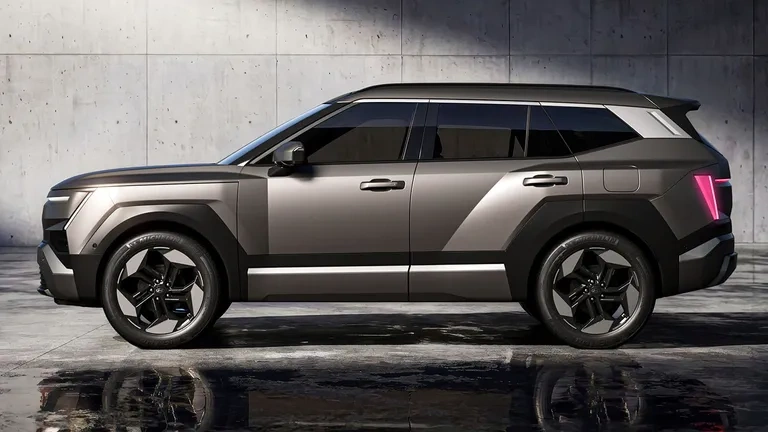
The rest of the Tucson trades the Boulder concept's upright, boxy stance for a more forward-looking theme. At both ends, the lighting consists of three elements: two vertical strips and a full-width horizontal strip meant to represent the Hyundai “H,” done in a way that's less repetitive than on the Santa Fe.
Bigger With a New Screen to Match
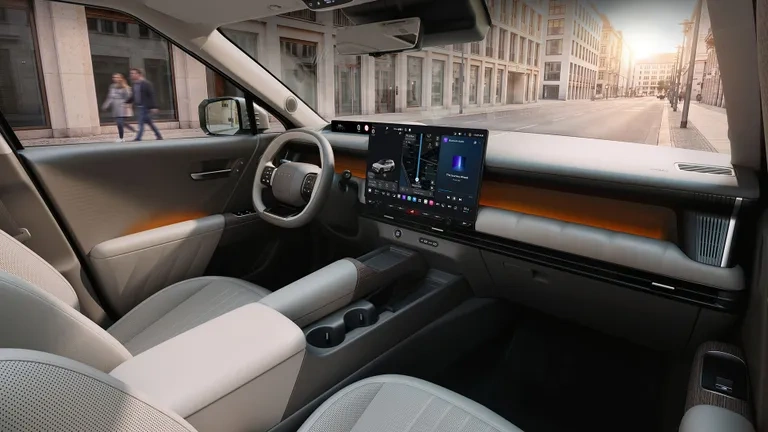
The 2027 Tucson grows by 2.4 inches in length, 1.6 inches in width, and 1.2 inches in wheelbase over the outgoing model. Inside, a slim horizontal display sits at the base of the windshield for driver information, paired with a larger central touchscreen running Hyundai's new Pleos infotainment software. Pleos is based on Google’s Android Automotive platform but with a unique Hyundai interface and its own app store. There's a row of physical controls across the bottom of the screen, and it still has manual air vents.
No Powertrain Details Yet
Hyundai hasn't shared powertrain details yet, but I expect a lineup similar to today's: internal combustion, hybrid, and plug-in hybrid.
Hyundai has already committed to expanding its hybrid lineup and U.S. electrified production, so see how hybrids fit into the company’s broader product and manufacturing strategy ➜
The hybrids will likely move to the new-generation Hyundai hybrid architecture that debuted on the Palisade last year, which uses dual electric motors. This includes a more powerful motor mounted on the end of the engine’s crankshaft to replace the former belted starter-generator system, which provides more total power and improved efficiency.
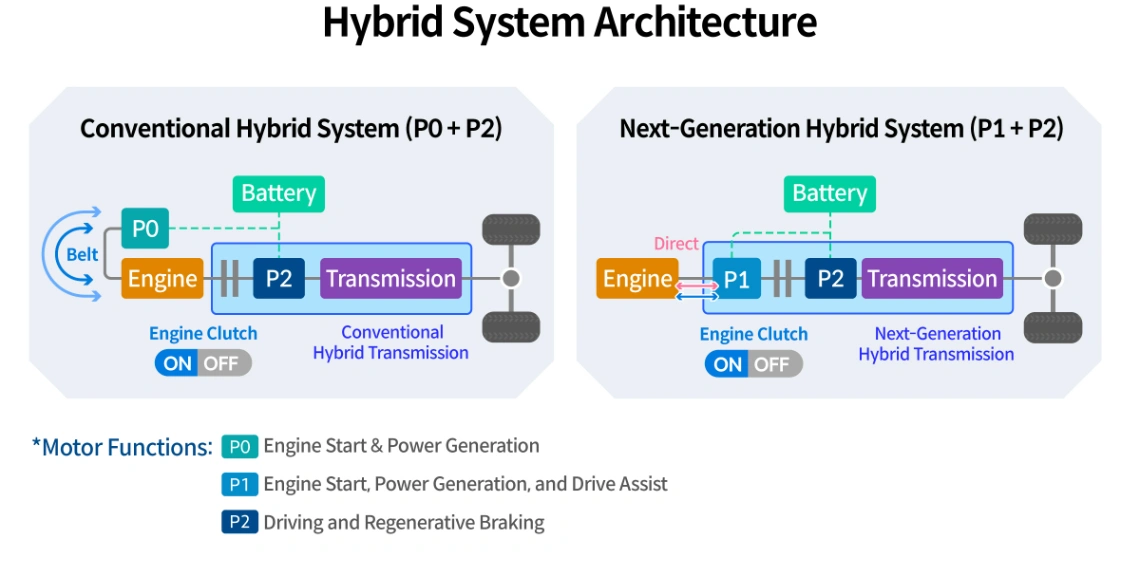
If the next Tucson does adopt Hyundai’s newer two-motor architecture, the engineering underneath will matter as much as the MPG number, so see why different hybrid layouts can feel dramatically different from behind the wheel ➜
The new Tucson will likely make its US debut in November at the LA Auto Show, with sales starting in early 2027.
More Compact SUVs Worth Watching
Hyundai Tucson Hybrid Review: Smoother, More Powerful, and Family-Friendly
See what the outgoing Tucson Hybrid gets right before Hyundai replaces it with an entirely new fifth-generation model.
Read More ➜
2026 Hyundai Tucson Hybrid vs. 2026 Kia Sportage Hybrid
Hyundai’s current Tucson goes head-to-head with its closely related Kia sibling on space, efficiency, pricing, technology, and driving feel.
Read More ➜
2026 Toyota RAV4 Hybrid: Everyday Practicality Meets Smarter Electrification
Toyota’s redesigned all-hybrid RAV4 sets an important benchmark for the new Tucson on efficiency, technology, and compact-SUV practicality.
Read More ➜