
Fast Facts | Different Hybrid Configurations
⚡ Hybrid Definition: A hybrid combines an internal-combustion engine with one or more electric motors and a battery
⛽ Efficiency Gain: Hybrid systems can improve fuel efficiency by roughly 25 to 50 percent, depending on the vehicle and use case
🔋 Battery Size: A typical full-hybrid battery has a capacity of about 1.0 to 1.5 kilowatt-hours
🔁 Regenerative Braking: Hybrids recover energy during deceleration and use it to help power future acceleration
⚙️ Main Layouts: The article covers parallel power-split, series, series-parallel blend, and through-the-road hybrids
🚘 Series Hybrid: The engine acts as a generator and does not directly drive the wheels
🛞 Through-the-Road Hybrid: The engine drives one axle while an electric motor drives the other
🧠 Buyer Takeaway: The best hybrid layout depends less on the diagram and more on how smooth, quiet, efficient, and enjoyable the vehicle feels
A hybrid powertrain combines an internal-combustion engine (ICE) with one or more electric motors and a battery that significantly increases fuel efficiency, typically by 25 to 50 percent. The differences in hybrid powertrains come down to how automakers blend those two power sources together. For this story, we're focusing on full hybrids (also called strong hybrids) that use high-voltage batteries. There are four main configurations of this type of hybrid: parallel power-split, series, a series-parallel blend, and through-the-road.
How Does a Hybrid Work?
In a traditional ICE, burning gasoline or diesel moves the pistons and rotates the crankshaft. That rotation turns the drive wheels. But this process only works one way. All that heat and exhaust from combustion can't be turned back into fuel.
An electric motor is completely different. Send it electric current from the battery, and it turns, making the vehicle go. Stop the current, and the vehicle's motion turns the motor, which produces electricity to recharge the battery. This process is called regenerative braking, or simply regen. Hybrids use regen to charge the battery every time the vehicle decelerates, and that energy is then used to help with acceleration, so the engine doesn't have to work as hard and consumes less fuel in the process.
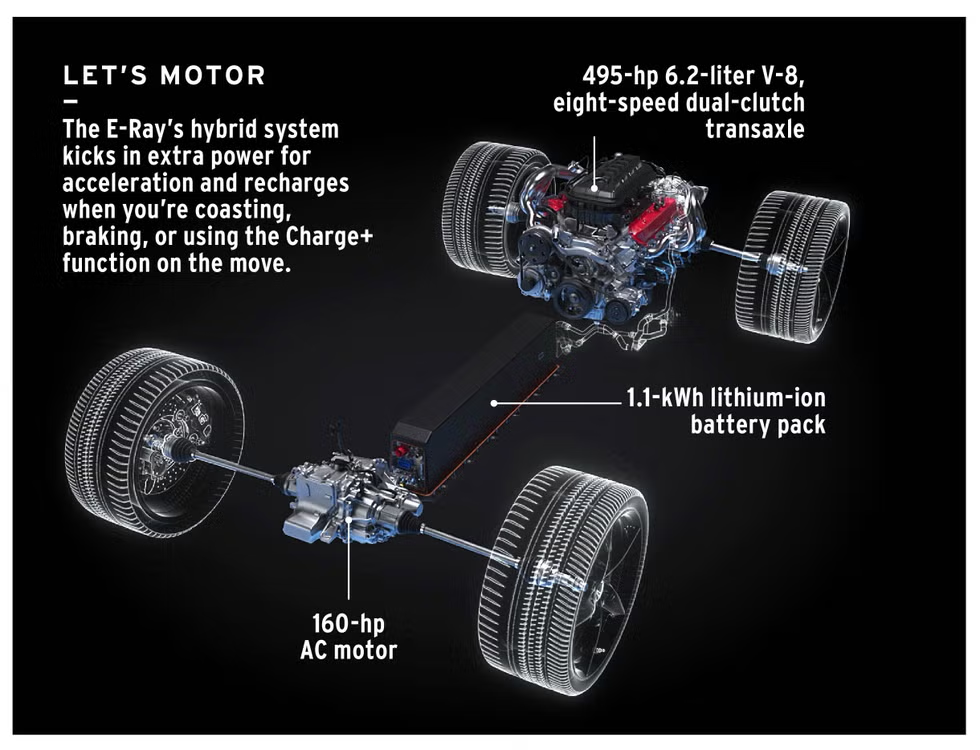
A typical hybrid battery has a capacity of 1.0 to 1.5 kilowatt-hours. Toyota's original Prius used a nickel-metal-hydride battery, and the automaker continues to use this technology on many of its hybrids. Since 2010, though, most other automakers have shifted to lithium-ion.
If you want the simpler foundation before getting into drivetrain layouts, start with the basic definition of a hybrid car ➜
What Are Parallel Power-Split Hybrids?
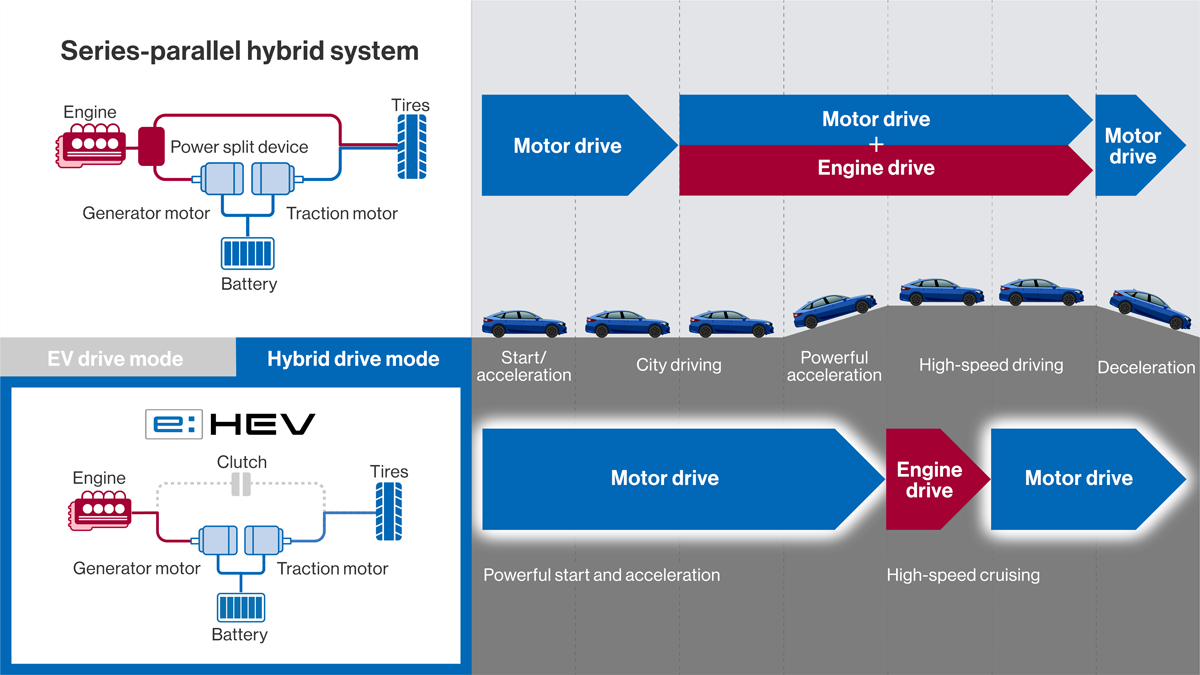
A parallel power-split hybrid is a system where both the engine and the electric motor can send power directly to the wheels at the same time, blending based on driving conditions. It's the most common hybrid setup on the road today.
Toyota's configuration uses two electric motors: one drives the wheels, and the other controls the power-split device while helping charge the battery. The power-split device varies the electric current to the second electric motor, blending the output of the ICE and the first electric motor to the wheels. At light loads, the first electric motor can move the vehicle on electricity alone. As speed and acceleration increase, the ICE also contributes. Ford and other automakers use a similar architecture, and you'll mostly find it in front-wheel-drive vehicles.

A second approach to the parallel layout places the electric motor between the ICE and a conventional step-ratio automatic transmission, usually with a clutch between the ICE and motor. When the car is running on electric power alone, or during braking, that clutch disengages so the electric motor can drive the wheels or generate electricity on its own. Some automakers have even used multiple electric motors and clutches, like GM's now-discontinued two-mode hybrid. You'll find this layout in Hyundai's hybrids, the Ford F-150, the Toyota Tundra, and many others.
What Are Series Hybrids?
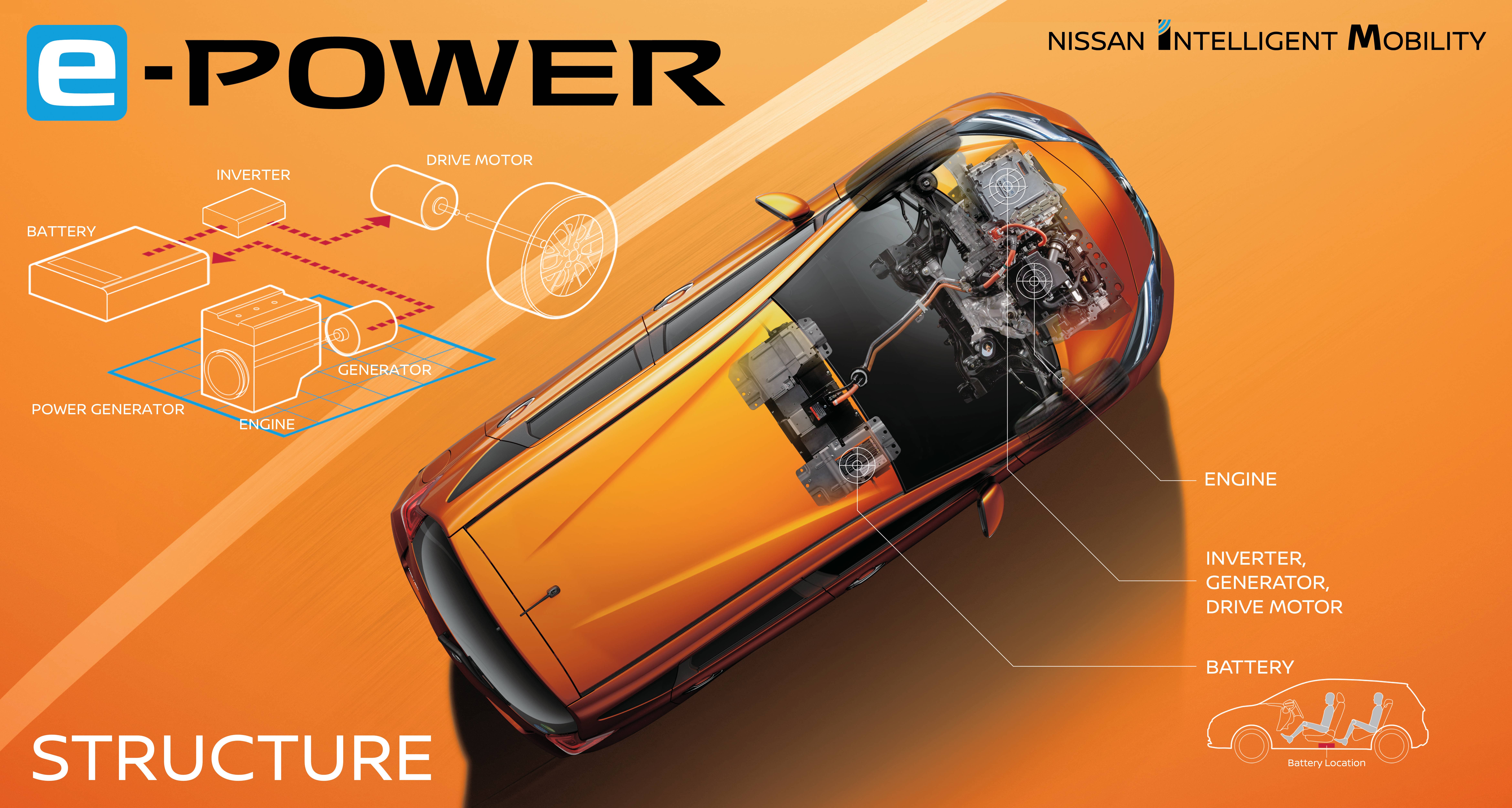
In a series hybrid, the ICE never drives the wheels directly. Instead, it turns a generator that produces electricity, which charges the battery and powers an electric motor that drives the wheels.
A series hybrid is mechanically much simpler than a power-split system. Since the engine's only job is spinning a generator, it can be tuned to run at whatever speed delivers the best efficiency and the least noise. The tradeoff is that series hybrids lose a bit of efficiency under high loads, due to energy loss converting AC power from the generator to DC in the battery and back to AC again on its way to the drive motor.
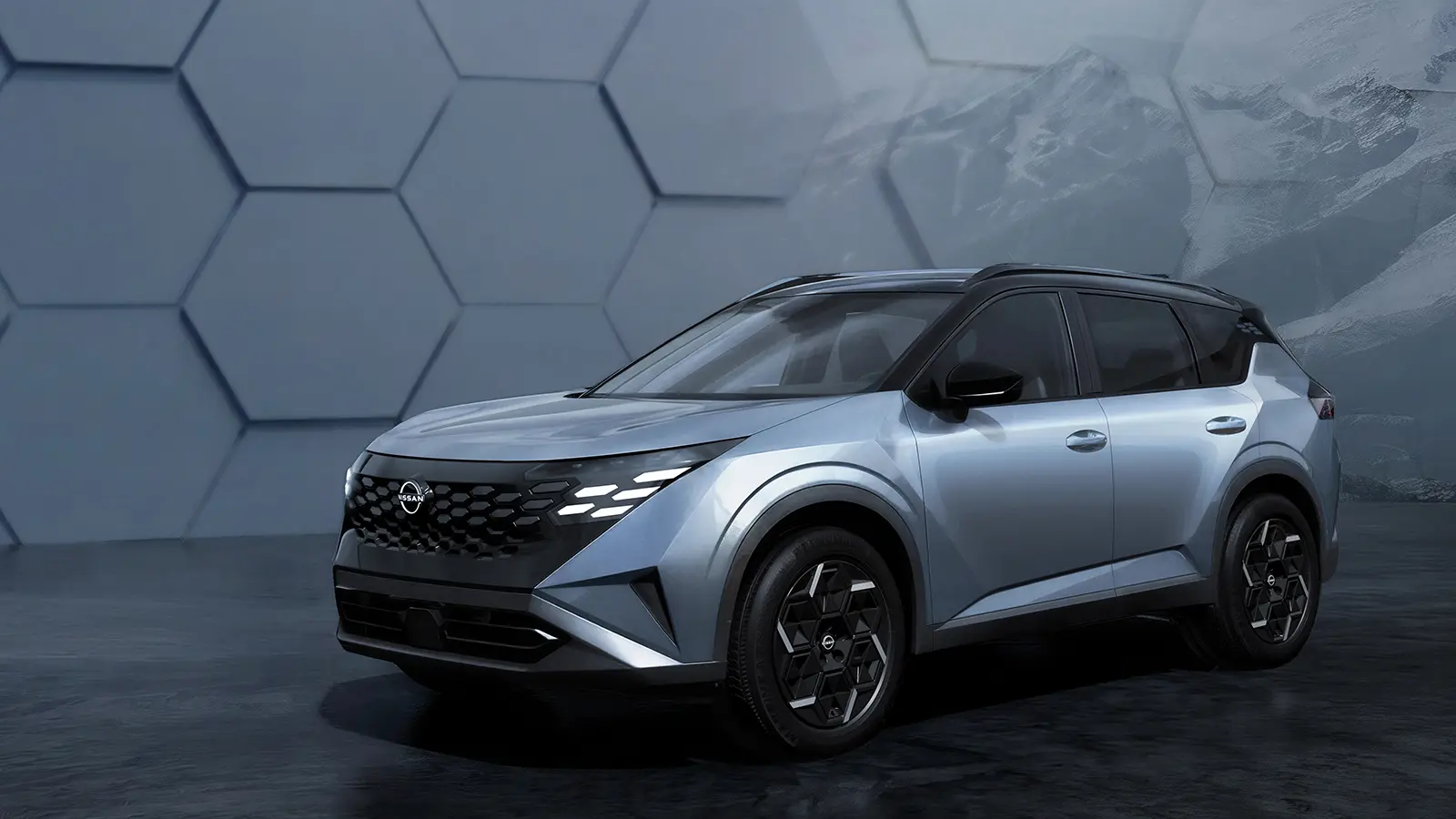
Nissan uses the series layout for its e-Power hybrid system, and you'll also find this in extended-range EVs like the upcoming Ram 1500 Ramcharger.
What Are Series-Parallel Blend Hybrids?
It's worth noting that I'm describing series and parallel hybrids as if they're totally separate, but in practice, plenty of systems borrow from both.
Toyota's hybrids incorporate some series capability under certain conditions, while Honda’s hybrids are mostly series with a parallel component for higher speeds. Most of the time, Honda's engine just spins a generator motor to power the drive motor and the battery, but at highway speeds or maximum load, a clutch locks the engine directly to the wheels to help out.
What Are Through-the-Road Hybrids?
A through-the-road (TTR) hybrid is a system where the ICE drives one axle, and the electric motor drives the other, rather than both powering the same wheels. It's the least commonly used approach of the four main hybrid layouts. Volvo uses this setup on its plug-in hybrids like the XC60 and XC90, where the engine drives the front wheels through a conventional automatic transmission while an electric motor drives the rear axle. You'll also find this configuration on a number of high-performance vehicles like the Chevrolet Corvette E-Ray, although that car has the motor driving the front wheels with the ICE driving the rear.

The most common implementation of TTR is turning an existing series or parallel hybrid into an all-wheel drive vehicle. The Toyota RAV4 uses a parallel power-split system to drive the front wheels and an additional motor just to drive the rear axle when extra traction is needed.
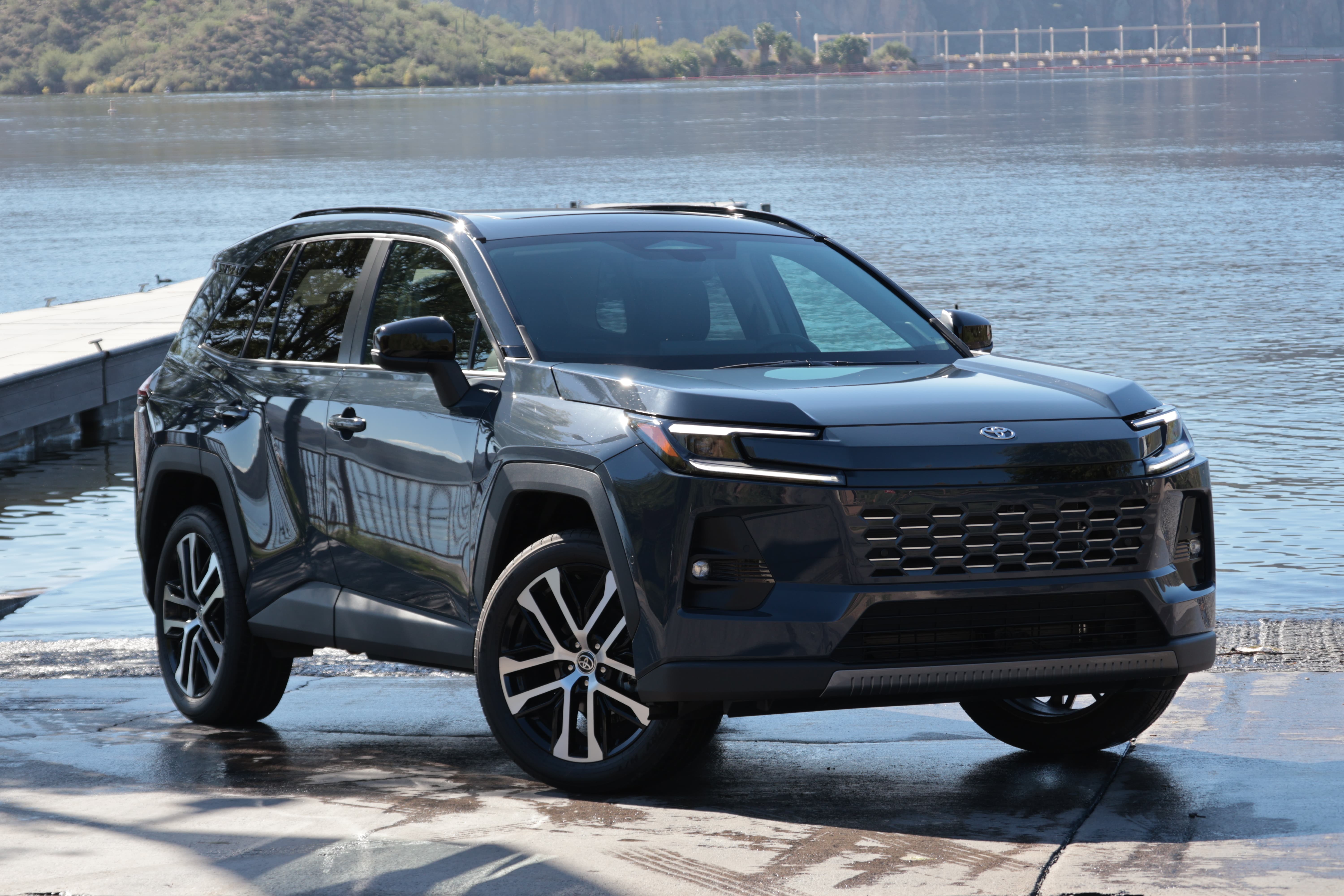
TTR hybrids are mechanically much simpler than either of the other hybrid layouts, but that typically comes with less overall efficiency.
What To Choose?
Every configuration delivers a major boost in fuel efficiency, so the right choice usually comes down to which vehicle you prefer.
That said, I generally prefer the systems that are primarily series hybrid, like the Nissan e-Power and Honda systems. They tend to feel a bit more refined and quieter. Toyota's hybrids are very efficient, but the power-split system means the engines tend to work harder during acceleration, making more noise.
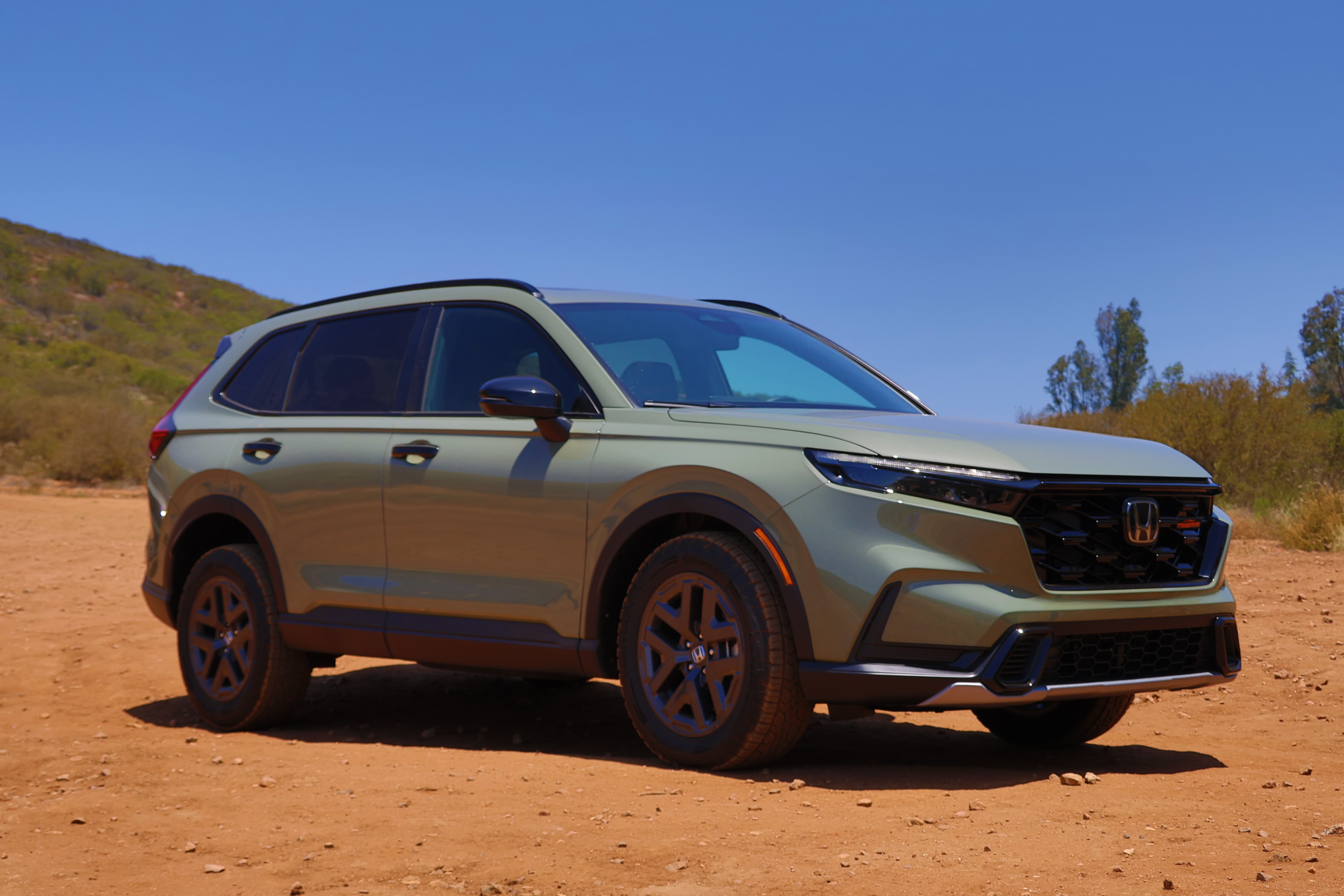
As usual, my advice is to test drive the vehicles you’re most interested in from multiple manufacturers and pick the one that you like the most and can get a great deal on. If the sound of a RAV4 hybrid doesn’t bother you more than the Honda CR-V or the Hyundai Tucson, go for it. Whatever you pick, you’ll end up saving a lot of money at the pump.
Keep Learning How Hybrids Work
Hybrid vs Plug-In Hybrid vs Electric
Compare hybrids, plug-in hybrids, and EVs so you understand how charging, range, fuel use, and ownership differ.
Hybrid Driving Tips
Learn how driving habits, regenerative braking, and smooth inputs can help you get the most from a hybrid powertrain.
Maintaining a Hybrid Car
See what hybrid ownership looks like over time, from brake wear and battery care to routine service expectations.