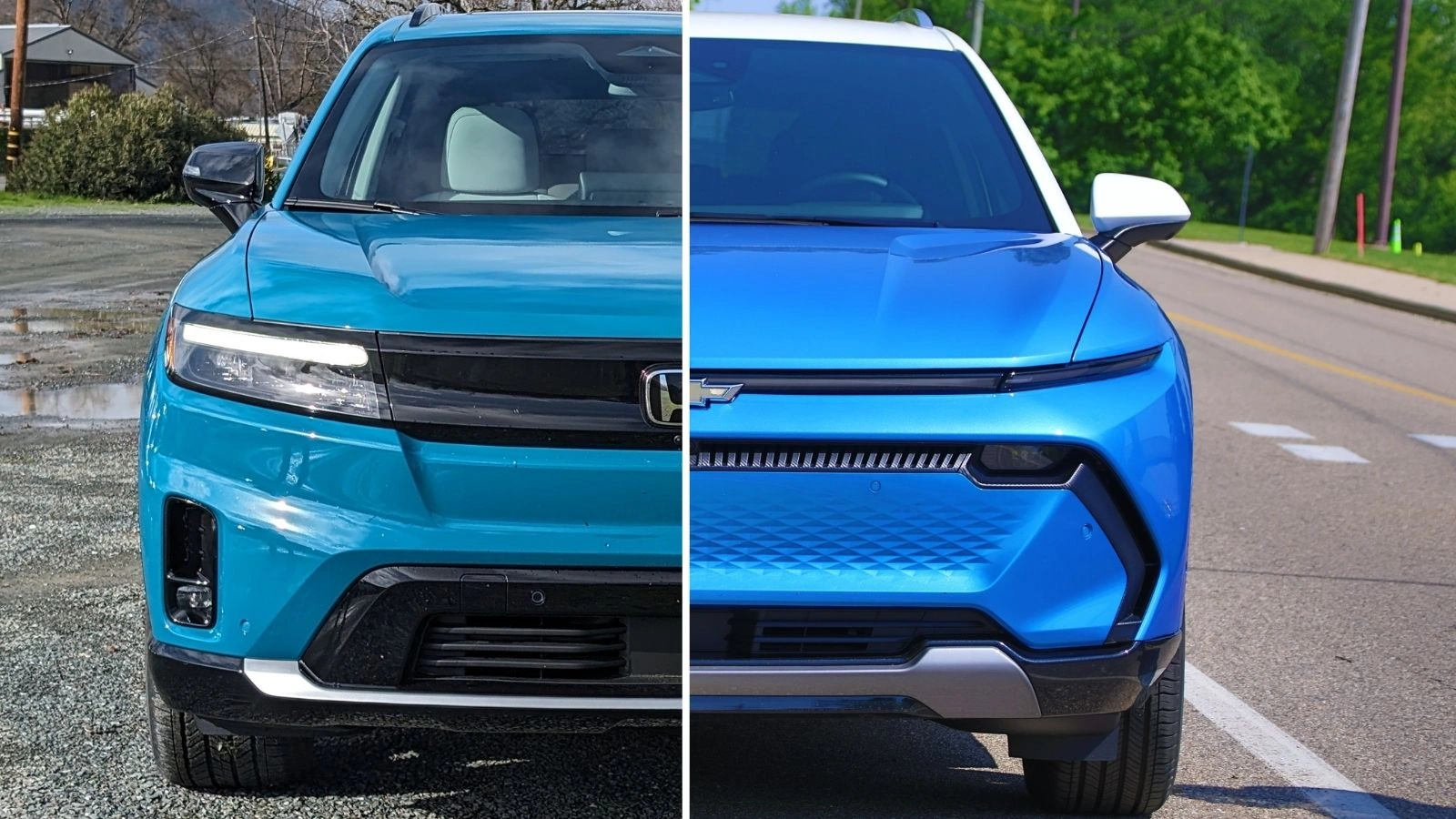

Fast Facts | Honda Prologue vs. Chevrolet Equinox EV
⚙️ Output: Both have an output of 220 horsepower and 243 pound-feet of torque (FWD) or 300 horsepower and 355 pound-feet (AWD)
🔋Range: The Prologue gets up to 308 miles, while the Equinox EV gets up to 319 miles EPA estimated.
🔌 DC Fast Charging: The Prologue gets from 20 to 80 percent in 35 minutes, while the Equinox EV adds up to 77 miles in 10 minutes
🖥️ Tech: The Prologude gets an 11.3-inch touchscreen, while the Equinox EV gets a 17.7-inch touchscreen
💰 MSRP: The Prologue starts at an MSRP of $41,395, while the Equinox EV starts at an MSRP of $36,795
The Honda Badge Comes With a Price
When it comes to electric SUVs, options are plentiful. Chevrolet, Kia, Hyundai, Subaru, and Toyota all offer multiple electric SUV options, while Ford and Honda offer one. In this comparison, the Equinox EV and Prologue face off. It’s important to note that the Equinox EV is technically classified as a small SUV, while the Prologue falls into the midsize class, but as you’ll see, the two aren’t that far off in any area except price. It’s also important to note that 2026 is the final model year for the Honda Prologue in the U.S., though you’ll likely still find examples on the used market.
Exterior Design and Dimensions
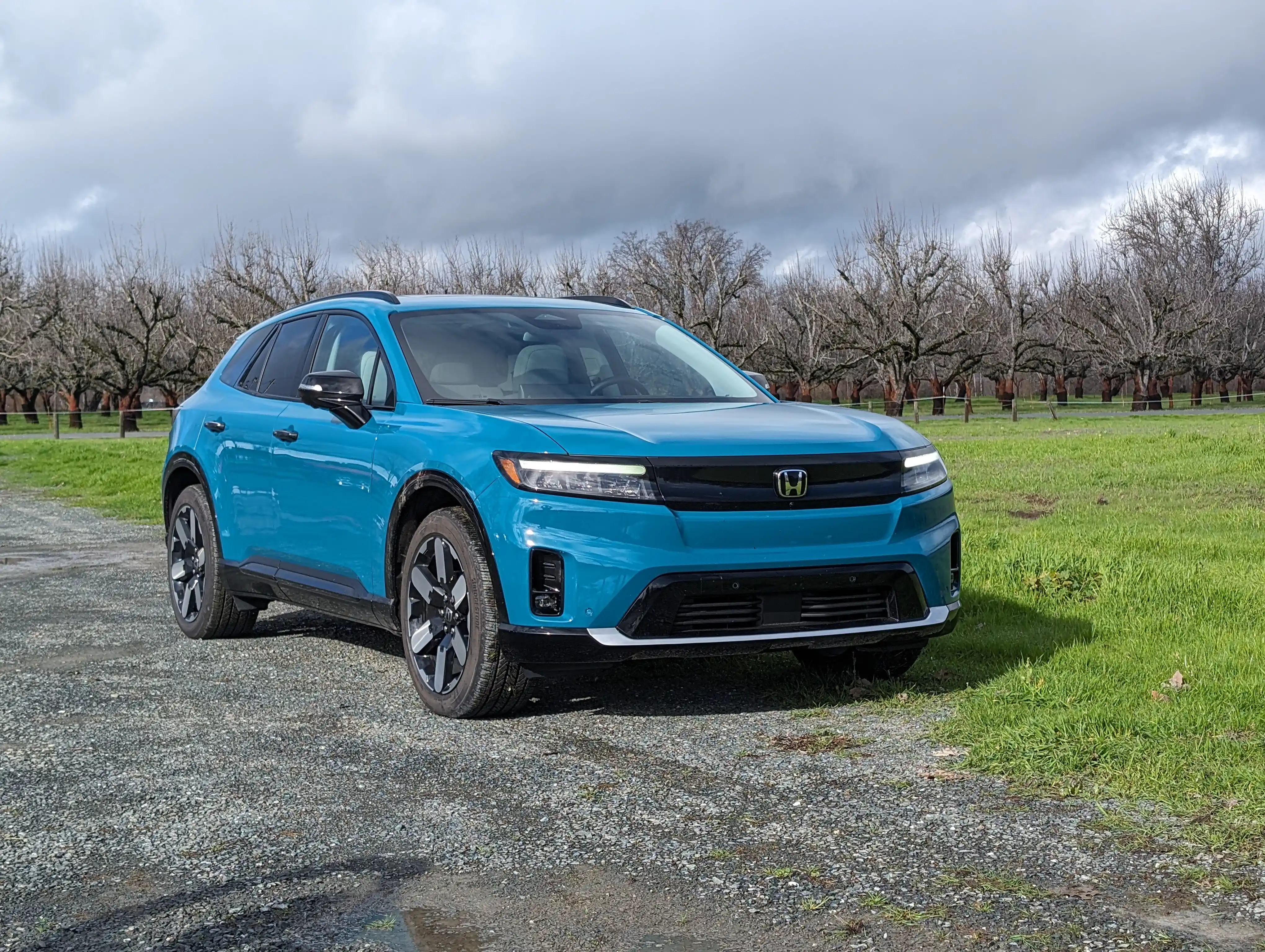
The Prologue is actually built by GM using a mix of components from the Equinox EV and the Chevrolet Blazer EV. It gets its wheelbase, multi-link front suspension, and overall dimensions from the Blazer EV, but gets its 85-kWh battery and drive motors from the Equinox EV.
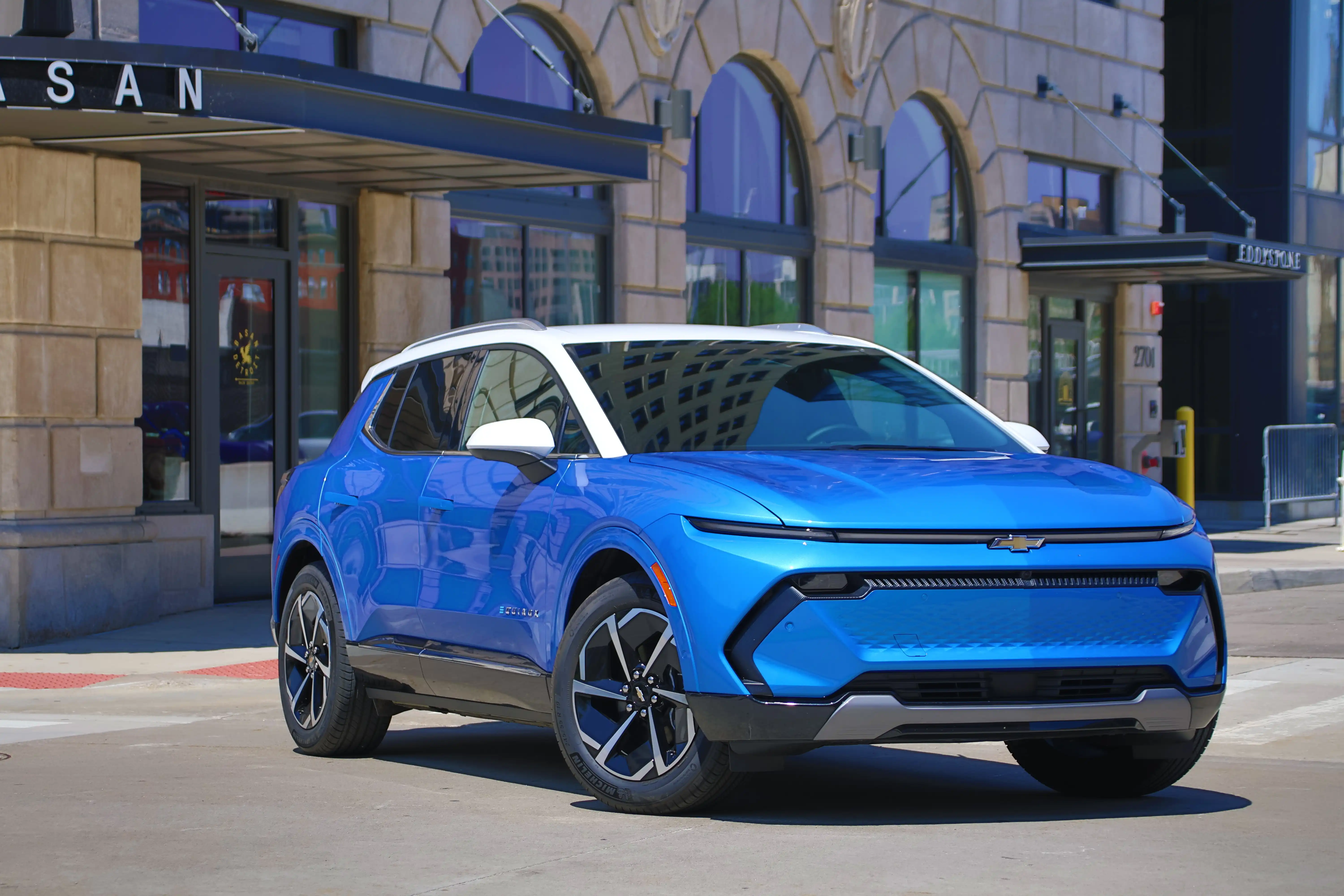
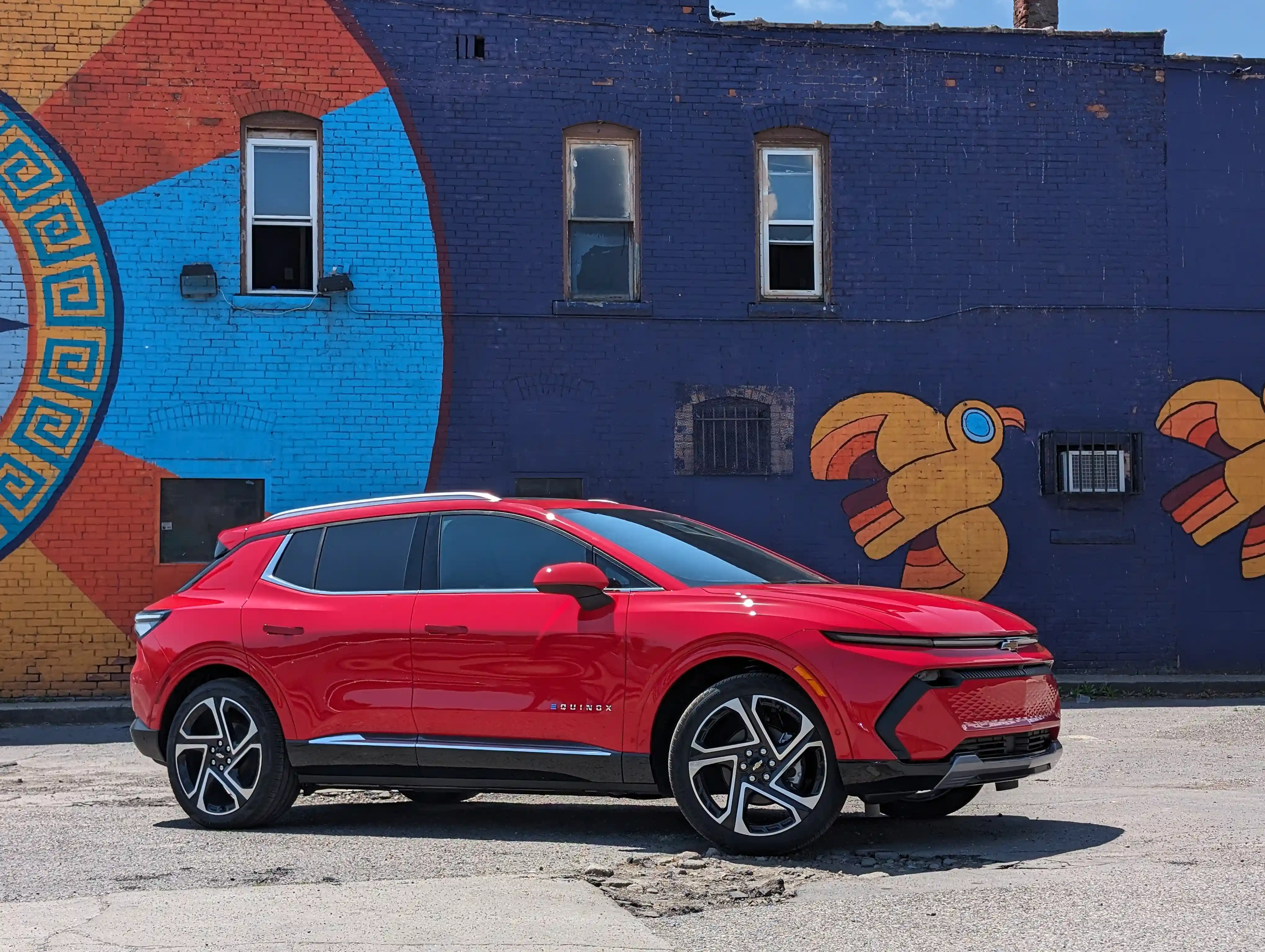
On the outside, the Equinox EV adopts a sleeker, coupe-like profile with a sloped roofline, full-width LED headlights and taillights, and an available two-tone roof. The Prologue, on the other hand, is longer and sits higher off the ground, taking on a more traditional SUV styling with rounded corners. Neither is unattractive, but the Equinox EV certainly looks sportier than the Prologue.
Interior Space and Tech
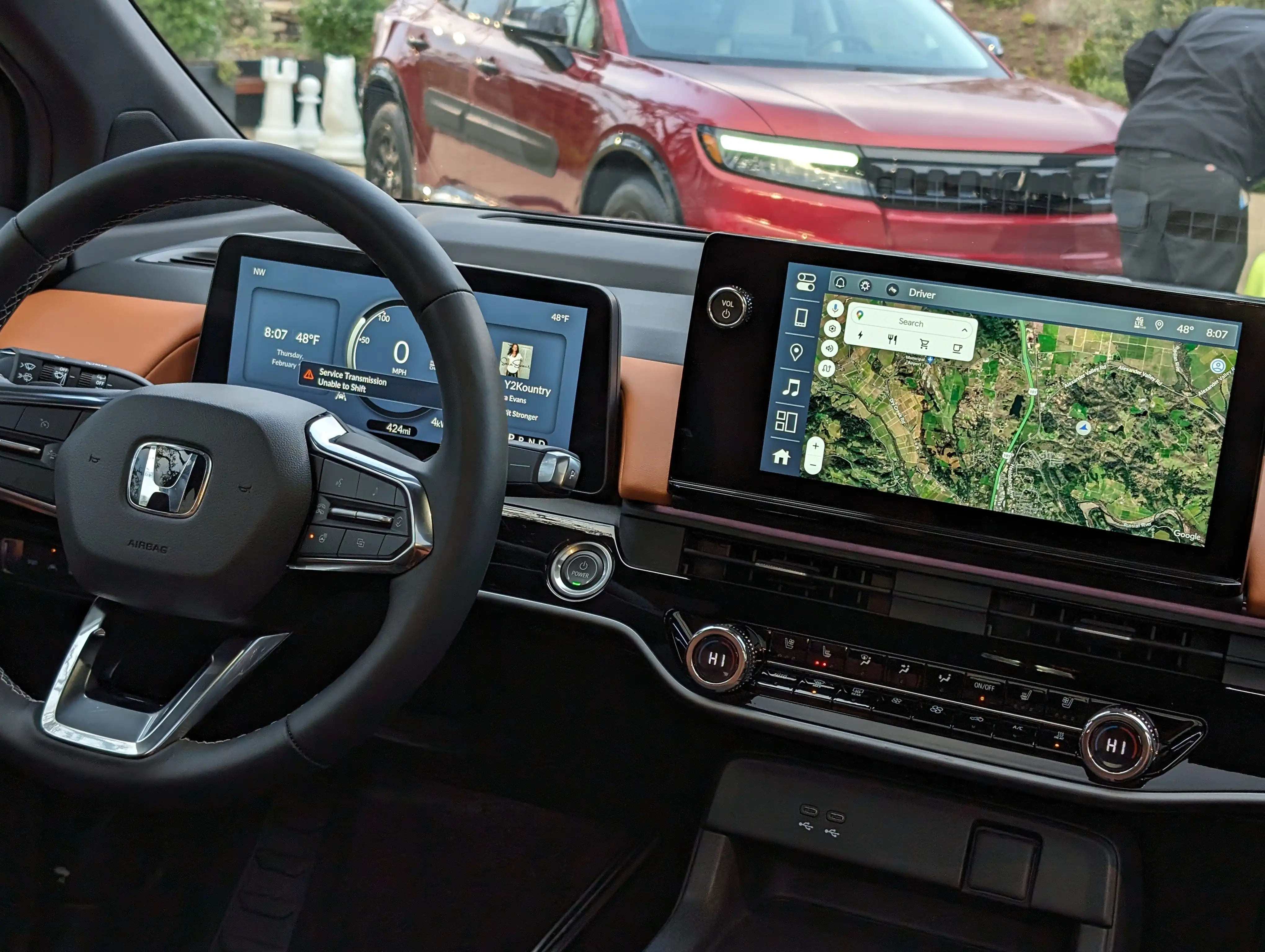
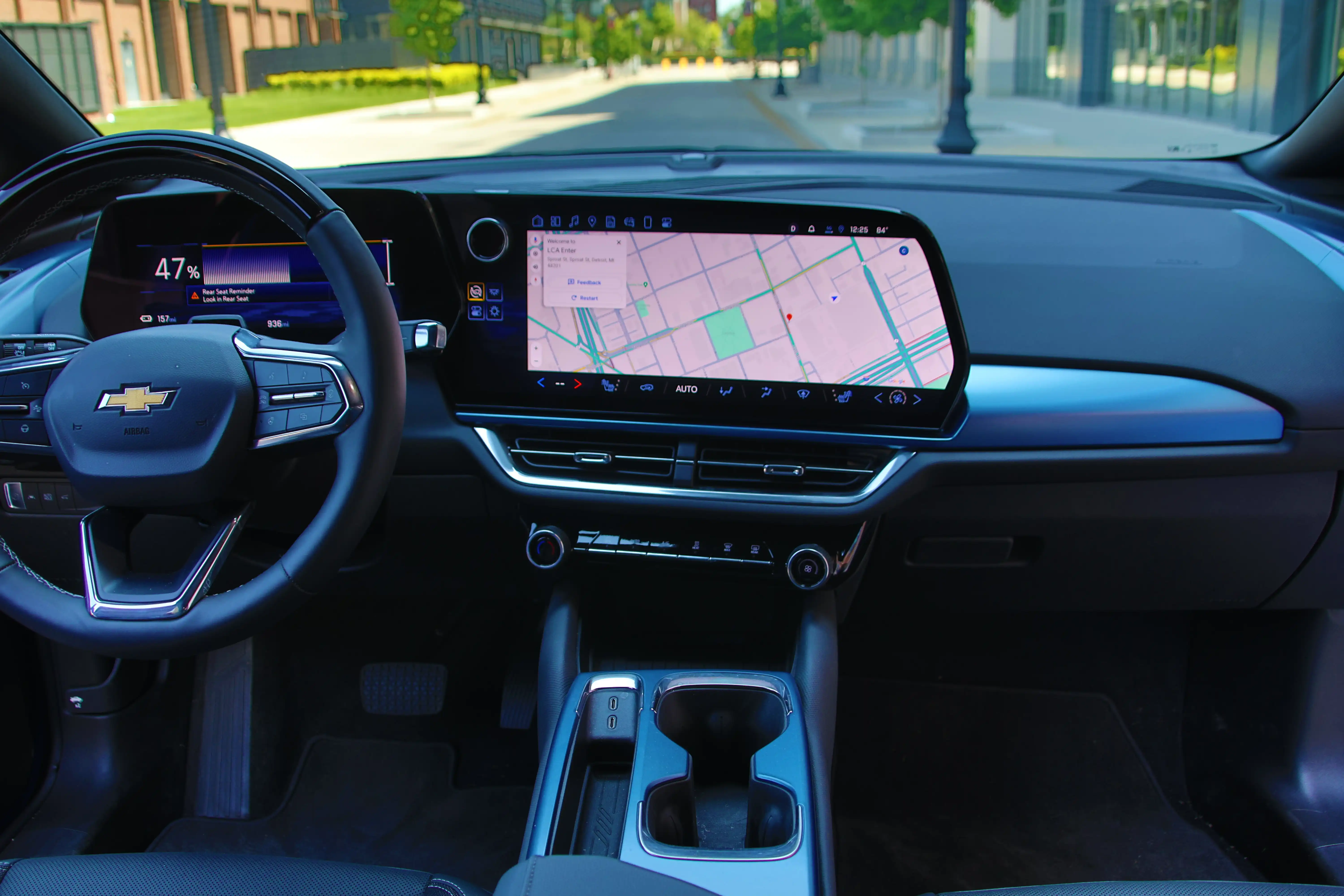
Let’s talk features. Both vehicles come standard with an 11-inch digital gauge cluster, but when it comes to the infotainment screen, the Equinox EV’s 17.7-inch screen far outsizes the Prologue's 11.3-inch screen. Both come equipped with Google Built-In, but since GM has dropped smartphone projection on its EVs, only the Prologue gets wireless Apple CarPlay and Android Auto. The Honda includes a few more standard features on the base model, like a power-adjustable driver's seat and dual-zone climate control.
As far as standard safety equipment, both vehicles get forward collision alert, automatic emergency braking, front pedestrian braking, lane-keeping assist, adaptive cruise control, lane-change alert, rear cross-traffic braking, reverse automatic braking, rear park assist, automatic high beams, blind-zone steering assist, and a rear seat reminder. The Equinox EV also gets a following-distance indicator, intersection automatic emergency braking, front bicyclist braking, a safety alert seat, and a side bicyclist alert.
Both can be optioned with a surround-view camera and rear pedestrian alert, but only the Honda offers available front park assist and a head-up display, and only the Chevy can be had with Super Cruise hands-free driving assist and an LED reflective windshield collision alert.
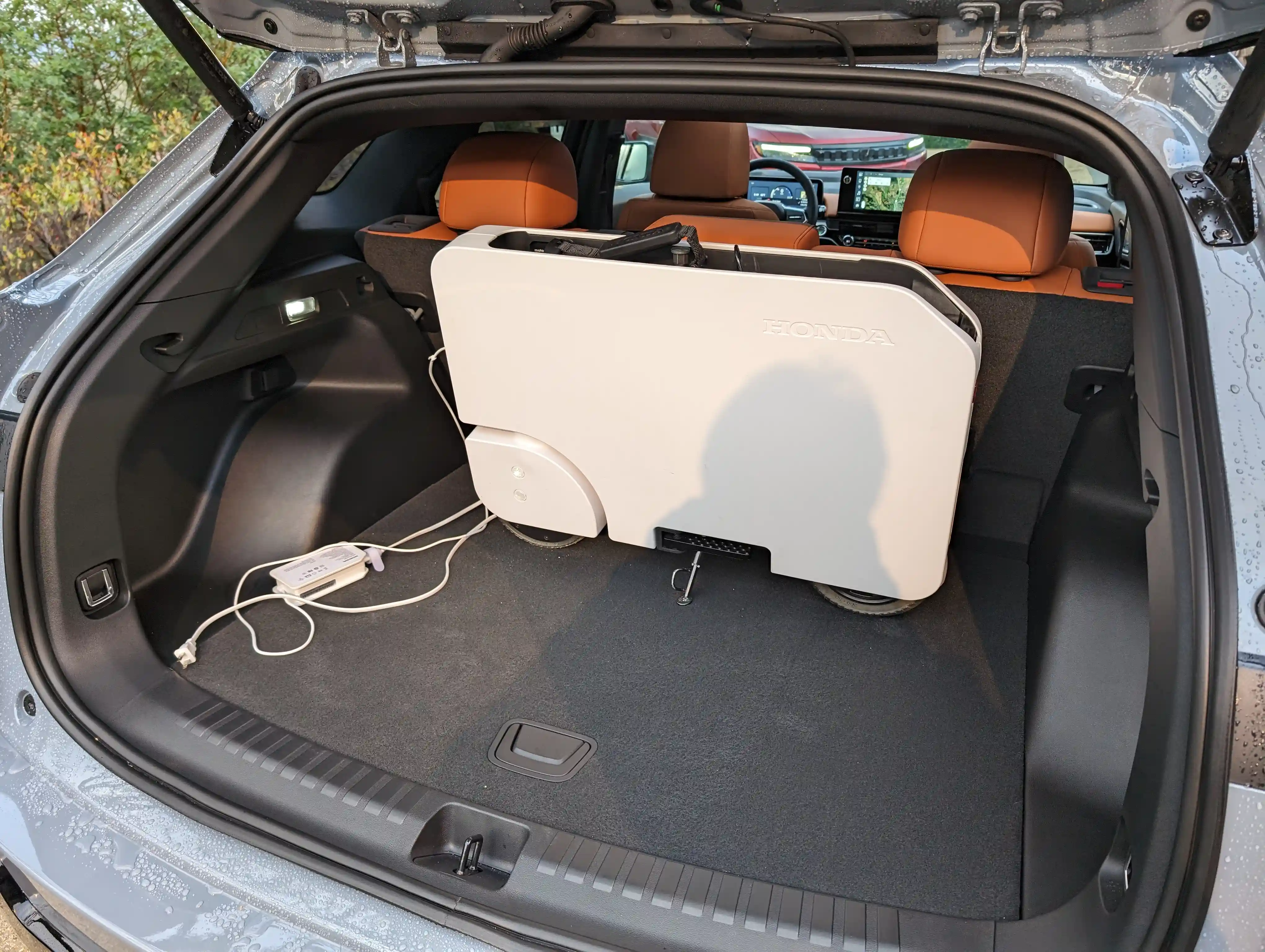
These two are roughly the same size, trading the lead back and forth depending on measurement. The Equinox EV offers more rear headroom, but the Prologue gets more rear legroom. When the seats are folded flat, the Prologue comes out up to 9.5 cubic feet ahead in cargo space.
Powertrain and Fuel Economy
Both the Honda Prologue and the Chevy Equinox EV are available in single-motor, front-wheel-drive, or dual-motor, all-wheel-drive configurations. Since they use the same hardware, horsepower and torque are a dead tie, with each offering 220 horsepower and 243 pound-feet of torque. The Equinox EV, however, squeaks by with a sliver more range than the Prologue in either configuration.
Those EPA numbers change with drivetrain, wheels, and trim, so see how to compare electric range without relying on one headline number ➜

Charging
Both EVs charge at about the same rate on a Level 2 charger, like the one installed in a home garage, taking roughly 9.5 hours for a full charge.
On a DC fast charger, the Prologue claims a 20 to 80 percent charge time of 35 minutes. Chevrolet quotes its charge time a bit differently, claiming up to 77 miles of range added in 10 minutes. Again, since the hardware is identical, both charge at a peak of 150 kW.
Price
Price-wise, the Equinox EV is the cost-effective choice across the lineup. The base Equinox EV undercuts the Prologue by about $4,600, and the fully loaded Equinox EV RS comes in around $2,700 cheaper than the top-trim Prologue Elite.
What's It Like to Drive?
Driving the Prologue and Equinox EV feels quite similar, which makes sense given how many components they share. Overall performance is similar since they have similar weight and the exact same propulsion hardware. Both offer a comfortable ride despite weighing in at roughly 5,000 pounds, and with the battery mass sitting down low, handling is quite good with minimal body roll. Even in FWD form, with what might seem a modest 220 horsepower by current EV standards, the acceleration feels lively thanks to the instant response of the electric motors.
For a deeper look at Chevrolet’s ride, charging, infotainment, and standout driver-assistance system, read our full 2026 Equinox EV road test ➜
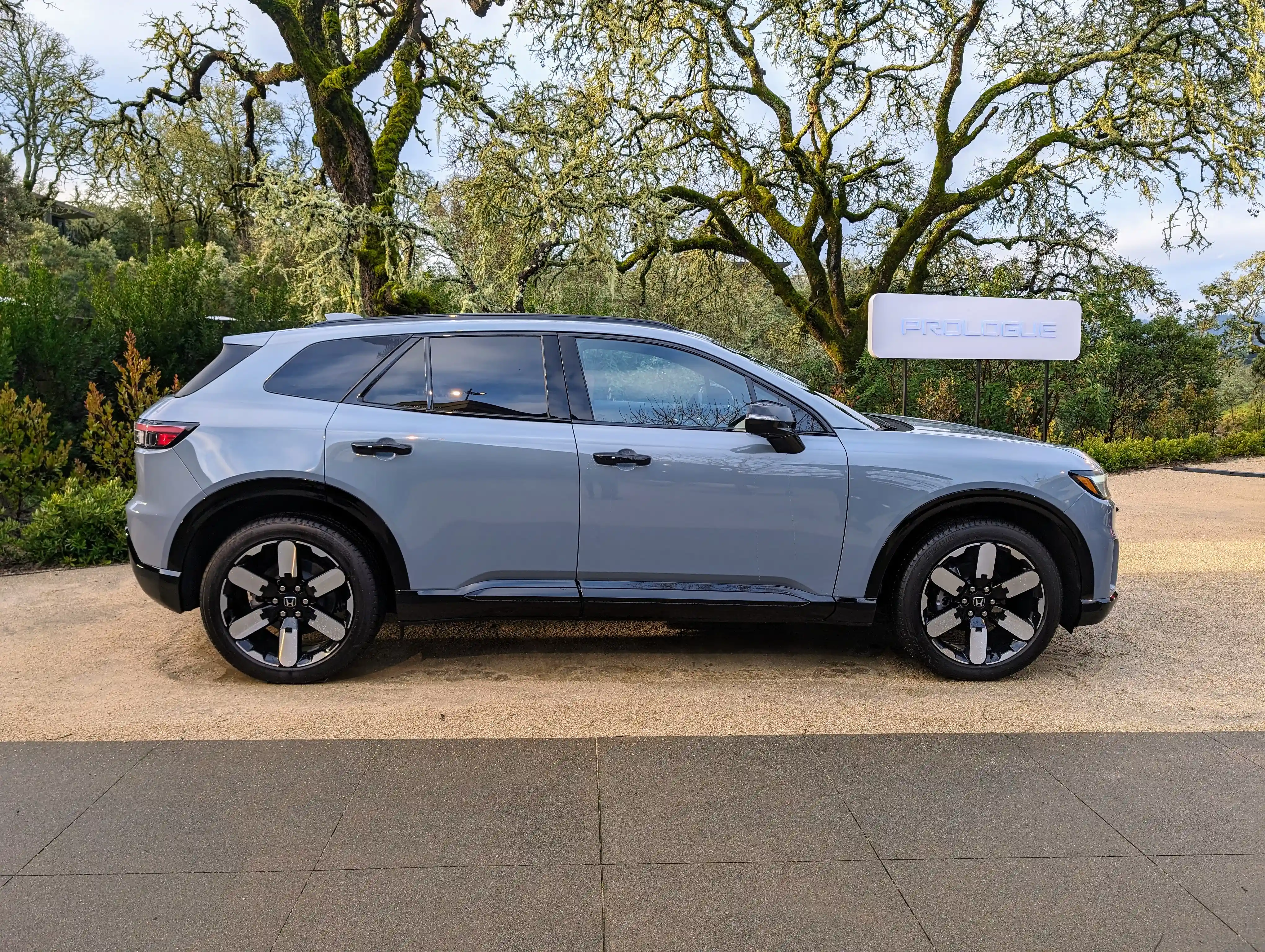
The look and feel is where these two fraternal twins diverge. The Honda is handsome but definitely more conservative in its style than the more outgoing Chevrolet. That’s no surprise to anyone familiar with Honda's design language. Mainstream models like this tend to shy away from the outlandish. That's not a criticism, just an observation.
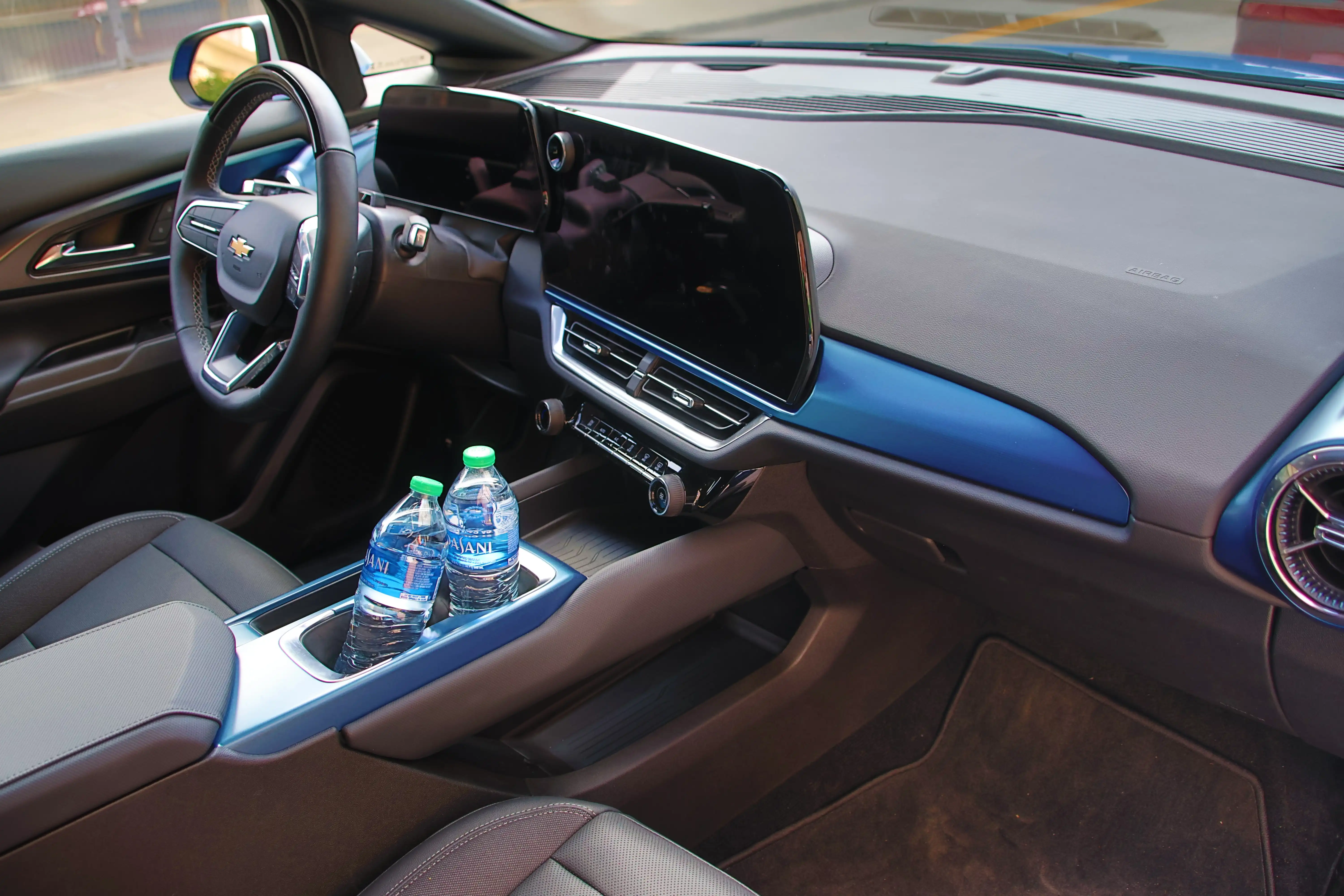
There’s also a big divergence in the cabin. A lot of Honda's switchgear will look familiar to anyone who's spent time in a recent GM vehicle, because it’s the same. One difference: Honda has two rows of switches down the center of the dashboard between the temperature knobs. The lower row handles climate functions and the defoggers, with the upper row controls heated and ventilated seats and where the air gets directed. Chevrolet moves those upper-row functions into the touchscreen.
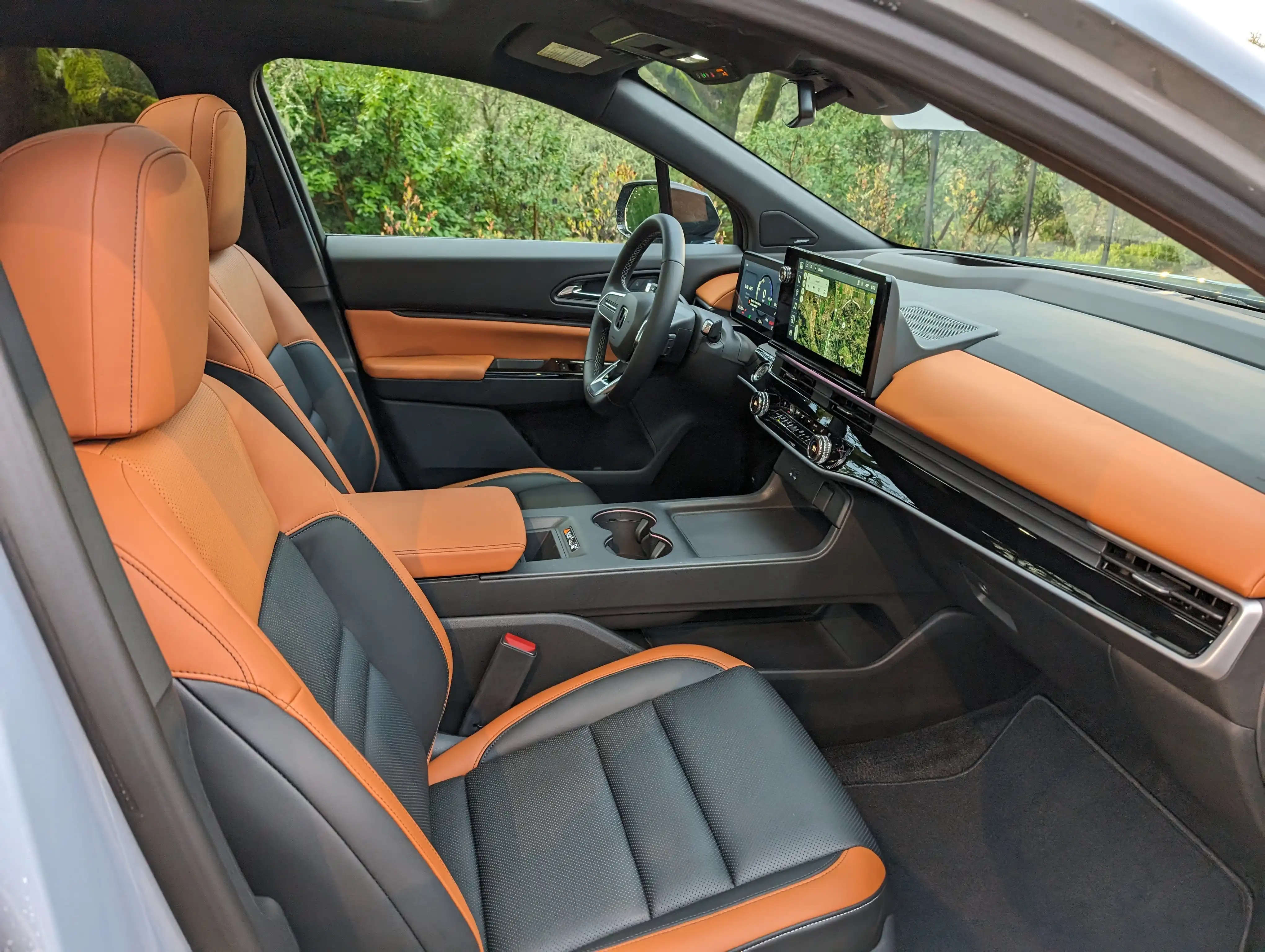
Overall, the Equinox EV looks sportier and more contemporary inside and feels a bit more premium. The Prologue is dominated by hard plastic surfaces throughout, which wouldn’t be a problem if it were priced closer to the Equinox EV. At the higher price point, it ends up looking a bit cheap.
One other major difference is the availability of Super Cruise in the Equinox EV. This enables hands-off, eyes-on-the-road operation on about 700,000 miles of roads across North America. The Prologue doesn't offer a similar offering.
Super Cruise remains a supervised, eyes-on driver-assistance system even when your hands are off the wheel, so see how today’s hands-free systems fit into the broader levels of driving automation ➜
Analyst's Perspective (Which One's Right for You)
Honda has announced that the Prologue will be discontinued at the end of 2026, though the automaker says it'll continue to provide support and software updates indefinitely. Both vehicles support over-the-air software updates too.
Both are excellent vehicles to drive, and while their DC charging speeds are at the low end of what’s currently available in the market, they’re not terrible, and if you do most of your charging at home, it won't matter much anyway.
I find it difficult to recommend the Prologue over the Equinox EV because of the price difference despite their similarities. Unless some really good deals are available in the coming months (and there probably will be), the Chevrolet Equinox EV is almost certainly the best choice for anyone looking for a mainstream midsize electric crossover.
More Mainstream EVs Worth Cross-Shopping
2026 Nissan Leaf Delivers On What a Modern, Affordable EV Should Be
The redesigned Leaf offers up to 303 miles of EPA-estimated range and keeps pricing below $40,000, making it a natural value alternative to both SUVs.
Read More ➜
2026 Subaru Solterra Is a Strong Value Play
The refreshed Solterra gives shoppers standard all-wheel drive, improved charging, and up to 288 miles of range for buyers who value traction over maximum range.
Read More ➜
2026 Ford Mustang Mach-E vs. 2026 Hyundai Ioniq 5
This comparison widens the search to two established EV crossovers with very different approaches to charging, technology, performance, and everyday usability.
Read More ➜