
Fast Facts | EV Charging Expansion
🔌 Public charging locations: Nearly 96,000 in the U.S. and Canada, with over 294,000 ports
⚡ DC fast charging: Over 18,000 locations, almost 84,000 ports
📈 EV market share: Holding steady at five to six percent of US sales
👀 CPOs to watch: Ionna and Walmart
EV Sales Slowed. Charger Investment Didn’t.
For over 15 years, consumer surveys have found three things holding people back from going electric: vehicle price, charger availability, and charging time. EVs and chargers have always had a bit of a chicken-and-egg problem. Which should come first: building the vehicles or installing the plugs that will charge them? In 2026, we're finally moving beyond these barriers.
EVs Are Getting More Affordable
In the early days of the EV transition, buyers were mostly early adopters with multiple vehicles and the ability to charge at home off the street. Cars like the original Nissan Leaf (about 70 miles of range) or the pricey Tesla Roadster were usually second, third, or fourth cars in the household.
That's changing. EV affordability is finally improving, with several models now priced in the low-to-mid-$30,000s while still offering 200 to 300 miles of range, including the Chevrolet Bolt, Nissan Leaf, Mitsubishi Eclipse Sportback, Kia EV3, and Hyundai Ioniq 5. EV sales took a big hit in the U.S. in late 2025 after federal tax incentives ended, but they've since stabilized and are slowly climbing again, holding a steady market share of five to six percent. That might not sound huge, but consider that hybrids hovered at two percent or less for nearly 20 years before they started to take off.
More Companies Are Investing in Chargers
Five to six percent is a solid number and represents a growing number of vehicles that need charging. That’s why public charge point operators (CPOs) continue to invest in charging infrastructure. As of mid-August 2026, the US Department of Energy’s Alternative Fuels Data Center reports nearly 96,000 public charging stations in the U.S. and Canada, with more than 294,000 charging ports — and that number keeps climbing.
Raw charger counts tell only part of the story as coverage, uptime, payment reliability, and location increasingly shape the ownership experience, so see what is improving across public EV charging in 2026 ➜
Growth is coming from veteran CPOs like Tesla, EVgo, ChargePoint, Red E Charge, and Electrify America, as well as newcomers like Ionna and Walmart. These companies are the primary operators of DC fast-charging stations, with over 18,000 locations and almost 84,000 charging ports. Since the beginning of the year through July:
- Tesla added 163 Supercharger stations with 2,159 ports
- Red E Charge added 157 locations with 626 ports
- Walmart opened 73 new locations with 620 ports
- Ionna added 54 locations and 461 ports
Two New CPOs to Watch
Walmart and Ionna are perhaps the two most interesting CPOs to watch in the coming years. Ionna, a joint venture of eight automakers, opened its first charging station in spring 2025. It's already up to 147 locations with 1,332 ports and has committed to 30,000 ports installed by 2030.
IONNA is designing its Rechargeries around more than charging speed, adding amenities, pull-through stalls, payments, and both major connector types, so see what the IONNA charging experience is trying to fix ➜
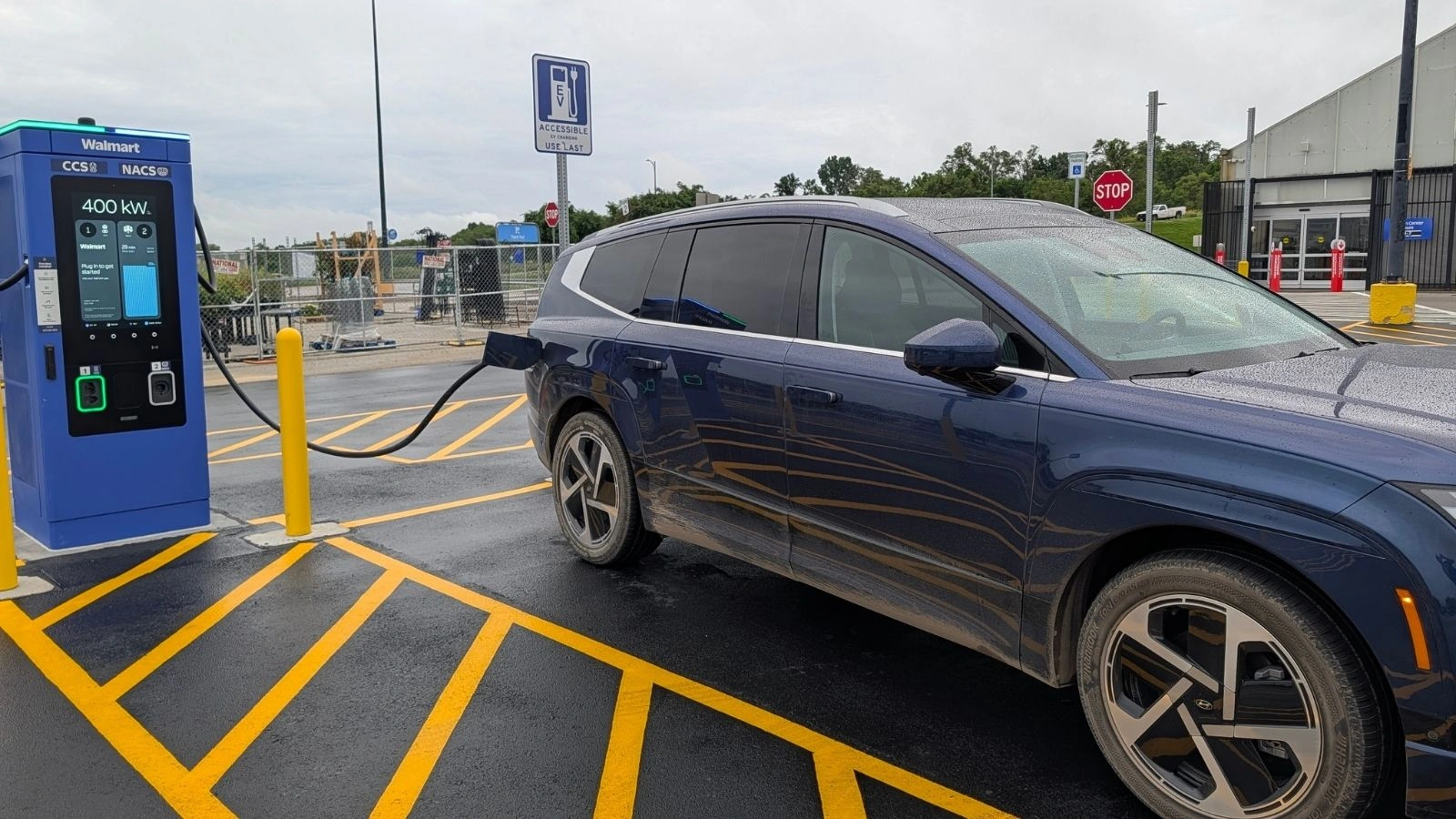
Walmart first got into EV charging in 2018 as a site host for many Electrify America stations and later Tesla chargers. The retailer began opening its own network in 2025, and after a handful of pilot stations, it has picked up pace significantly in recent months. It now has 79 locations open with 664 ports. Walmart has over 5,000 stores in North America, and while it hasn’t said how many will eventually get chargers, the infrastructure is there: store locations have the real estate to host chargers and the electrical capacity to run fast chargers. It seems likely Walmart could become the largest CPO in North America.
EV Chargers Are Getting More Reliable
It's also important that these chargers work reliably. In the early 2020s, one of the biggest barriers for would-be EV buyers was horror stories of broken chargers, particularly at non-Tesla stations. However, that's improving too. Ionna and Walmart are both installing 400-kW chargers primarily built with hardware from Alpitronic, a company known for some of the most reliable chargers in service, alongside Tesla.
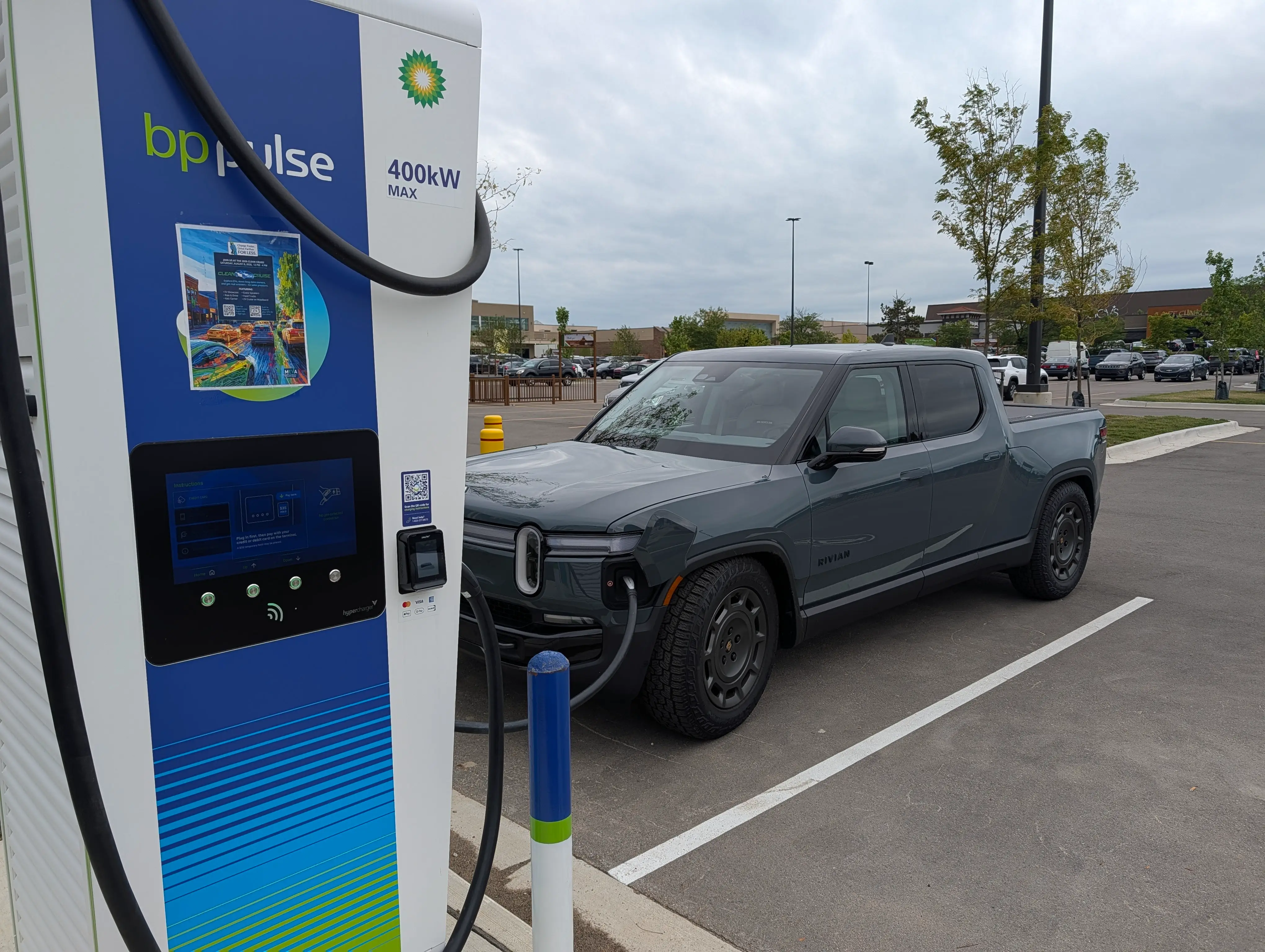
While Walmart and Ionna haven’t yet opened any chargers near my home in Michigan, BP Pulse recently opened a new location in Ann Arbor with 10 Alpitronic chargers (two ports on each). Fourteen out of 20 ports are NACS (SAE J3400), with the rest CCS. I used this location last week to test a Rivian R1T and a new Lectron Vortex Plus NACS-to-CCS adapter on my 2023 Kia EV6, and both the charger and adapter worked flawlessly. At 50 percent state of charge, the EV6 was pulling 240 kW and went from 30 to 70 percent charge in about nine minutes.
While Tesla has been growing its Supercharger network, it's now selling its hardware to other CPOs too. EVgo recently announced a deal to purchase an undisclosed number of V4 Tesla Superchargers and install them with its own branding. Tesla has been installing V4 dispensers at most of its newer locations, but most are still connected to V3 power cabinets that operate at 500 volts and limit the charging speeds to 250 kW. EVgo announced that its Tesla chargers will operate at 1,000 volts and support 500-kW charging, suggesting they're using V4 power cabinets.
The Bigger EV Charging Picture
EV sales had a rocky start in 2026, and changes to federal tax credits haven't helped. But the market is continuing to mature. With approximately 6 million EVs on US roads, another million being added each year, and nearly 100,000 DC fast charging ports now in place, there's a critical mass building that's enough to make EVs a practical choice for more drivers, and enough to make continued investment worth it for the companies building the networks. Despite the pushback from Washington, the EV future is still there. It’s just taking a little longer to get there than many hoped a few years ago.
Infrastructure totals matter most when drivers can actually find a useful plug where they need one, so check public EV charging stations near you before your next trip ➜
What Comes Next for EV Charging
EV Charging in 2026 Is About to Change in Three Important Ways
Charging is moving beyond raw plug counts as network access, reliability, navigation integration, and faster hardware become more important to drivers.
Read More ➜
What Five-Minute EV Charging Could Mean for Drivers
Ultra-fast batteries may eventually cut road-trip stops dramatically, but the charging sites and electrical grid still have to deliver the necessary power.
Read More ➜
2026 Nissan Leaf Delivers on What a Modern, Affordable EV Should Be
The redesigned Leaf shows why the infrastructure buildout matters, pairing a sub-$30,000 starting MSRP with up to 303 miles of EPA-estimated range.
Read More ➜