Fast Facts | Toyota's Kei Truck
- Output: About 45 horsepower from a naturally aspirated three-cylinder engine (final specs not yet released)
- Drivetrain: All-wheel drive with a continuously variable automatic transmission (CVT)
- Top Speed: 25 mph, certified as a low-speed vehicle under FMVSS 500
- Bed: 78 inches long and 55 inches wide, with fold-down sides and an estimated 600-pound payload
- Price: Not yet announced
Toyota Is Bringing Kei-Truck Utility to America
Back in 2003, Toyota launched Scion as a new U.S. brand selling small, affordable cars targeted at younger customers than the ones filling its dealerships at the time. Scion ended up attracting more empty nesters than first-time buyers, and by 2016, Toyota phased out the brand and rebranded its cars as Toyotas.
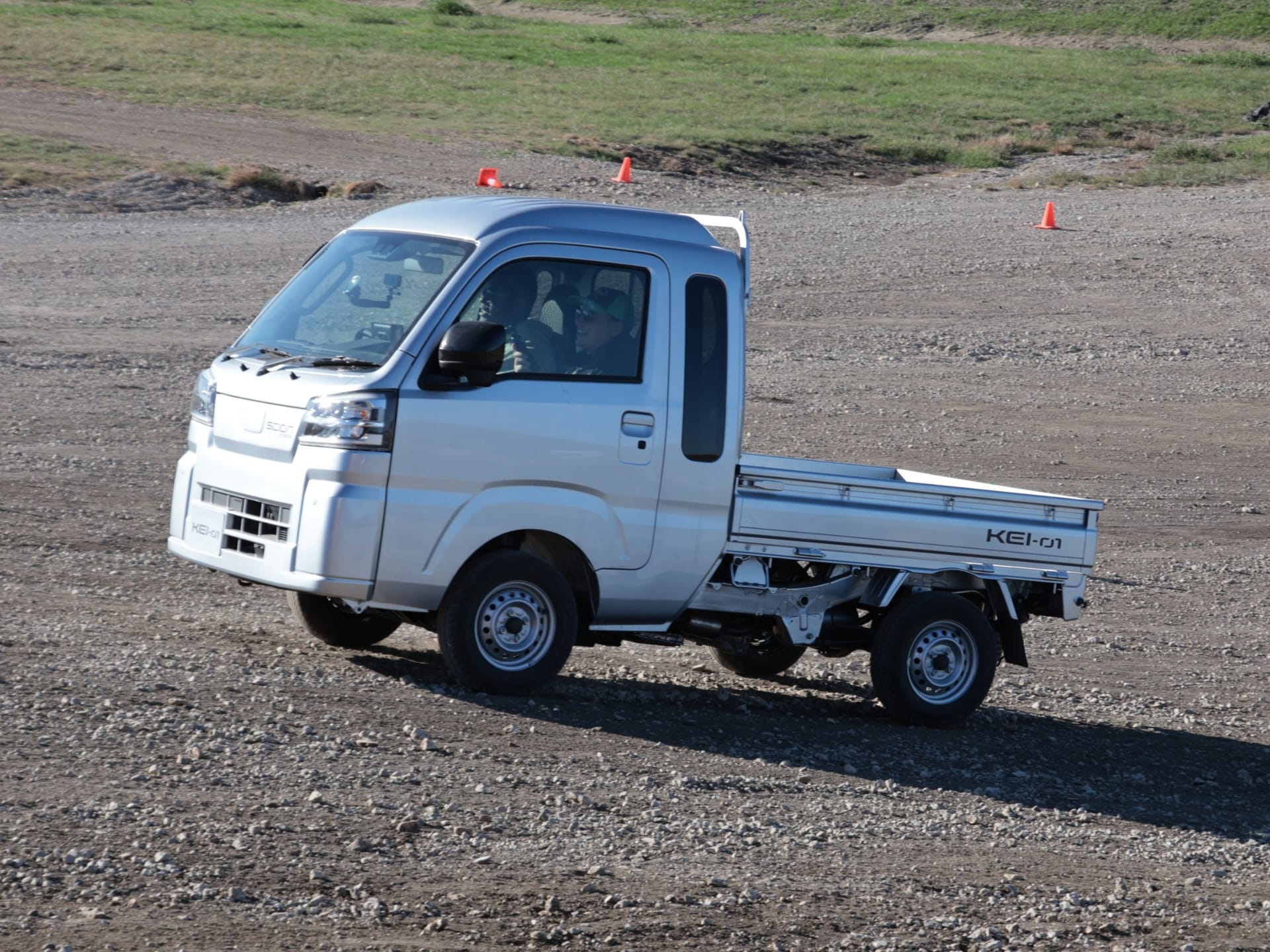
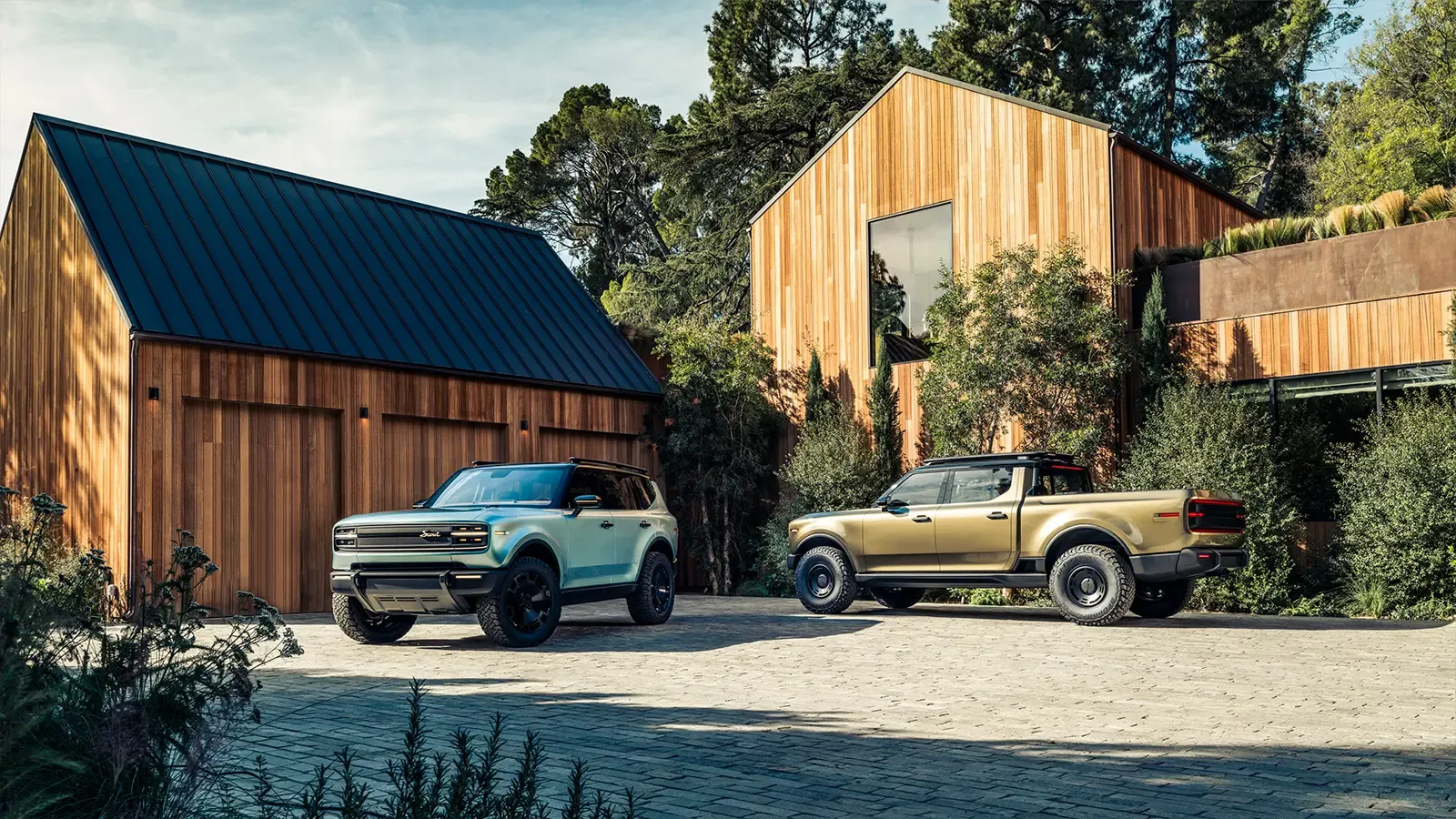
Now Scion is back, this time as a brand for Toyota to experiment with new mobility ideas. At an event in Texas last week, Toyota revealed concepts for an electric scooter, a hybrid side-by-side, and Scion's first production model, the Kei-01, which I actually had a chance to drive.
Scion is not Toyota’s only real-world mobility experiment, so see how Toyota is using Woven City as a full-scale laboratory for new transportation ideas ➜
What Is a Kei Truck?
Japan has unique regulations for keijidosha, or light vehicles, which people commonly refer to as kei vehicles. In many crowded Japanese cities, car buyers must prove they have somewhere to park before they can register a new vehicle. Kei vehicles are exempt from that rule, but they must meet certain size and performance requirements: no more than 11.2 feet long and 4.9 feet wide, with a 660-cc engine producing no more than 63 horsepower. Because kei vehicles are so compact and generally inexpensive, they account for a big chunk of new vehicle sales in Japan.
A small number of these vehicles are exported outside of Japan, but they’ve never been officially sold in the U.S. Thanks to the 25-year import rule, anyone can bring a vehicle over 25 years old into the U.S. without having to modify it to meet our safety and emissions standards. Kei trucks and vans have proven quite popular as individual imports, typically costing about $5,000 to $8,000. However, some states have banned these vehicles from being registered for use on public roads.
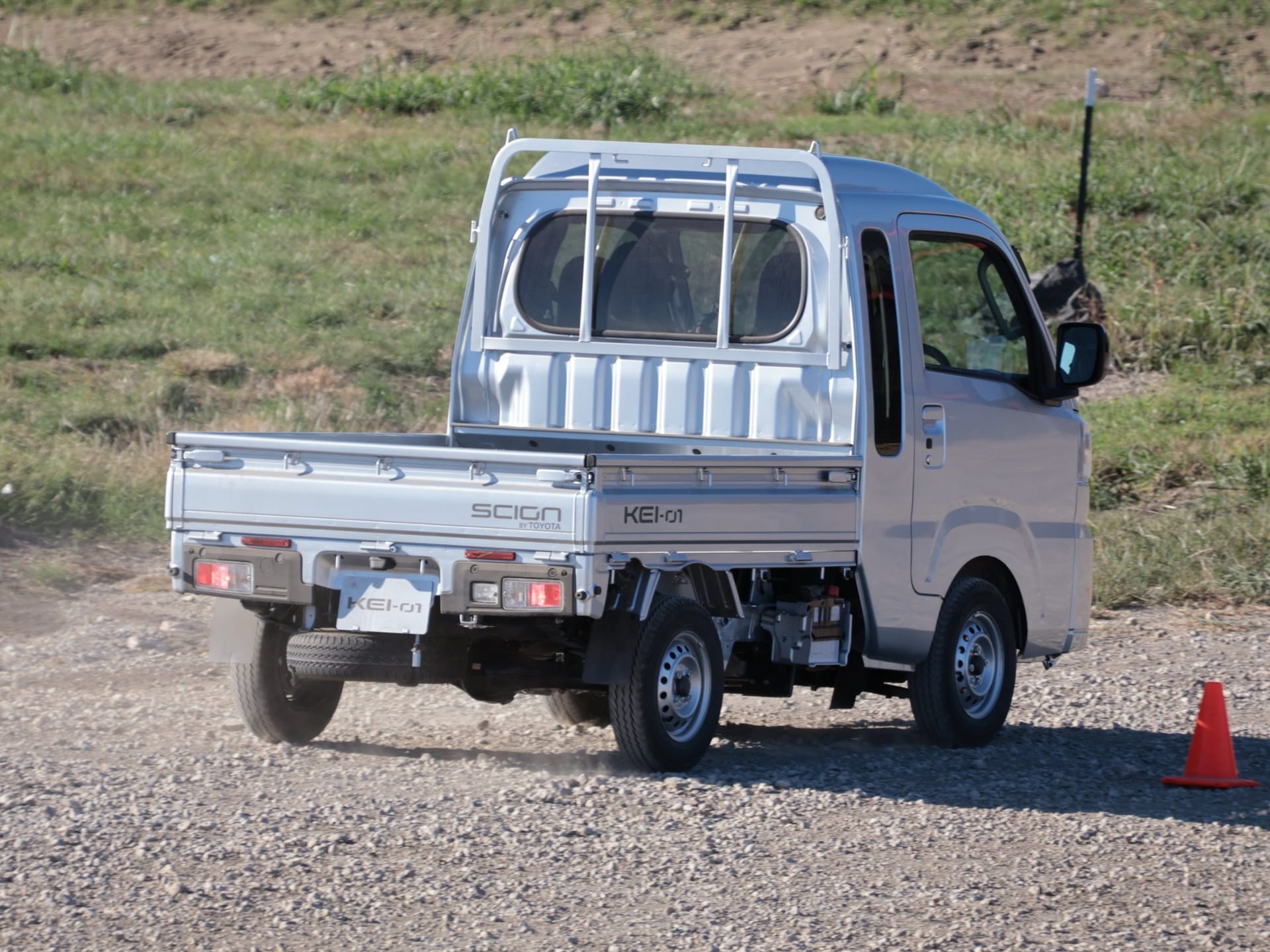
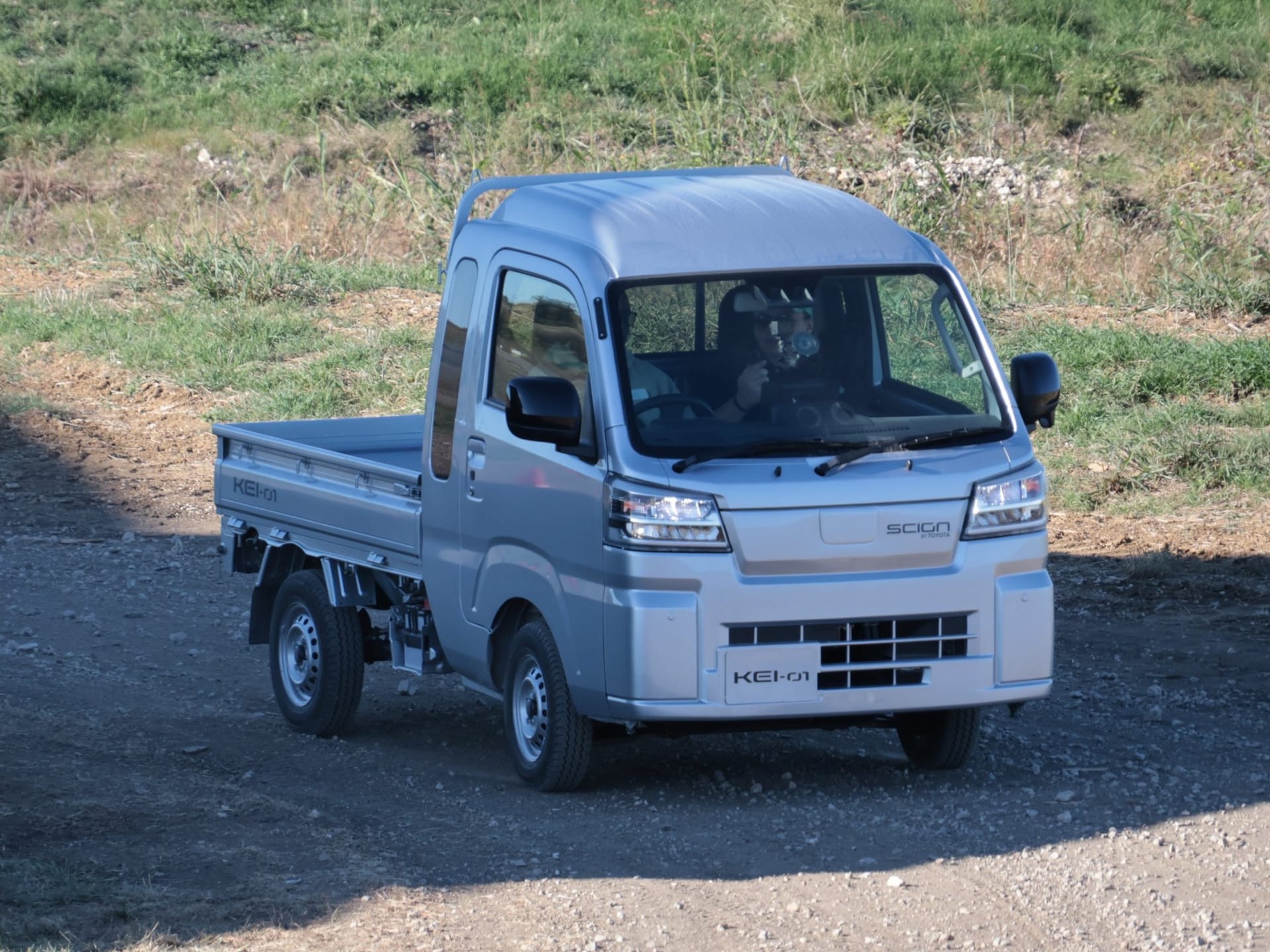
With Scion, Toyota will offer an official kei truck to American buyers for the first time, and you'll be able to legally register it and drive it. The Kei-01 is essentially a rebadged Daihatsu Hijet Jumbo (Daihatsu is a Japanese brand Toyota owns). Toyota selected the Hijet Jumbo for the U.S. market because its cab is slightly larger than most kei trucks, which typically end right behind the doors.
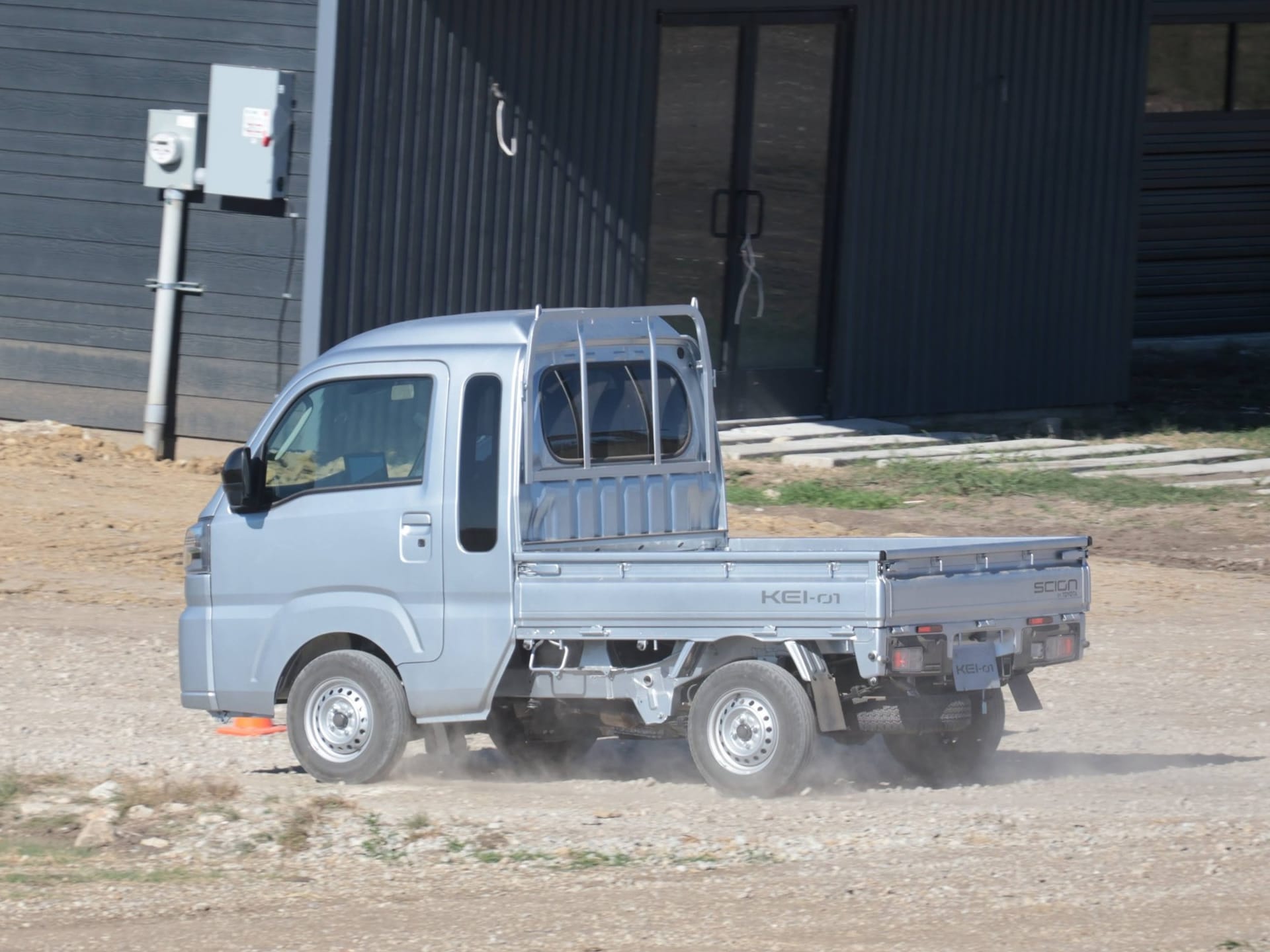
It’s a cab-over style, so the driver and passenger sit above the front wheels. The cab is longer than the standard Hijet's, and the roof sits higher. That leaves a bit more room for the seats to slide back and more headroom for taller drivers. I’m about 5-foot-11 and fit fine, as did my friend Andre Smirnov from the TFL Truck YouTube channel, who is 6-foot-3.
Reengineering a kei truck to meet typical Federal Motor Vehicle Safety Standards (FMVSS) would have cost a fortune for what's likely to be a niche vehicle. So Toyota chose a different path, certifying the Kei-01 to FMVSS 500, the requirements for low-speed vehicles such as golf carts and other light utility vehicles. The only notable change Toyota made was limiting the maximum speed to 25 mph.
What’s It Like?
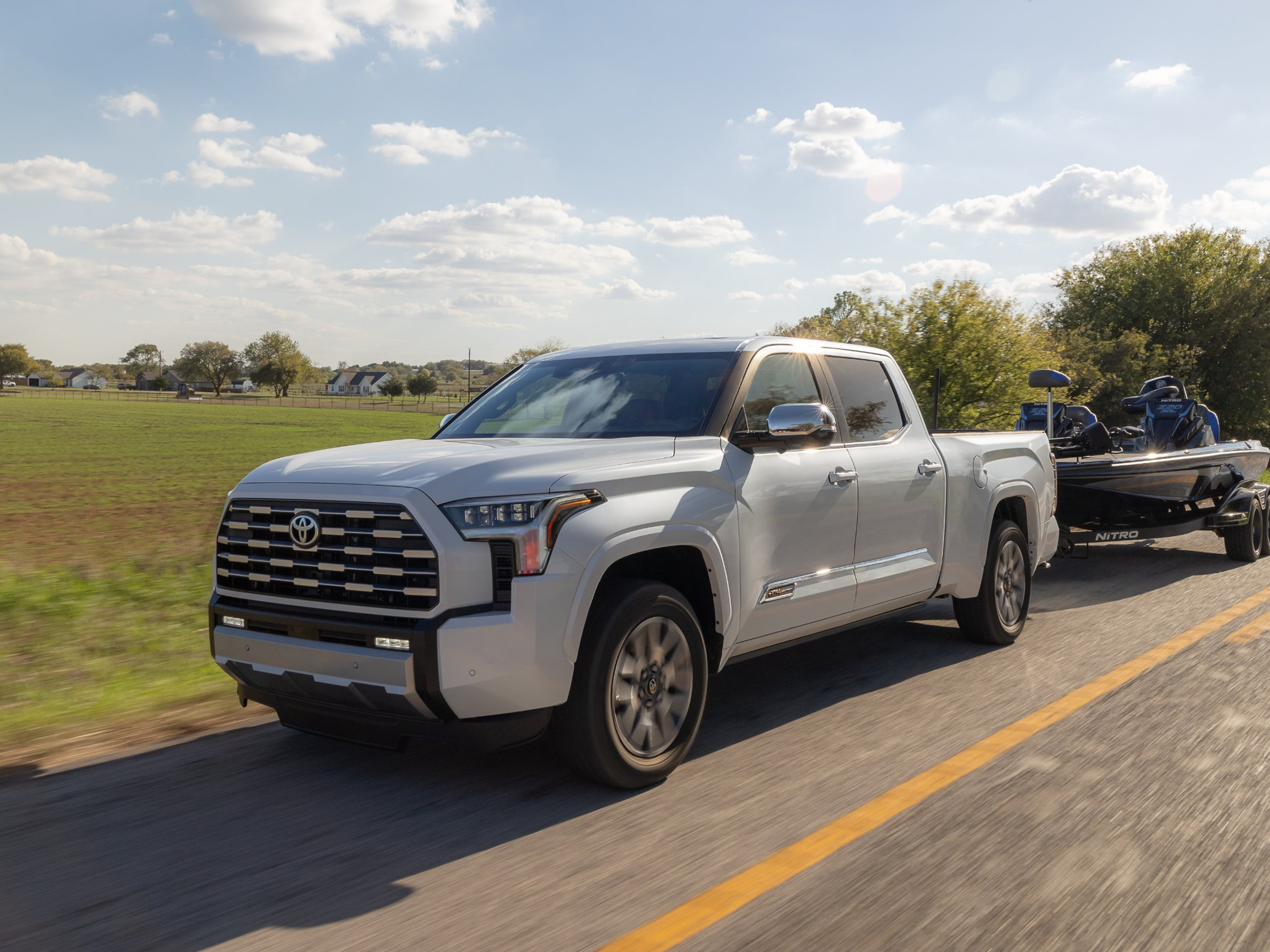
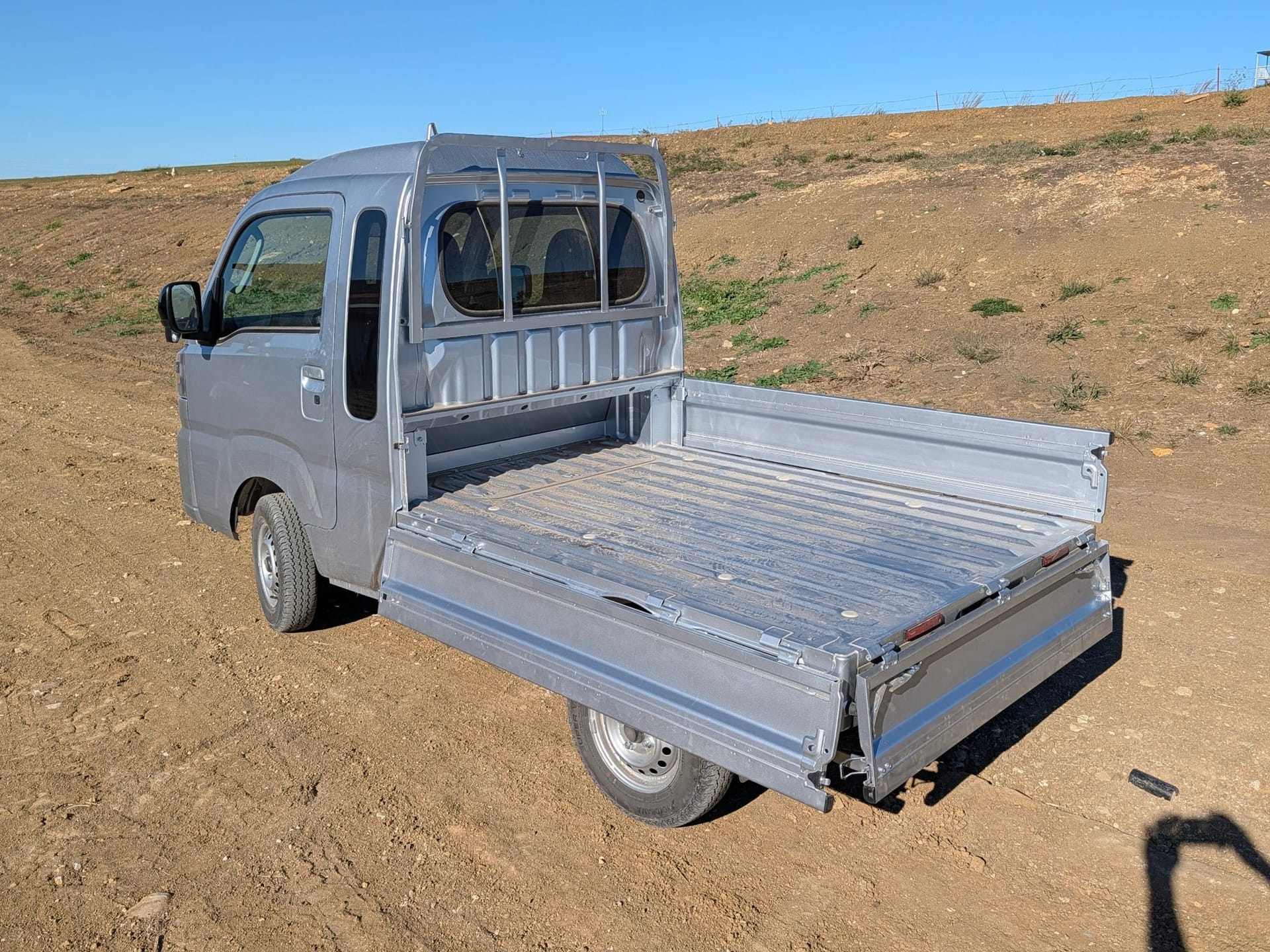
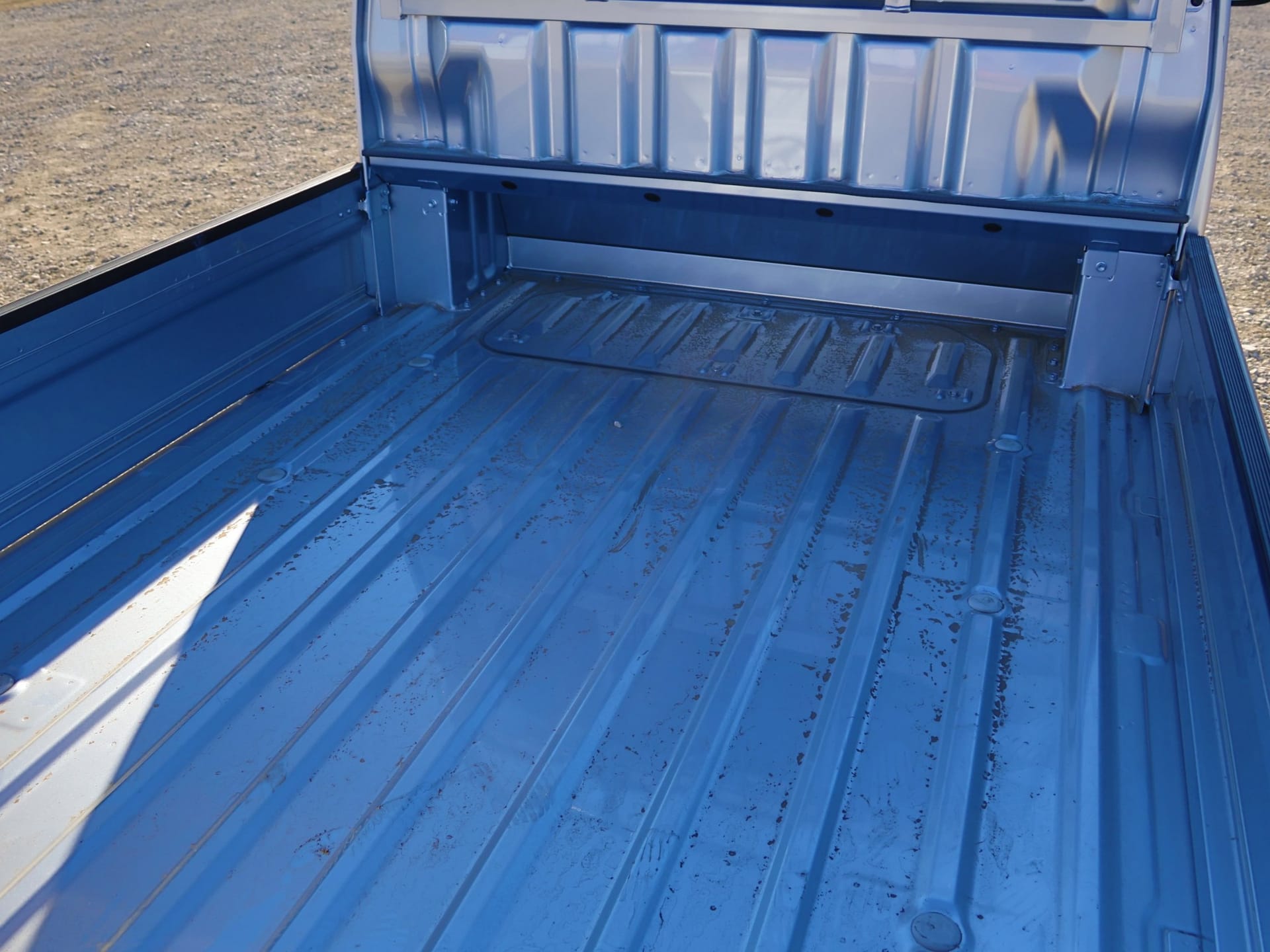
If you've never seen a kei vehicle in person, walking up to one for the first time is always a bit of a shock. Next to the Tundra pickups we also drove that day, the Kei-01 looked almost like a child’s toy. Despite that, this is a thoroughly useful vehicle. The flat-bottomed bed sits above the rear wheels and measures 78 inches long and 55 inches wide. For comparison, the Ford Maverick's bed is only 54.4 inches long and 53.3 inches wide, with just 42.6 inches between the wheel wells.
The Maverick offers a useful benchmark for how much utility Americans now expect from a small pickup, so see how Ford combines compact dimensions, hybrid efficiency, and available all-wheel drive ➜
Almost all kei trucks have an interesting detail: you can unlatch the bed sides and fold them down along with the tailgate to create a flatbed. Tie-down hooks run all the way around the outer perimeter of the bed sides, and the liftover height is just 24 inches for easy loading. Toyota hasn't released final specifications yet, but expect a payload of 600 pounds, with the naturally aspirated three-cylinder engine making about 45 horsepower.
How Does It Drive?
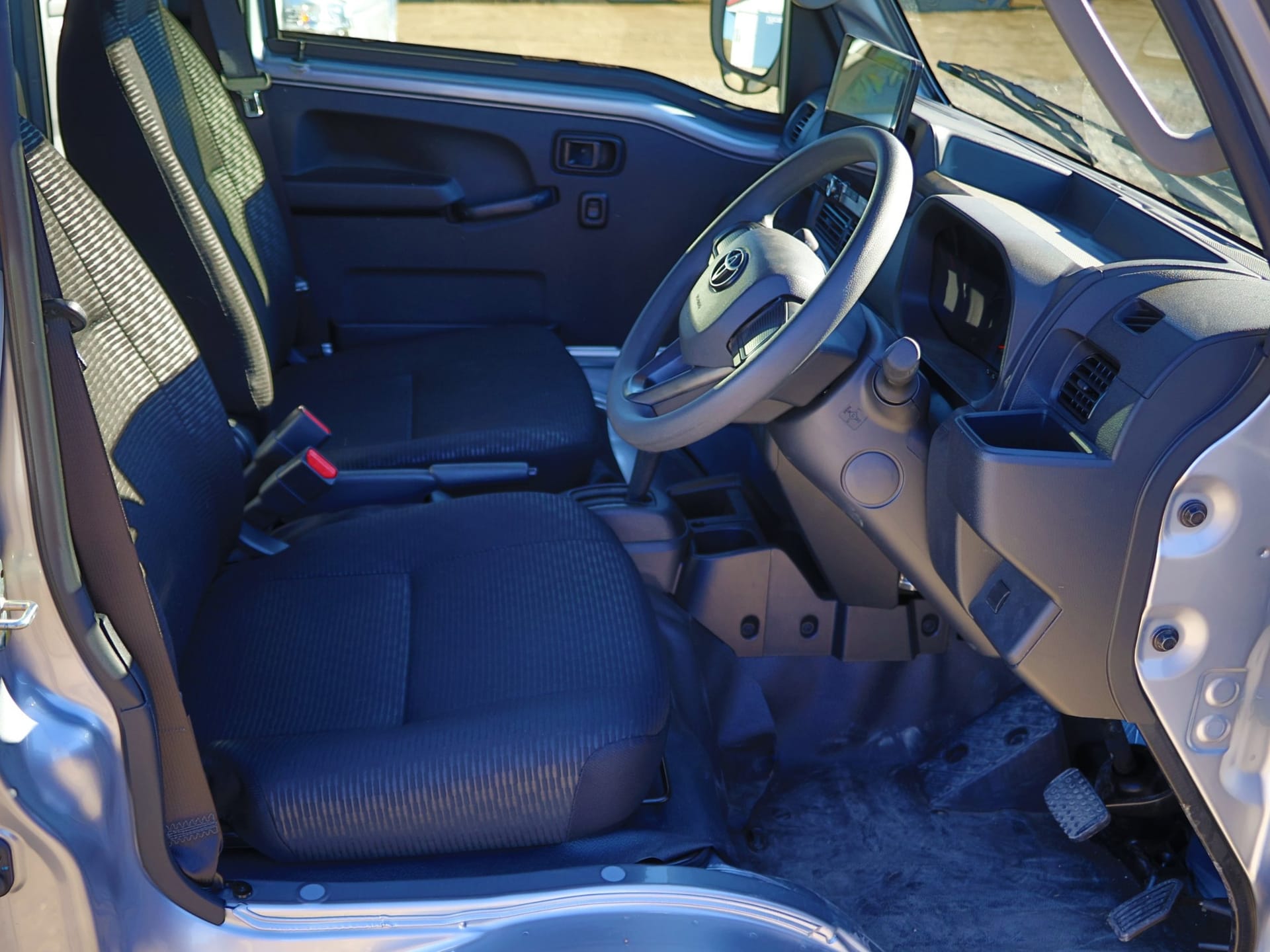
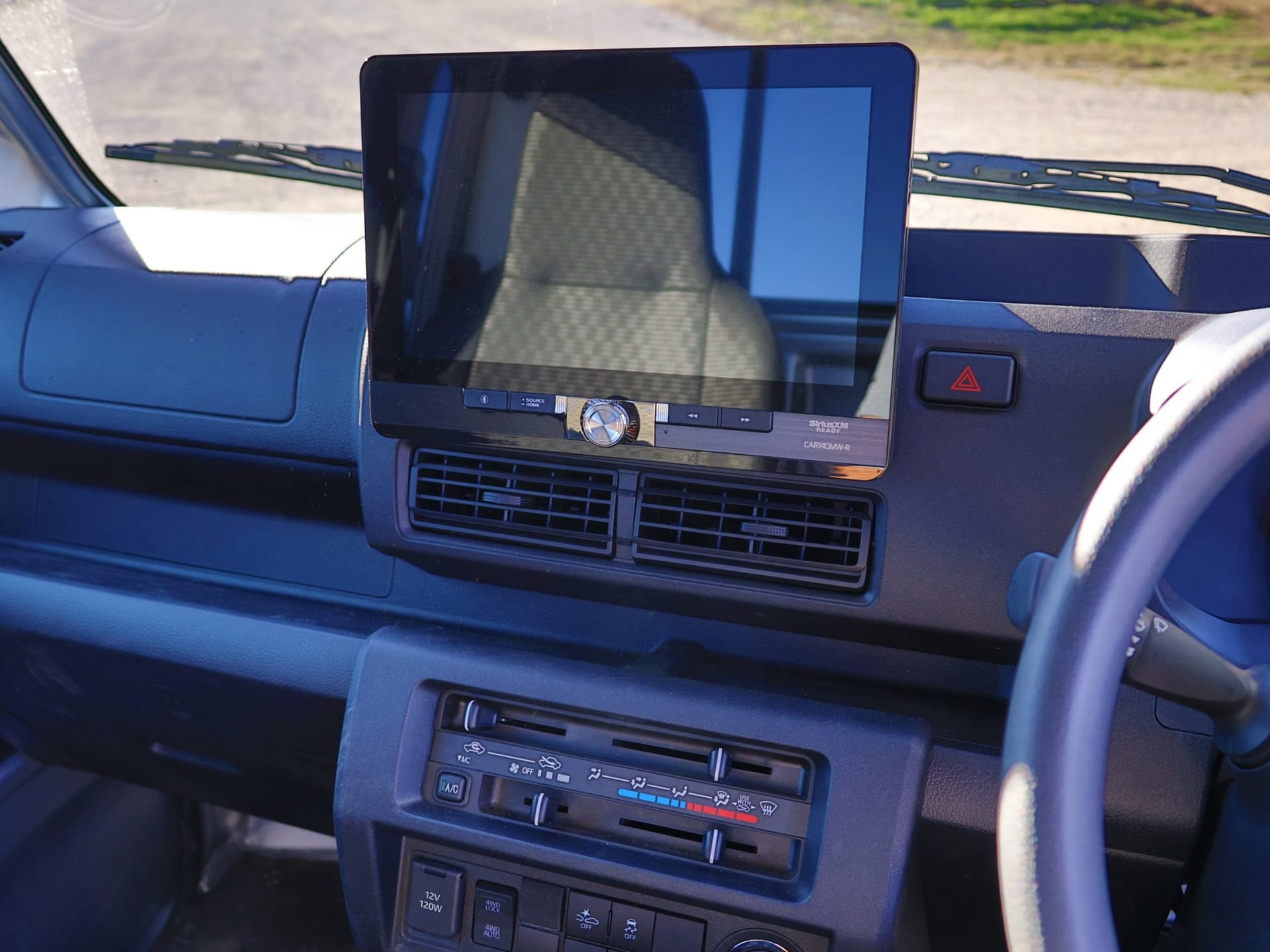
Many small utility trucks you'll find in commercial environments, closed communities, or college campuses are based on off-road side-by-side platforms. The Kei-01, on the other hand, is fully weather-sealed, with lights, wipers, power windows, air conditioning, an infotainment system, and a continuously variable automatic transmission. In Japan, the Hijet comes with either rear- or all-wheel drive, but the U.S. will only get all-wheel drive. And since it's a largely unmodified Japanese vehicle, the steering wheel sits on the right.
I drove the Kei-01 on a gravel trail at the Eagle’s Canyon Raceway, northwest of Dallas. The trail felt like something you'd find on a farm or ranch, with some hills to descend and climb. Forty-five horsepower might not sound like much, but the Kei-01 only weighs about 1,700 pounds (not including me), and it had no problem at all climbing the hills.
It’s also a surprisingly fun little vehicle to drive. With a wheelbase of just 74.8 inches, it’s shockingly maneuverable. The engine sits mid-mounted below the cab and the front of the bed, which helps keep the center of gravity relatively low. That said, you won’t want to take this on a racetrack with its 145/80R12 tires.
When Can We Get One?
Toyota will begin assembling the Kei-01 in the second half of 2027 at its Indiana assembly plant, which currently produces the Highlander, Grand Highlander, Sienna, and Lexus TX. Workers there will assemble the trucks from knock-down kits of parts shipped from Japan, adding about 50 jobs to the plant.
Toyota hasn't announced pricing yet, but the Kei-01 will surely cost more than importing a 25-year-old example. However, those old trucks have little or no parts support or warranty coverage, and many places won't let you register them. Sure, you can’t take the Kei-01 on the highway, but at 25 mph, it can get around cities pretty easily. If Toyota can keep the price under $20,000, and preferably under $15,000, Scion could make its return with a hit.
The KEI-01 is part of a broader push toward smaller, less expensive trucks, so see why compact pickups are becoming one of the most interesting parts of the truck market ➜




 Announcements