
Fast Facts | Toyota's New Battery Test Lab
📍Location: On the campus of Toyota's technical center in Saline, Michigan, next door to its Collaborative Benchmarking Center
🏭 Size and Cost: 30,000 square feet of space that cost over $50 million to construct
🔋Testing: Individual cells, modules, and full battery packs, plus raw materials Toyota sources directly or through supplier partners
🧑🔬 Chemistry: Toyota is interested in nickel manganese cobalt (NMC) and lithium iron phosphate (LFP) cells, plus solid-state batteries it plans to launch in 2027 or 2028
〽️ Partner: The University of Michigan Electric Vehicle Center, of which Toyota is a founding partner, will use the lab to help train the next generation of engineers
Battery Development Moves Closer to Home
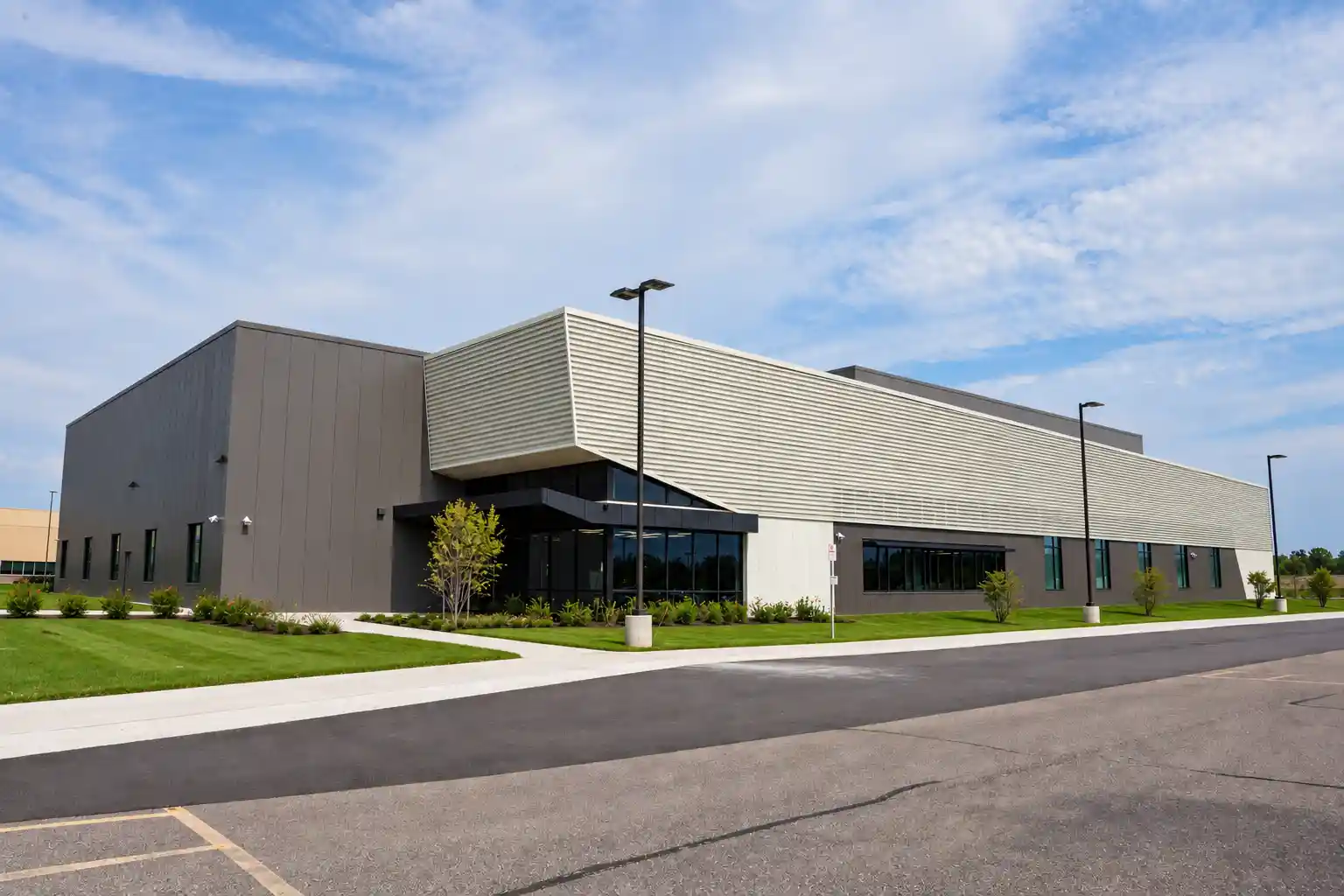
Last week, Toyota opened the Toyota Battery Center of North America on its technical center campus in Saline, Michigan. That makes it at least the third major automaker battery development and testing lab in the state, along with General Motors' Wallace Battery Cell Innovation Center in Warren and Ford’s Ion Park in Romulus. Michigan is also home to a more modest facility at the Hyundai America Technical Center, the UL Solutions battery lab, and the University of Michigan Battery Lab. Given where EV sales are right now, this might seem like an overabundance of testing labs. Why so many?
EVs Aren't the Only Vehicles That Use Batteries
EVs make up about 6 percent of the US market right now, but hybrids account for over 15 percent of US sales, and plug-in hybrids account for about 1.5 percent. EV sales may be modest at the moment, but they won’t stay that way forever, and most future vehicles are expected to have high-voltage batteries.
Toyota’s battery needs extend well beyond pure EVs, so see how different hybrid architectures use electric motors and high-voltage batteries in different ways ➜
For Toyota, that day is already here. Electrified vehicles accounted for 57.4 percent of its US sales through September 2026. Except for sports cars, every Toyota and Lexus vehicle offered here now has a hybrid powertrain, either as an option or as standard equipment. The RAV4, Camry, Sienna, and Prius all come standard as a hybrid. Toyota's EV sales are also up nearly 170 percent over last year, and more electric models are on the way, including the new Highlander and Lexus TZ.
Built Here, Tested Here
Many of Toyota's most popular vehicles are engineered primarily in North America for this market, and they increasingly rely on domestic battery supplies. In November 2025, Toyota opened its first North American battery factory in Liberty, North Carolina. It's already supplying hybrid batteries and will supply EV batteries too when the Highlander launches.
The new Saline lab spans 30,000 square feet and cost $50 million to construct. Having testing facilities close to where batteries, materials, and vehicles are produced and sold is crucial. In addition to testing individual cells, modules, and full battery packs, the lab also tests some of the raw materials Toyota sources directly or through supplier partners.
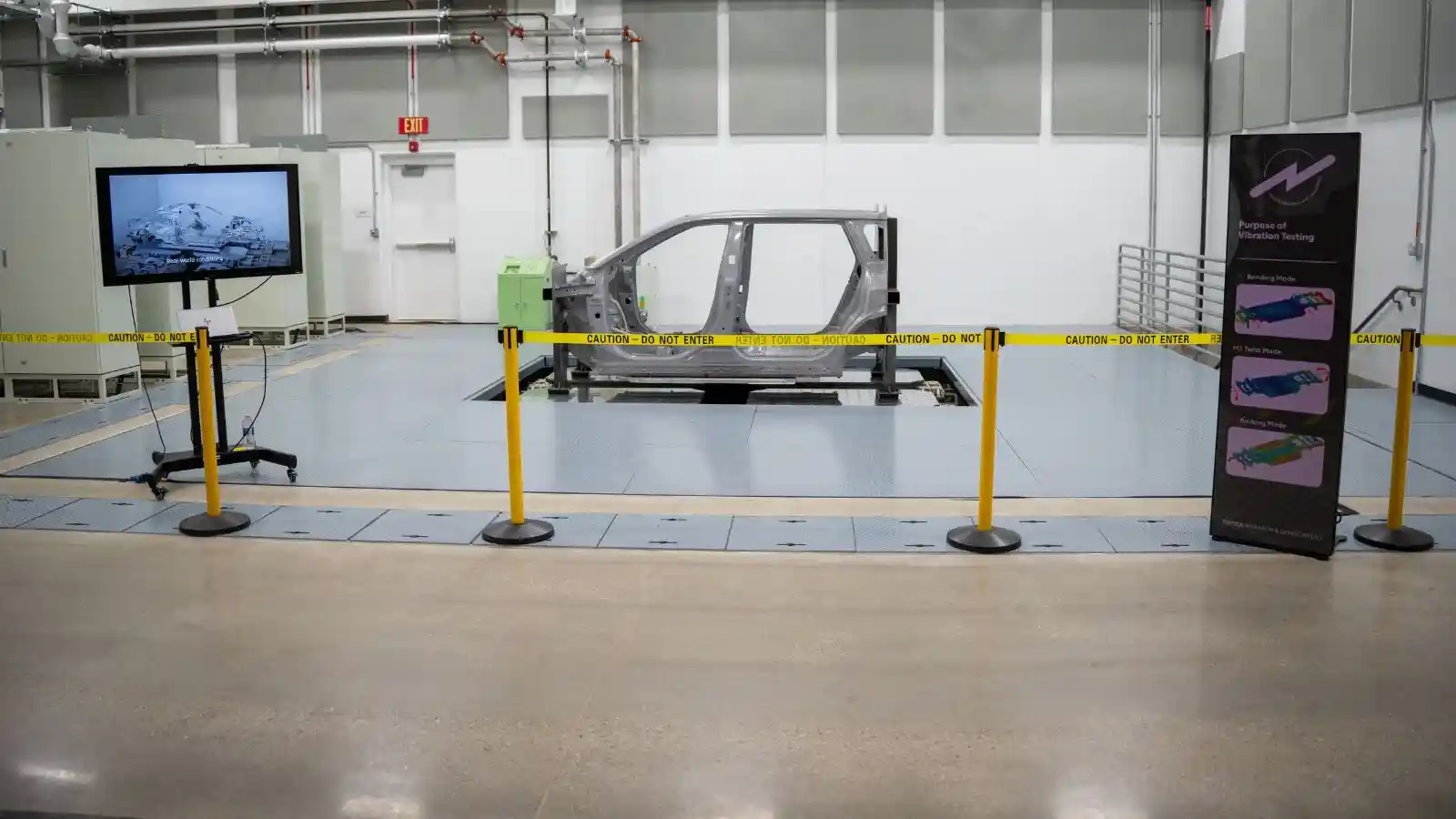
The lab contains a variety of equipment, including thermal chambers for testing batteries across a range of temperatures, vibration rigs, and cycling equipment to simulate charge and discharge cycles for individual cells, modules, and full battery packs.
Safety regulations prevent cells and batteries from being flown overseas, so they must be shipped by boat. That makes testing in Japan impractical. A local lab allows development to proceed more quickly, and it lets Toyota bring in batteries from customer vehicles for analysis if a problem arises in the field.
What's Next in Battery Tech
Like GM and Ford, the Toyota lab will test new cell chemistries and form factors. Toyota is noncommittal on whether it will follow GM and Ford in developing lithium manganese-rich (LMR) cells, but it's definitely interested in current nickel manganese cobalt (NMC) and lithium iron phosphate (LFP) cells. LFP generally costs about 30 to 40 percent less per kilowatt-hour than NMC, but it also has about 30 percent less energy density. According to GM and Ford, LMR achieves nearly the same energy density as NMC at close to the cost of LFP.
LFP, NMC, and solid-state designs each trade cost, energy density, durability, and performance differently, so compare the major EV battery chemistries and what each one does best ➜
Toyota is definitely interested in solid-state batteries (SSBs), which replace the liquid electrolyte inside a cell with a solid material, typically a ceramic. Many companies are pursuing this technology for its claimed safety improvements and higher energy density, but most have struggled with both cell durability and scaling up manufacturing. Toyota claims it will launch SSBs by late 2027 or 2028, although it hasn't said anything about volumes or cost. The expectation is that SSBs will appear first in a low-volume model, which could be the new electric Lexus LFA arriving around that time.
Training the Next Gen
The new lab sits adjacent to Toyota’s Collaborative Benchmarking Center, where the automaker works with suppliers to tear down competitors’ vehicles for evaluation. The battery lab will also be used to benchmark competitors' products.
Toyota is also opening some of its testing facilities to the University of Michigan Electric Vehicle Center, of which it is a founding partner. Working in the Toyota lab will help the university train next-generation engineers and, hopefully, validate the work of some of its advanced researchers.
EVs may not be flying off American dealer lots today, but automakers doing business in the U.S. can’t afford to sit still with current battery technology. The rest of the world is buying EVs, and any company that isn’t reaching for the leading edge of battery technology is going to get left behind.
More on Toyota’s Battery and Hybrid Future
New Hybrid Car Tech Is Coming: Toyota’s Next Wave of Innovation
Toyota’s next-generation hybrid systems show why battery and electric-drive development still matters even when there is a gasoline engine under the hood.
Read More ➜
Automakers Accelerate U.S. Hybrid Plans as Sales Reach Record Highs
Toyota is not alone in leaning harder on batteries outside pure EVs as automakers expand hybrid offerings to meet changing U.S. demand.
Read More ➜
The Future of EV Batteries: What’s Next?
Solid-state cells, lower-cost chemistries, recycling, and new materials provide a broader look at the technologies facilities like Toyota’s new lab are built to evaluate.
Read More ➜