



 Reviews
Toyota's 2026 bZ Finally Gets It Right
Toyota's revamped electric SUV gets upgrades in performance, charging speeds, and interior design, but still lacks one crucial EV feature.
Sam Abuelsamid7 min read

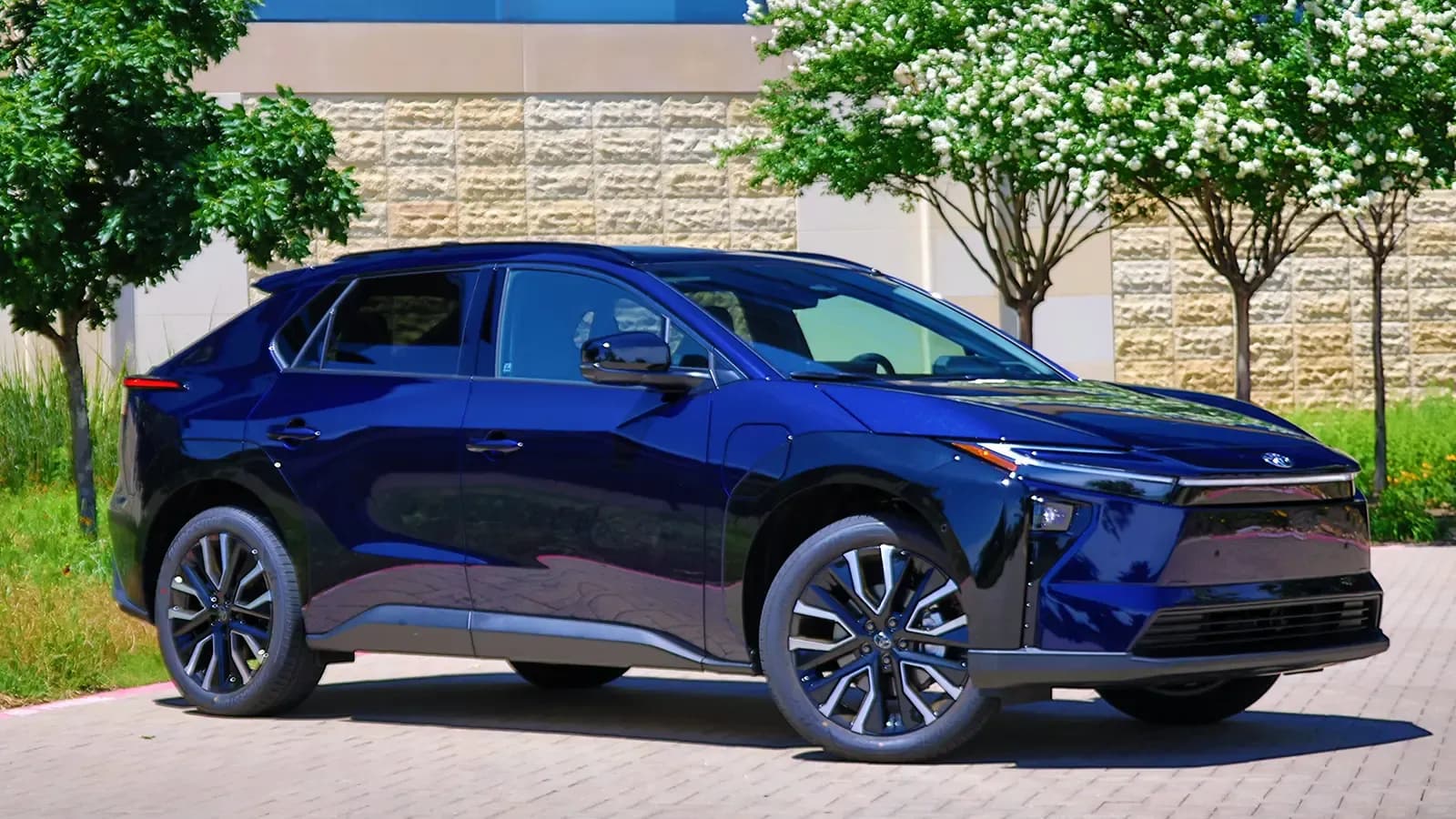
Toyota's reworked electric crossover fixes nearly everything that held back the BZ4X, with more range, quicker charging, and a much better cabin.
When Toyota finally realized it probably wasn’t going to sell enough hydrogen fuel cell-powered Mirais to compete in the zero-emission vehicle market, it partnered with Subaru to develop an electric crossover. The bZ4X and its Subaru-badged twin, the Solterra, went on sale in 2022 and thoroughly underwhelmed almost everyone.
So Toyota and Subaru went back to the drawing board. After just three years, they'd addressed at least all the biggest complaints, starting with the name, which has been shortened to just bZ. After short introductory drives last year, I finally got to spend a week with the bZ, and I can genuinely recommend it.
It’s been said of aircraft that if they look right, they’ll generally fly right. The bZ4X looked awkward from the moment Toyota pulled off the silk, and that translated into most of the experience.
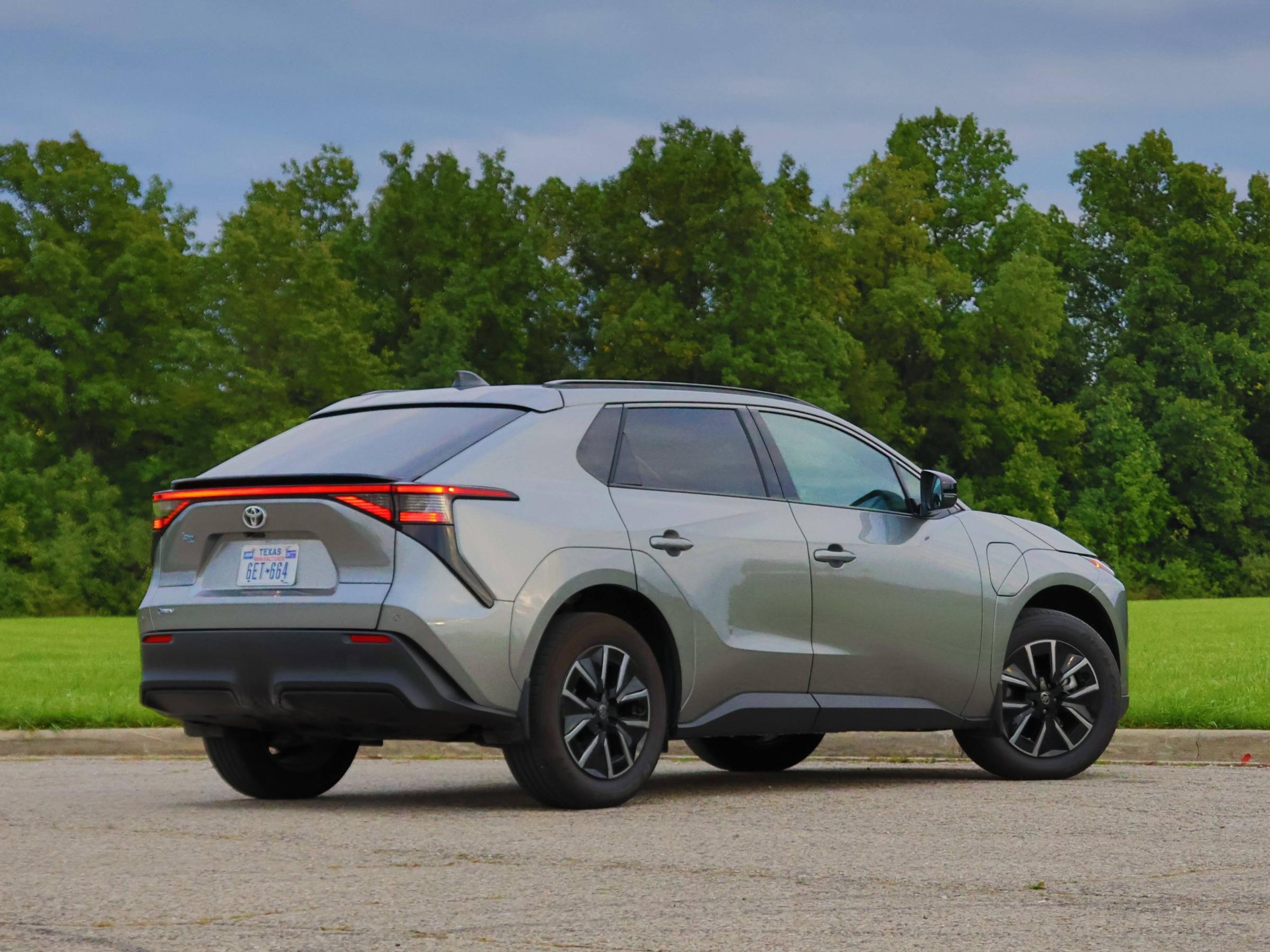
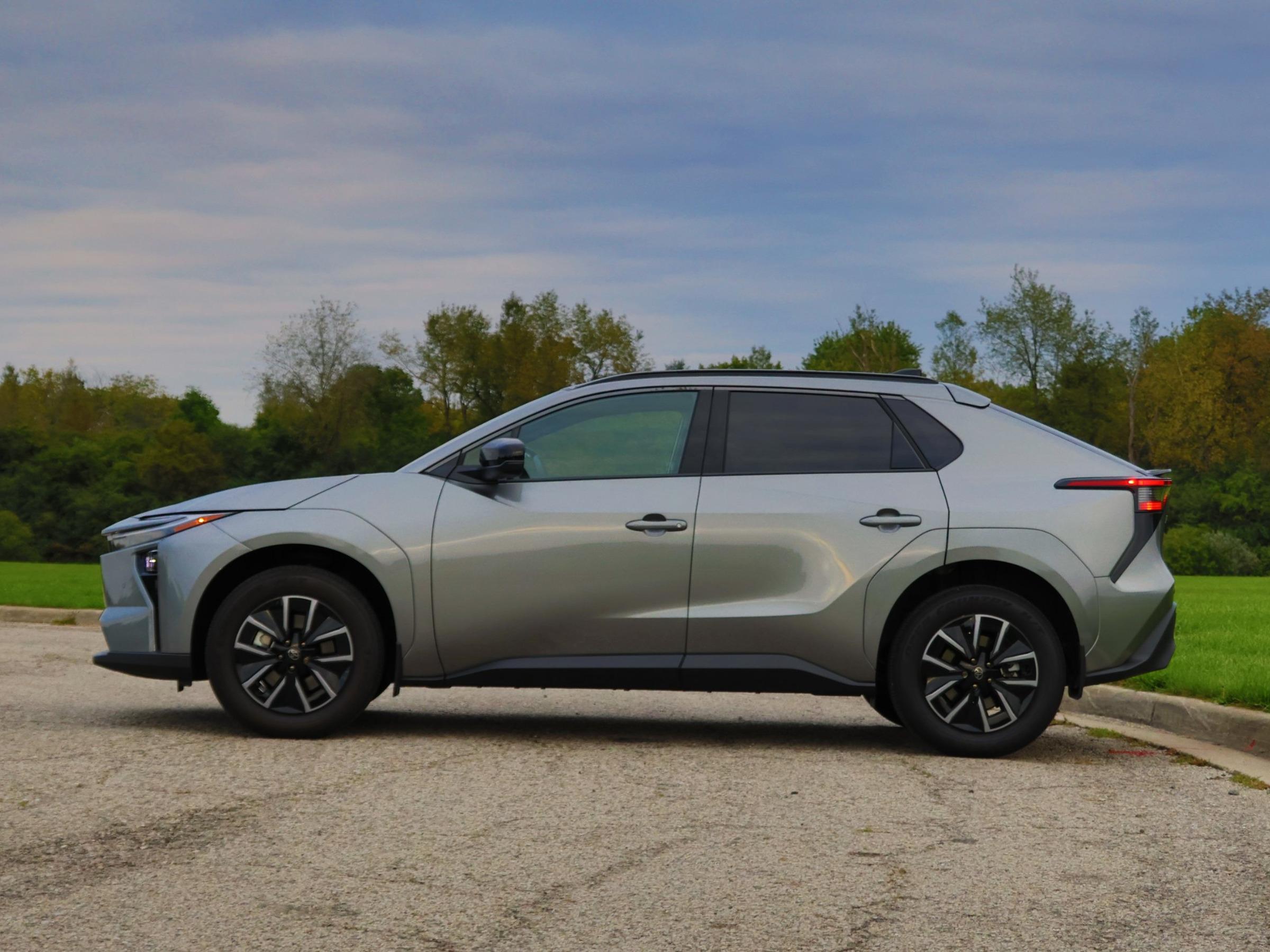
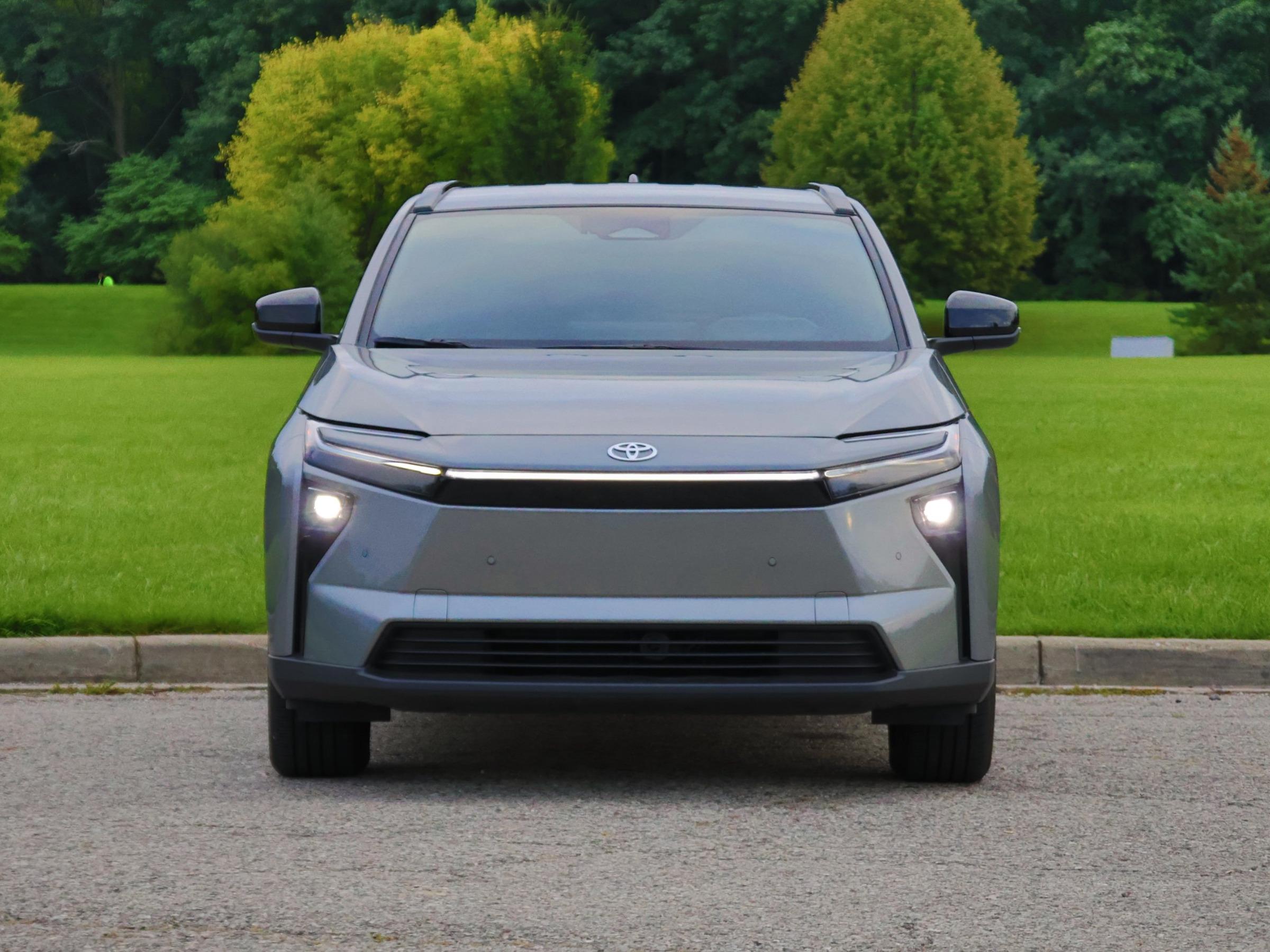
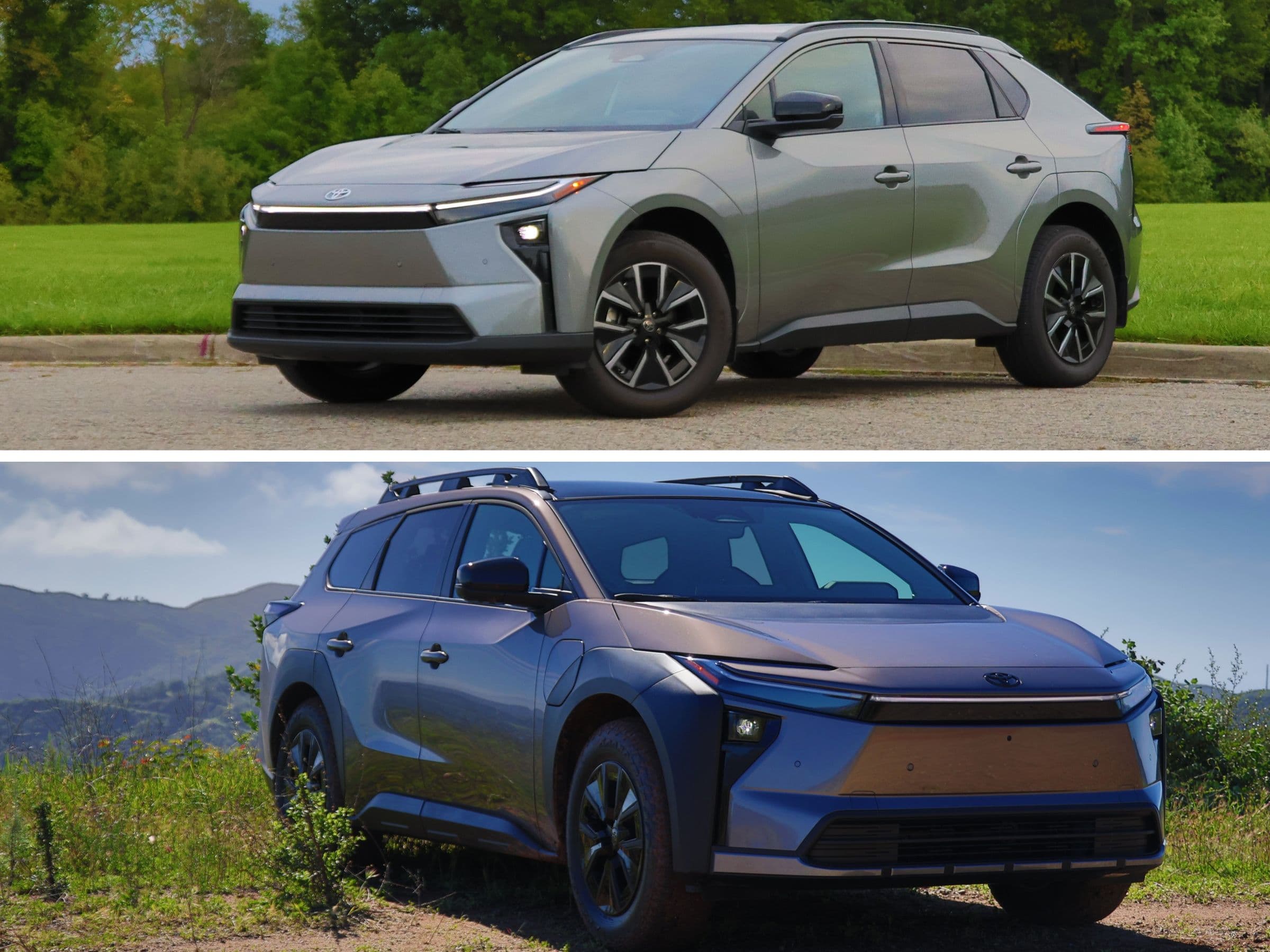
Most of the sheetmetal is unchanged for the latest edition, but it looks much more refined now, especially in white, black, or the Heavy Metal grey of my test car. Those colors now have body-colored fender arches that look much cleaner, and Toyota's signature “hammer-head” driving lamps look better too.
The exterior changes are a definite improvement, but most owners will spend a lot more time living in the cabin than staring at the outside. Here, Toyota took an even bigger step forward.
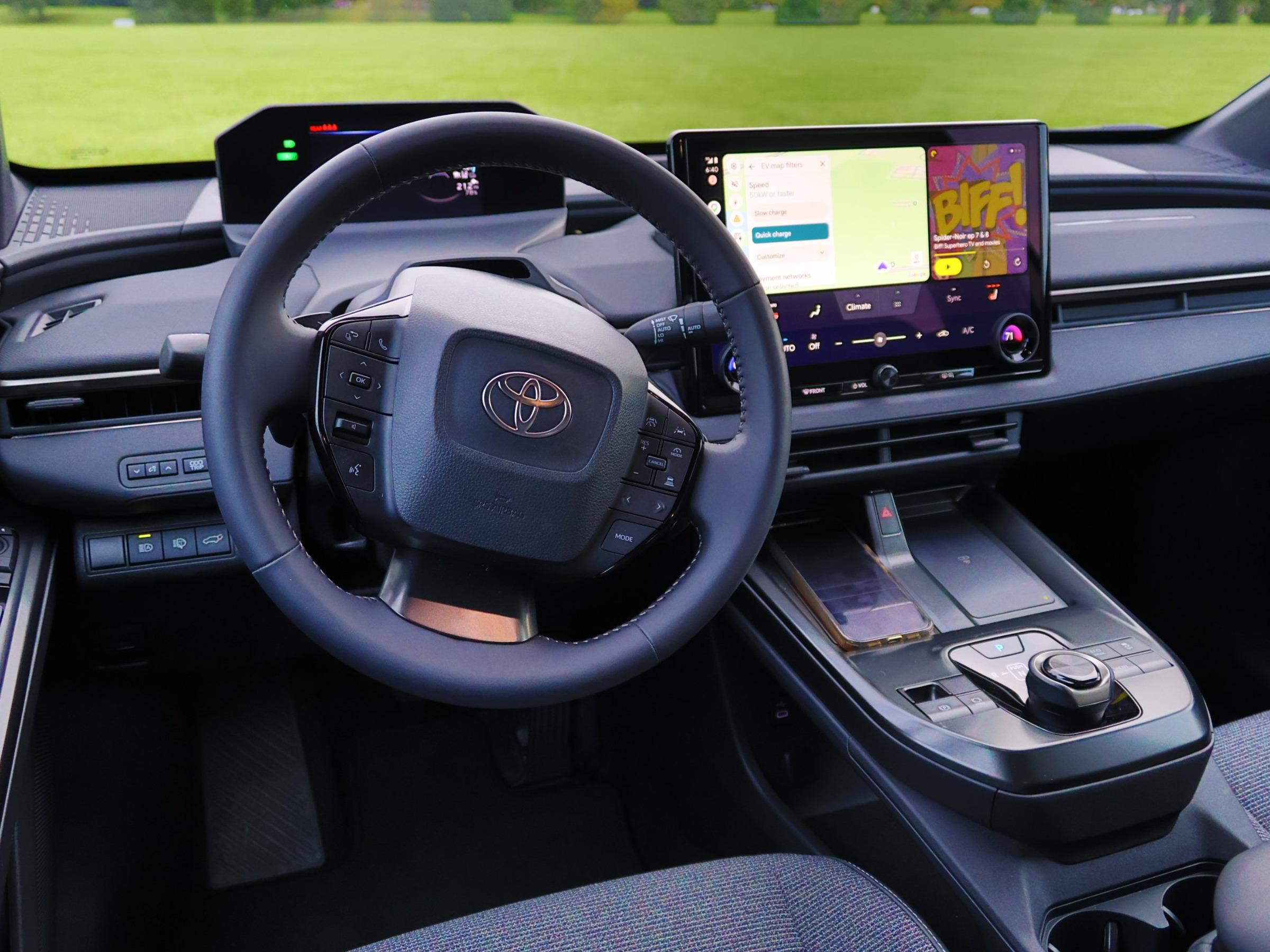
The modest 7-inch instrument cluster display near the base of the windshield is still there, but it's now mounted several inches higher. In the bZ4X, the steering wheel cut through the lower half of the display for almost all drivers, making it essentially useless. In its new position, it’s closer to being a viable replacement for a head-up display.
The center touchscreen has grown to 14 inches and sits a bit higher, and there are more physical controls, including a volume knob, two larger knobs for the dual-zone climate control, and buttons for the defoggers. Toyota also cleaned up the entire dashboard and console design. The vents are still manually controlled, as they should be, and below the center vents sit two Qi wireless charging pads as standard equipment.
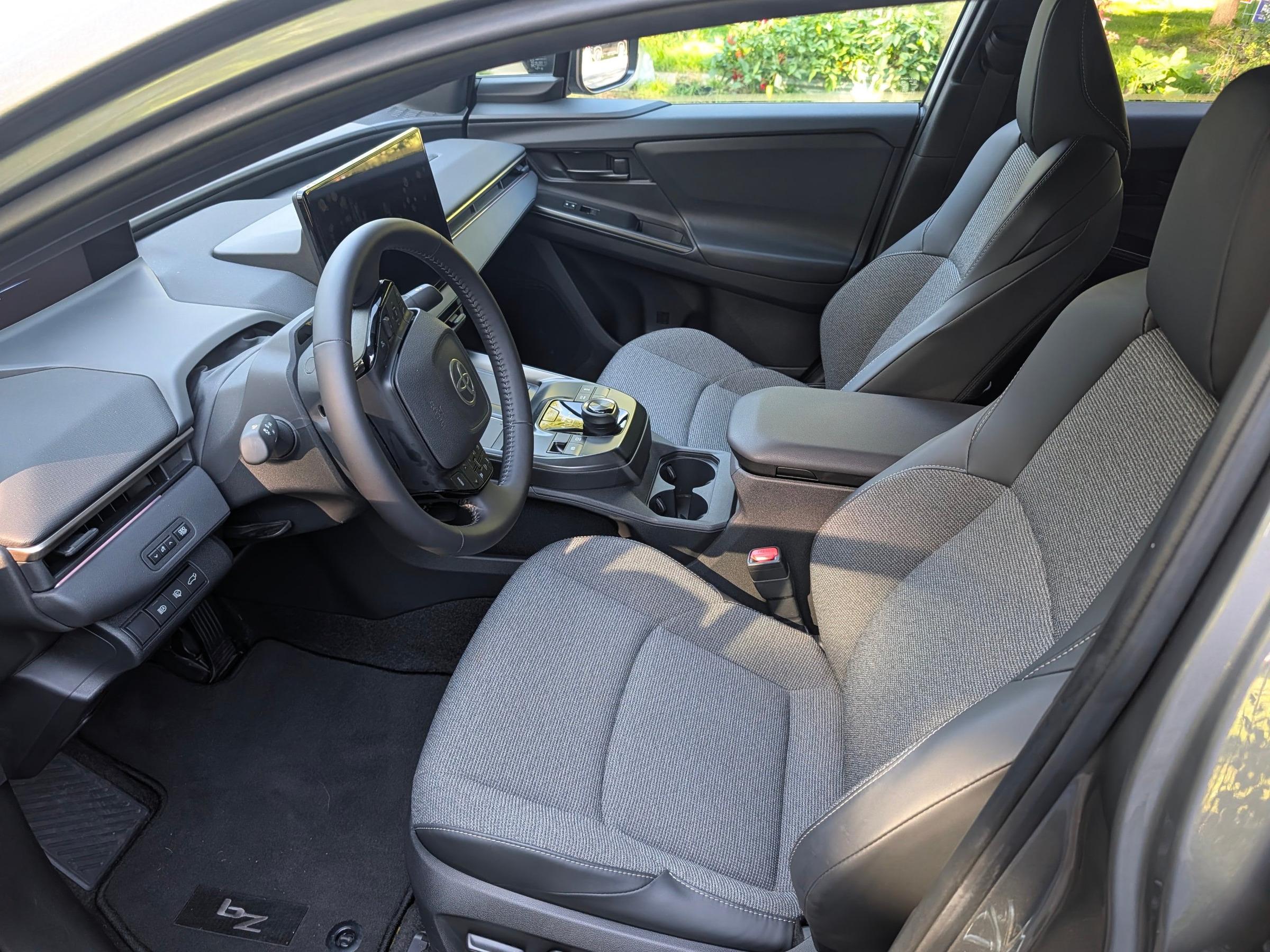
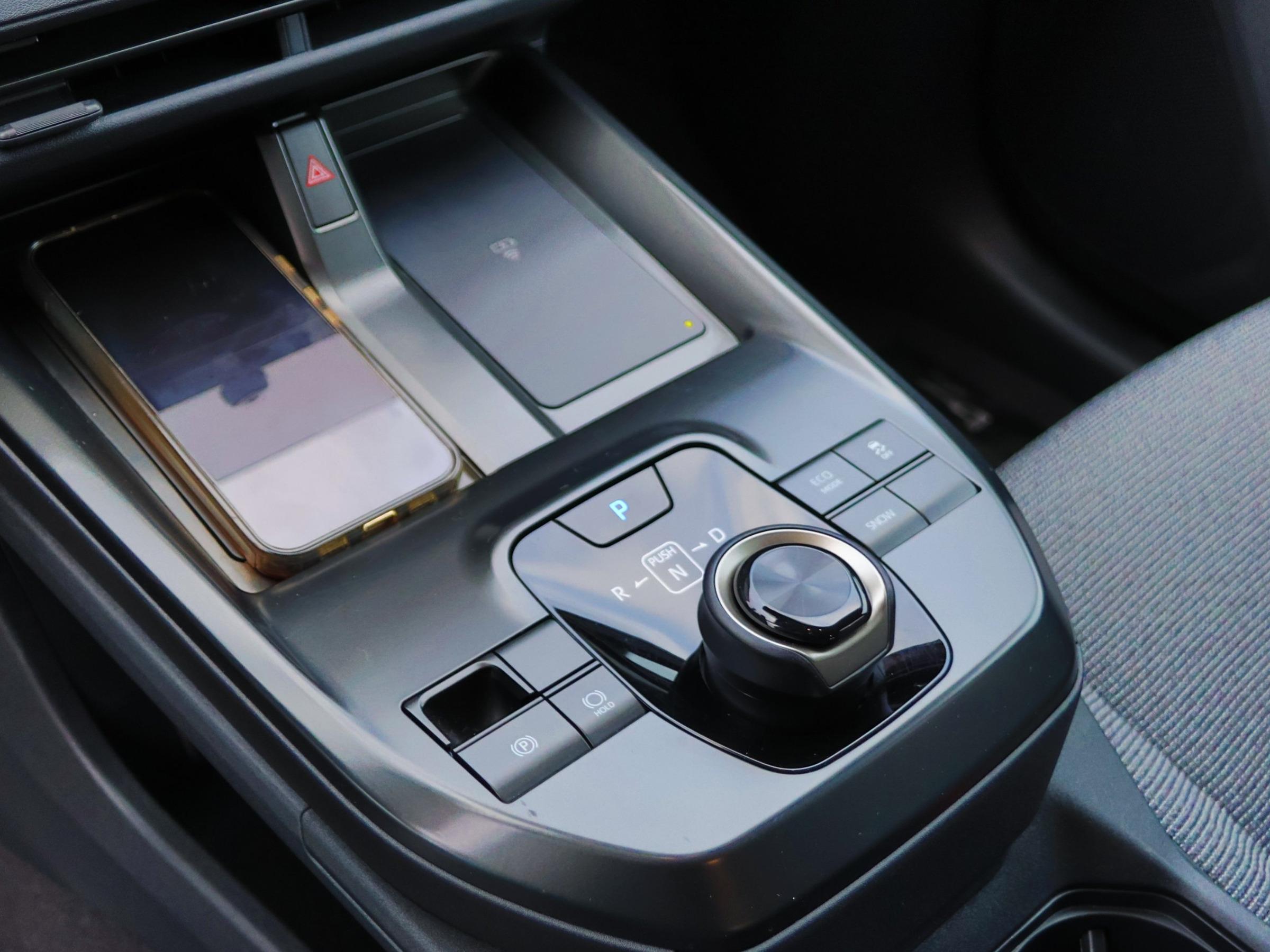
On either side of the still-kind-of-weird gear selector, you'll find more buttons for drive modes, traction control, auto hold, and the electric parking brake. There’s storage for purses and other items below the console. Like some other recent Toyotas, the center armrest hinges on both sides, so the driver and passengers can both get into the storage bin easily. Toyota's multimedia system works fine and is relatively easy to use, and the bZ supports wireless Apple CarPlay and Android Auto.
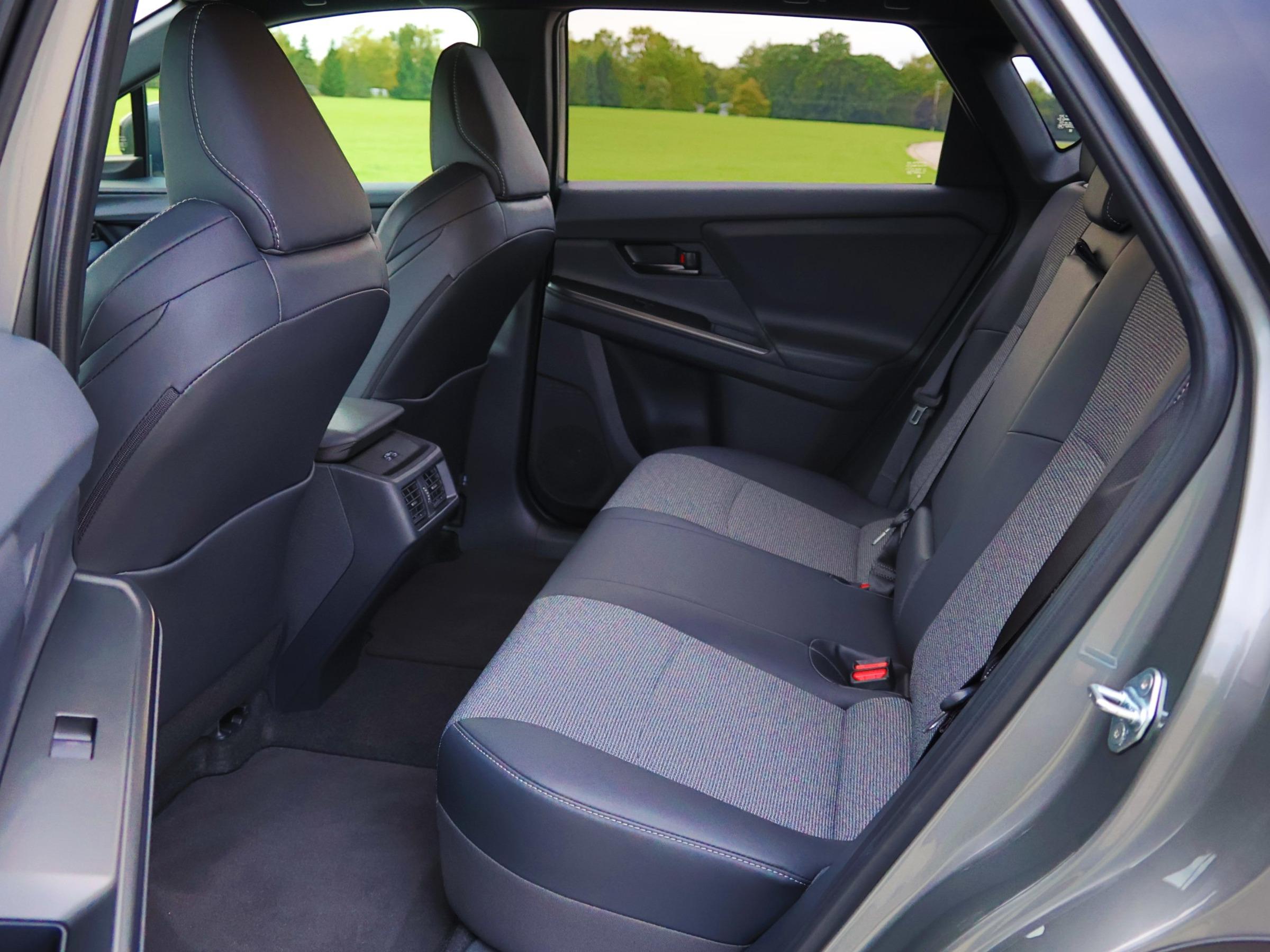
The bZ comes in two trims: the top Limited and the base XLE I drove. Both have nice materials across all the major surfaces and feel more upscale than the hard plastics in the RAV4. The Limited gets full SofTex seat trim, while the XLE mixes SofTex with an attractive, durable-looking fabric. The back seat has ample head- and legroom for two large adults, or three if they aren’t too broad-shouldered.
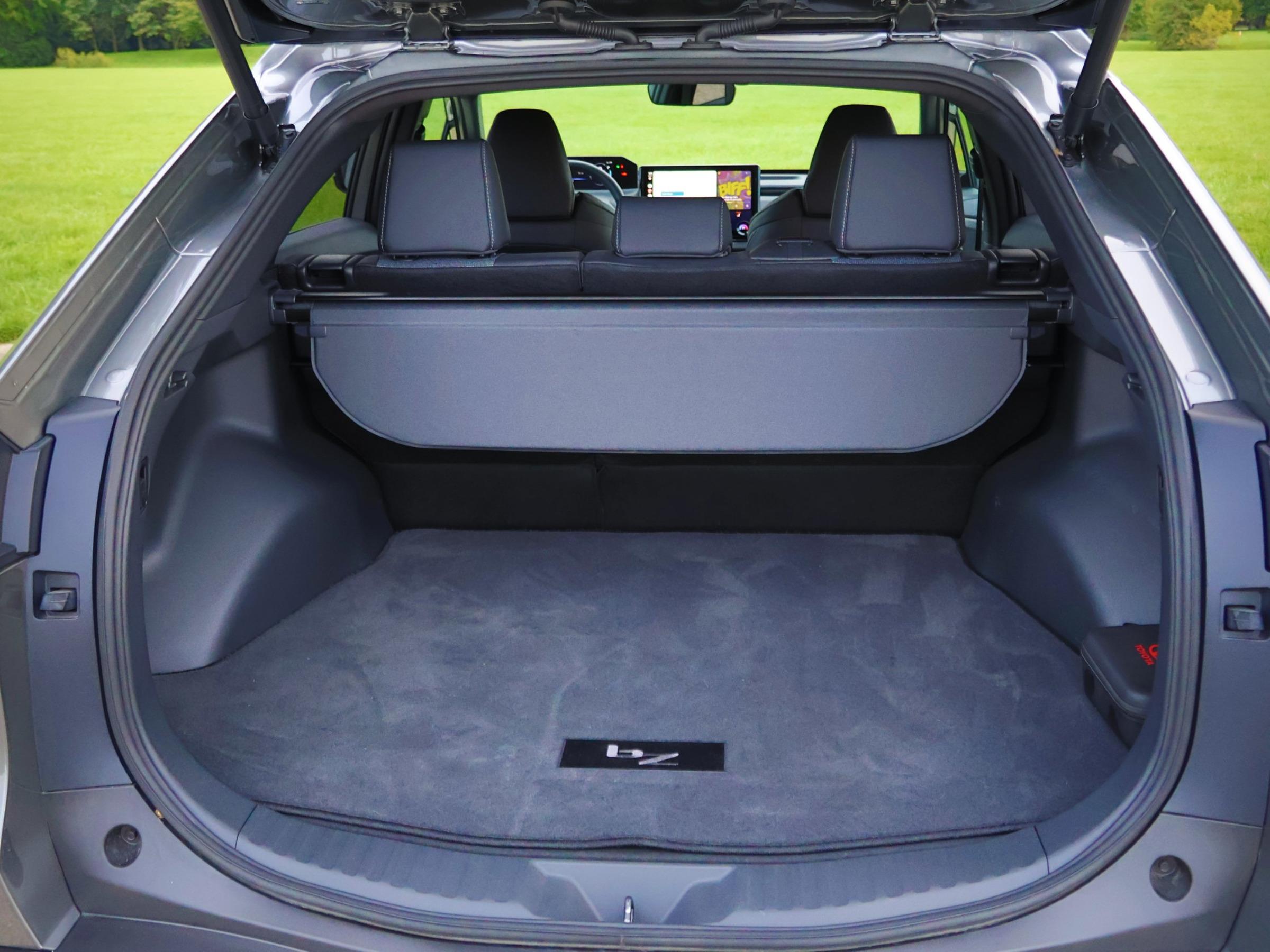
The cargo area is also quite ample at 27.7 cubic feet, and there’s extra storage below the floor for miscellaneous items like charging cables and adapters. Since Toyota bundles the electronics and motor up front, there's no frunk.
The bZ also switched from a CCS charging port on the left front fender to a J3400/NACS port on the right, and Toyota bundles both AC and DC adapters for J1772 and CCS cables. Moving the port allows drivers to nose into Tesla V3 Supercharger bays and still reach the port with Tesla's short cables.
Toyota now uses NACS natively while including adapters for older charging standards, so see how NACS, CCS, J1772, and EV charging adapters work together ➜
The most important thing Toyota and Subaru fixed is the efficiency of the bZ's powertrain. Toyota incorporated more efficient silicon-carbide switches into the power electronics, redesigned the motors and a lot of other ancillary bits, and revamped the battery pack.
The base XLE's 57.7-kilowatt-hour battery gets you the lowest entry price but delivers only 236 miles of EPA-estimated range. For just $3,000 more, the XLE Plus brings a 74.7-kWh battery with an EPA-estimated 314 miles of range with FWD.
The difference between 236 and 314 miles shows why shoppers need to compare the exact battery and trim, so see how to evaluate EV range beyond the headline number ➜
That's the version I drove, and it’s really the sweet spot for the bZ. Its 221 horsepower is 20 more than the bZ4X had, and that's plenty for a vehicle that isn’t a sports car. It'll easily chirp the wheels, even on dry pavement. Adding a rear motor brings the total to 338 horsepower, which is probably more than the bZ needs, but the extra driven wheels can be useful in nasty weather.
One detail I’m not fond of is Toyota’s approach to regenerative braking, and this applies to Nissan too. The Japanese automakers have moved away from one-pedal driving. You can adjust the amount of regen with the steering wheel paddles, but even at maximum, you’ll still have to step on the brake pedal at about 5 mph to come to a full stop.
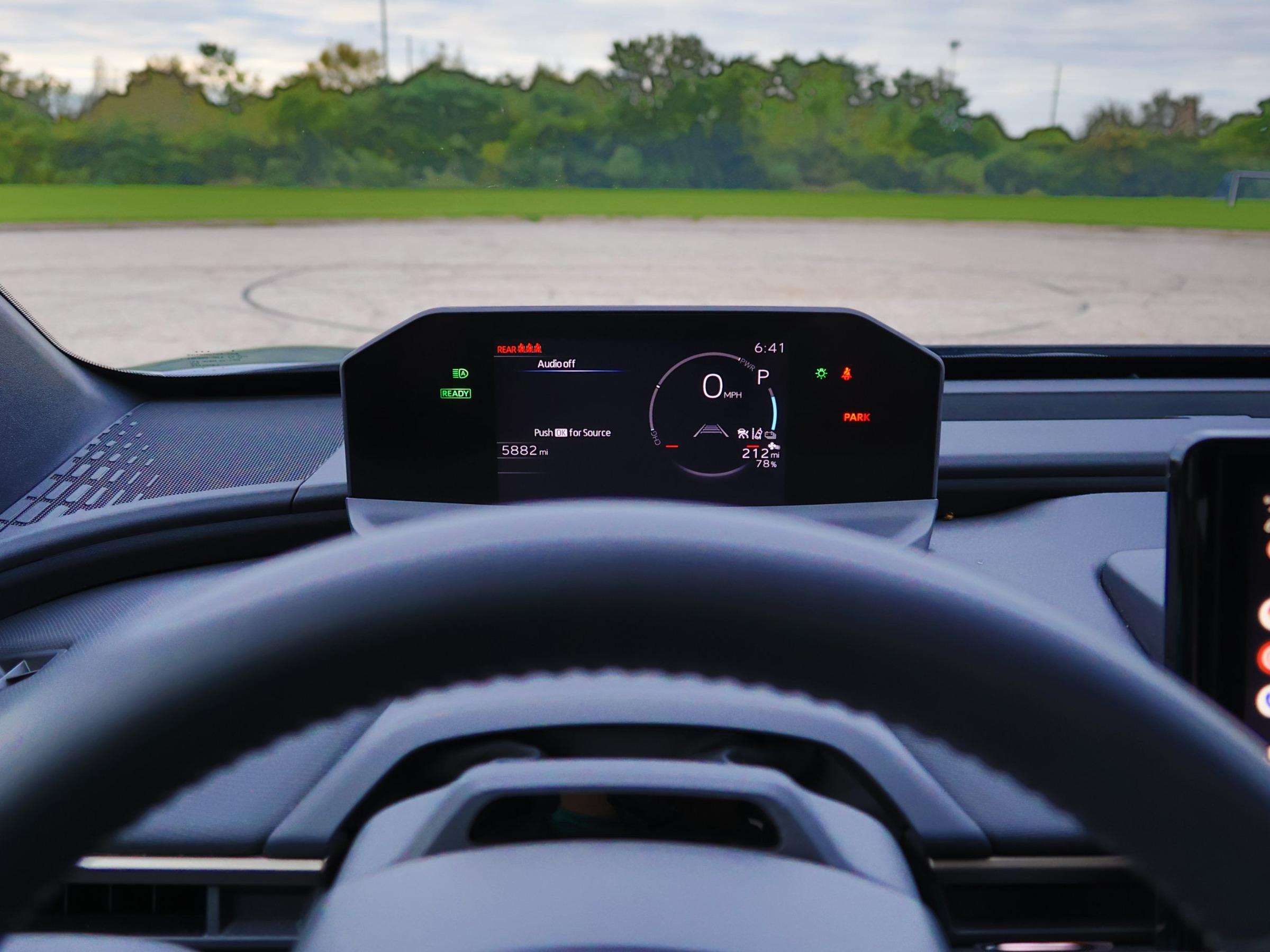
The car also resets to minimum regen, which is basically coasting, every time you start it, rather than retaining your last setting. Toyota and its competitors may prefer to keep something that feels like a gas engine as the default, but they should give customers the option of one-pedal driving. It only requires a software change, but so far they seem uninterested.
Besides being more affordable, the XLE rides on 18-inch wheels that help range and ride quality compared to the Limited's 20-inch wheels. I live in Michigan, where we constantly whine about the quality of our pavement, and the extra sidewall can also help you avoid tire destruction from potholes.
Like most EVs, the bZ carries its battery under the floor, and the lower center of gravity helps its handling balance. However, the FWD bZ will ultimately understeer if you push it to its limits around a corner. If that’s what you want to do all the time, you should probably consider the other Toyota/Subaru collab, the GR86/BRZ.
Besides going faster and farther, the bZ also recharges much more quickly than before. It now supports Level 2 AC home charging at up to 11 kW, which gets you a full charge from zero in about 7 hours.
On a road trip, peak DC fast-charging speed has increased from 100 kW to 150 kW. More importantly, the charge curve is much better, so it maintains faster charging speeds longer. A 10 to 80 percent charge that took over an hour in the bZ4X now takes about 30 minutes, which is long enough for a bathroom break, a cup of coffee, and a sandwich. No, it’s not quite as speedy as the best Hyundais and Kias, but it’s roughly the same time as a Tesla Model Y.
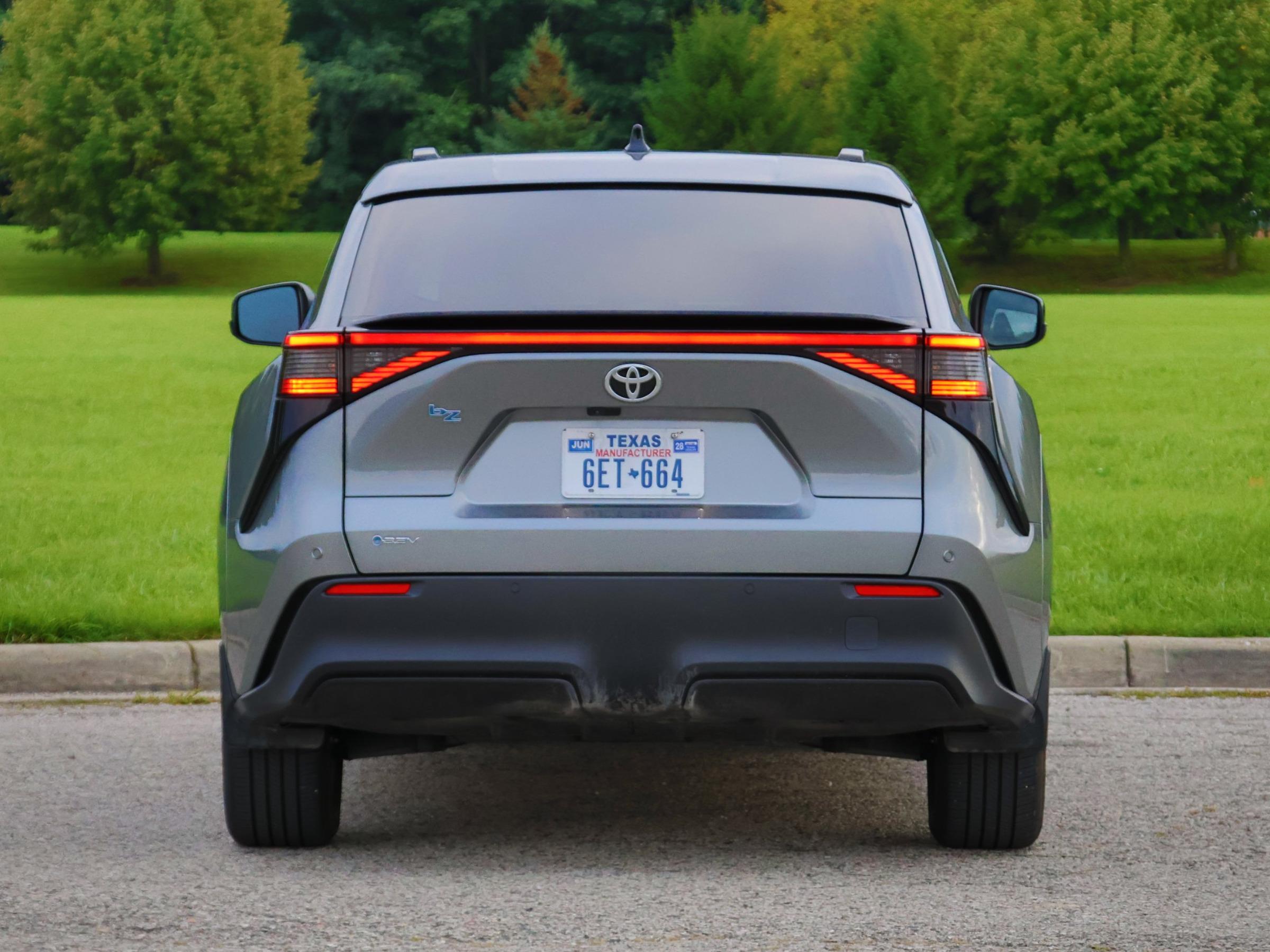
After I drove the bZ4X, I actively discouraged people from choosing it over its competitors because, to put it kindly, it was underwhelming. That’s no longer the case with the second generation. It may not be the absolute state of the art in every respect, but it's now genuinely competitive for anyone looking for an electric midsize crossover. For anyone coming from market leaders like the RAV4 or CR-V, the bZ is a great transition option that'll feel familiar and meet their needs.
The standard-range FWD XLE goes for an MSRP of $36,555, including the $1,655 destination charge, and it's totally usable for a local commuter. For those who need to go farther, including the occasional road trip, the FWD XLE Plus I drove is the best choice at an MSRP of $39,555 delivered. The top-end Limited with all-wheel drive will set you back $47,430.
2026 Chevrolet Equinox EV Drive Review: Two Sides to the Story
Chevy offers slightly more maximum range, a much larger screen, and available Super Cruise, but its charging and smartphone strategy create different trade-offs.
Read More ➜
2026 Nissan Leaf Delivers On What a Modern, Affordable EV Should Be
The redesigned Leaf reaches up to 303 miles, charges at 150 kW, and gives shoppers another lower-priced way into a modern long-range EV.
Read More ➜
The Best EVs Under $40K
The bZ XLE Plus sits in one of the most competitive parts of the EV market, alongside the Bolt, Leaf, Equinox EV, Ioniq 5, and Solterra.
Read More ➜
GreenCars Contributor
Sam Abuelsamid is vice president of market research and leads Telemetry Insights' Transportation and Mobility research and advisory practice. Focusing on automated driving, mobility services, telematics, connectivity, cybersecurity, and advanced propulsion systems, Abuelsamid works with clients to help them understand emerging technology trends and shape strategies.
Get vehicle reviews, practical tips, and the latest GreenCars news.
ReviewsToyota's revamped electric SUV gets upgrades in performance, charging speeds, and interior design, but still lacks one crucial EV feature.
 Reviews
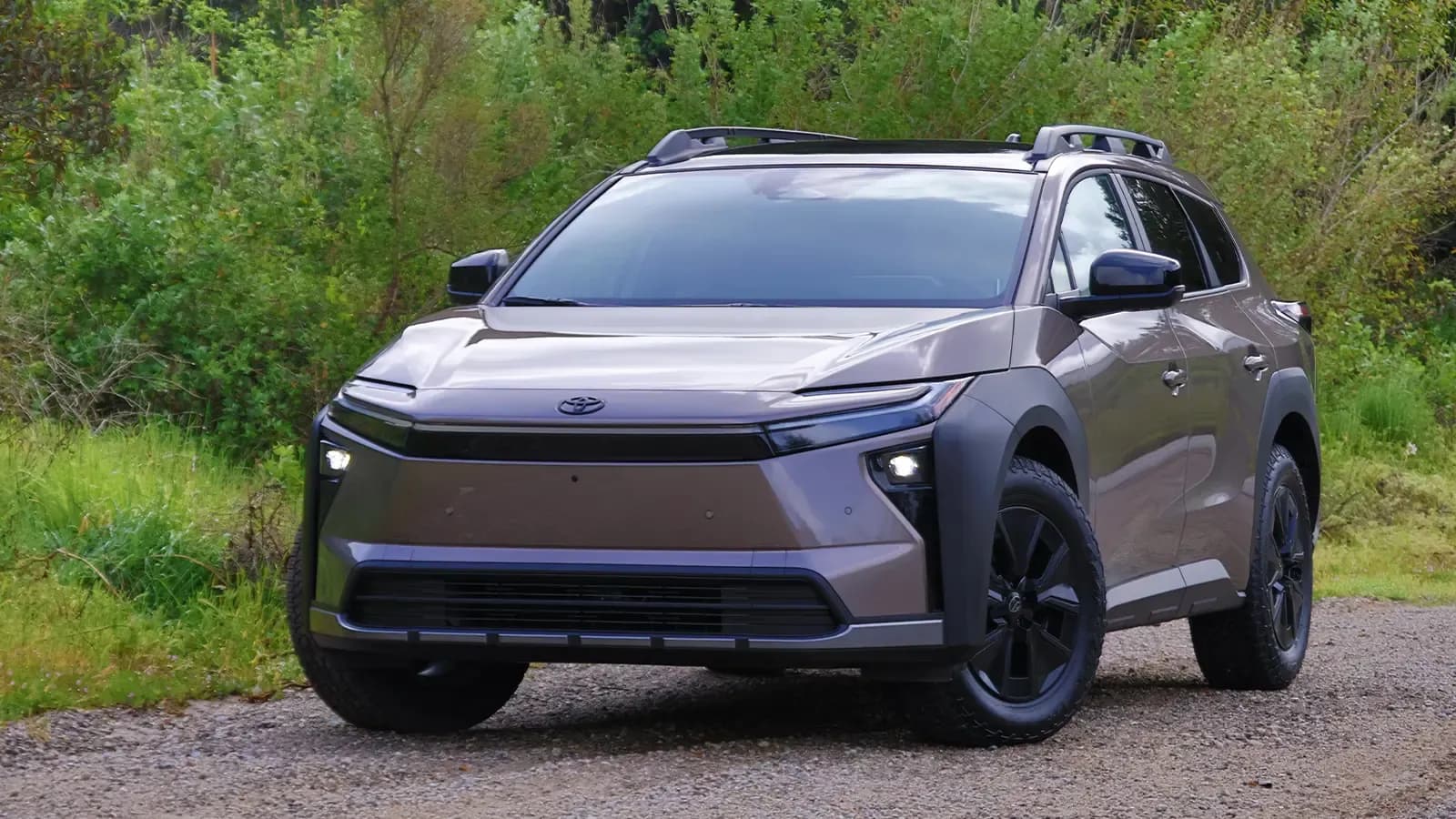
As a big fan of both electric vehicles and station wagons, I'm excited about Toyota's new bZ Woodland, which hits both of these criteria.
 Comparisons
They share a platform, but the bZ Woodland is more than just an off-road trim of the bZ. Here's how these two Toyota electric SUVs compare.