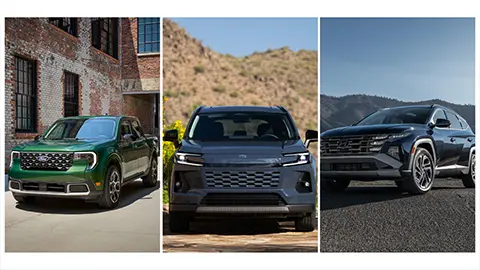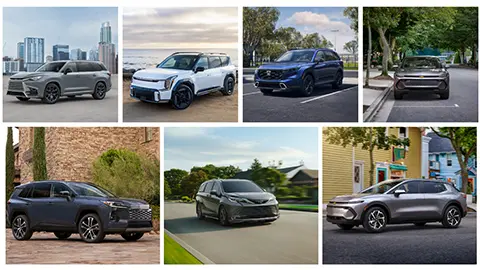

Fast Facts | Best EVs Under $40K 2026
💰 Price Cap: Every new EV highlighted starts under $40,000 MSRP
⚡ Chevy Bolt: Starts at $28,995 MSRP and offers a manufacturer-estimated 262 miles of range
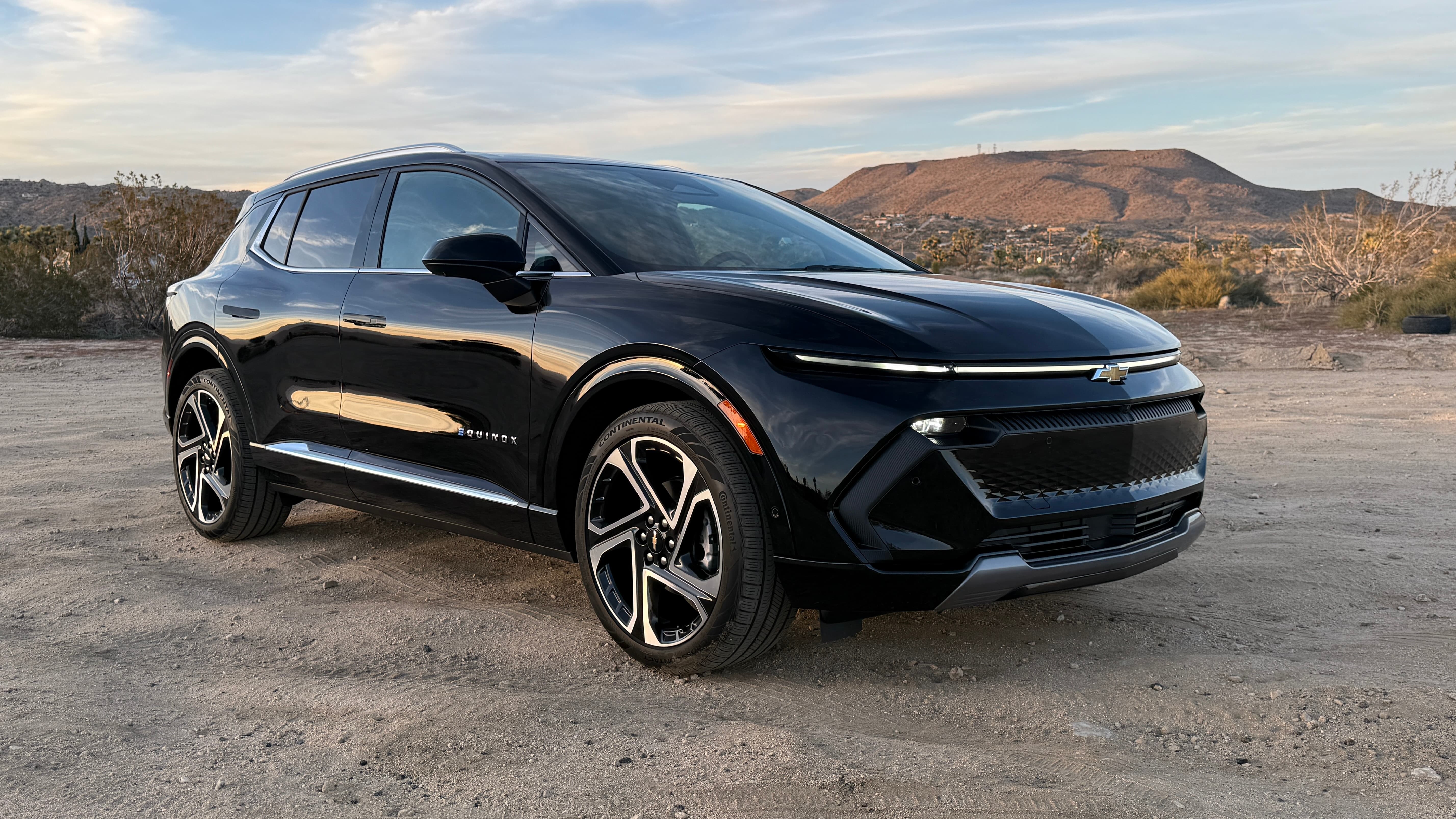
🚙 Equinox EV: Starts at $36,795 MSRP with up to 319 miles of EPA-estimated range in FWD form
🍃 Nissan Leaf: Starts at $31,535 MSRP and offers up to 303 miles of EPA-estimated range
🔋 Toyota bZ: Starts at $36,350 MSRP with up to 314 miles of EPA-estimated range in FWD form
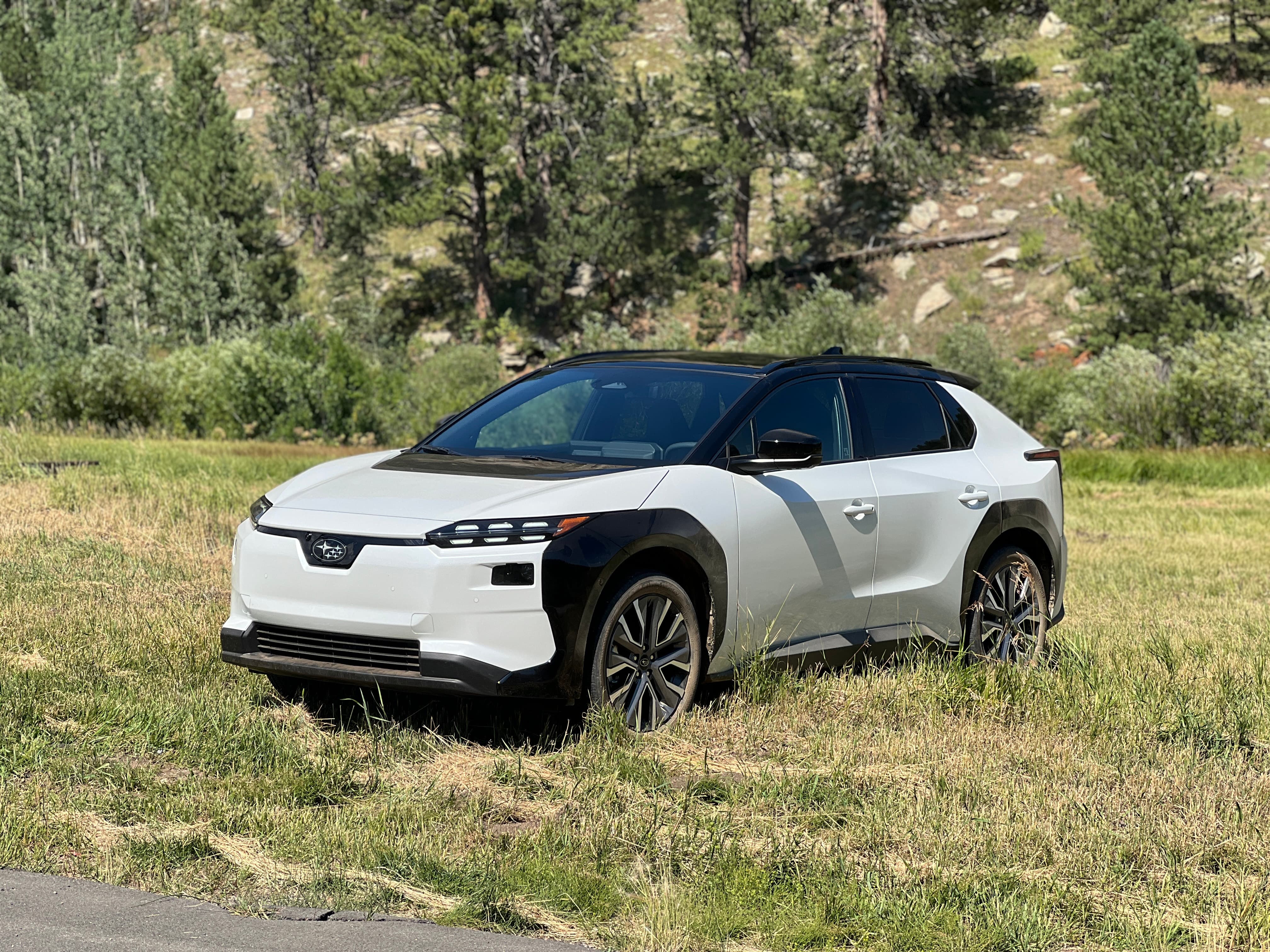
🌲 Subaru Solterra: Starts at $39,945 MSRP and comes standard with AWD
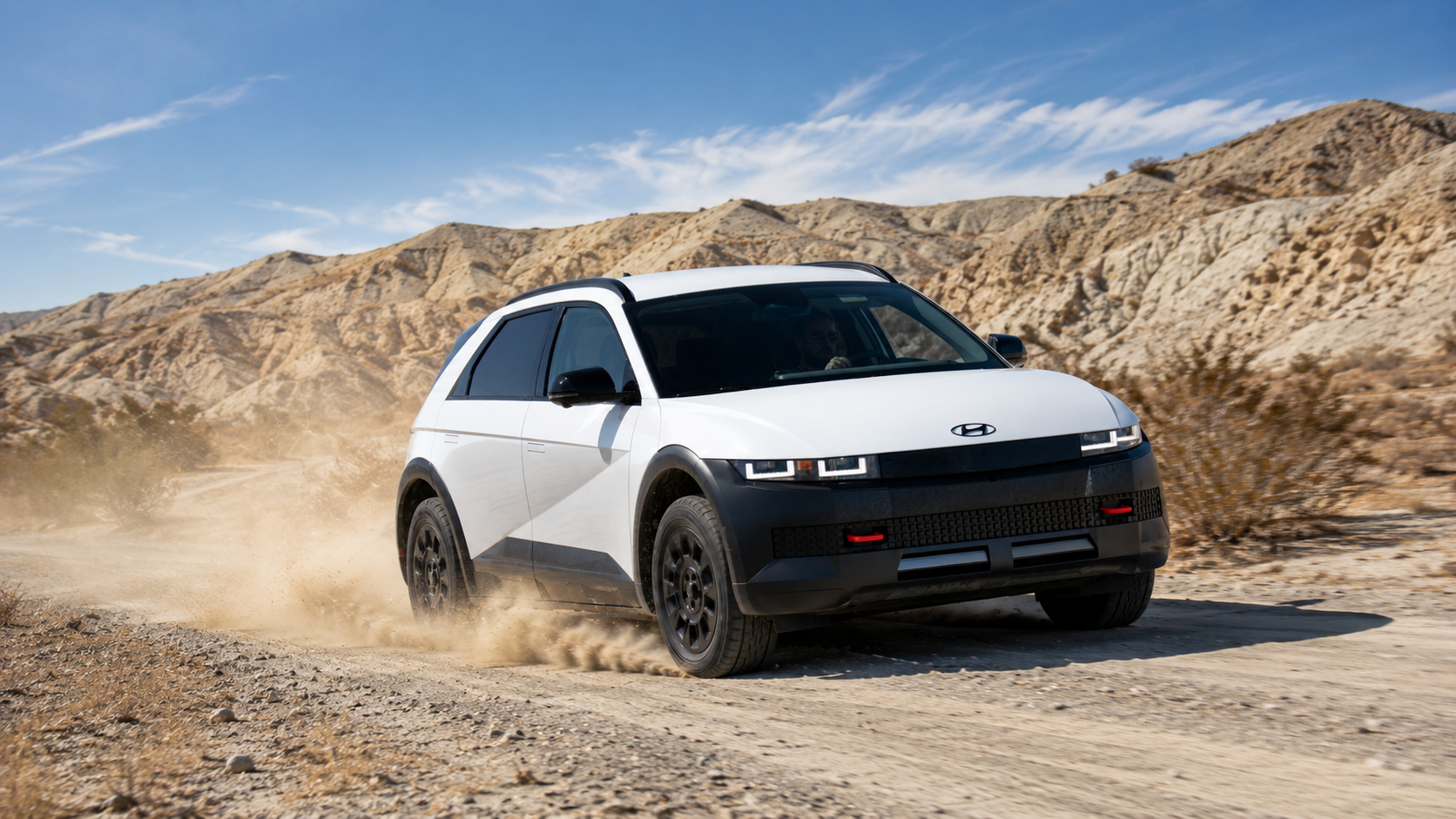
⚡ Hyundai Ioniq 5: Starts at $36,600 MSRP, with extended-range RWD models starting at $39,100 MSRP
It’s no secret that EVs haven't always been easy on the wallet. That got tougher in 2025 when Congress repealed the federal tax credits that helped make many of them more affordable, and EV sales took a hit once the credits expired in September of 2025. But it's not all bad news: a number of EVs got significant price cuts late last year, and some new, more affordable models have since debuted, with more yet to come. Here are some of the best EVs you can buy new right now for under $40,000 MSRP.

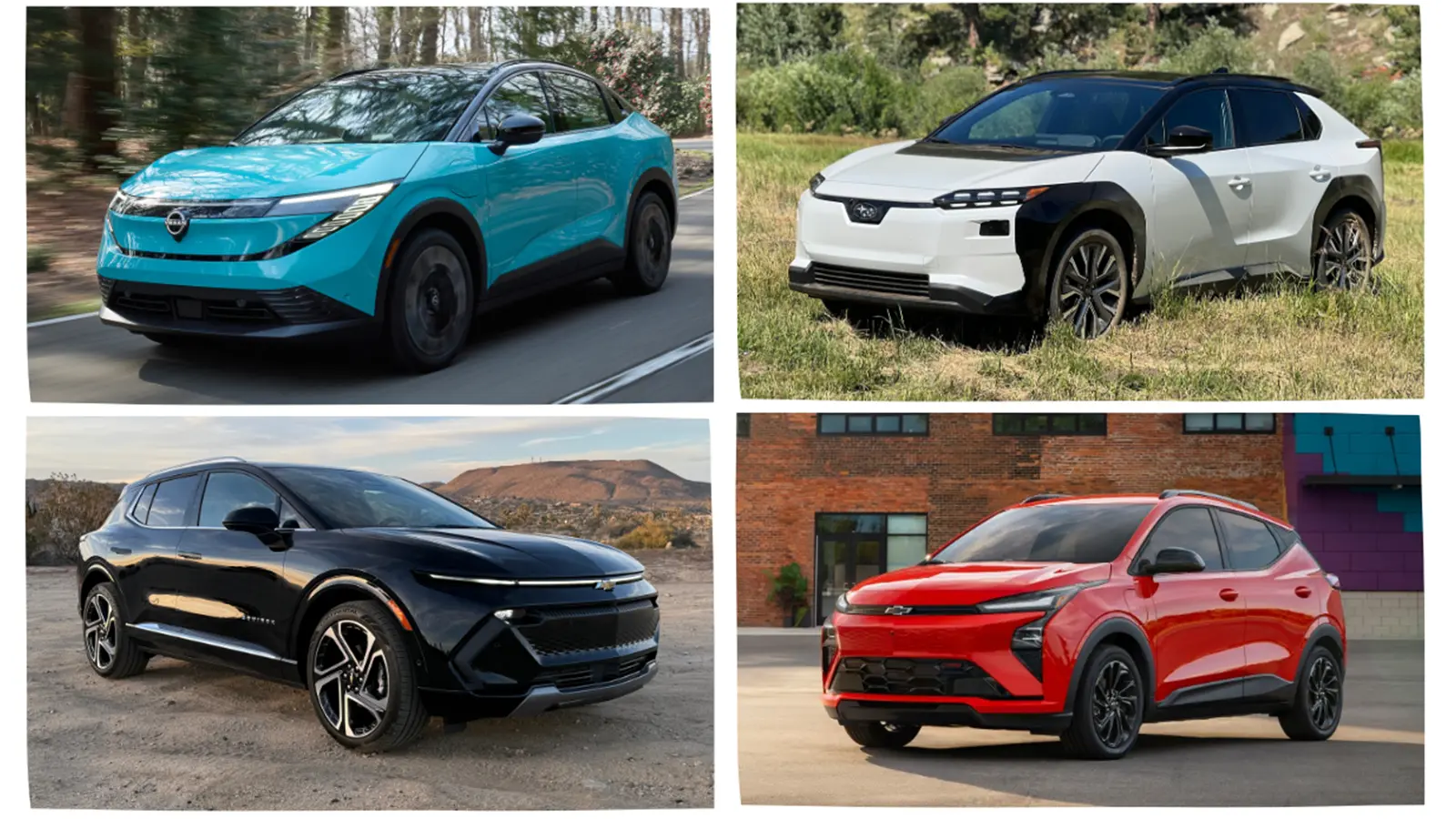
Chevrolet Bolt
The Bolt is back and better than ever. Chevrolet has revived its first long-range EV for the 2027 model year with a slew of upgrades. The Bolt EV and its longer sibling, the Bolt EUV, were discontinued after 2023 so the plant could be retooled for full-size electric pickups. Shortly after, Chevrolet announced that it would upgrade the Bolt and start production in a different plant.
The new Bolt is based on the EUV variant and carries over most of its sheetmetal with revised front and rear fascias. Inside, it's been completely redesigned with a larger infotainment screen, wireless phone charging, and a host of other features.
The big news is under the hood. The older electric propulsion system has been replaced with components from General Motors’ latest batch of EVs, including a 210-horsepower front motor with power electronics borrowed from the Equinox EV. It has the same 65-kilowatt-hour battery capacity as the original Bolt, but it costs significantly less to produce, and paired with the more efficient new motor and electronics, delivers a manufacturer-estimated 262 miles of range. It also supports 150-kilowatt DC fast charging, nearly three times faster than the original Bolt. With a starting price of $28,995 MSRP (including the $1,395 delivery charge), it's the most affordable new EV in America.
Chevrolet Equinox EV
For those who need something a bit larger than the Bolt, Chevrolet also offers the Equinox EV. The compact crossover comfortably seats five and offers 26.4 cubic feet of cargo space behind the rear seats, growing to 57.2 cubic feet with the seats folded. Every Equinox EV comes standard with a 17-inch center touchscreen with Google Built-in.
The Equinox EV comes standard with a 220-horsepower front-wheel-drive (FWD) setup or a 300-horsepower dual-motor, all-wheel-drive (AWD) version. The 85-kWh battery pack gives the FWD model an EPA-estimated range of 319 miles, while the more powerful AWD version is rated at 288 miles. The 2026 Equinox EV starts at $36,795 MSRP, including the $1,800 destination charge.

Nissan Leaf
The Nissan Leaf just got a complete makeover. The third-generation model launched in late 2025 with a whole new look and updated technology. It’s got a modern, crossover-style exterior, though it’s really a hatchback car, and it's a great size for daily commutes or longer road trips. Inside, you'll find dual 12.3-inch screens, and a Google-Built-in infotainment system is available.
This is the first Leaf to use a liquid-cooled battery for much improved durability over the earlier models, and this time it has a capacity of 75 kWh. The Leaf is offered in three trims, S+, SV+ and Platinum+, all powered by a single 214-horsepower motor driving the front wheels. The S+ trim with 18-inch wheels is EPA-rated at 303 miles of range and starts at $31,535 MSRP, including the $1,545 destination charge, making this by far the most affordable EV with over 300 miles of range.
Toyota bZ/Subaru Solterra
Toyota isn't exactly known for being a huge supporter of EVs, preferring instead to push its very efficient hybrid lineup. When it launched its first in-house EV, the bZ4X (and its Subaru twin, the Solterra), most people were unimpressed. It had a mediocre range, slow charging, and a high price. For 2026, though, Toyota and Subaru launched thoroughly reengineered versions with much more efficient motors and electronics, a better battery, and a reworked interior. The results were impressive.
The FWD version, with 221 horsepower, now has an EPA-estimated range of up to 314 miles, while the AWD variants, at 338 horsepower, are rated for up to 288 miles. Toyota also replaced the CCS charge port with an NACS port, moving it to the right front fender for easier access at Tesla Superchargers. Charging time was reduced by more than half, with a 10 to 80 percent charge now taking about 30 minutes. The base XLE trim with the smaller 57.7-kWh battery now starts at $36,350 MSRP, including the $1,450 destination charge. The Solterra comes standard with a 233-horsepower AWD configuration and starts at $39,945 MSRP delivered.
Hyundai Ioniq 5
After the tax credits expired, Hyundai cut the price of its bestselling EV - the Ioniq 5 - by an average of over $9,000. Despite a broader dip in U.S. EV sales, Ioniq 5 sales were up 14 percent in the first quarter of 2026.
While it's technically classified as a crossover, the Ioniq 5's shape is reminiscent of 1980s hatchbacks like the Volkswagen Golf, although it's larger. Its dedicated EV platform means it's very roomy, with seating for five, 26.3 cubic feet of cargo space in the rear, and a small frunk for the charging cable and adapters.
One of the best aspects of the Ioniq 5 is its 800-volt electrical architecture that enables charging speeds of up to 250 kW - going from 10 to 80 percent takes just 20 minutes. The Ioniq 5 is available in six varieties, from the standard-range SE to the off-road-oriented XRT and the high-performance N. The standard-range model delivers an EPA-estimated 245 miles per charge and starts at $36,600 MSRP, including the $1,600 destination charge. The rear-wheel-drive extended-range models go up to an EPA-estimated 318 miles and start at $39,100 MSRP delivered.
Something Used
If $30,000 to $40,000 MSRP is still a stretch or you’re looking for a fancier ride at an affordable price, used EVs are also an excellent choice. With a few exceptions - older Leafs with air-cooled batteries, for instance - EV batteries hold up very well, typically retaining at least 90 percent of their original capacity at 100,000 miles.
There are lots of relatively low-mileage Bolts and Hyundai Konas for well under $20,000 MSRP and Ioniq 5s and Kia EV6s in the $20,000 to $30,000 MSRP range. With fuel prices on the rise, any of these, new or used, is a great way to save money at the pump.
Keep Shopping Smart EV Value
The Chevy Bolt is America’s Most Affordable EV
A natural next read for shoppers who want a closer look at the lowest-priced new EV in the current market
Read More ➜
Major EV Discounts: Hyundai IONIQ 5 Gets Big Price Cut
This gives more context on how Hyundai made one of the market’s best EVs more attainable after incentive changes
Read More ➜
Most Affordable Used EVs
A useful follow-up for shoppers who want to spend less than new-car money while still getting into an electric vehicle
Read More ➜