
Fast Facts | 2026 Toyota bZ Woodland First Drive
⚡ Power: 375 horsepower net output from dual-motor AWD
🔋 Range: EPA-estimated 281 miles on a full charge
🚙 Body Style: Longer roofline adds 5.6 inches of length and wagon-like utility
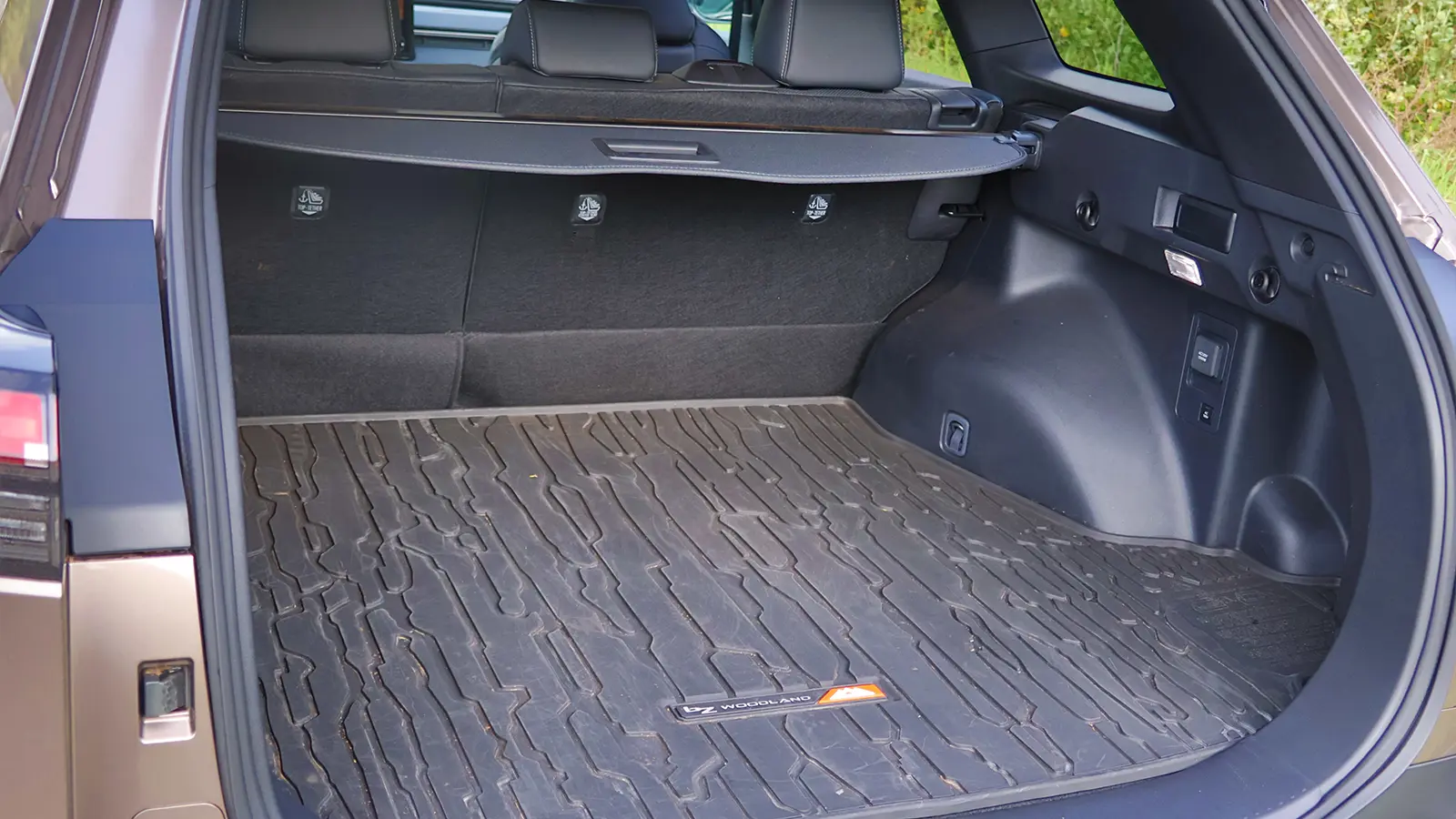
📦 Cargo Space: 33.8 cu-ft behind row two, up to 74.3 cu-ft with seats folded
💰 Pricing: Base MSRP $46,750 and Premium MSRP $48,850 including $1,450 destination
🧭 Off-Road Tech: X-Mode and Grip mode for torque and wheel-slip management
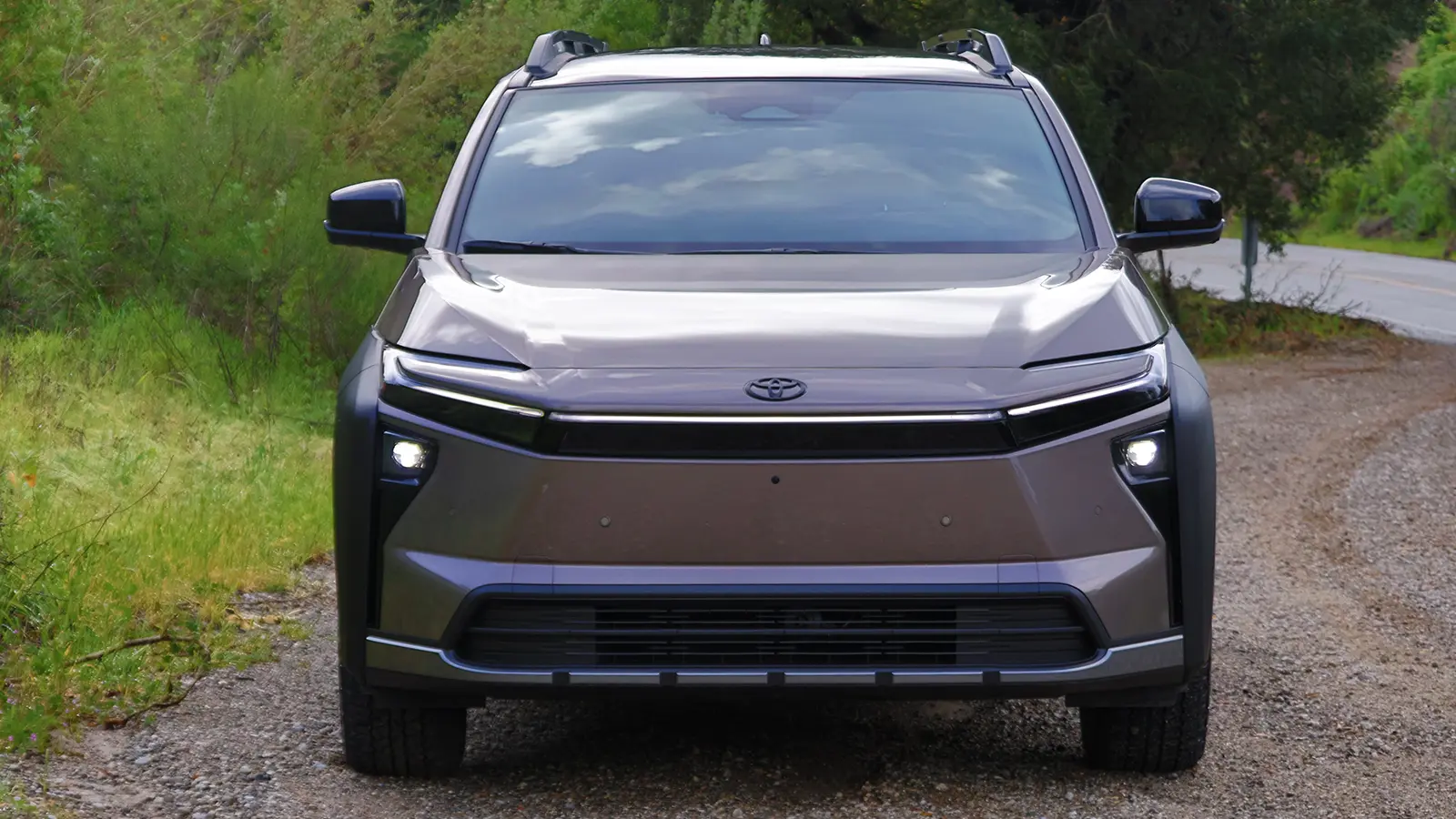
Toyota’s New Adventure EV Has Wagon Energy
For a company well known for not being the biggest EV supporter, 2026 is a big year for EV launches at Toyota. The world’s largest automaker has three new EVs going on sale in the U.S. in 2026: the Highlander (which was just revealed), the C-HR crossover coupe, and the new bZ Woodland.
I recently got a chance to try out the bZ Woodland out on the roads and trails of Ojai, California. Here's what I learned.
The Woodland Builds on the bZ's 2025 Update
Toyota had a shaky start to its EV journey. In 2022, when it launched the original bZ4X, most reviewers were underwhelmed by the range, charging performance, styling, and price. But true to Toyota's philosophy of Kaizen, or continuous improvement, the engineers, designers, and product planners responsible for the bZ4X (and its siblings: the Lexus RZ and Subaru Solterra) listened to feedback and immediately worked to make them, and these new models, so much better.
By 2025, the bZ4X got a simpler name - now just the bZ - a visual update, a new interior, and significantly upgraded hardware, making it much more competitive in the segment. The bZ Woodland builds on those upgrades, adding more performance, more utility, and more off-roadability.
More Adventure-Oriented Than the Standard bZ
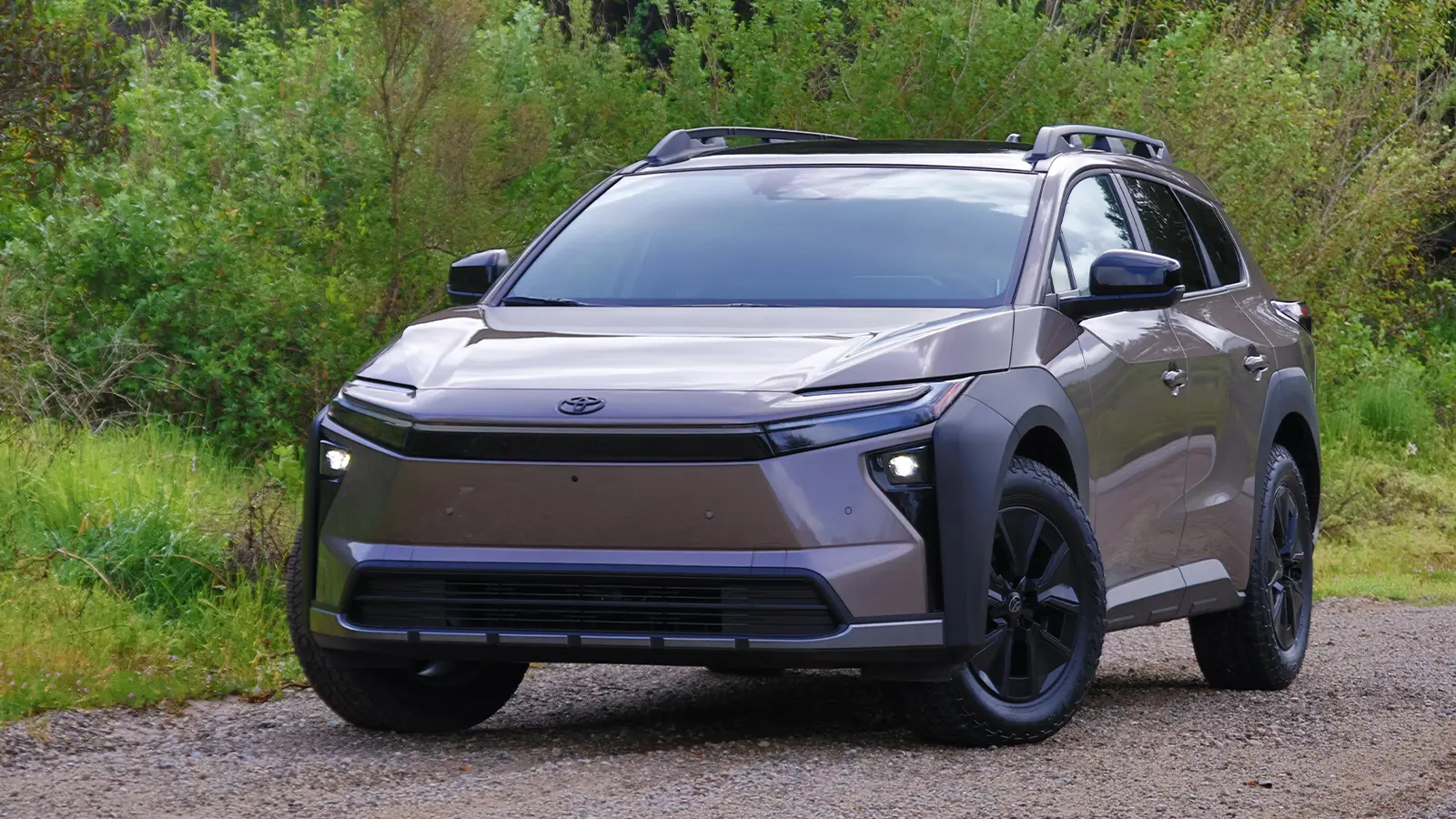
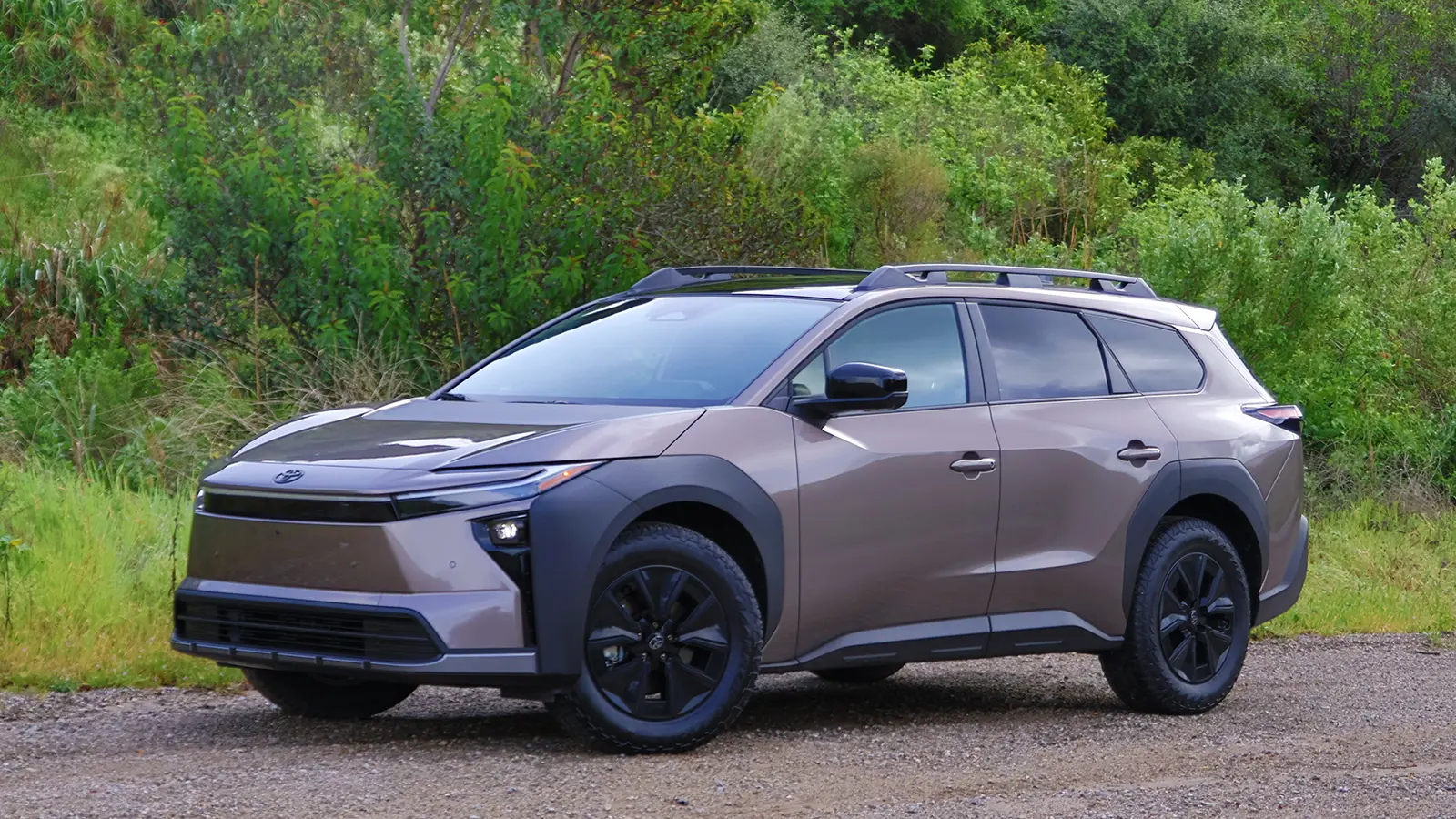
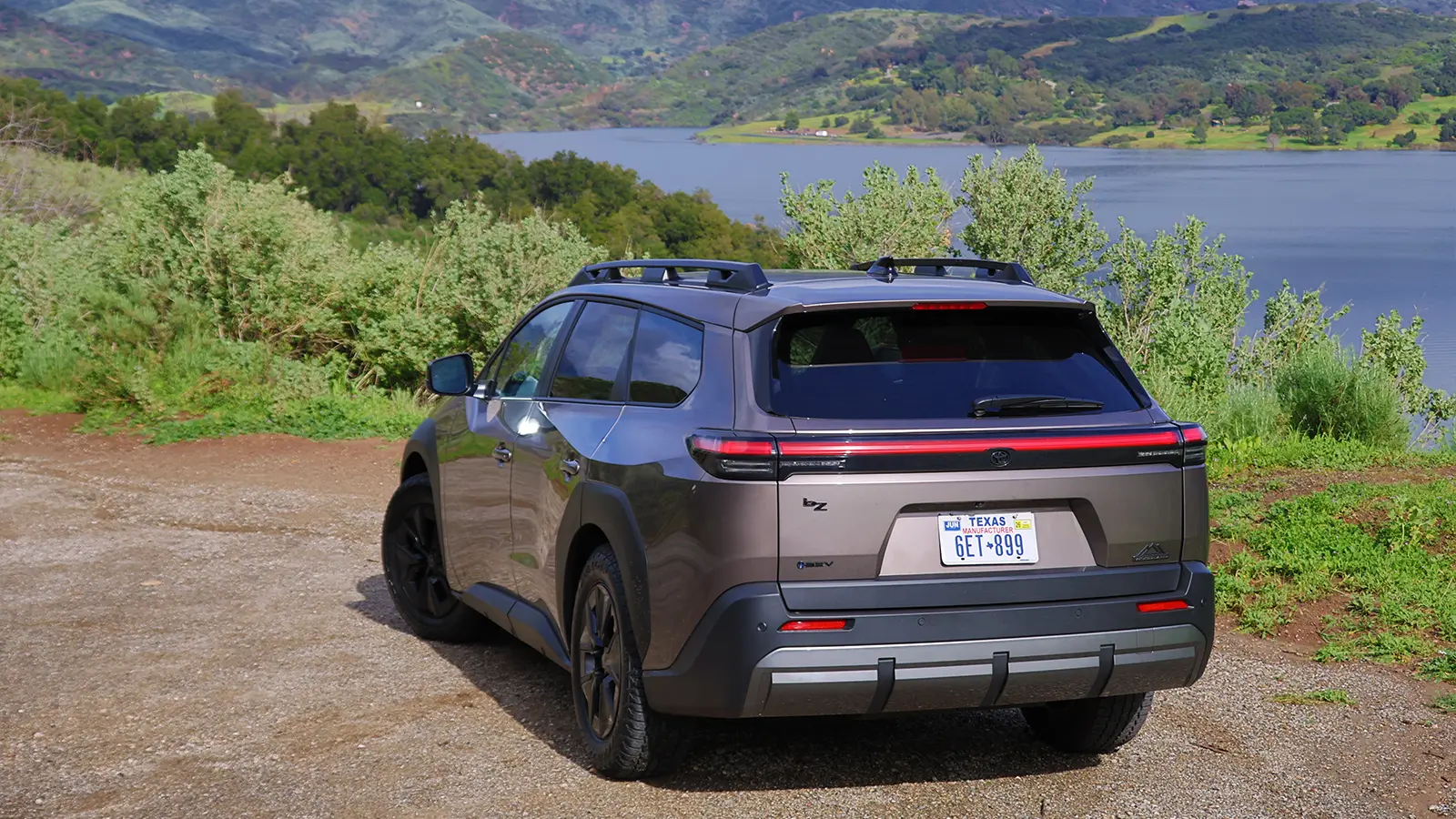
As the more adventure-oriented alternative, the bZ Woodland gets wheel arches finished in matte black, rather than the body color or gloss black used on the standard bZ. It’s not as interesting as the pixelated camouflage texturing Hyundai uses on the Ioniq 5 XRT, but it separates it from the rest of the lineup.
The most important change from the standard bZ, though, is the new wagon roofline that makes the Woodland 5.6 inches longer overall. Of course, since American car buyers have an inexplicable allergy to station wagons, Toyota will never publicly call it such in the U.S. market, but elsewhere they do. To me, it's a wagon. The extra roof and overall length give the Woodland a big boost in cargo space: 33.8 cubic feet behind the second row compared to 27.7 cubic feet in the standard hatchback. With the second row seats folded, the Woodland can swallow 74.3 cubic feet of gear (71.8 cubic feet if equipped with the JBL audio system).
The underpinnings of the Woodland are largely identical to the standard bZ, with the same 74.7-kWh lithium-ion battery pack. While the regular bZ is available with either front or all-wheel drive, the Woodland is available exclusively with dual-motor all-wheel drive, making a combined net output of 375 horsepower.
At 4,545 pounds, the bZ Woodland Premium weighs about 90 to 180 pounds more than the all-wheel drive bZ trims. That's a relatively modest weight increase despite the nearly 6 inches of extra length and larger rear motor.
The Woodland tires are about 0.4-inch larger in diameter than those on the standard bZ, which gives it an extra 0.2-inch of ground clearance, bringing the total to 8.4 inches. While that doesn’t sound like a lot compared to more serious off-roaders like a Jeep Wrangler or Ford Bronco, it’s quite a bit more than the 7 inches of a Hyundai Ioniq 5 XRT or the 6 inches of a Ford Mustang Mach-E Rally.
Interior Comfort
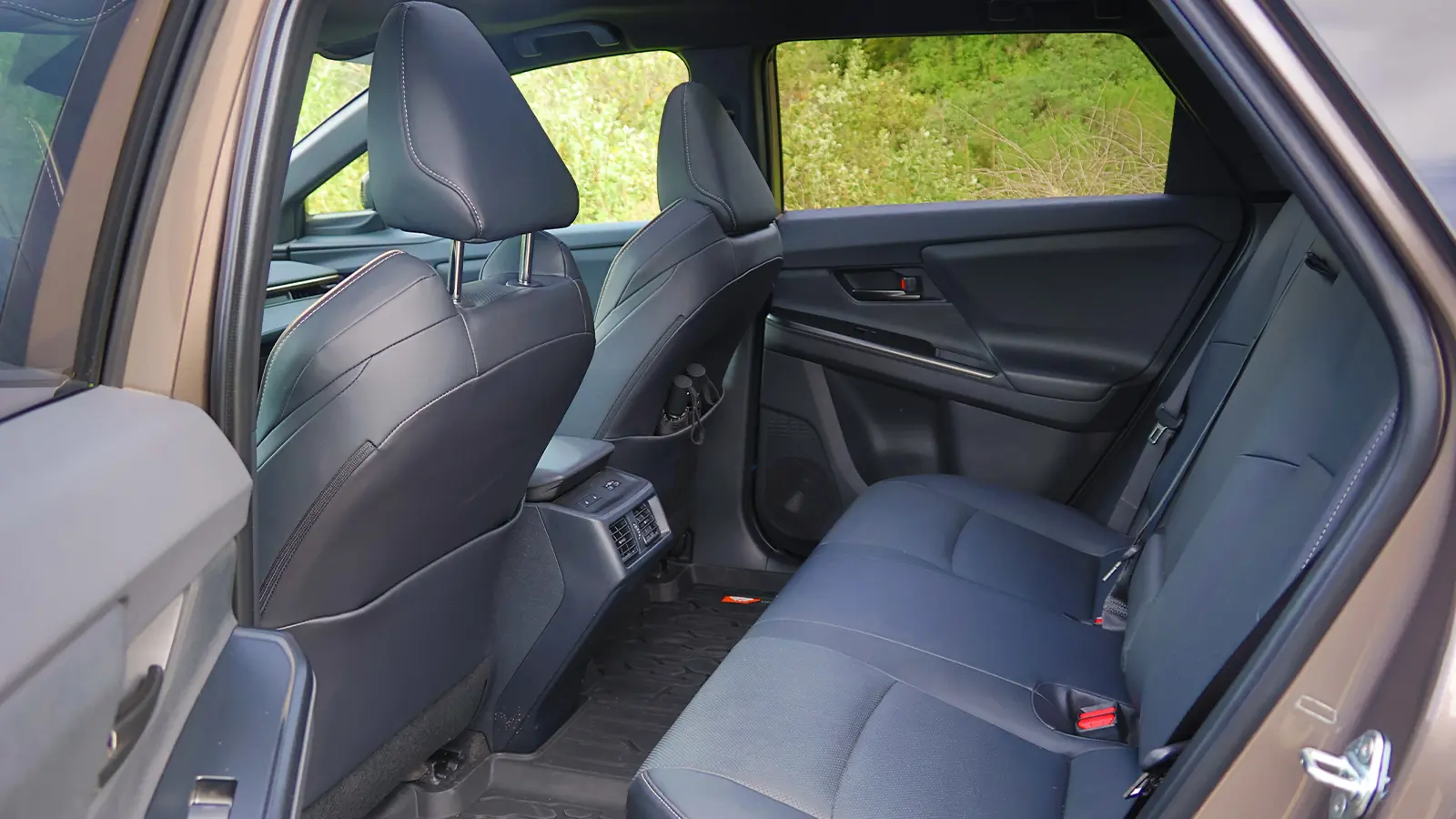
Passenger volume is nearly the same between the two bZ variants and ample enough to hold five people. I rode in the back seat for about half an hour, and it’s absolutely cavernous. For those with youngsters in booster seats, chances are they won't be able to kick you in the spine. The seats themselves are nicely supportive, comfortable, and the Softex faux leather coverings should be durable and easy to clean, especially if your muddy-pawed dog or kids climb in the back seat. One other nice detail Toyota has included is standard all-weather floor mats and a cargo floor cover.
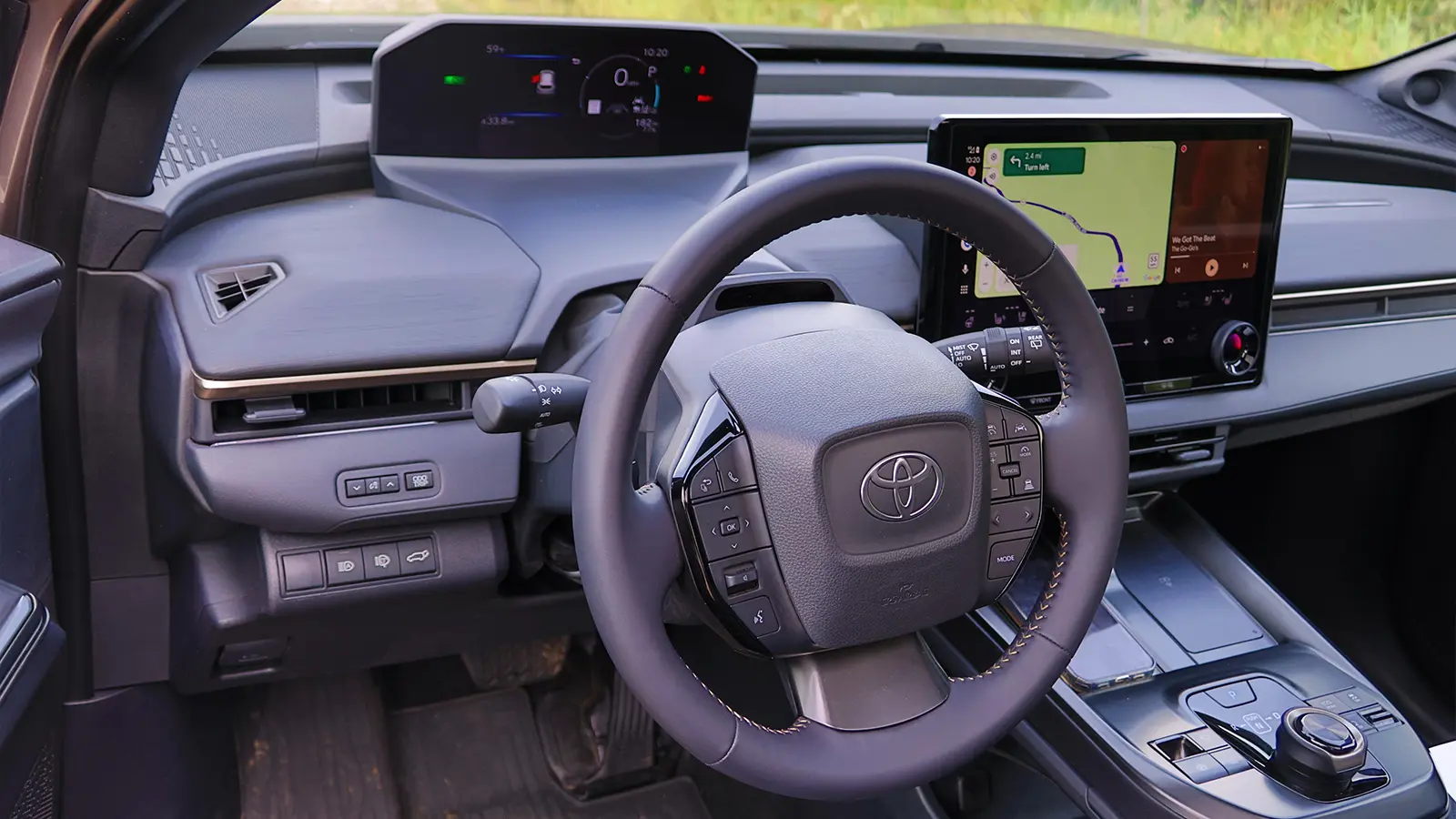
The Woodland gets the same redesigned dashboard as the 2026 bZ, which is a big functional upgrade. The 7-inch instrument cluster display now sits higher on the dashboard, so the lower half is no longer cut off by the steering wheel for most drivers. In that position, it’s closer to the driver’s line of sight, so a head-up display isn’t really necessary, nor is it available. In the center, there is a 14-inch touchscreen with the Toyota Multimedia infotainment software.
Driving in Oaji
Heading out on a twisting mountain road past Lake Casitas, the Woodland's Dunlop tires melded well with what we’ve come to experience as a pretty solid chassis setup, and Woodland tracked through the curves without much understeer or squealing of rubber.
For the closest “same platform, different personality” cross-shop, start with 2026 Subaru Solterra is a strong value play ➜
When we arrived at the off-roading site in the Topatopah mountains, we followed a single-lane dirt path up about 1,500 feet in elevation. This wasn’t a rock-crawling path like the Rubicon trail, but recent rains left some significant cuts in the track where water was running down, and some shaded segments were still quite muddy. We used X-Mode, which Toyota inherited from its partnership with Subaru on these EVs, and it did an excellent job of managing both front-to-rear torque split and the individual wheel slip with the brakes. In those muddier sections, we could feel it getting a bit squirrely as it scrambled for grip, but never out of control. According to Chief Engineer Masaya Uchiyama, the bZ Woodland is set up to default to a rear power bias but can be shifted to as much as a 70-30 split in either direction depending on the driving conditions.
When we reached a cow pasture near the top, we tried Grip mode, which does extra modulation of the motor torque up to 1,000 times per second at low speeds, to try to climb a wet grassy slope. The system worked great right up to the point when physics won out, as the mud-caked tires just couldn’t get any more grip. Having previously driven the 2026 Subaru Solterra with the same system on an even more challenging off-road course and with the standard all-season tires, I can attest that this is a surprisingly capable off-roader within the limits of ground clearance and tire grip.
Enough Capability for Most
Overall, this isn't a machine that’s going to challenge a GR Corolla on the track or a 4Runner Trailhunter off-road, but drivers will find it to be a good partner in everything from urban stop-and-go to hurrying along canyon roads and then into a wooded campsite. For most people, this is actually all the off-roader they really need.
The 2026 bZ Woodland is available in Base or Premium trims, all with standard all-wheel drive. The base starts at an MSRP of $46,750, including the $1,450 destination fee, while the Premium goes for an MSRP of $48,850.
🌲 More Trail-Ready EV Reads
2025 Hyundai Ioniq 5 XRT Review: Trail-Ready Without the Trade-Offs
A direct alternative for shoppers who want mild off-road styling and capability in a mainstream EV package
Read More ➜
2025 Ford Mustang Mach-E Rally Review: Electrified Rally Racing Thrills
A higher-energy take on the “go play in the dirt” EV idea, with a very different vibe than Toyota’s approach
Read More ➜
Toyota C-HR EV
More Toyota EV context for 2026 shoppers looking at what else is coming beyond the Woodland
Read More ➜