





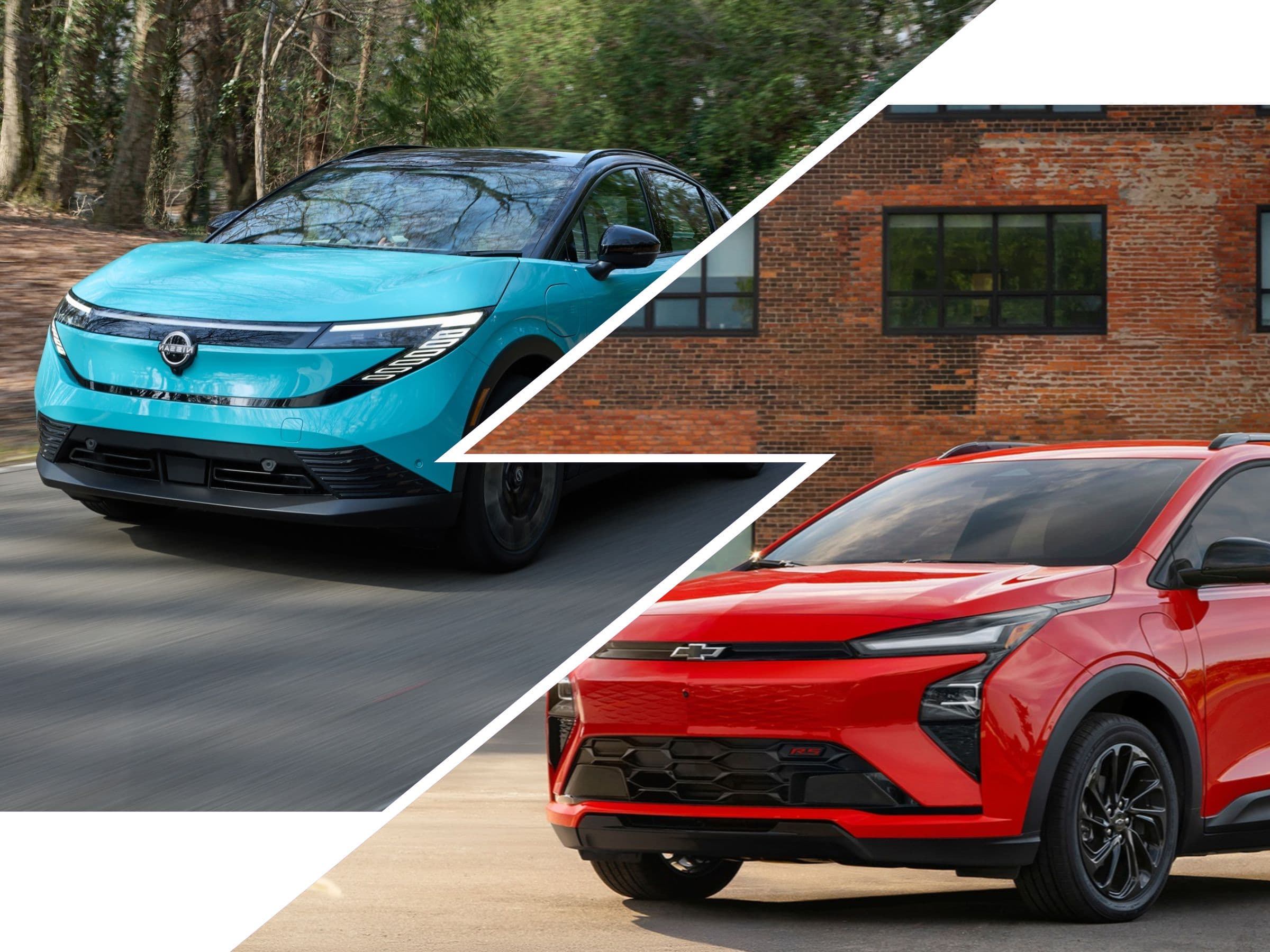
 Comparisons
Nissan Leaf vs. Chevrolet Bolt: Which Sub-$35K EV Should You Buy?
Nissan and Chevy both have affordable compact crossover EVs. Here's how the Leaf and Bolt compare on range, space, tech, and price.
Sam Abuelsamid7 min read

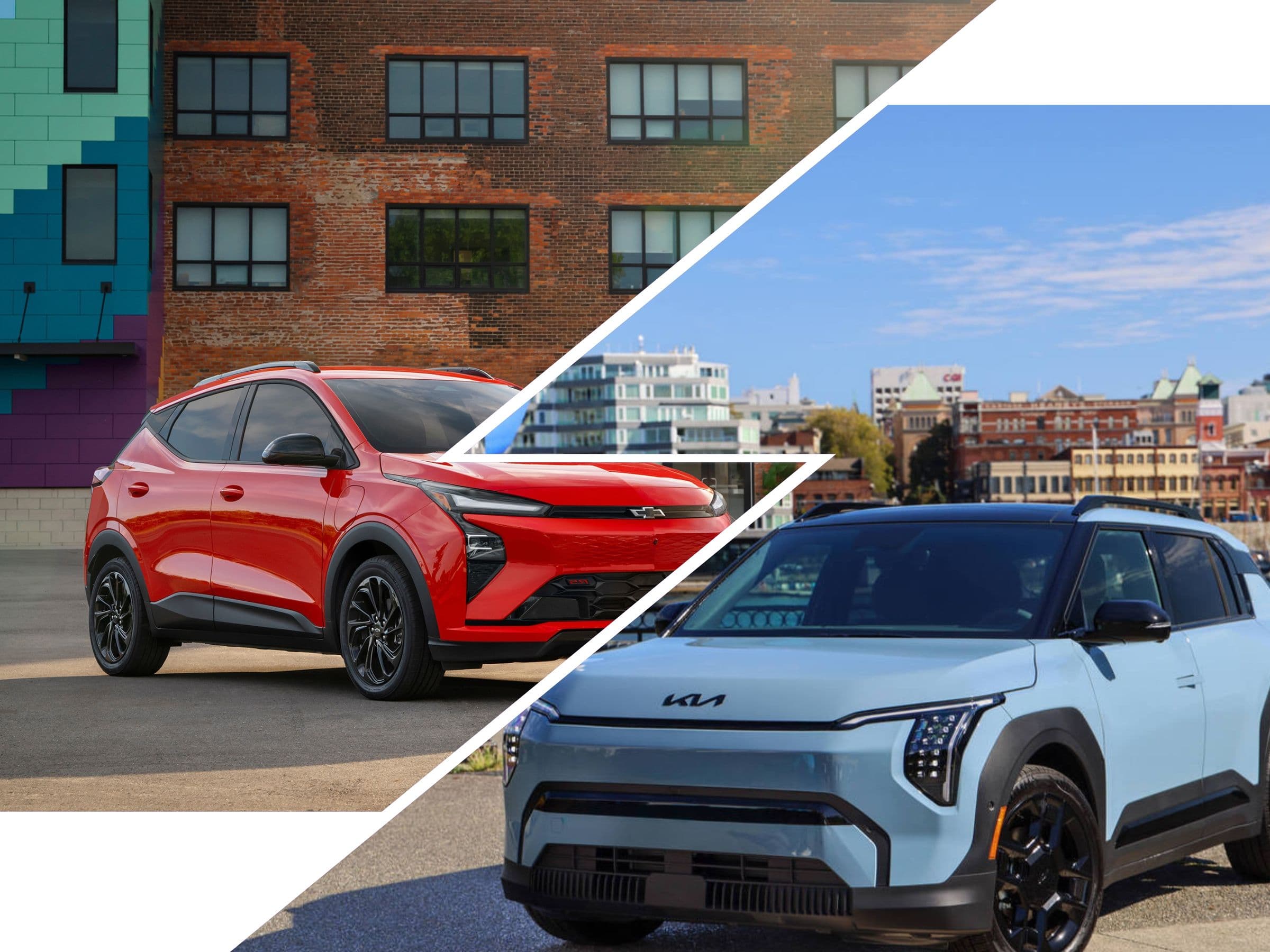
Both of these compact electric SUVs start around $30,000, but they differ on range, space, and tech. Here's how the Kia EV3 and Chevrolet Bolt stack up.
The Kia EV3 is new to the U.S. market for the 2027 model year, joining a growing list of affordable compact EVs that includes the Chevrolet Bolt. These small crossover hatchbacks are putting electrification within reach of more people, with starting prices around $30,000. The EV3 offers 221 to 321 miles of range depending on trim and battery, while the Bolt only has one configuration that offers 262 miles. If you're looking for a relatively affordable way into an electric SUV, these two are worth a look. Here's how they compare.
A 100-mile spread within one EV lineup shows why the biggest range number never tells the whole story, so see how to compare EPA range, battery size, trim, and real-world driving needs ➜
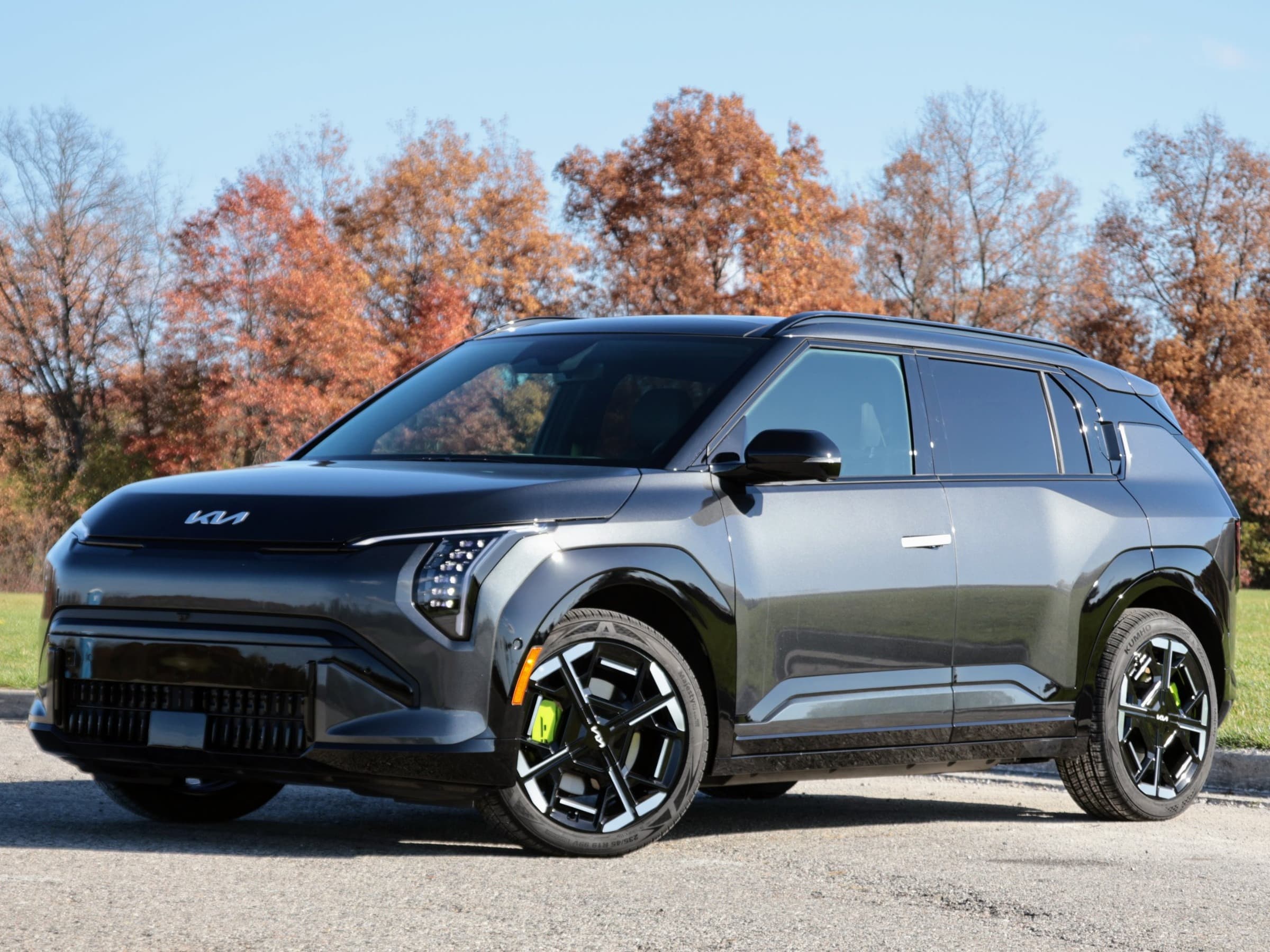
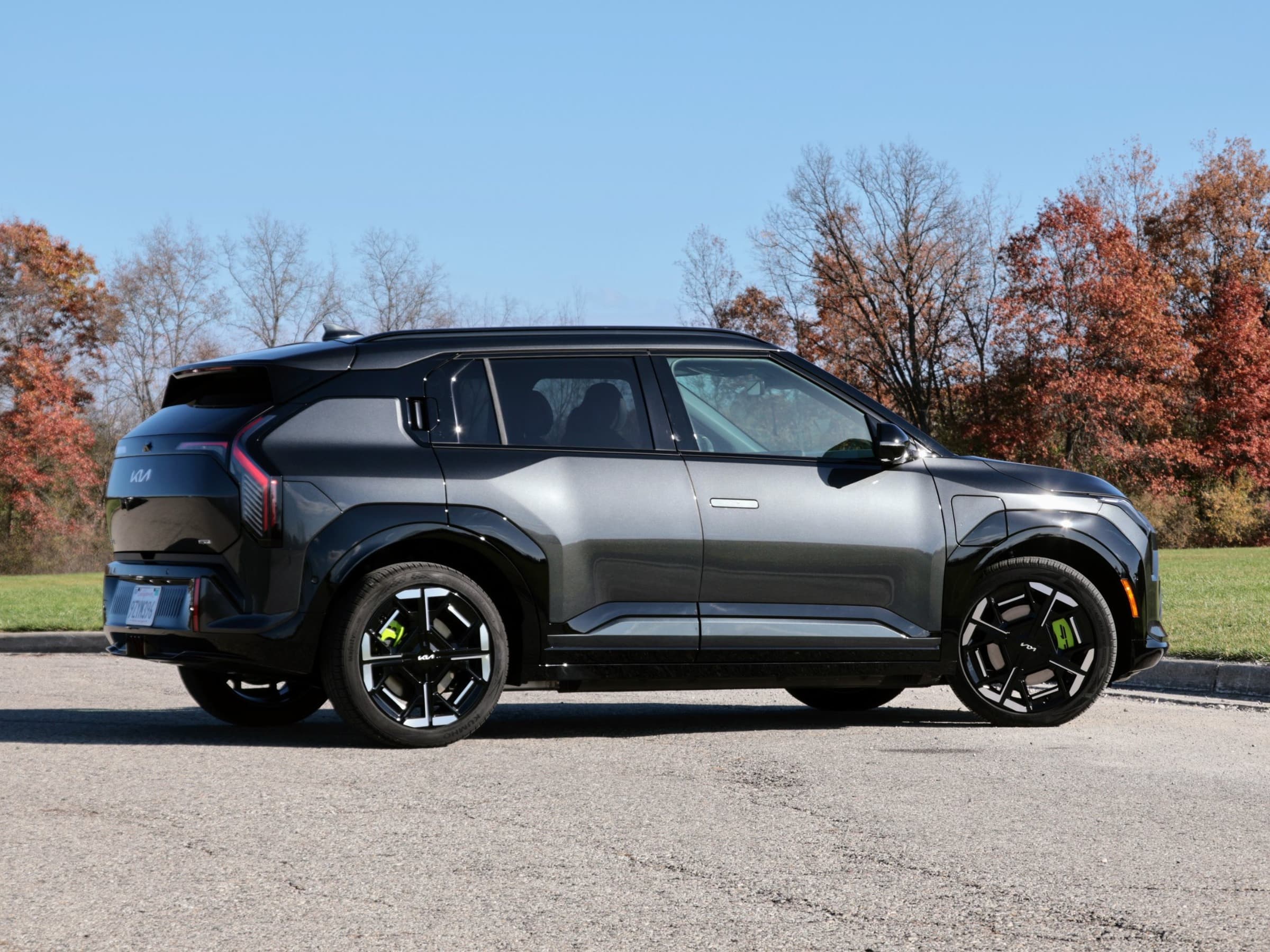
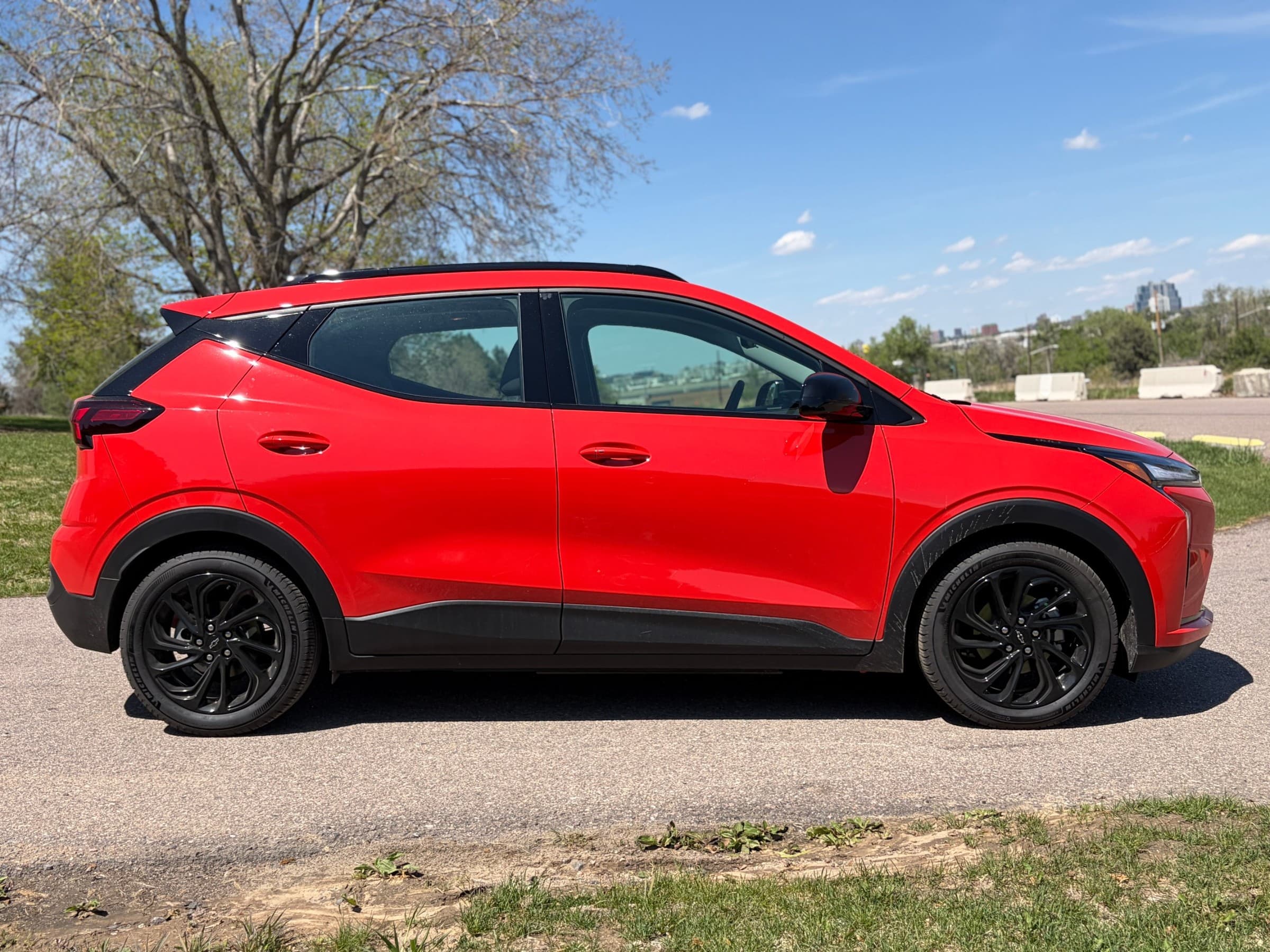
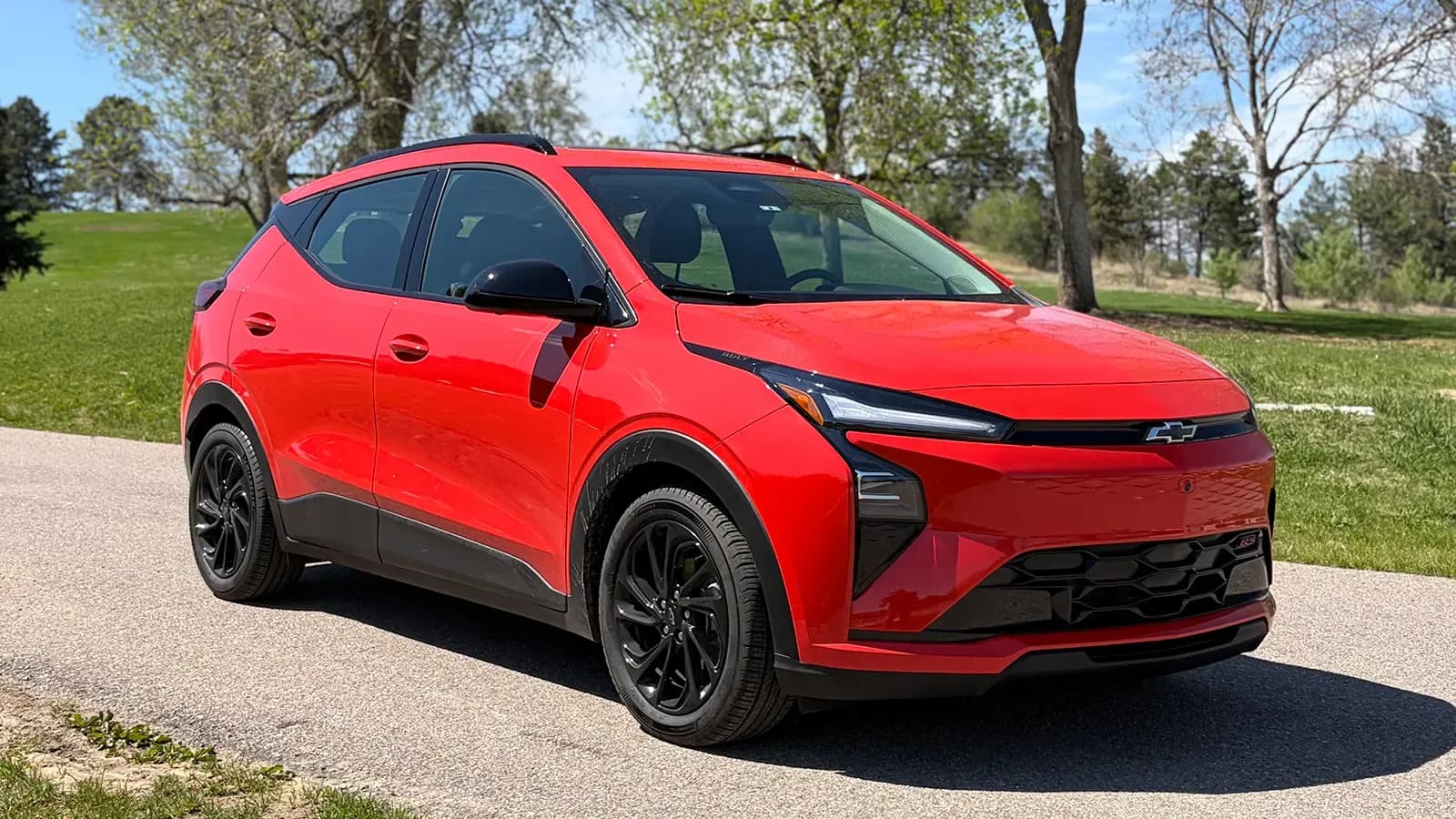
Neither of these cars looks much like a traditional SUV, although the boxier EV3 has more of that feel, with a design that carries many of the same themes as the larger three-row EV9. Meanwhile, the Bolt is clearly more like a slightly taller hatchback. Despite their visual differences, they're very similar in size. The EV3 ranges from 0.3 inch shorter to to 0.1 inch longer than the Bolt, and it's 3.1 inch wider. The Bolt is 1.7 to 1.9 inches taller, but the EV3 has 0.3 inch to 0.6 inch more ground clearance.
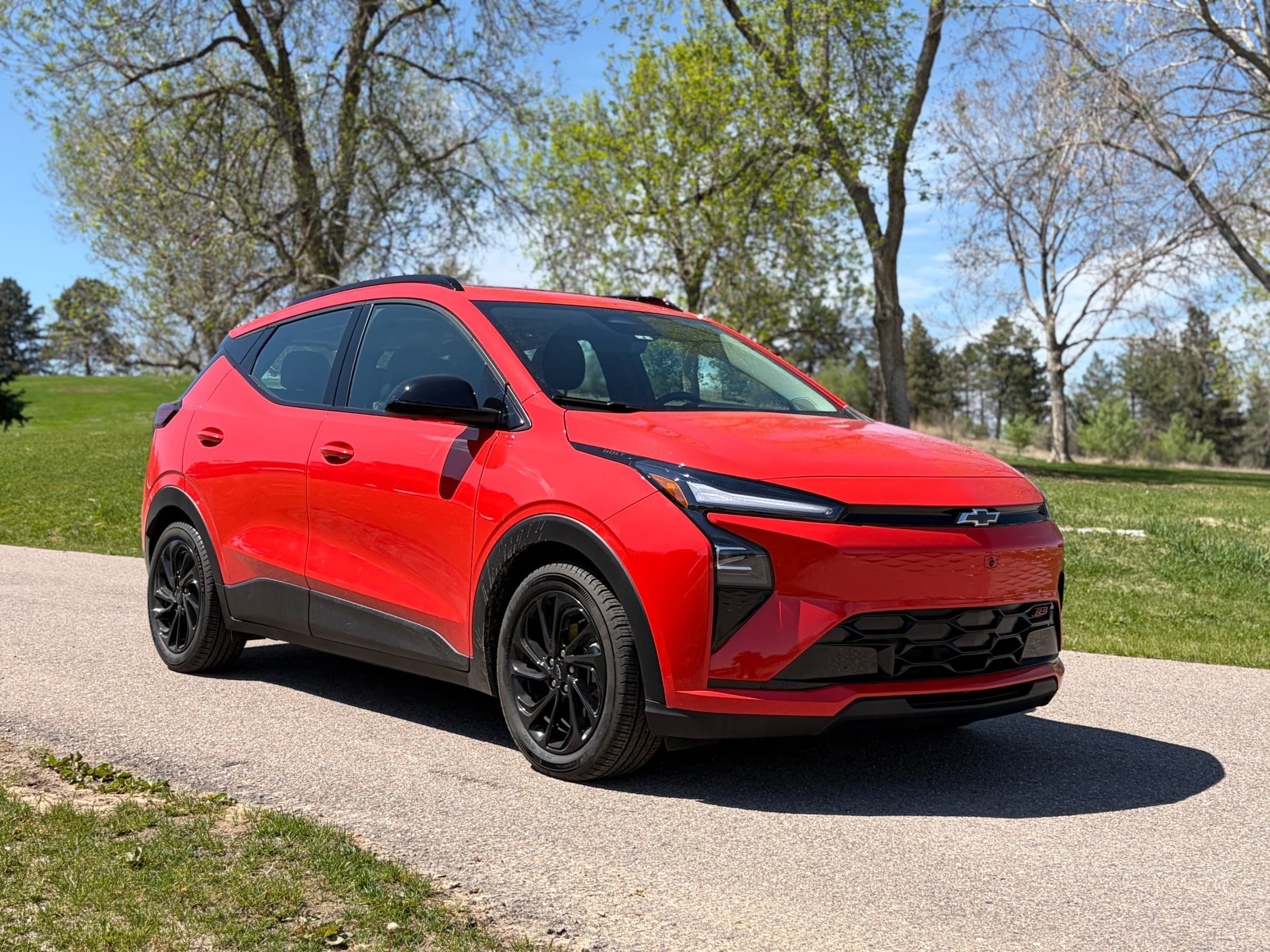
Both Bolt trims look pretty similar, while the EV3's five trims vary more in exterior style, especially the GT. The GT gets special exterior styling, plus neon green interior accents and seat belts. It also adds a virtual gear shift, active sound design, sport-tuned suspension, and quick-ratio steering.
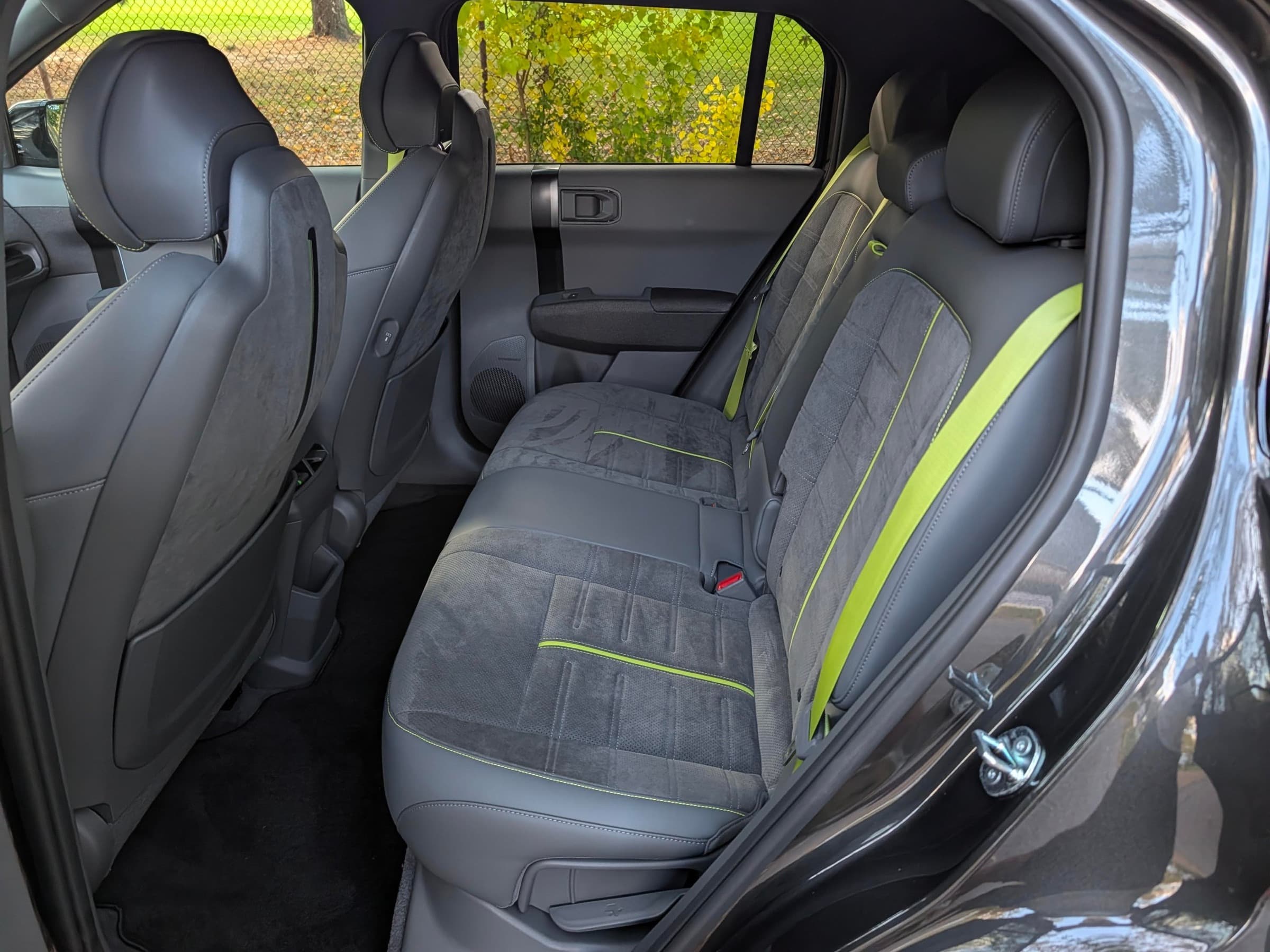
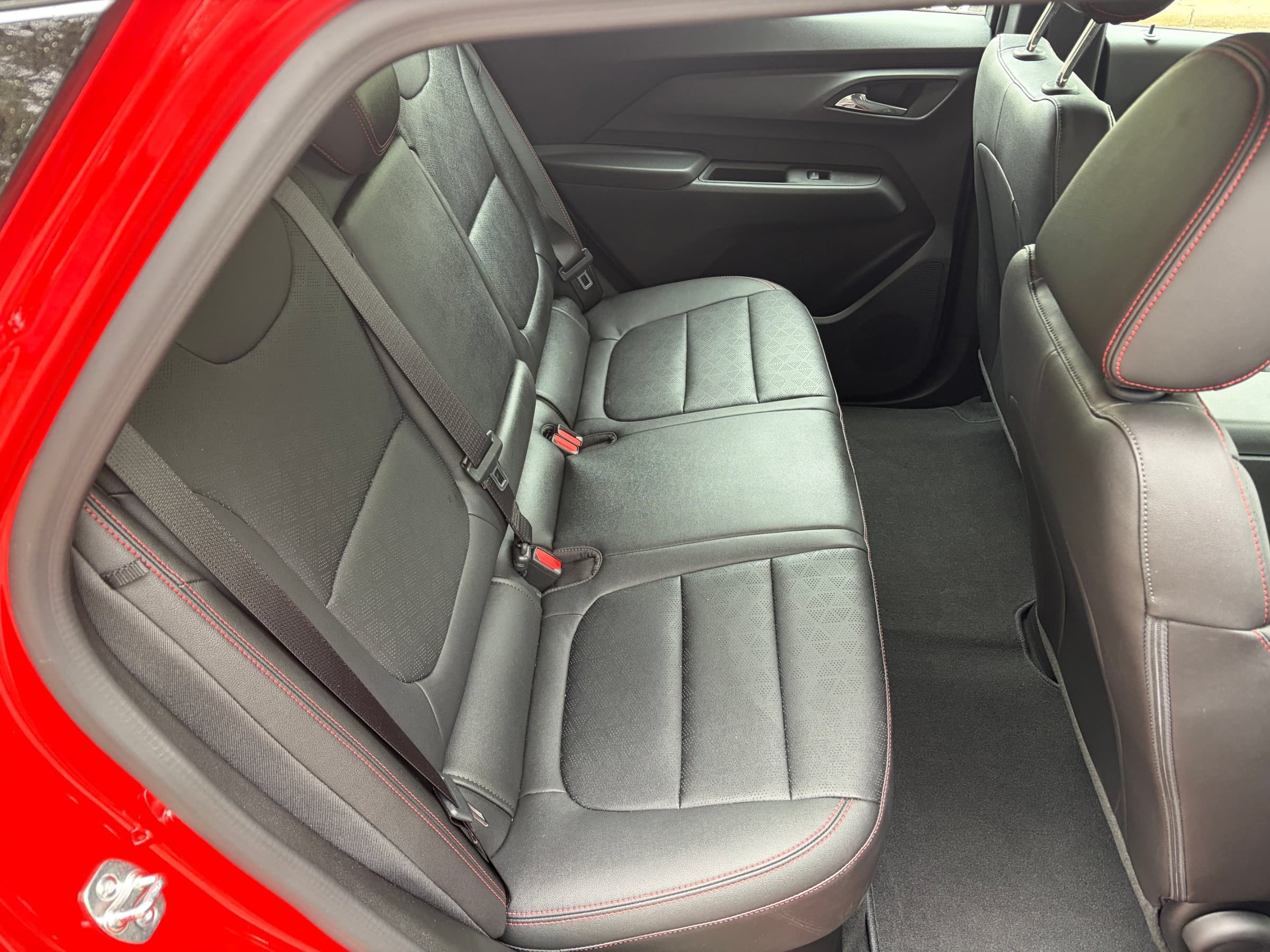
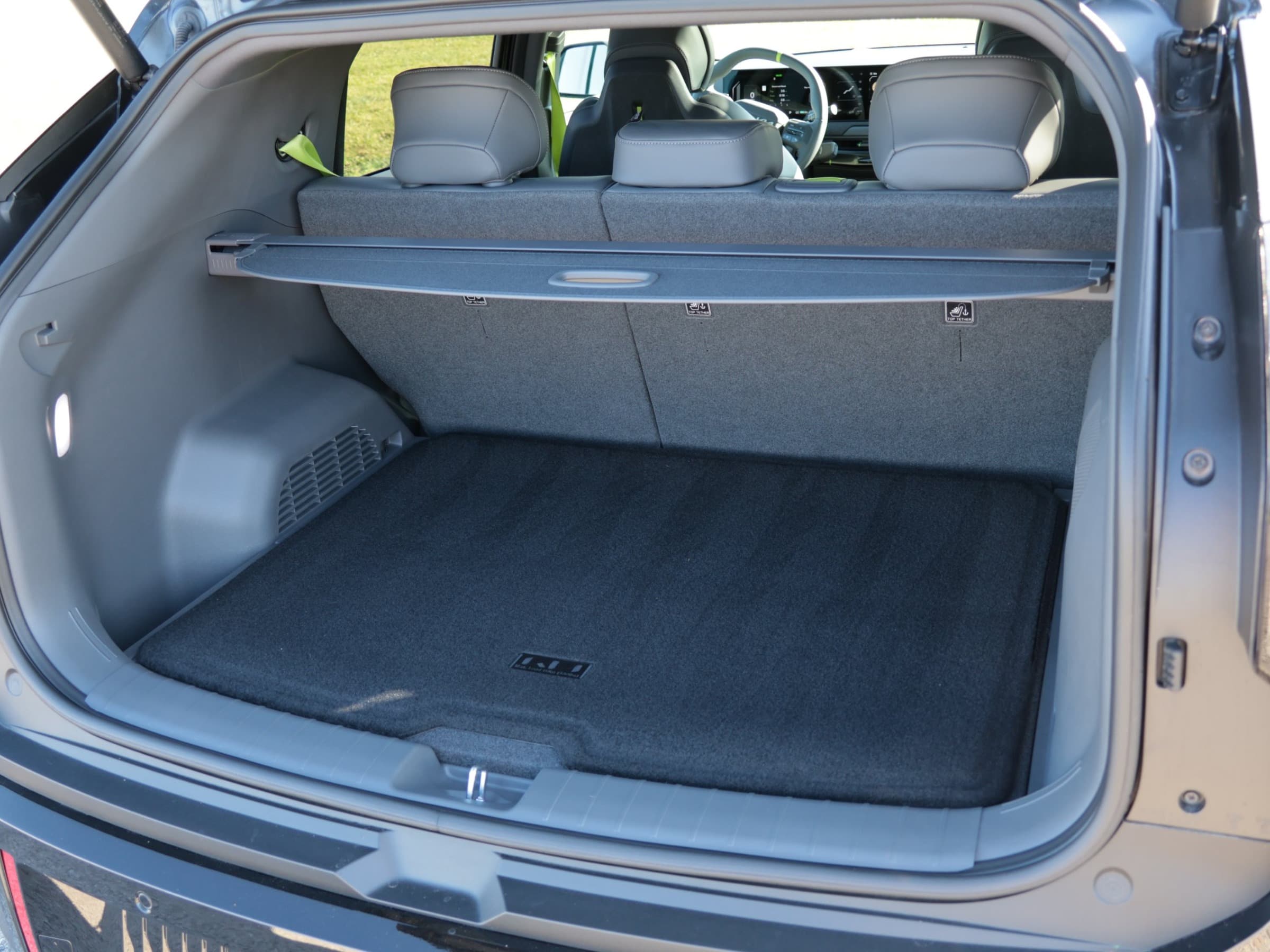
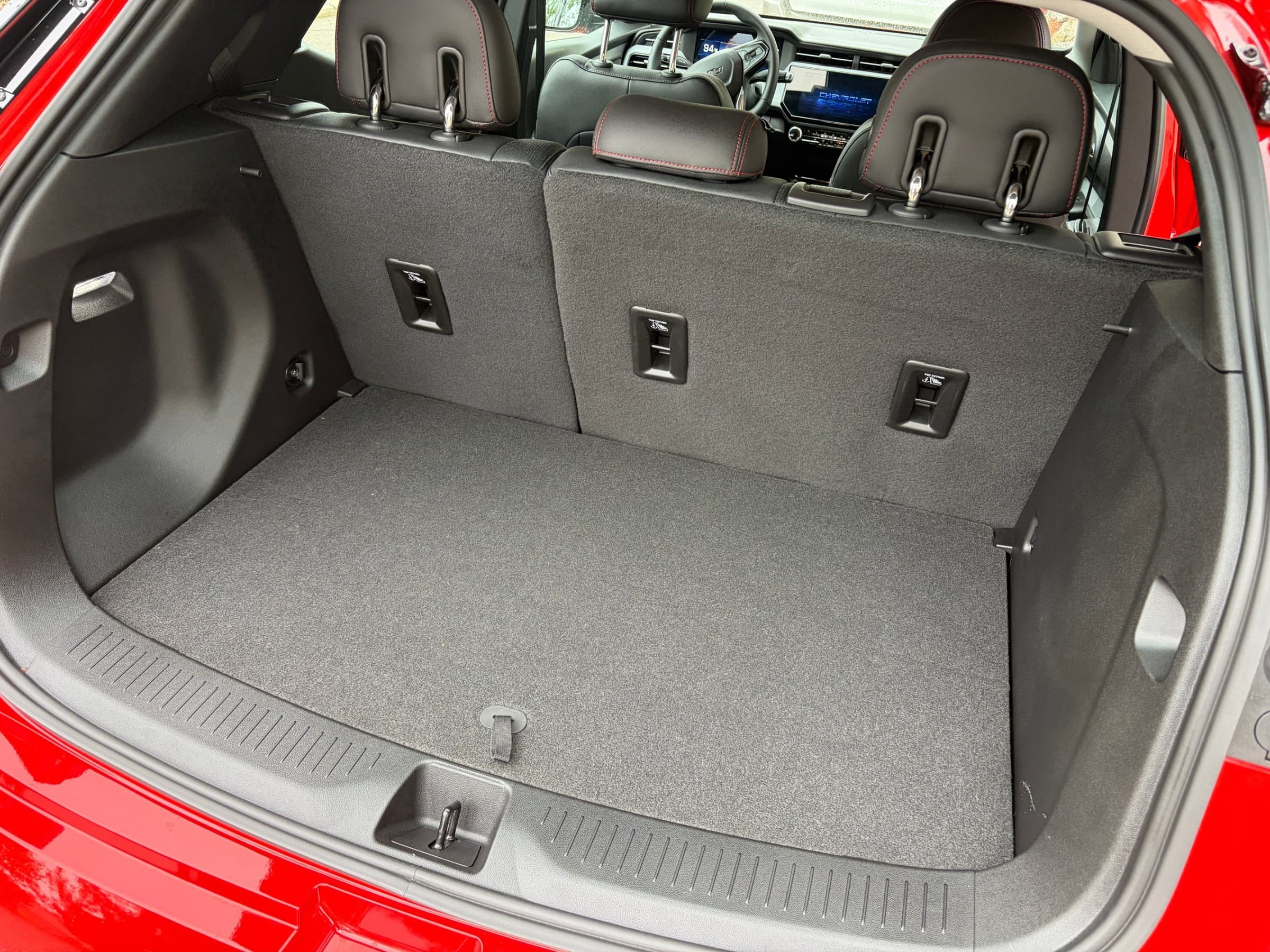
The EV3 and Bolt go back and forth on interior measurements. Front headroom without the sunroof is the same on both, but the Bolt has 0.6 inch more front headroom with the sunroof. The Bolt also has 2.6 inches more front legroom, 0.2 inch more rear headroom, and 1.7 inches more rear legroom. The EV3, on the other hand, has 2.2 inches more front shoulder room, 3.1 inches more rear shoulder room, 9.9 cubic feet more cargo space with the second row up, and 0.2 cubic foot more with it folded.
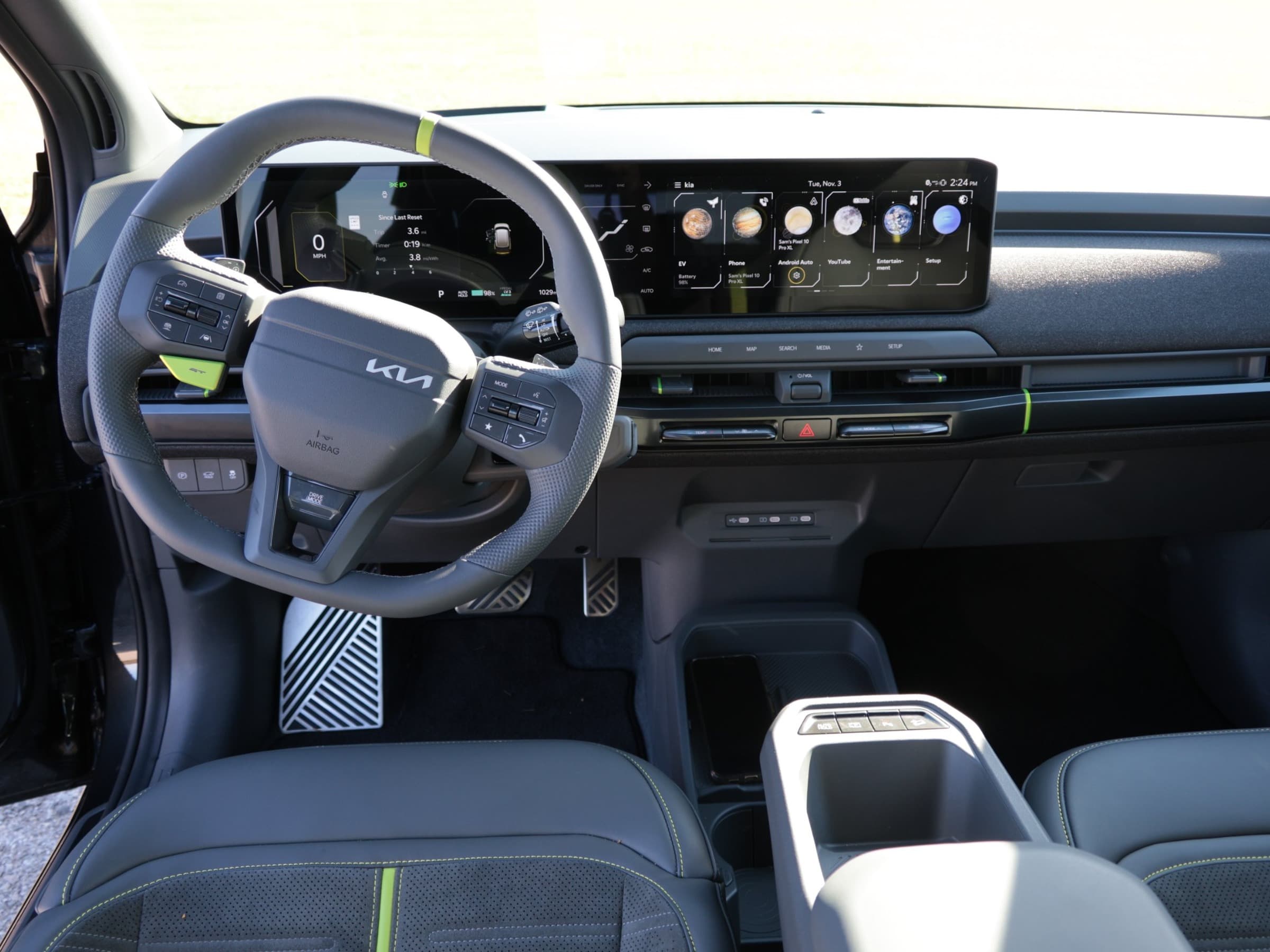
Both come standard with cloth upholstery, 60/40 split-folding rear seats, keyless entry, push-button start, remote start, and USB ports. The EV3 has a bit more standard equipment, including reclining rear seats and dual-zone automatic climate control.
The EV3 gets dual 12.3-inch panoramic displays with a 5-inch climate display, while the Bolt gets an 11.3-inch infotainment screen and an 11-inch digital gauge cluster. The Bolt gets standard Google built-in but doesn't offer Apple CarPlay or Android Auto, while the EV3 comes standard with wireless versions of both.
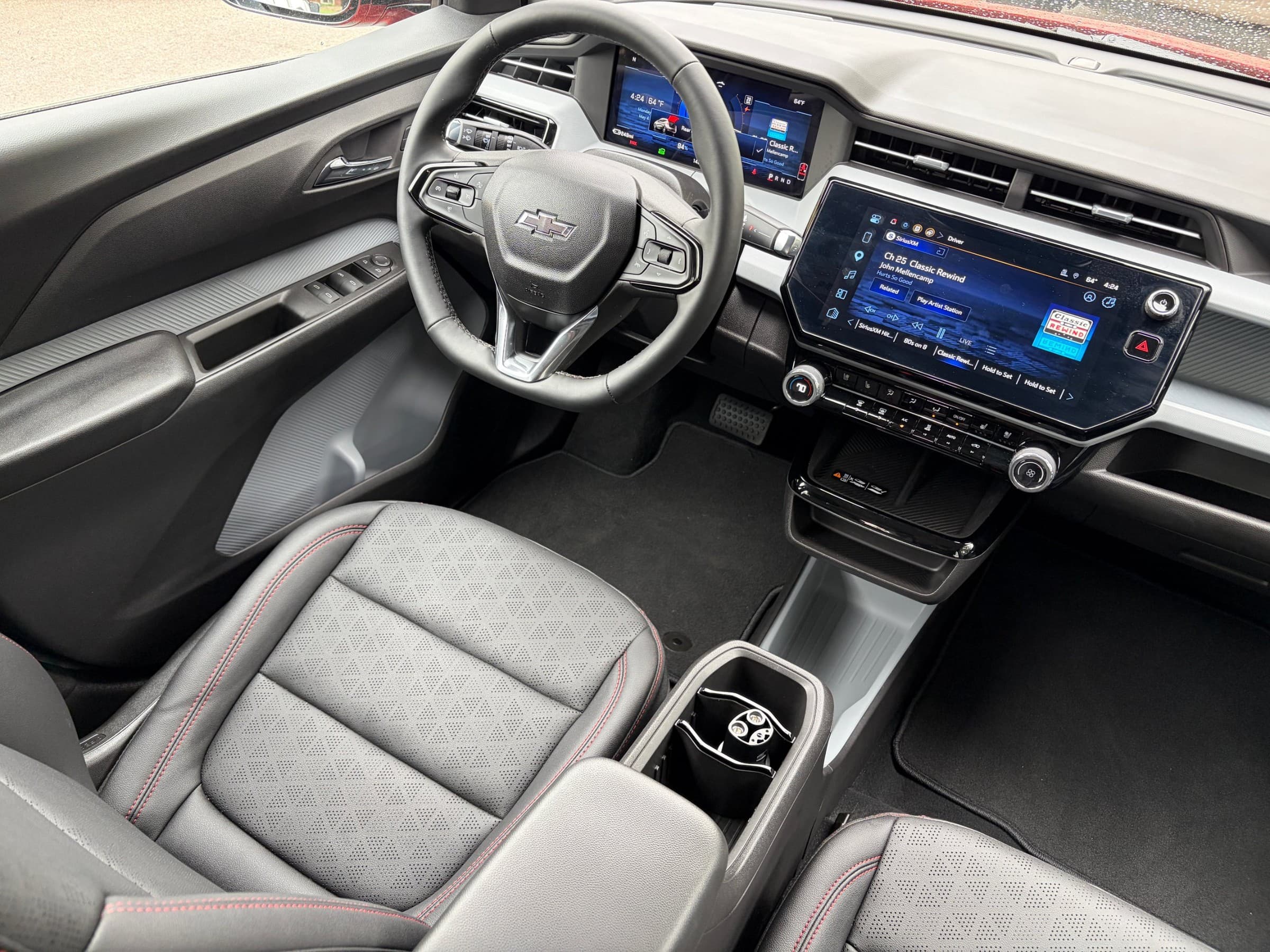
Both can be equipped with synthetic leather upholstery, a power-adjustable driver's seat (10-way on the EV3, eight-way on the Bolt), heated front seats, ventilated front seats, wireless device charging, a sunroof, multicolor ambient lighting, and an auto-dimming rearview mirror.
The EV3 also offers far more options, including driver's seat memory, driver's seat relaxation settings, a 10-way power-adjustable front passenger seat, synthetic leather and suede upholstery, a power liftgate, stainless steel-trimmed pedals, an eight-speaker Harman Kardon audio system, a digital key, and a 12-inch head-up display. The Bolt, meanwhile, offers a heated steering wheel.
For safety, both come standard with automatic emergency braking, intersection braking, blind-spot steering assist, rear cross-traffic braking, lane-keeping assist, adaptive cruise control, and automatic high-beams. The EV3 also comes standard with lane-following assist, highway driving assist, navigation-based adaptive cruise control, rear-occupant alert, driver-attention warning, and safe-exit warning. The Bolt gets standard enhanced automatic emergency braking, front pedestrian and bicyclist braking, reverse automatic braking, rear park assist, side bicyclist alert, lane-departure alert, forward-collision alert, and Teen Driver.
Both are available with a surround-view camera, front and rear parking sensors, and rain-sensing windshield wipers. The Bolt can be equipped with rear pedestrian alert, a rear camera, traffic-sign recognition, and Super Cruise hands-free driving assist. The EV3 is available with side parking sensors, rear parking collision-avoidance assist, a blind-spot monitor, lane-change oncoming detection, lane-change side detection, evasive steering assist detection, highway driving assist 2, remote smart parking assist, and enhanced automatic emergency braking.
Chevrolet offers only one battery and motor combination for the Bolt, while Kia offers two different batteries and a choice of FWD or AWD, with two power levels for AWD. If we're comparing base trims, the Bolt has more horsepower, a bigger battery, and more driving range, though the EV3 has more torque. The EV3 also offers long-range batteries with more driving range than the Bolt, as well as higher-horsepower variants and all-wheel drive.
Both EVs have a native NACS charging port, but the Bolt’s is mounted on the left front fender, while the EV3’s is mounted on the right front fender. The EV3's port placement makes it easier to nose into a Tesla Supercharger bay and connect using Tesla's short cables. The Bolt charges a bit faster, at 25 minutes to go from 10 to 80 percent, compared with about 29 to 31 minutes for the EV3, depending on the battery.
NACS simplifies Tesla Supercharger access, but adapters still matter for older AC and DC equipment, so see how NACS, CCS, J1772, and charging adapters work together ➜
The base Bolt undercuts the base EV3 by over $2,000, and the Bolt RS costs less than the EV3 Wind, the next trim up. But the EV3 offers more variants and more choice, including the top-end GT, which runs over $14,000 more than the Bolt RS.
All Bolts drive pretty much the same, since they share one battery and motor combination regardless of trim. That said, it’s always been a fun little car to drive, with surprisingly quick acceleration: zero to 60 takes around 7 seconds, and because it’s an EV, it feels responsive off the line. The ride quality is good, and while it will understeer at the limits of cornering like other FWD cars, it’s generally well balanced.
The EV3 offers a much broader spectrum of performance at prices that range from a bit higher than the Bolt to quite a lot higher for the GT-Line and GT trims. The FWD variants accelerate slightly slower because they have a bit less power and more weight. Still, at just over 7 seconds to 60 mph, they can easily merge with traffic and complete a pass on most two-lane roads. I personally find the EV3's interior a bit nicer to look at and touch, although it’s still not premium.
From a performance standpoint, the EV3's biggest advantage is its available dual-motor AWD, which drivers in regions with winter weather might appreciate. At the upper end of the price range, the EV3 transforms from a nice electric commuter car to a full-blown challenger to something like the Volkswagen Golf GTI or the Subaru Uncharted GT. With a zero-to-60 time in the low 5-second range, it falls between these two in performance, and it’s genuinely fun to scoot around on a country road, with a nice overall balance.
There's one other crucial difference between these two that might tip the scales for some customers. Like most other GM EVs (apart from the Cadillac Lyriq), the Bolt doesn't support smartphone projection through Apple CarPlay or Android Auto, although it does have Google services built-in and the ability to download apps directly from the Play Store. The EV3 has phone projection in addition to its built-in infotainment software.
Both of these cars are an excellent value if you’re looking for a new EV at a reasonably affordable price. However, the Bolt is the clear winner for the absolute best deal, with a delivered price under $30,000 for the base LT trim. The “sportiness” added by the RS trim is purely visual, with no actual performance enhancements.
Kia offers a broader range of features and capabilities with the EV3, which adds a significant amount to the price tag. The base FWD Light has less range but still costs more than the Bolt. But the availability of AWD and a GT variant that transforms the EV3 into a genuine hot hatch puts it in a whole different category that some drivers might find really appealing.
Besides the lack of smartphone projection, there’s one other aspect that could affect the Bolt's long-term value. GM has said it will be a short-run model, and production is now reportedly set to end sometime in mid-2027, after about 35,000 units. Chevrolet dealers aren’t going away, so service isn’t an issue. The Bolt is a very good little car, and limited quantities could help boost its eventual resale value if future buyers decide they want one. If you tend to keep your cars for only a few years, that potential resale value could give the Bolt an even lower cost of ownership.
These are two great, relatively affordable EVs: one priced lower, and the other has more potential fun factor. Take your pick.
Nissan Leaf vs. Chevrolet Bolt: Which Sub-$35K EV Should You Buy?
The Leaf brings more maximum range and richer upper trims, while the Bolt keeps its price and charging advantages.
Read More ➜
2027 Toyota bZ vs. 2027 Chevrolet Equinox EV: Which Affordable EV Wins?
Toyota and Chevrolet offer larger alternatives with more than 300 miles of range and starting prices still well below many EVs.
Read More ➜
The Best EVs Under $40K
See how the Bolt, Leaf, bZ, Equinox EV, Ioniq 5, and other affordable electric models fit into the broader market.
Read More ➜
GreenCars Contributor
Sam Abuelsamid is vice president of market research and leads Telemetry Insights' Transportation and Mobility research and advisory practice. Focusing on automated driving, mobility services, telematics, connectivity, cybersecurity, and advanced propulsion systems, Abuelsamid works with clients to help them understand emerging technology trends and shape strategies.
Avery Zimmerman is a Senior Editorial Manager at Telemetry, an integrated communications agency at the intersection of mobility and technology.
Get vehicle reviews, practical tips, and the latest GreenCars news.
ComparisonsNissan and Chevy both have affordable compact crossover EVs. Here's how the Leaf and Bolt compare on range, space, tech, and price.
 Previews
The 2027 Chevrolet Bolt returns with 262 miles of range, much faster charging, and a sub-$30,000 starting price, making it one of the smartest values in the EV market.
 Comparisons
They both start under $40,000 and offer more than 300 miles of EPA-estimated range, but the Toyota bZ and Chevrolet Equinox EV take different approaches to all-electric driving.