

 Reviews
2026 Toyota Tundra Capstone Review: Hybrid Muscle Makes Towing Easy
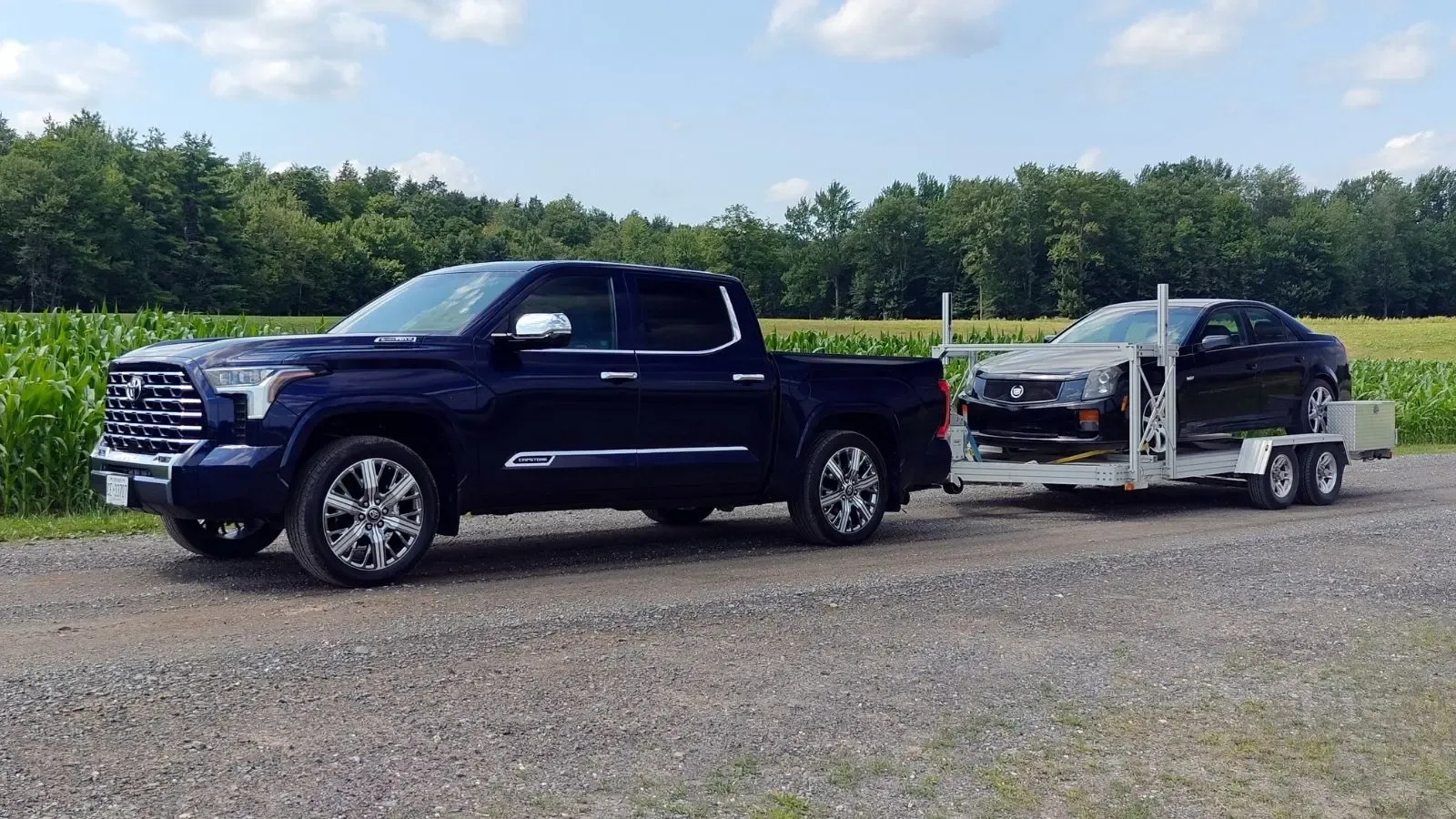
The Toyota Tundra Capstone provides hybrid power for customers seeking the pinnacle of luxury and capability in its flagship truck.
Benjamin Hunting5 min read

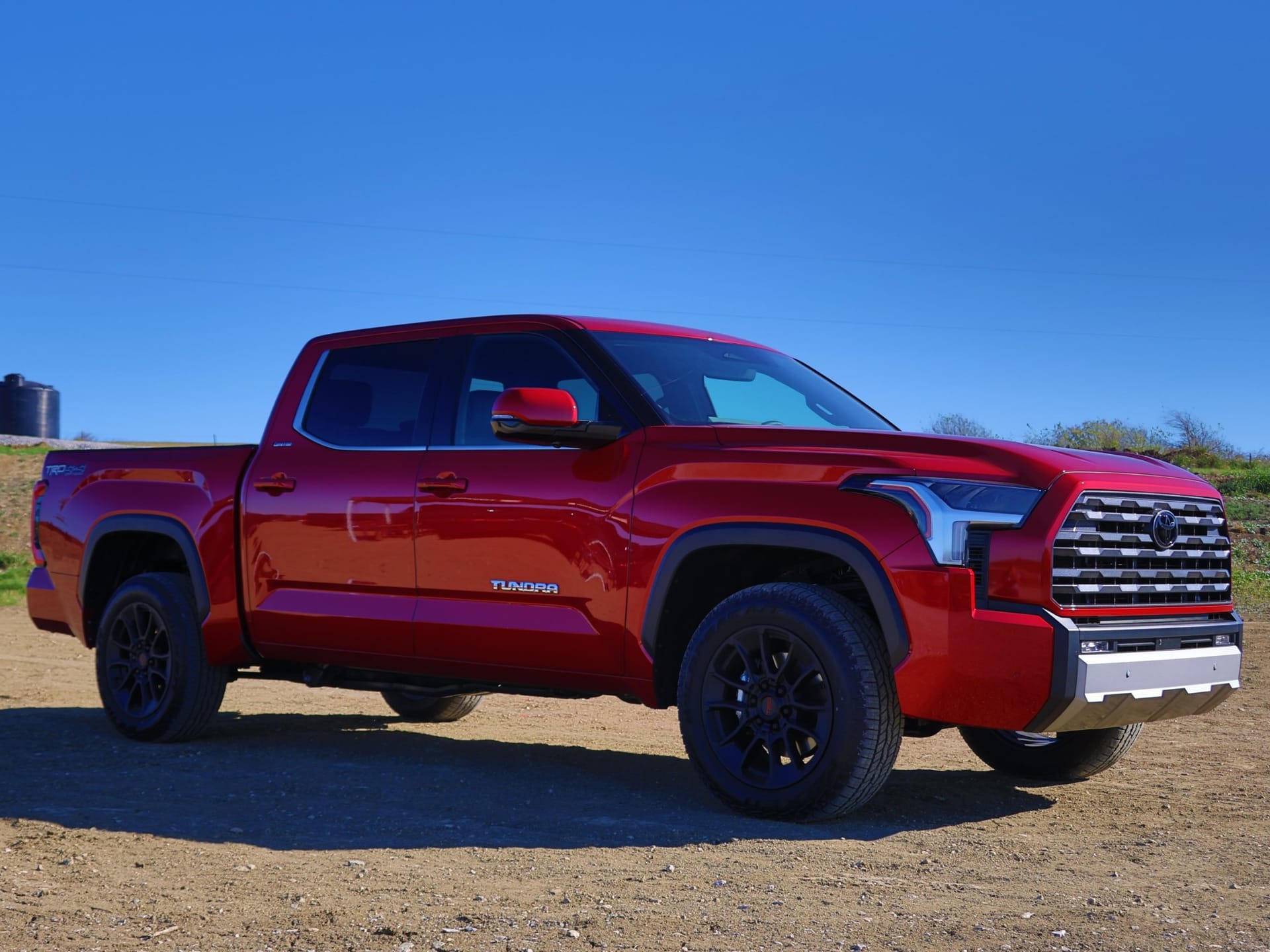
Toyota's refreshed 2027 Tundra and Sequoia gain a bigger standard touchscreen, new towing tech, and a rock-crawling Trailhunter trim.
Toyota's full-size, body-on-frame Tundra pickup and Sequoia SUV are now in their third generation, having debuted in 2021 and 2023, respectively. For model year 2027, both get a mid-cycle update with a mild visual refresh, new infotainment, a new off-road trim, and some technology upgrades. I recently had a chance to try out both of them in Texas, near Toyota’s North American headquarters.
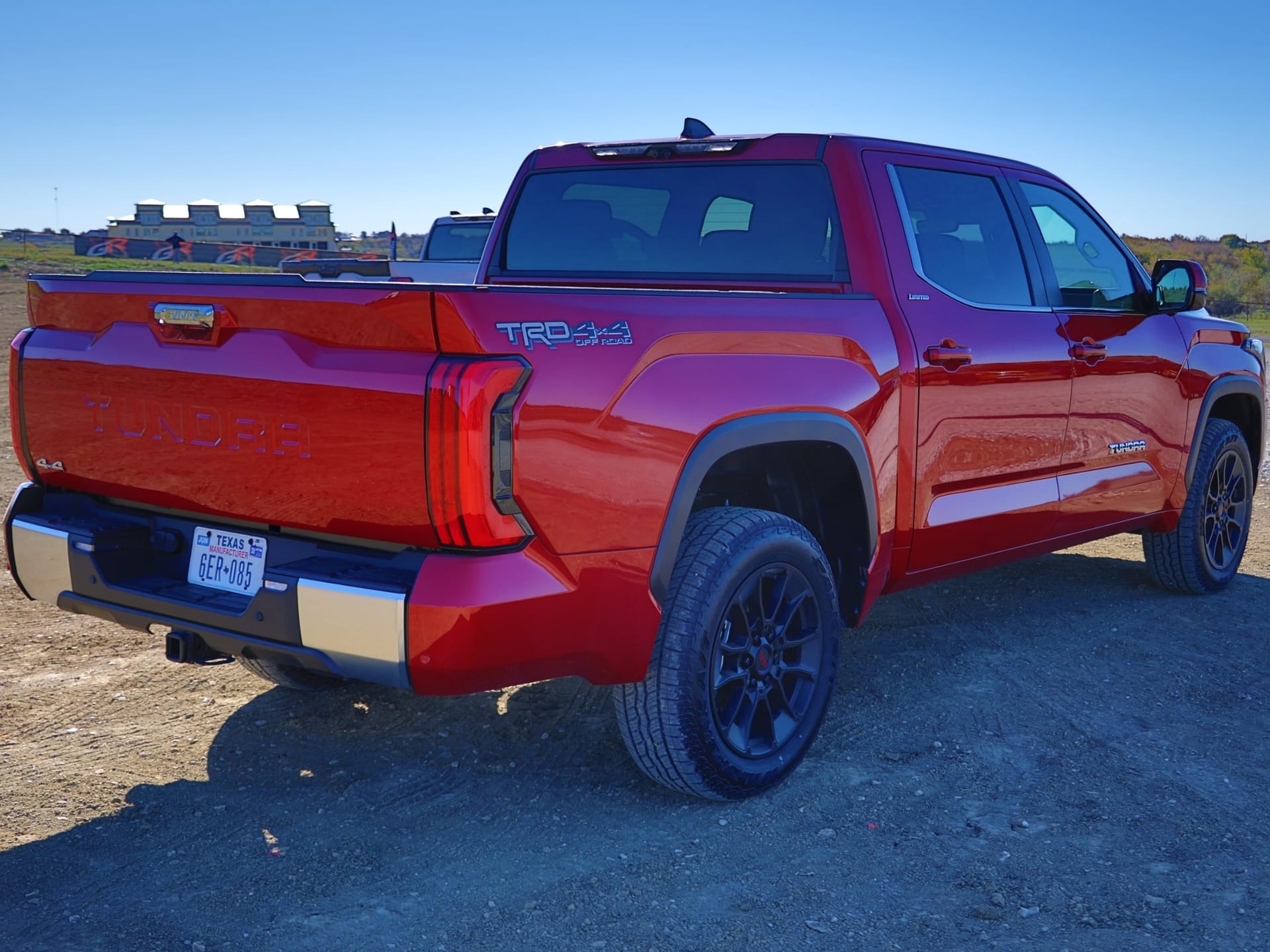
The Tundra and Sequoia share the same TNGA-F platform, and their front halves are essentially the same. The primary difference is the back: The Tundra gets a pickup bed, while the Sequoia has an enclosed SUV body.
The Tundra comes in two four-door cab sizes, the Double Cab and the longer CrewMax. Toyota pairs them with three bed lengths (5.5, 6.5, or 8.1 feet) on one of three wheelbase lengths: 145.7 inches, 157.7 inches, or 164.6 inches. The Sequoia keeps things simple with just one configuration, a three-row SUV with a 122-inch wheelbase.
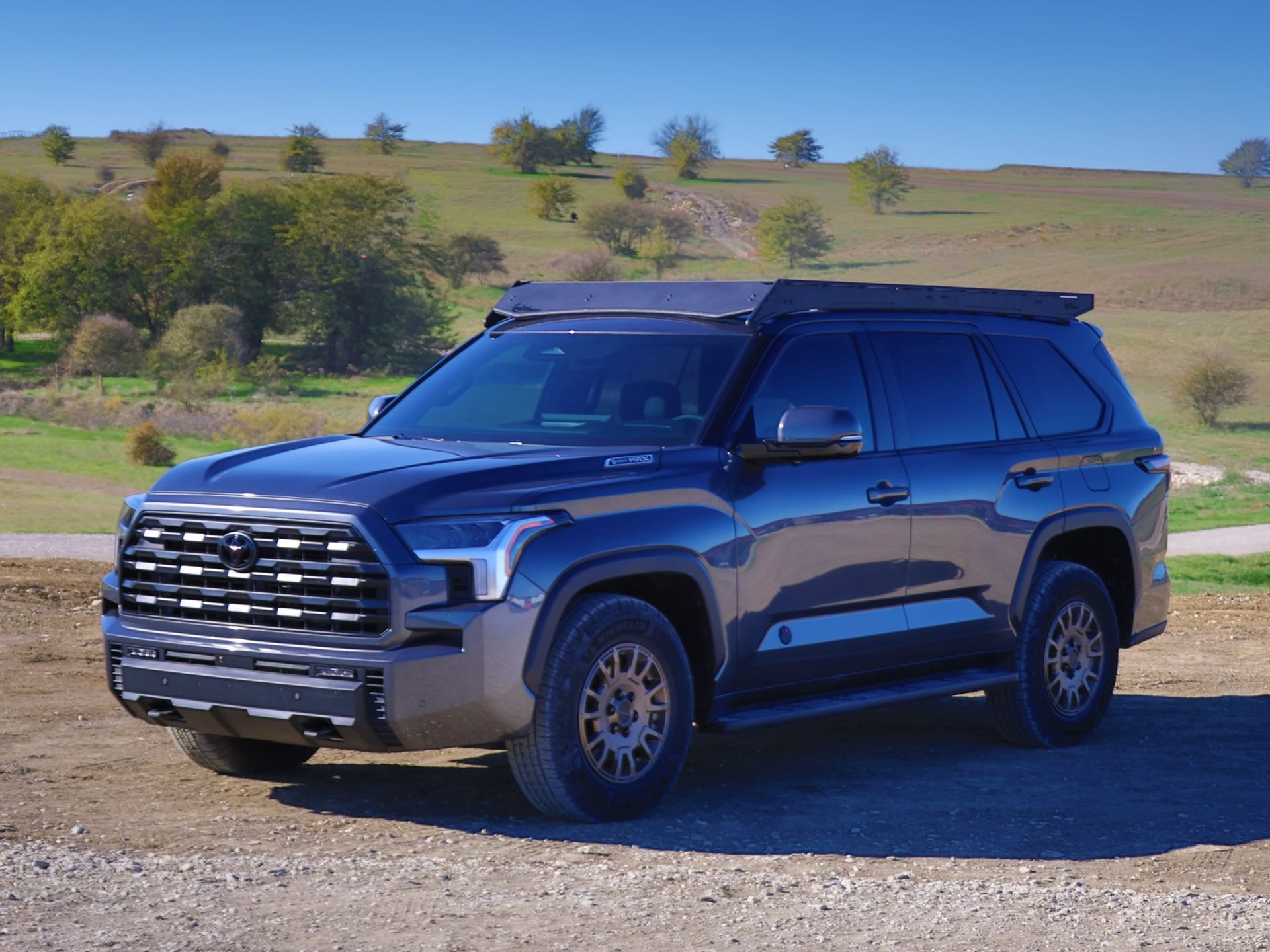
All Tundras and Sequoias are now equipped with a twin-turbocharged 3.4-liter V6 and a 10-speed automatic transmission. The Tundra also offers an optional hybrid system, which is standard on the Sequoia.
The base V6 generates 389 horsepower and 479 pound-feet of torque. The hybrid sandwiches a 48-horsepower electric motor between the engine and transmission, boosting total output to 437 horsepower and 583 lb-ft. That’s slightly more than the Ford F-150 hybrid's 420 horsepower and 570 lb-ft, though the Toyota weighs about 400 to 500 pounds more, depending on the configuration.
The i-FORCE MAX system is a good example of electrification being used primarily for torque and capability rather than maximum MPG, so see why different hybrid layouts prioritize efficiency and performance differently ➜
The powertrains carry over unchanged for 2027. That's ok, but not great. Toyota tunes its hybrid for performance, yet the Ford delivers about the same output and an EPA-estimated 23 mpg combined to the Tundra's 20 mpg. In my experience, the Ford easily meets or exceeds its rating. I’ve never come within 2 mpg of the Tundra's or Sequoia’s numbers. On our drive from the hotel to Eagle’s Canyon Raceway, a mix of city, highway, and rural driving, the 4WD Tundra achieved only 17.5 mpg.
Visually, the biggest changes to the Toyotas for 2027 are to the face, with a slightly smaller (though by no means small) grille. The pickup and SUV now share identical bumper covers, which should make repairs a bit easier and cheaper if there's any damage. The rest of the sheetmetal is unchanged.
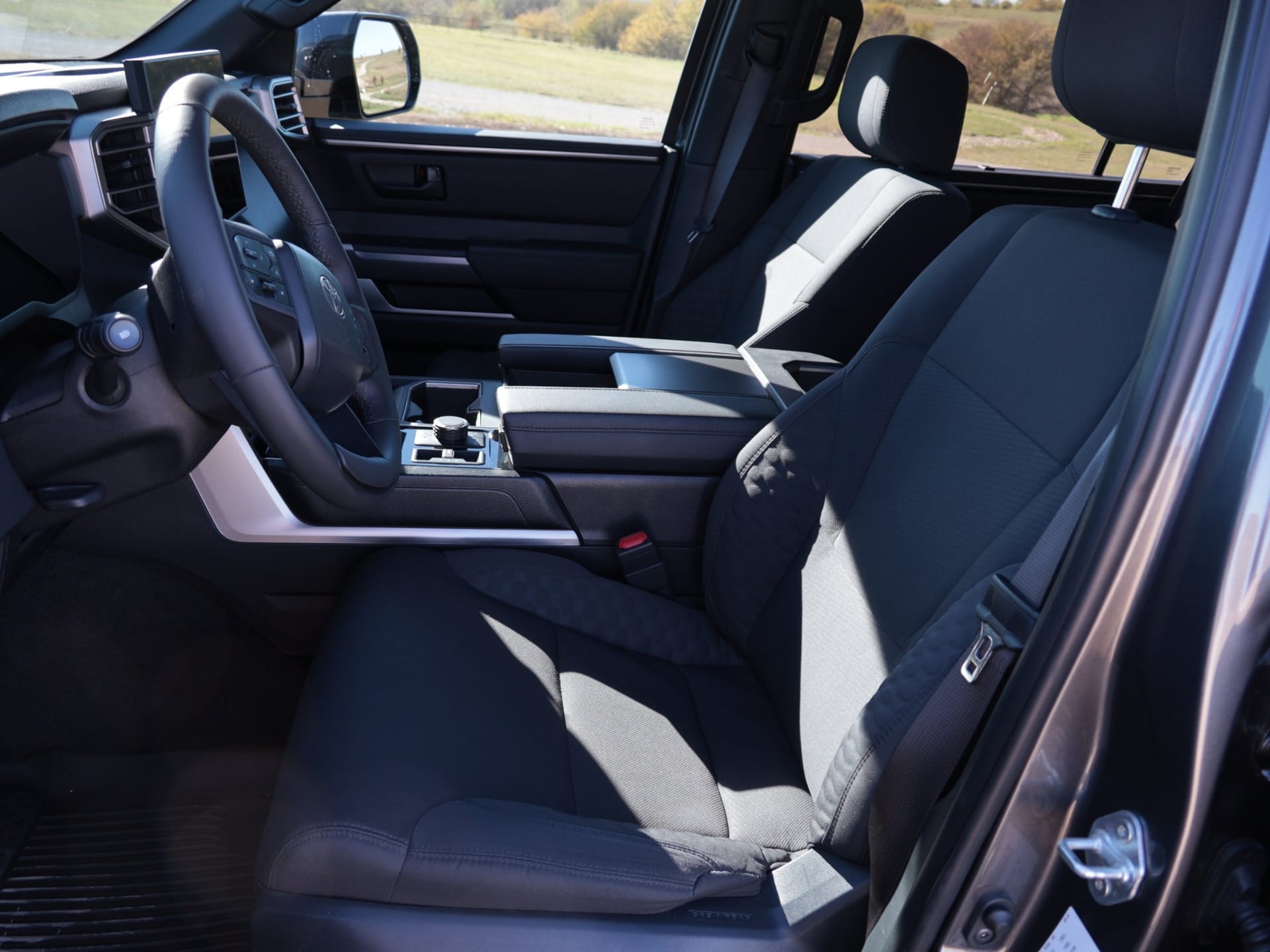
On the inside, the most notable change is an upgraded 14-inch touchscreen that's now standard across all trims, replacing the base 8-inch display from 2026. Similarly, the 12.3-inch digital cluster display, previously optional, is now standard across the board.
The touchscreen runs Toyota’s latest infotainment software, which debuted last year on the RAV4 and is gradually spreading across the lineup. It's faster and more responsive than before, and it now allows you to split the screen into up to three panes, so you can see navigation, media controls, and one other feature at once. The whole system is much more usable than before.
Toyota also upgraded the advanced driver-assist system (ADAS) to Toyota Safety Sense 4.0. It still includes radar adaptive cruise control, lane centering, and blind-spot monitoring, and it now adds pedestrian detection.
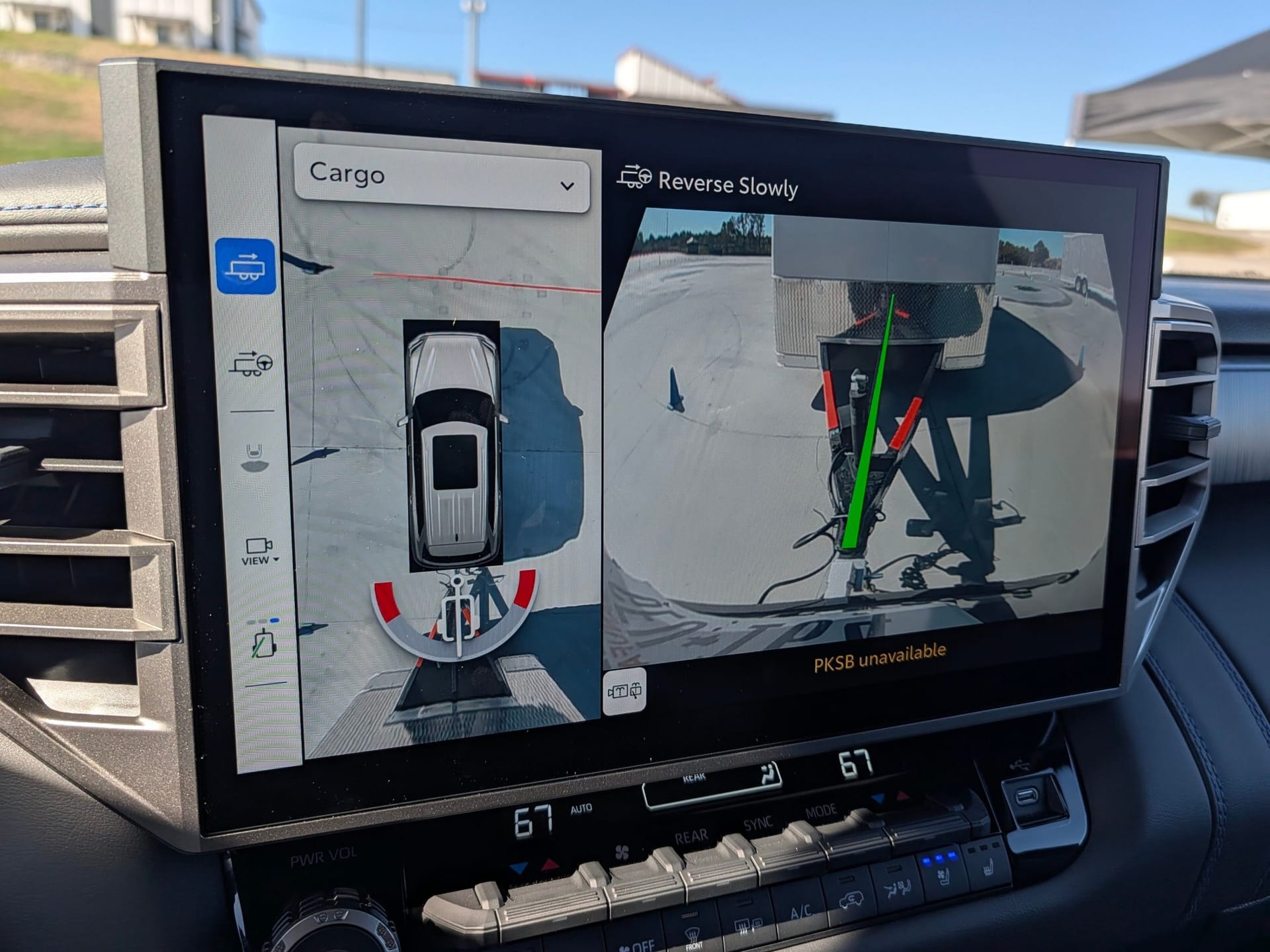
The other big addition is trailering features. Automated trailer detection uses the cameras and radar to sense a hitched trailer, measure its dimensions, and add it to the trailer garage. The rear corner radars now adjust their coverage to match the trailer, so you know you have room to change lanes or maneuver. Toyota also optimized the lane-centering system for towing to account for the different physics of pulling a load. Plus, all the trailer features and the rest of the ADAS settings now live in the center screen instead of the gauge cluster, leaving more room to display and explain everything.
The trailer backup guide now shows dynamic guidelines that predict where the trailer is headed. There's also a new backup steering assist that works much like Ford’s Pro Trailer Backup Assist. Instead of a knob on the dashboard, though, you drag a slider on the touchscreen with your fingertip to show the truck where you want the trailer to go, and the truck handles the steering. The system also supports auxiliary cameras mounted on the back of the trailer.
Toyota’s current hybrid Tundra already shows how useful that electric torque can be under a real trailer load, so see how i-FORCE MAX performs during hands-on towing ➜
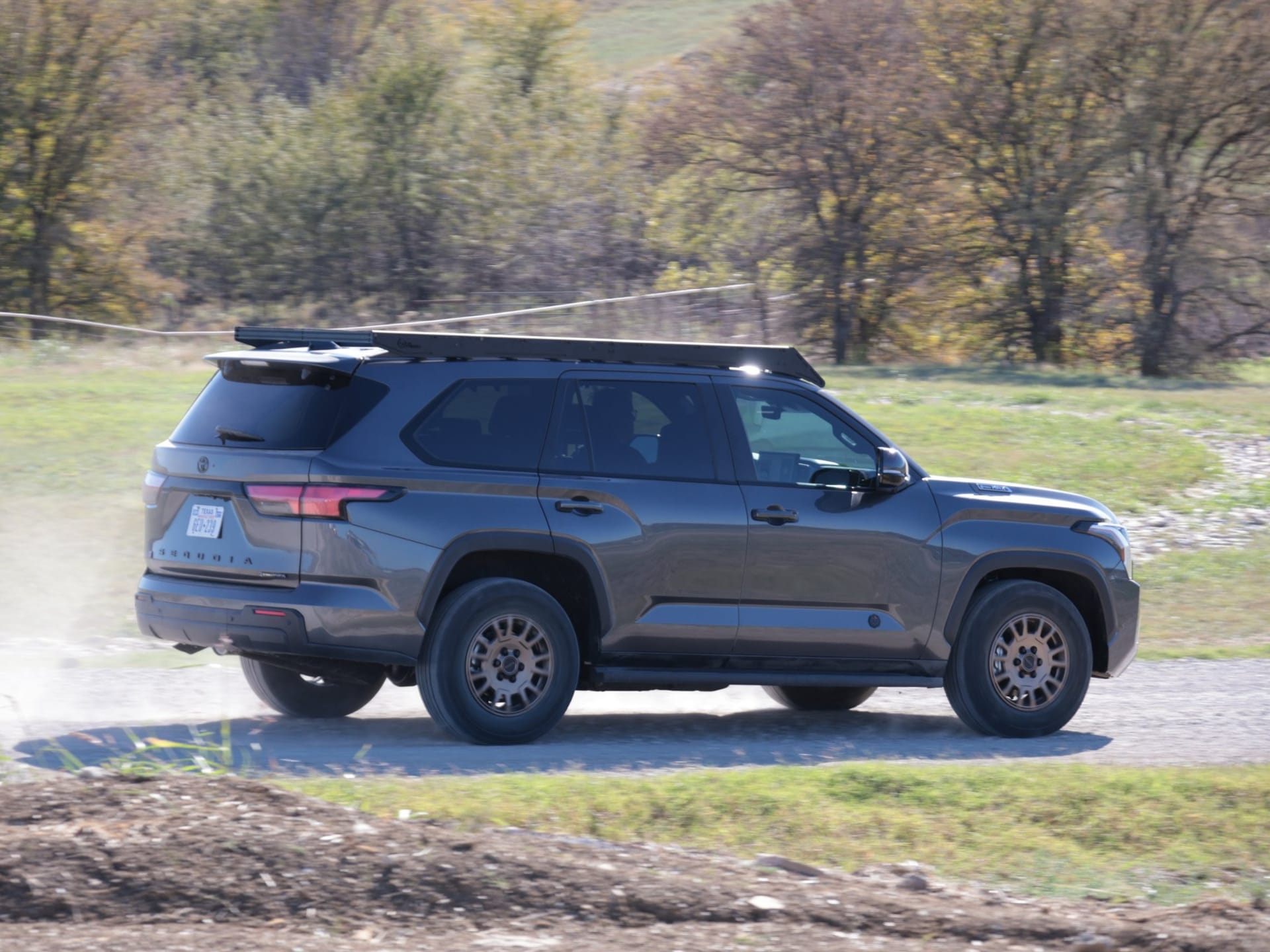
The powertrain may be disappointing from a fuel-efficiency standpoint, but the Tundra and Sequoia's fully coil-sprung chassis is among the best in the full-size truck segment, with very good ride quality on a variety of roads. The advanced variable ride system (AVS) automatically adjusts the dampers, and optional air springs are now available with the AVS on all trim levels.
The TRD Pro package, designed for higher-speed off-road running, gets retuned suspension and Fox QS3 dampers that provide better off-road control without overheating. It also gets the same ISO-dynamic seats as the Tacoma TRD Pro, which add support and a built-in suspension for greater comfort on rough terrain. All TRD Pro models (Tundra, Sequoia, Tacoma, and 4Runner) get a new exclusive color this year: a bright yellow called Honeycomb, replacing the Wave Blue from 2026.
On Toyota's rally course, both the Tundra and Sequoia proved to be surprisingly fun to drive. In Sand mode, which allows more wheel slip, it was easy to drift either of them around corners.
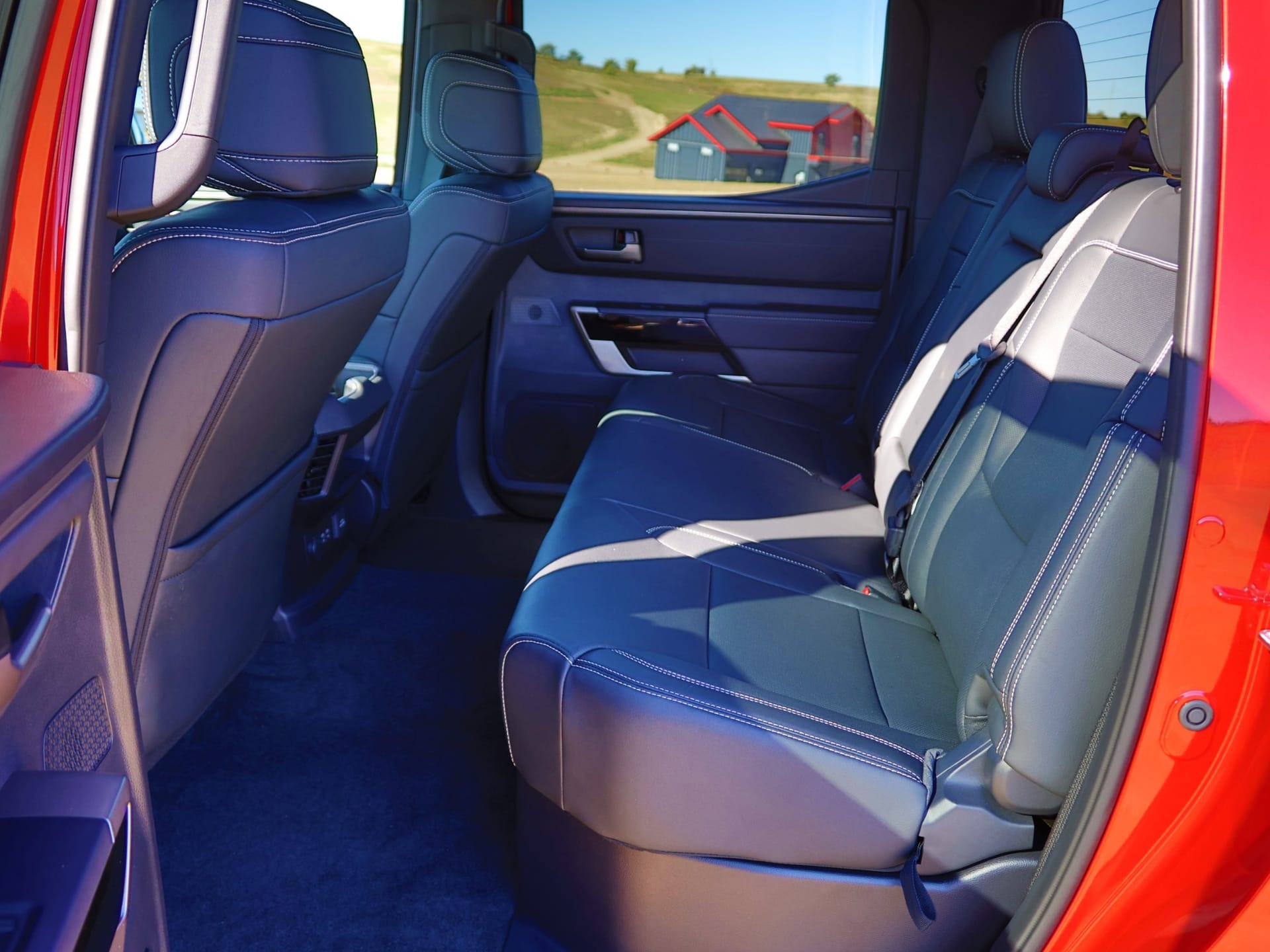
For 2027, the Tundra and Sequoia get a Trailhunter edition for the first time. Toyota launched the Trailhunter on the Tacoma and 4Runner as a high-end package with a lift, Old Man Emu dampers, underbody protection, and special wheels, all targeted at rock crawling rather than high-speed desert running.
On the smaller trucks, the Trailhunter is priced at the higher end of the lineup, similar to the TRD Pro. On the full-size models, it's less expensive because it builds on the cheaper SR5 trim, which has cloth seats and skips some premium features.
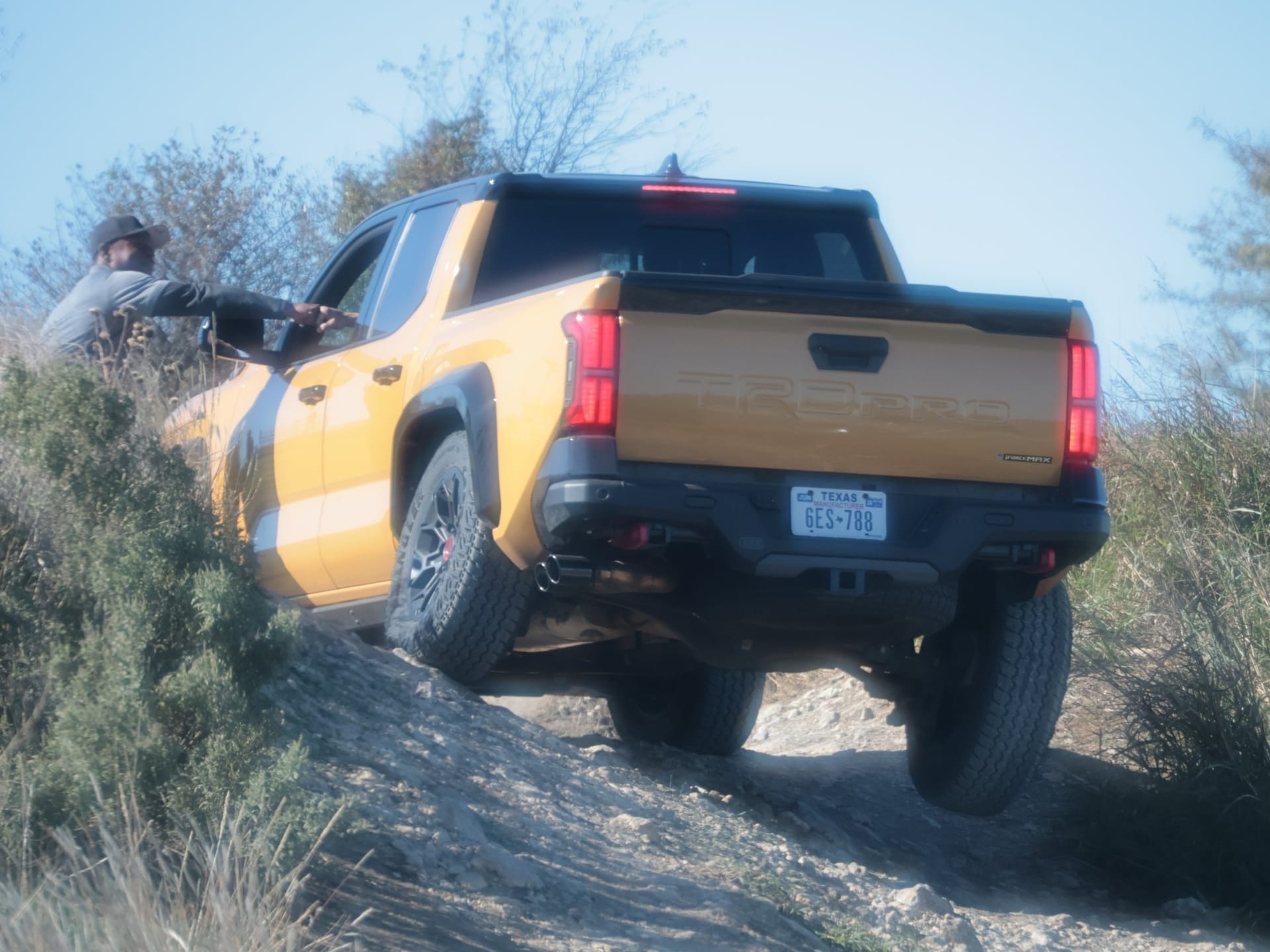
With 18-inch bronze alloy wheels, all-terrain Michelin tires, Old Man EMU suspension, and skid plates, the Trailhunter provides a solid platform for an overlanding truck or SUV. To go further, there are plenty of upgrades available, such as a suspension lift.
The 2027 Toyota Tundra and Sequoia build on a solid foundation, with strong technology upgrades and new trims well-suited to both street and off-road use. Just don’t expect the hybrid versions to give you Prius-like fuel economy.
2026 Toyota Sequoia Hybrid Capstone Review
See how the current Sequoia’s 437-hp hybrid performs in normal driving, including its real-world MPG, towing capability, and full-size-SUV trade-offs.
Read More ➜
2026 Toyota Tundra TRD Pro Review
The outgoing TRD Pro establishes the off-road baseline before Toyota adds adjustable FOX QS3 shocks and other updates for 2027.
Read More ➜
2026 Toyota Tundra Hybrid vs. 2026 Ford F-150 Hybrid Review
Toyota and Ford use hybrid power very differently, making this a useful companion for understanding the Tundra’s torque-first approach to electrification.
Read More ➜
GreenCars Contributor
Sam Abuelsamid is vice president of market research and leads Telemetry Insights' Transportation and Mobility research and advisory practice. Focusing on automated driving, mobility services, telematics, connectivity, cybersecurity, and advanced propulsion systems, Abuelsamid works with clients to help them understand emerging technology trends and shape strategies.
Get vehicle reviews, practical tips, and the latest GreenCars news.
ReviewsThe Toyota Tundra Capstone provides hybrid power for customers seeking the pinnacle of luxury and capability in its flagship truck.
 Reviews
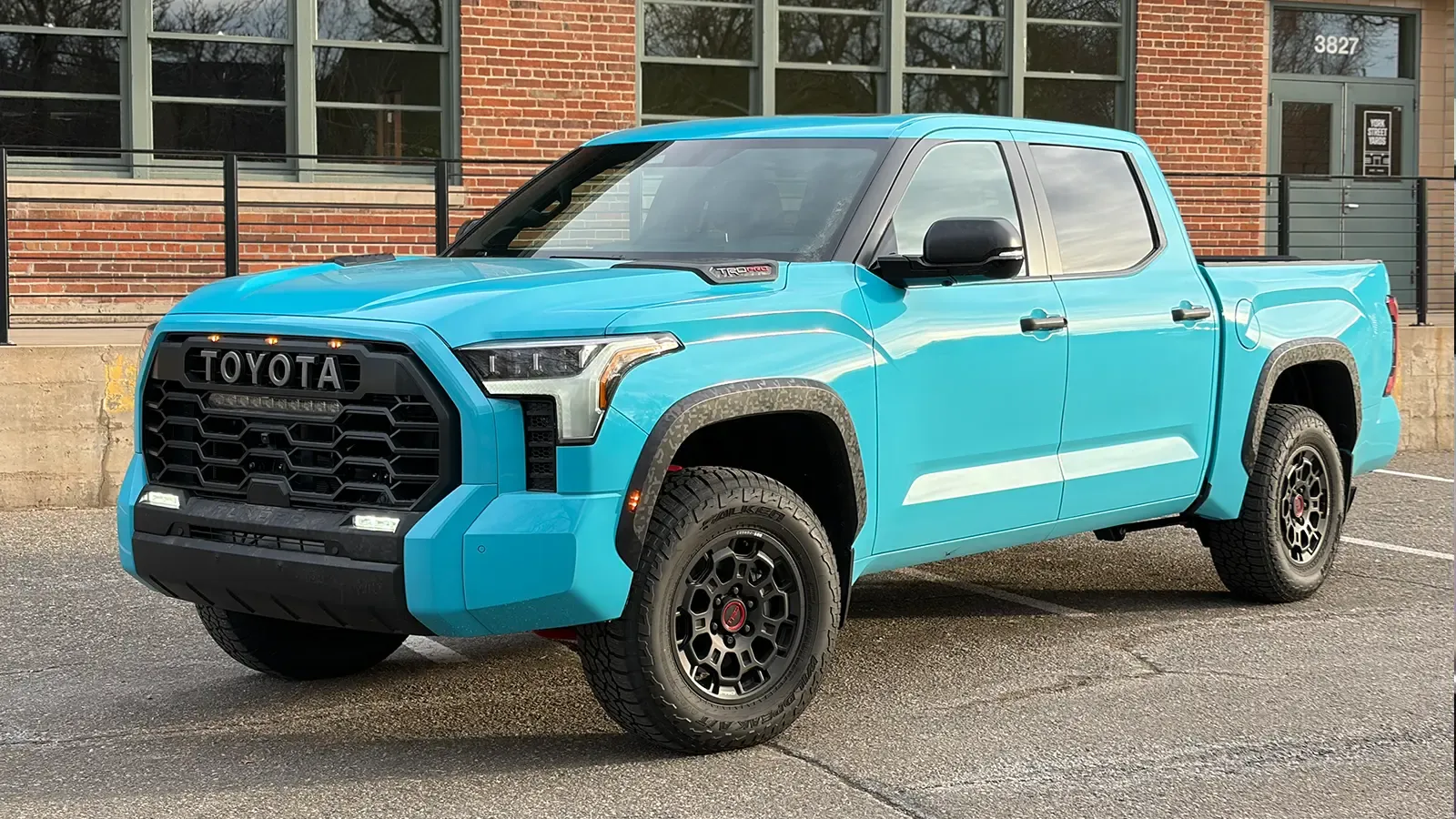
If you don’t think that serious off-road prowess and a hybrid powertrain belong together, the 2026 Toyota Tundra TRD Pro would like to have a word with you.
 Reviews
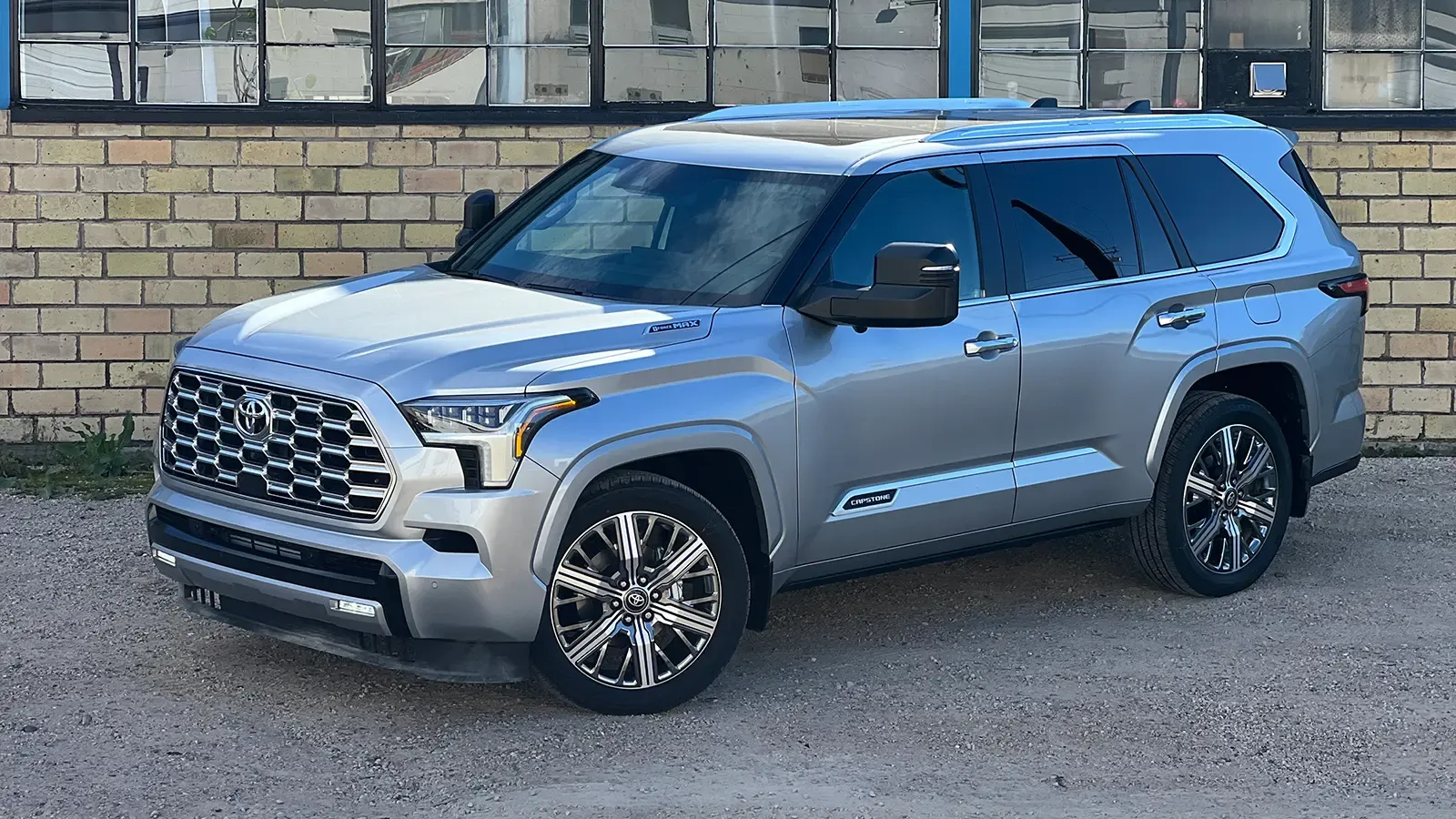
With 437 horsepower from its hybrid powertrain and the ability to tow over 9,000 pounds, the Toyota Sequoia is a seriously capable machine wrapped in a refined, almost Lexus-like package.