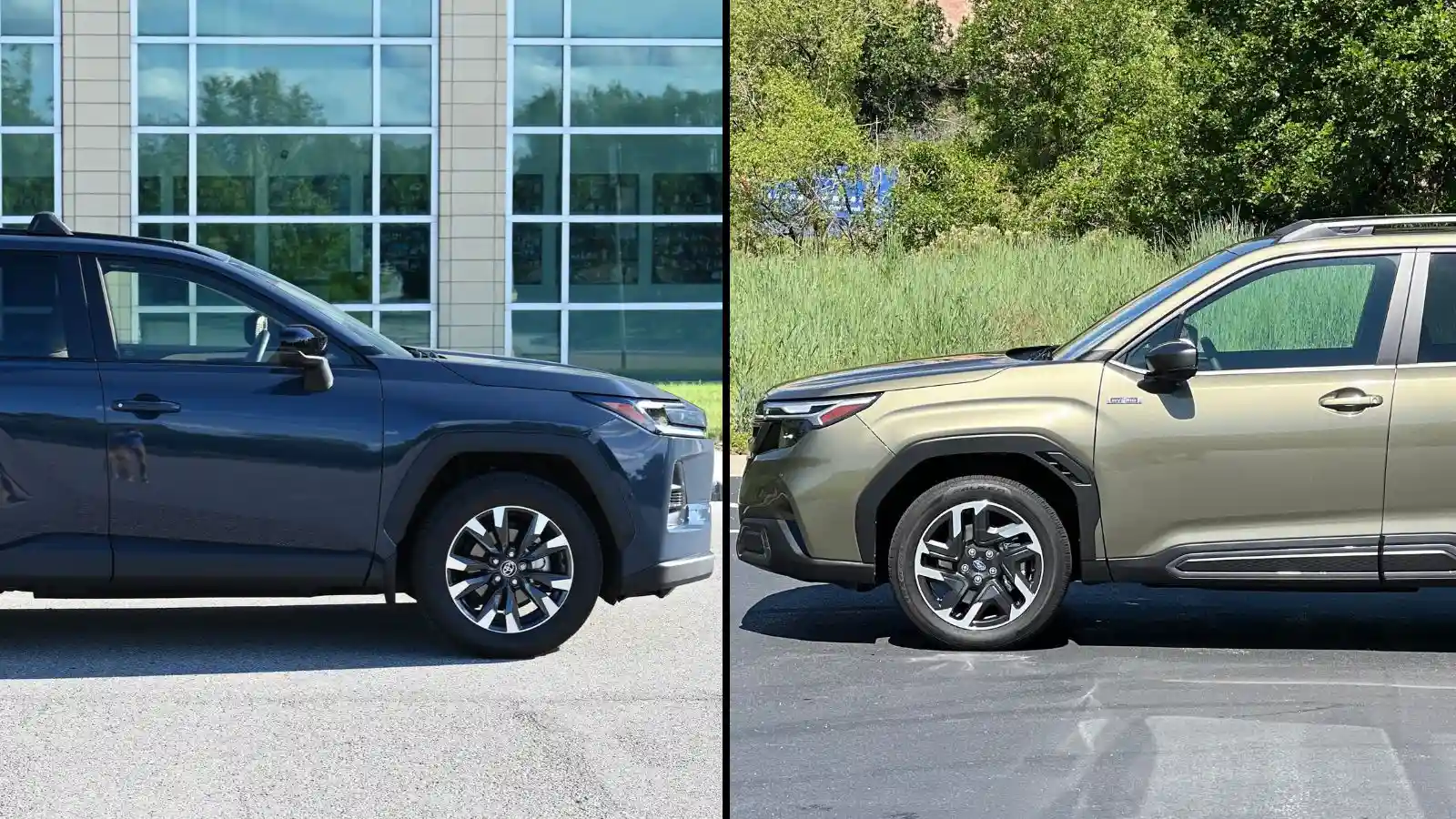

Fast Facts | Subaru Forester Hybrid vs. Toyota RAV4 Hybrid
⚙️ Output: The Forester Hybrid has 194 horsepower, while the RAV4 has 226 horsepower in FWD or 236 horsepower in AWD
⛽ EPA-Estimated Fuel Economy: The Forester Hybrid gets up to 35 mpg combined, while the RAV4 gets up to 43 mpg combined
🖥️ Tech: The Forester Hybrid has an 11.6-inch touchscreen, while the RAV4 has a 10.5-inch touchscreen; both get wireless Apple CarPlay and Android Auto
🛞 Drivetrain: The Forester Hybrid is only all-wheel drive, while the RAV4 is offered in both front- and all-wheel drive
⛰️ The Forester Hybrid gets up to 8.7 inches of ground clearance, while the RAV4 gets up to 8.5 inches in Wilderness trim
💵 MSRP: The Forester Hybrid starts at $36,180, while the RAV4 starts at $33,495 in FWD or $34,895 in AWD
Toyota Chases Efficiency. Subaru Sticks With Capability.
The most popular compact SUV is by far the Toyota RAV4, regardless of powertrain. In 2025, Toyota sold nearly 480,000 RAV4 models, with just over 180,000 of those being the hybrid powertrain. The plug-in hybrid RAV4 is much less popular. And in 2026, Toyota discontinued the purely gas-powered RAV4 entirely, pushing buyers to one of its two hybrid options. Subaru was a little later to the hybrid game for its compact SUV. The Forester was offered as a hybrid for the first time in 2025, with more than 23,000 of its 175,000 total units sold that year opting for the hybrid.
For a closer look at how Subaru’s first Forester Hybrid drives and how its new powertrain changes the familiar crossover, read our full Forester Hybrid review ➜
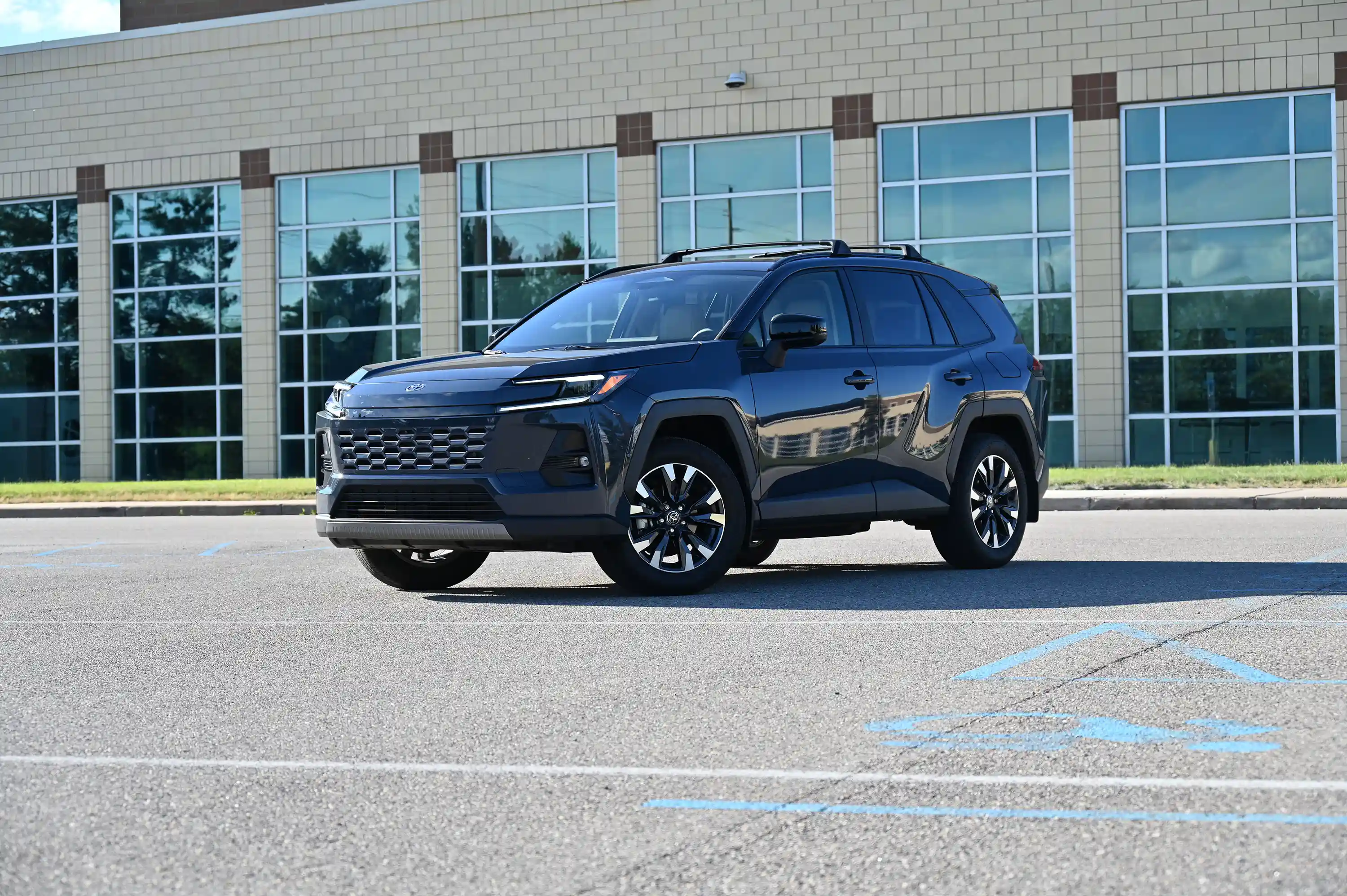
A compact SUV gives you the best of both worlds: the versatility of an SUV with the fuel economy of a small hybrid vehicle. And the Toyota RAV4 and Subaru Forester Hybrid are both excellent options. Here’s how they stack up:
Exterior Design and Dimensions
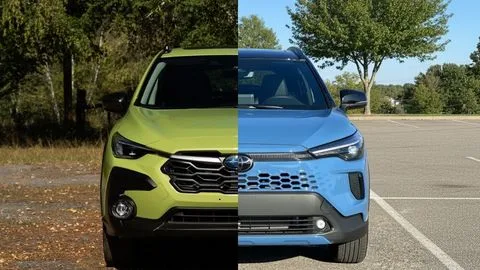
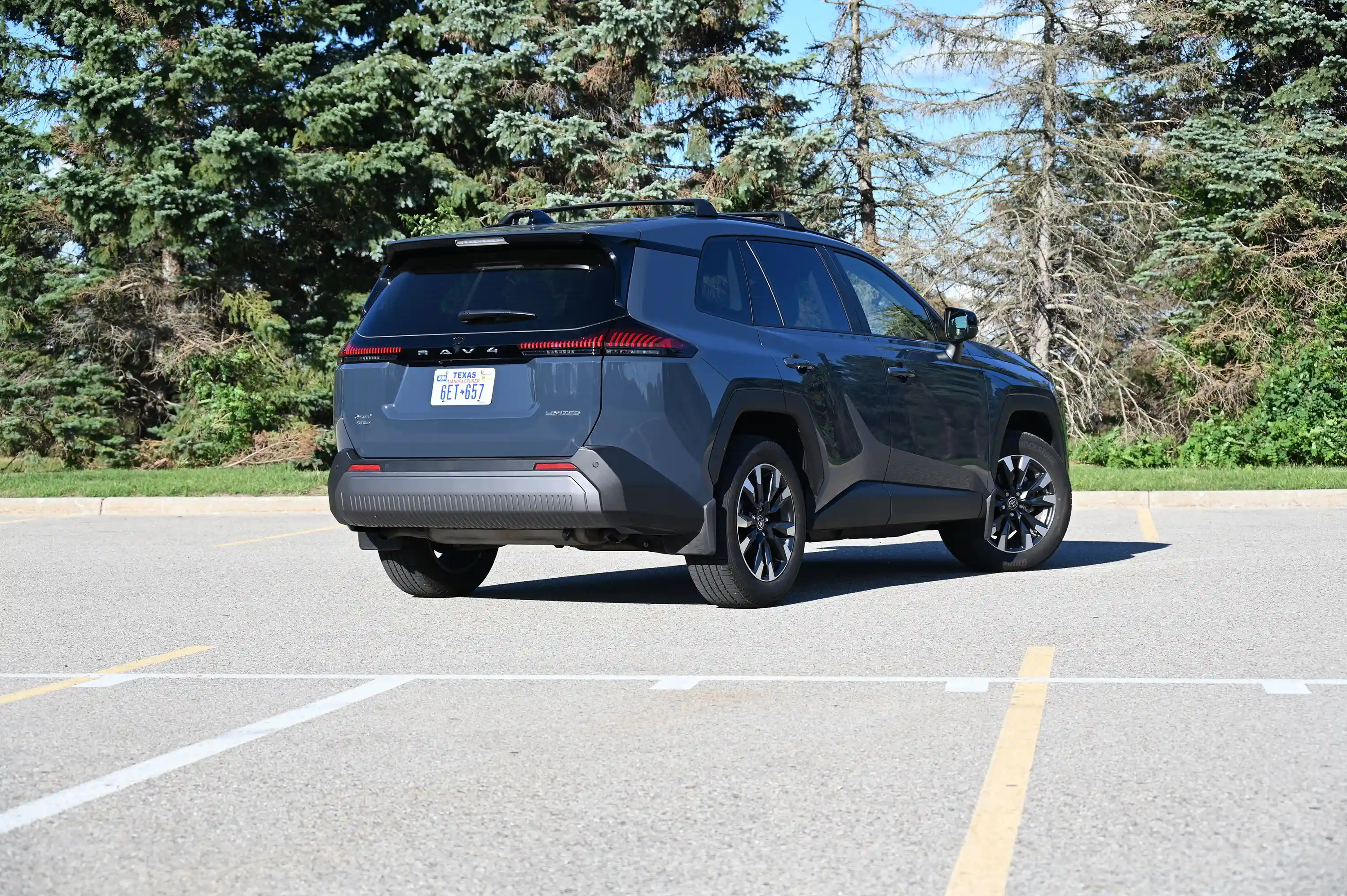
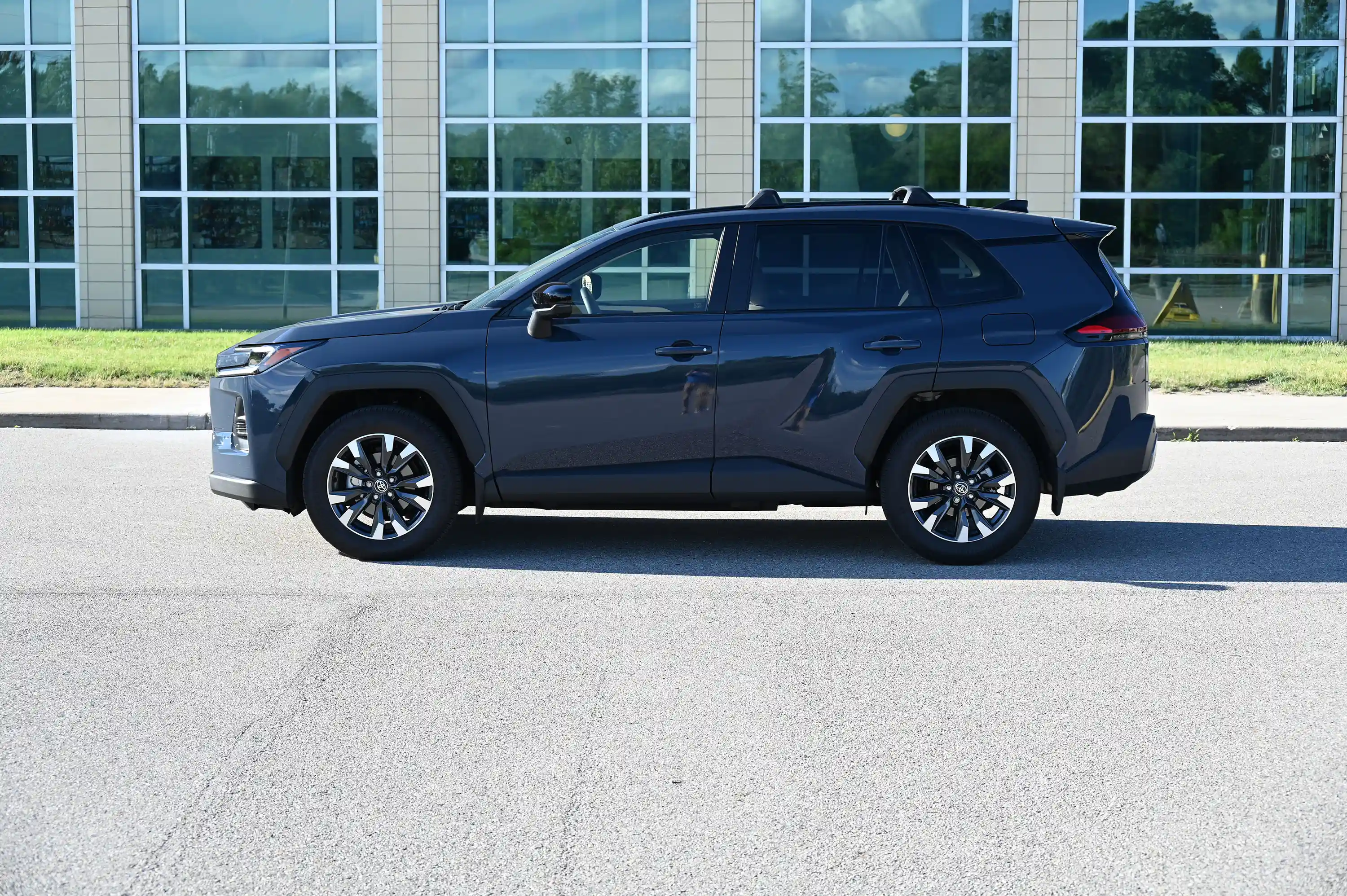
The Toyota RAV4 got an all-new design for 2026. It gains Toyota’s hammerhead front-end design, with a contoured hood and angular fenders. The Woodland trim gets slightly more ground clearance than previous RAV4s.
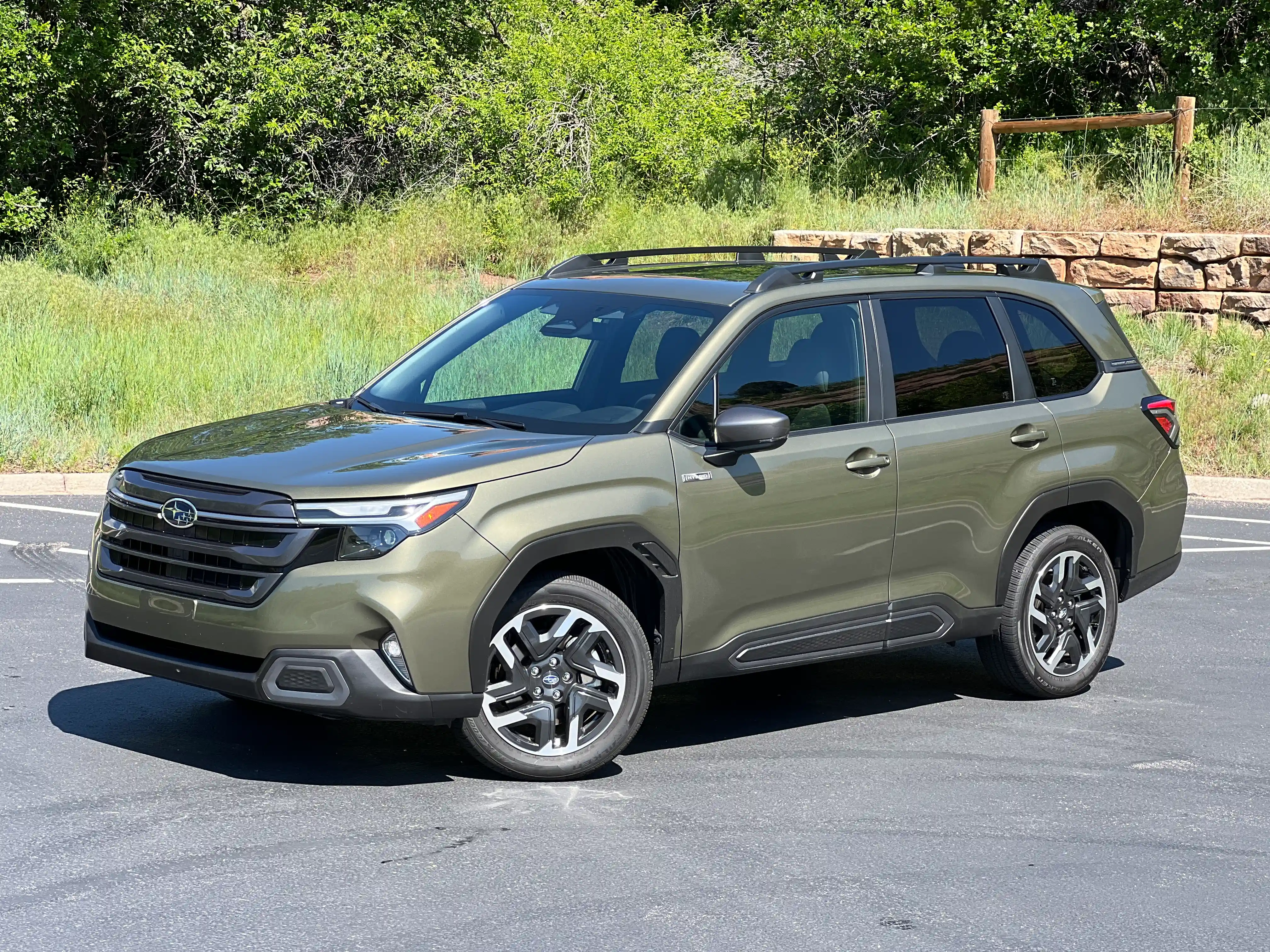
Subaru redesigned the Forester for the 2025 model year, but fear not, Subaru fans: it doesn't stray far from its roots. It keeps the same boxy exterior and sits a bit higher off the ground than your average compact crossover. Its exterior is more modern than previous generations, with updated headlamps, a revised grille, and less of the chunky black plastic cladding. The Forester Hybrid is slightly larger than the Toyota RAV4 in every dimension except width and wheelbase, and its extra ground clearance helps on trails.
Interior Space and Tech
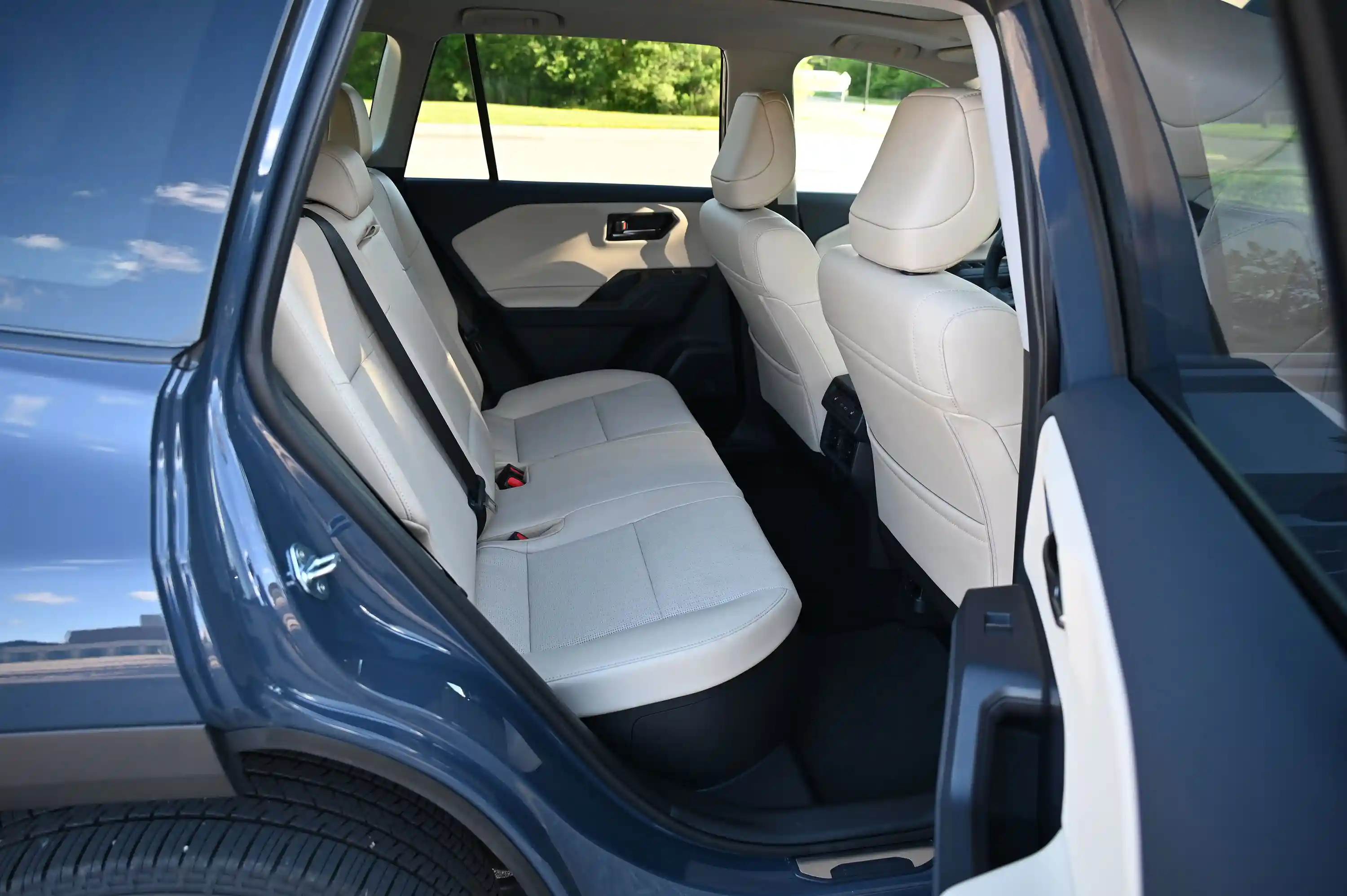
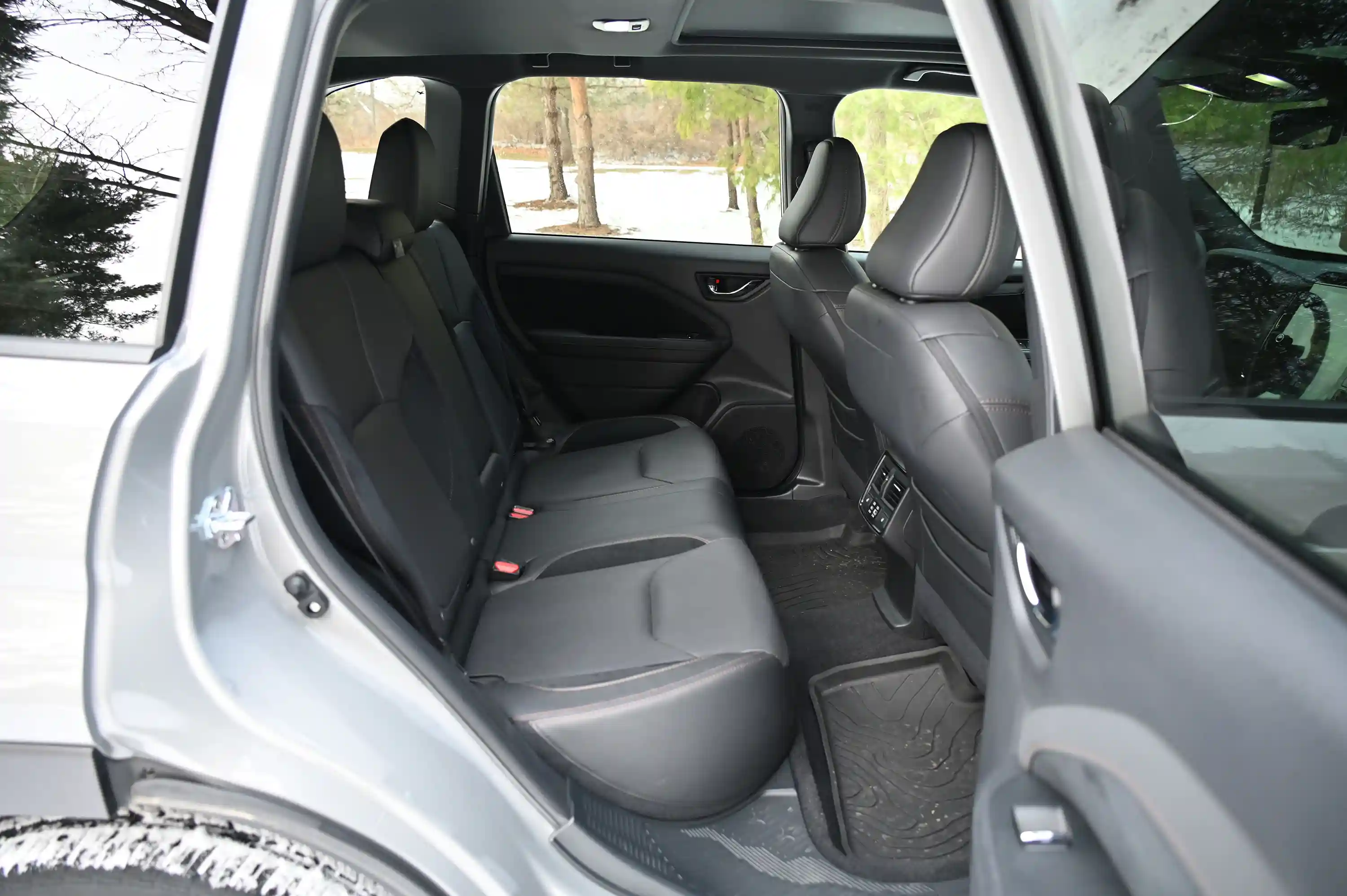
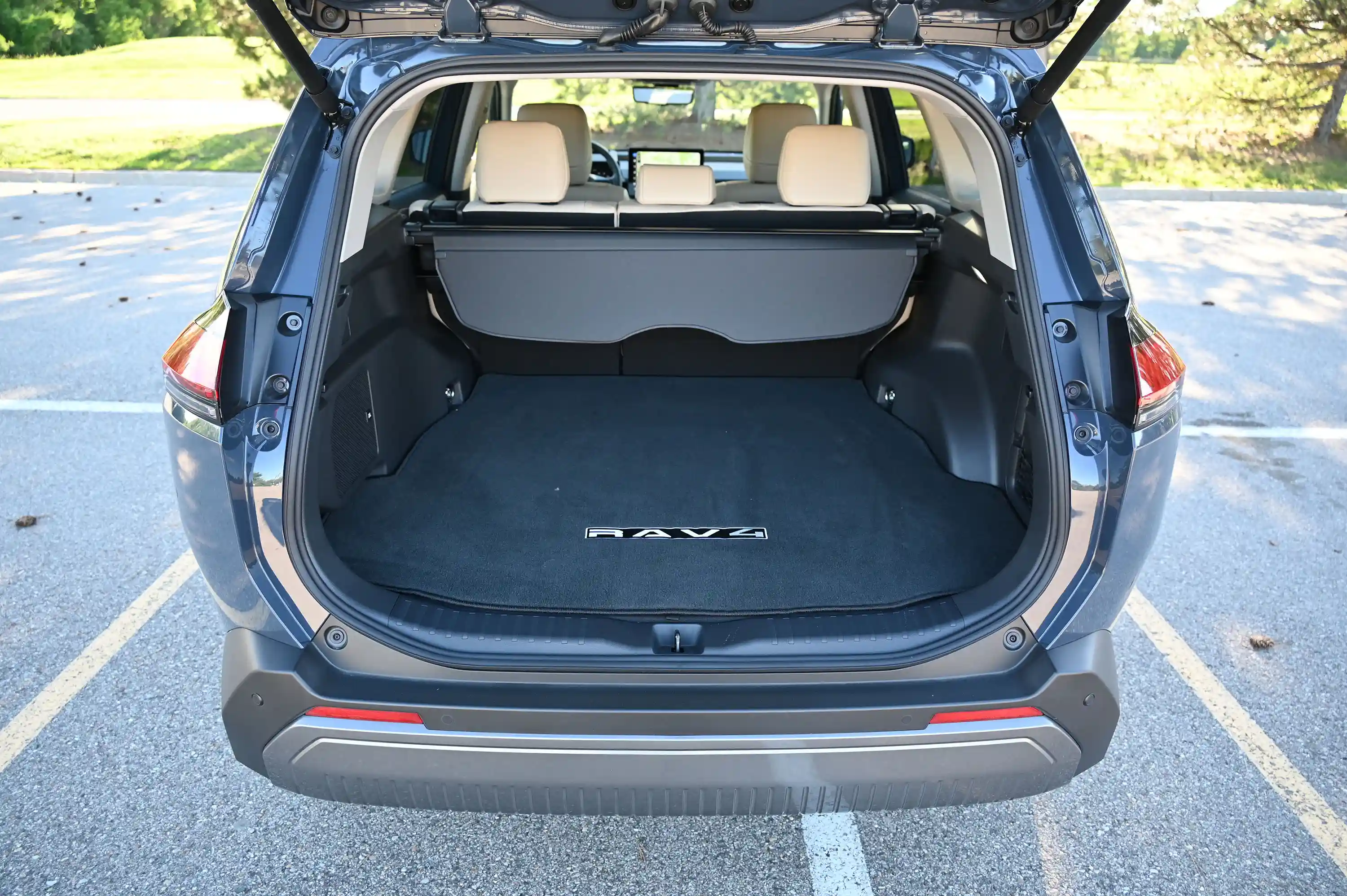
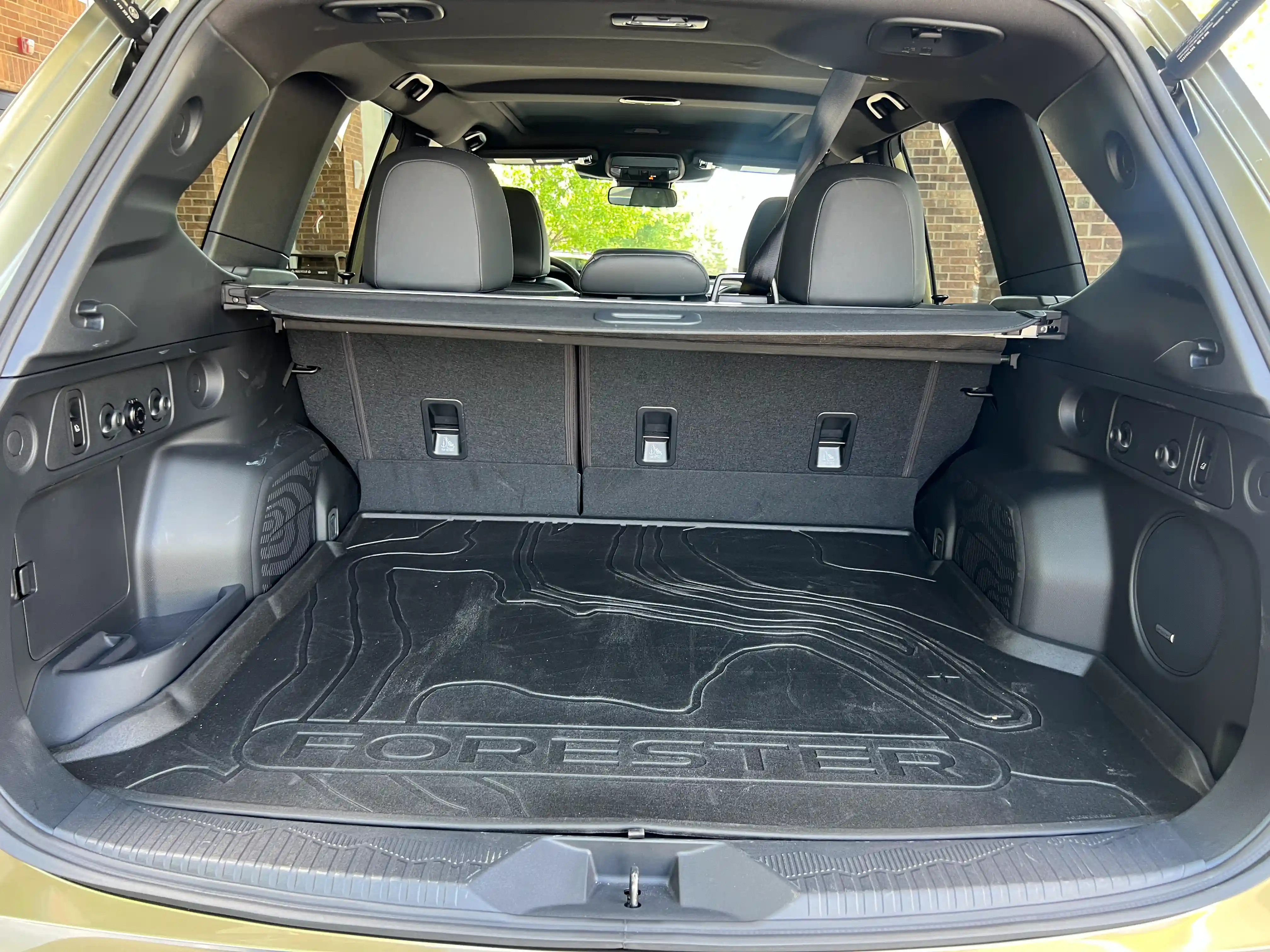
Up front, the Forester Hybrid gives you more headroom, legroom, and shoulder room than the RAV4. In back, the RAV4 has nearly 2 inches more headroom, but it skimps on legroom, so your long-legged friends might appreciate the Forester Hybrid. And when it comes to cargo, the RAV4 offers a hair more space with all the seats down and over 10 more cubic feet of space behind the second row.
As far as interior features are concerned, both get a 12.3-inch digital gauge cluster, dual-zone automatic climate control, fabric upholstery, six speakers, and wireless Apple CarPlay and Android Auto. The Subaru gets a larger infotainment screen at 11.6 inches to Toyota’s 10.5. The base Forester also has a power-adjustable driver’s seat, heated front seats, a hands-free power liftgate, and a moonroof. The Toyota’s base model gets manual seat adjustments up front.
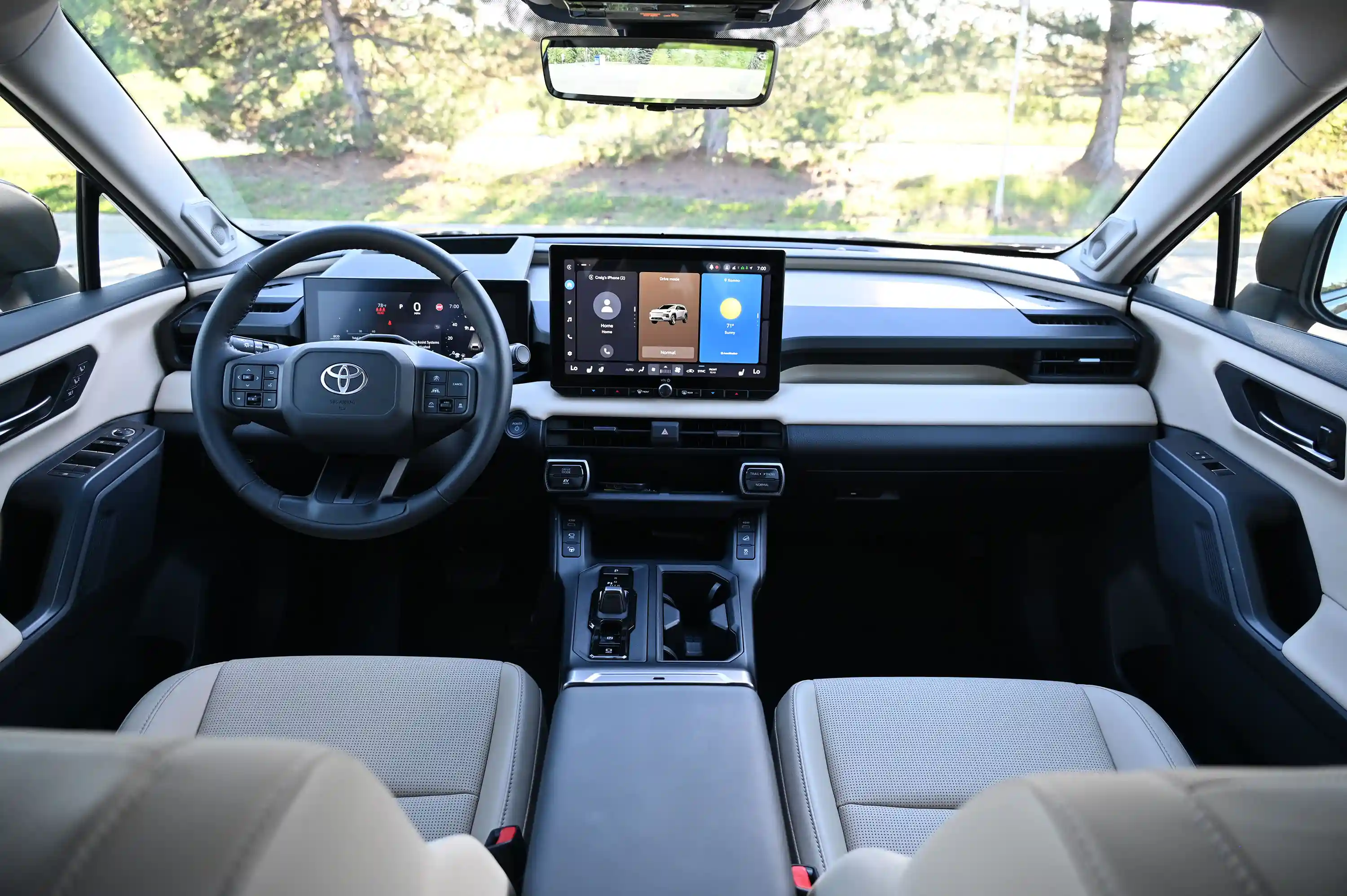
Move up the trim ladder, though, and the Toyota has a longer list of optional equipment, including a head-up display, a digital key, a heated, leather-trimmed steering wheel, eight-way power-adjustable front seats, SofTex-trimmed upholstery, heated and ventilated front seats, heated rear seats, a wireless charging pad, and a nine-speaker JBL audio system.
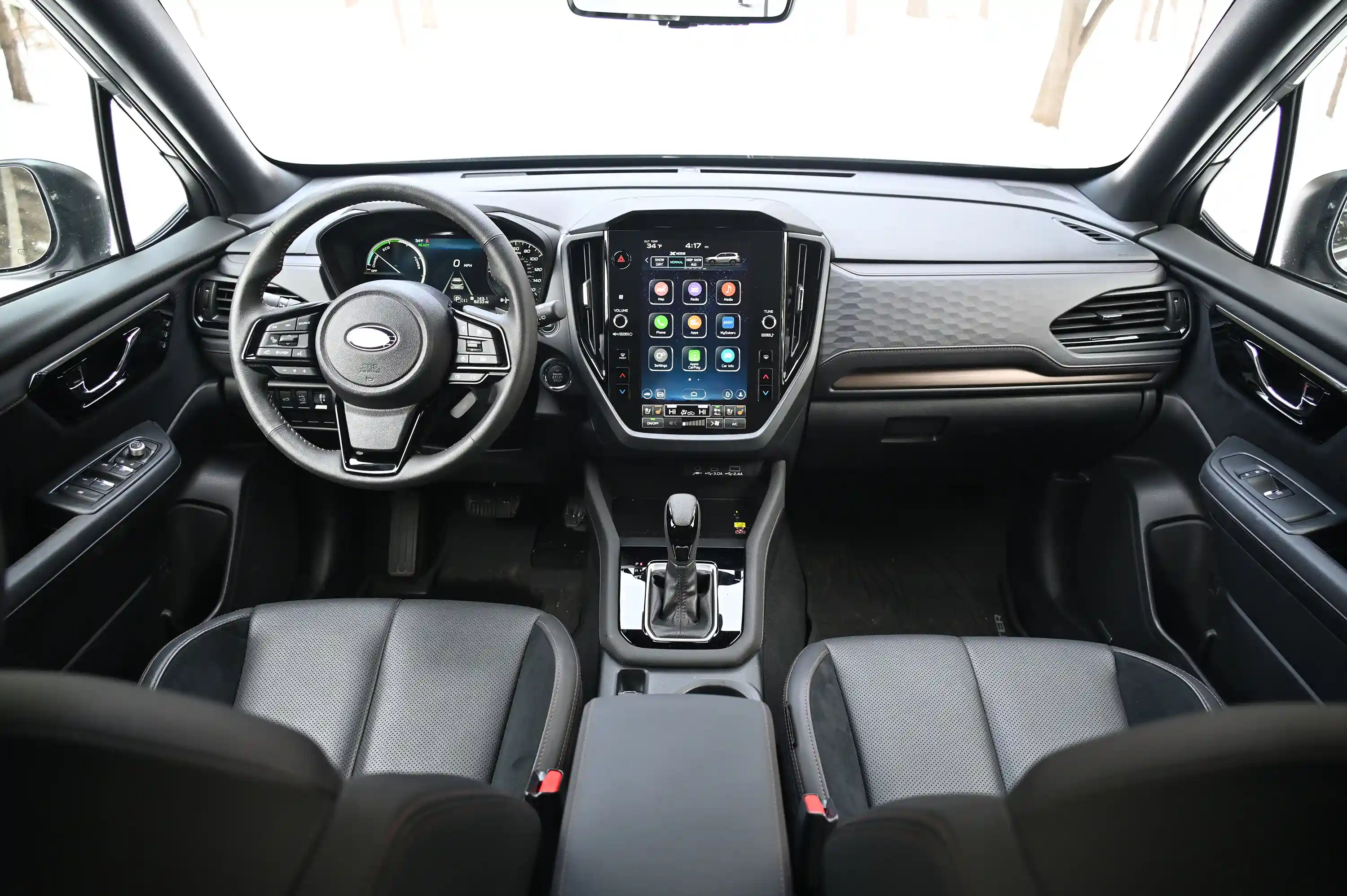
Subaru’s upper trims gain an eight-way power-adjustable passenger seat, ventilated front seats, heated rear outboard seats, a heated, leather-wrapped steering wheel, leather-trimmed upholstery, and a Harman Kardon audio system.
Both models come with impressive safety suites. The base RAV4 gets blind-spot monitoring with rear cross-traffic alert and safe-exit assist, and Toyota Safety Sense 4.0, which comes standard with a pre-collision system with pedestrian detection, lane-tracing assist, full-speed range-dynamic radar cruise control, lane-departure alert with steering assist, automatic high beams, road-sign assist, and proactive-drive assist.
The Forester Hybrid comes standard with EyeSight Driver Assist Technology, which includes advanced adaptive cruise control, lane-departure and sway warning, pre-collision braking, automatic emergency steering, and pre-collision throttle management. It also gets high-beam assist, blind-spot detection with lane-change assist, and rear cross-traffic alert as standard.
Toyota adds front and rear parking assist with automatic braking, front cross-traffic alert, lane-change assist, traffic-jam assist, a driver monitor, and a panoramic view monitor to upper trims. Subaru adds its DriverFocus Distraction Mitigation system, reverse automatic braking, and a surround-view monitor.
Powertrain and Fuel Economy
The Forester Hybrid is powered by a 2.5-liter flat-four engine and is exclusively available with all-wheel drive. If you’re looking for options, you won’t find many here. The RAV4, on the other hand, is offered in both front-wheel-drive and all-wheel-drive configurations. For 2026, the RAV4 moves to the fifth-generation Toyota Hybrid System, delivering more power and improved fuel economy than in previous model years.
In both configurations, the RAV4 has more net combined horsepower and torque than the Subaru Forester, and its fuel economy, across all configurations and trim levels, beats that of the Forester Hybrid.
An eight-mpg combined difference is significant, but city, highway, trim, and drivetrain all affect what drivers actually see, so learn how EPA fuel-economy ratings should be compared ➜
Price
The RAV4 undercuts the Forester Hybrid's starting price by about $3,000. Its base FWD model starts at $33,495, and even in AWD, it still costs less than the least expensive Forester Hybrid. The Forester Hybrid is offered in four different trim levels, all exclusively with AWD. The RAV4 offers six trim levels; the top three are AWD.
Behind the Wheel
Subaru is a relatively small automaker, so it partnered with Toyota to use the larger company’s pioneering hybrid system. But it's not copy and paste.
Toyota and Subaru share hybrid-system technology without using identical drivetrains, so see why hybrid architectures can behave very differently even when they combine the same basic ingredients ➜
Subaru's flat-four engine is shorter than the RAV4's inline-four, and it’s oriented longitudinally, so Subaru repackaged the hybrid drive unit to sit behind the engine. In the Toyota, which mounts it horizontally, the hybrid drive unit sits at the end of the engine. The Forester Hybrid is also based on the older fourth-generation Toyota hybrid system, rather than the more efficient and more powerful fifth-generation in the RAV4.
Both vehicles offer a comfortable ride, but their character is quite different. The Forester Hybrid's engine offers a mechanical sound that's unique to its layout, while the RAV4's is just kind of noisy. Some describe it as sounding like a bucket of bolts. Regardless of how they sound, both are surprisingly efficient and have reputations for being very reliable.
The RAV4 is the first Toyota to get the company’s latest-generation infotainment software, and it’s a big step up from both the previous RAV4 and especially from Subaru's even older system. The Forester Hybrid's system isn’t the most intuitive, but since it supports wireless Apple CarPlay and Android Auto, you don’t actually have to use the built-in software very often anyway. Toyota's new software now supports a multi-window layout that displays navigation and media player controls simultaneously; the previous system required you to choose one or the other.
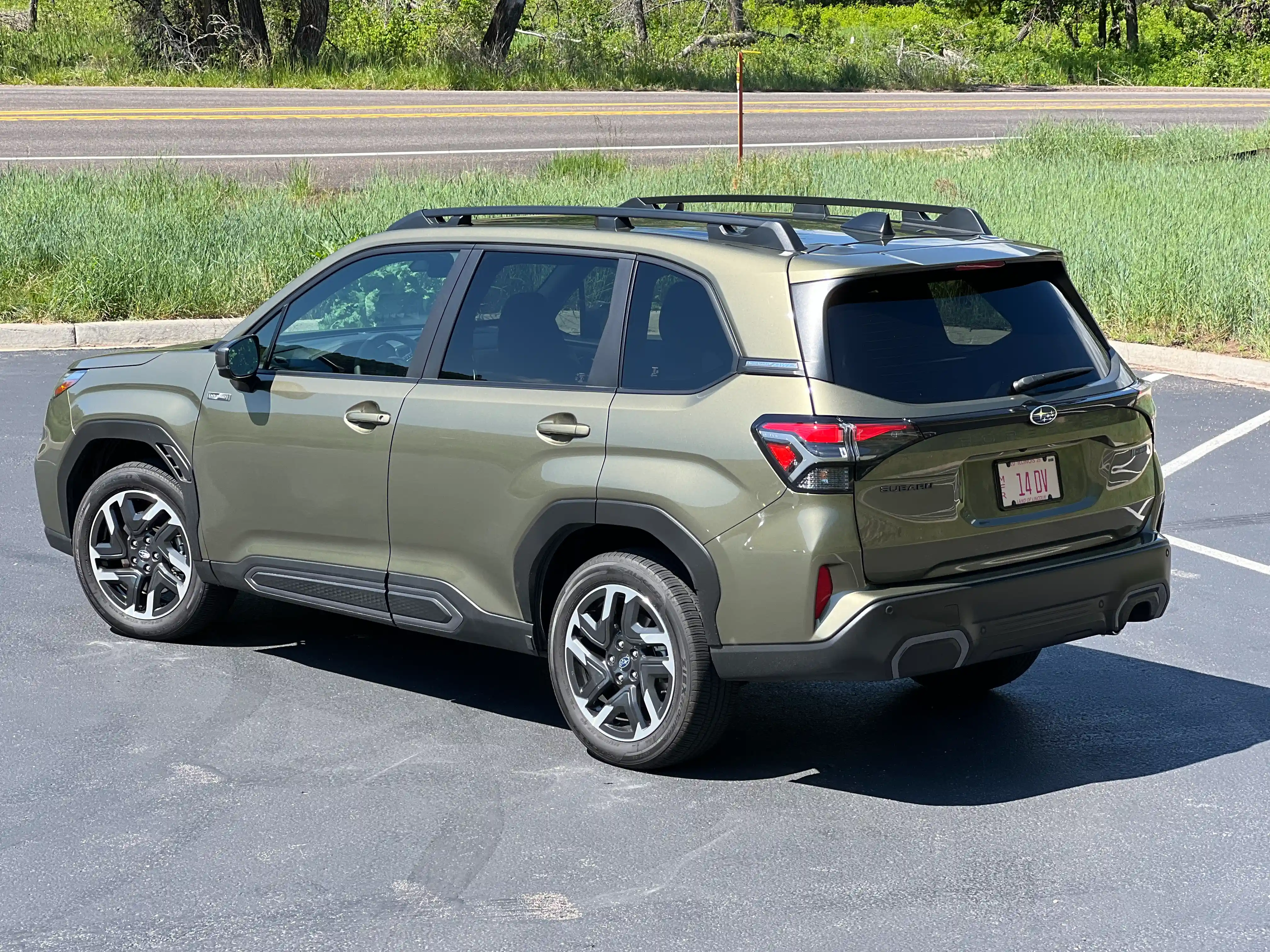
The most noteworthy functional difference between these two shows up when you leave the pavement. Subaru has long built its cars for drivers with active lifestyles, and its Symmetrical All-Wheel Drive is much more capable than the RAV4's on-demand system. The downside is that it’s not quite as efficient as the Toyota, but 35 mpg combined is still quite impressive.
Which One's Right for You
Choosing between the Subaru and the Toyota really comes down to your lifestyle. If you just want the most efficient compact crossover, and you stick to pavement or basic gravel roads, it's the RAV4 all day. You can be confident it'll be reliable and run for a long time with minimal attention.
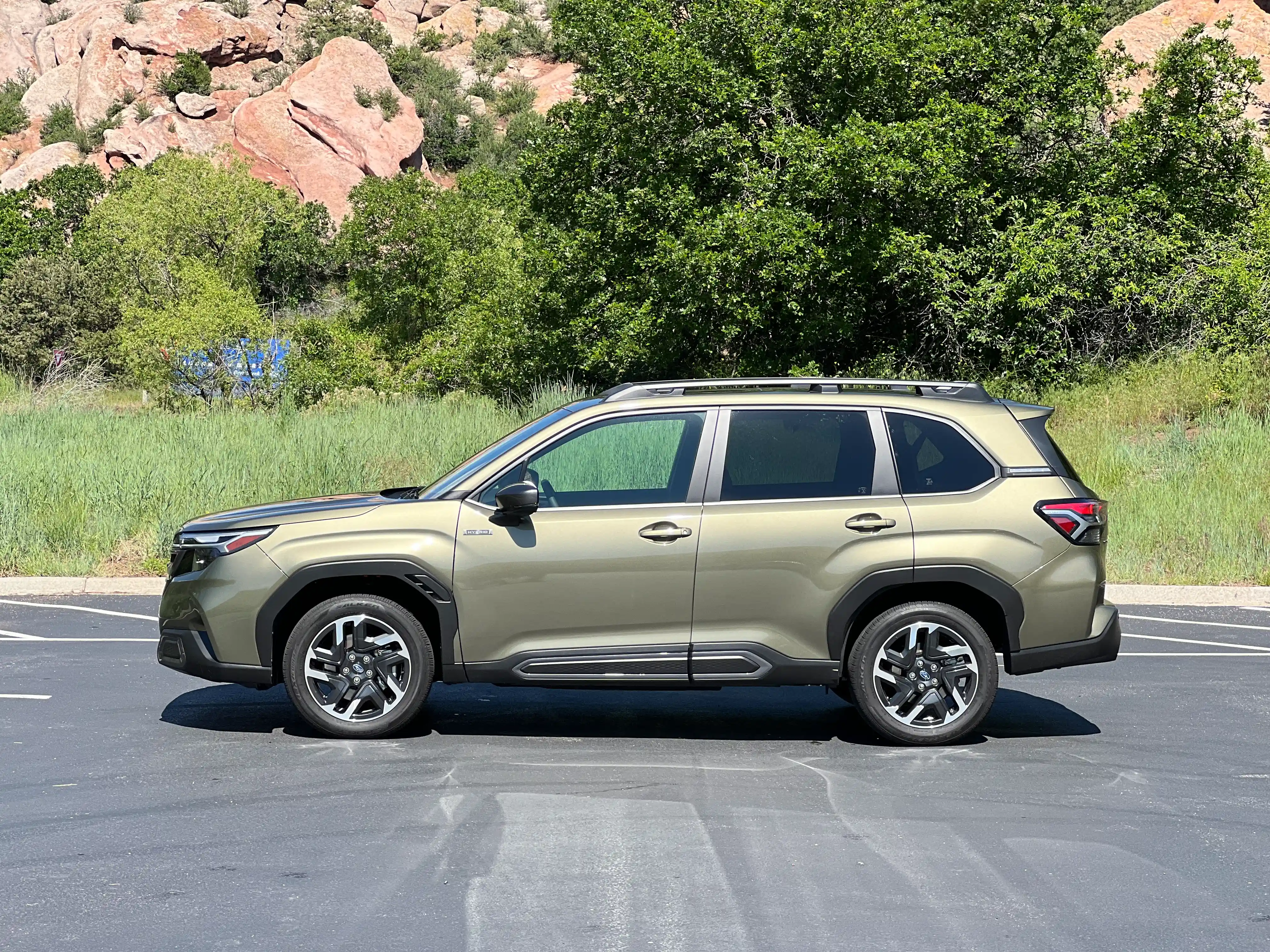
But if your ideal lifestyle includes spending time in the woods, or getting out to a lake to swim or paddleboard, the Subaru will probably be your preferred choice. There’s a reason so many people in the Northeast and the mountains of the Pacific Northwest drive Subarus. Short of a Jeep, the Forester Hybrid will go a surprising number of places in all kinds of weather. And with the Toyota hybrid system, it'll do it while consuming a lot less fuel than a Wrangler or Bronco.
Neither of these is a sports car, but both will meet your needs for many years to come.
More Compact Hybrids Worth Cross-Shopping
Honda CR-V Hybrid vs. Toyota RAV4 Hybrid
Honda offers another spacious, road-focused alternative for shoppers comparing Toyota’s high-efficiency hybrid against the broader compact-SUV field.
Read More ➜
2025 Mazda CX-50 Hybrid Review
The CX-50 combines Toyota-derived hybrid technology with Mazda’s own chassis and packaging philosophy, making it especially relevant to the Subaru/Toyota technology discussion.
Read More ➜
2026 Hyundai Tucson Hybrid vs. 2026 Kia Sportage Hybrid
These closely related turbo hybrids provide another path to compact-SUV efficiency, with more conventional automatic transmissions and different value propositions.
Read More ➜