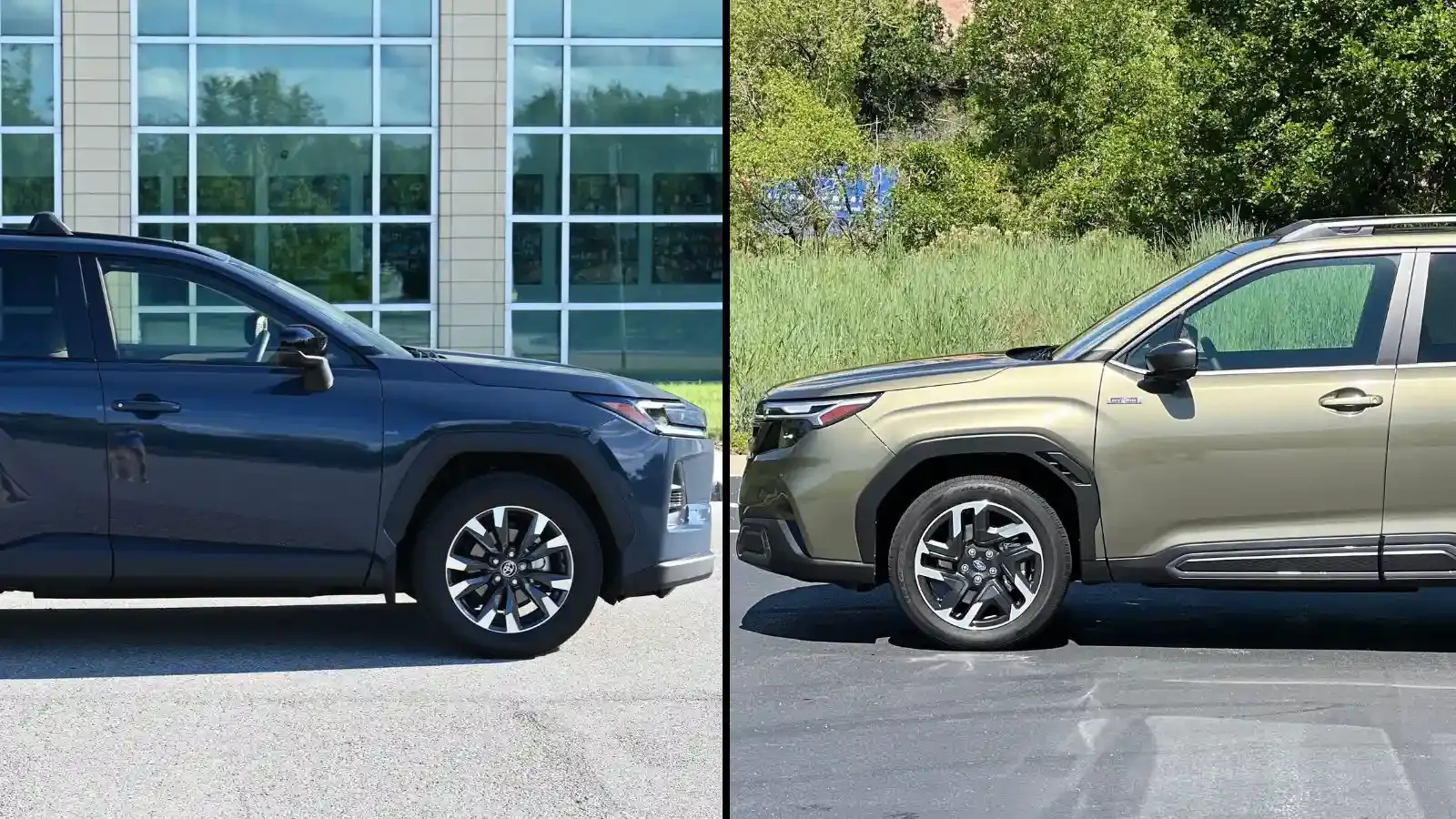
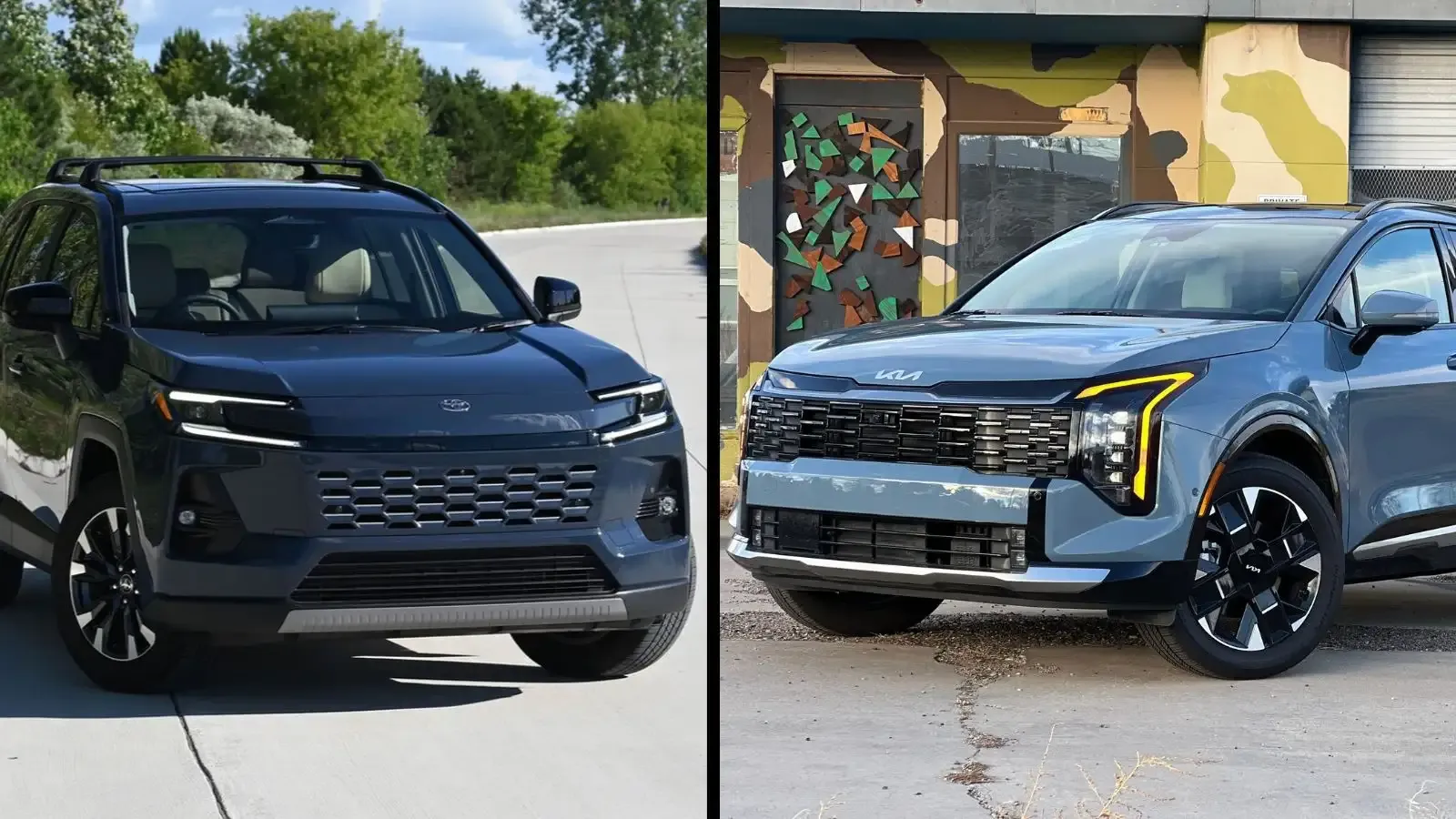
- Segment
- Compact hybrid SUVs
- Sales
- Both exceed 400,000 units annually in the U.S.
- Hybrid Mix
- Over 50 percent of sales are hybrid for both models
- Cargo Space
- CR-V offers more maximum cargo room with seats folded
- Infotainment
- RAV4 features Toyota’s new Arene software platform
- Efficiency
- RAV4 delivers 4–5 mpg better fuel economy
- Refinement
- CR-V hybrid system relies more on electric drive for smoother acceleration
America’s Two Bestselling Hybrids Face Off
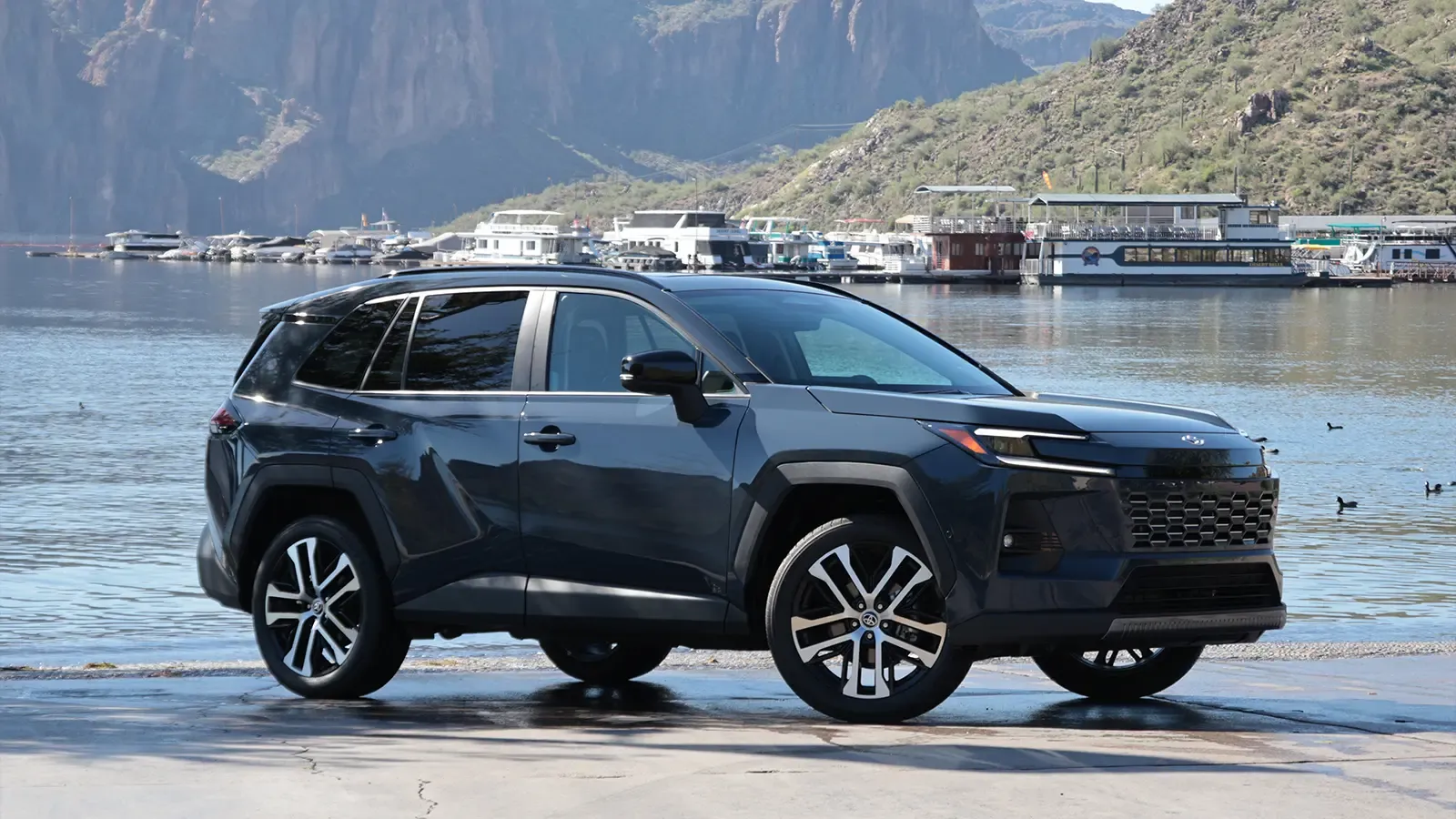
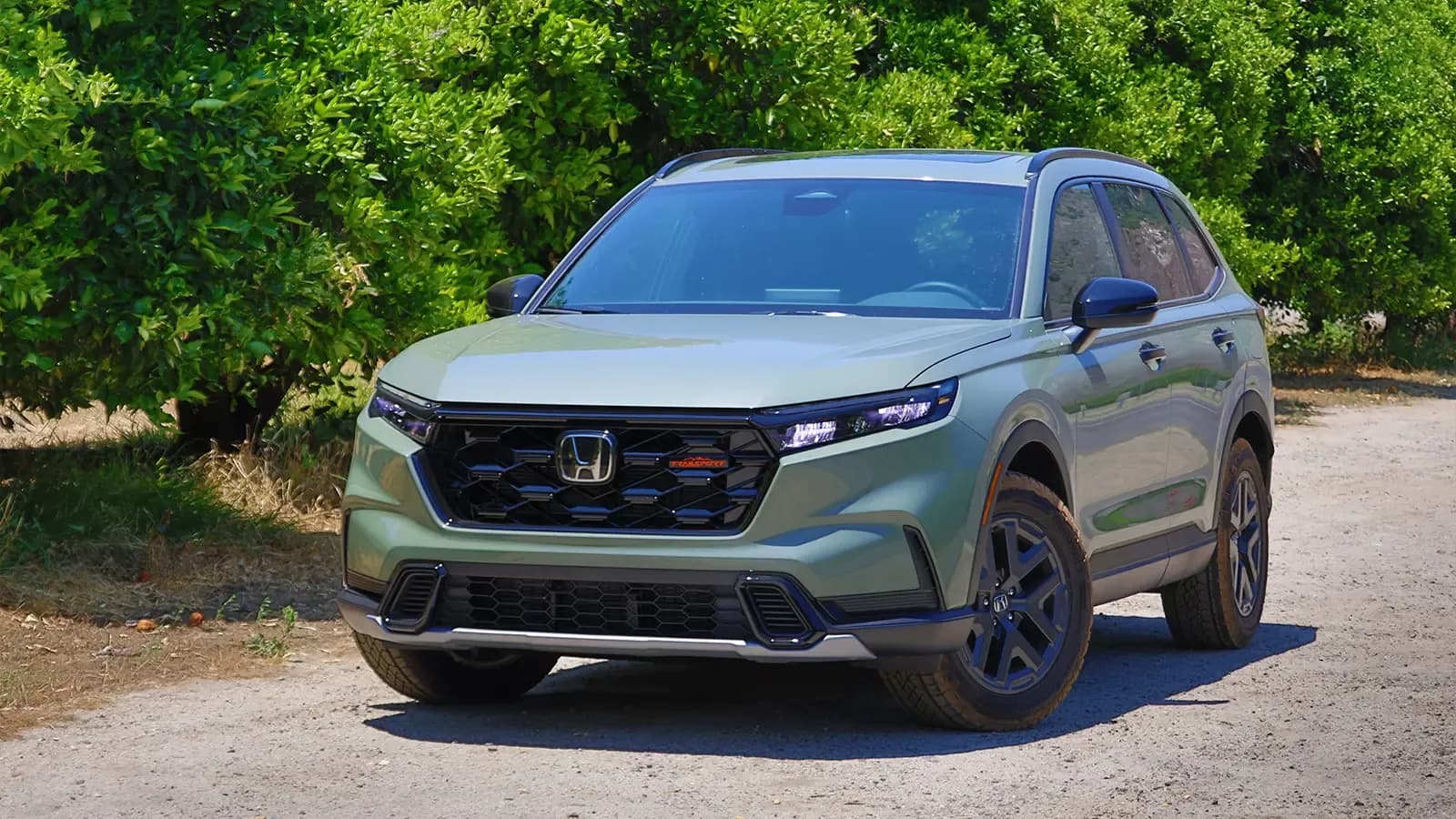
Ford has claimed that the F-Series truck is the bestselling vehicle in America for many years, but that’s actually only true if you count every F-Series truck from the F-150 all the way up to the F-600. When you look at individual nameplates, the actual top seller for the past couple of years has been the Toyota RAV4, with the Honda CR-V not far behind. Both sold well over 400,000 units in 2024, and they're on track to match that in 2025. Not only are these top sellers overall, but they're also some of the top-selling hybrid vehicles in the country. The RAV4 is outselling the iconic Prius by eight times.
In 2025, more than half of all CR-V and RAV4 sales were hybrid, with more than 10-percent of the electrified RAV4s being plug-in hybrids. Honda added a more rugged-looking off-road styled TrailSport model to the CR-V lineup in 2025, which is only available as a hybrid. And Toyota went exclusively hybrid for the RAV4 in 2026, joining the Camry, Sienna, Sequoia, and Prius. The 2026 RAV4 will be offered with both conventional hybrid powertrains and a plug-in variant with about 50 miles of electric range, but the PHEV won’t go on sale until spring 2026.
Exterior Design and Dimensions
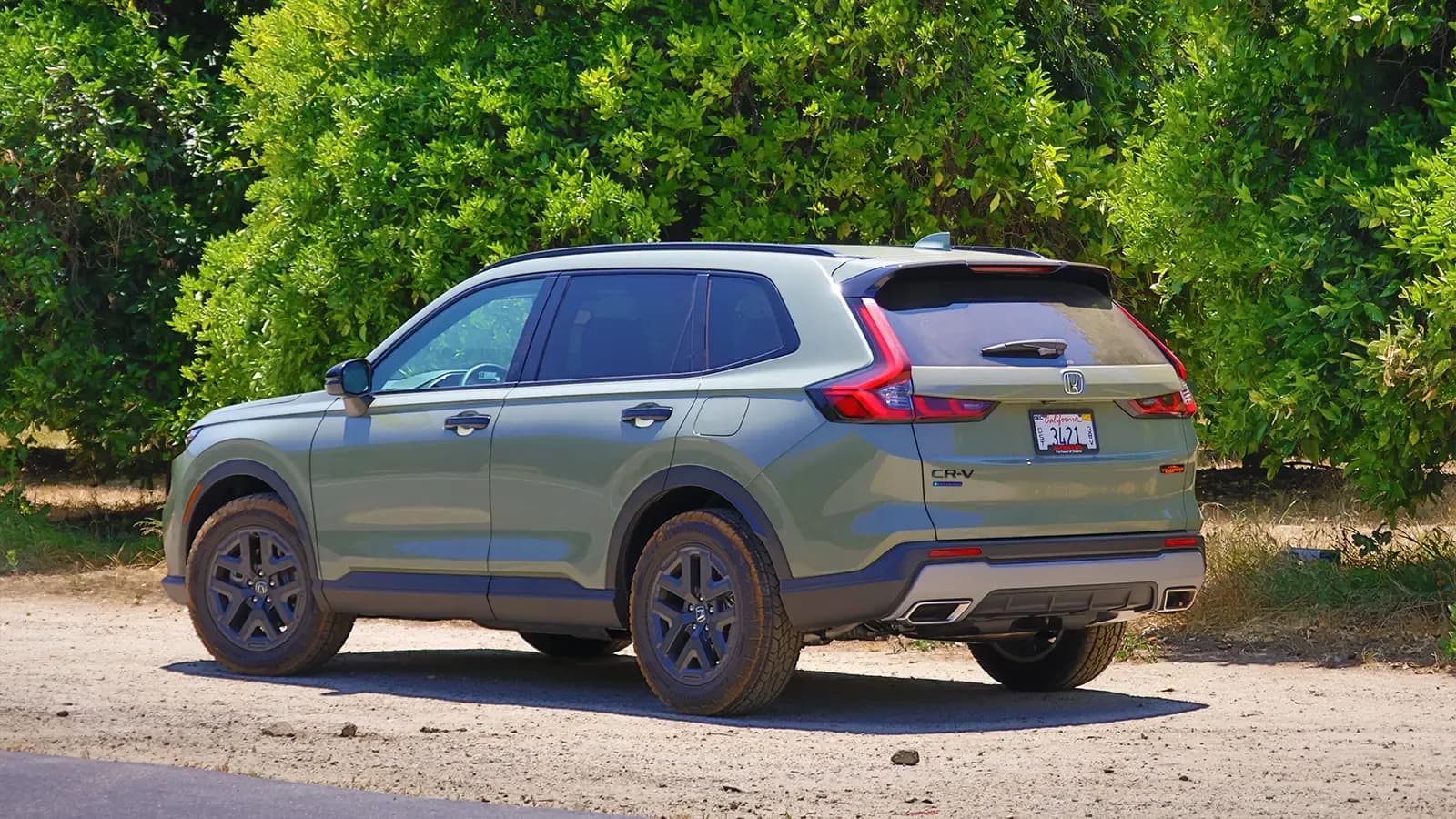
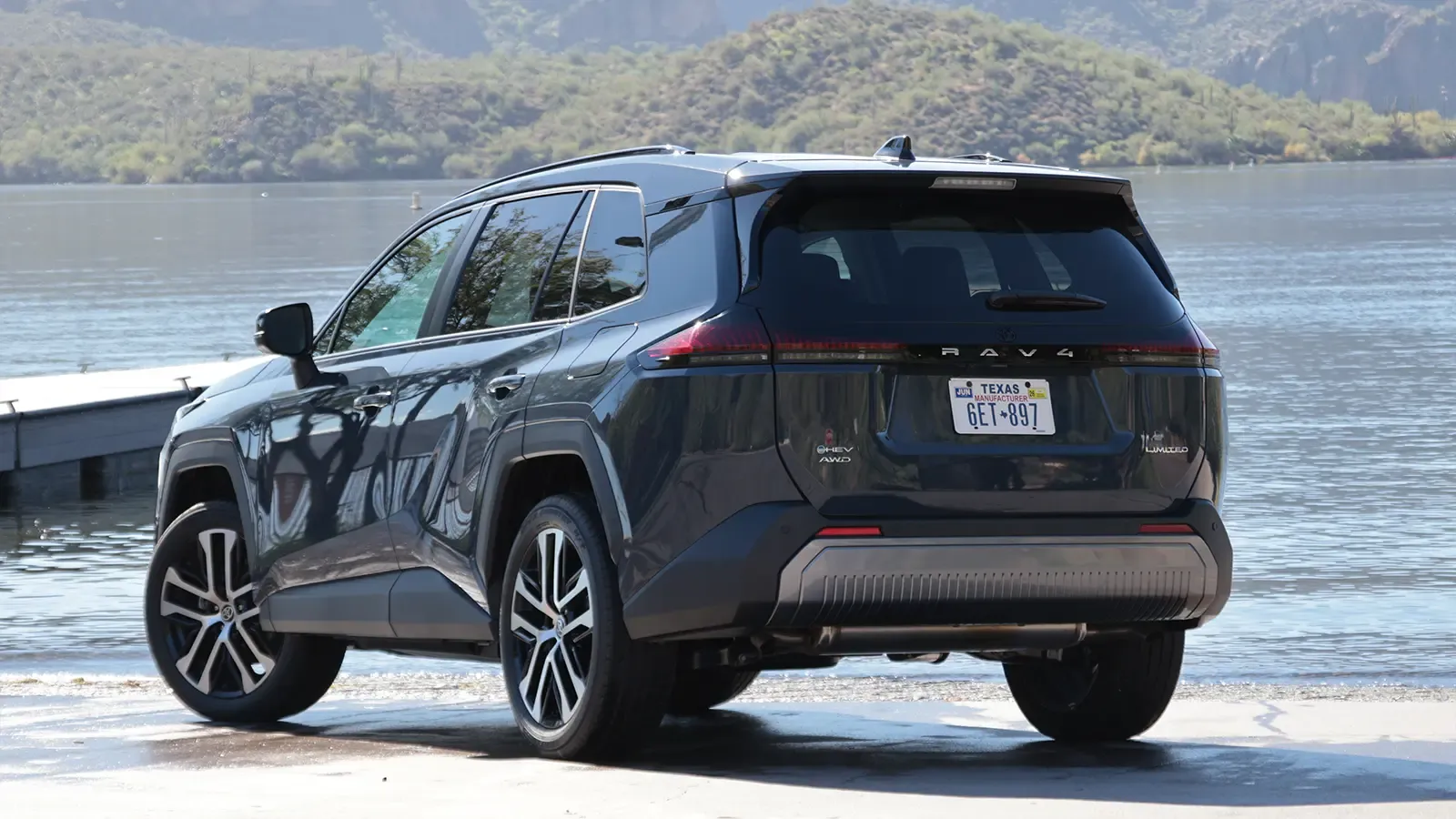
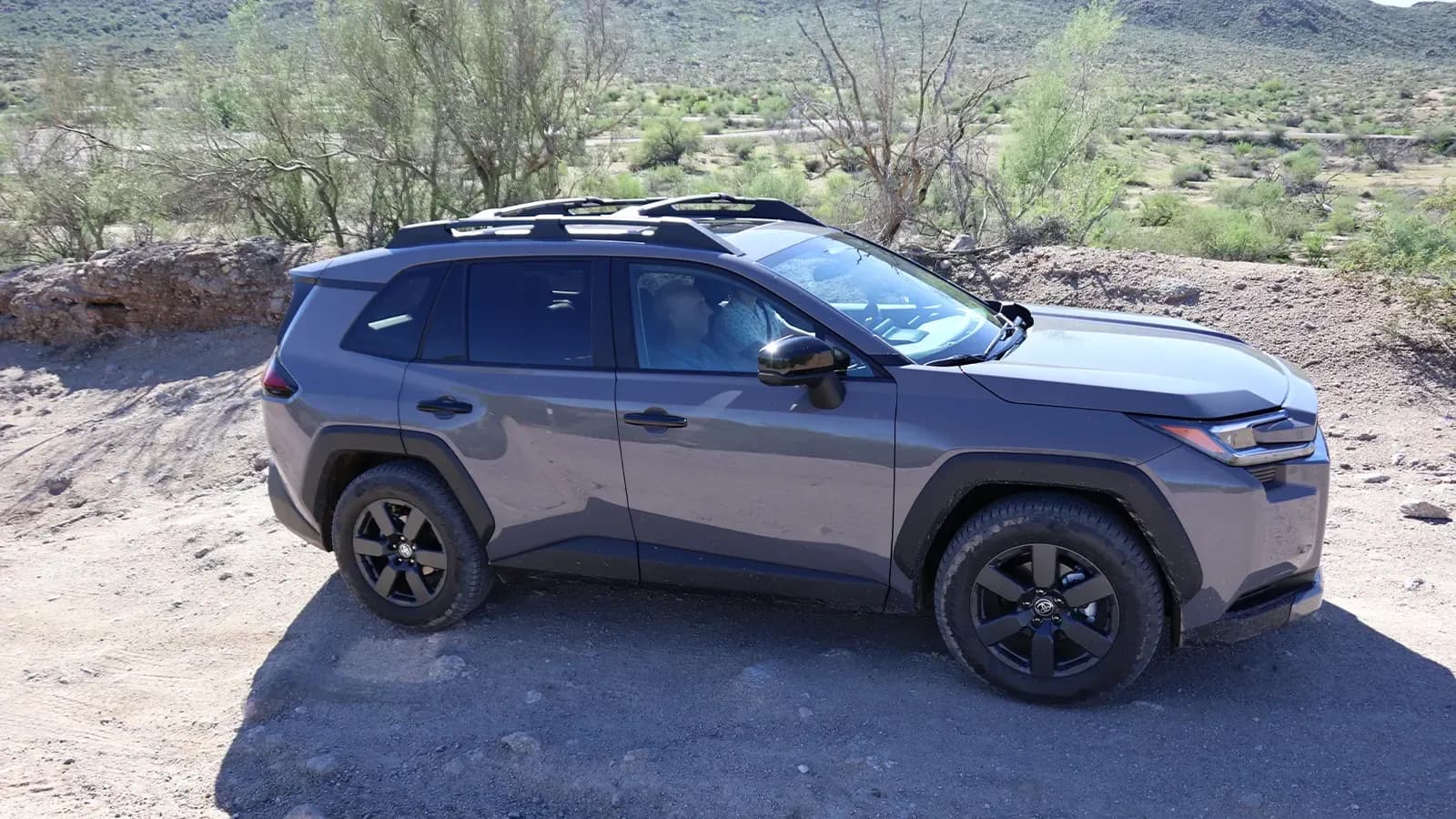
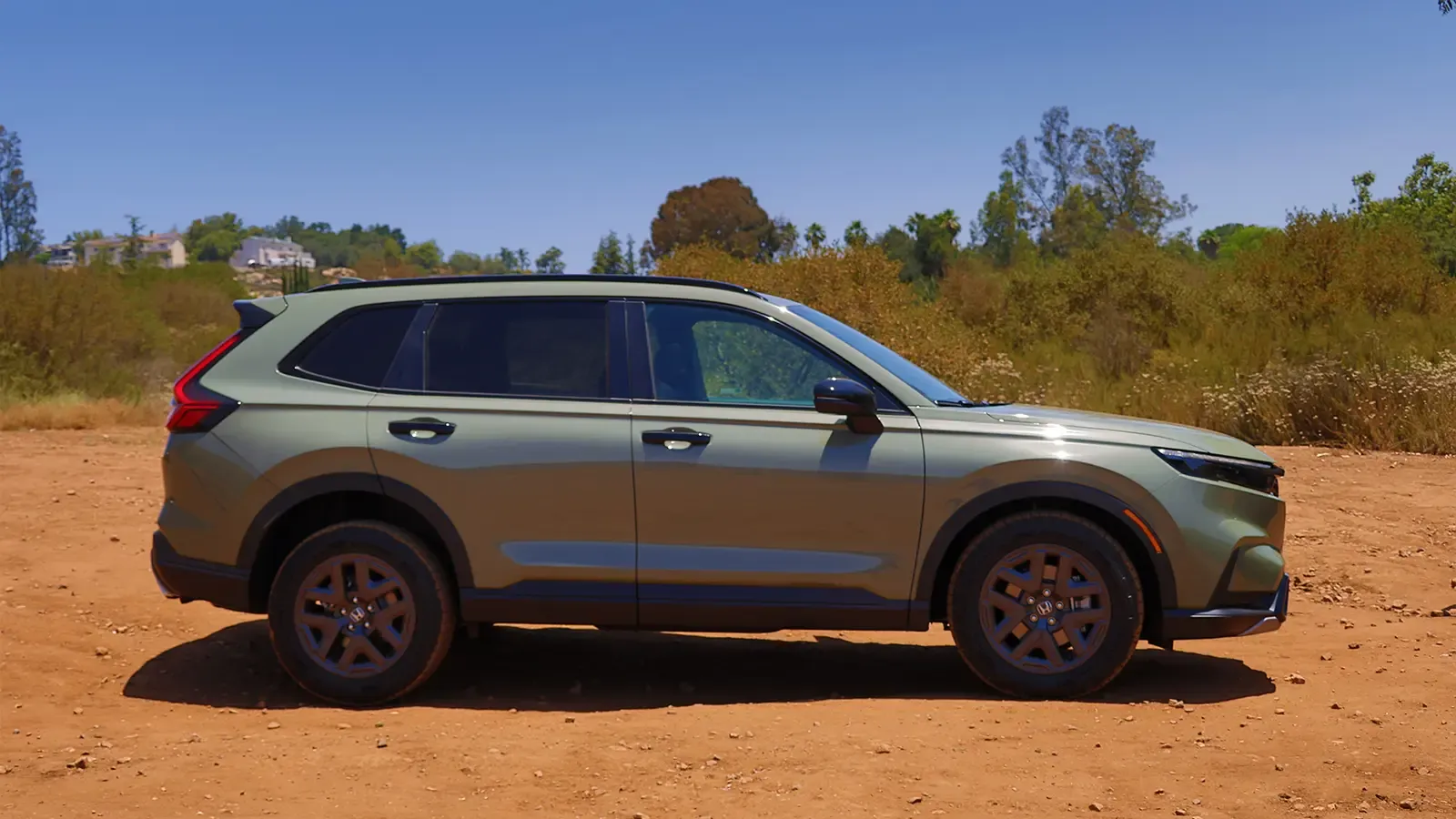
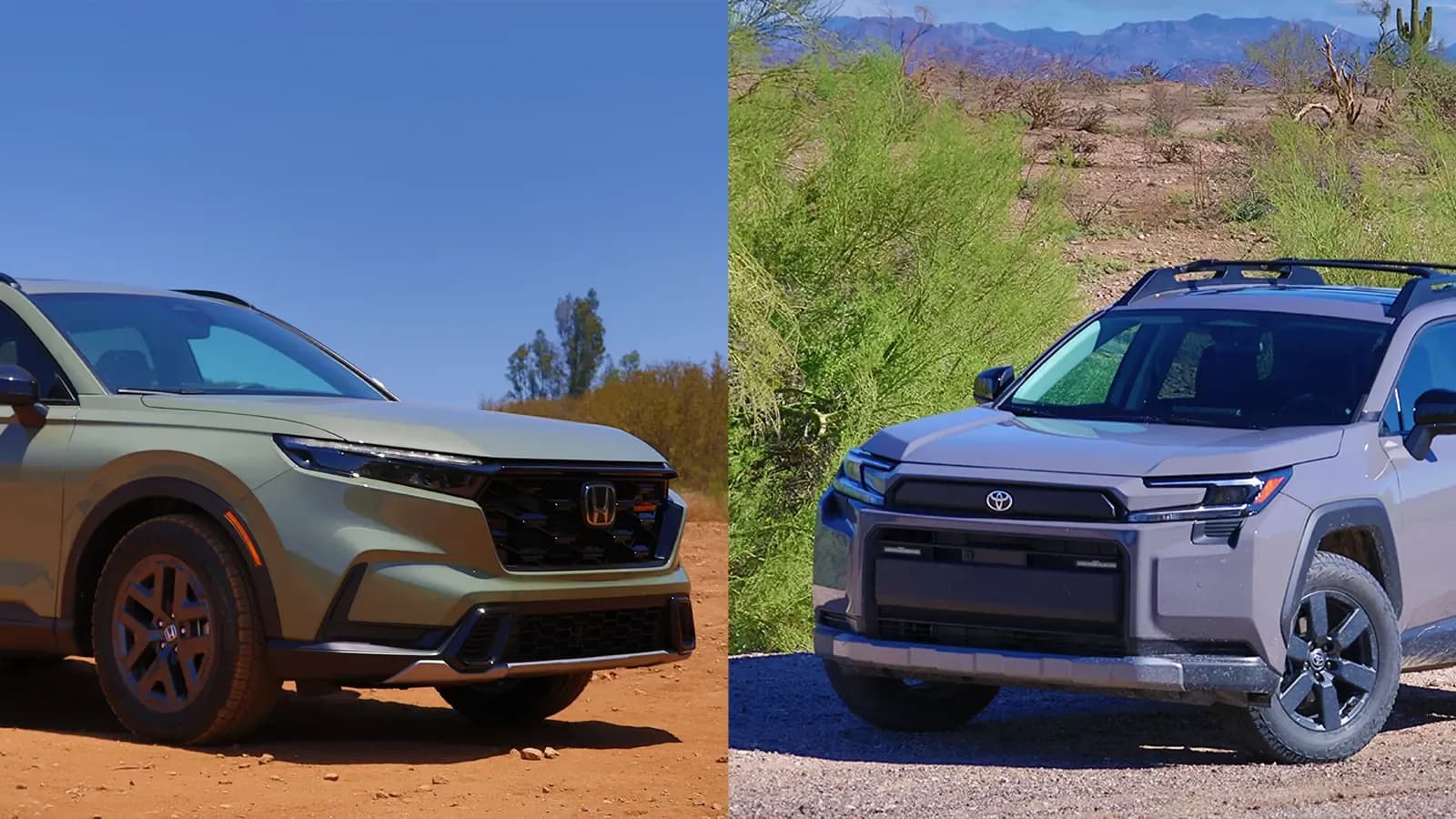
The CR-V is a few inches longer than the RAV4 and takes a different styling direction. It has a somewhat softer look that fits with the rest of Honda's current lineup, while the new RAV4 evolves the crisp-edged, boxier look from the previous generation. This time around, Toyota has created three trim groupings for RAV4: Core (LE, XLE Premium, Limited), Sport (SE, XSE, and upcoming GR Sport), and Rugged (Woodland). The overall look is a bit more truck-like, even for the Core and Sport variants.
Interior Space and Tech
Overall, the interior dimensions are pretty similar between these two, with mostly fractions of an inch difference. The most noteworthy differences are in rear headroom and legroom, where the Toyota and Honda each have a respective advantage over the other. The CR-V’s extra length also gives it an edge in total cargo capacity with an additional 6.1 cubic feet when the rear seats are folded flat. However, when the extra rear legroom comes at the cost of 1.5 cubic feet when all seats are in use.
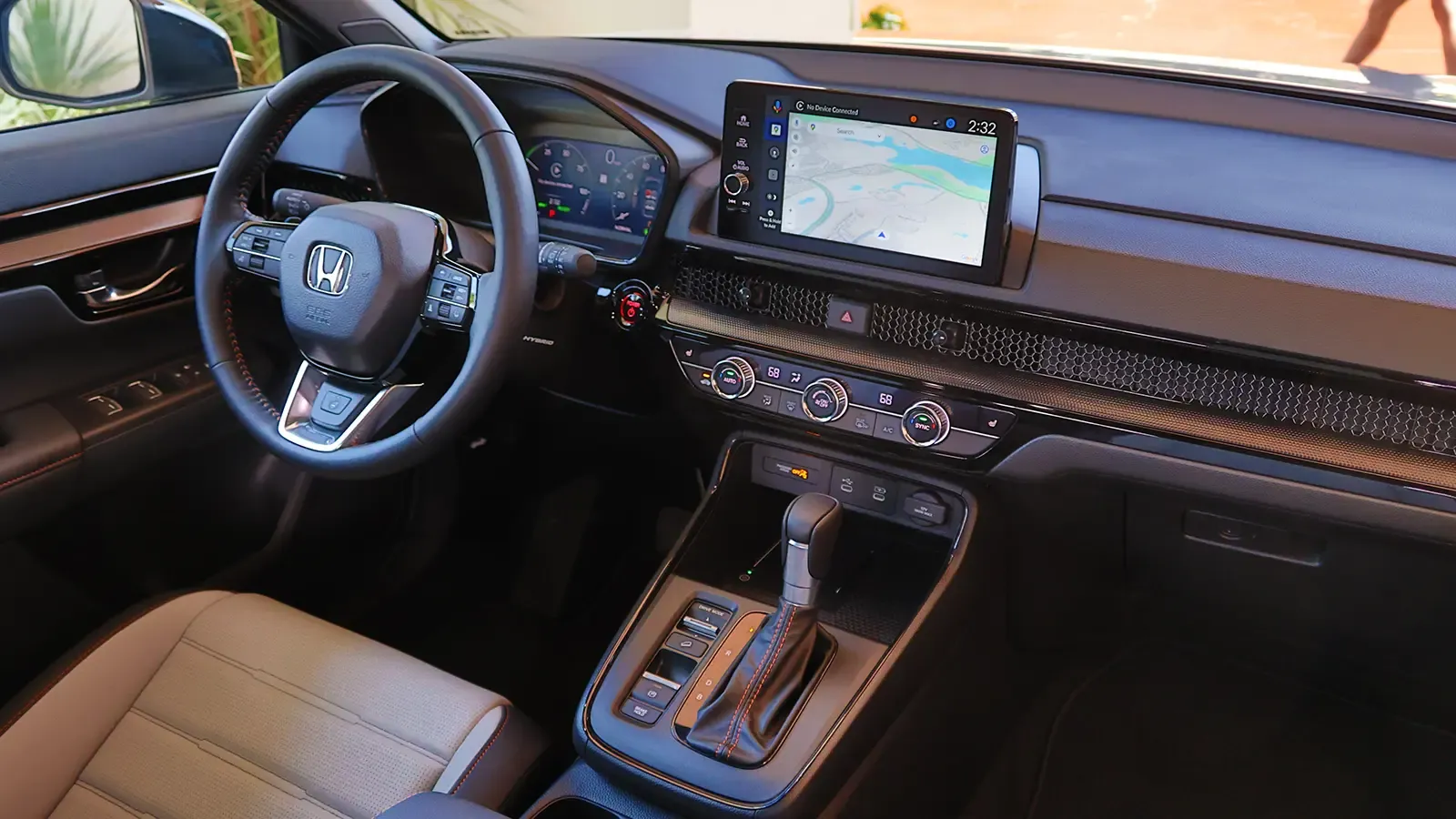
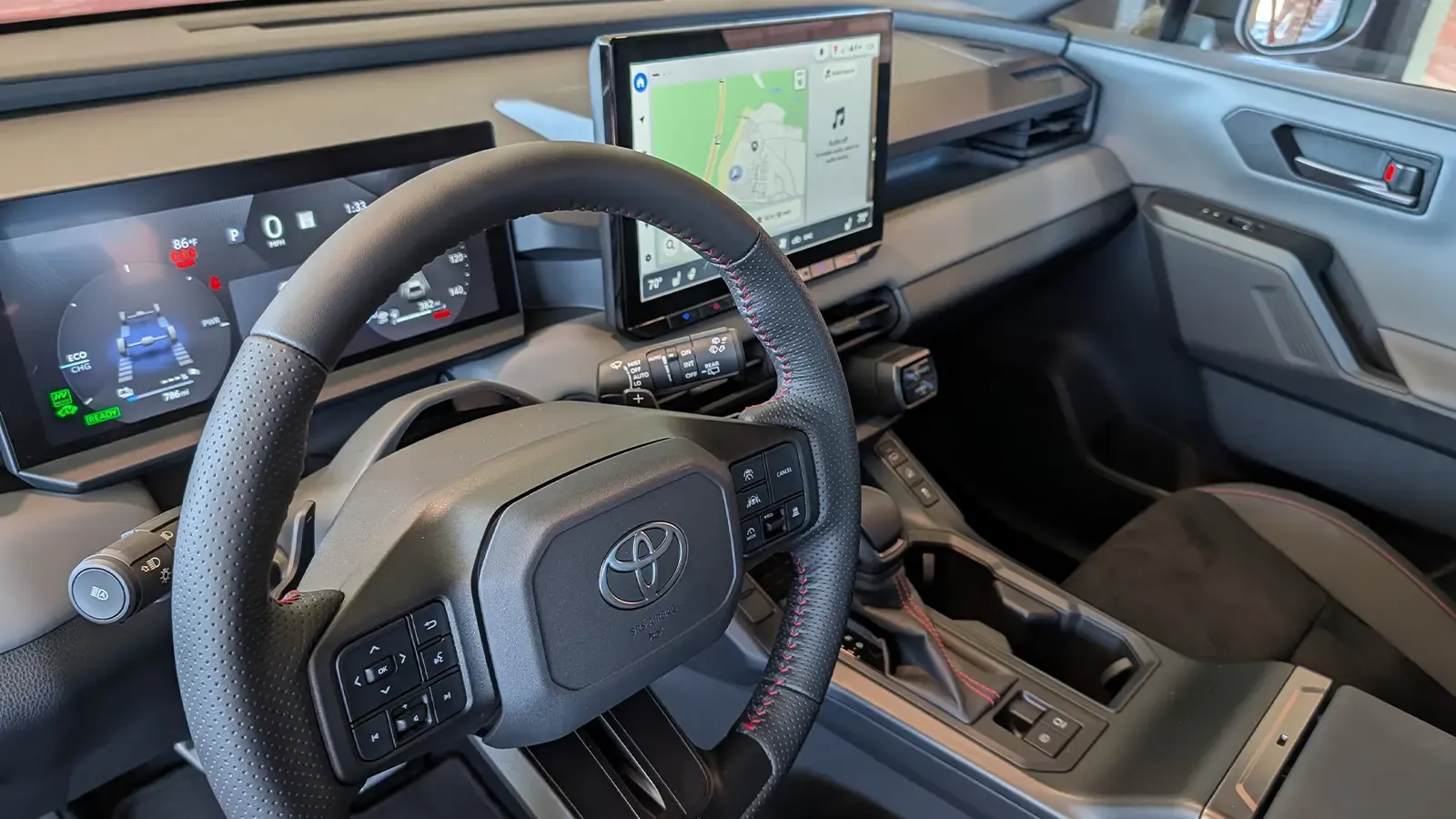
As the newer design, the Toyota takes the lead in interior tech. The RAV4 is the first vehicle to use Toyota’s new Arene software platform, which brings a major update to its infotainment software. The previous version was good, but Toyota has addressed one of our biggest complaints: you can now display multiple panes on the screen to see navigation and media controls at the same time. The new touchscreens are bigger too, with a standard 10.5-inch screen or an optional 12.9-inch display. The Limited hybrid is also available with a head-up display.
If you’re actively comparing trims, pricing, and powertrains across top compact hybrids, the GreenCars Buyer’s Guide helps narrow the field quickly ➜
The CR-V has an Android-based infotainment system with Google Services (Maps, Play Store, and Assistant) built in, but it only has a 9.0-inch touchscreen. Both vehicles include support for wireless Apple CarPlay and Android Auto phone projection. There are also multiple USB-C ports and wireless phone charging pads.
The Honda does have a significant advantage over the RAV4 in terms of the look and feel of interior materials. Like many Toyota models, the RAV4’s cabin is dominated by hard plastics that, frankly, look a bit cheap. They're undoubtedly durable, and the layout is fully functional with plenty of physical controls. While the CR-V isn’t as premium-looking as a Mazda CX-5, it looks much better than even the priciest RAV4.
Powertrain and Fuel Economy
Toyota pioneered modern hybrid electric powertrains when it launched the original Prius in Japan nearly three decades ago, and its systems are still among the most fuel-efficient on the market. But they're not always the most pleasant to drive, mostly because they rely more on the engine than electric power for acceleration. Sadly, Toyota's four-cylinder engines, despite being durable and extremely efficient, don’t sound great.
Honda's hybrid system is set up differently, relying more on a powerful electric motor for most acceleration. The engine, which is smoother and quieter than Toyota's, only couples to the wheels at higher speeds. The result is a driving experience that feels much more like an EV under almost all conditions, and it's just a generally more enjoyable drive.
The updated 2026 RAV4 provides more overall system power than the CR-V, but the Honda gets more of its power from the electric drive system. The RAV4 gets about 4 to 5 mpg better than the CR-V, but once you're above 35 to 40 mpg, the difference in total fuel consumption is minimal.
Price
Toyota offers a lower-cost base LE trim starting at $33,350 MSRP delivered, compared to the $37,080 MSRP starting point for the CR-V Sport Hybrid. However, that LE is missing a number of features that come standard on the Sport, like power-adjustable and heated front seats, 18-inch alloy wheels, and a leather-wrapped steering wheel. The RAV4 SE is the closest direct comparison in terms of equipment, and it comes in $930 less than the CR-V Sport. Pricing for other comparable trims is also within $1,000 of each other, but the CR-V tops out at the Sport Touring, while the RAV4 offers pricier trims that will probably top $50,000 once the PHEV models arrive.
What Are They Like to Drive?
From a purely objective standpoint, the overall performance of these two competitors is quite similar, and drivers are unlikely to notice much difference from the driver's seat. Both offer good ride quality on all kinds of roads, and general driving dynamics are surprisingly agile. The 2026 RAV4's steering feel has definitely been improved and pretty much matches the Honda.
As mentioned earlier, drivers are going to trade off a few miles per gallon for a much more pleasant experience when accelerating in the CR-V. Like other Toyota hybrids, pulling away from an intersection or making a passing maneuver in the RAV4 will send the four-cylinder engine to about 4,000 rpm, where it sits and drones until the vehicle speed catches up — a phenomenon known as “motor-boating.” The Honda hybrid system feels far more refined and quieter because it doesn't rely on the engine as much.
Analyst's Perspective (Which One's Right for You)
Choosing between the CR-V and RAV4 hybrids really comes down to three factors: design, powertrain refinement and efficiency, and rear seat and cargo room.
Design is purely subjective: every driver will have to judge for themselves. If you prefer one over the other, you’re not making a huge sacrifice picking it unless the absolute lowest price is what matters most. If you like the Honda’s looks but need the lowest monthly payment you’ll get with the RAV4 LE, Honda doesn’t have anything directly comparable at the moment.
The powertrain is the other most noticeable difference, but again, it’s not necessarily a deal breaker. I personally prefer the Honda hybrid system's driving experience, and it still delivers exceptional fuel efficiency, but if you want to squeeze every last mile out of a gallon, Toyota has you covered.
Finally, if you have longer-limbed passengers riding in the back seat regularly, the CR-V has the edge. Although for those with a longer torso, the RAV4 wins. The Honda hauls a bit more stuff from your weekend estate sale finds, but the Toyota isn't exactly cramped. Either way, you're unlikely to have buyer's remorse with either of these vehicles in 2026.
🔍 Explore More Hybrid SUV Comparisons
2024 Toyota RAV4 Prime vs. Toyota bZ4X
A detailed look at Toyota’s plug-in hybrid SUV versus its fully electric alternative
Read More ➜
Toyota’s Woodland RAV4 Hybrid
How Toyota’s rugged hybrid trim balances efficiency with light off-road capability
Read More ➜
Honda CR-V TrailSport Hybrid Off-Road Review
What Honda’s off-road-styled hybrid brings to the CR-V lineup in real-world use
Read More ➜





 Comparisons