


 Previews
Genesis Launches New Flagship Electric SUV
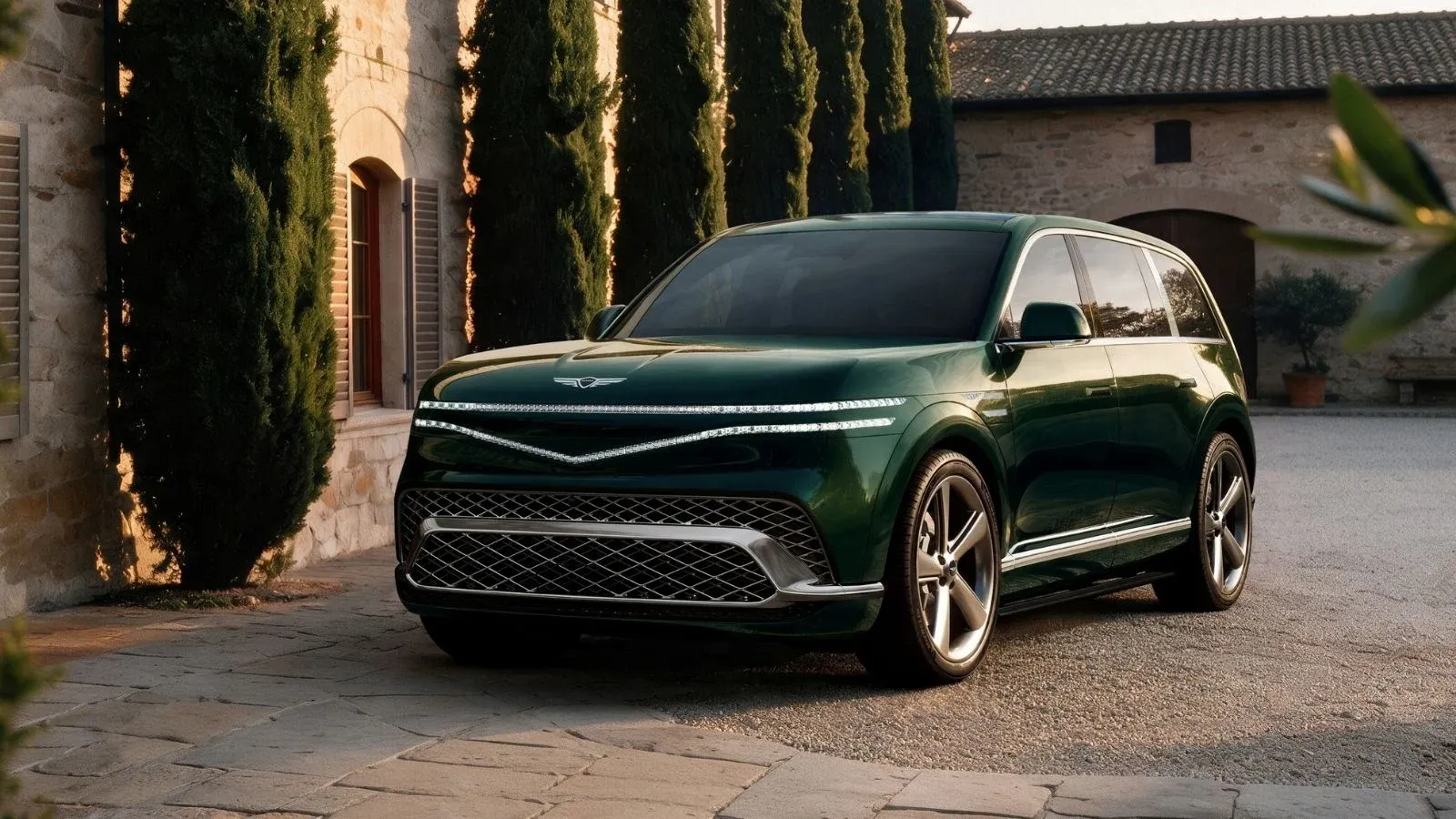
Genesis unveils the GV90, a three-row electric flagship with 657 horsepower, a raising infotainment display, and a coach-door Neolun Edition.
Sam Abuelsamid5 min read

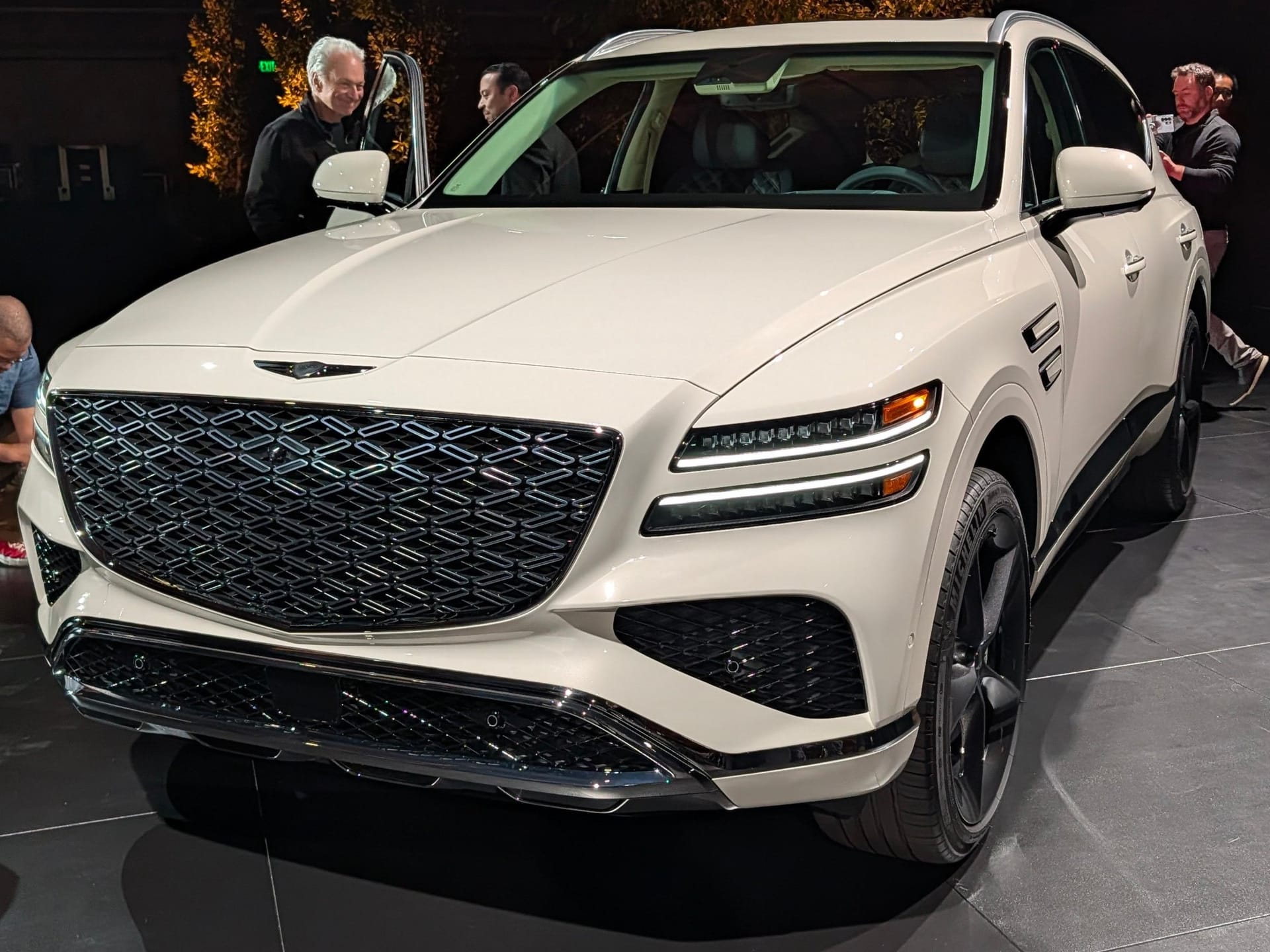
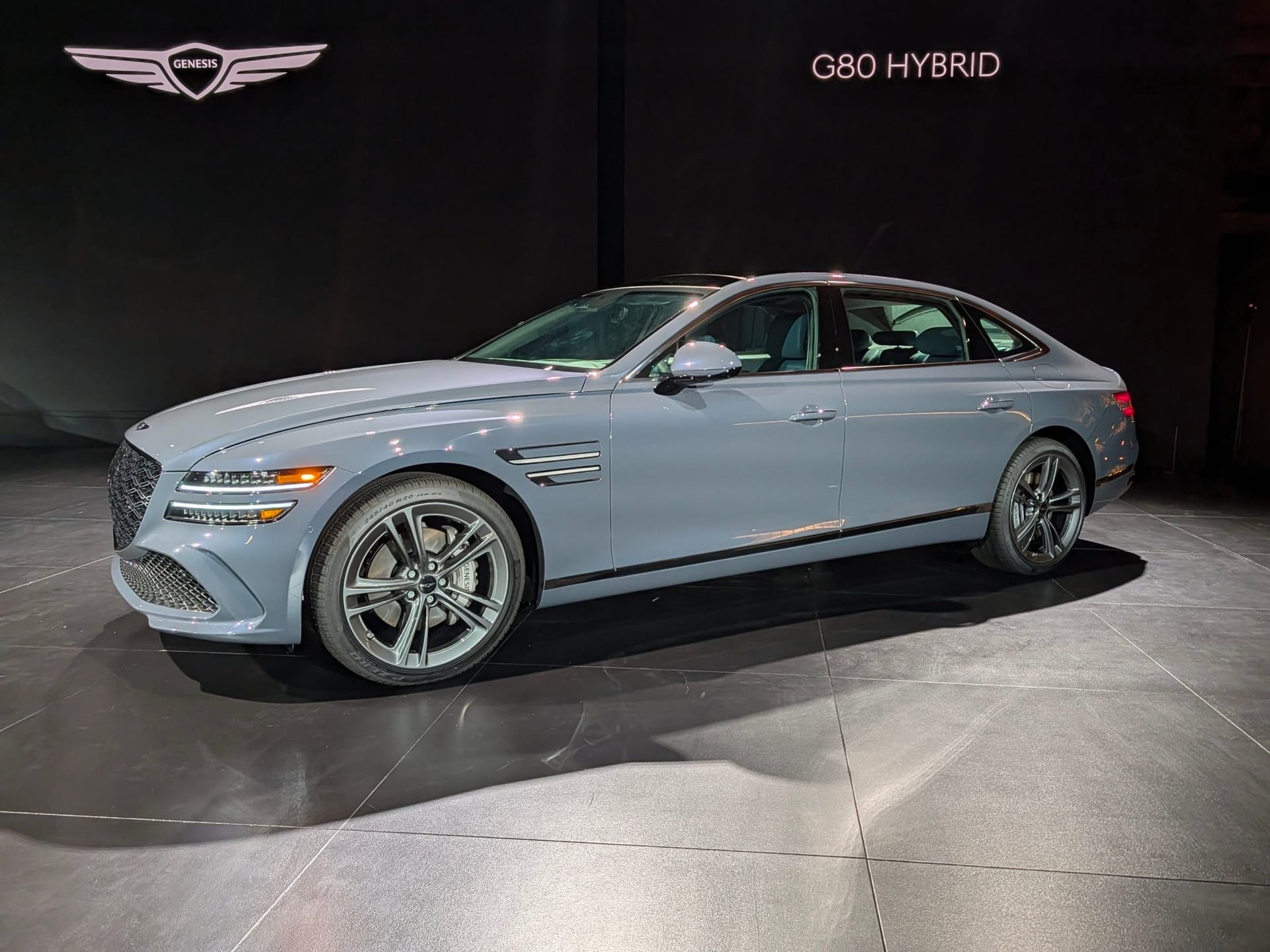
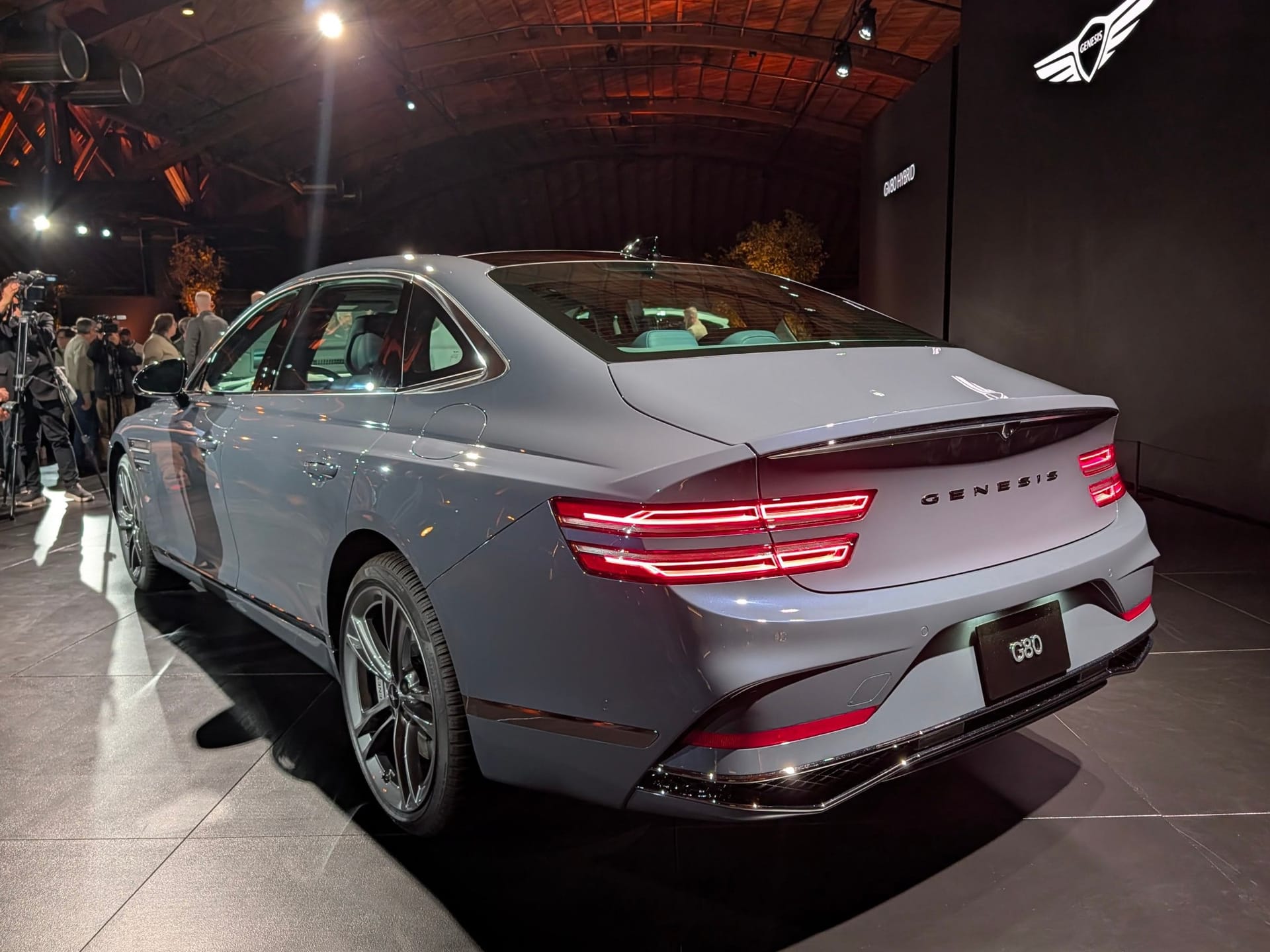
Genesis goes hybrid for the first time, pairing a turbocharged four-cylinder with a two-motor hybrid system in the G80 sedan and GV80 SUV.
Genesis, Hyundai Motor Group’s (HMG) premium brand, is expanding its electrification options for 2027. Its first-ever hybrid powertrains are coming to the midsize G80 sedan and GV80 SUV. Both models make their global debuts at an event just before the 2026 Los Angeles Auto Show opens.
Both the sedan and the SUV get a new variant of HMG's next-generation hybrid drivetrain. I've already seen and driven a version of this system in the new Hyundai Palisade and Kia Telluride, but those use a transverse engine layout. The G80 and GV80 use a platform unique to Genesis with a longitudinal engine layout, and it supports RWD and AWD.
Genesis is using a parallel system that blends engine and motor power through a conventional transmission, so see why different hybrid architectures can feel and operate very differently ➜
A turbocharged 2.5-liter four-cylinder teams up with the hybrid system to make 347 horsepower and 391 pound-feet of torque. That torque figure matches the twin-turbocharged 3.5-liter V6 Genesis sells today. The hybrid system includes two motor-generator units (MGUs), a clutch, and a liquid-cooled lithium-ion battery pack. HMG has always used liquid cooling for its EV batteries, but this is the first time it has added that extra cooling to a hybrid.
The starter-generator MGU attaches to the back of the engine. As the name implies, it restarts the engine. It also generates electricity to feed the battery and the drive MGU while the engine runs. The drive MGU attaches to the transmission and provides electric boost, electric-only driving, and regenerative braking.
The clutch sits between the two MGUs. When it’s decoupled, the car runs on electricity from the battery and/or generator. When it closes, you get maximum performance and improved efficiency at higher speeds. Everything feeds into a seven-speed automatic transmission.
Based on what I've previously experienced in the Telluride and Palisade, this setup should feel smooth, seamless, and quiet, whether you're tooling around town or accelerating to merge onto the highway.
Genesis claims its internal testing shows a 24 percent fuel efficiency improvement for the GV80 and 30 percent for the G80 compared to the gas-powered equivalents. It didn't say whether that comparison is against the standard turbocharged 2.5-liter four-cylinder or the V6. The four-cylinder G80 is EPA-rated at 23 mpg combined, so the hybrid could potentially achieve nearly 30 mpg. The AWD GV80 four-cylinder is rated at 21 mpg combined, so a 24 percent improvement would take it to 26 mpg. If Genesis is comparing against the V6 models, the GV80 should increase from 19 mpg to about 24 mpg, and the G80 should go from 18 to about 23.4 mpg.
Genesis also says both should achieve a driving range of over 500 miles. Official EPA fuel efficiency numbers will be available closer to launch.
These Genesis models are conventional hybrids rather than plug-ins, so compare hybrids, plug-in hybrids, and EVs to see how range, charging, and everyday use differ ➜
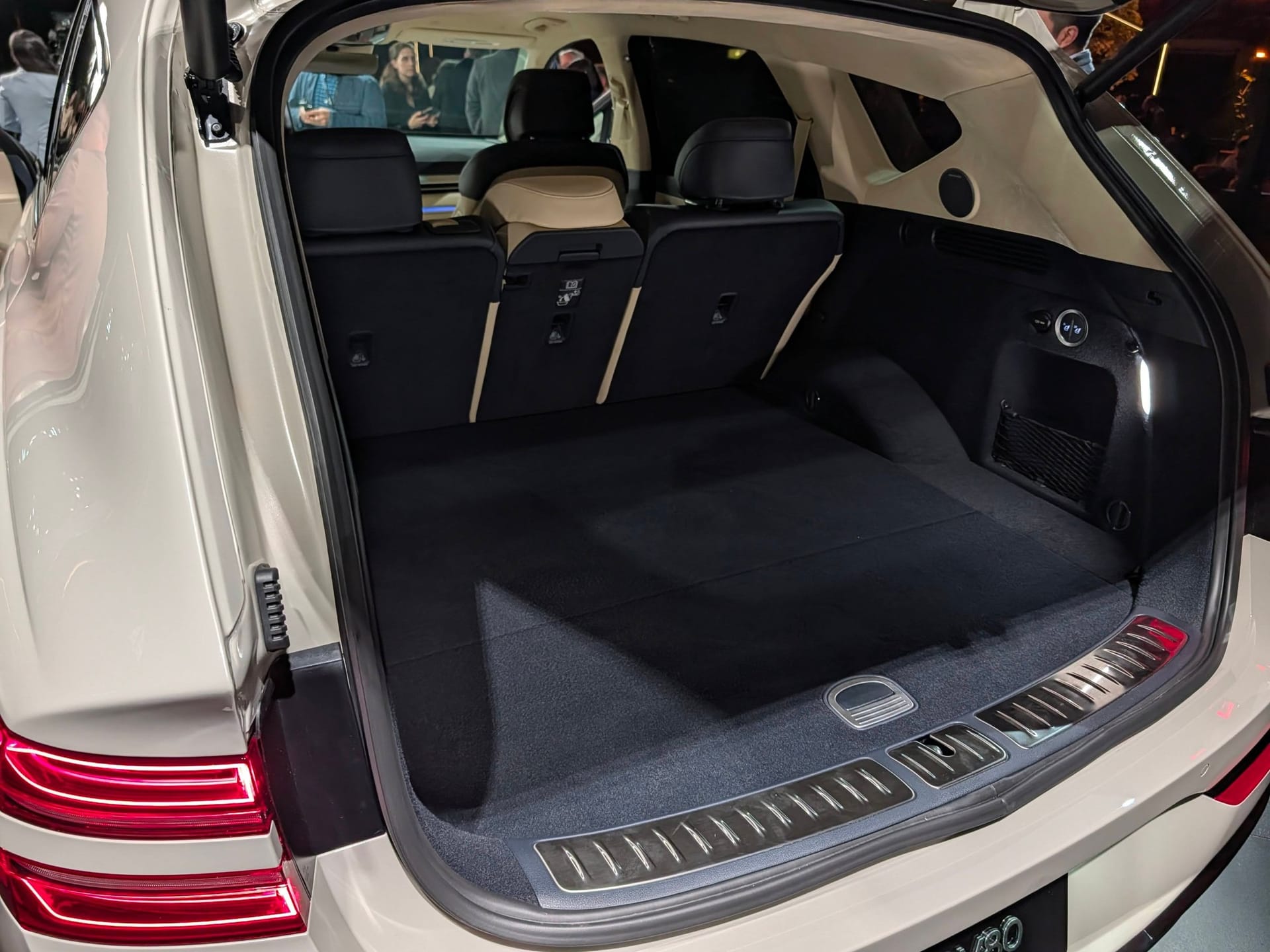
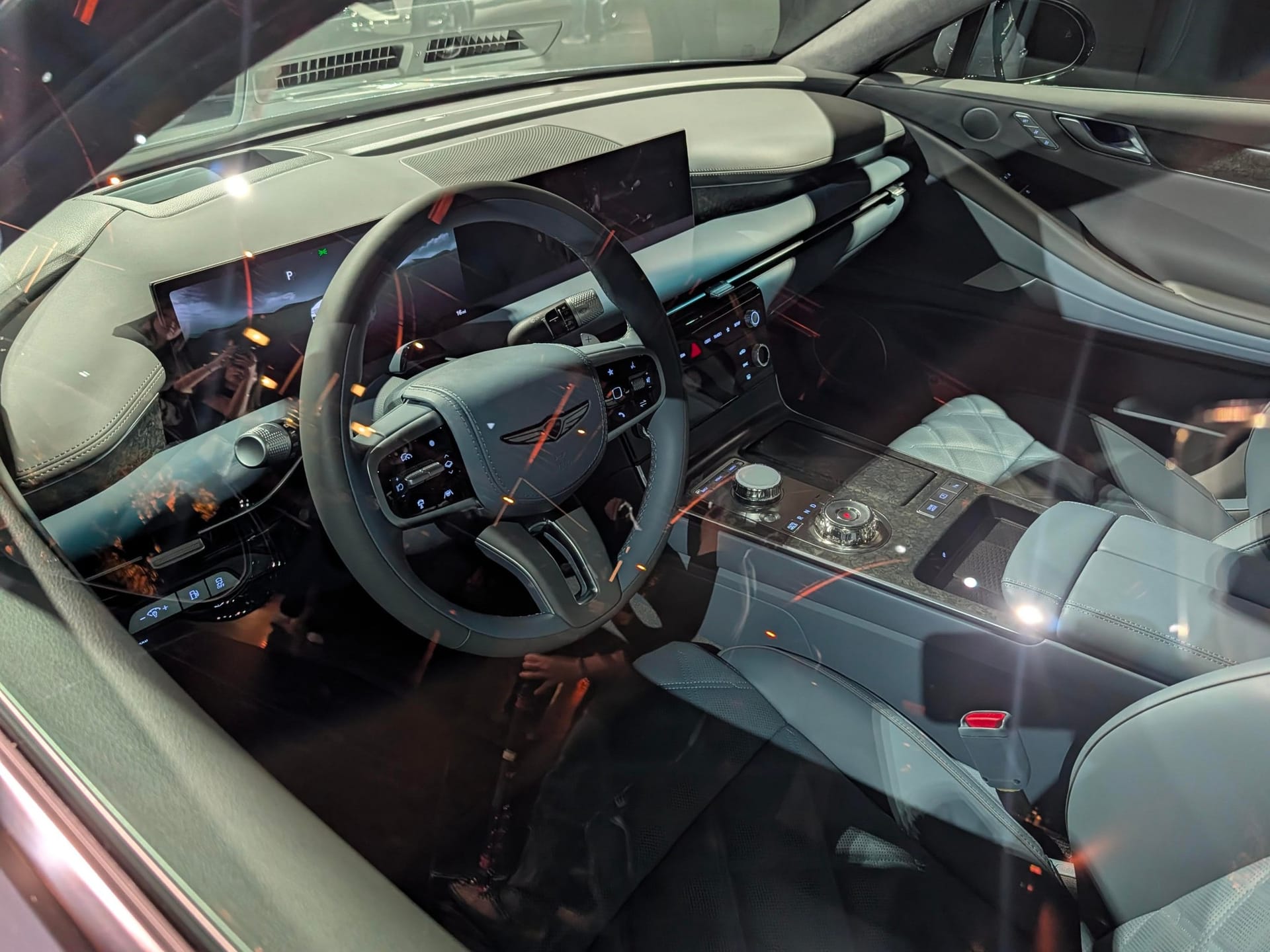
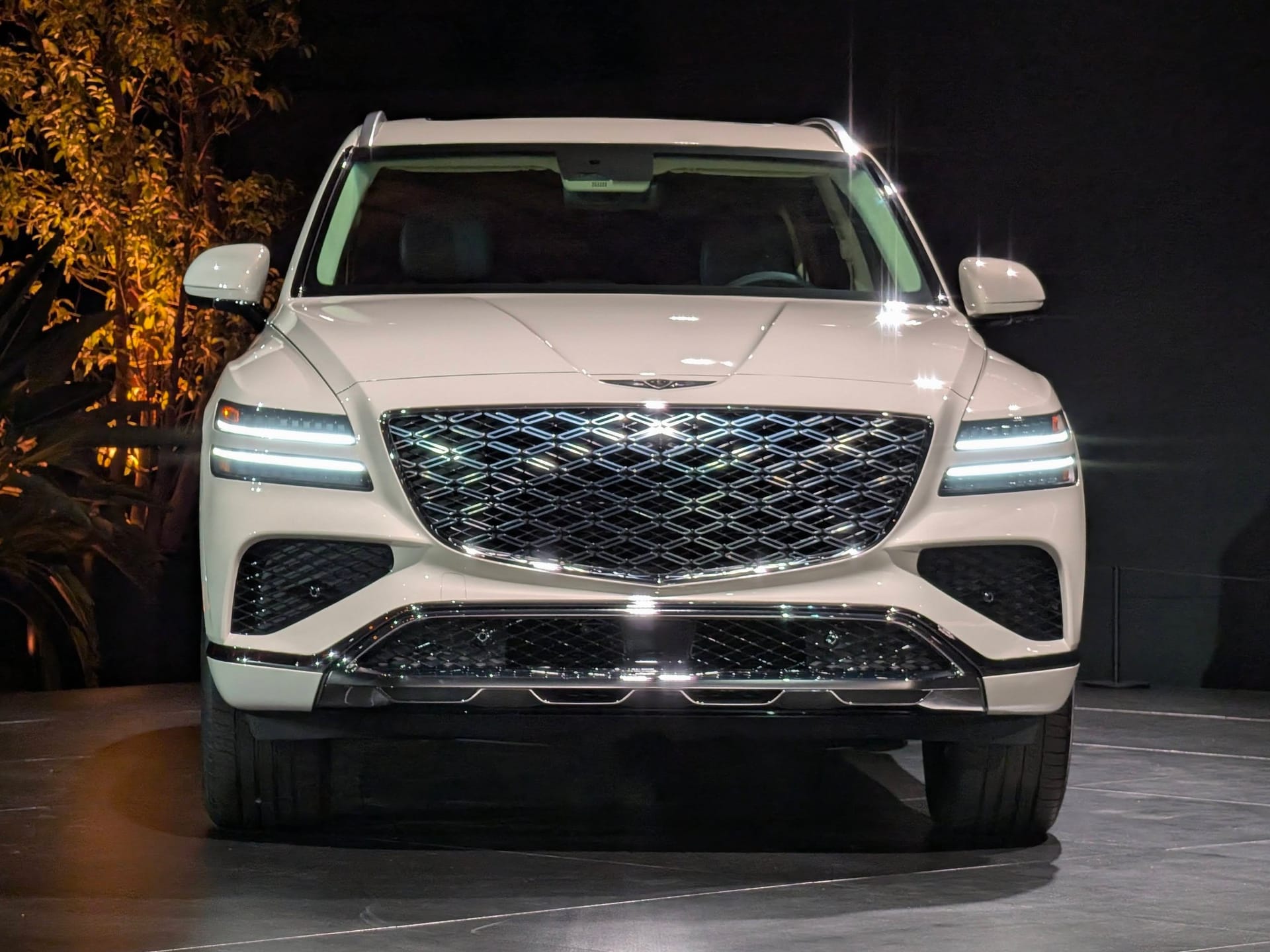
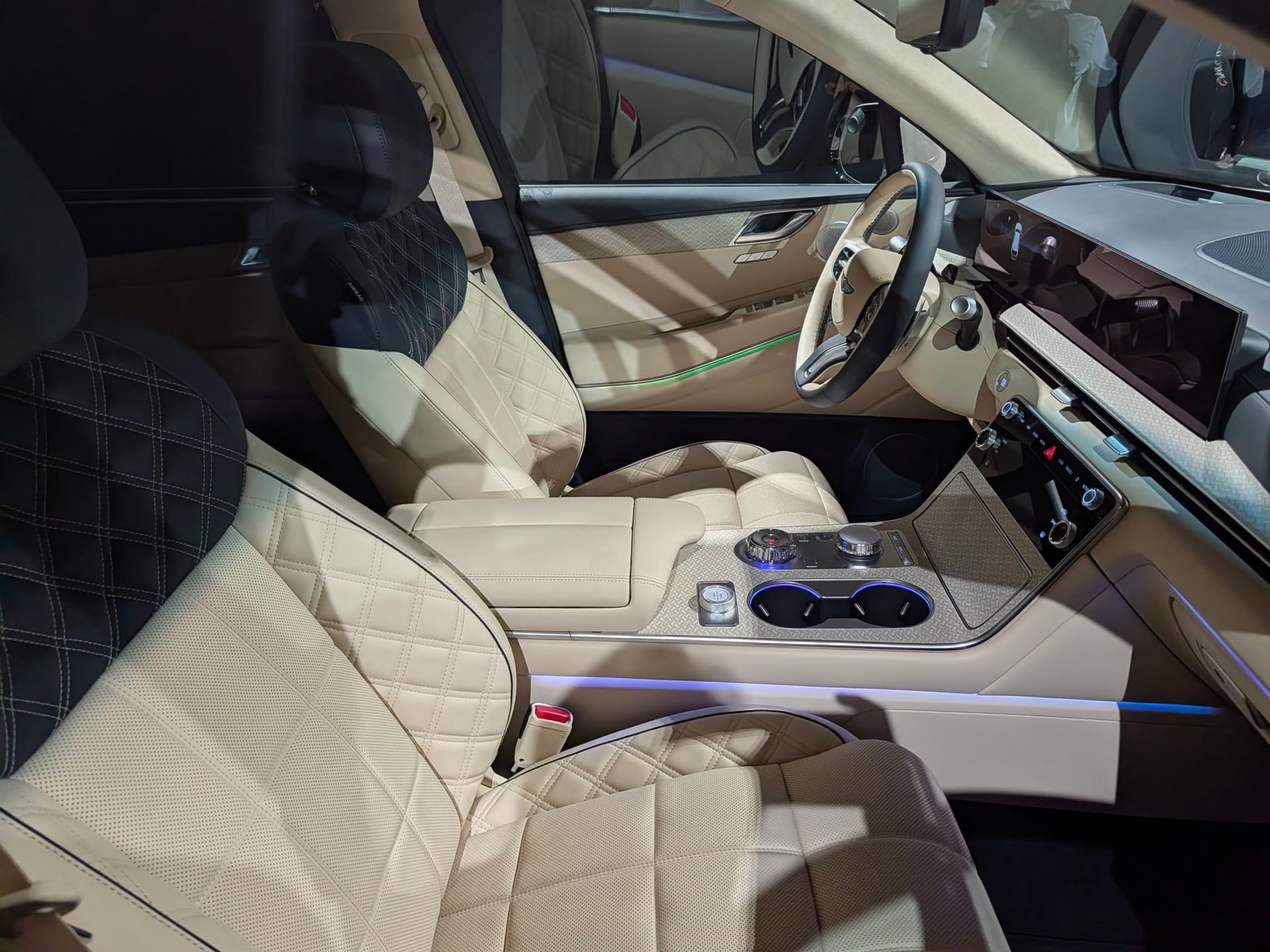
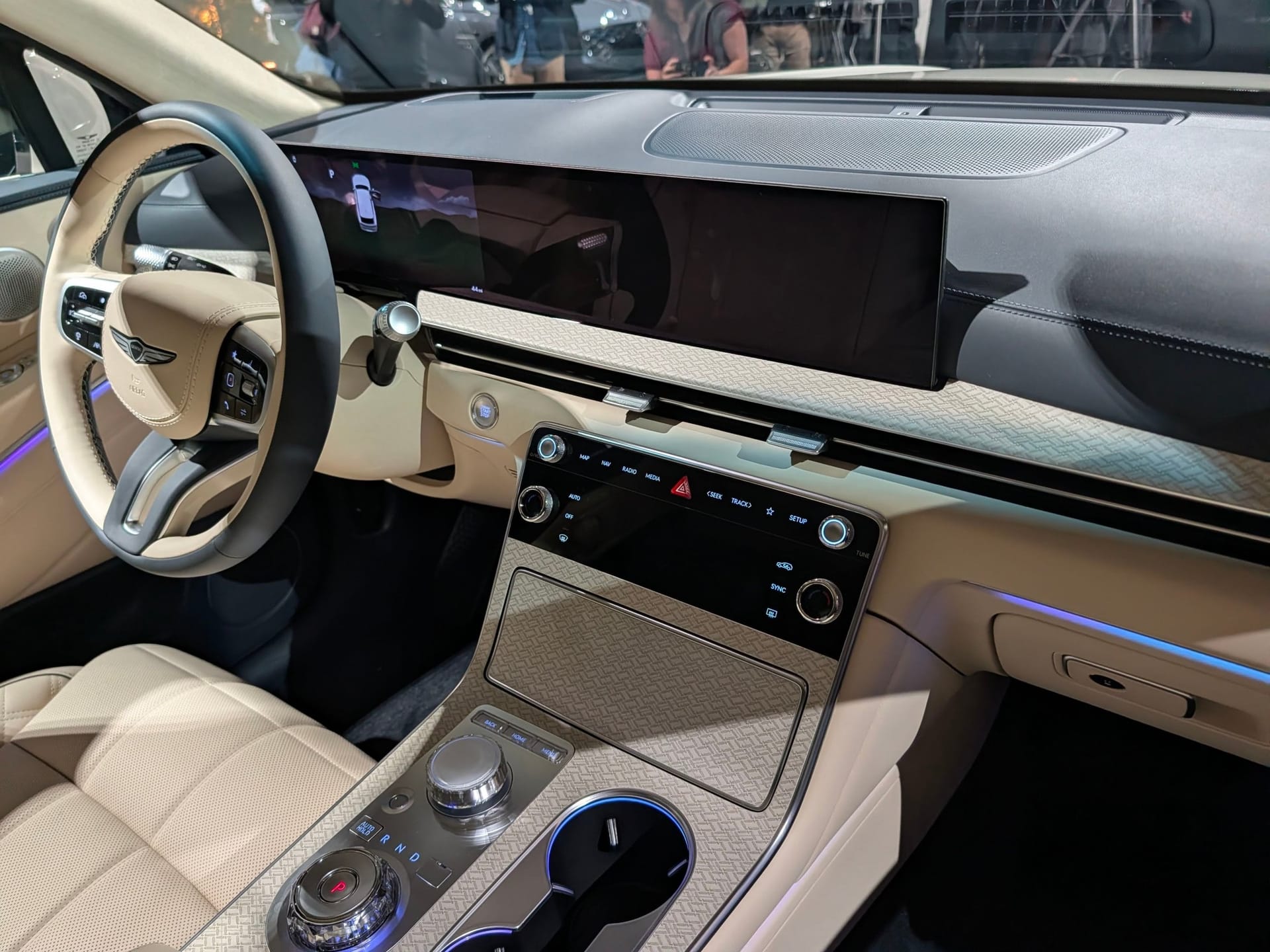
Visually, the hybrids don’t look dramatically different from before. Both retain the Genesis signature twin-strip lighting signature and add a revised G-Matrix mesh grille, new wheel designs, and new colors. The G80 Hybrid borrows the G80 EV's 5.1-inch-longer wheelbase for added rear-seat room. Inside, both carry over the 27-inch OLED display Genesis added when it refreshed these models a couple of years ago.
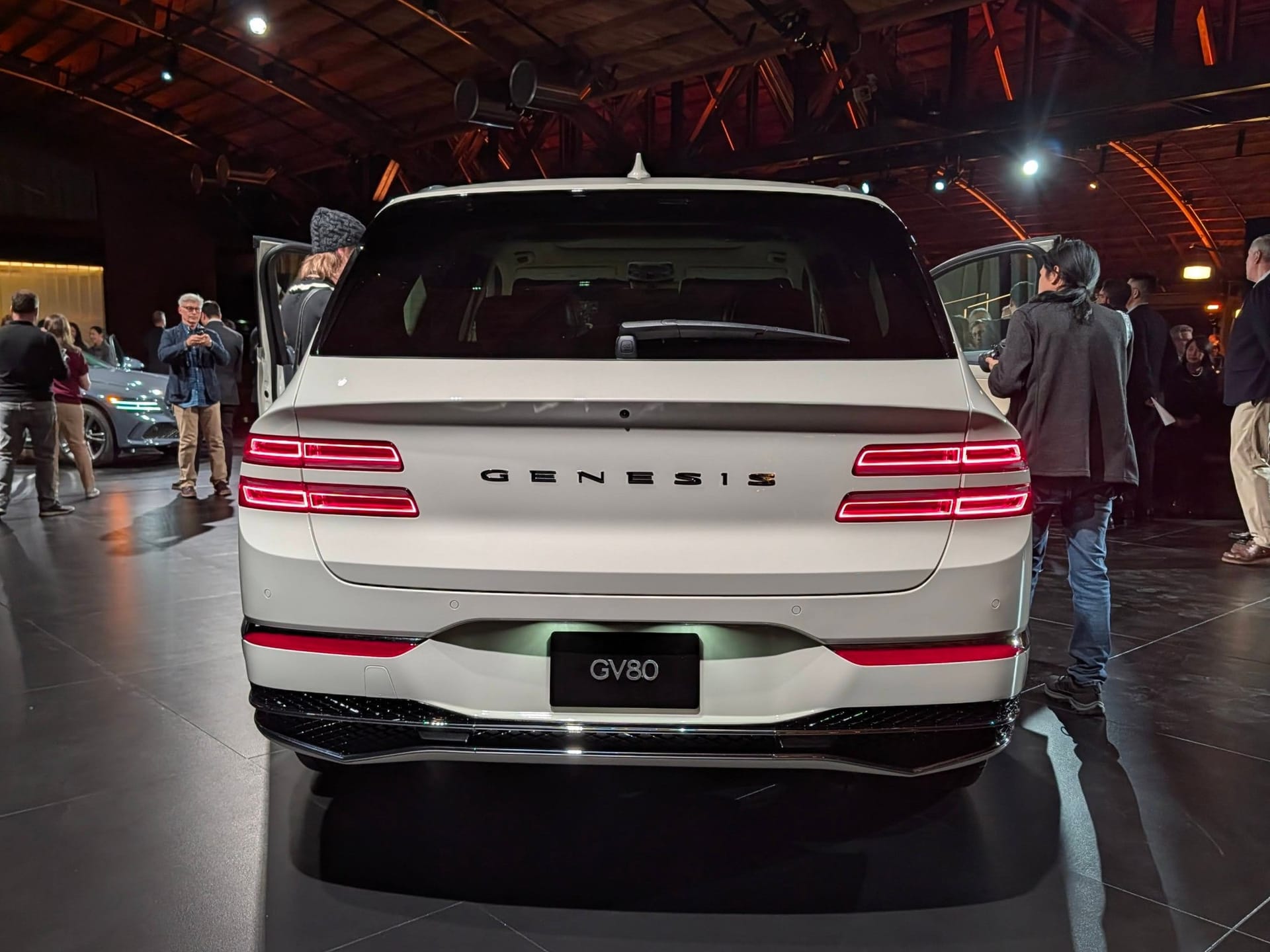
Genesis split off from Hyundai as its own brand a decade ago and has been growing its stand-alone dealer network ever since. It now has more than 190 stand-alone dealers in the U.S. and 30 agency distributors in Canada. Genesis hasn't announced pricing or an on-sale date yet, but expect the G80 Hybrid and GV80 Hybrid to arrive sometime in early 2027.
2026 Lincoln Nautilus Hybrid Review: This Is What Luxury Feels Like
Lincoln pairs 30-mpg efficiency with a quiet, upscale two-row cabin, providing a useful benchmark for how seamless a luxury hybrid can feel.
Read More ➜
2026 Lexus RX 450h+ Luxury Review
Lexus takes the luxury-SUV electrification idea further with a plug-in hybrid that can handle nearly 40 miles of daily driving without gasoline.
Read More ➜
Volvo's XC60 and XC90 Plug-In Hybrids Now Get Over 70 Miles of Range
Volvo’s newest luxury PHEVs show the alternative approach Genesis will compete against, pairing long electric-only range with gasoline road-trip flexibility.
Read More ➜
GreenCars Contributor
Sam Abuelsamid is vice president of market research and leads Telemetry Insights' Transportation and Mobility research and advisory practice. Focusing on automated driving, mobility services, telematics, connectivity, cybersecurity, and advanced propulsion systems, Abuelsamid works with clients to help them understand emerging technology trends and shape strategies.
Get vehicle reviews, practical tips, and the latest GreenCars news.
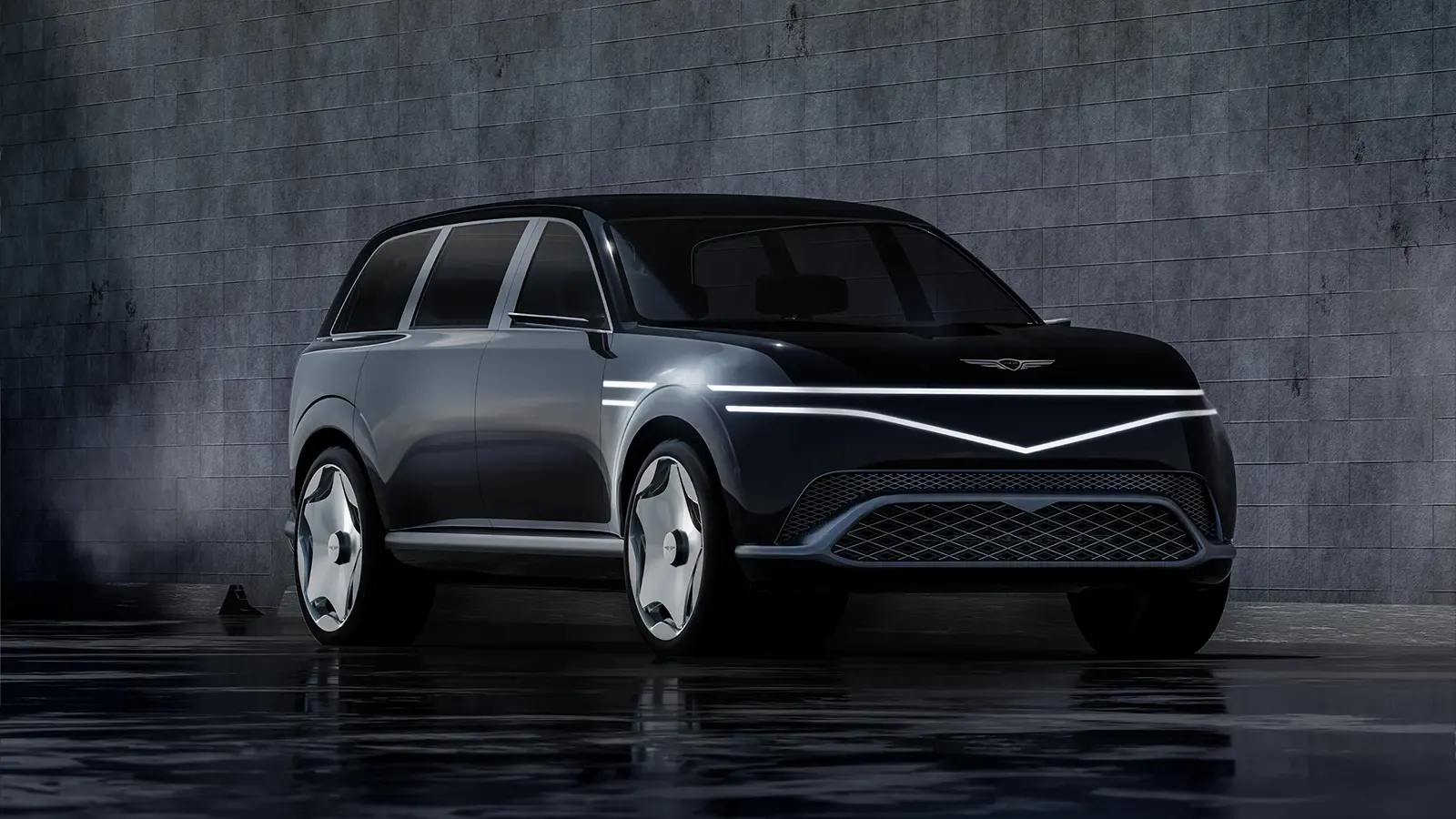
PreviewsGenesis unveils the GV90, a three-row electric flagship with 657 horsepower, a raising infotainment display, and a coach-door Neolun Edition.
 Previews
An upscale luxury three-row EV SUV is coming from Genesis, and the new GV90 promises to be the largest and most prestigious model to date from the Hyundai Group, packed with the latest technology and refinement.
 Previews
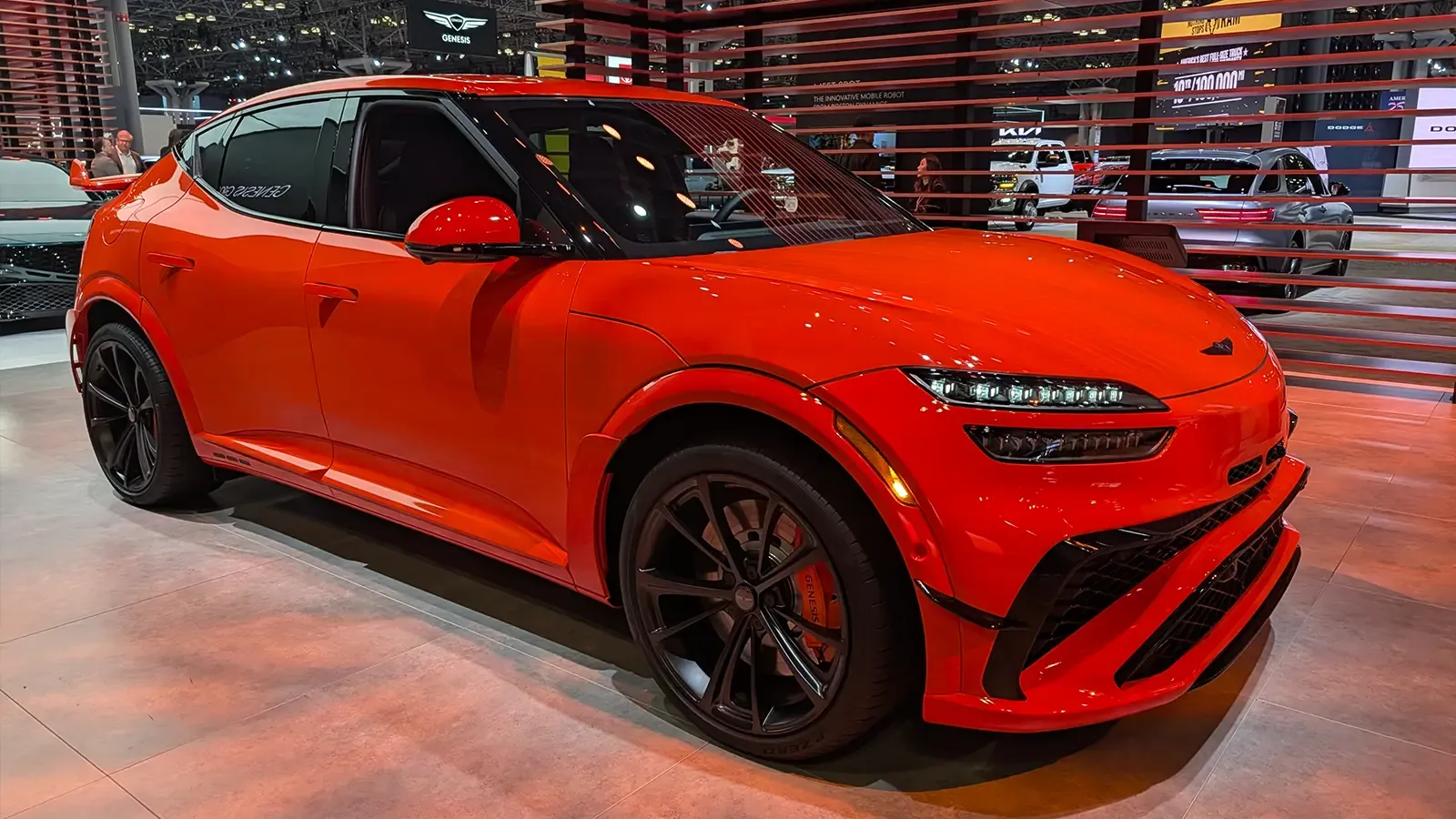
Genesis is stepping up its game with the GV60 Magma, an all-electric performance machine with 641 horsepower and track credentials.