




 Comparisons
2027 Kia Telluride Hybrid vs. 2026 Toyota Grand Highlander Hybrid
The redesigned Telluride Hybrid takes on the Grand Highlander Hybrid. Here, we compare design, space, tech, power, price, and driving experience.
Sam Abuelsamid9 min read

They're basically twins, but the Telluride Hybrid and Palisade Hybrid still have their own vibe. Here's how they actually stack up.
When it comes to the hottest new family hybrid vehicles on the market, two names keep coming up: the Telluride and the Palisade. These cousin midsize SUVs share the same platform, so when they put them head-to-head, you’re really comparing price, features, and design rather than the two fundamentally different vehicles. Still, let's break down what you’re getting with each.
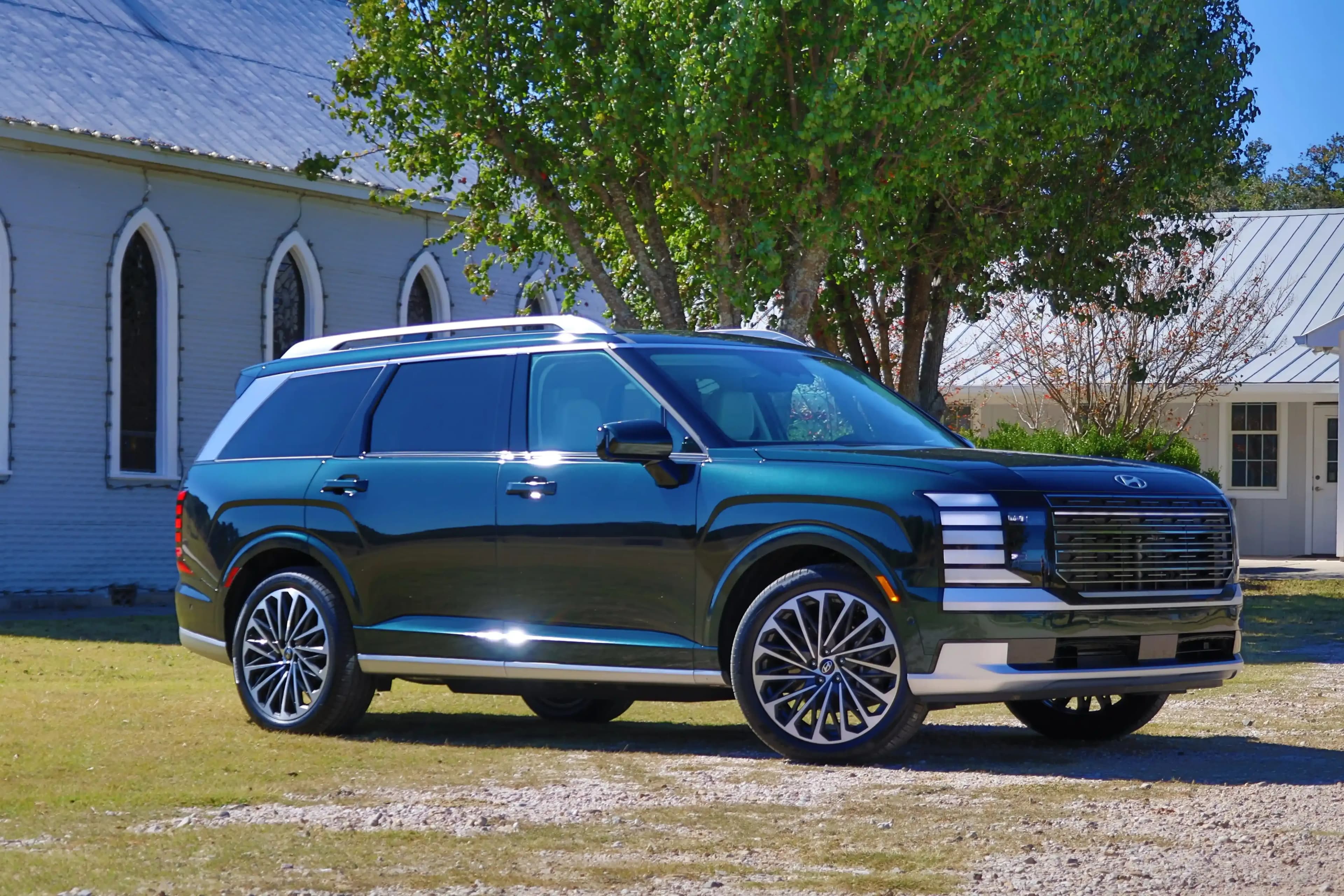
Three-row hybrids are becoming some of the strongest family-car alternatives to traditional gas SUVs, so see which hybrid SUVs stand out for family space, efficiency, and everyday usability ➜
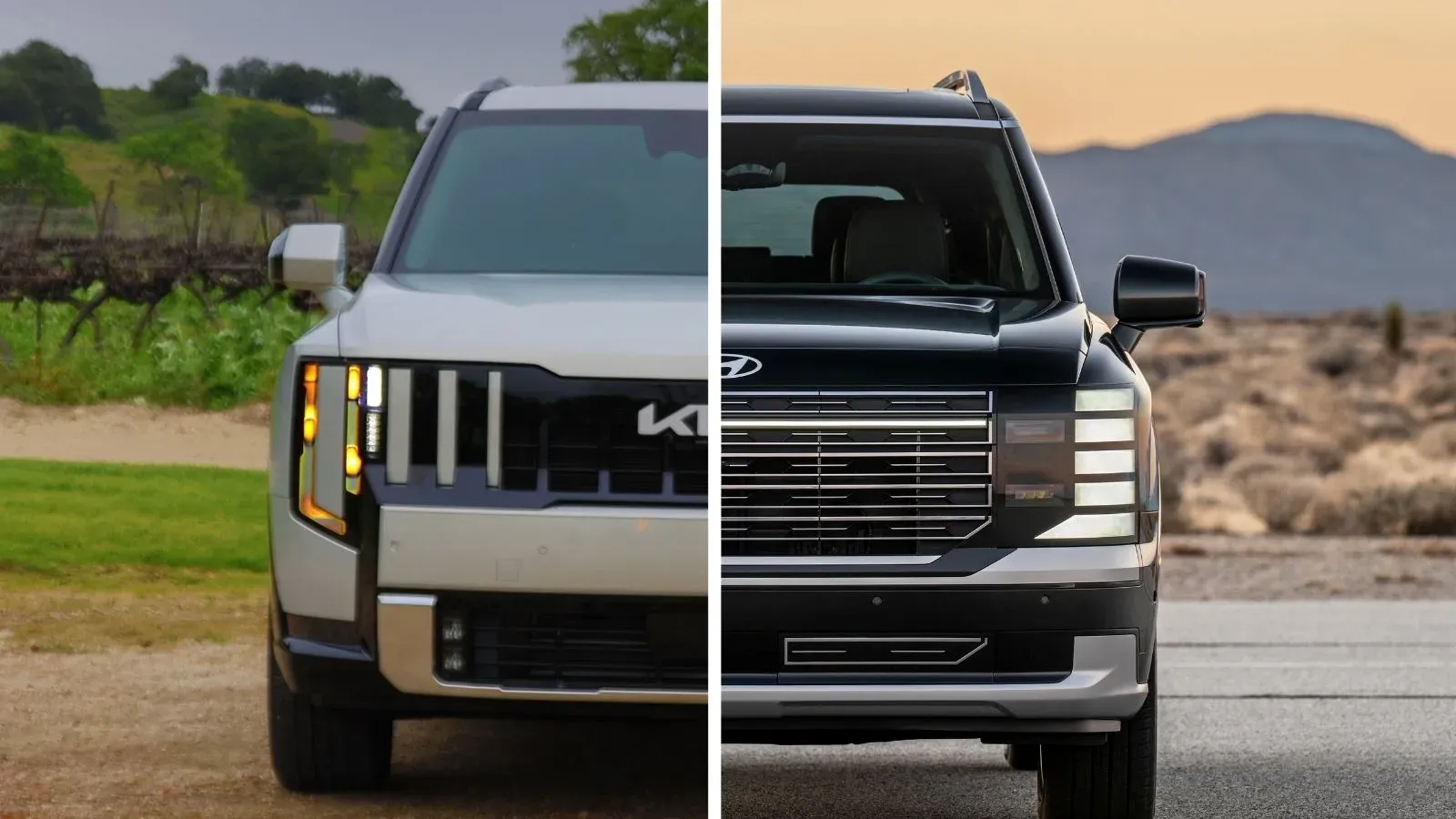
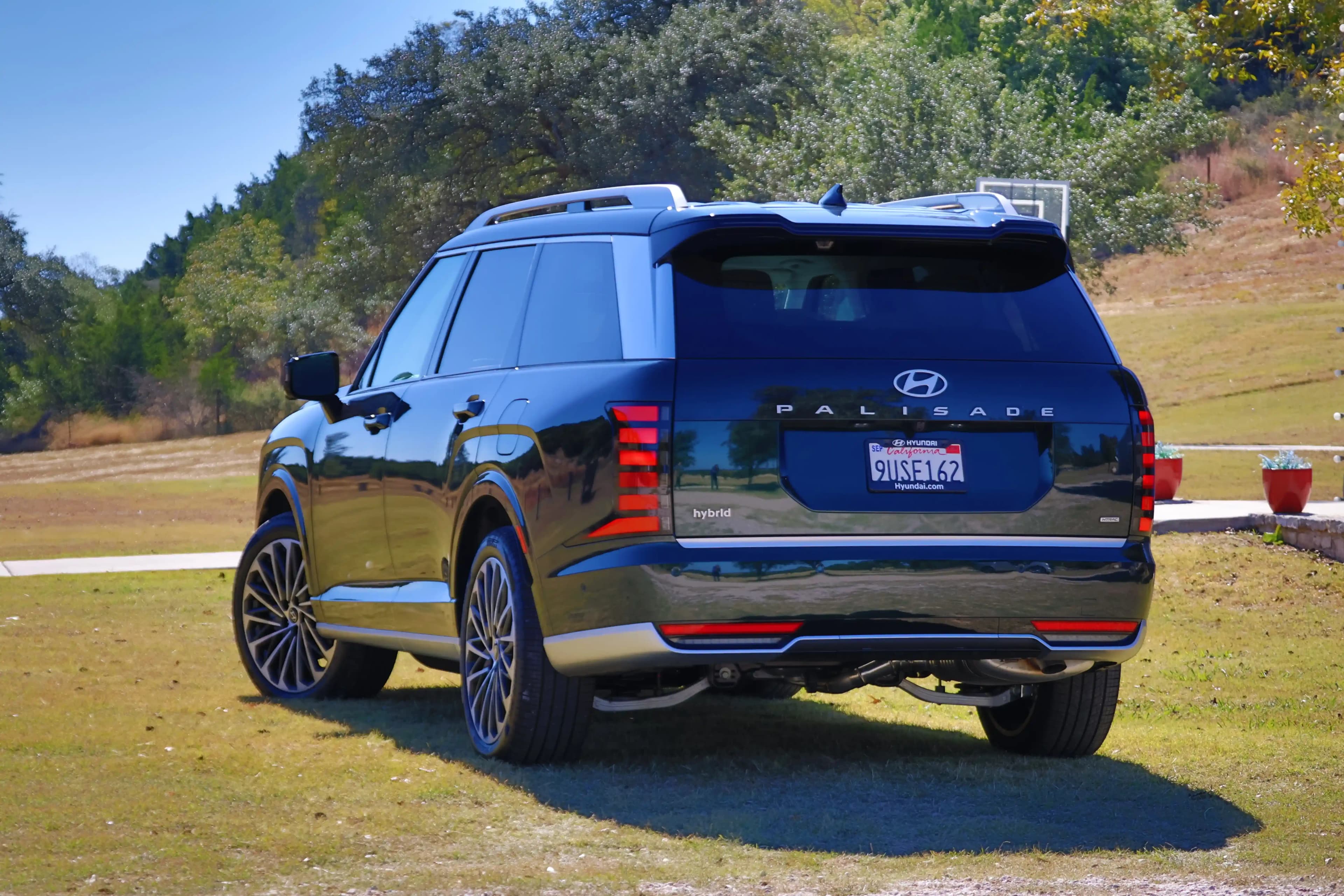
Both SUVs got a fresh look for their second generation last year, so their designs look modern. The Telluride Hybrid's lighting theme features a pair of slim vertical lamps at each corner with amber LED running lights that frame the grille, while the Palisade Hybrid uses horizontal, stacked LED headlamps. Those design cues continue to the rear end, where the Palisade Hybrid’s brake lights take on the same horizontal stripes on either side of the liftgate, while the Telluride Hybrid’s are flanked by vertical brake lights.
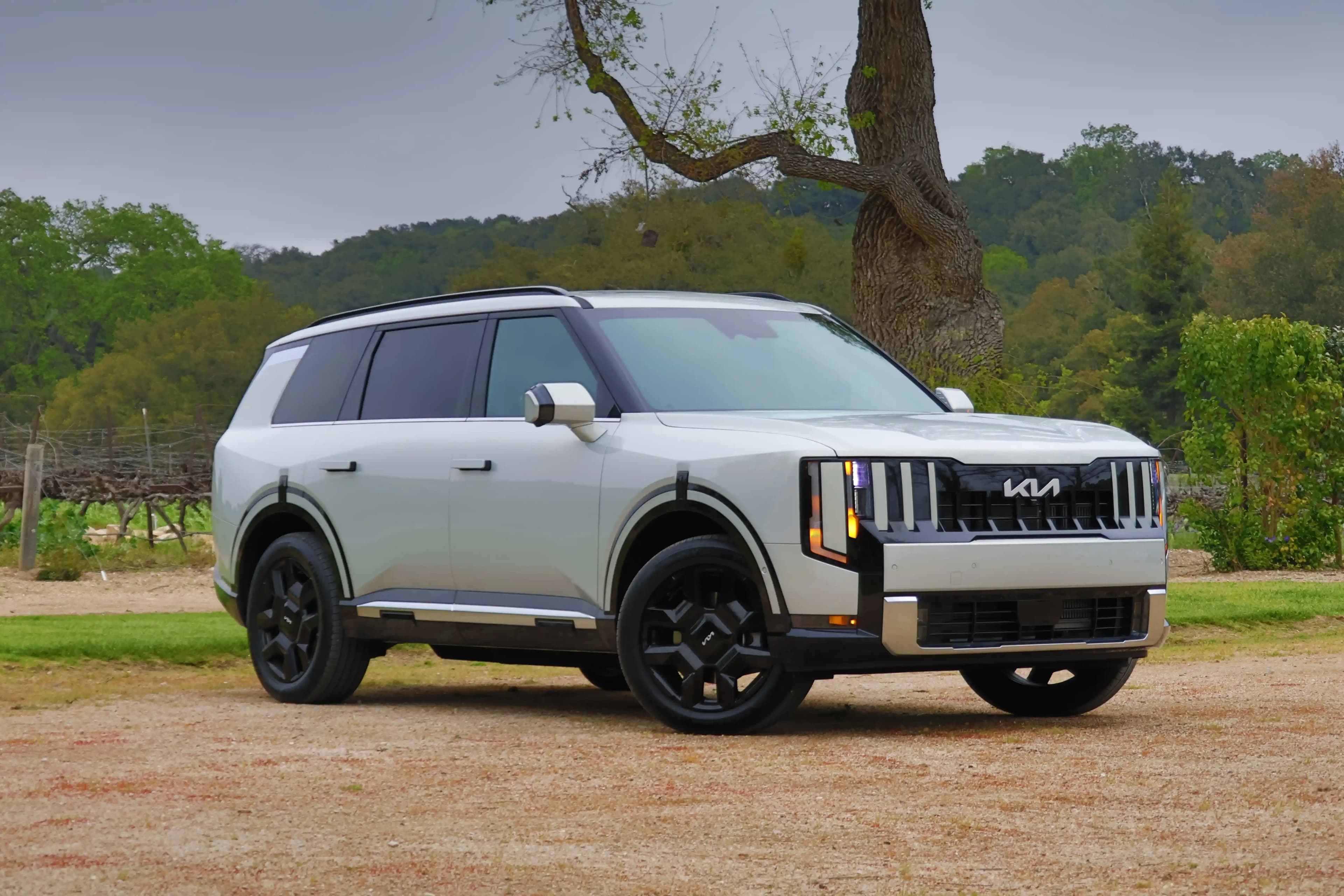
Depending on the trim level and color selection, either vehicle can take on a more rugged, sporty, or classic feel.
Both come standard with a 12.3-inch touchscreen with built-in navigation, wireless Apple CarPlay and Android Auto, rear side-window sunshades, USBs throughout the cabin, a wireless phone charger, tri-zone climate control (including second- and third-row vents), a 12-volt outlet, a hands-free power liftgate, synthetic leather upholstery**,** an eight-way power-adjustable driver's seat, heated front seats, second-row captain’s chairs, and Passenger Talk in-car intercom. Some of the front-row USB ports can put out up to 100 watts, perfect for charging a laptop and a phone or tablet at the same time.
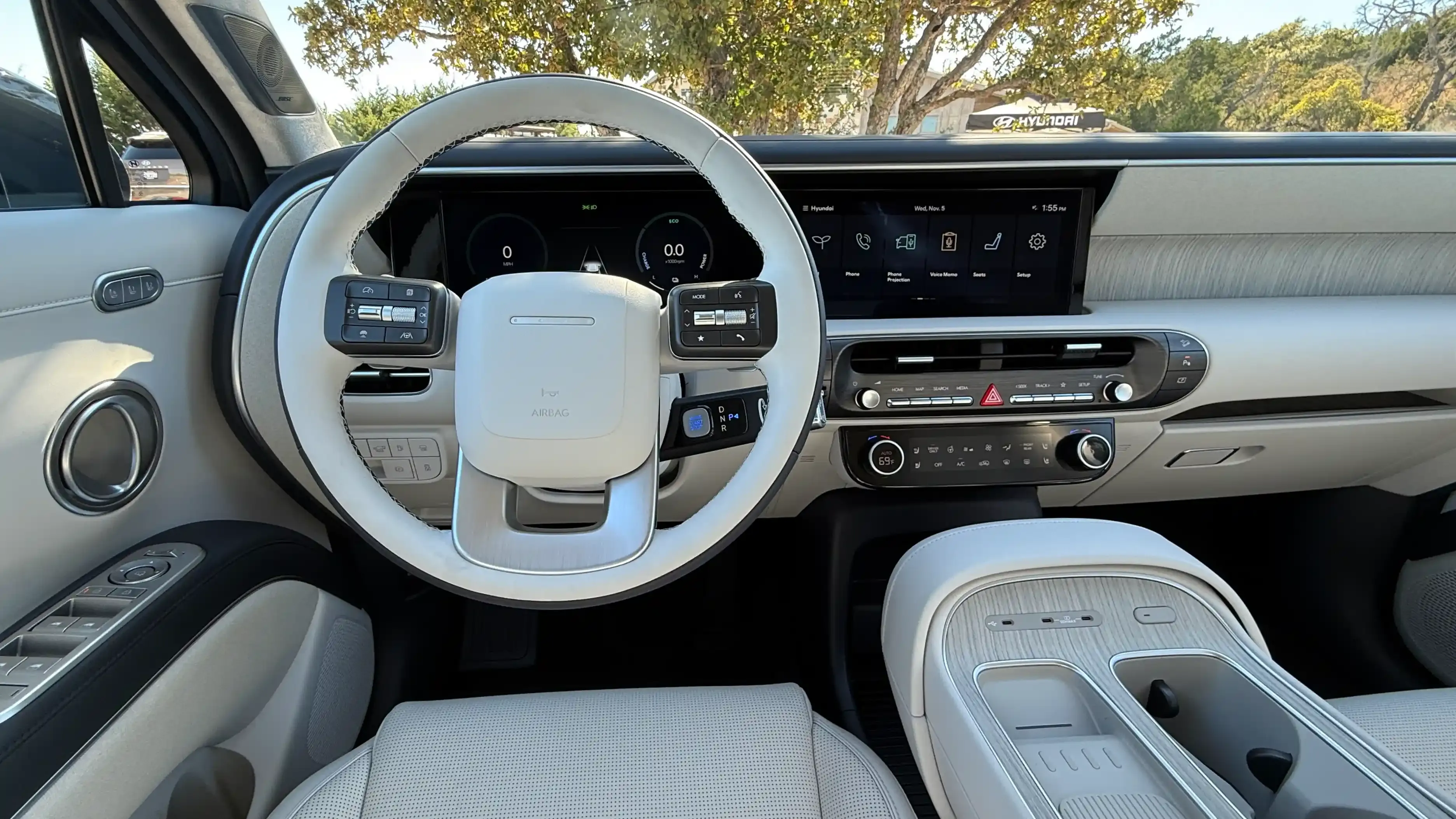
The Palisade Hybrid’s standard package includes a rear-seat quiet mode, dynamic voice recognition, and a 12.3-inch digital instrument cluster. The base Telluride Hybrid comes with a 4.2-inch digital instrument cluster.
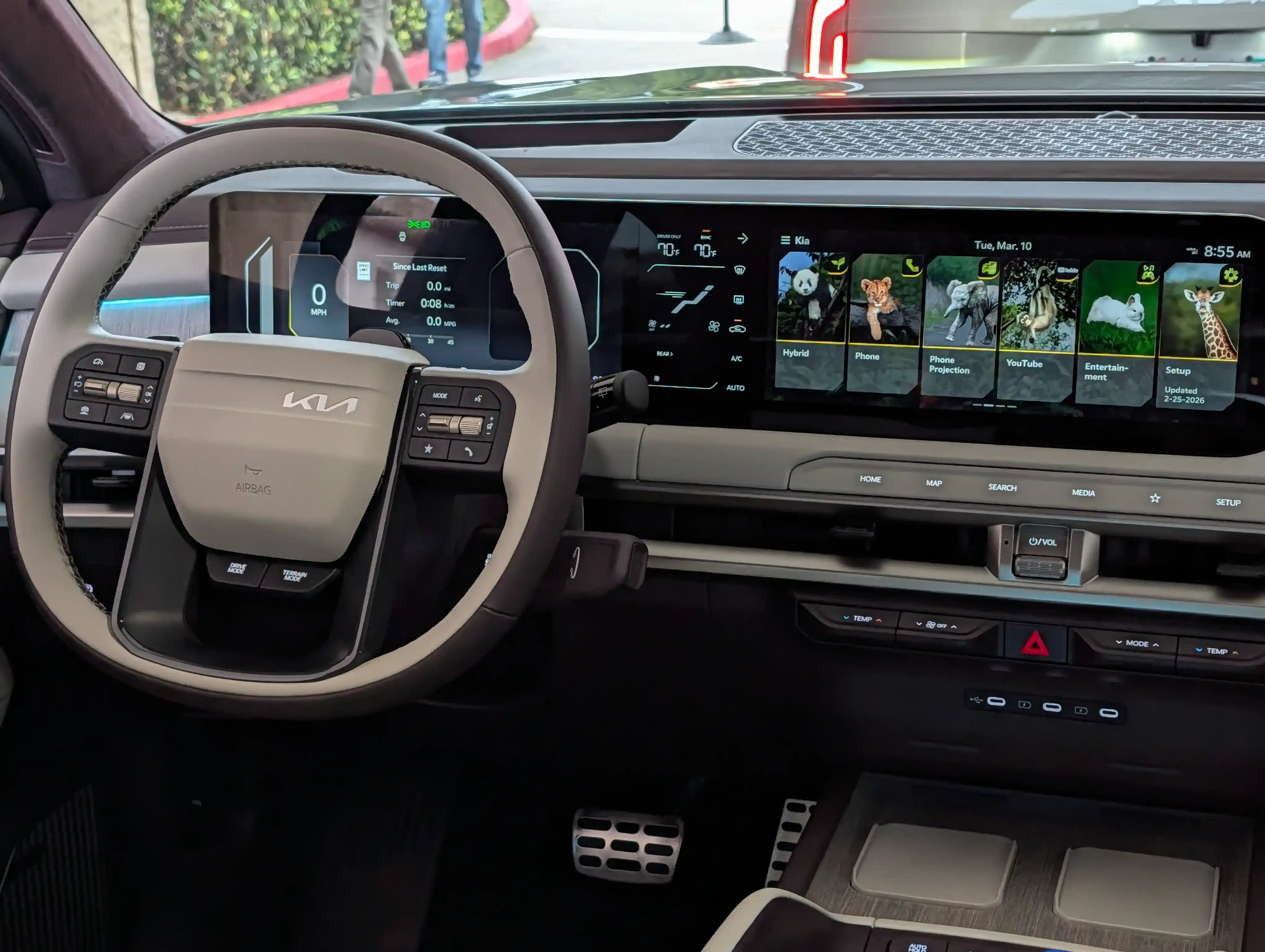
The Telluride Hybrid’s standard ventilated front seats, eight-way power-adjustable passenger seat, and sunroof don’t come in until the Palisade Hybrid’s SEL Premium trim. Dual wireless phone chargers and a climate display are not offered on the Palisade Hybrid, while they're standard on the Telluride Hybrid.
When it comes to available equipment, both the Telluride and Palisade Hybrids can be equipped with near-luxury touches like Ergo Motion and leg-cushion extensions for the driver’s seat, a heated steering wheel, heated and ventilated second-row seats, a 12-inch head-up display, remote smart parking assist, a premium speaker system, and a digital rearview mirror. Pricing for these features falls in roughly the same range across both models, give or take a few hundred dollars.
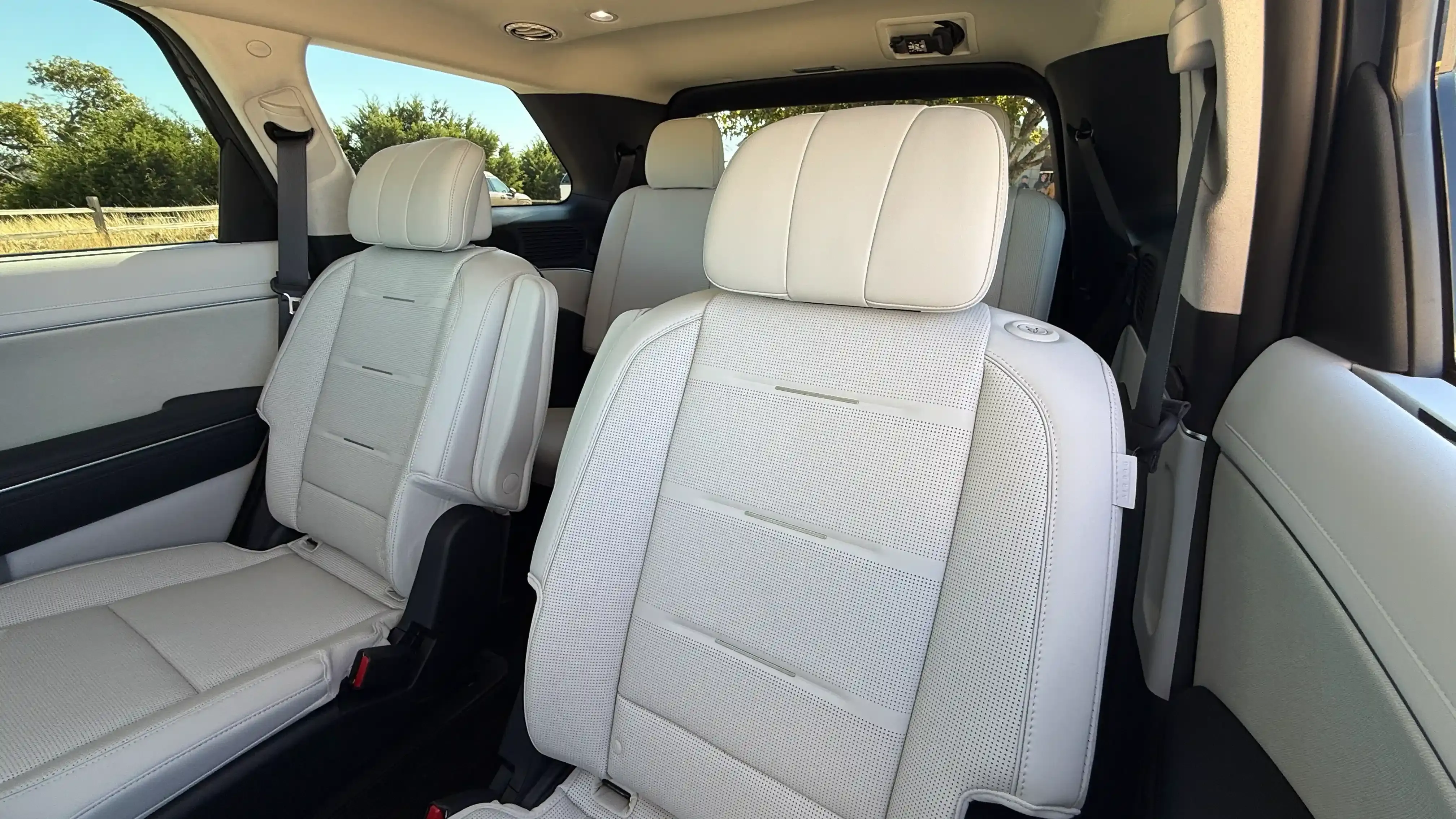
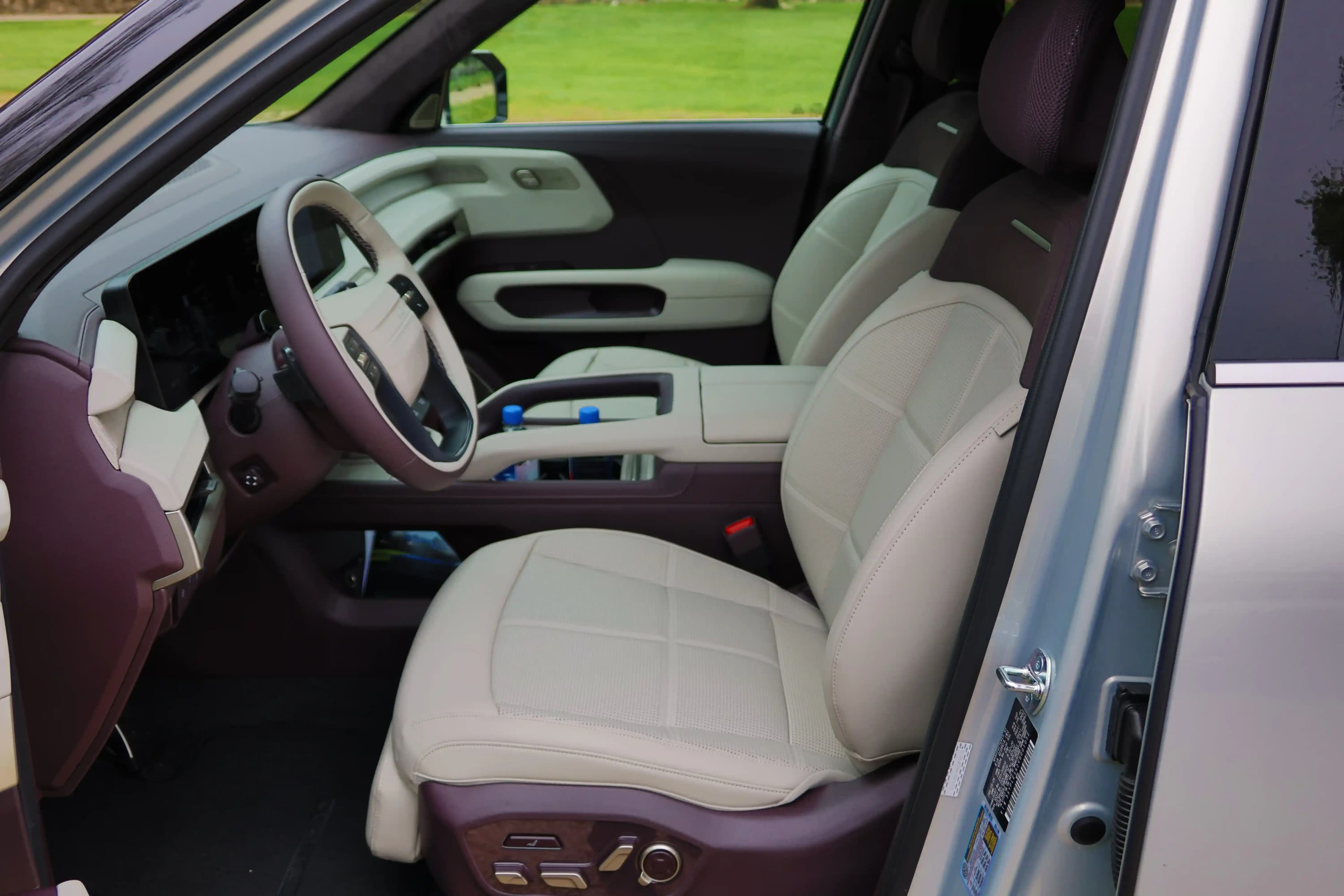
As for differences, the Telluride Hybrid can be outfitted with synthetic leather and synthetic suede upholstery, while the Palisade Hybrid offers premium Nappa leather. The Palisade Hybrid also offers relaxation seat modes for the front and second-row seats, plus third-row heating — on the Telluride Hybrid, you'd need to add the Executive package to get that. The Telluride Hybrid, however, can be upgraded to a 29.6-inch panoramic display, while the Palisade Hybrid sticks to dual 12.3-inch displays.
Both vehicles come with standard automatic emergency braking, blind-spot collision warning, rear cross-traffic collision-avoidance assist, lane-keeping and lane-following assist, front and rear parking sensors, high-beam assist, advanced rear occupant alert, driver-attention warning, safe-exit assist, highway driving assist, and navigation-based smart cruise control with stop-and-go with curve control.
The Palisade Hybrid’s standard suite adds forward-attention warning.
Both are available with highway driving assist II, blind-spot collision-avoidance assist, a surround-view monitor, and a blind-spot view monitor.
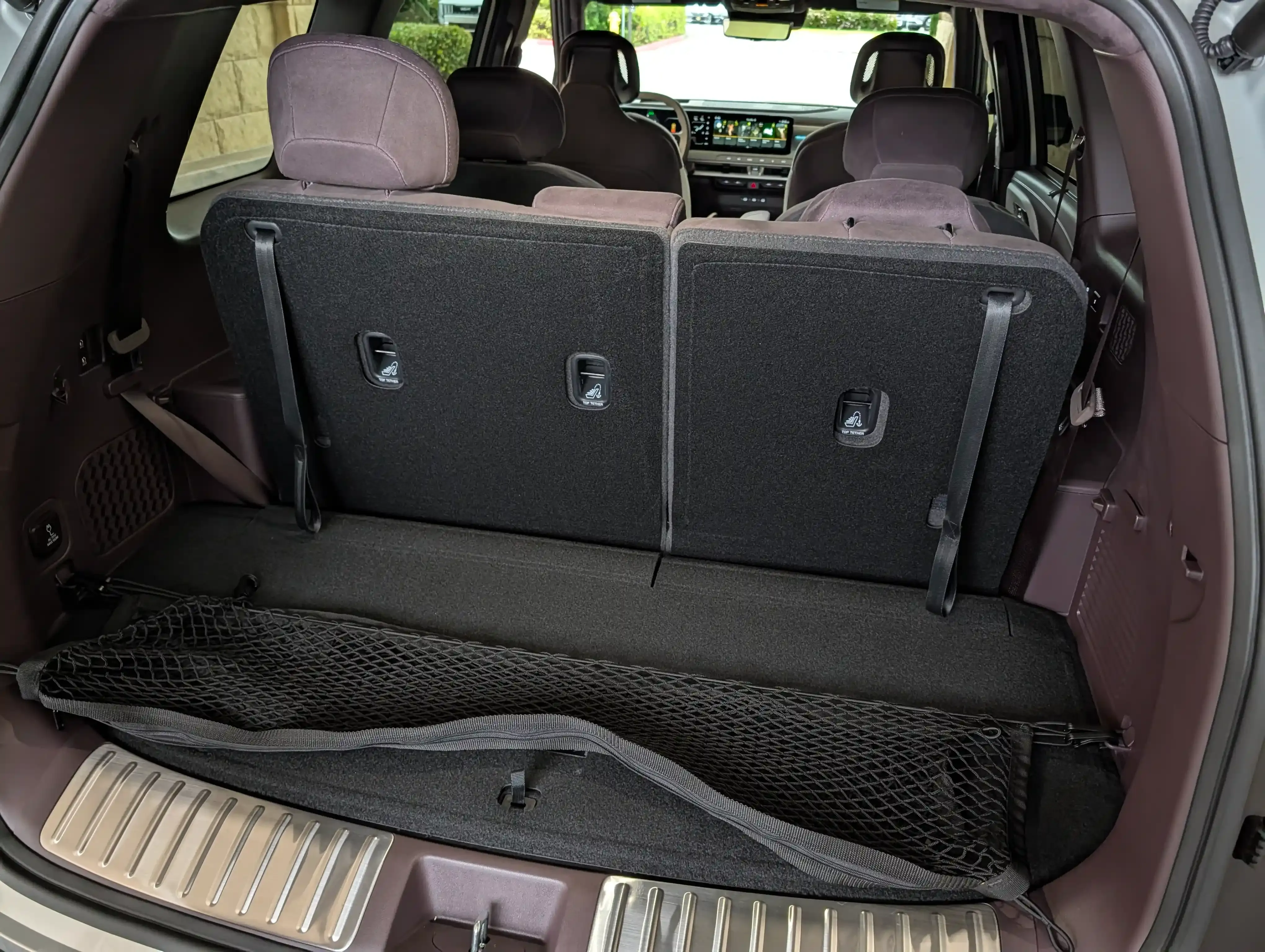
Both the Telluride Hybrid and Palisade Hybrid share the same powertrain, so there's no difference between the two in terms of horsepower or torque: 329 horsepower and 339 lb-ft of torque either way. They do differ slightly on the fuel economy front. The Telluride Hybrid edges out the Palisade Hybrid slightly in FWD form, at 35 mpg combined versus the Palisade Hybrid's 34 mpg combined. Add in AWD, and the edge is the same: the Telluride Hybrid gets 31 mpg combined compared to the Palisade Hybrid's 30 mpg.
The Telluride may share its hybrid hardware with the Palisade, but Kia gives it a noticeably different driving character, so see how the new Telluride Hybrid performs on the road ➜
Generally speaking, the Kia Telluride Hybrid offers more standard equipment, which is likely why the base model runs about $2,000 more than the base Palisade Hybrid. Matched trim-for-trim, the Telluride Hybrid’s base EX roughly lines up with the Palisade Hybrid's SEL Premium, the X-Line SX with the Limited, and the SX Prestige with the Calligraphy. Both models also offer a blacked-out version of their top trim: the X-Line SX Prestige and the Calligraphy Black Ink.
The Palisade and Telluride hybrids share the exact same powertrain: the first application of the Hyundai Motor Group's next-generation hybrid system.
Previous HMG hybrids used a belted starter-generator in place of the traditional alternator, along with an electric motor-generator unit (MGU) in place of the torque converter on the automatic transmission. A clutch between the engine and MGU would disengage to enable engine-off coasting, short periods of electric operation, and regenerative braking. The new system adds a second MGU to the engine, which can charge the battery for series-hybrid operation and, with the clutch engaged, add extra torque for maximum acceleration. The result is more power than any previous HMG hybrid, plus improved fuel economy. The system runs smoothly, seamlessly, and quietly.
Inside, overall functionality is similar, although the Palisade Hybrid has a row of physical buttons below the center touchscreen, while the Telluride Hybrid uses a row of touch-sensitive buttons. If you use the ledge below the screen to brace your hand while using the touchscreen, you may accidentally hit one of the touch buttons. It’s a minor annoyance, but irritating nonetheless.
Ride quality for both vehicles is excellent, and families won’t be upset spending hours in either one.
The Palisade was the first of these siblings to introduce Hyundai Motor Group’s new hybrid system, so see how it performs when evaluated on its own ➜
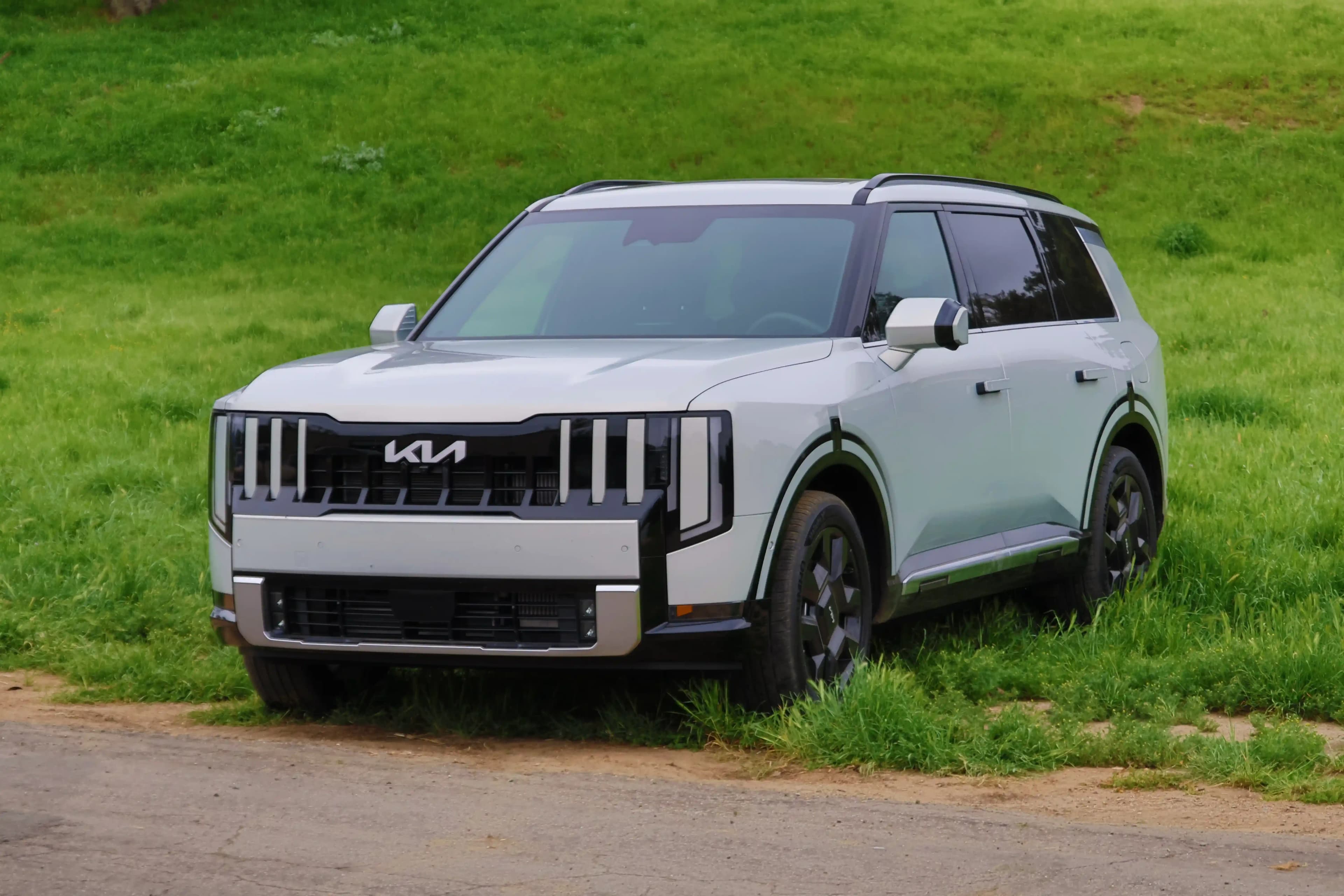
Since both of these SUVs are mechanically identical, similarly equipped, and similarly priced, the choice really comes down to which design you prefer and perhaps which dealer is closer to home. Most areas have both Hyundai and Kia dealers nearby, so that second factor probably won’t impact many buyers.
I’m partial to Kia designs, but I think the second-generation Palisade Hybrid is a very handsome machine. If you’re in the market for a fuel-efficient SUV that can haul six or seven people and a bunch of stuff, you can't go wrong with either one.
2027 Kia Telluride Hybrid vs. 2026 Toyota Grand Highlander Hybrid
See how the new Telluride stacks up against one of Toyota’s strongest three-row hybrid alternatives on power, efficiency, space, and value.
Read More ➜
2026 Kia Sorento Hybrid Review: Small Footprint, Three Rows
The smaller Sorento Hybrid gives Kia shoppers another three-row option with lower fuel consumption and a more manageable footprint.
Read More ➜
2026 Hyundai Ioniq 9 Calligraphy Review
Hyundai’s electric three-row flagship provides an interesting alternative for families willing to trade the Palisade Hybrid’s gasoline engine for a fully electric powertrain.
Read More ➜
GreenCars Contributor
Sam Abuelsamid is vice president of market research and leads Telemetry Insights' Transportation and Mobility research and advisory practice. Focusing on automated driving, mobility services, telematics, connectivity, cybersecurity, and advanced propulsion systems, Abuelsamid works with clients to help them understand emerging technology trends and shape strategies.
Executive Vice President and Chief of Staff at Telemetry
Kaitlin Jarvis is the Executive Vice President and Chief of Staff at Telemetry, an integrated communications agency at the intersection of mobility and technology. She shapes narratives for automotive brands and drives editorial strategies that help consumers understand complex technology innovations and ultimately make smarter vehicle choices.
Get vehicle reviews, practical tips, and the latest GreenCars news.
ComparisonsThe redesigned Telluride Hybrid takes on the Grand Highlander Hybrid. Here, we compare design, space, tech, power, price, and driving experience.
 Comparisons
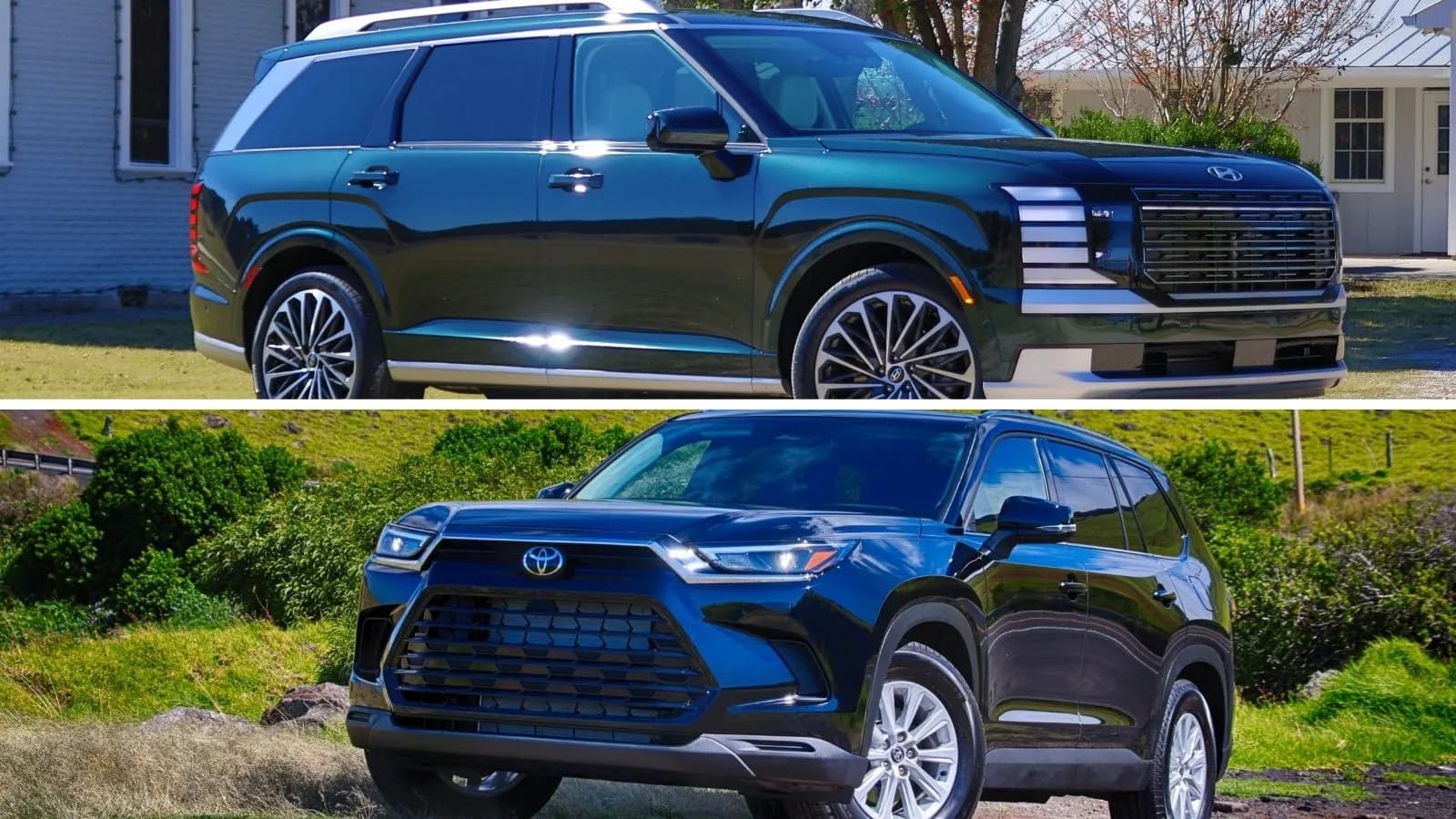
The Grand Highlander Hybrid has more cargo room and a higher-output MAX Hybrid variant, while the Palisade Hybrid counters with a plush interior and a front-wheel-drive option.
 Reviews
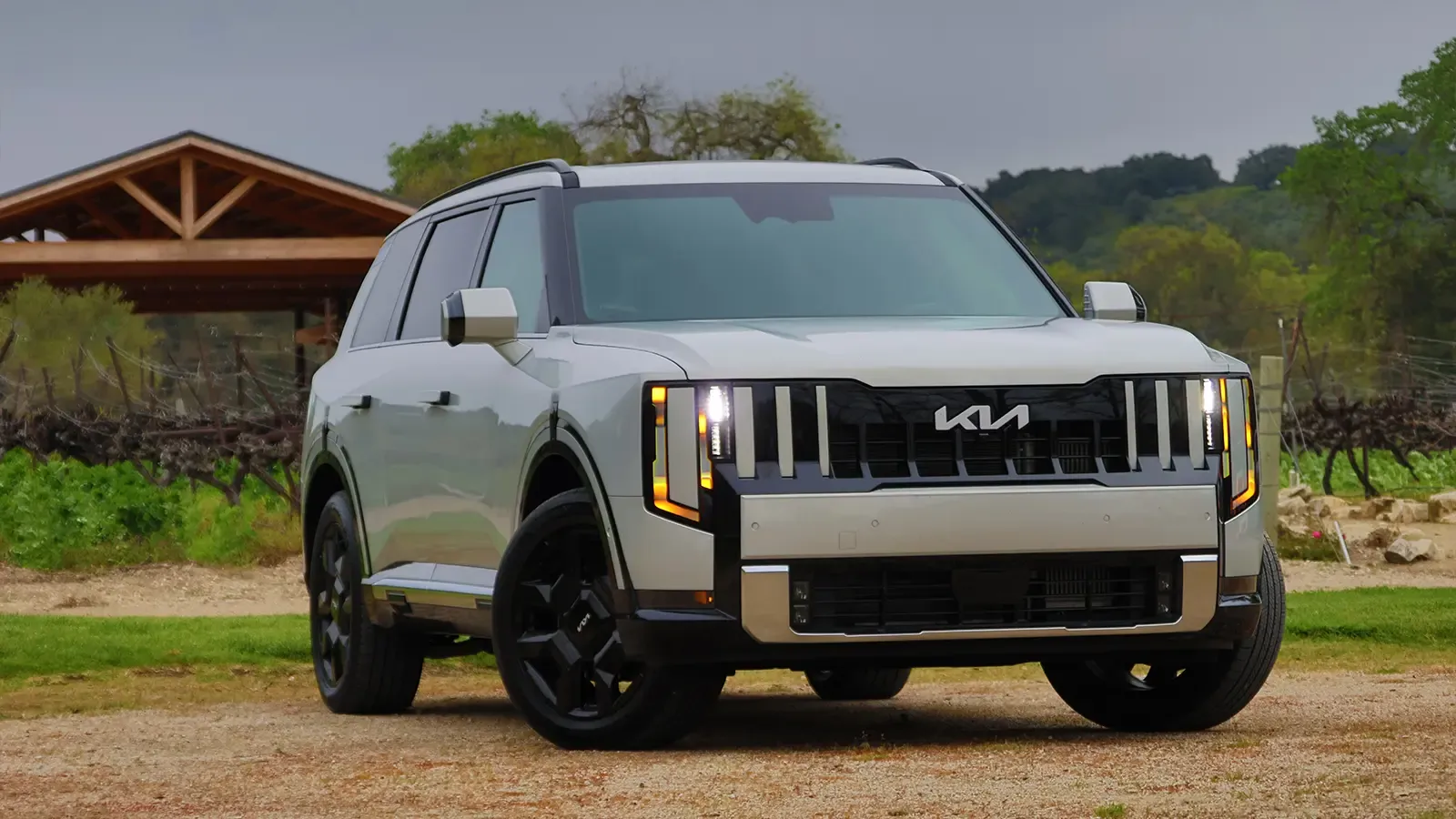
The Telluride gets a new design, a next-generation hybrid powertrain, and a bigger footprint for 2027. It'll keep the whole family happy.