
Fast Facts | FIA Motorsport Sustainability Targets
🏁 What is the FIA? The Fédération Internationale de l’Automobile, the governing body for world motorsports and the federation for mobility clubs worldwide.
♻️ Supplier Standards: Sustainability makes up 20 percent of Formula E's supplier scoring, alongside safety, performance, and cost
🔋Recycled Content: Formula E cars require 20 percent recycled bodywork; a supplier has created tires that contain 65 percent renewable and recyclable materials
⛽ Sustainable Fuel: F1 cars run on eFuel, recycled carbon, or second-generation biofuel
🚘 Formula E Evolution: Regenerative braking supplied around 15 percent of race energy in Gen 1; that jumps to 50 percent in Gen 4
Racing Is Becoming a Laboratory for Sustainable Technology
The GreenCars Podcast recently hosted two officials from the FIA, the Fédération Internationale de l’Automobile, the governing body for world motorsports and the federation of mobility organizations worldwide. The FIA writes and enforces sporting and technical regulations, homologates circuits and safety equipment, and sanctions six world championships, namely Formula 1, Formula E, World Endurance, World Rally, and karting.
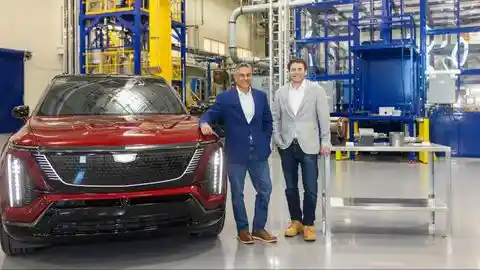
The FIA doesn't develop the cars or the fuel. Instead, it creates the regulatory framework manufacturers and teams use to compete. Over the past 15 years, much of the emphasis has shifted toward making motorsport more sustainable and safer. The GreenCars Podcast hosts just spoke with Thomas Chevaucher, the FIA's Technical Engineering Director, and Pierre Villez, the FIA's F1 & Sport Sustainability Lead, about how that's playing out.
Why FIA Cares About Sustainability
According to Villez, the FIA's sustainability push comes down to two things. First, relevance: the manufacturers who invest in motorsports want to be able to tie the technologies used to the products they sell for the road. Second, responsibility. As a federation whose membership includes road users, Villez said the FIA has a duty to reduce its impact. Sustainability, Villez said, has gone from a nice-to-have to something written directly into its regulations and how the FIA operates. It now sits as a core pillar alongside safety, performance, and cost control, rather than being an add-on or competing with them.
So how does that actually work in practice?
Picking Suppliers Based on Sustainability Targets
In Formula E, every team uses the same supplier for chassis, battery, and tires, chosen by the FIA through a competitive tender. That single-supplier model means sustainability gets built into the process from day one. Suppliers must meet a full slate of requirements, including specific certifications, minimum levels of renewable and recycled content, and end-of-life recyclability obligations. When the FIA compares different suppliers, sustainability accounts for 20 percent of the scoring, alongside safety, technical performance, and commercial terms.
This process has created some truly amazing results. Every Formula E car is required to have at least 20 percent recycled content in its bodywork, and suppliers have exceeded that mark elsewhere in the car. The tires, for example, are made of 65 percent renewable and recycled material.
Circular design extends well beyond race-car bodywork, and battery recycling shows how valuable materials can move back into the automotive supply chain ➜
Sustainable Fuel Rules
In Formula 1, every car must use sustainable fuel, produced in one of three ways: eFuel, recycled carbon from industrial waste, or second-generation biofuel made from agricultural waste.
Note the "second-generation" distinction. Early sustainable fuels were made from food crops, which competed directly with food supply. Today's FIA-approved fuels are made only from waste products, like residues, energy crops, and microalgae, so they don't compete with feedstocks at all. In the World Endurance Championship, for example, fuel is made in part from wine-making residue. Across the board, FIA rules require at least a 65 percent reduction in emissions over the fuel's complete lifecycle.
From the Racetrack to Your Driveway
While motorsport takes plenty of inspiration from the broader auto industry, the relationship works both ways. Chevaucher noted that standard automotive development requires a long development period, and motorsport's role is to act as an accelerator. Apply a technology to motorsport, he said, and its development speeds up dramatically.
For a current example of race-derived engineering reaching a road car, see how Mercedes-AMG is applying Formula 1 and high-performance development lessons to its next electric four-door ➜
Sustainable fuel is one example. With roughly 1.4 billion vehicles already on the road worldwide, using sustainable fuel as a drop-in replacement offers a realistic way to make existing vehicles more sustainable.
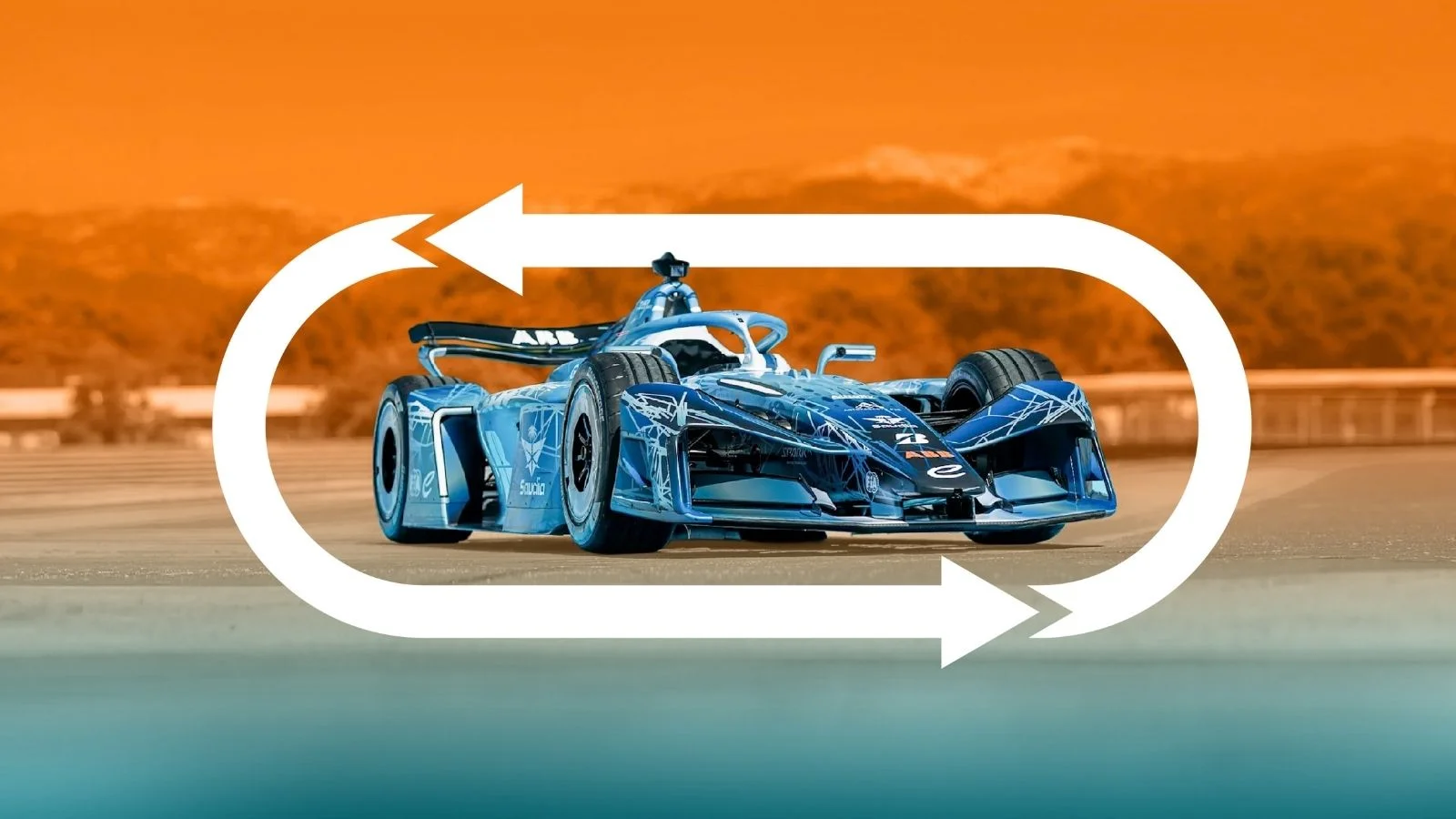
Formula E's rapid evolution is another. The series is entering its fourth generation of cars this year, and the improvements have been dramatic. In Gen 1, just 15 percent of the energy used during a race came from regeneration. By Gen 4, that number will be around 50 percent, meaning half the energy powering these cars during a race will come from regeneration alone.
That recovered race energy uses the same basic principle drivers already experience on the road, so For a current example of race-derived engineering reaching a road car, see how Mercedes-AMG is applying Formula 1 and high-performance development lessons to its next electric four-door ➜ https://www.greencars.com/expert-insights/2027-mercedes-amg-gt-4-door-coupe-first-look
Twelve years ago, Formula E cars couldn't hold enough charge to finish a race, so drivers made pit stops to swap into a second car mid-race. Those first-gen cars produced around 200 horsepower. Gen 4 cars launching this year will produce more than 800 horsepower, run full-time four-wheel drive, and complete a 45-minute race without a driver ever leaving the car.
"The technology that is used has massively been transferred to automotive," Chevaucher said. "Formula E is a perfect example of that circularity between the development of road cars and race cars."
That circularity Chevaucher is talking about should be exciting for all drivers. The Gen 4 vehicles' regenerative braking debuting on the Formula E tracks this year will eventually make its way to the EVs you can buy on a dealer lot.
Where Race Technology Meets the Road
How EV Batteries Work
Understand the motors, batteries, inverters, thermal systems, and regenerative braking technology behind the road-going EVs that motorsport is helping manufacturers refine.
Read More ➜
Not All Hybrids Are the Same: Different Hybrid Configurations and Why They Matter
See how electric motors, energy recovery, and hybrid architectures are already being applied to make everyday vehicles more efficient.
Read More ➜
Why Roughly 60% of Magna Powertrain Engineers Work on Software
Modern efficiency gains increasingly come from software, controls, simulation, and energy management, many of the same development areas pushed hard in motorsport.
Read More ➜