- What It Is
- One-pedal driving lets many EVs slow down mostly by lifting off the accelerator instead of jumping to the brake pedal
- How It Works
- Regenerative braking turns the drive motor into a generator and sends some energy back to the battery
- Big Benefit
- It can reduce brake wear while making stop-and-go driving easier
- Key Skill
- Smooth chauffeur stops come from gradually easing off the accelerator, not snapping your foot off it
- Not Universal
- Different automakers tune regen differently, and some do not offer full one-pedal capability
- Best Use Case
- One-pedal driving tends to feel most useful in traffic, around town, and other low-speed driving situations
- Driver Choice
- Many EVs let you adjust regen strength or turn aggressive one-pedal behavior down altogether
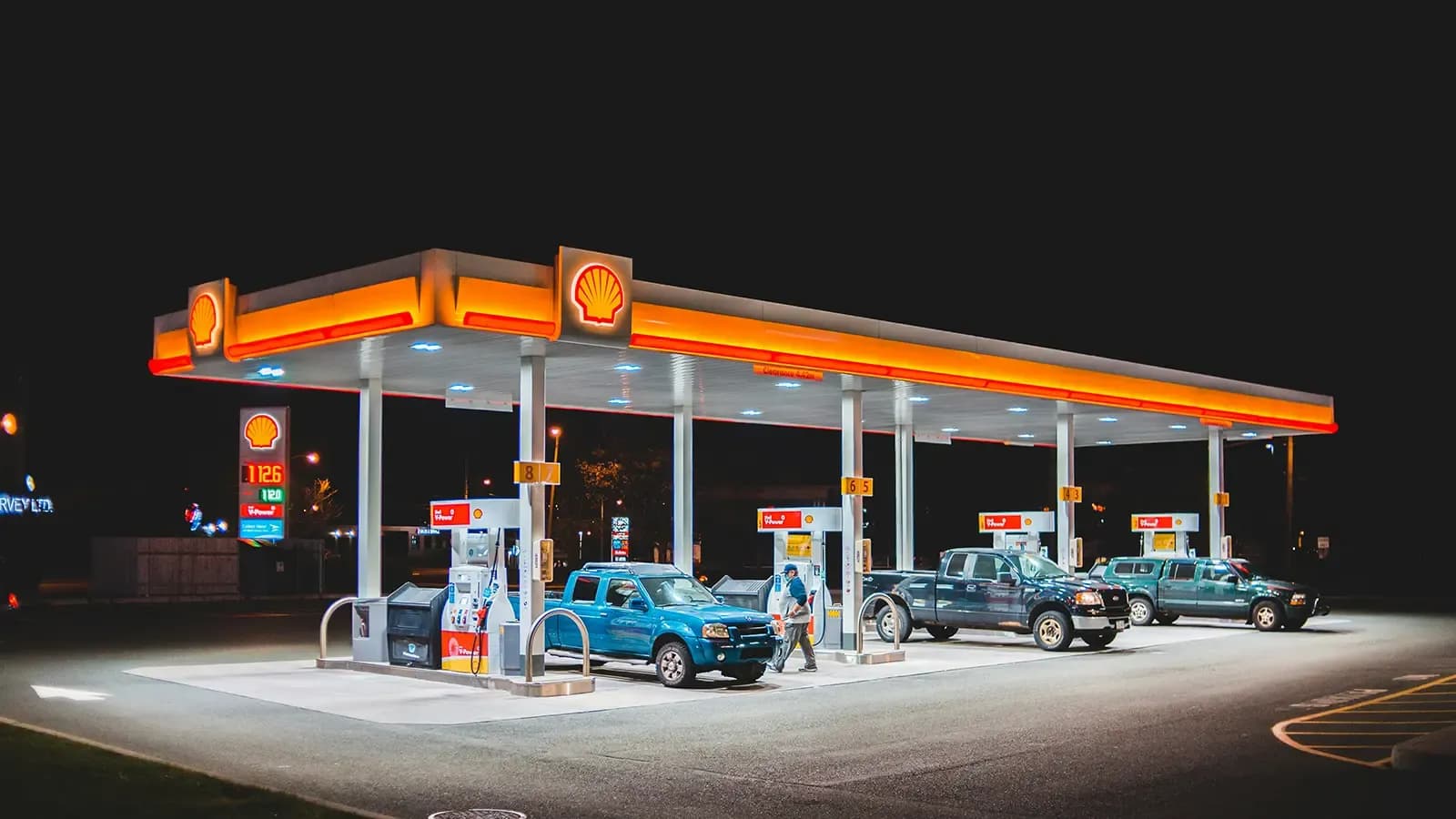
When you burn a gallon of gasoline in an internal combustion engine (ICE), it’s a one-way process. The chemical reactions in combustion convert fuel into motion, heat, carbon dioxide, water, and a wide range of pollutants. There’s currently no practical way to take those outputs and turn them back into gasoline on the fly.
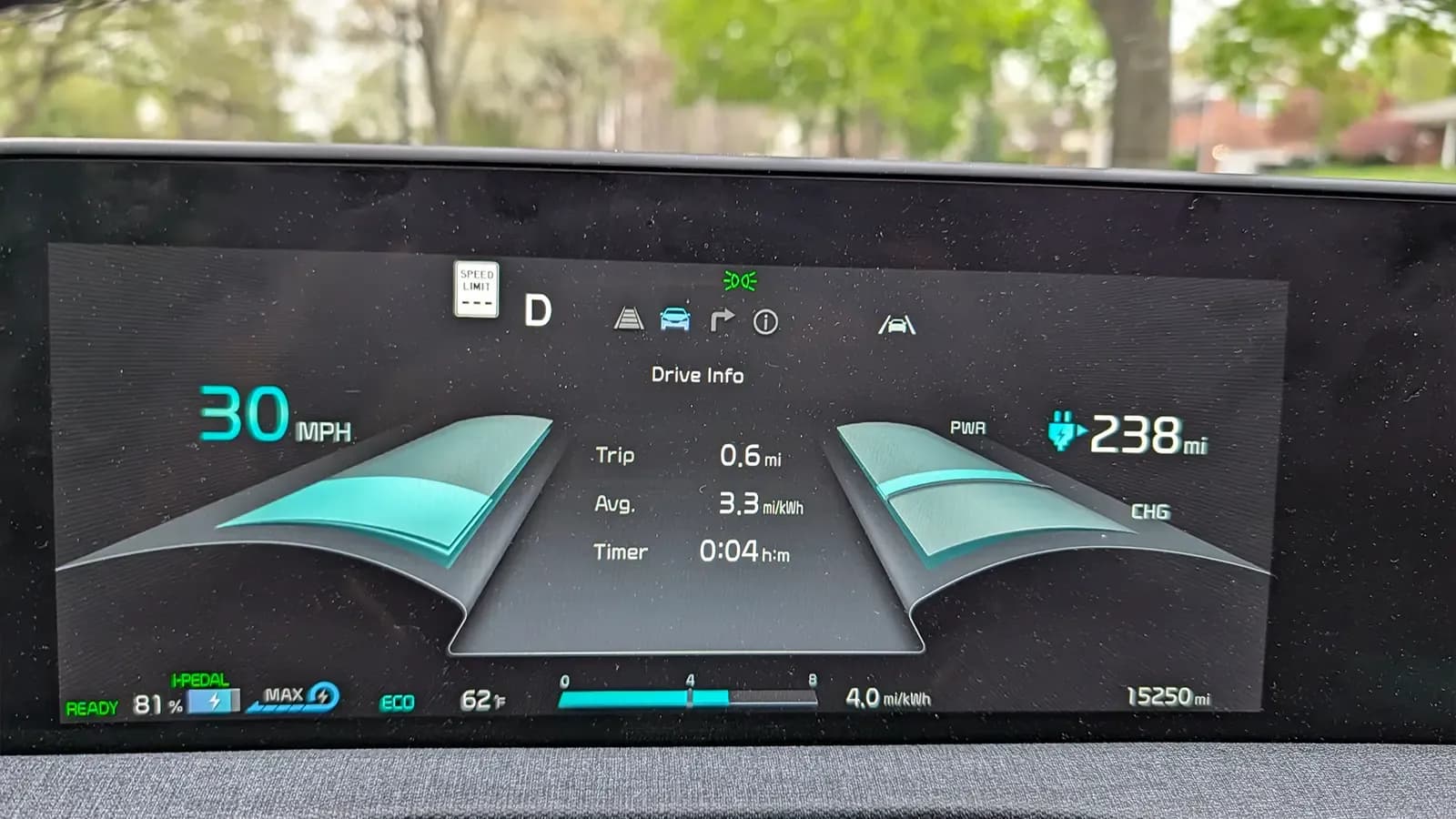
Electric propulsion is very different. Electrical energy from the battery turns the motor to move the car, and much of that energy can be recovered and put back into the battery. This is what makes one-pedal driving possible.
Energy 101
Energy comes in many forms: kinetic energy (motion), thermal energy (heat), chemical energy (absorbed or released during a chemical reaction), and more. If you can remember back to high school science class, you may recall the law of conservation of energy. This basically states that energy cannot be created or destroyed. We can only transform it from one type to another.
If regenerative braking still feels fuzzy, this electric car overview gives helpful context for how EVs turn energy into motion and back again ➜
In an ICE vehicle, gasoline reacts with oxygen in the air and a spark to start a chemical reaction. This converts the chemical energy in gasoline into heat and motion, which moves the pistons and, ultimately, the vehicle. It's essentially a one-way transformation, although researchers are exploring ways to capture carbon dioxide from the atmosphere and convert it back into so-called e-fuels. But right now, that isn't practical or affordable at scale.
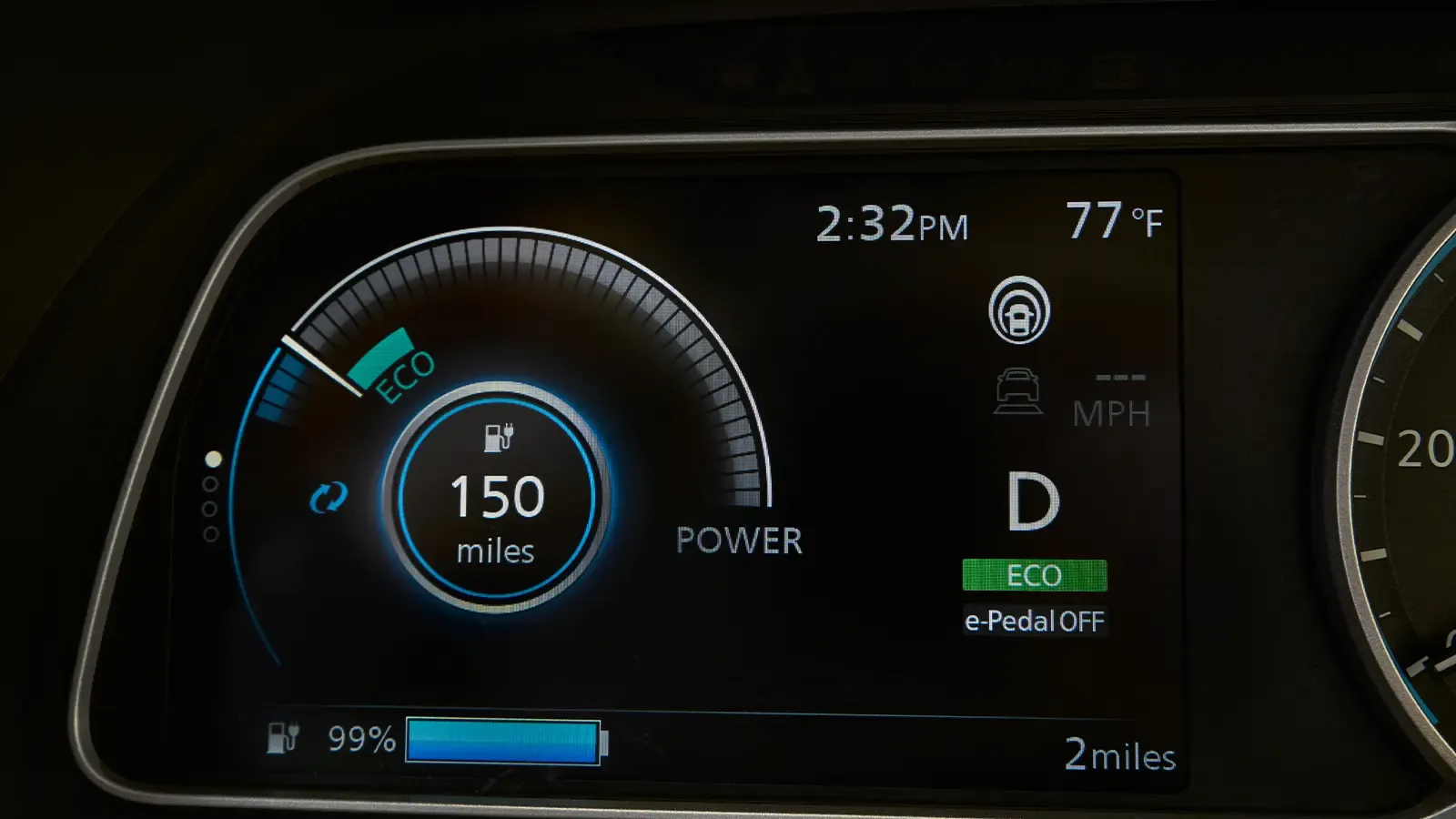
In an EV, when electrical energy from the battery flows to the motor, it's converted into motion, turning the drivetrain, spinning the wheels, and moving the vehicle. Just as an ICE vehicle uses up gasoline to accelerate, an EV uses up energy in the battery.
What Happens When You Brake?
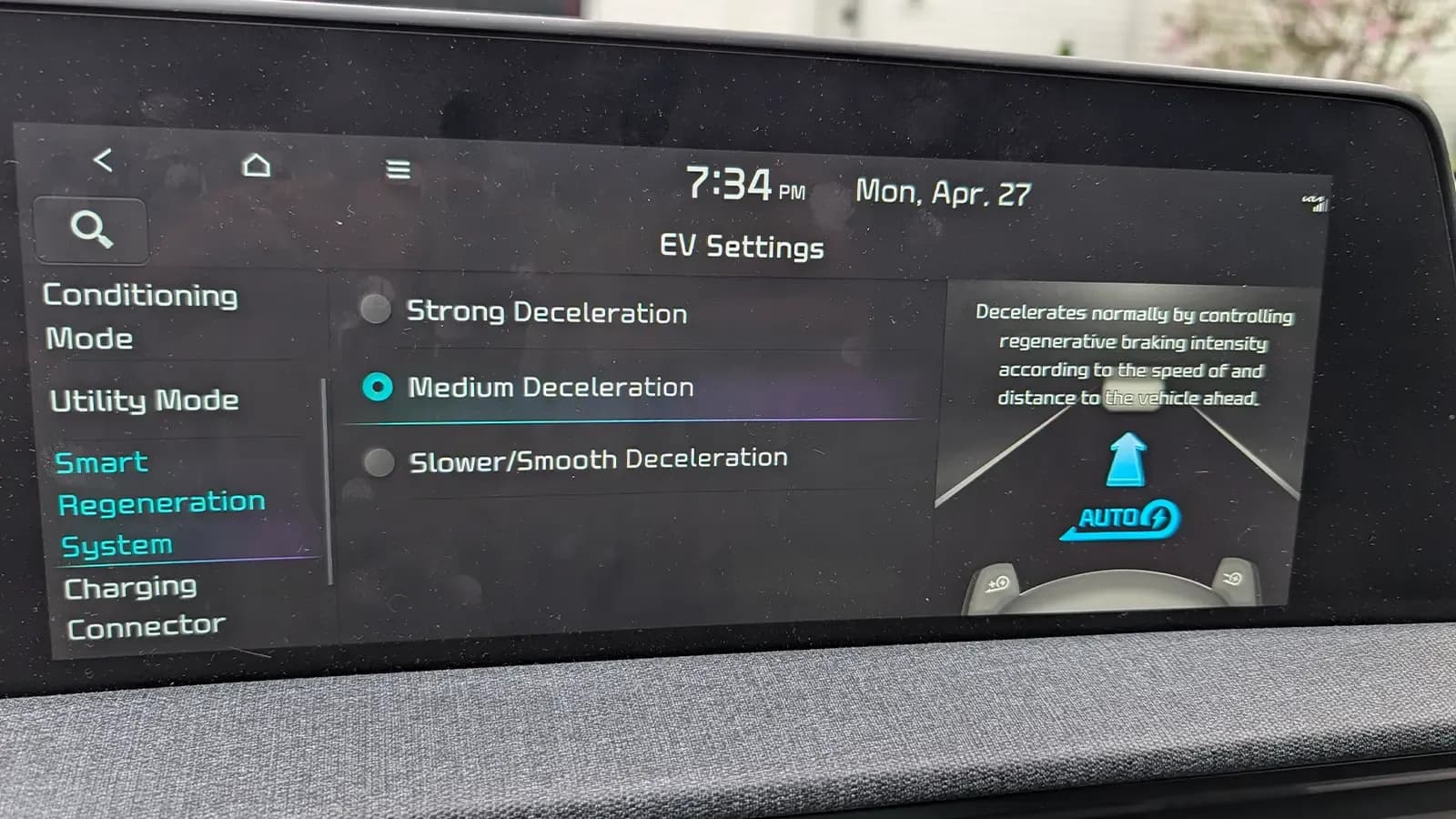
In an ICE vehicle, pressing the brake pedal pushes hydraulic fluid through brake lines, causing brake pads to squeeze rotors attached to the wheels. The resulting friction slows the car down, but all that motion just turns into heat. (That’s why you have to be careful about not dragging the brakes when you drive down a long grade with a trailer, as it can cause them to overheat and reduce braking performance.)
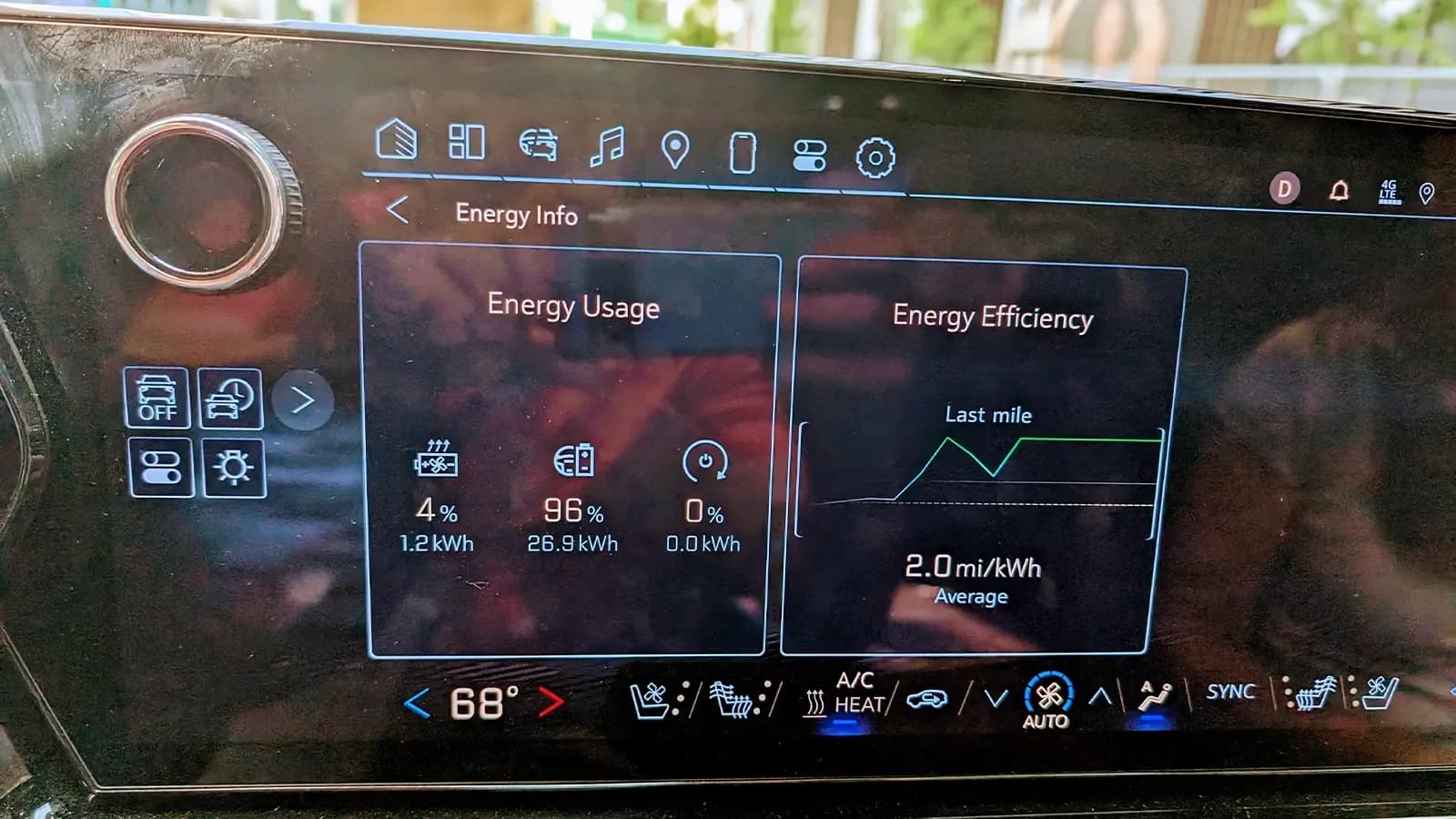
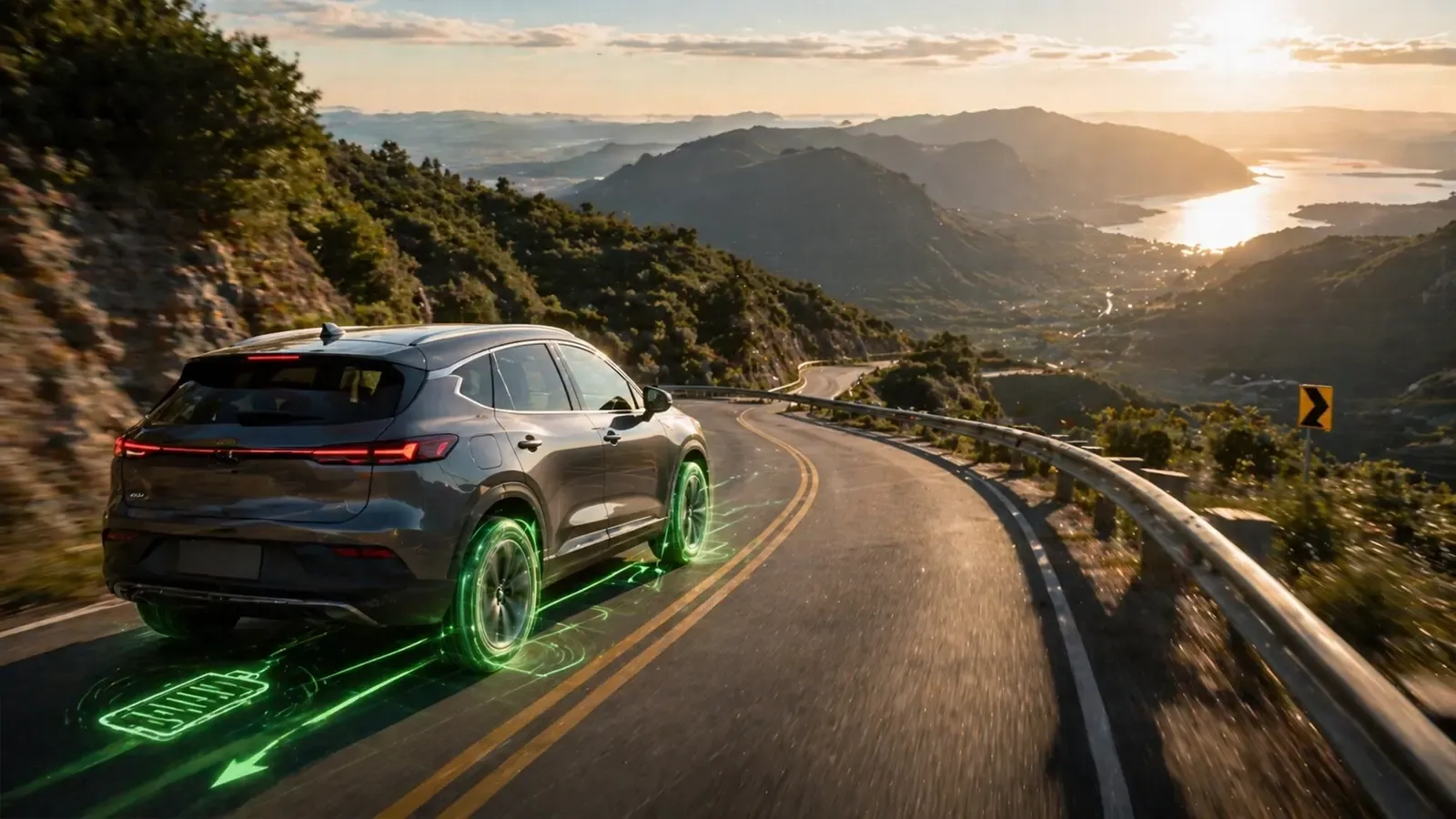
This is one of the many benefits of driving an EV or hybrid. Electric motors are actually reversible. When electricity powers the motor, it creates motion. But when motion drives the motor, it produces electricity that can be fed back into the battery, making it a generator. A motor and a generator are essentially the same device working in opposite directions.
If charging and battery basics are still part of the bigger learning curve, this EV battery guide is a useful next stop ➜
In hybrids, whenever you lift off the accelerator pedal or press the brake pedal, the motor becomes a generator, slowing the vehicle down by converting motion back into electricity. This reduces wear on the brake pads and recovers energy that can be used to accelerate again. This process is called regenerative braking, or simply "regen."
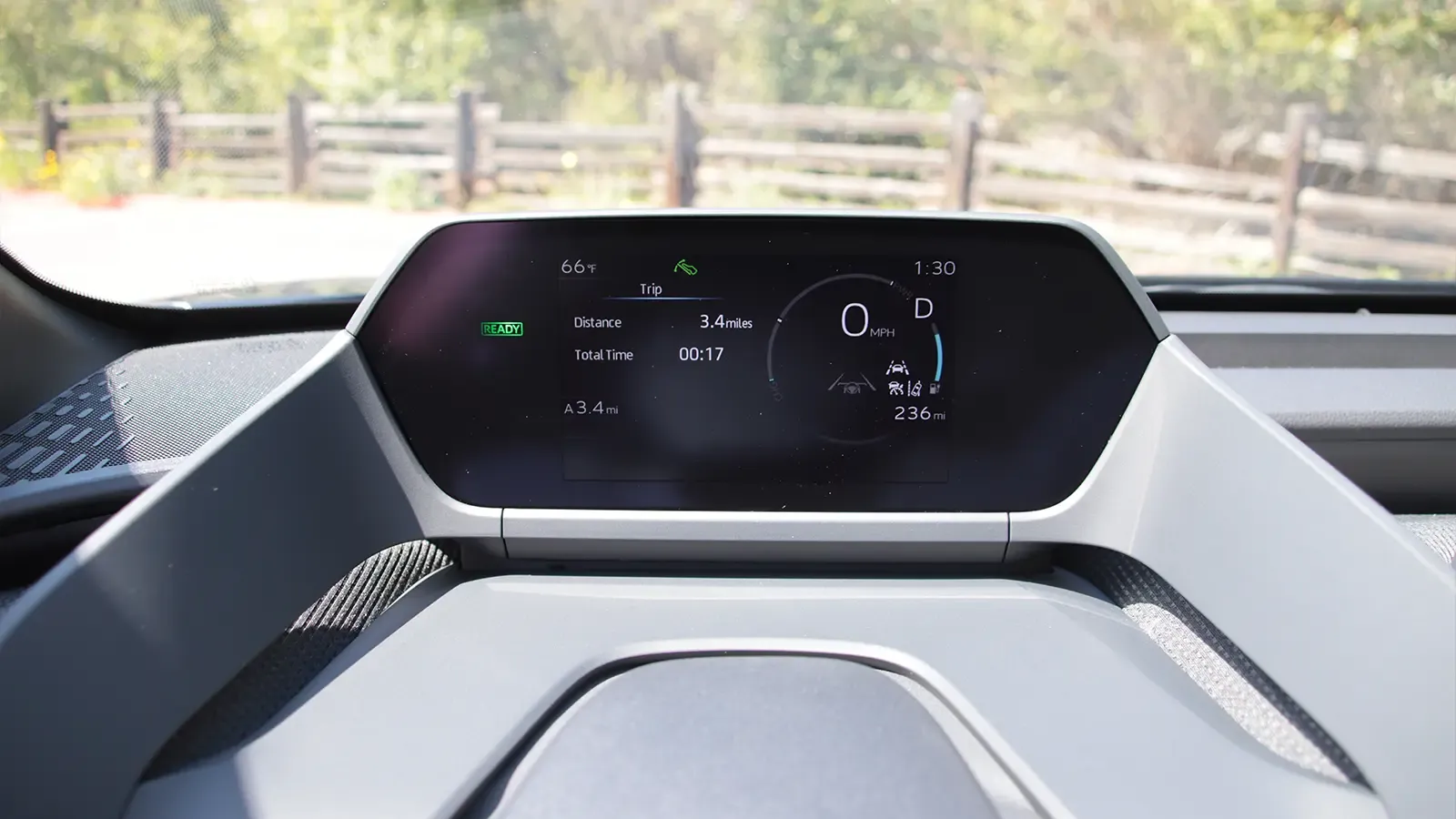
Going One-Pedal
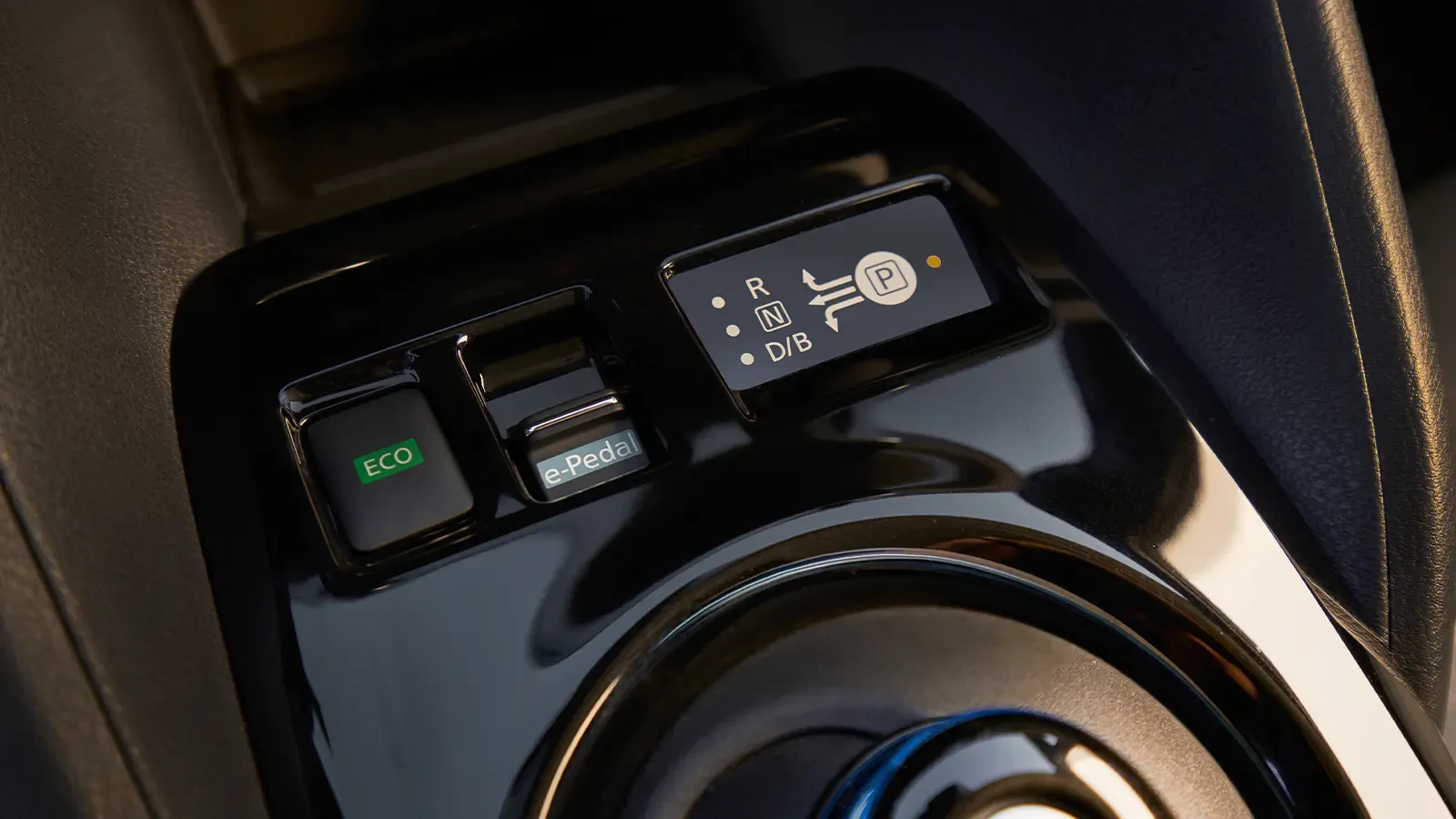
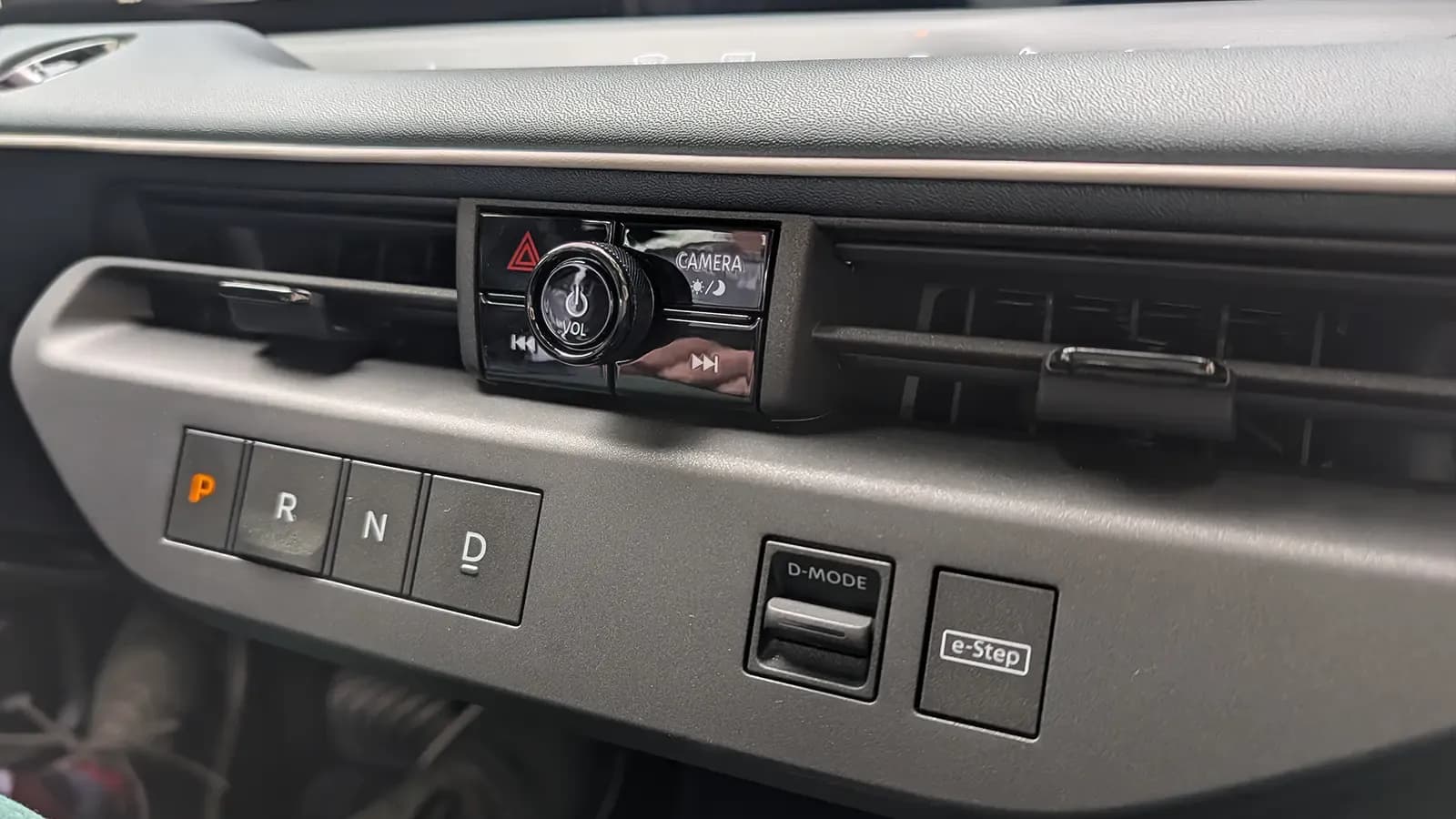
Most hybrids are configured to feel like a traditional ICE vehicle with an automatic transmission, so lifting off the accelerator provides only a small amount of regen with most of the energy recovered when you actually press the brake. But plug-in hybrids and EVs have bigger batteries, which means there's more room to store recovered energy. Different automakers have different approaches, but for those that enable it, drivers can get the maximum amount of regen by just lifting off the accelerator pedal. This is one-pedal driving. Press the pedal to go, and lift off to slow down, sometimes all the way to a stop, though EVs still have a brake pedal.
It feels a bit like bumper cars at a carnival at first. The first time I drove a Mini EV with one-pedal capability back in 2008, I was surprised the first time I took my foot off the accelerator pedal, as the car suddenly slowed down aggressively. It requires gradual control. The key thing to remember is that the accelerator pedal isn’t an on/off switch. If you lift your foot off too quickly, the car may slow down abruptly.
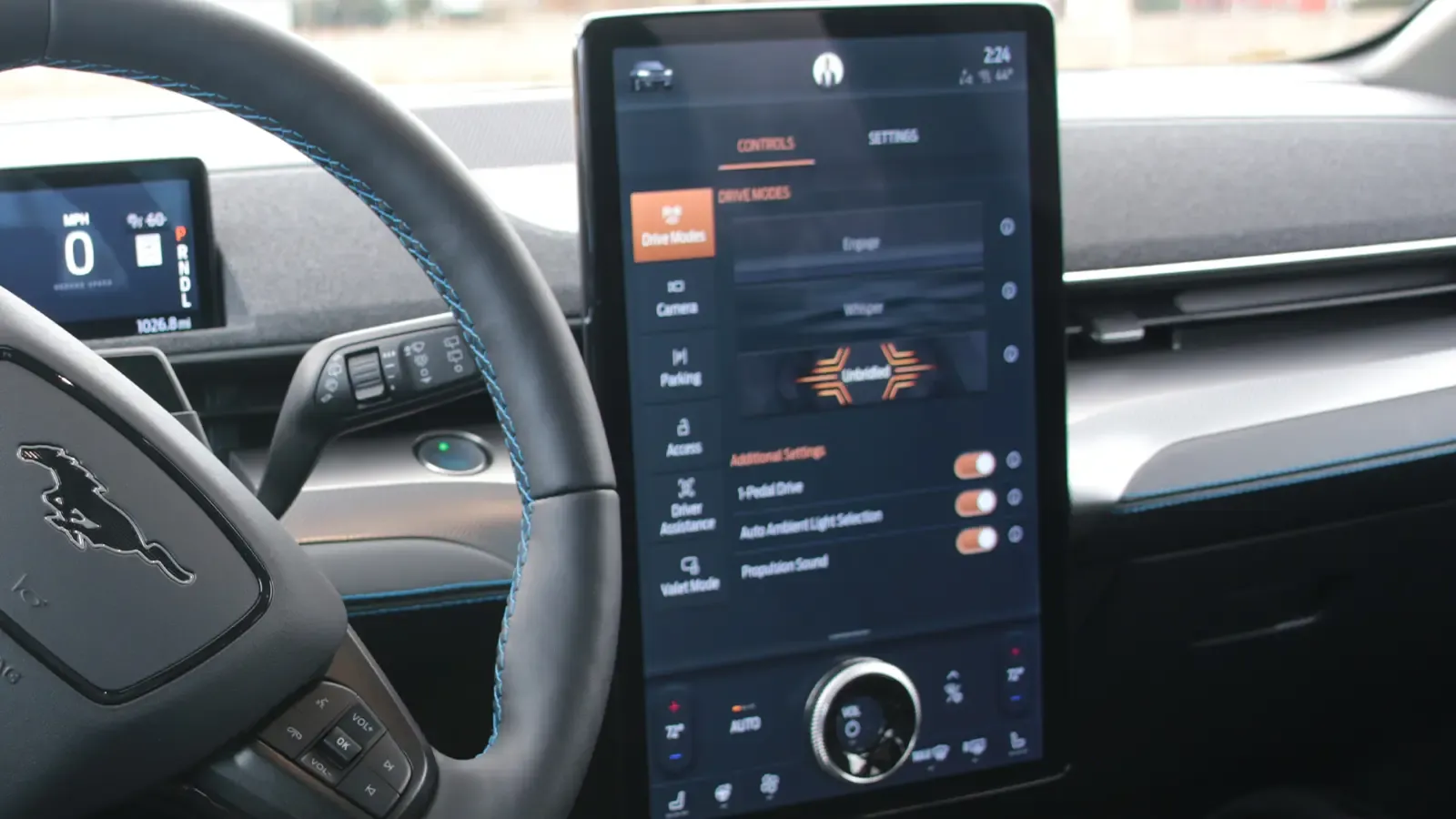
Chauffeur Stops
If your car has one-pedal driving capability, you should go out and practice in a quiet area like a parking lot or around your neighborhood. Just as you learned to squeeze the accelerator pedal instead of stomping on it, you can learn to gradually release it. It doesn’t take a whole lot of practice. Before you know it, you'll be making perfect chauffeur stops, where passengers barely notice.
Not everyone is a fan of one-pedal driving, and most EVs let you control how much regen deceleration you want before you have to hit the brake pedal or allow you to turn it off entirely. I find one-pedal driving to be most useful in stop-and-go traffic, so I don't have to move my foot back and forth between the accelerator and brake pedals.
And if you want the broader charging picture too, this EV charging guide breaks down how energy gets back into the battery in the first place ➜
Some automakers, particularly Toyota, Nissan, and some European manufacturers, have avoided one-pedal capability, offering only modest amounts of regen without hitting the brake pedal. However, if you have a car from Ford, General Motors, Hyundai Motor Group, or Tesla, one-pedal driving is worth trying out. Just be sure to practice so you can get the feel of it.
Best Use Cases for One-Pedal Driving
- Traffic jams and stop-and-go driving
- City streets with frequent lights and turns
- Low-speed daily commuting
- Parking lots and neighborhood roads
- Mild downhill stretches where extra speed control helps
⚡More GreenCars 101 Guides to Explore
Is Coasting Better Than One-Pedal Driving?
A perfect follow-up for readers who want to understand the tradeoff between strong regen and simply letting the car glide.
Read More ➜
EV Charging Basics: What You Need to Know
A good next read for drivers still building the bigger picture of how EV ownership works day to day.
Read More ➜
EV Charging Terminology Made Simple
Useful for readers who want a quicker grip on EV language, charging terms, and common shopping jargon.
Read More ➜




 Trends