


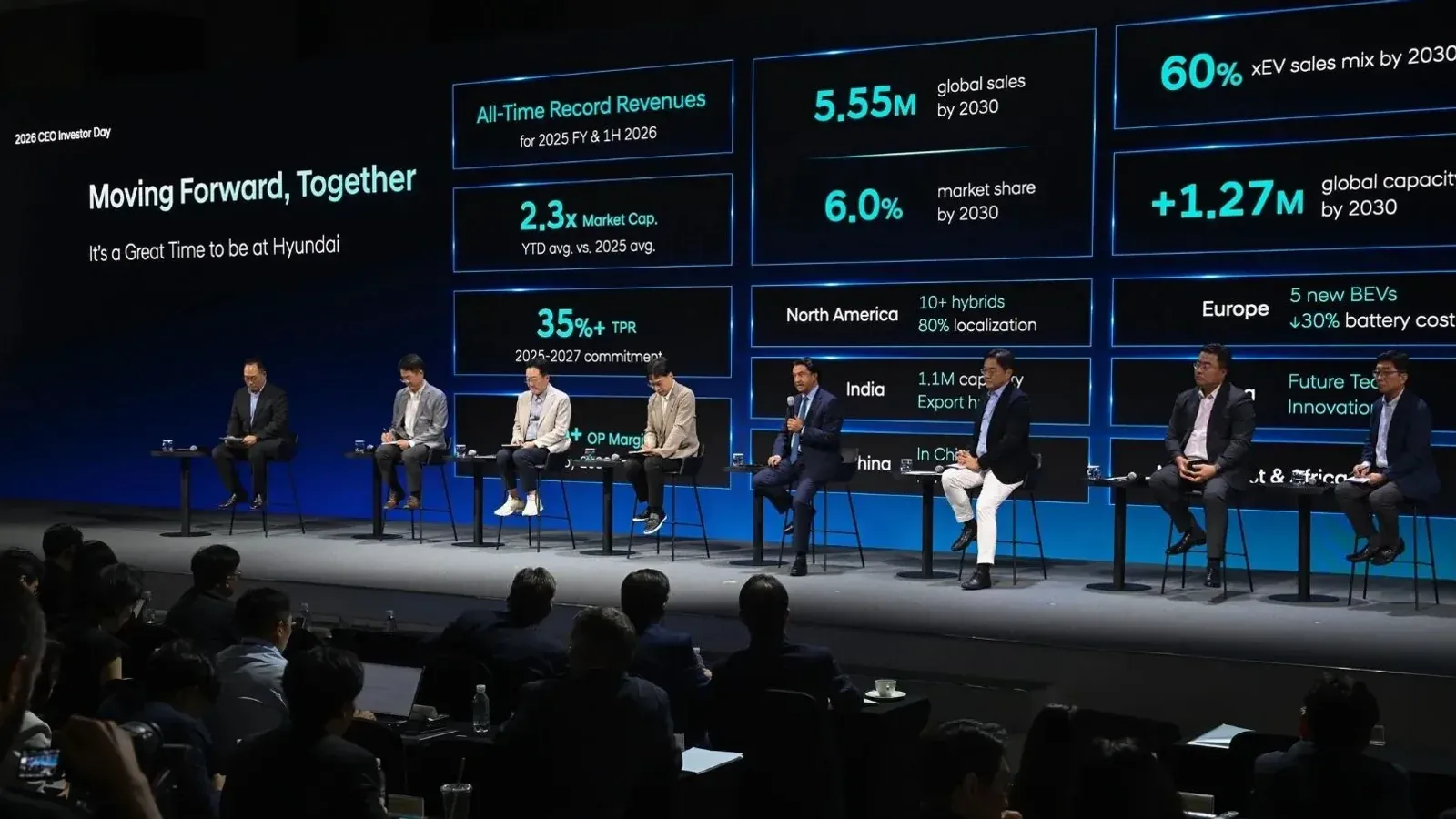
Hyundai Targets 5.55 Million Sales by 2030, Santa Fe EREV Arrives in 2027
Will Hyundai overtake Volkswagen and Toyota to become the world's biggest automaker? Its ambitious 2030 plan makes it seem possible.
Sam Abuelsamid5 min read

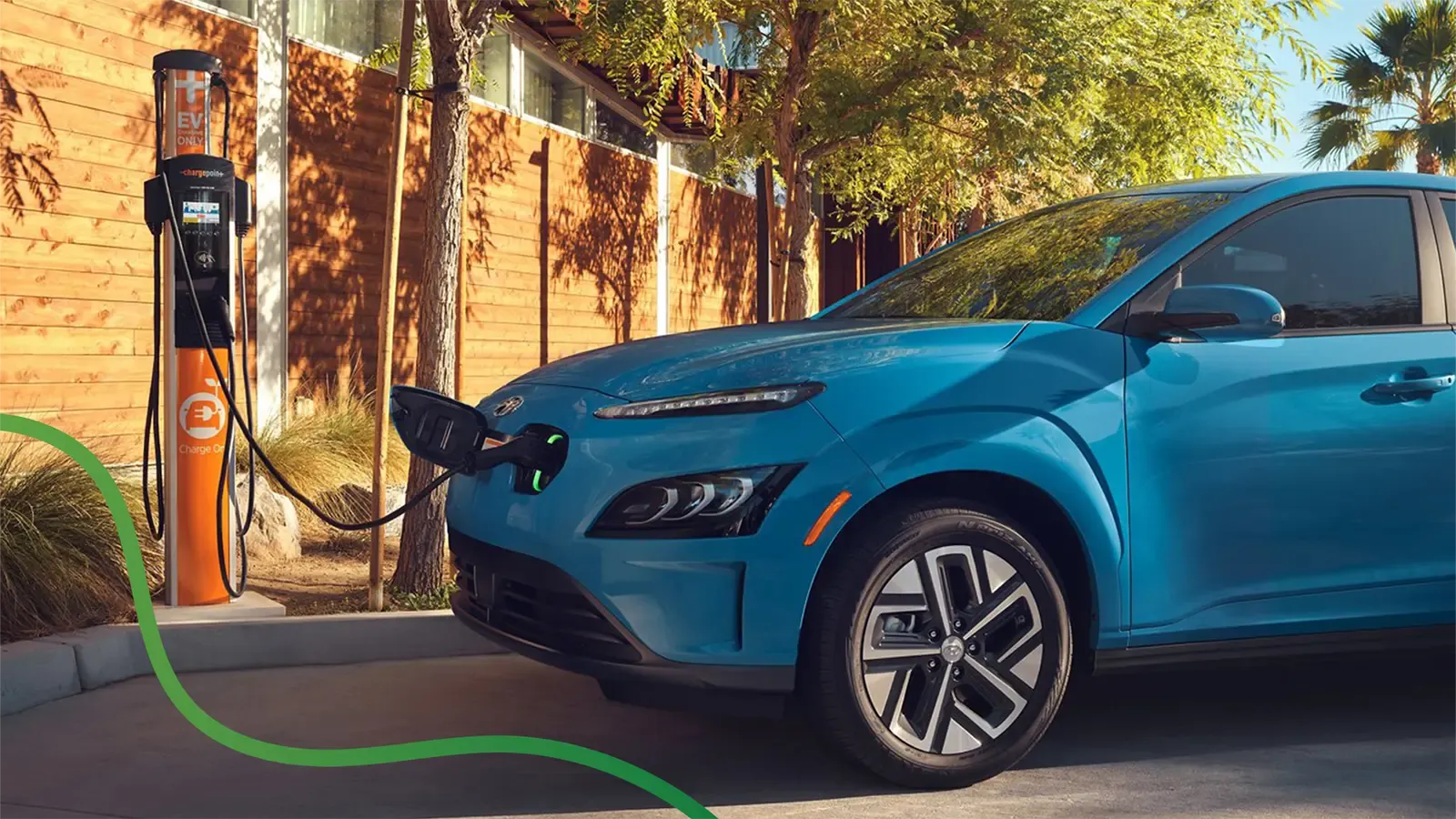
Hyundai is headed towards an all-electric future. And as such, it's announced plans to cease development of gasoline powertrains - although it will continue to offer hybrid and plug-in hybrid models alongside new electric vehicles.
The auto industry is changing fast! Many manufacturers have announced their plans to help provide a cleaner, greener future. One of the latest brands to add to this growing list is Hyundai. The automaker recently revealed that it has stopped developing gasoline powertrains for its cars and plans to cut internal combustion models from its line in order to free up more resources for its electric cars.
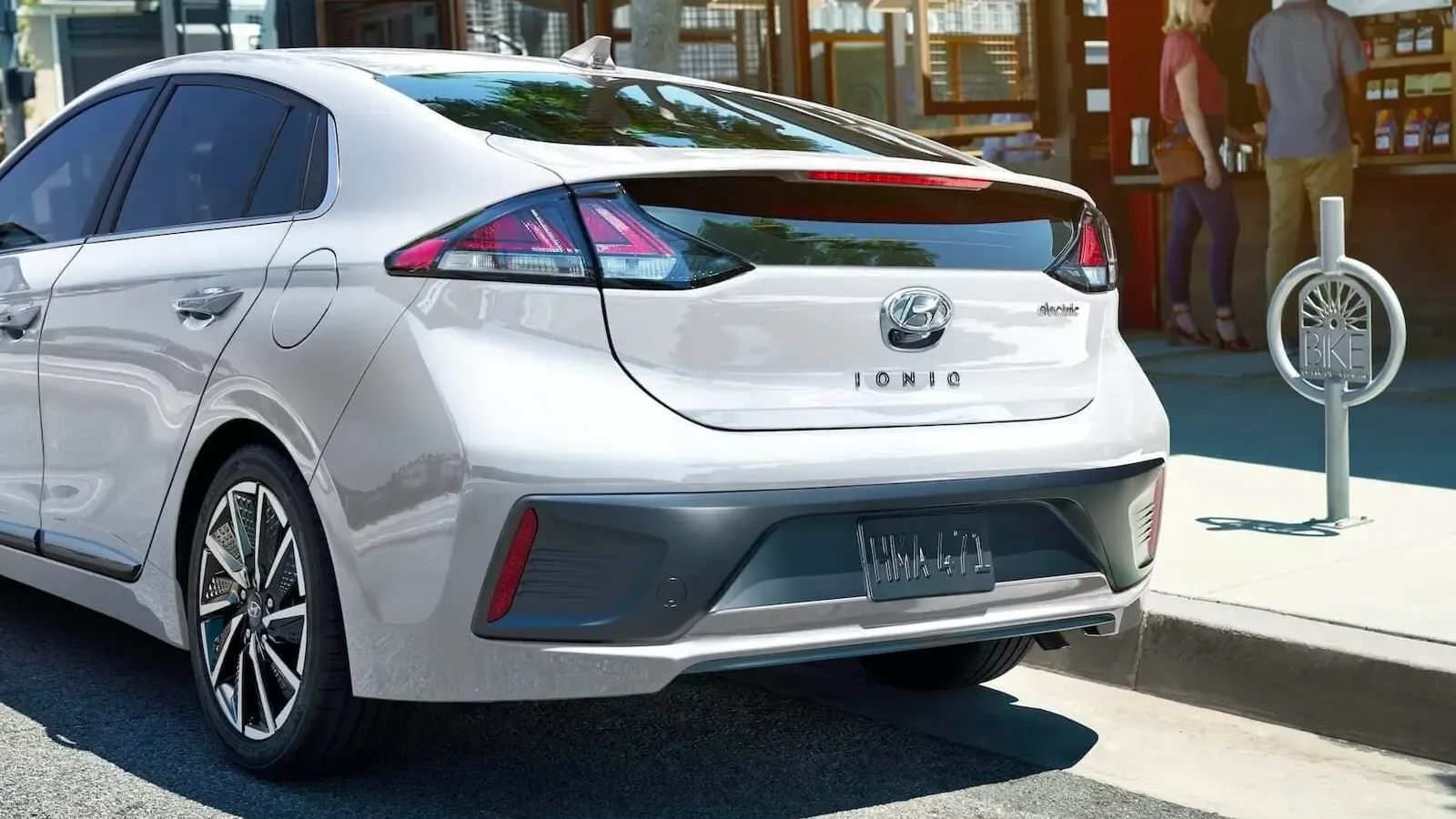
The Korean car company boasts that over half of the cars it sells in North America, are built right here in Montgomery, Alabama. Hyundai also has engineering facilities in Michigan and design, research and testing grounds in California.
The automaker plans to reduce the number of internal combustion models in its lineup by 50 percent and wants to finalize a long-term strategy shift away from gasoline-powered vehicles within the next six months. Hyundai says it will also try to improve the fuel efficiency of its existing internal combustion powertrains for emerging markets.
While it has stopped developing new gas motors, the automaker will no doubt be producing and refining its current line of motors for some time to come. This follows the trend of car companies pulling back on the production of internal combustion cars, trucks and SUVs in favor of going all-electric. No less an auto giant than General Motors has said it will stop making gas-powered cars by 2035 in favor of zero-emission vehicles. Honda hopes to phase-out gas-powered cars by 2040. The same is true for Fiat Chrysler/PSA that makes the new Jeep Wrangler 4xe hybrid. All Mercedes-Benz cars will be available in EV versions by 2023.
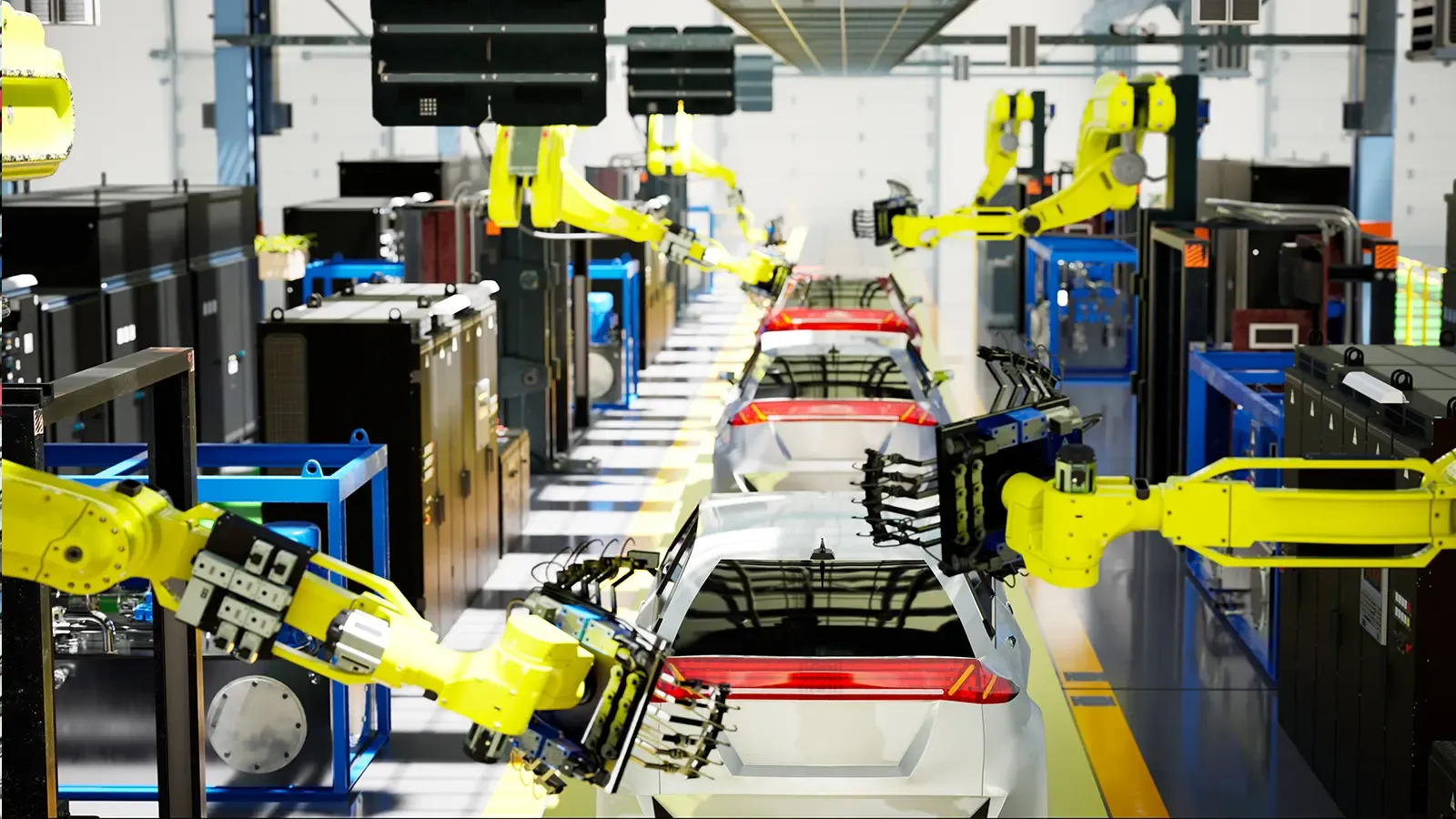
Hyundai is also headed toward an all-electric future. It plans to start building EVs here in the United States next year. It will launch the all-electric Ioniq 5, followed by the Ioniq 6 and Ioniq 7 models, expecting to have ten EV models in the U.S. by the end of 2022. These vehicles will include hybrid, plug-in hybrid, and all-electric battery vehicles. Hyundai’s Nexo hydrogen fuel-cell crossover will continue to only be available in California where there are hydrogen fuel stations.
Check out our GreenCars Buyer's Guide to learn more about the newest electric cars.
Get vehicle reviews, practical tips, and the latest GreenCars news.
Will Hyundai overtake Volkswagen and Toyota to become the world's biggest automaker? Its ambitious 2030 plan makes it seem possible.
 Industry Updates
A major shift is going on in the world of hybrid vehicles. Stellantis is dropping its plug-in hybrids for 2026 here in North America, focusing on simple hybrids and range-extended EVs. Meanwhile, Honda is unveiling next-gen hybrid tech and Toyota is patenting new ideas to make hybrids better. Check out the latest on where hybrids are going.
As new tariffs reshape the auto industry, Hyundai is staying one step ahead. With a $7B EV and hybrid plant in Georgia and major U.S. supply chain investments, the automaker is adapting fast, balancing policy shifts, affordability, and its ambitious electric future.