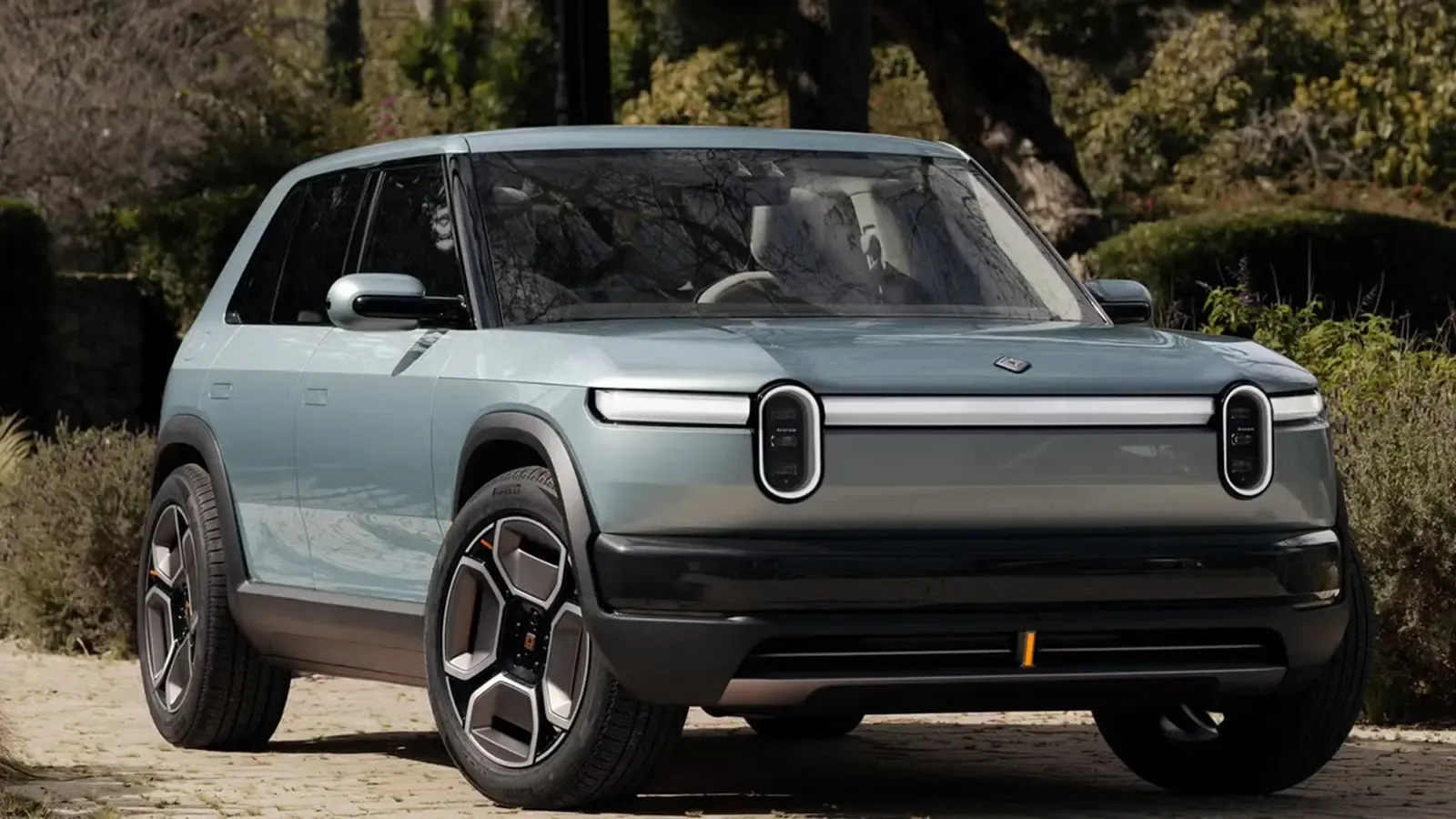
- Core Shift
- Smaller battery packs may replace “max range” as the primary EV strategy
- Price Signal
- Ford is reportedly targeting an EV near $30,000 using a smaller pack
- Behavior Reality
- For many drivers, 220–250 miles can cover routine life comfortably
- Cost Lever
- Battery pack size is a major driver of EV cost, so smaller packs create pricing room
- Market Pressure
- Slower growth and write-downs are pushing automakers toward efficiency and margins
- Buyer Outcome
- More “right-sized” options instead of one expensive, max-range default
Why “Enough Range” Might Win in 2026
For much of the past decade, electric vehicles have been defined by a simple metric: range.
Longer range meant bigger batteries. Bigger batteries meant higher prices. Higher prices meant positioning closer to luxury than mainstream.
That formula may be reaching its limit.
Bloomberg recently reported that Ford is developing a next-generation EV platform built around a smaller battery pack with a target price near $30,000. On the surface, that sounds like an engineering adjustment. In reality, it signals a strategic shift.
The Range Race Was Always a Phase
Early EV buyers needed reassurance. Range anxiety was real. Automakers responded by pushing 300 miles and beyond as the new benchmark.
But federal driving data shows that one-vehicle households average roughly 50 miles per day. Even households with multiple vehicles rarely approach 300 miles in routine use.
At some point, additional battery capacity stops being peace of mind and starts being cost.
If a 220- to 250-mile EV comfortably covers commuting, errands, and most weekly driving, the practical difference between that and 350 miles becomes narrower than marketing suggests.
And that difference carries real dollars.
Why Automakers Are Rethinking the Equation
The financial backdrop makes this pivot more understandable.
Detroit automakers have absorbed tens of billions in EV-related write-downs over the past year, as reported by the Wall Street Journal. Global EV sales growth has cooled in key markets, according to Reuters.
In that environment, cost discipline becomes essential.
Battery packs remain the most expensive component of an EV. Reducing their size without compromising daily usability gives automakers room to price vehicles closer to gasoline equivalents.
That matters more to most households than maximum-range bragging rights.
What This Means for You
If EVs begin landing closer to $30,000 while still covering everyday driving needs, the barrier to entry shifts meaningfully.
For drivers with reliable home charging and predictable routines, a moderately sized battery may be entirely sufficient. You may not need to pay for capacity you rarely use.
That does not mean long-range EVs disappear. It means buyers gain a clearer spectrum of options.
The next phase of EV adoption may not be defined by technical extremes. It may be defined by alignment. Price aligned with routine. Battery size aligned with behavior.
And that kind of alignment is what turns curiosity into commitment.
⚡ The Shift From Range to Value
Ford Invests $5B to Launch Universal EV Platform and Affordable EVs
A direct look at Ford’s strategy shift toward lower-cost EVs and the platform thinking behind it
Read More ➜
Ford’s $30K EV Truck on Fast Track
More detail on the $30K target and what it implies about battery sizing, cost discipline, and mainstream demand
Read More ➜
New and Used EVs are Now More Affordable Than Ever
A wider affordability snapshot that supports the thesis that pricing, not extremes, may drive the next adoption wave
Read More ➜




 Trends