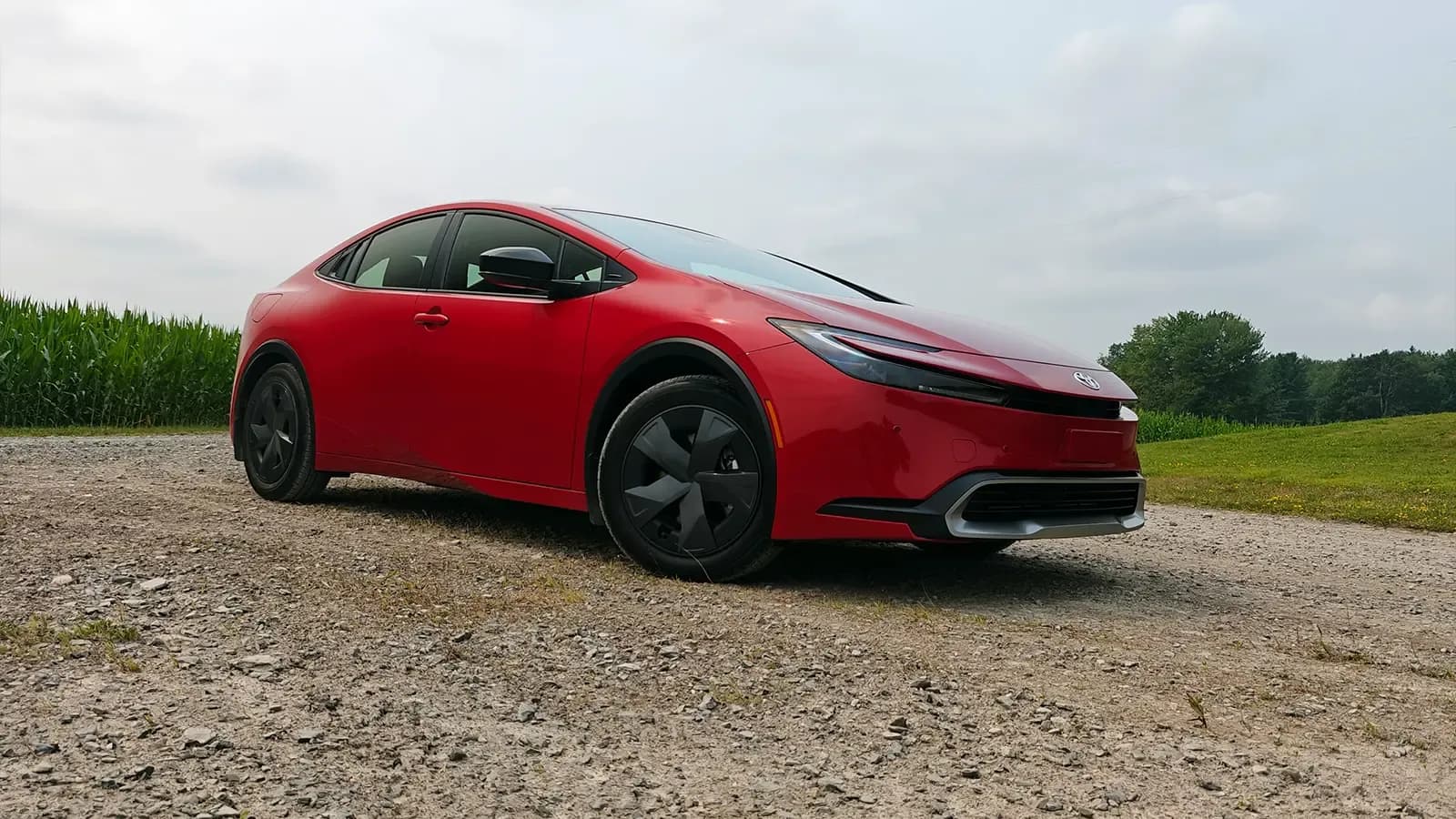
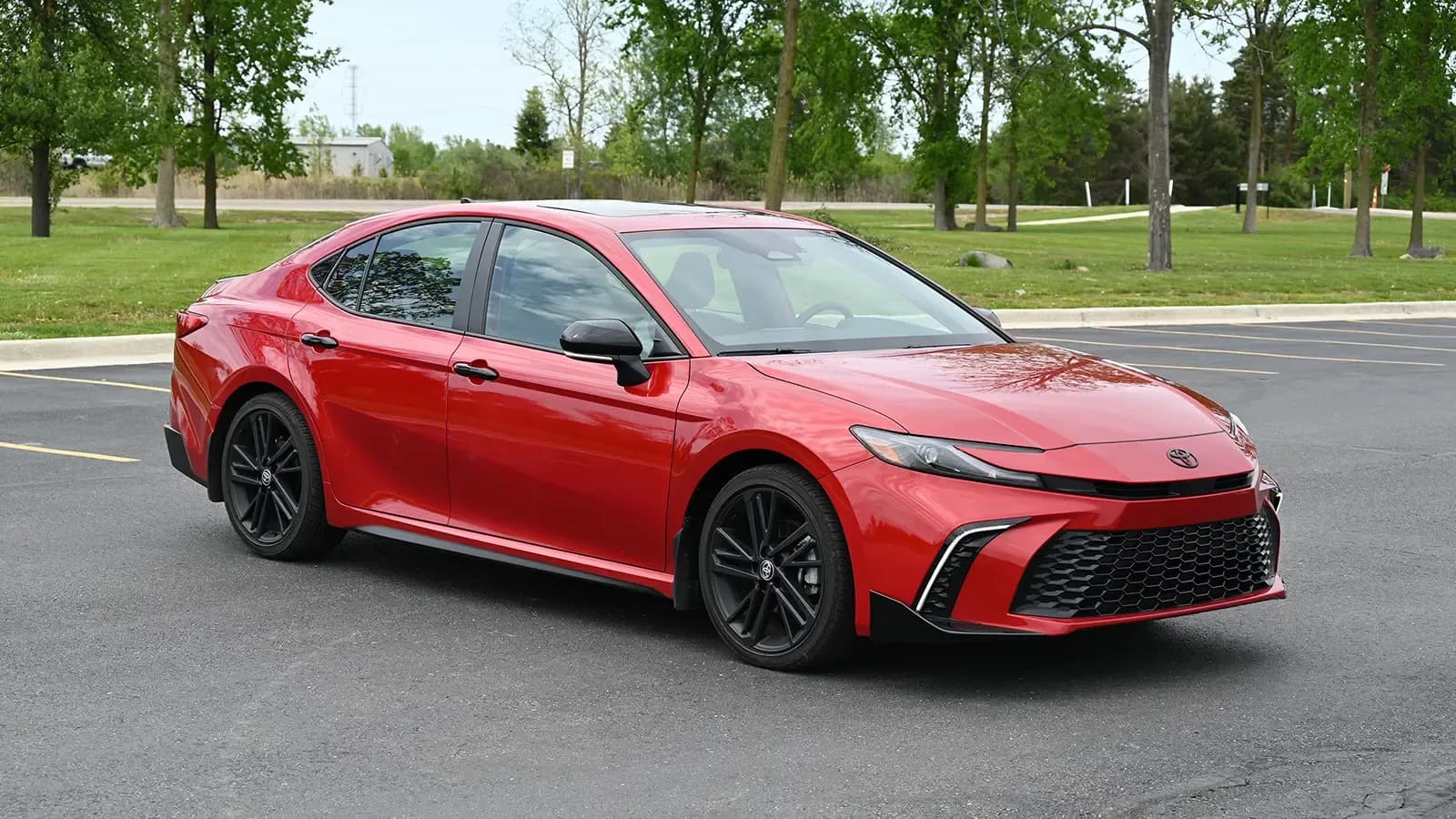
- Powertrain
- 2.0-liter four-cylinder engine, Toyota plug-in hybrid system, electronically controlled continuously variable transmission, and front-wheel drive
- Output
- 220 total system horsepower, with a 161-horsepower electric drive motor
- Battery
- 13.6-kWh lithium-ion battery pack
- Electric Range
- EPA-estimated 44 miles for the SE and 39 miles for the XSE, Nightshade Edition, and XSE Premium
- Fuel Economy
- EPA-rated 53/51/52 mpg and 127 MPGe for the SE; 50/47/48 mpg and 114 MPGe for the XSE, Nightshade Edition, and XSE Premium
- Charging
- Approximately 11 hours using a standard 120-volt outlet or 4 hours using Level 2 charging
- Standard Safety Tech
- Toyota Safety Sense 3.0, adaptive cruise control, road-sign assist, lane-departure alert with steering assist, lane-tracing assist, blind-spot monitoring, and rear cross-traffic alert
- Pricing
- $37,795 Nightshade Edition base MSRP plus a $1,195 destination charge; $41,304 as tested
A Unicorn With a Charging Port
The 2026 Toyota Prius Plug-In Hybrid is a unique vehicle with few direct rivals. Yes, some PHEVs are available in the U.S., SUVs like the Mitsubishi Outlander and Hyundai Tucson, plus a raft of pricey models from premium manufacturers like BMW, Mercedes-Benz, and Volvo. But affordable options are rare, and PHEV sedans are rarer still. This liftback Toyota is basically the best of its breed, though enjoying its many virtues means accepting a few tradeoffs.
Style Finally Catches Up to the Mission
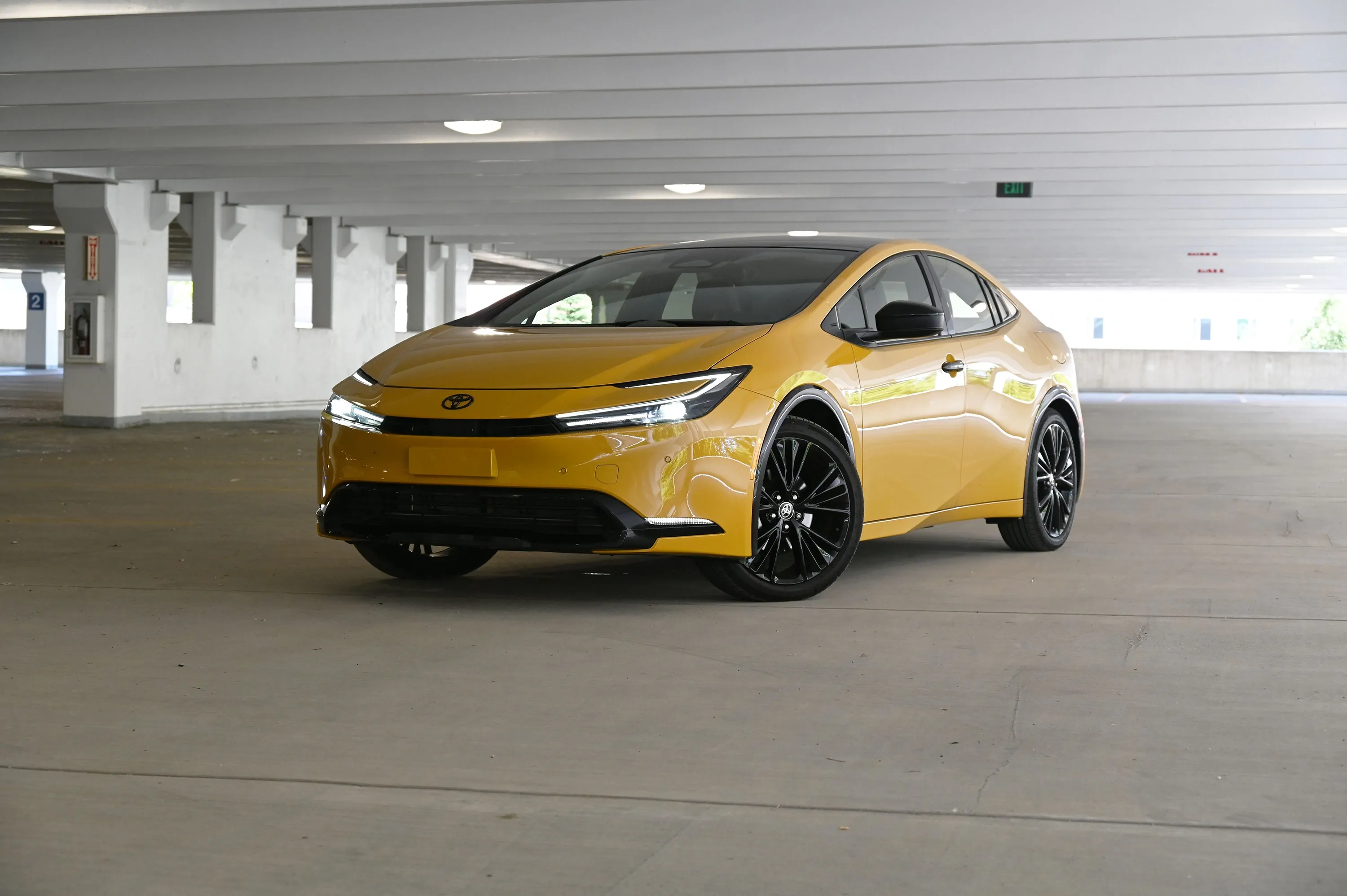
Wonky design, however, is no longer one of those compromises. Ever since it hit the road nearly 30 years ago, the Prius has been laser-focused on efficiency, something it's delivered in spades. A key part of that thrift has been a body designed to minimize wind resistance, something that also made the Prius look more like an alien spaceship than a conventional car. But no more.
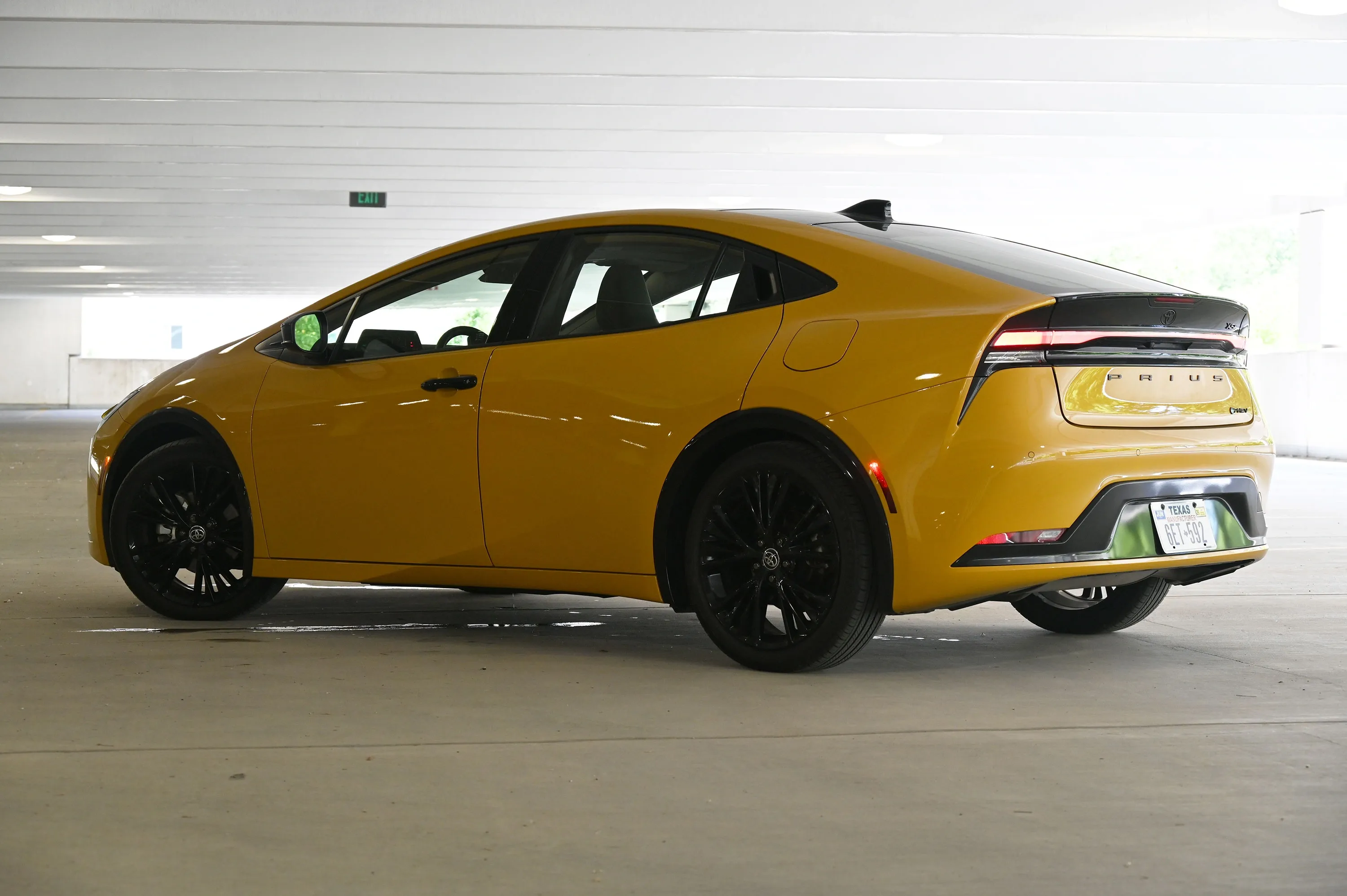
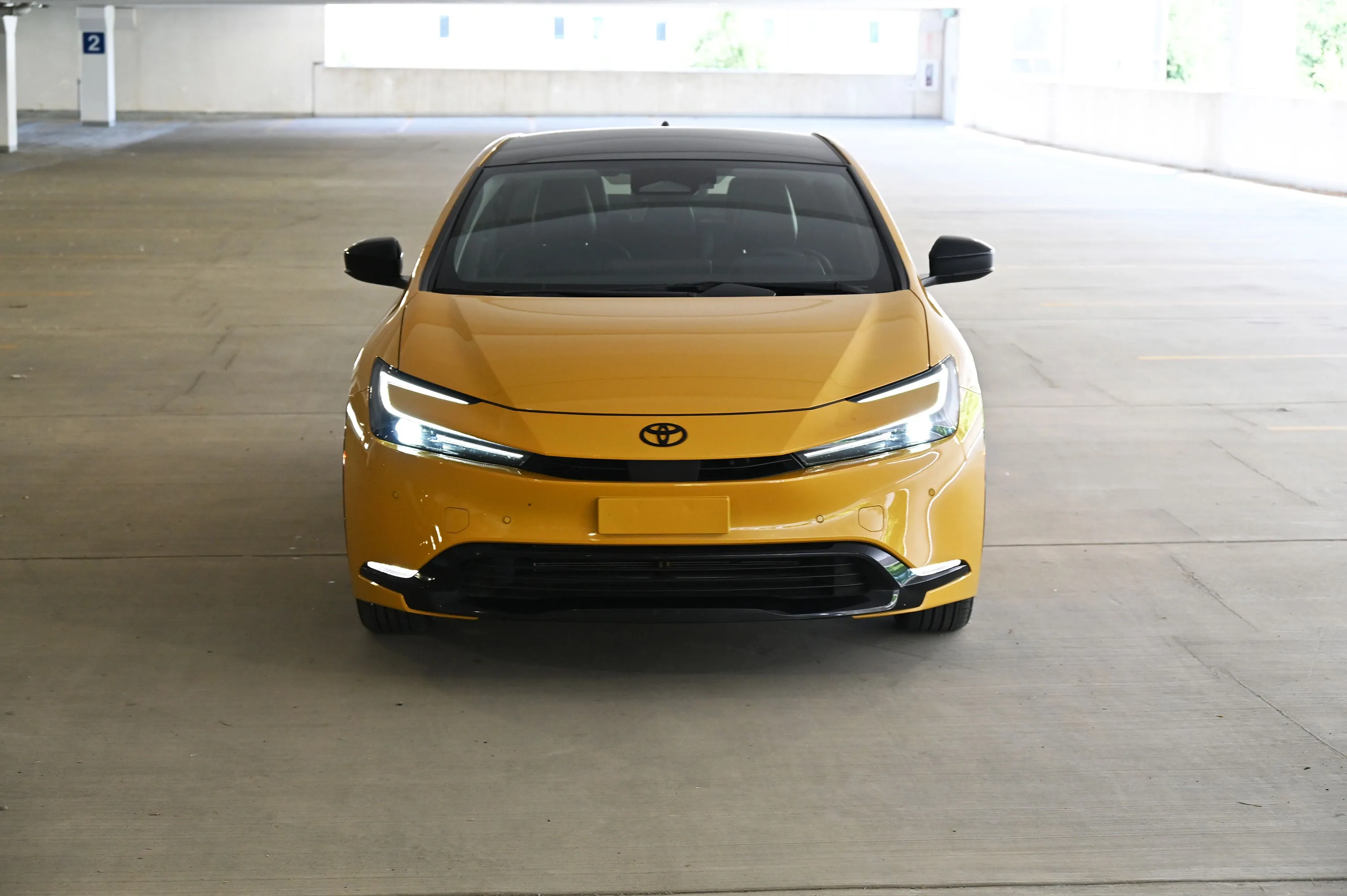
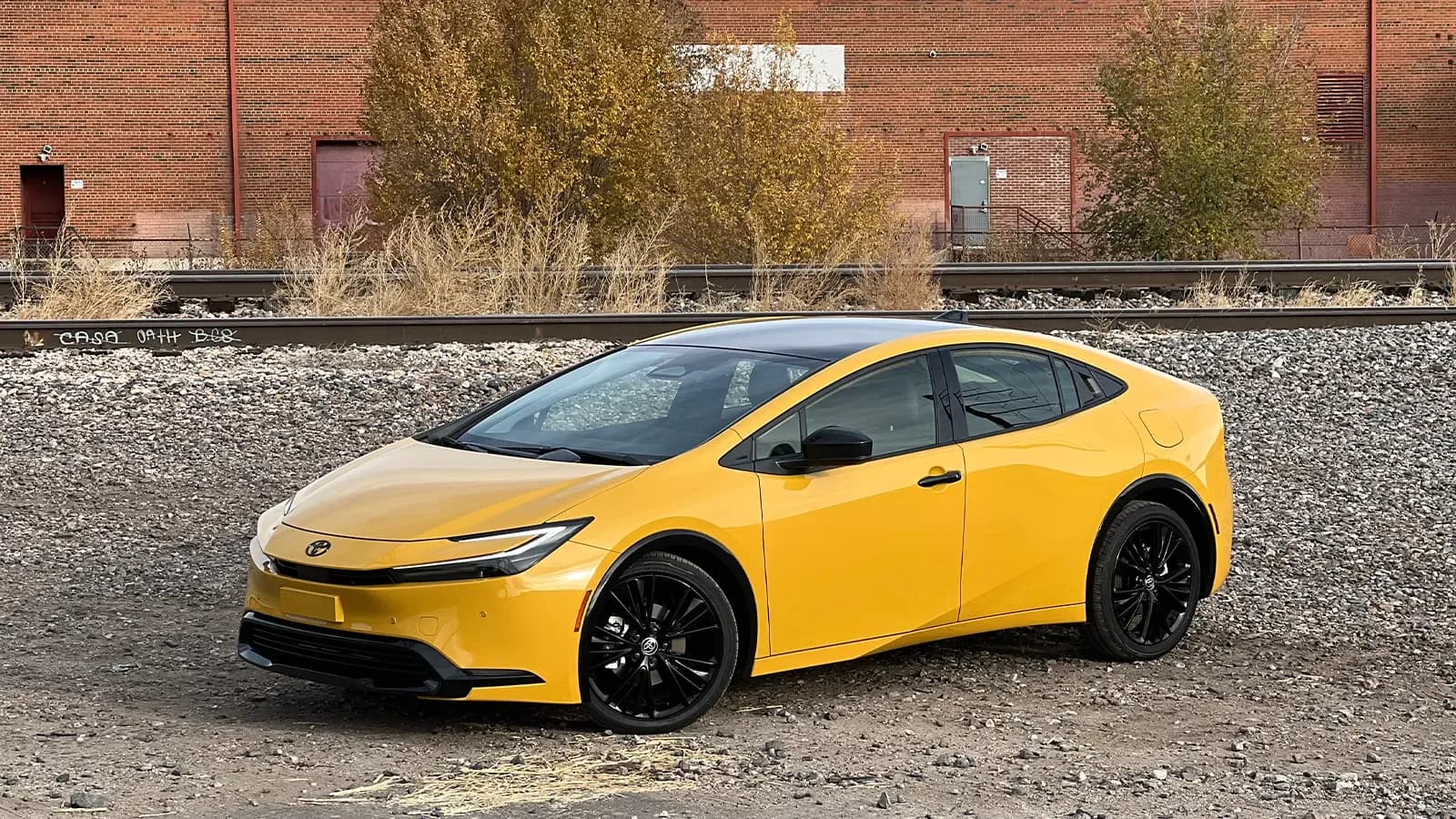
The latest generation is stunning. In fact, this could be the best-looking Toyota in production today. Honestly, it just might be the prettiest Toyota of all time, nicer than some legendary models the company has introduced over the decades.
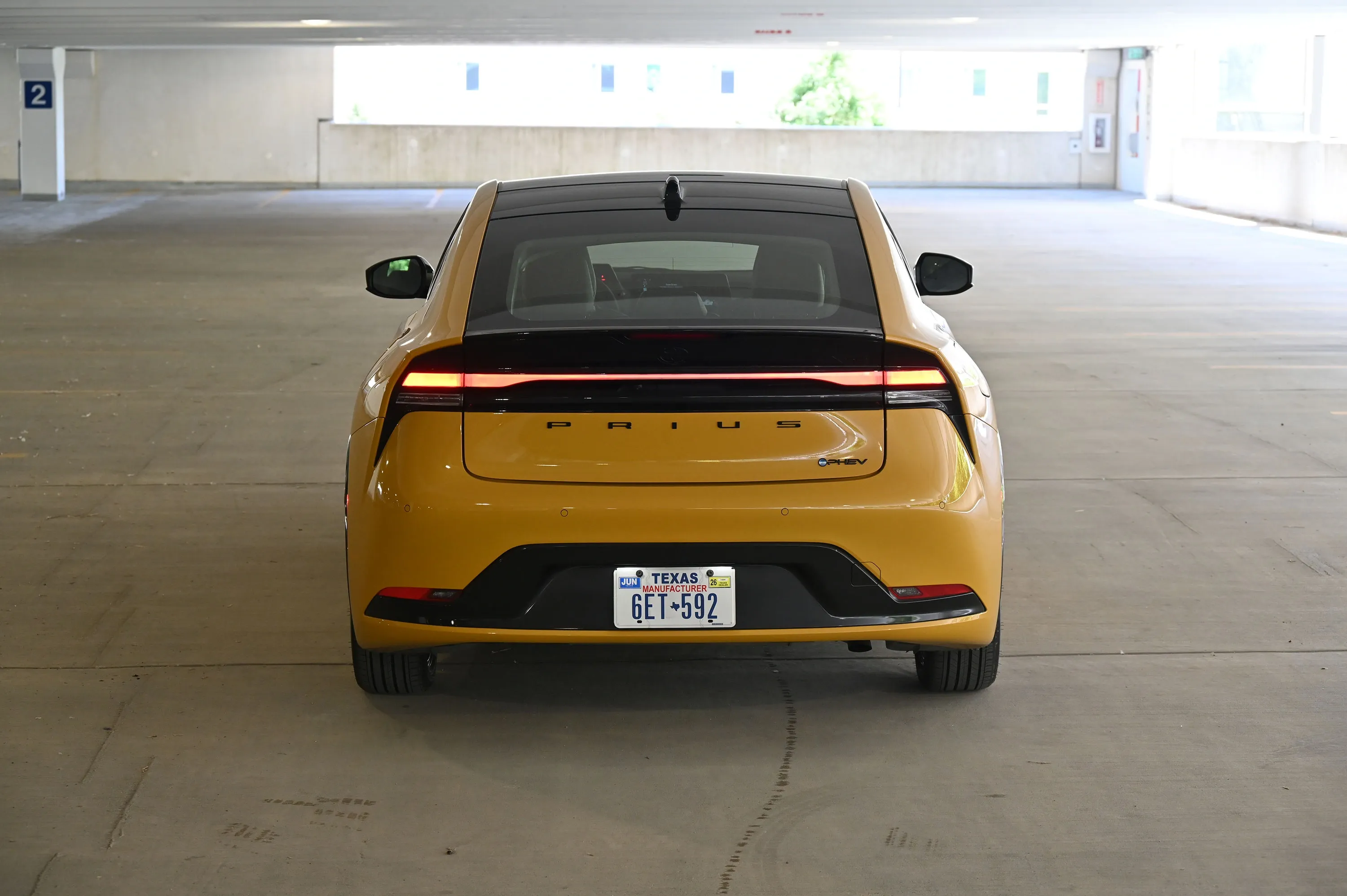
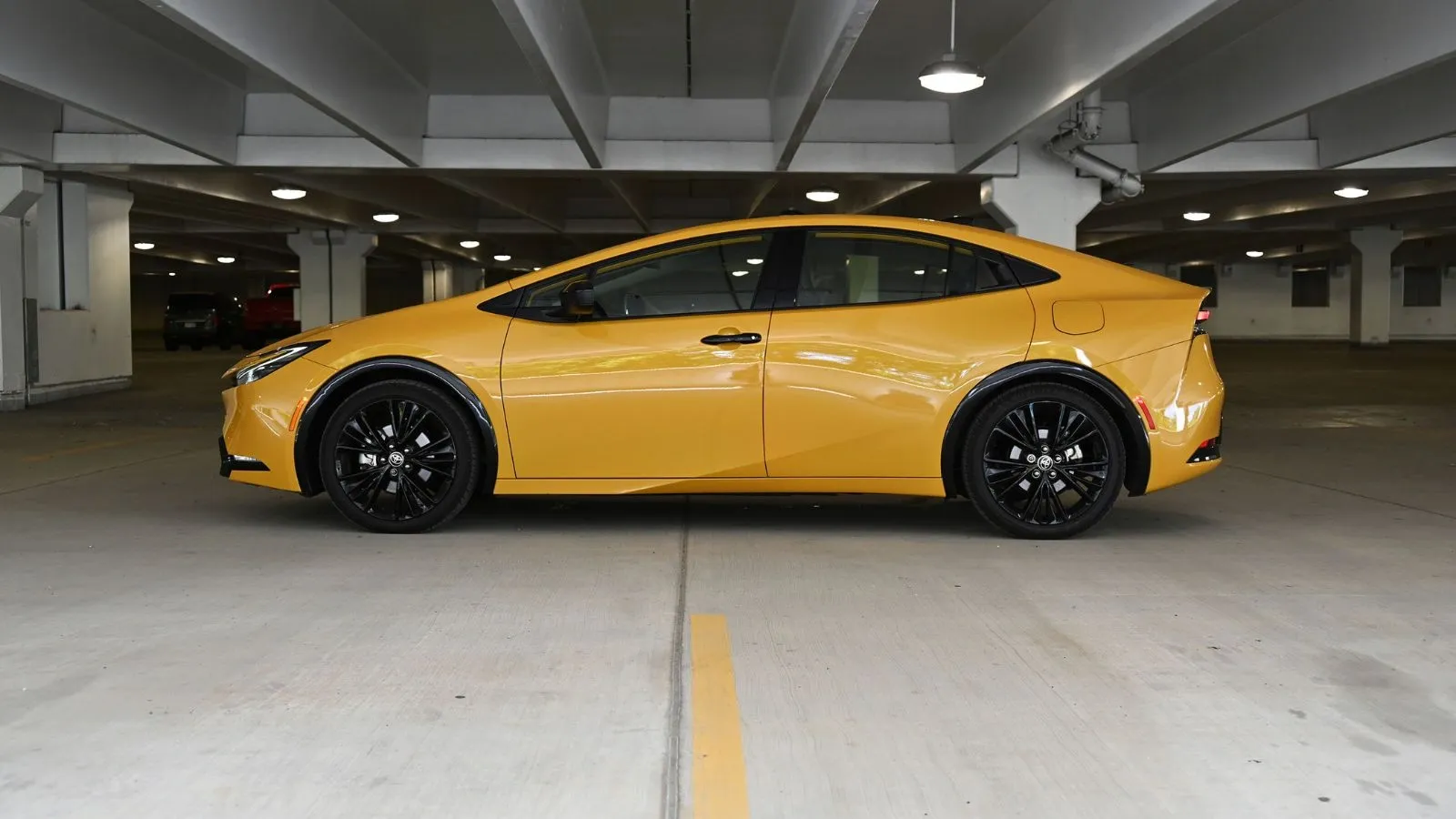
The sleek front end and arcing roofline slice through the air, and the super-clean sides look great. Tiny creases running from the rocker trim up to the seams between the bumper cover and rear quarter panels add a little tension, and the rear, with its liftback hatch, is plenty tasteful, too. Designers managed to make the Prius look elegant while retaining its slippery aerodynamics. The coefficient of drag is as low as 0.27.
True to its name, this midrange Nightshade Edition model features a range of blacked-out components like the badges, door handles, 19-inch wheels, and more. This trim level is also offered with just three paint colors: Midnight Black Metallic, Wind Chill Pearl, and Karashi, a bright yellow that is by far the most vibrant.
Plug it In, Plug it In
The Prius Plug-In Hybrid provides the incredible efficiency of a purely electric vehicle with the quick refueling you get from a combustion engine. Plug in to keep the battery topped up, and you’ll find yourself stopping less at a gas station.
Regular charging is what unlocks the Prius PHEV’s strongest efficiency advantage, see how Level 1 and Level 2 charging fit into daily plug-in ownership ➜
When you need extra miles, the car’s hybrid system features a smooth-running 2.0-liter four-cylinder engine as well as an electronically controlled continuously variable automatic transmission (eCVT) that powers the front wheels. The non-plug-in Prius is available with AWD, but not here. The PHEV model also has a 13.6-kilowatt-hour lithium-ion battery that provides up to 44 miles of all-electric range. Higher-trim models, including the Nightshade Edition, are rated at 39, still an impressive score.
Run it purely off electricity, and this Toyota returns up to 127 MPGe, 114 for higher trims. When the gas engine is helping, expect an estimated 52 mpg combined or 48 for fancier models. These figures easily beat the Hyundai Tucson PHEV, which is probably the Prius Plug-In Hybrid’s top rival now that the Kia Niro PHEV has been discontinued.
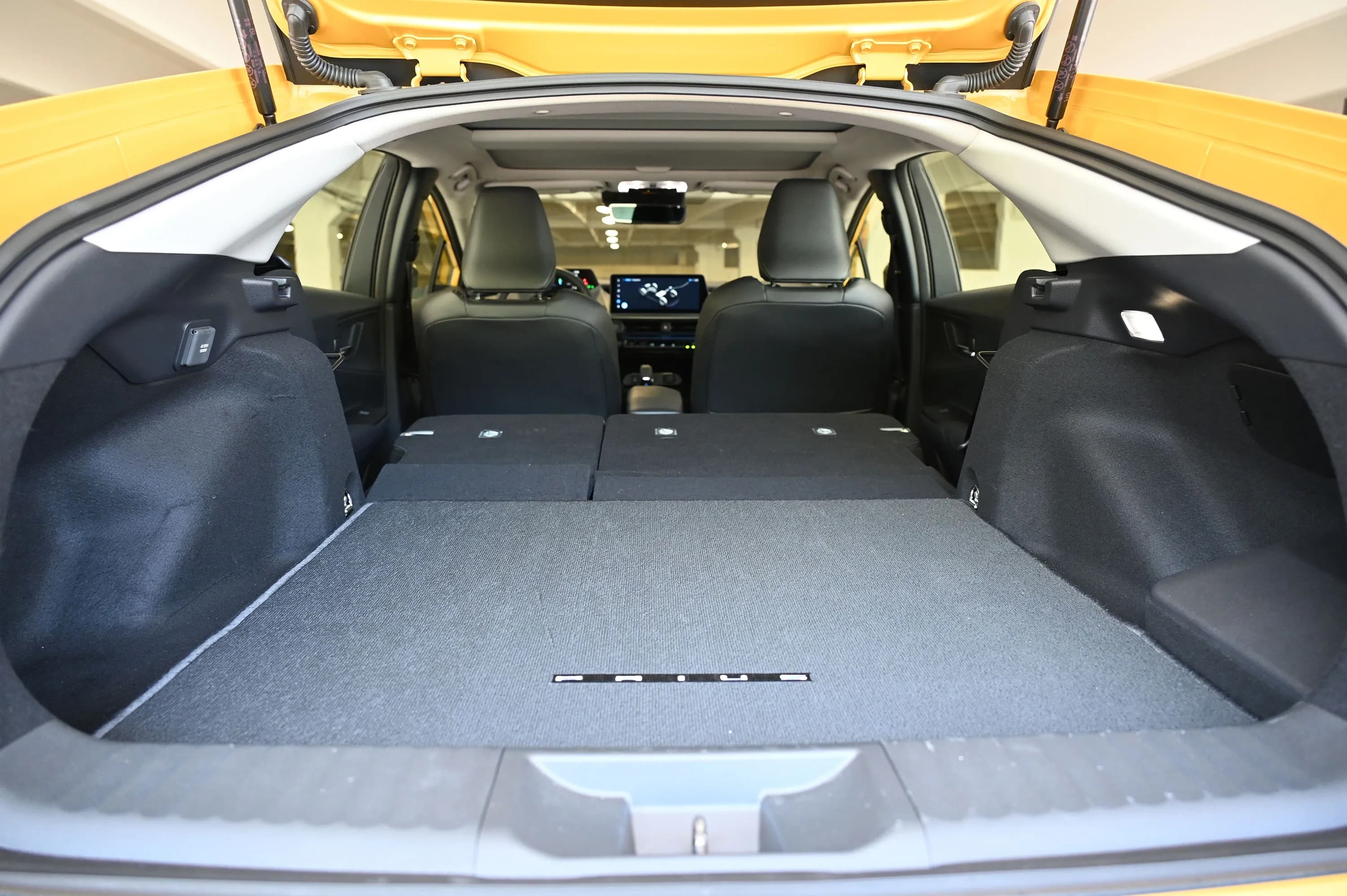
As an SUV rather than a liftback car, the Hyundai does, however, have more than twice the Prius's maximum cargo space (the Toyota tops out at 26.7 cubic feet), and it's significantly more powerful. The Toyota’s drivetrain cranks out an impressive 220 horsepower, but the Tucson PHEV outmuscles it with 268. All mileage is EPA estimated.
The Fine Print Lives Inside
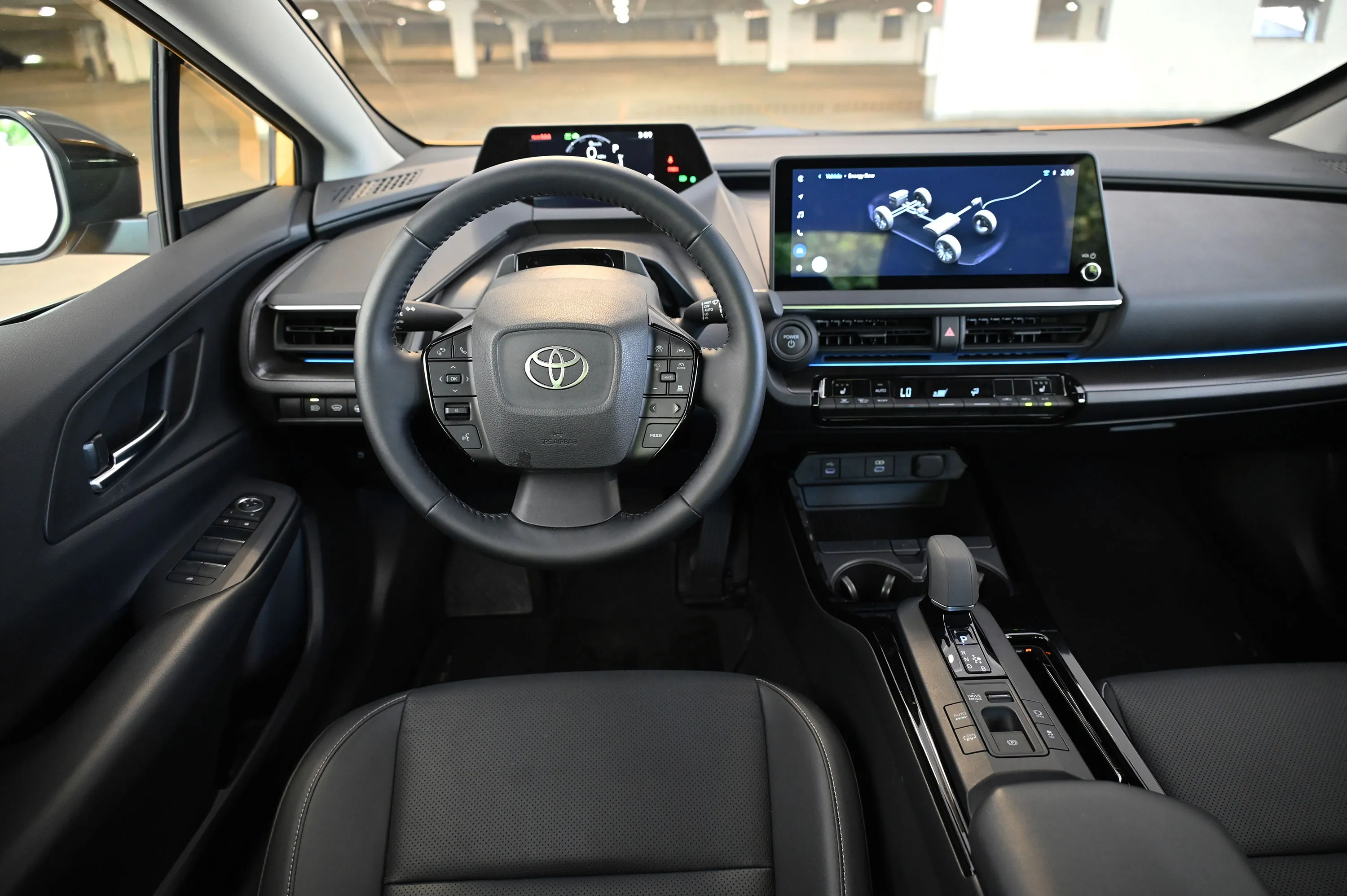
The Prius’ interior is attractively designed and fairly comfortable, but this is where many of those pesky compromises alluded to earlier pop up.
An 8-inch touchscreen is standard, but my tester has the much larger 12.3-incher. This runs a familiar Toyota infotainment system that works well enough and supports wireless Android Auto and Apple CarPlay, though I much prefer the new setup the automaker debuted in the redesigned 2026 RAV4. Beyond that, the Prius also has a small digital instrument cluster that's partially blocked by the steering wheel when the seat is adjusted to where I want it.
A wireless charger is standard nearly across the range, but it’s unable to juice up my older iPhone when it’s still in the case. Also, the center armrest is not well-padded; there’s hard plastic right where my elbow sits.
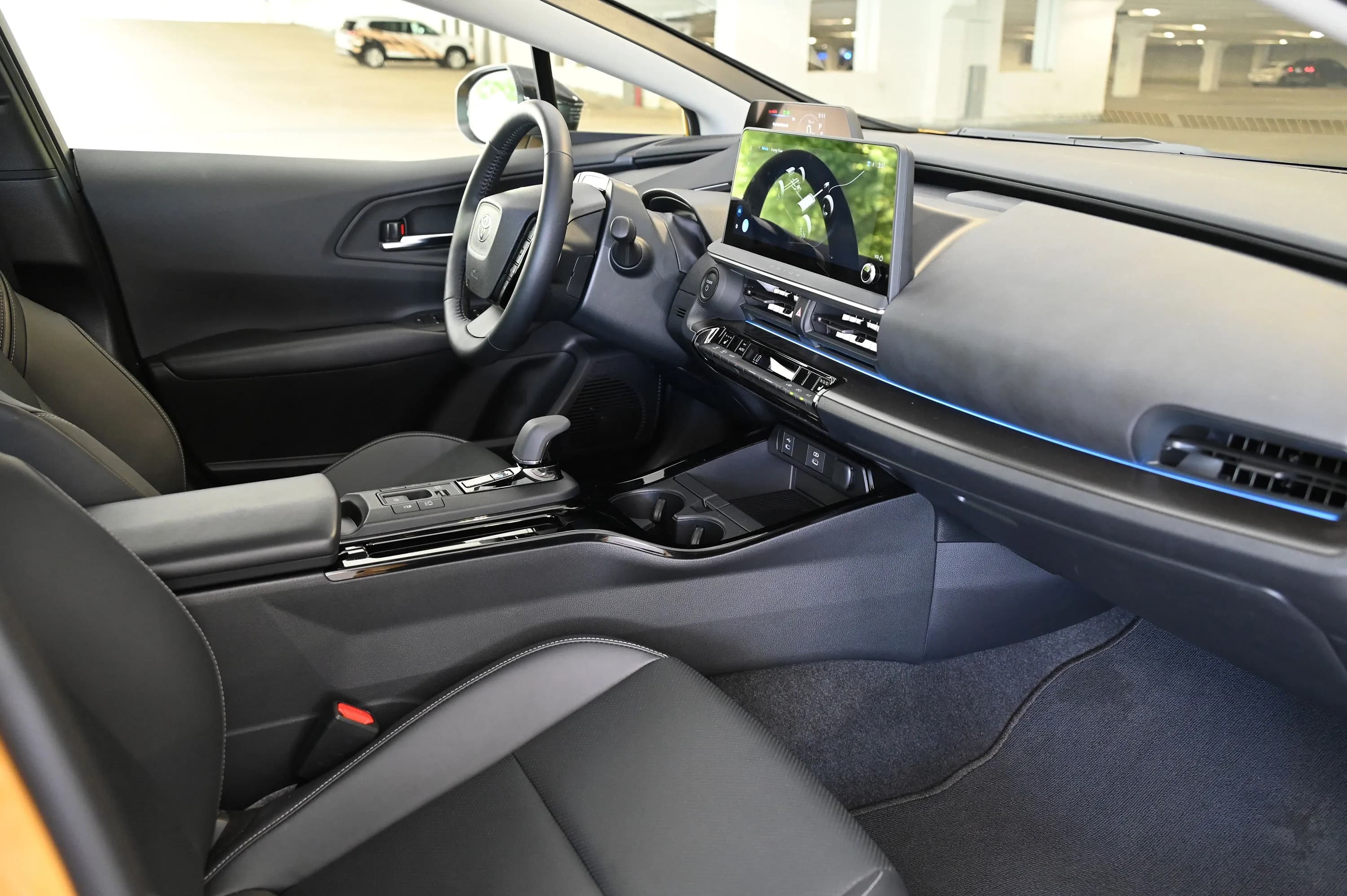
As for standard equipment, you get heated exterior mirrors, rain-sensing wipers, six USB-C ports, and the Nightshade Edition gets heated front seats. The Toyota Safety Sense 3.0 suite of driver aids is included across the model range, too, with useful amenities like automatic high beams, road-sign recognition, adaptive cruise control, lane-keeping assist, and more.
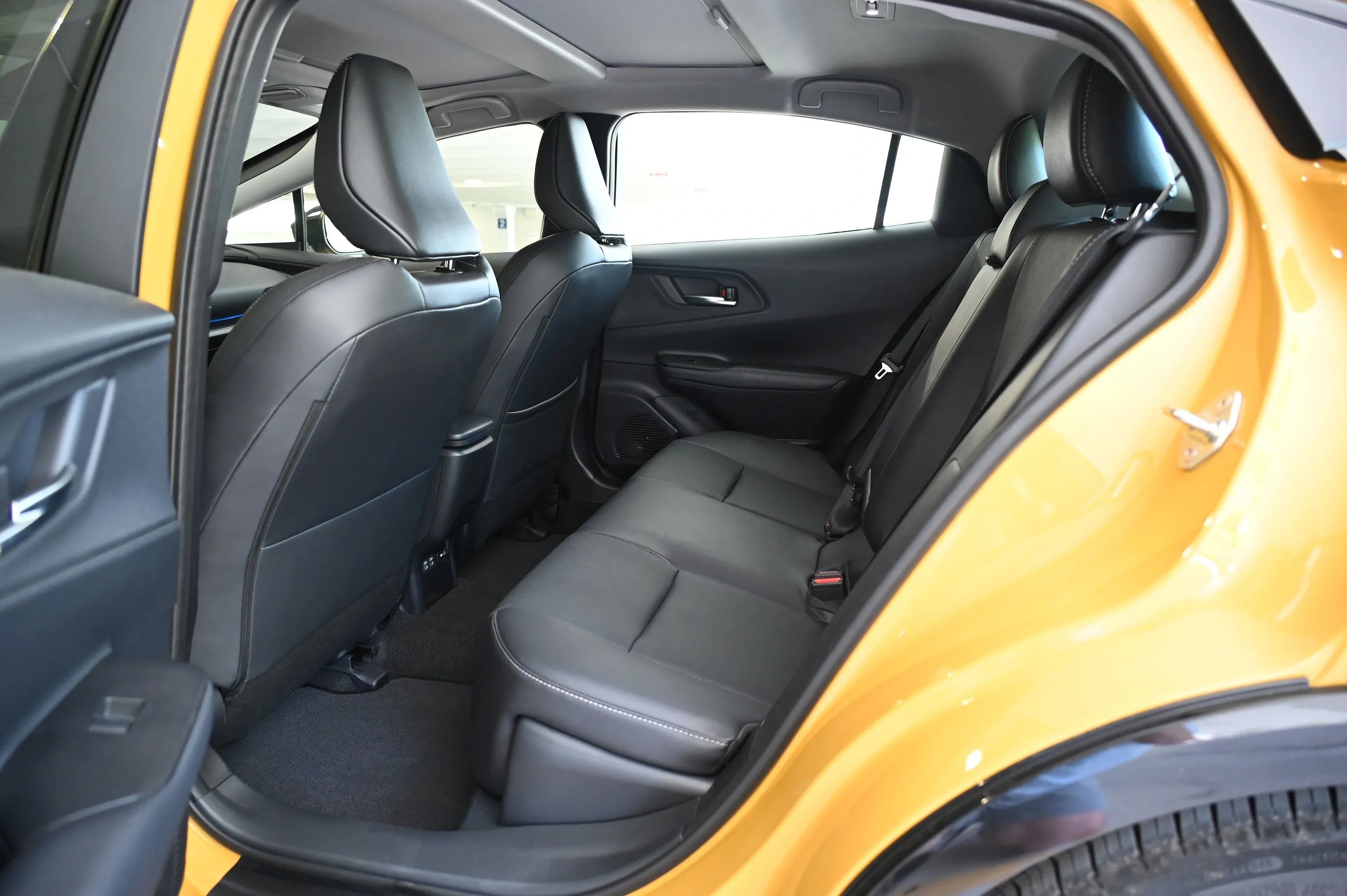
The Prius is not a large car, and just like the cargo area, the backseat is a little tight. There’s a decent amount of legroom, but the cushion is low and headroom scarce for 6-foot-tall passengers.
That large, leaned-back windshield helps improve the Prius’ aerodynamics, but it also creates a minor problem: glare. This isn't a huge issue, but in the daytime, there’s always a small bit of haziness from the dashboard reflecting in the glass.
Punchy Performance
If you buy a plug-in hybrid, you’ve got to plug it in! This is super easy, and it’s key to getting ridiculous efficiency. I’ve been doing just that during my time with this Toyota, and I haven’t needed to use any gas on various trips I’ve taken, though, of course, I have tested the engine. Overall, I’ve been getting 3.4 mi/kWh in EV mode and more than 54 mpg when burning fuel. All mileage is EPA estimated.
Results like 3.4 mi/kWh and more than 54 mpg can move with route, temperature, and driving style, so see what EPA fuel-economy numbers do and do not predict ➜
The Prius Plug-In Hybrid’s electric drive motor is rated at 161 horsepower, and it delivers good performance. There’s plenty of punch at lower speeds, though the motor does run out of steam as the speedometer needle rises.
When the battery pack is depleted or you’re in the hybrid drive mode, which you can switch to at the push of a button on the center console, the performance is legitimately strong, especially so for a car that’s this efficient. With the gas engine helping, this car is quick, accelerating with authority off the line and pulling well at higher speeds. This powertrain is also smooth and rather quiet.
This Toyota’s ride and handling are good, if not outstanding. The suspension does its job with no noticeable vices, and the steering feels fine, if a little light. The tiny wheel does take getting used to, though.
The Prius’ steeply raked windshield may help with aerodynamic efficiency, but this also limits forward visibility. The rear sightlines are also not great because of the large roof pillars and small back glass.
The Verdict: Plug In, Save Fuel, Accept the Quirks
The Prius Plug-In’s base MSRP is right around $35,000. The Nightshade Edition is a bit richer, though not outrageously so. The example tested here has an MSRP of $41,304 with a handful of options and $1,195 in destination fees, and that price is not bad for everything you get.
If the Nightshade’s price stretches the budget, compare newer hybrid choices that stay below $35,000 ➜
If you’re looking to maximize efficiency and a smaller car like this meets your needs instead of a bulkier SUV, you really can’t go wrong with the Prius Plug-In Hybrid, which is kind of a unicorn. There aren’t many affordable PHEVs, but this Toyota is priced to sell, plus it does most things well and it looks amazing, too.
More Efficient Alternatives Worth a Test Drive
2026 Nissan Rogue Plug-In Hybrid Review
For drivers who want electric commuting in a roomier SUV shape, the Rogue PHEV offers a practical counterpoint to the low-slung Prius.
Read More ➜
2026 Honda Civic Sport Touring Hybrid Hatchback Review
The Civic Hybrid skips plug-in range but answers with a lower price, more usable passenger space, and an engaging chassis.
Read More ➜
2026 Toyota Camry All-Wheel Drive Review
Toyota’s midsize hybrid trades the charge port and liftback for more cabin room and available all-wheel drive.
Read More ➜






 Reviews