



 Research
How Much Range Do EV Pickups Lose When Hauling?
EV pickups have awesome features and performance, but how much range do they lose when fully loaded? A recent study from the AAA finds out.
Laurance Yap3 min read

Some EV pickup truck owners have been disappointed with the range their electric trucks deliver while towing. We take a closer look at the factors that affect range, how to maximize it, and your other options.
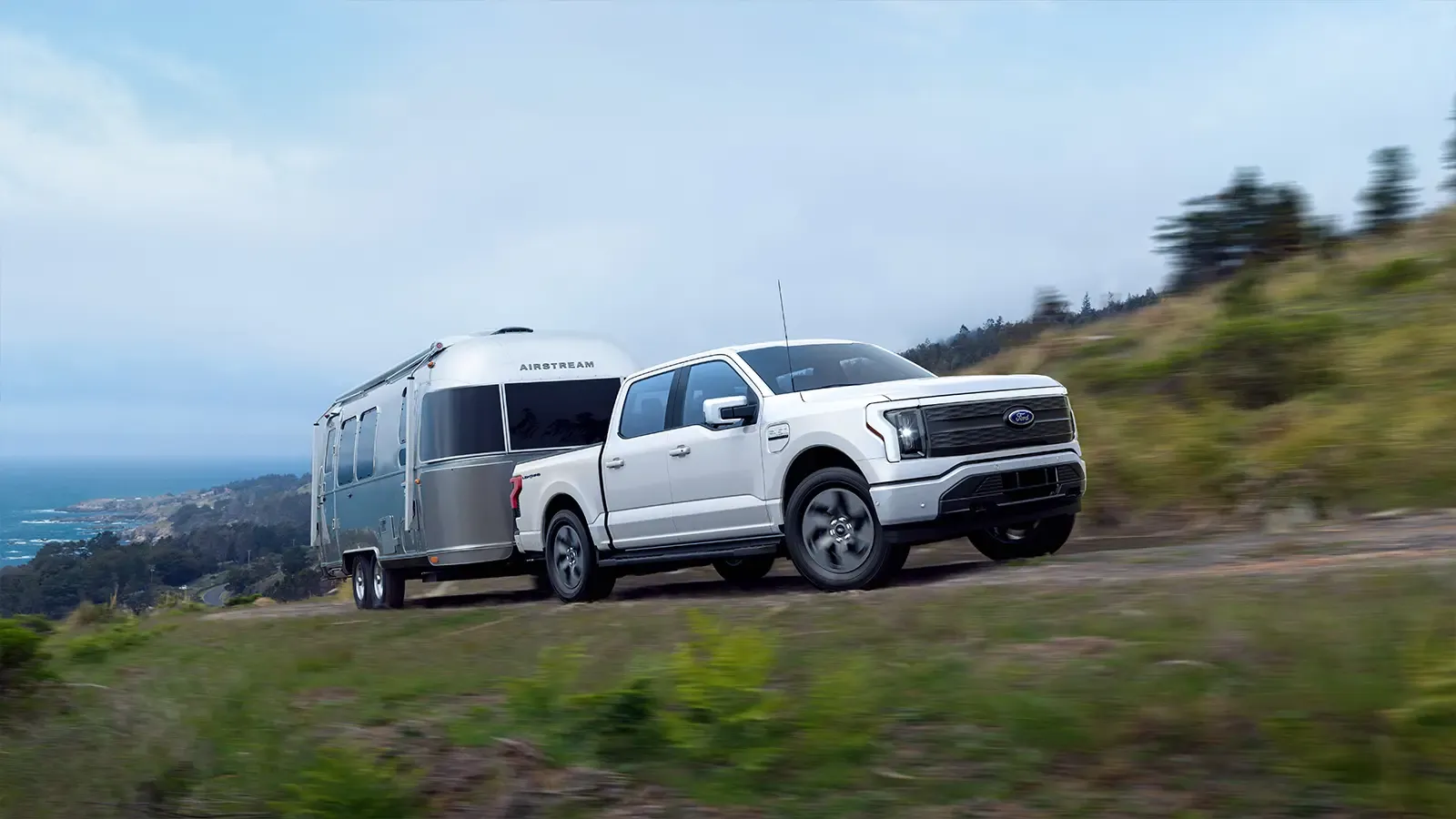
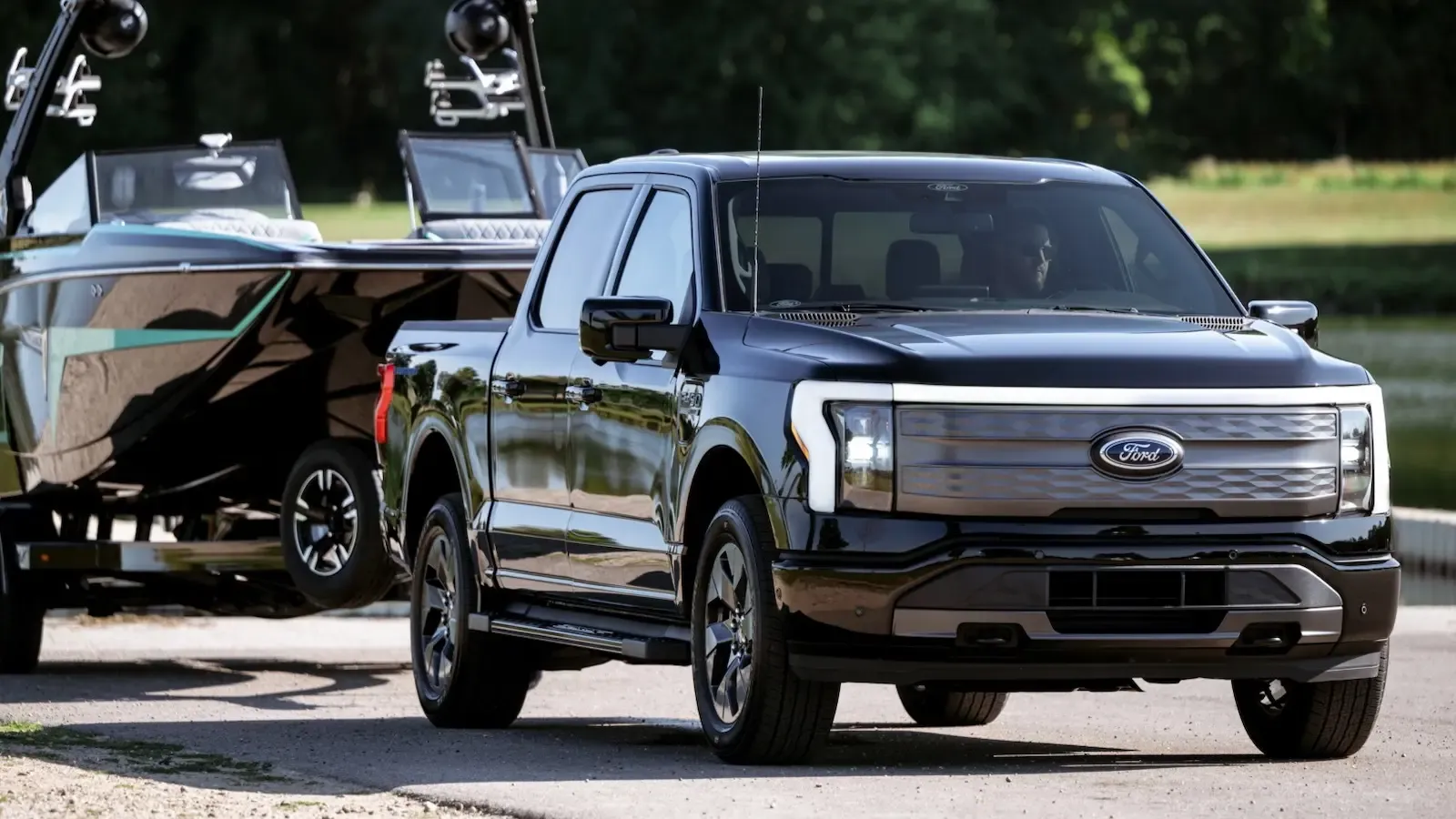
When the Ford F-150 Lightning electric pickup truck was announced, one of its most impressive features was its towing capacity. At 10,000 pounds, the Lightning had equal, or better, towing ability than gasoline-powered F-150 models – and its 775 lb-ft of torque, plus the smooth power delivery of electric motors, promised a smooth, seamless towing experience along with no tailpipe emissions. Indeed, the first batch of F-150 Lightning customers were excited too; more than half of them selected the optional Max Trailer Tow Package. What followed, however – along with positive reviews of the driving experience – were some reports of significantly reduced electric range, which many initial customers found disappointing. It wasn't just the Lightning, either - Rivian R1T customers had similar complaints.
For drivers who are used to gasoline- or diesel-powered trucks, the F-150 Lightning’s range is lower, no matter what the condition. The EPA estimates the gas-powered F-150 PowerBoost Hybrid will go for 704 miles on a full tank of gas, more than double the top EPA-estimated range of the Lightning, which comes in at 320 miles.
You’ll also have to recharge more often than you would refuel. The energy density of fuel allows an F-150 PowerBoost Hybrid to achieve up to 704 miles of EPA-estimated range, compared to the top EPA-estimated range of F-150 Lightning, which is 320 miles. Whether you’re using gasoline or electricity, range is affected by weather, temperature, and geography.
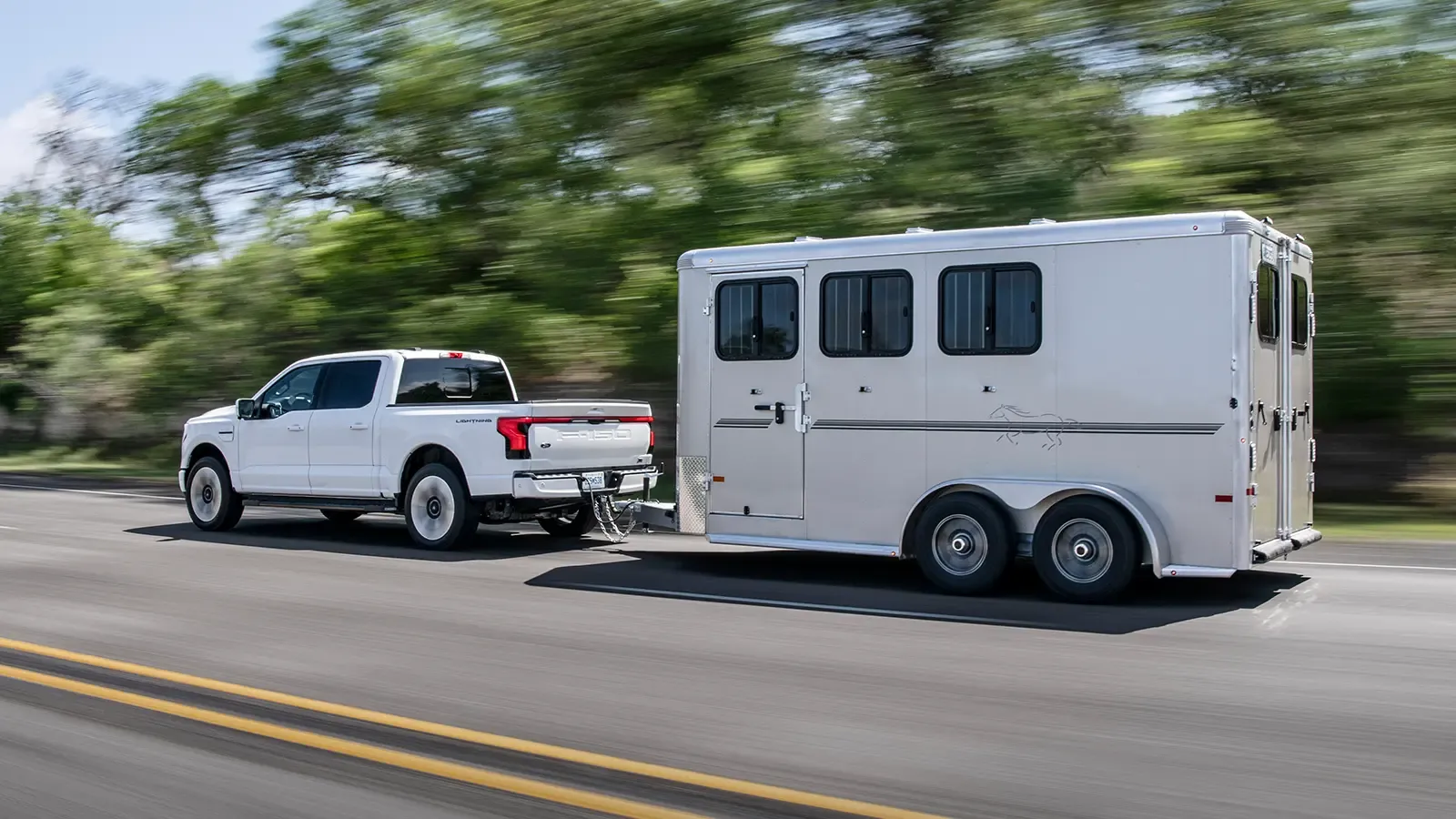
Add towing to the mix, and both numbers can drop significantly, based on weight, speed and trailer aerodynamics. According to Ford’s own trailer impact estimates, an open trailer might drop the Lightning’s range to 56 percent of its potential, while a large 7,700-lb SAE trailer might reduce it to just 40 percent. Max out the Lightning’s towing capacity and you might only get 34 percent of its maximum estimated range – or 109 miles. Extreme temperatures can impact electric trucks more than gasoline trucks, as well.
If you’re considering an electric pickup, and want to tow regularly, there are a few things you can do to maximize your range when towing.
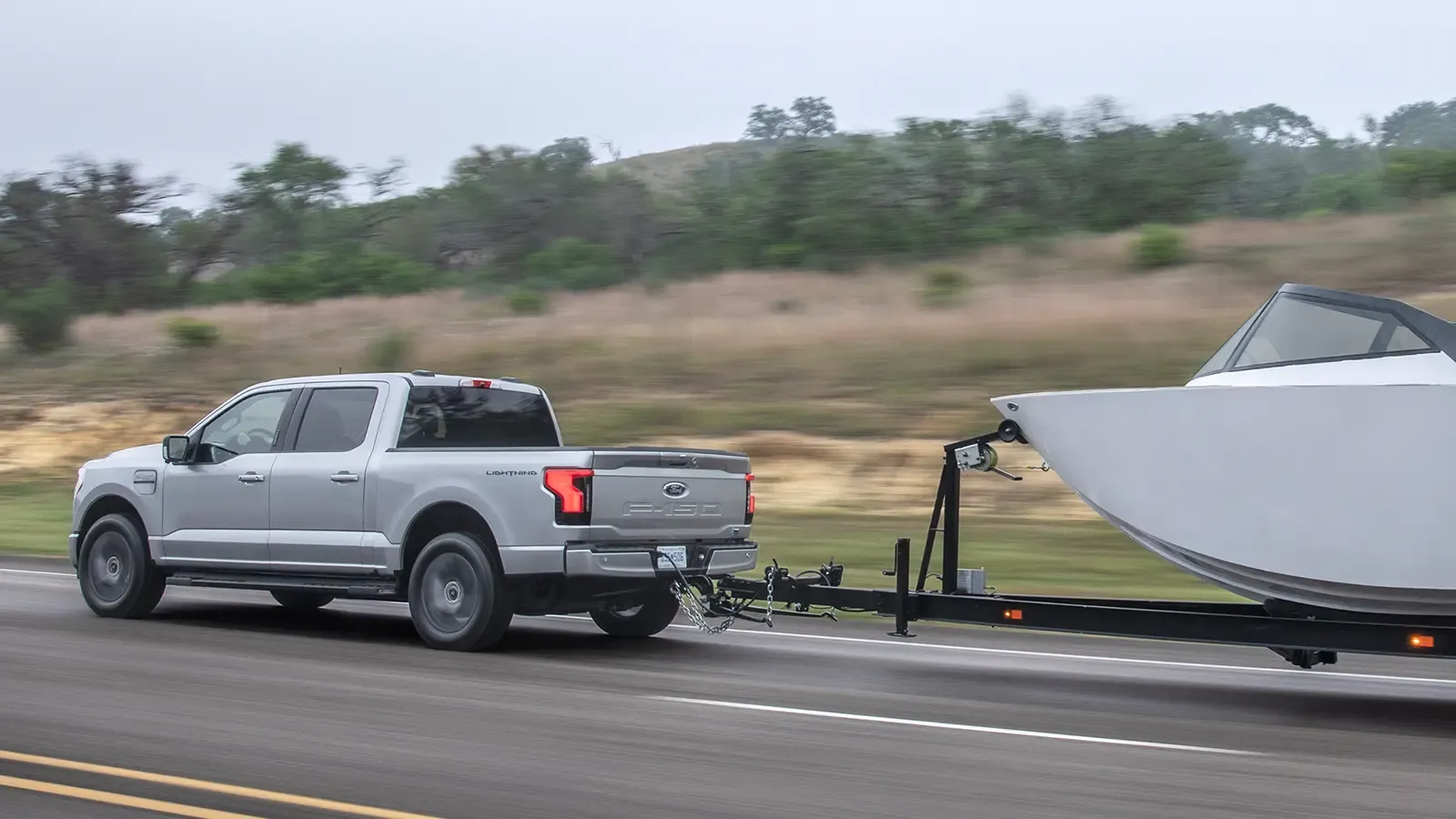
The first is to watch your speed. Cruising on the highway at 65 mph, for instance, barely affects the EPA range estimates for the F-150 Lightning (the estimates are based on a mix of city and highway driving) – but cruising at 75 mph can drop range precipitously, to less than 80 percent. Combine that with the effect a trailer has on range, and you quickly realize that slowing down could help you go a lot further.
Electric trucks also come with a number of features that, when properly used, can maximize convenience on longer drives. Battery pre-conditioning ensures that the battery can receive a charge at the fastest possible rate, minimizing downtime spent charging. Knowing when and where you are going to charge – and selecting the location in the vehicle’s navigation system – will help ensure the fastest charging. Pre-heating or pre-cooling the cabin when the truck is charged in also reduces the burden on the vehicle’s battery when you’re on the move.
Make use of all of your vehicle’s data features to understand how to optimize your driving. The F-150 Lightning, for instance, comes with an Intelligent Range feature, which collects vehicle and environmental data; driver habits like climate control use; and route topography to show you how much energy you use in real-time. Understanding those patterns will help you drive more economically.
More than anything, it’s important to plan trips in advance. The Lightning and other EV pickups include sophisticated navigation systems that can identify charging stations and charging speed to make sure that you get on the road as quickly as possible. That’s important as there are still fewer charging stations than gasoline stations in the U.S., though that number is improving with every passing day.
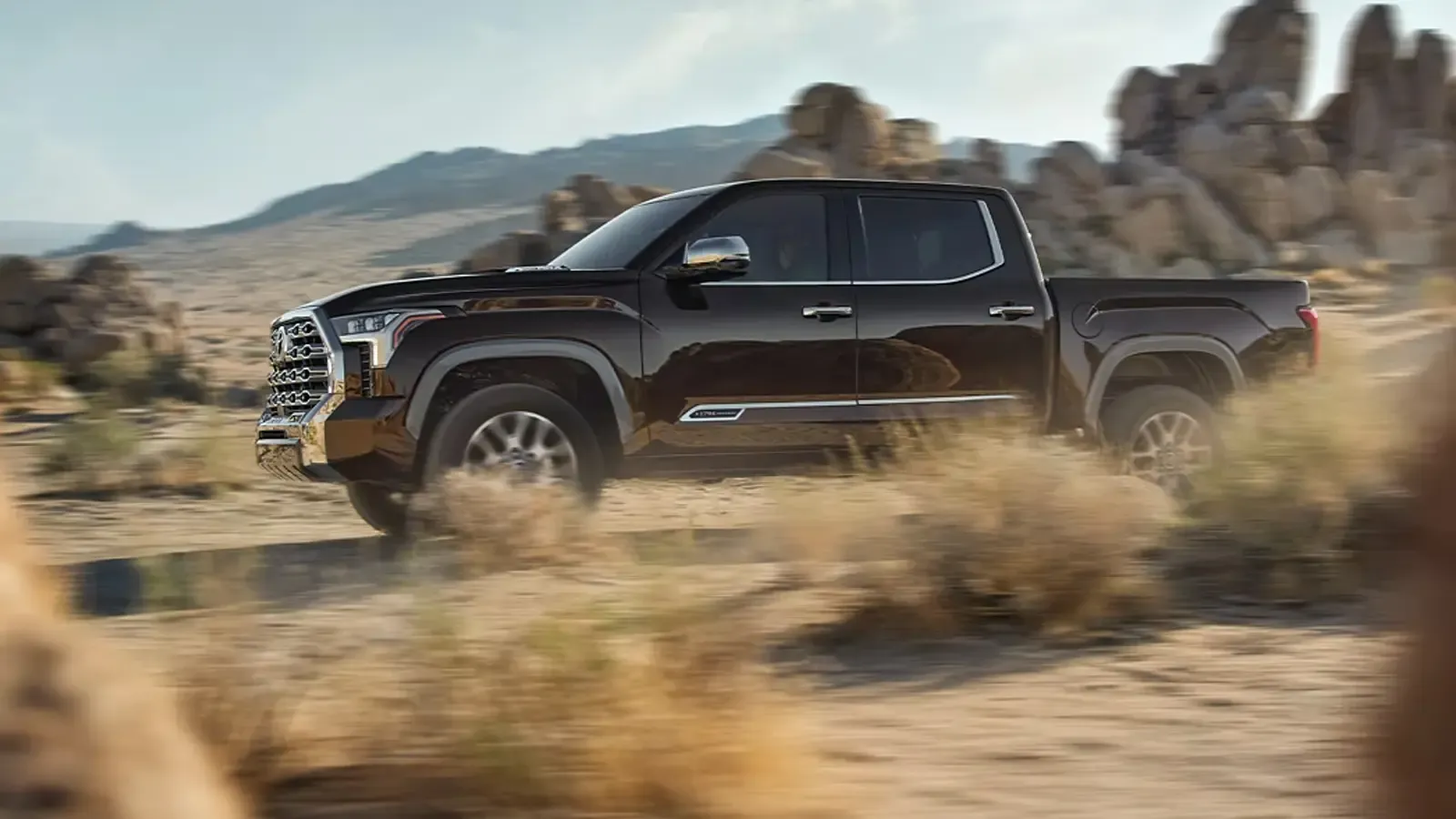
For commercial users, particularly those who work in rural areas where the charging infrastructure is not very robust, it may be worth considering a hybrid pickup like the Toyota Tundra Hybrid or F-150 PowerBoost, instead of a pure electric truck. While you won’t get access to the same seamless, swift driving experience that going EV provides, a hybrid truck may provide better flexibility and convenience for your business, while still helping to reduce your fuel bills.
Senior Editor and GreenCars Contributor
Laurance Yap worked for a decade as an automotive journalist before joining Porsche, where he ran PR and marketing in Canada. He led global marketing for RM Sotheby’s, and is a senior manager at GreenCars and a regular contributor to the site.
Get vehicle reviews, practical tips, and the latest GreenCars news.
ResearchEV pickups have awesome features and performance, but how much range do they lose when fully loaded? A recent study from the AAA finds out.
 Recommendations
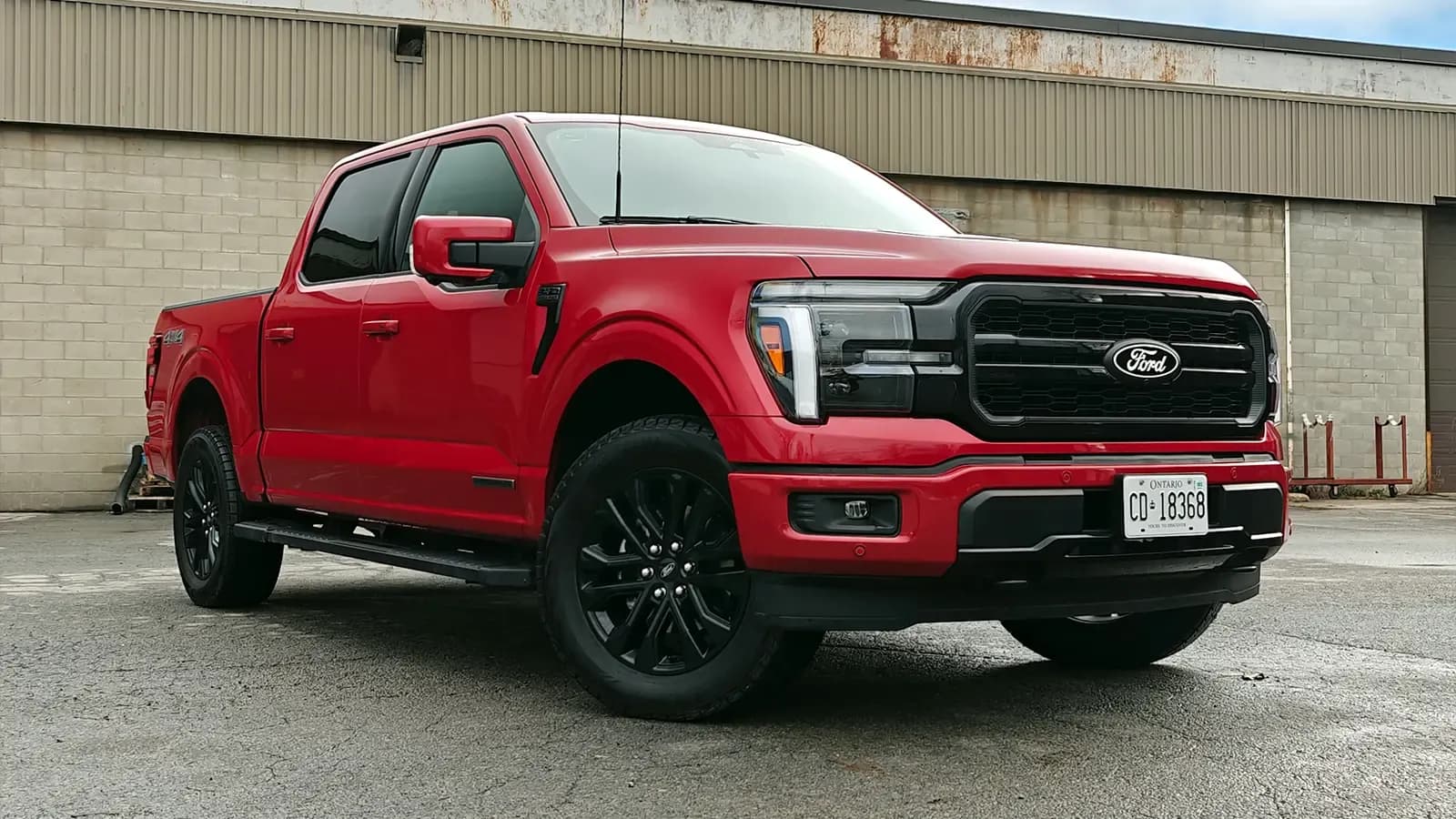
Pickups aren't exactly known for being eco-friendly, but a growing number of hybrid and electric options are proving they can deliver serious power and capability without guzzling gas.
 Recommendations
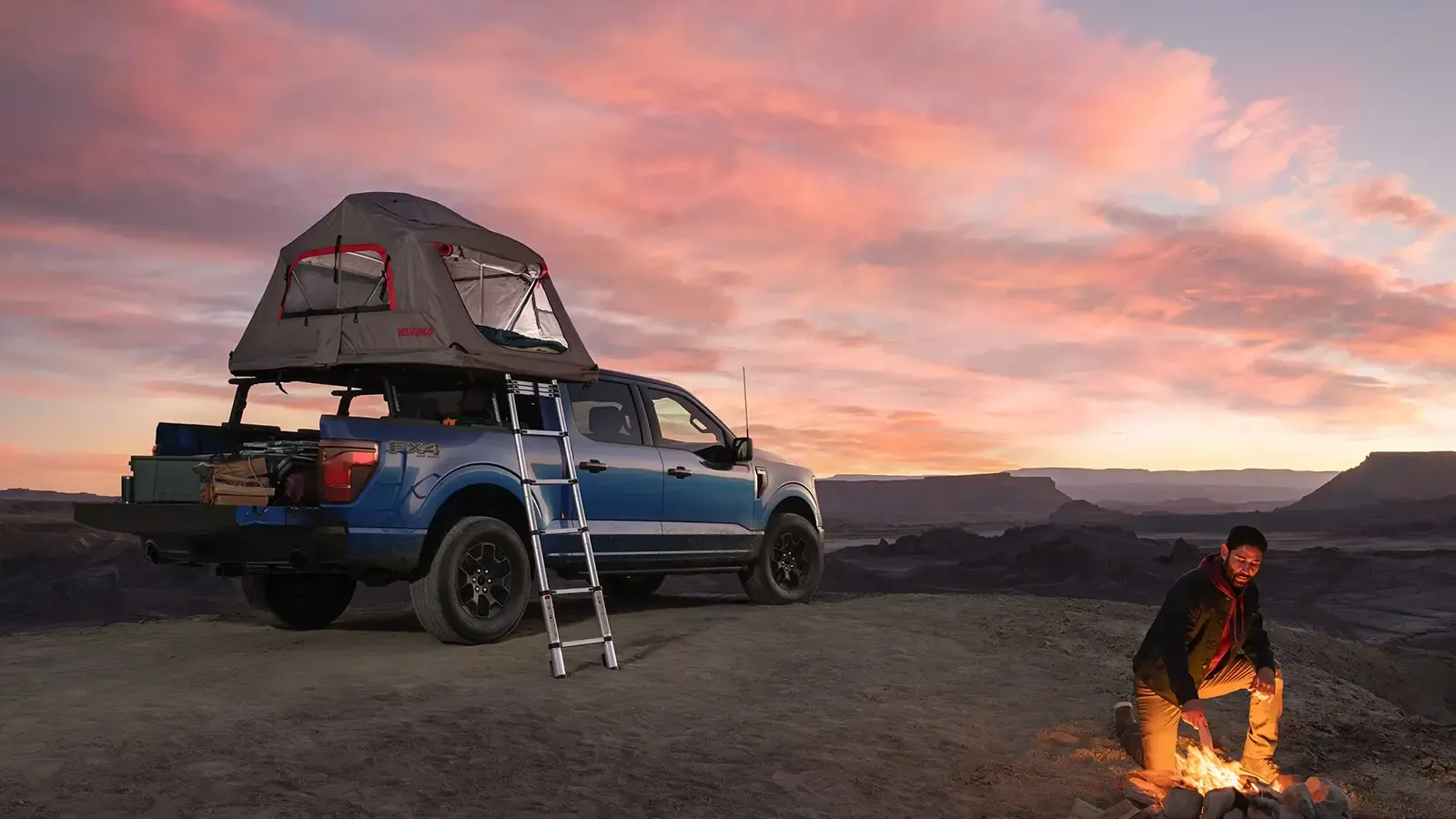
You’ve probably borrowed a pickup truck from a friend more than once to move a piece of furniture, haul building supplies, or move house. If you want a pickup truck of your own, here is a guide to the most fuel-efficient models currently available.