


 Announcements
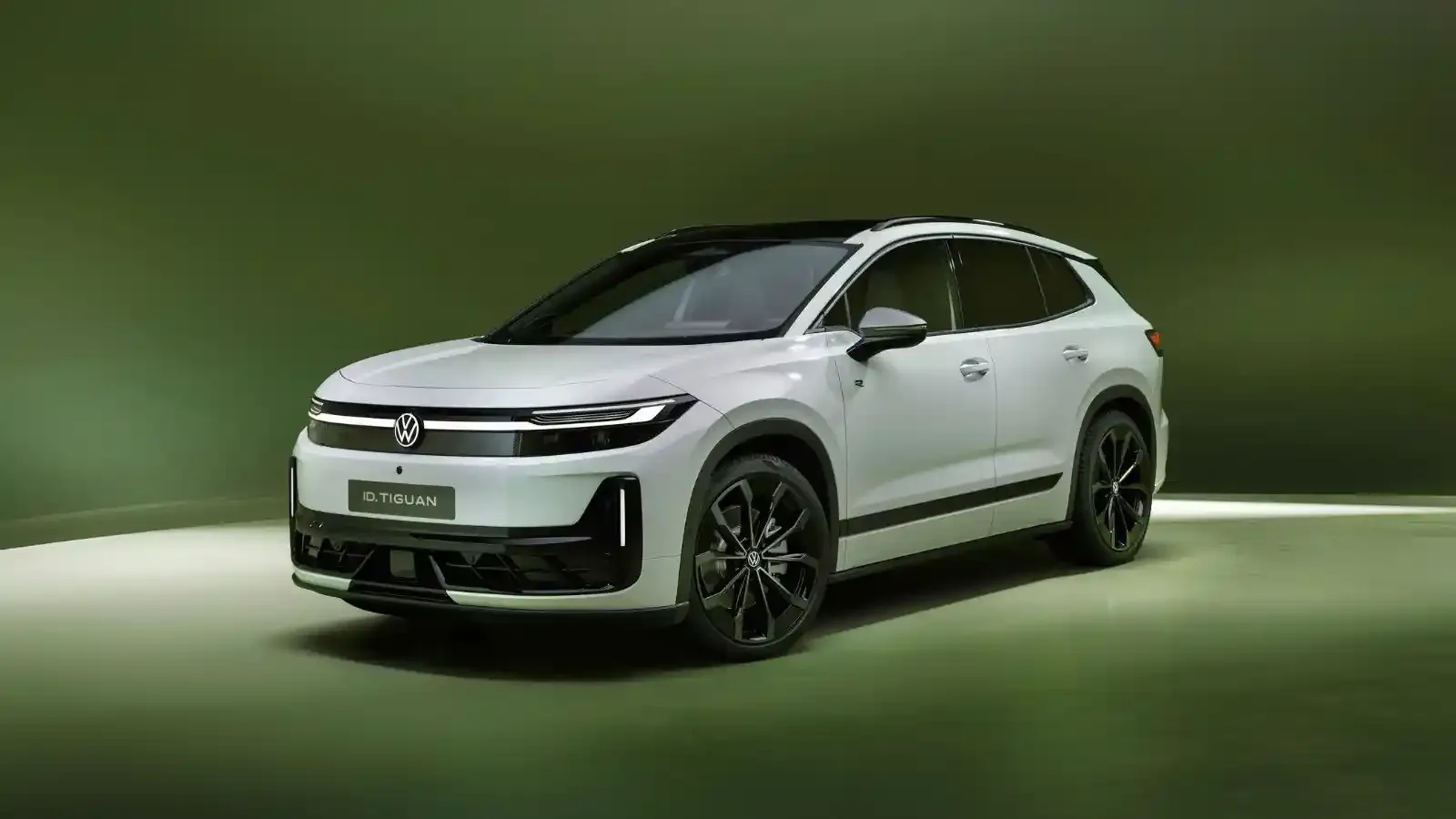
Meet the Volkswagen ID. Tiguan, the ID.4’s New Electric Successor
The Volkswagen ID.4 becomes the ID Tiguan for 2027, with a sharper face, more range, a frunk, and a return to physical buttons for controls.
Sam Abuelsamid4 min read

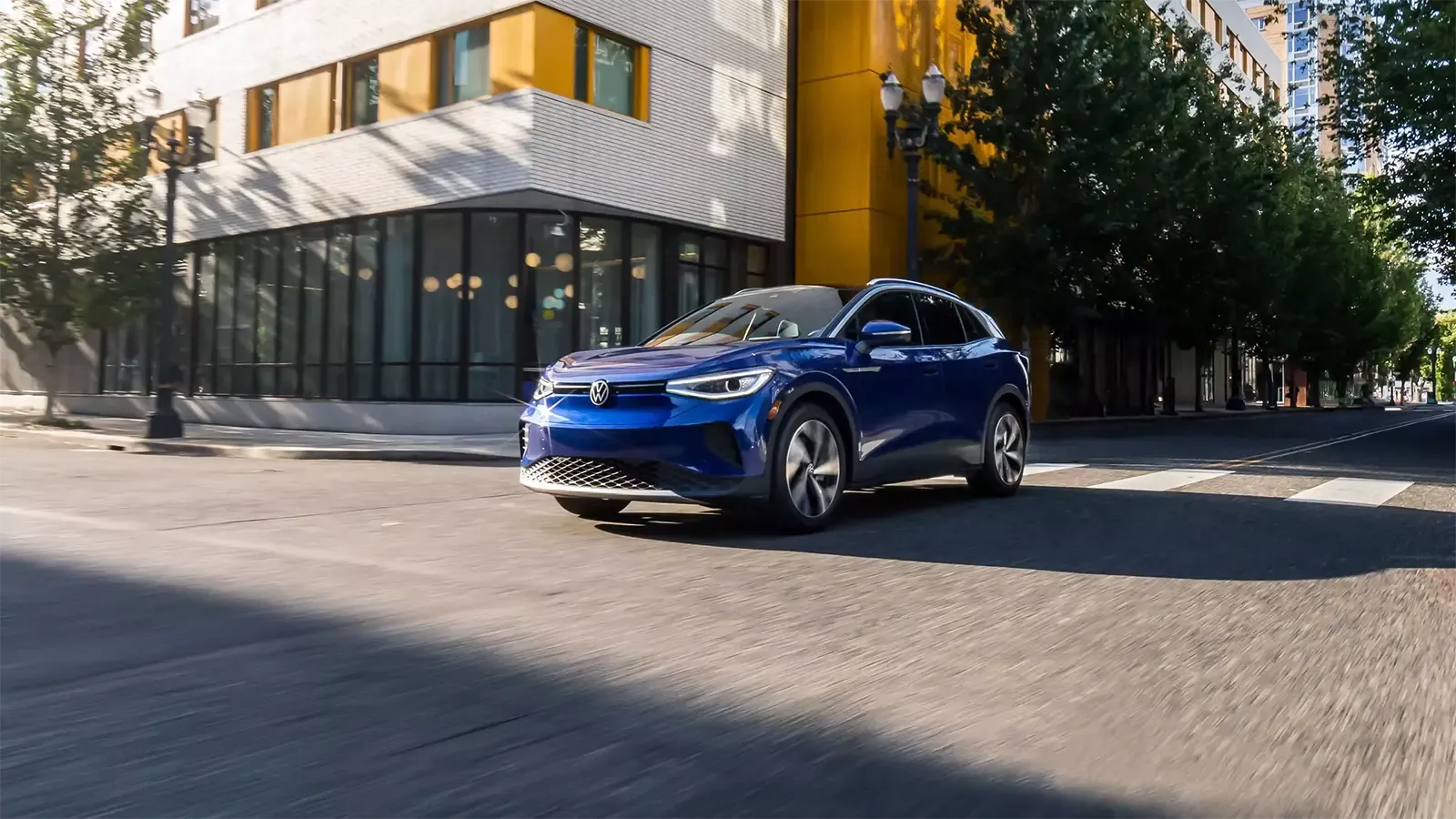
Long a proponent of diesels and efficient gasoline engines, Volkswagen is all-in on electric cars. The first model to be sold n America will be the ID.4 SUV - but there are many models to follow. Learn more about VW's plans here.
Volkswagen hopes to build one million electric cars by 2023 and pledges to have eight new all-electric and hybrid vehicles in showrooms worldwide by the end of 2021. The automaker sees all-electric cars as the future of personal transportation and hopes to design an EV for every driver.
The big picture is to create 34 new models including 12 SUVs and crossovers and eight electric or hybrid vehicles. The brand will invest over 23 billion dollars in future technologies through 2024. This all begins with the ID.3 and ID.4 models; the ID stands for ‘intelligent design.’
Top management at VW believes that its ID brand will be as significant to Volkswagen as the Beetle was in 1945 and the Golf was in 1974. This new electric platform will transform VW with its new revolutionary vehicle design and manufacturing process. The plan projects that VW will stop building internal combustion engines completely by 2026 in favor of its ID platform.
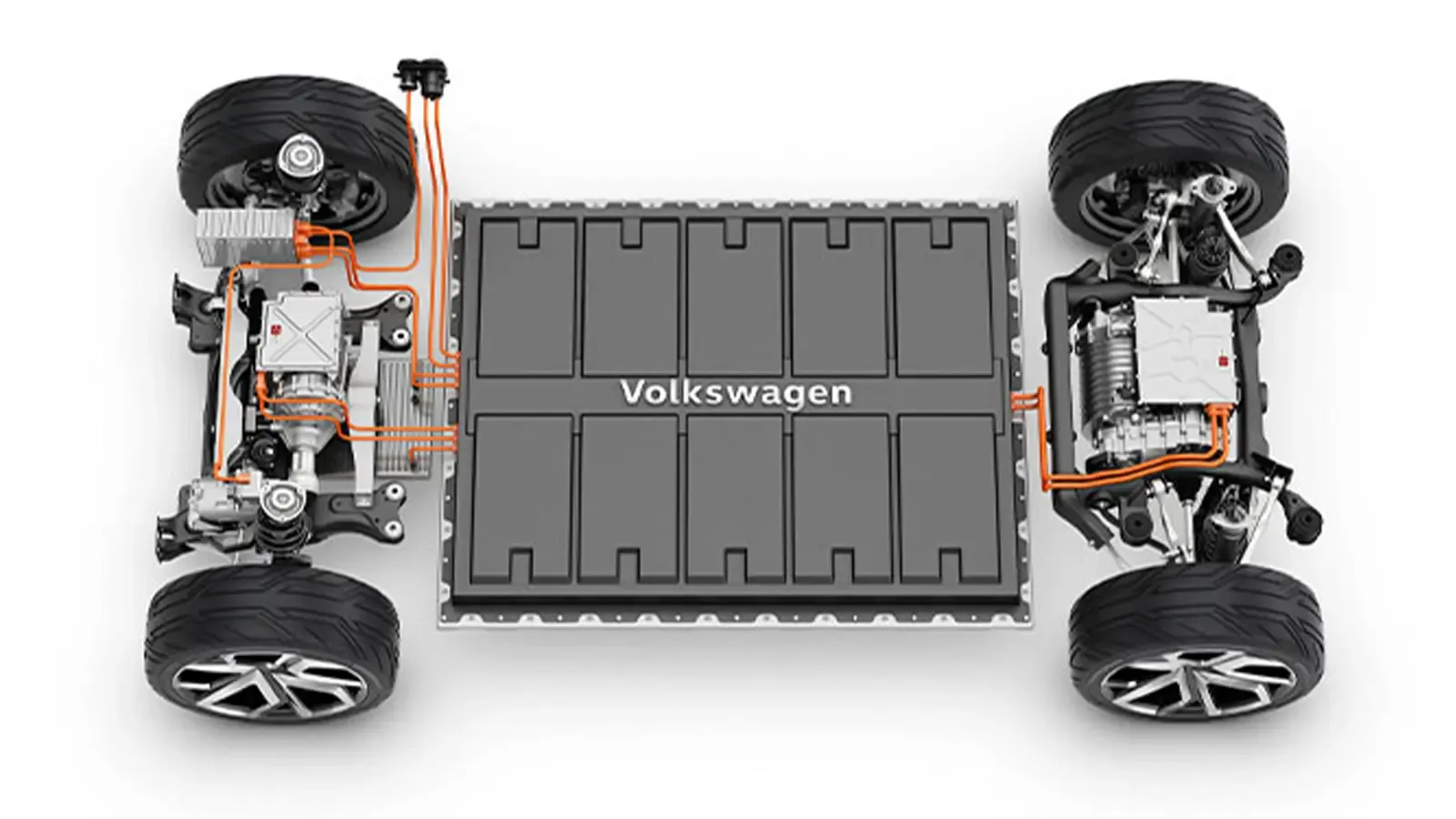
To make this electric dream come true, VW is banking heavily on its Modular Electric Drive matrix (MEB) platform. MEB stands for Modularer E-antriebs-Baukasten; that’s German for modular electric-drive toolkit. This involves using a chassis built on batteries and electric motors that can be used with multiple car and crossover bodies to create many different models. Imagine a skateboard as a base that different vehicles bodies can be attached to.
The roll-out includes 22 million vehicles on the road by 2028. Yes, those are high figures, but they have to be to meet the Paris climate targets. The global EV market is quickly gaining momentum. It is said that by 2025 EV sales in the UK and Germany will be up to 15 percent, the United States will be up to 6 percent and China will be up by 17 percent.
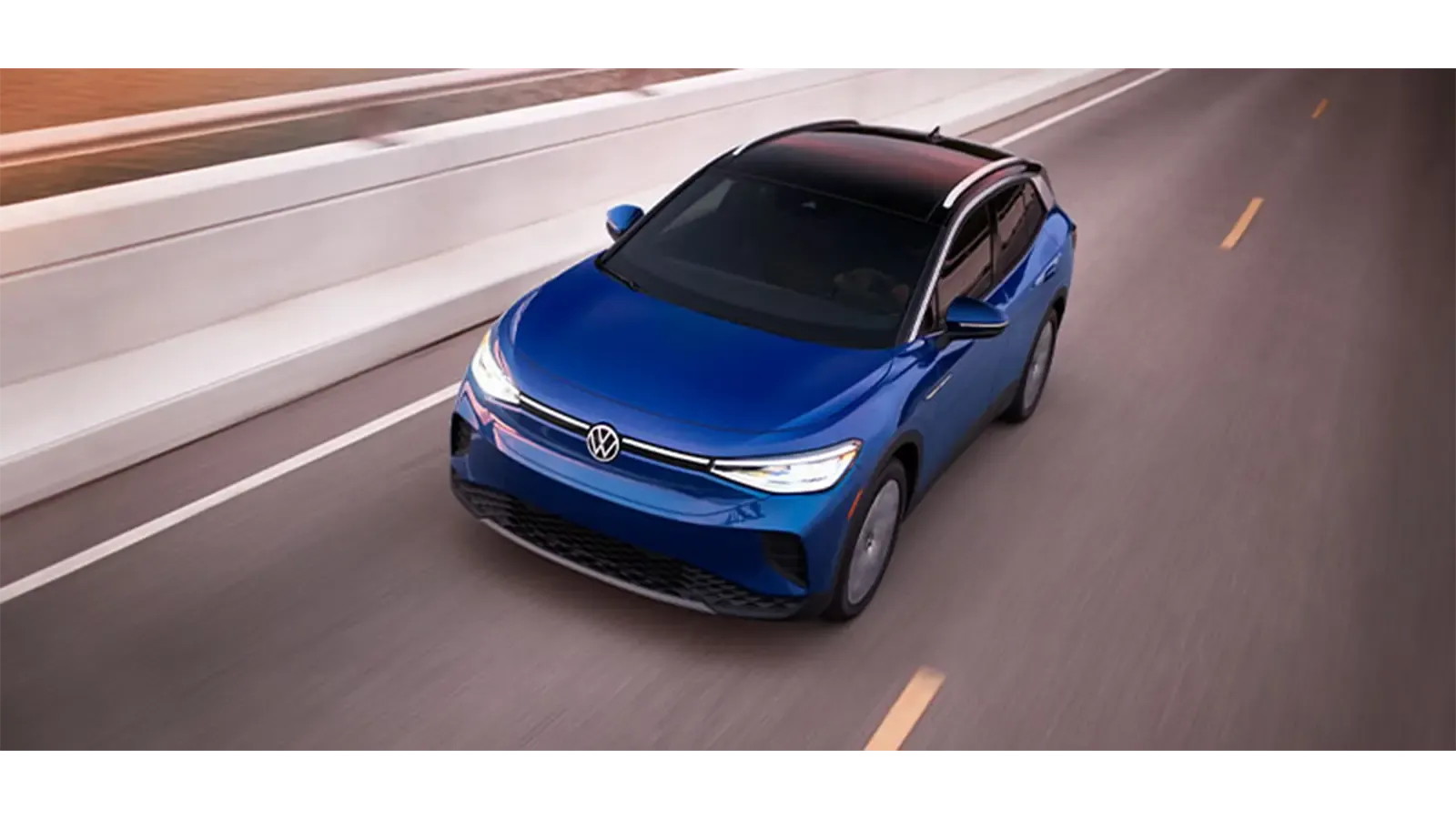
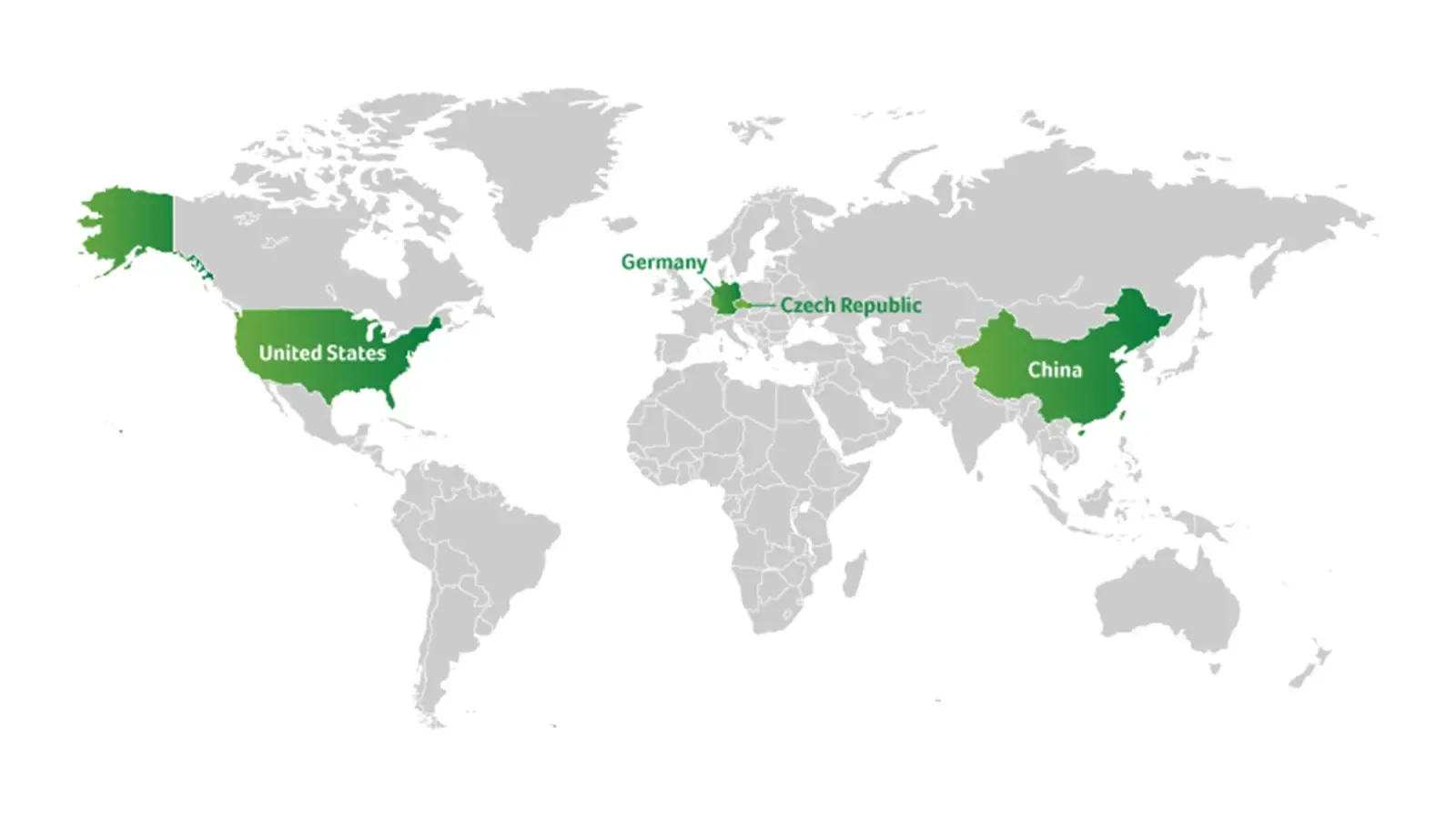
MEB vehicles will be produced at eight sites: four in Germany, one in the Czech Republic, one in the U.S. and one in China. VW believes that the electric car is the most efficient and best way to reach the climate targets for a volume player. There will be considerable focus on component sharing and cost cutting including the use of all-steel platforms and reliable cost-effective raw materials for batteries.
The ID brand will have a CO2 balance of zero. VW has investigated its supply chain and all of its suppliers will use green energy. The VW factory in Zwickau has already switched over to all green energy. This philosophy will extend to charging stations and even recycling of the car at the end of its useful life.
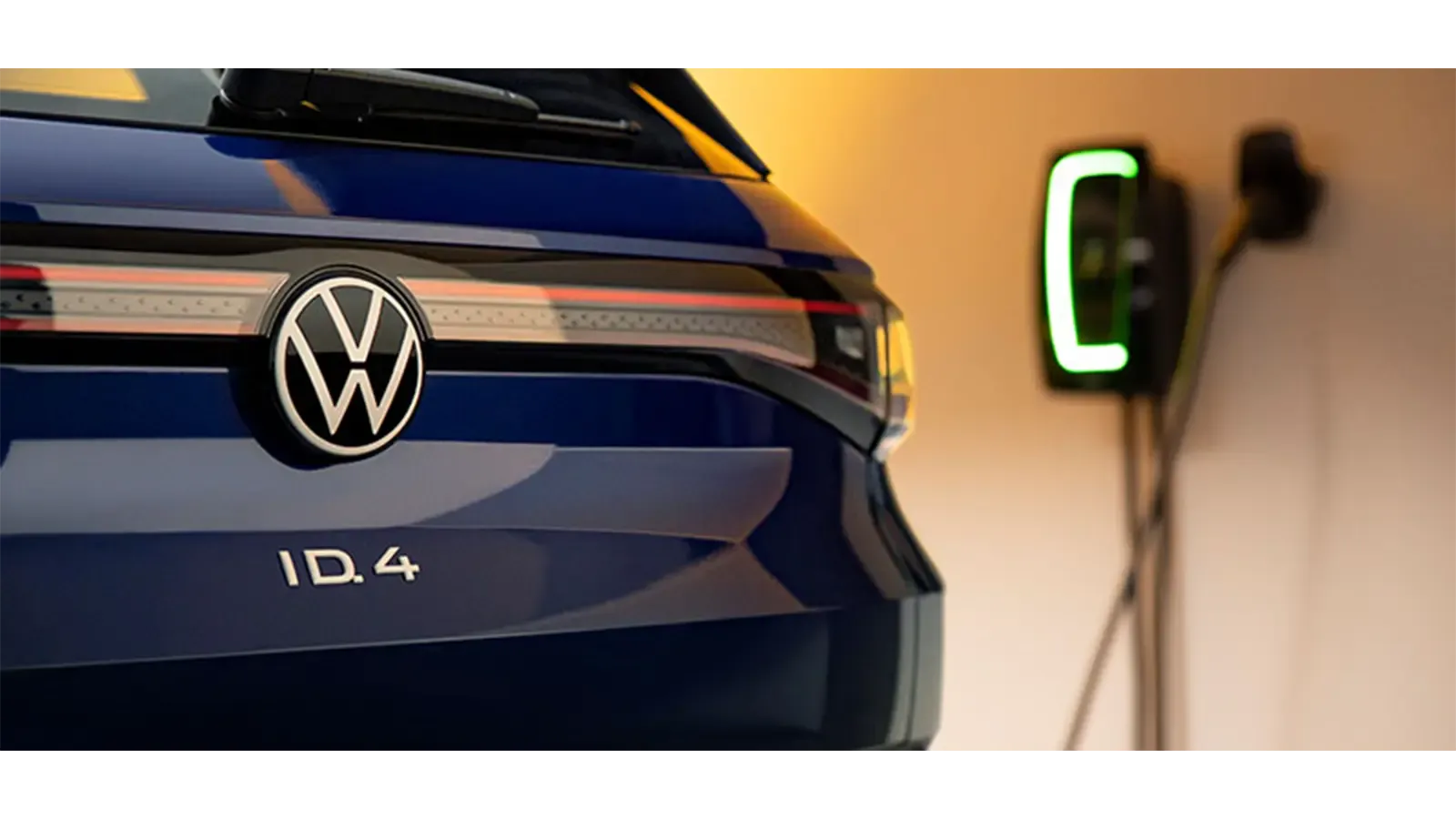
Some of the first all-electric vehicles from Volkswagen will include the ID.3, a four-door hatchback followed by the ID.4, a crossover SUV. Both will be available in America in 2021. Other EVs in the line that will be out soon include the ID Roomzz, the automakers first large SUV, available in China this year. There’s the sleek ID Vizzion luxury sedan, similar to the Tesla Model S, and the ID Buzz, a heavily stylized all-electric version of the famous VW Microbus minivan. VW is even thinking of doing an all-electric dune buggy called the ID Buggy that would be outsourced to other manufacturers.
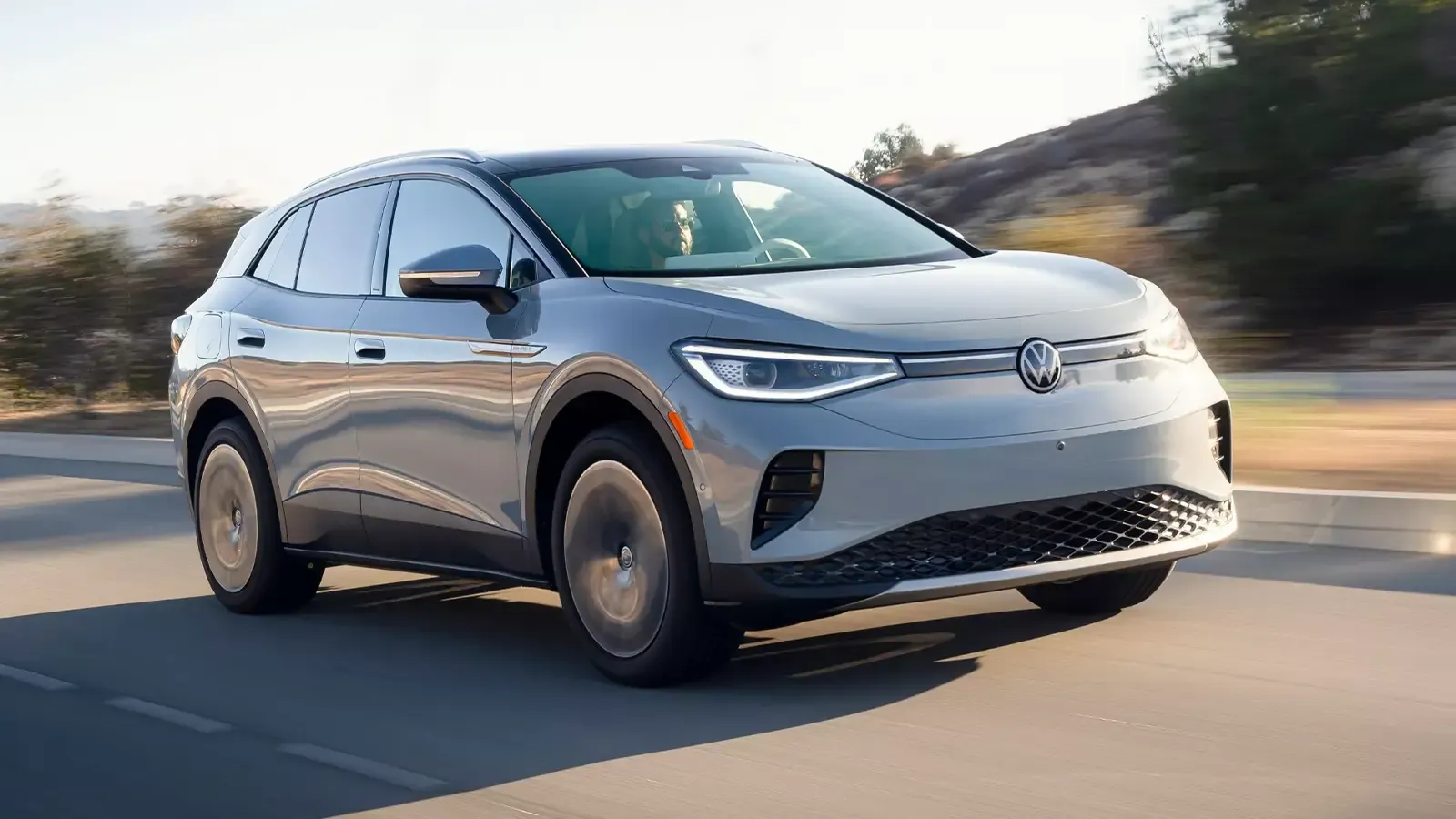
Battery range for these new ID vehicles could be up to 311 miles on a single charge with Level 3 DC fast charging times of 0-80% in 30 minutes. There is even talk of larger electric motors for some of these offerings that could deliver up to 301 horsepower. Also on the drawing-board are future ID vehicles that will include artificial intelligence and total autonomous driving.
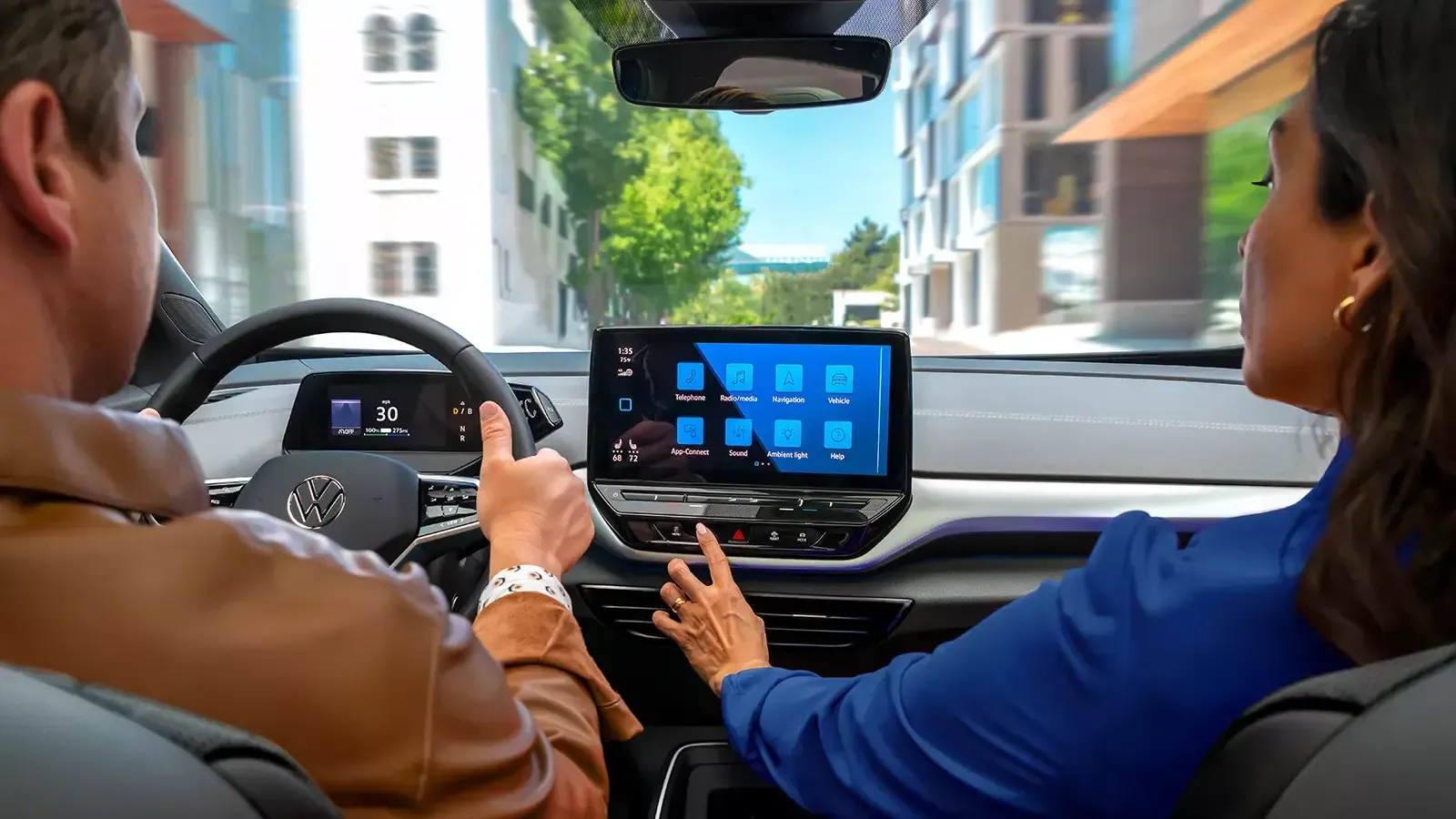
VW is focused on charging its ID cars as well. A new operating system called E3 will connect these vehicles to the cloud for technology updates while new mobile quick charging stations can be delivered anywhere to power the upcoming range of EVs. Each unit has a capacity of 360kWh and can charge up to 15 electric cars. Time to recharge is just 17 minutes, making for ultra-fast recharging at 100kW. These charging pods are getting a trial run in Germany right now to coincide with the launch of VW’s new ID range of EVs this year.
Get vehicle reviews, practical tips, and the latest GreenCars news.
AnnouncementsThe Volkswagen ID.4 becomes the ID Tiguan for 2027, with a sharper face, more range, a frunk, and a return to physical buttons for controls.
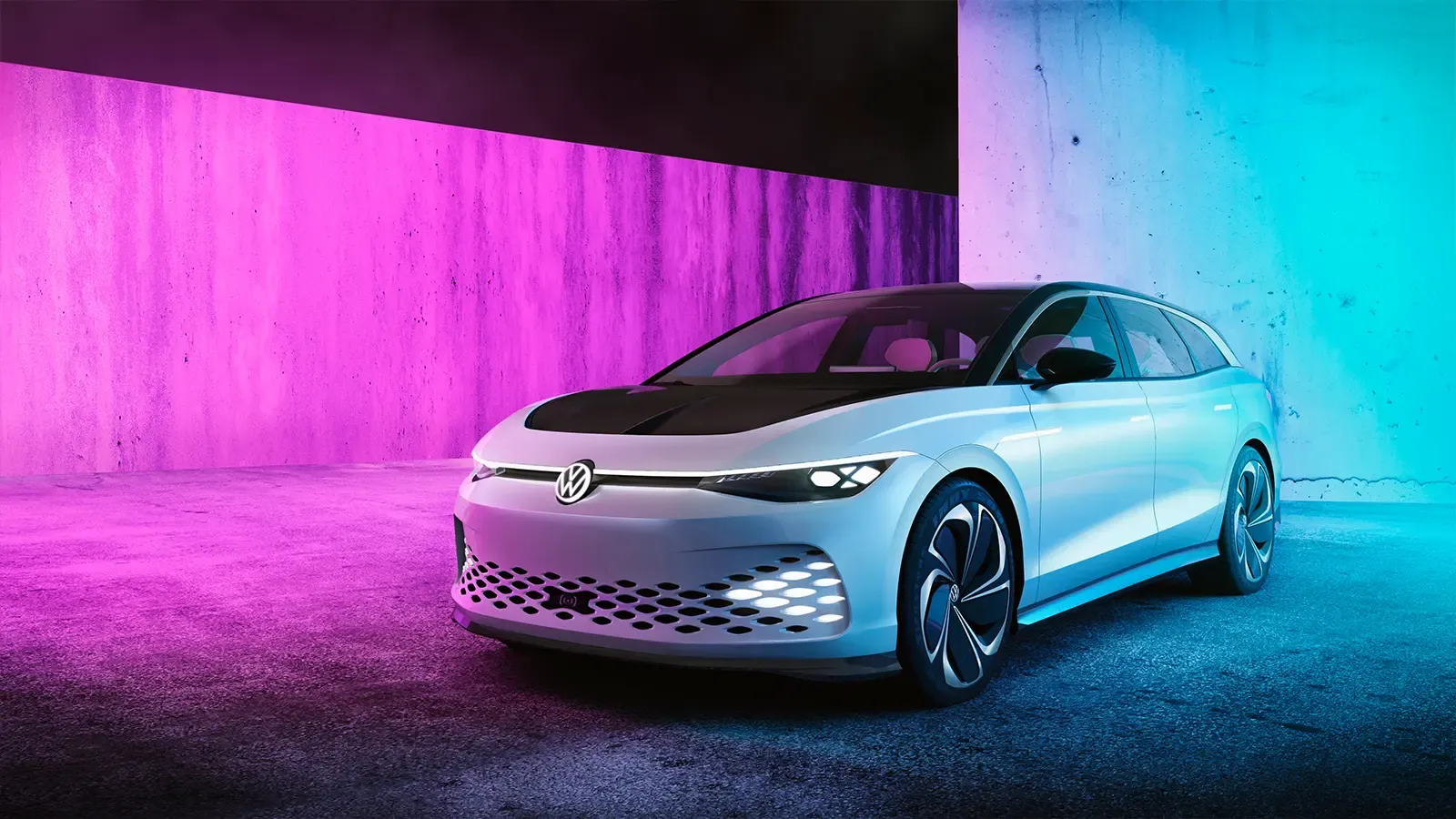 Announcements
Interested in an all-electric sedan with over 400 miles of range and a zero to 60 mph time of around five seconds? The Volkswagen ID.7 is capable of that and more. It can even charge 143 miles in just ten minutes. When can you get one? Read on.
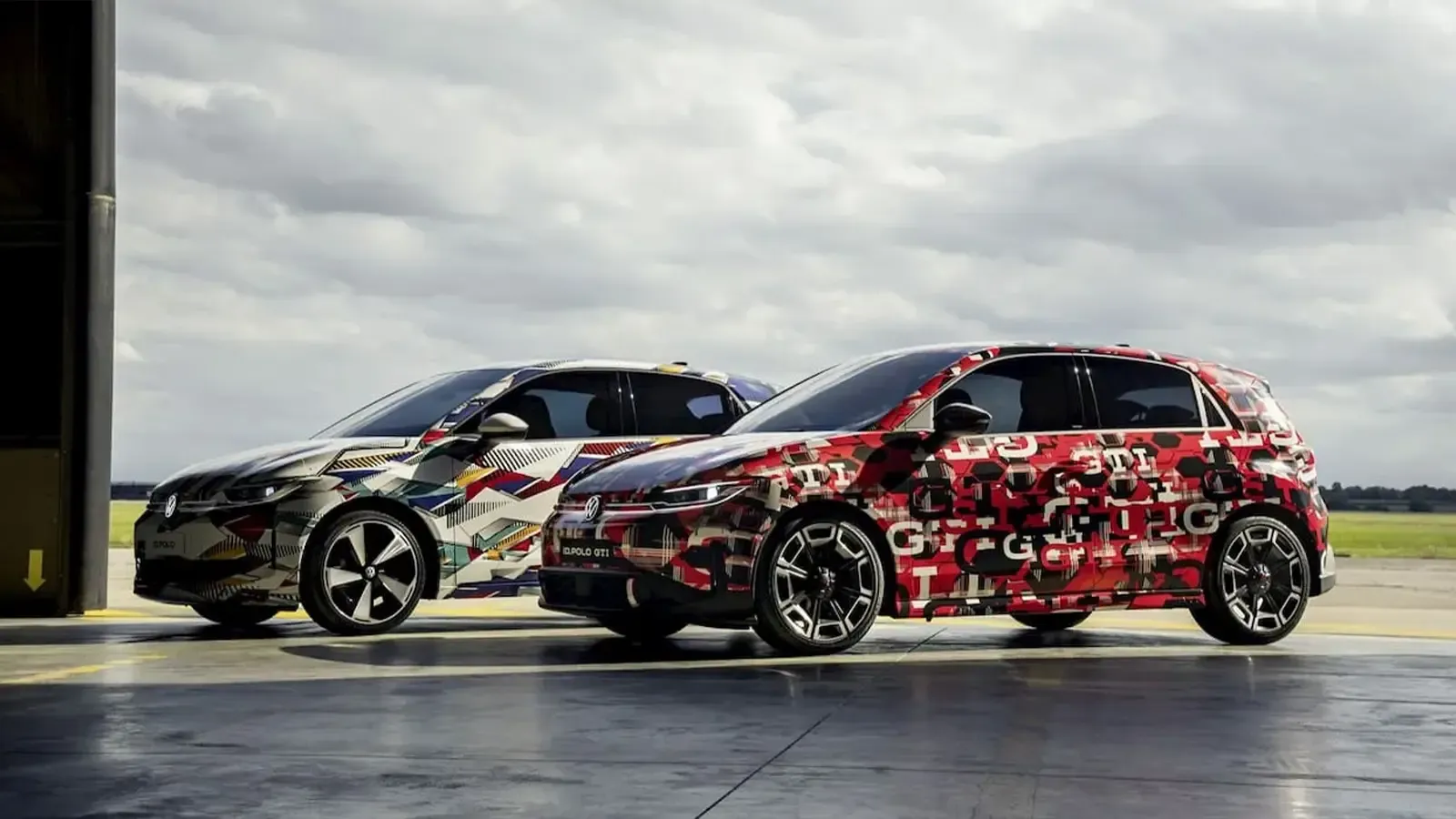 Announcements
VW is tired of naming its electric vehicles with a series of boring numbers. Coming soon, look for a new line of EVs that will bear the names of VWs past, and shake the electric world by producing cars that will bring you more “low dough go!”