


 Announcements
Inside GM's Plan for Its Next-Gen EVs
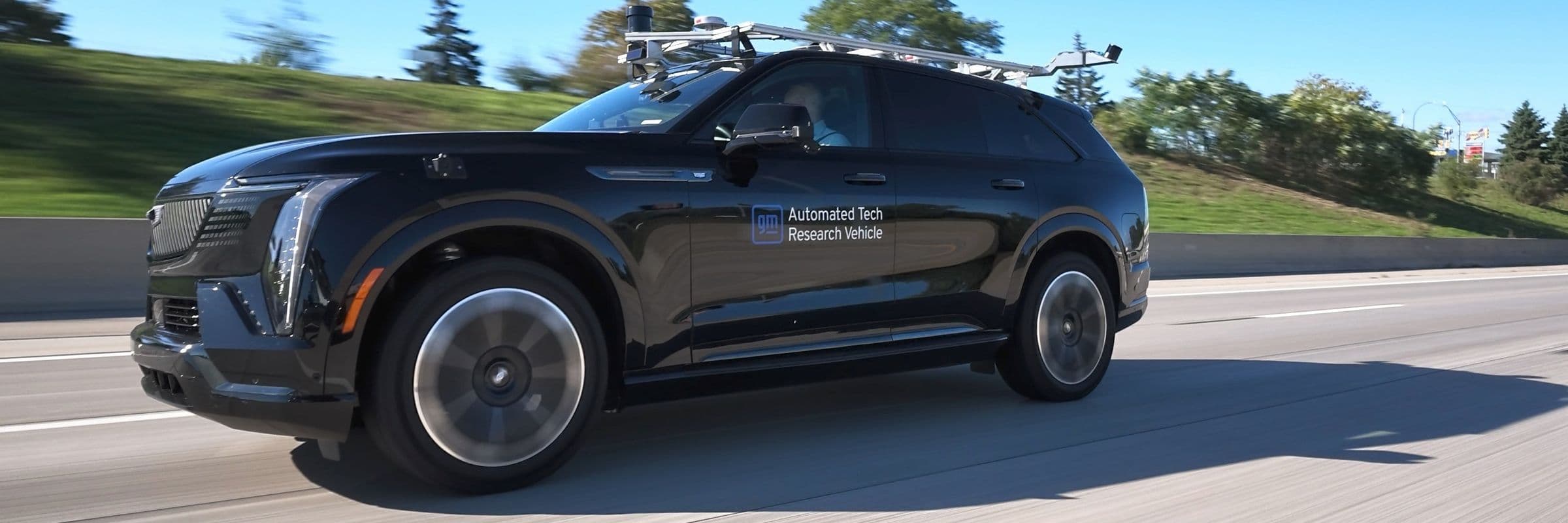
At its second annual GM Forward event in New York City, GM shared new details on OnStar AI, fourth-gen EVs, and the eyes-off highway driving system it's targeting for 2028.
Sam Abuelsamid7 min read

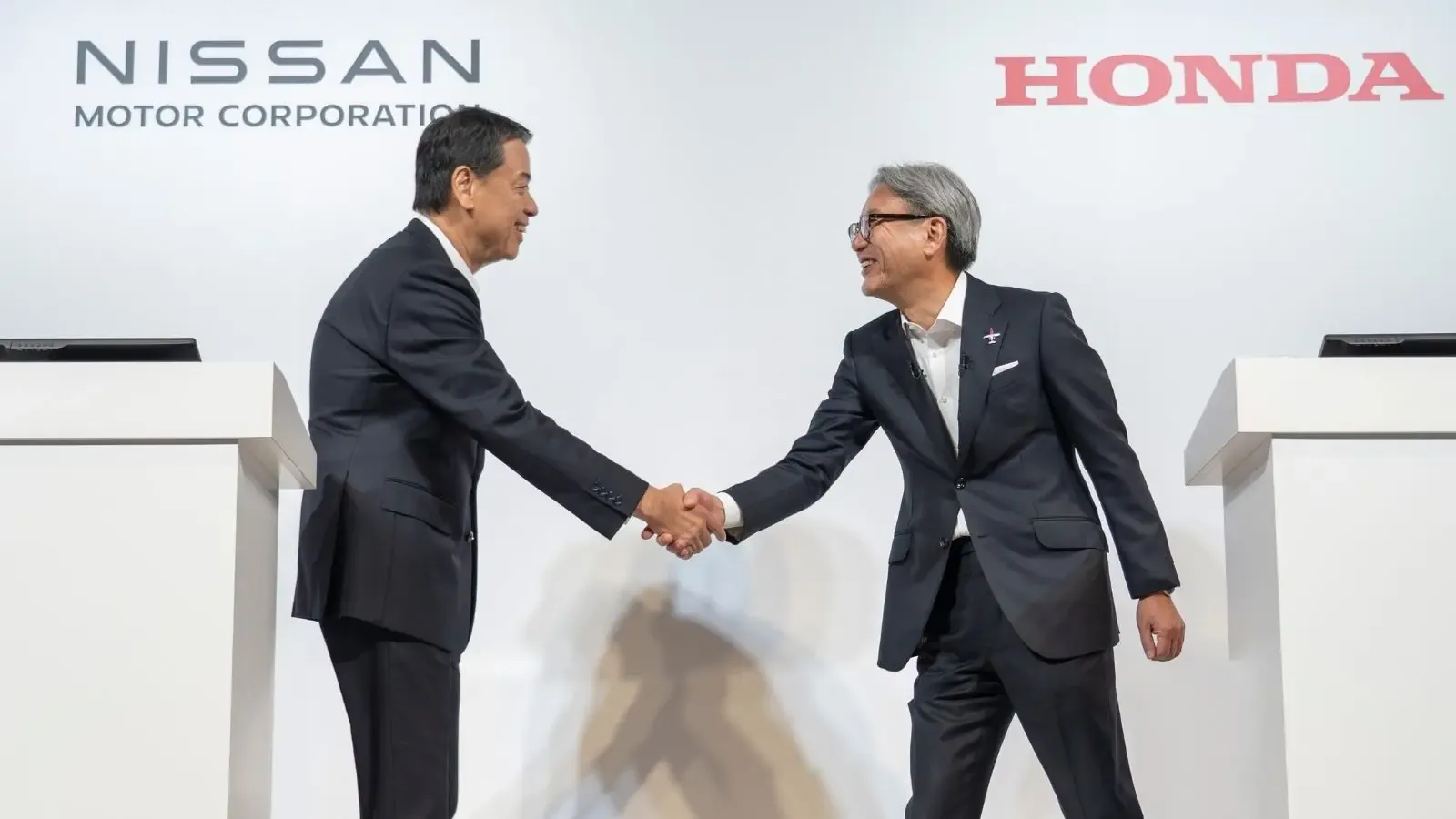
Honda and Nissan are the latest automakers to team up on software-defined vehicle tech. Why are legacy brands struggling to do it by themselves?
Software-defined vehicles have been a hot topic in the automotive industry for nearly a decade now. Tesla was arguably the first to go down this path, with the original Model S in 2012. Many EV startups have followed since, but legacy automakers have struggled to keep pace.
Last week, Honda and Nissan announced a joint development agreement. Along with the Volkswagen-Rivian joint venture, it could be the path forward for many companies in the coming years.
Cars have used software and electronic controls for more than 50 years. But until the past decade, most of that software was just there to enable the hardware. For example, the software in a stability control system processed sensor signals and controlled features such as the hydraulic actuator and torque requests to the engine. The code was typically finished before the vehicle even entered production, and it never changed throughout the vehicle's lifecycle. It ran on its own dedicated electronic control unit (ECU) that served no other functions. Modern vehicles have anywhere from 30 to more than 100 individual ECUs.
A software-defined vehicle (SDV) flips that. Automakers consolidate all those ECUs into as few as one and run all of the car's software on it. In older vehicles, the software was written for specific electronic hardware, so each ECU might be slightly different. SDVs typically add a software layer that translates communications between the applications that would have run on separate ECUs and the new centralized compute platform.
Ford’s latest EV architecture shows what this consolidation looks like in practice, with zonal controllers and central compute replacing a much larger collection of independent modules, so see inside another legacy automaker’s next-generation electronic architecture ➜
These systems are also designed to be updated remotely over the life of the vehicle. Applications can be modified or added to create new functionality that wasn’t there when the vehicle was built. Automakers can fix issues remotely instead of pulling cars into dealerships for service, and owners can get new capabilities on a car they've already had for several years.
The challenge is that these software platforms are far more complex than what came before, and enabling over-the-air (OTA) updates requires a fundamentally new way of working on software — new for the automotive industry, anyway. Newer automakers like Tesla, Rivian, and many of the Chinese automakers didn't have this problem. With no legacy organizations developing software through old methods for decades, they built everything from scratch using processes already common in the tech industry.
For legacy automakers, making this shift has been a huge challenge. Recruiting software engineers with the right skills has been difficult, and most have struggled to break from their traditional software development process. Companies like Volvo, Volkswagen, General Motors, and Ford wanted to take more control over their software platforms and chips, but this led to major delays in vehicle programs. When their vehicles finally launched, the software was often buggy and slow.
Some automakers are backing away from doing all software in-house and turning to partnerships instead. After multiple failed reorganizations of its Cariad software group, Volkswagen invested in Rivian and formed a joint venture that will bring Rivian-based software to its future vehicles. VW also has separate partnerships with XPeng and Horizon Robotics for the vehicles it develops and sells in China.
Software partnerships do not necessarily mean outsourcing the entire vehicle experience, so see how Ford is combining its own next-generation platform with Apple Maps and outside software technology ➜
Now, Nissan and Honda — neither of which has been at the forefront of software development — are teaming up as well, though few details have been released by either company. Honda had developed an all-new centralized electronic architecture for its 0 Series EVs, originally planned to launch this year, along with an operating system it called Asimo (named for Honda's humanoid robot from nearly 20 years ago). But Honda canceled that entire program a few months back.
It’s not clear yet whether the new shared platform will be based on that work or start from scratch. Starting over may take longer to bring to market, and neither company can afford to wait much longer. The first vehicles built on this shared architecture are expected to debut by 2029.
GM and Ford are pressing ahead with their own software platforms, but expect more automakers, especially smaller ones, to either team up with competitors or turn to dedicated software companies like QNX and Elektrobit. Either way, drivers only interact with the top-level user interfaces, which each brand can still customize to feel like its own. As long as it works, most of us won't notice the underlying software.
More centralized computing also creates the foundation for increasingly sophisticated driver assistance, so see how software, sensors, and computing are reshaping automated driving in 2026 ➜
2027 Rivian R2 First Drive Review: A Smaller Rivian, A Better Ride
Rivian provides a useful look at how a newer automaker builds hardware, software, infotainment, and driver-assistance technology around a unified vehicle platform.
Read More ➜
GM Plans to Bring Eyes-Off Driving to the Escalade IQ in 2028
GM’s next centralized computing architecture shows why future software platforms have to coordinate everything from infotainment to safety-critical steering and braking.
Read More ➜
2026 Nissan Leaf Delivers on What a Modern, Affordable EV Should Be
The current Leaf provides a snapshot of Nissan’s customer-facing EV technology before the company begins deploying its next generation of shared SDV foundations.
Read More ➜
Get vehicle reviews, practical tips, and the latest GreenCars news.
AnnouncementsAt its second annual GM Forward event in New York City, GM shared new details on OnStar AI, fourth-gen EVs, and the eyes-off highway driving system it's targeting for 2028.
 Announcements
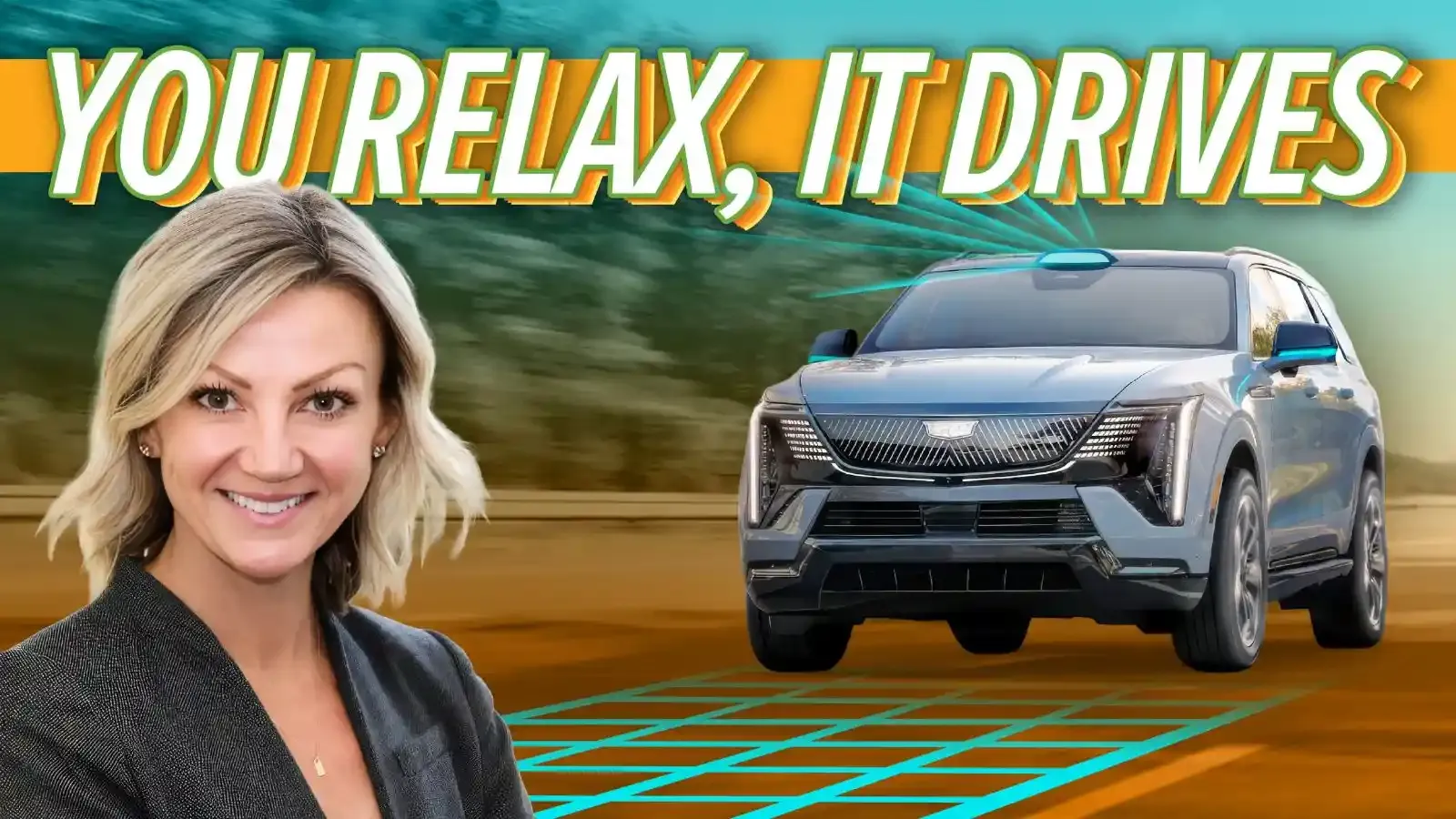
GM plans to introduce eyes-off highway driving on the Cadillac Escalade IQ in 2028. Mandi Damman explains why letting drivers look away requires vehicle-mounted lidar, overlapping sensors, redundant controls, more powerful computing, and a far deeper approach to testing.
 Trends
Magna built its powertrain business on gears, transmissions, and four-wheel-drive hardware. Today, roughly 60 percent of its powertrain engineering workforce works on software, using code, AI, and digital twins to improve EV range, hybrid efficiency, traction, refinement, and vehicle development.