
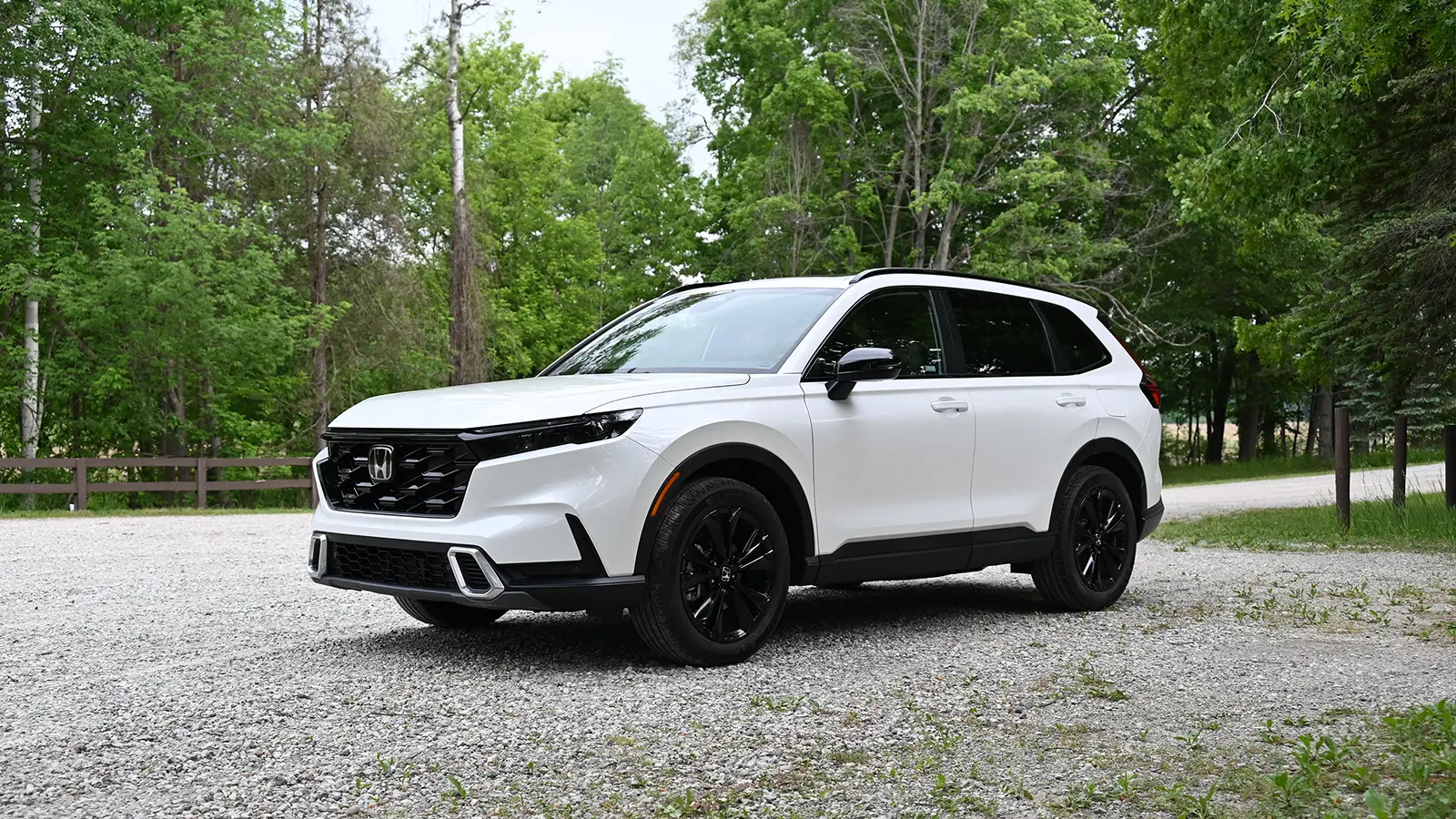

Fast Facts | 2026 Honda CR-V AWD Hybrid Sport Touring
⚡ Power: Honda’s Two-Motor Hybrid System produces 204 horsepower
⛽ Fuel Economy: EPA-estimated at 40 mpg city, 34 mpg highway, and 37 mpg combined
🚘 Drivetrain: Sport Touring Hybrid comes with all-wheel drive
🧳 Cargo Space: 34.7 cubic feet behind the second row and 71.8 cubic feet with the rear seats folded
📱 Screens: 10.2-inch digital instrument cluster and 9.0-inch central touchscreen
🧭 Infotainment: Google Built-In, wireless Apple CarPlay, wireless Android Auto, and wireless charging are standard
Honda makes things easy. If you want a vehicle that’s reliable, economical, nicely trimmed, and good to drive, just get one with the big H on the grille. You probably won’t be disappointed, especially if you’re shopping for a small SUV. The segment is crowded these days, but aside from a couple of minor gripes, the 2026 CR-V Hybrid is easily one of the best offerings out there.
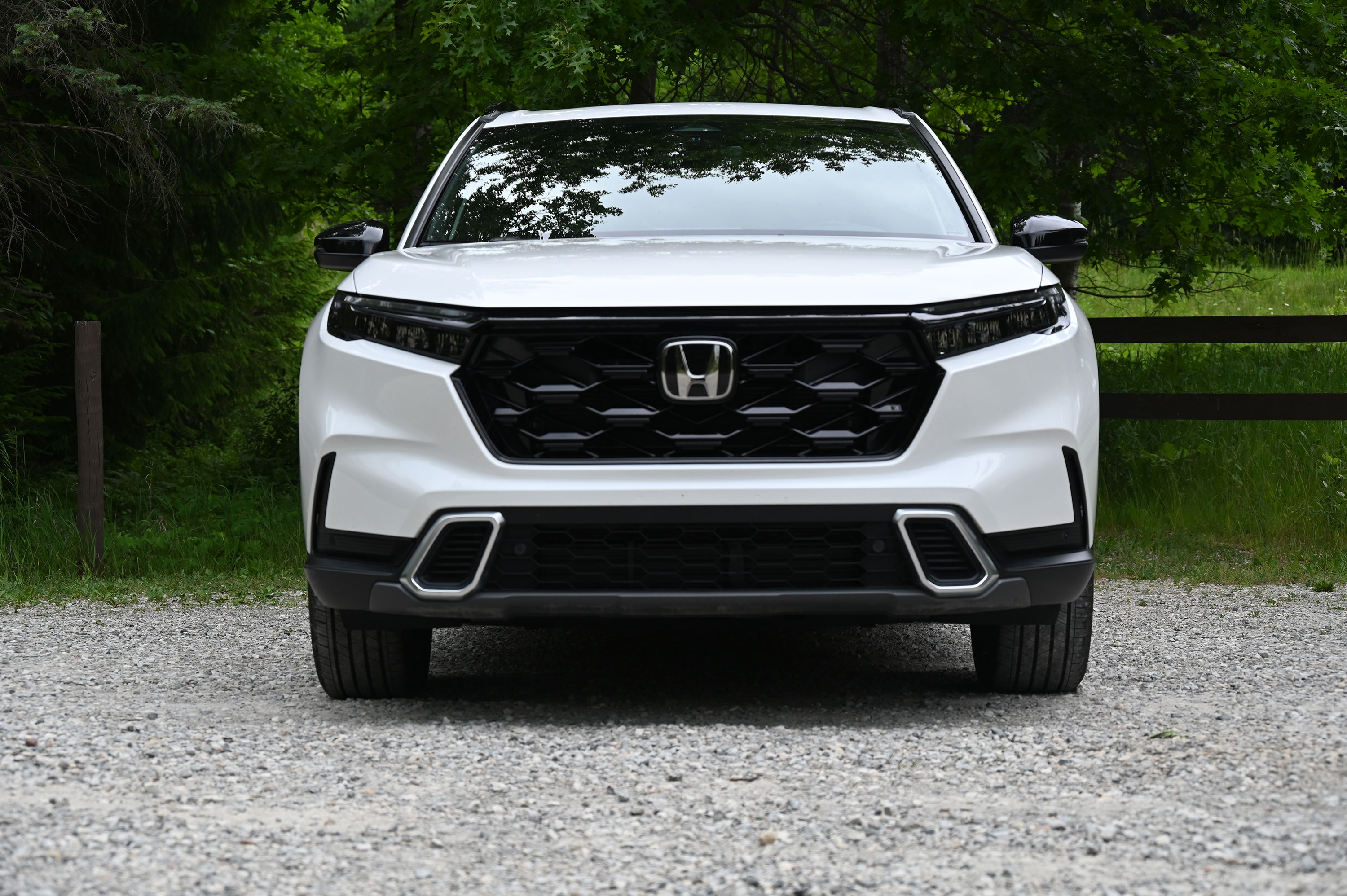
Popular for a Reason, or Rather, Reasons
The CR-V is Honda’s bestseller in the U.S., and it’s easy to understand why. It's handsome, versatile, drives well, and offers plenty of room and tech. It delivers a lot more than you might expect from something this approachable and popular.
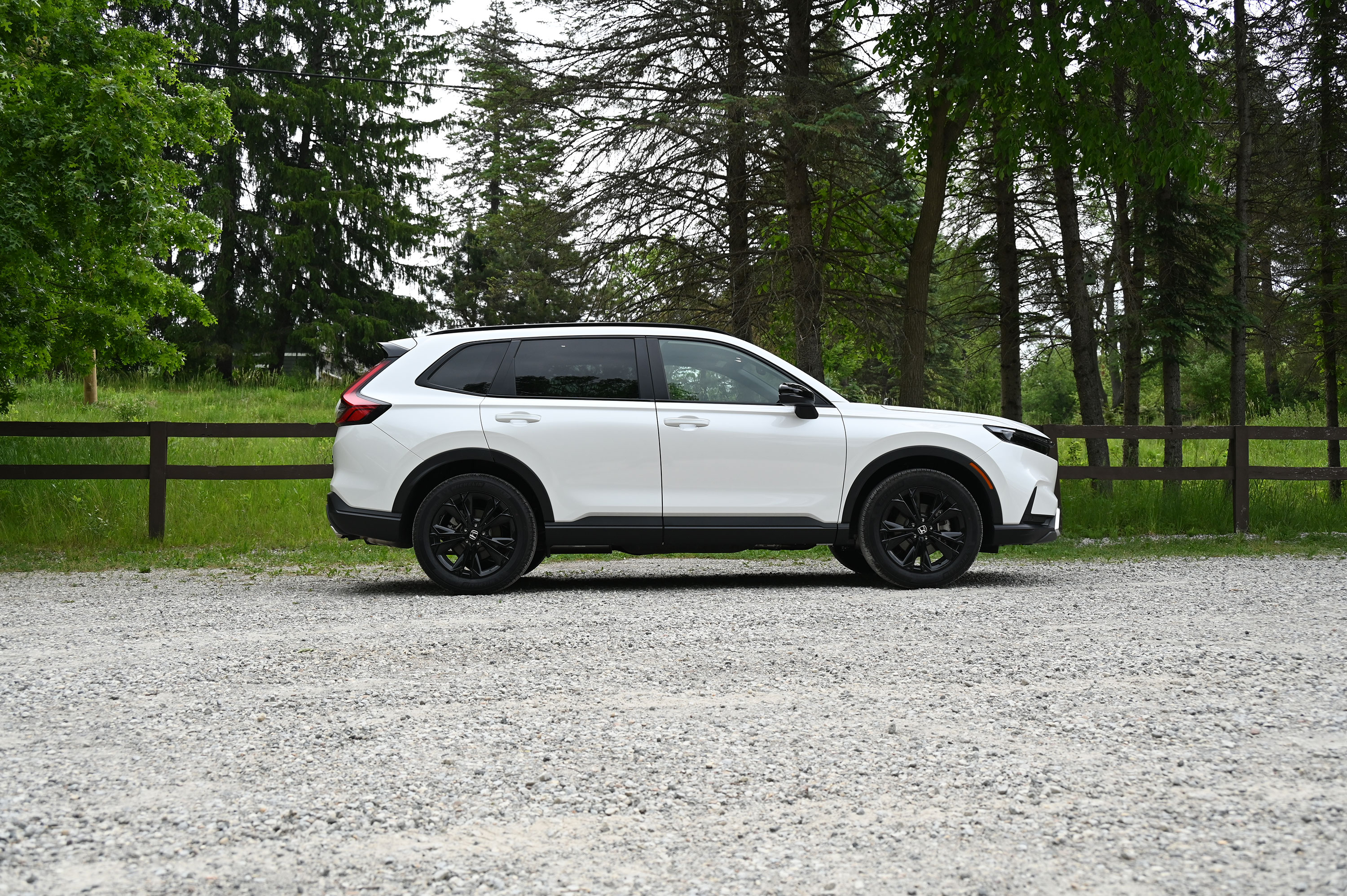
The Hybrid adds significantly improved fuel economy on top of all that. It comes in four trims covering a wide price range: the base Sport, the ruggedized TrailSport, the up-level Sport-L, and the top-of-the-line Sport Touring tested here, which did not disappoint.
If the CR-V Hybrid has you comparing efficient SUVs beyond Honda, see which fuel-saving crossovers deserve a spot on your list ➜
Wait, is This a Luxury Car?
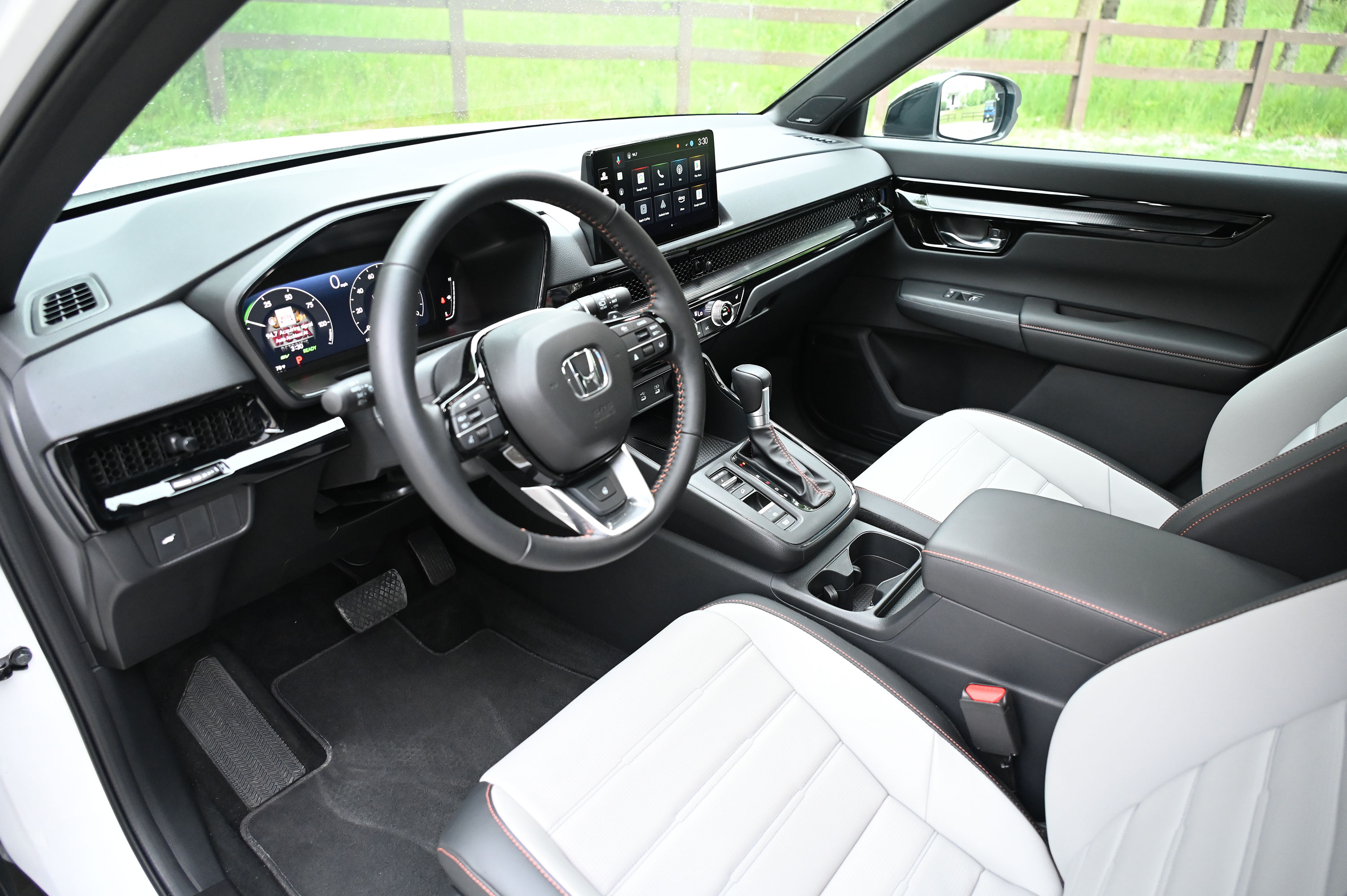
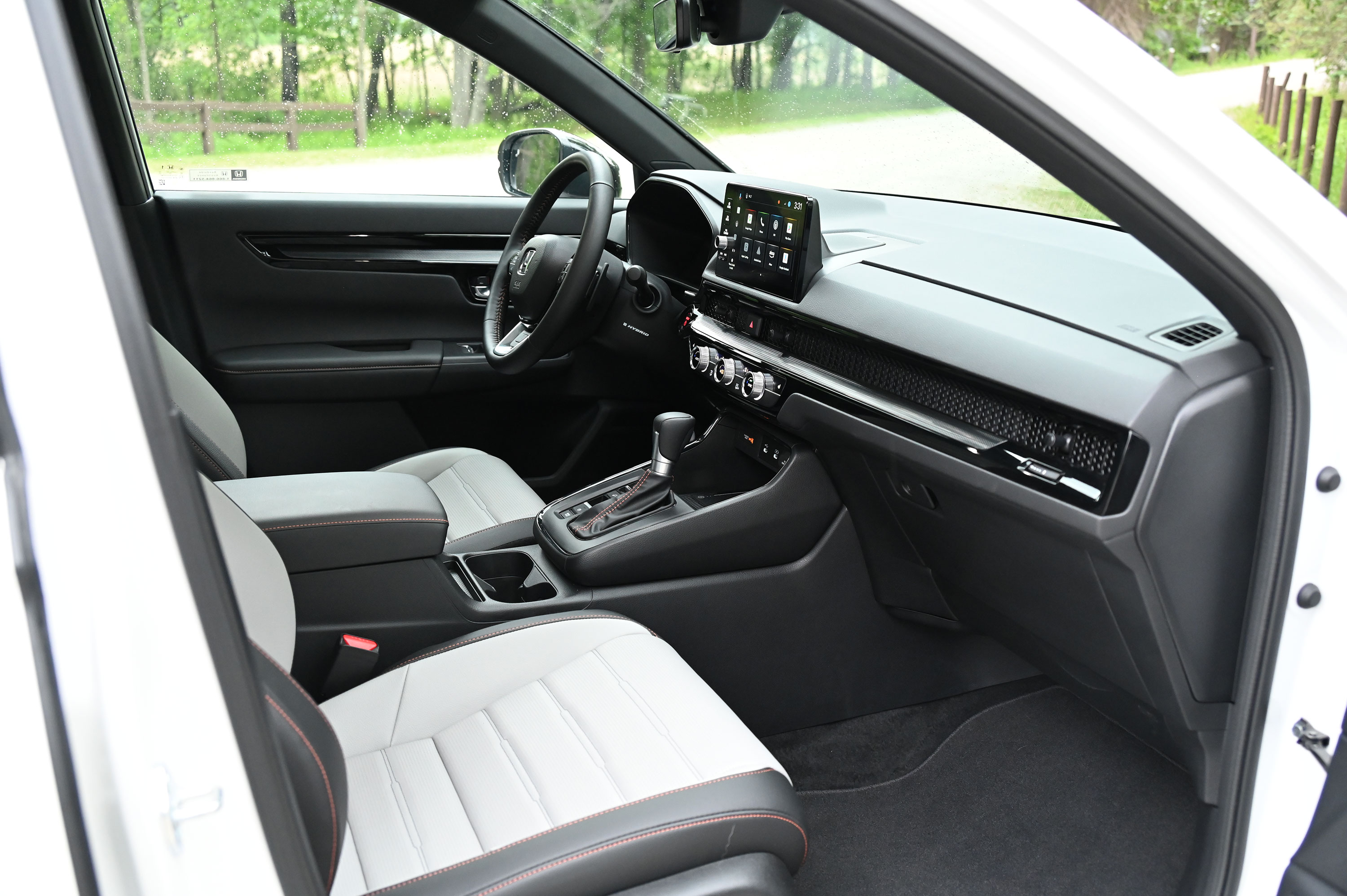
Popping a door and sliding inside, the CR-V Hybrid immediately impresses. The dashboard is simple and clean, with intuitive controls that are easy to reach. This is a car interior, not an art installation, and I appreciate Honda’s form-follows-function approach here.
There’s a lot of richness, too. The soft plastic on the door panels and dashboard looks premium, the little air-vent joysticks move with a well-oiled slickness, and every button and switch feels expensive.
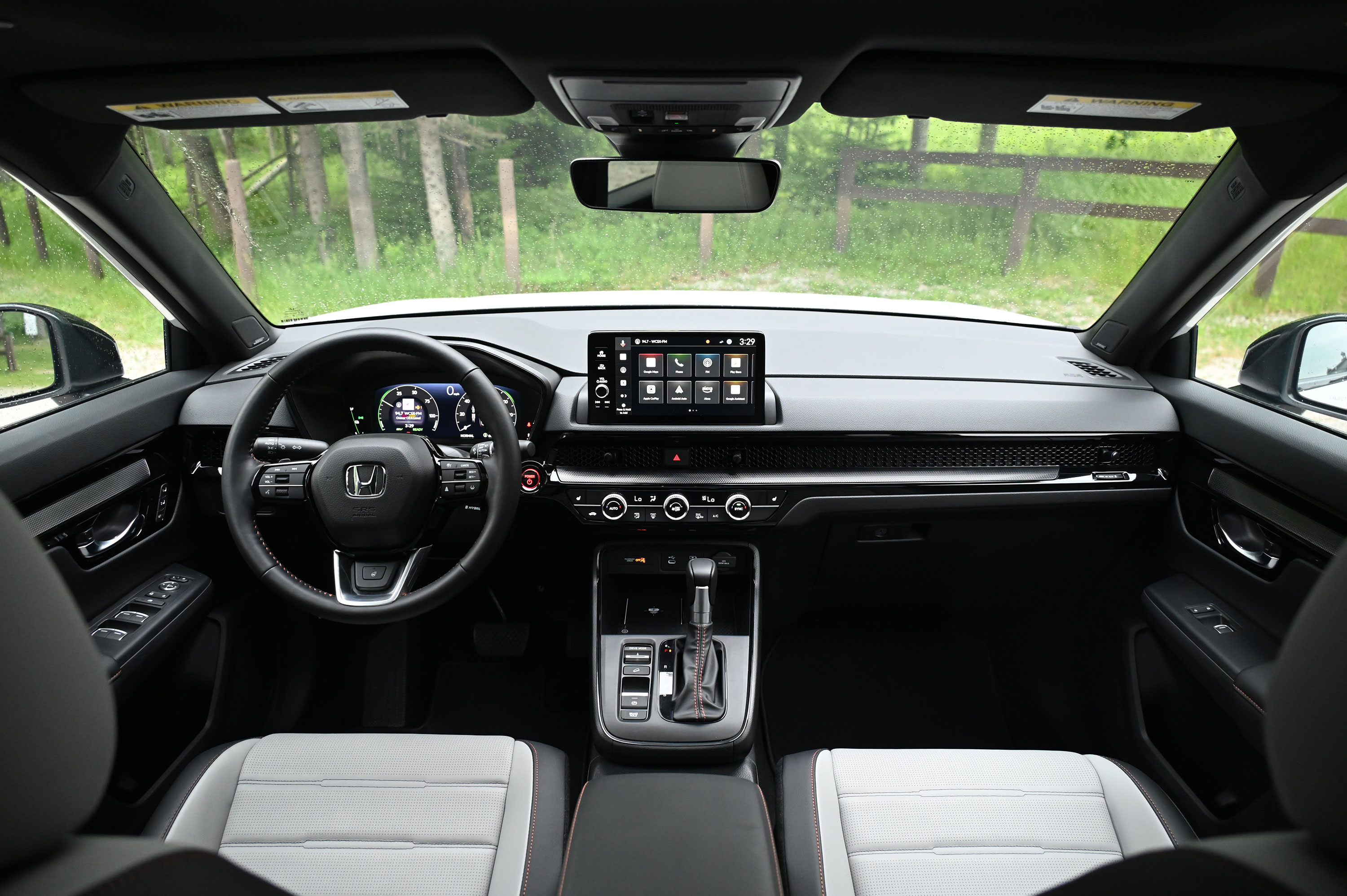
Sport Touring Hybrids come with a 10.2-inch digital instrument cluster that's easy to read at a glance. Every trim has a 9.0-inch central touchscreen that works just fine, but looks small by 2026 standards.
This model also comes with Google Built-In, which provides a digital assistant, live maps, and more. Honda’s infotainment system is intuitive and responsive. Seriously, this system absolutely rips when you use it. Wireless Android Auto and Apple CarPlay, and a wireless charging pad are standard equipment, too.
Comfortable and Spacious
Sport Touring Hybrids come standard with leather trim, heated front seats, and a heated steering wheel. Every CR-V Hybrid has a 10-way power driver’s seat with adjustable lumbar.
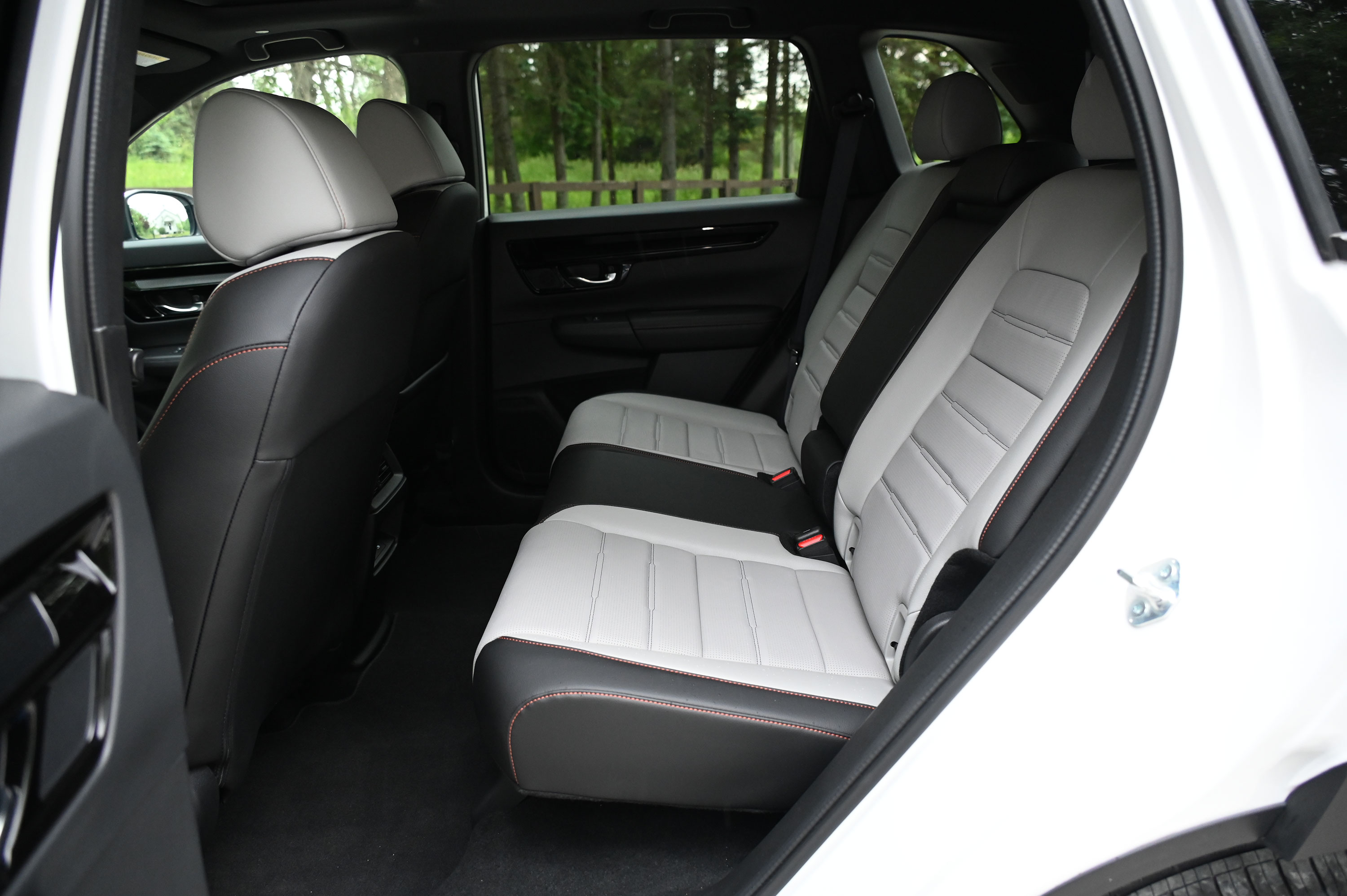
The front seats are decent. Typical for Honda, they’re a bit too wide, flat, and firm for my taste, but they’re not terrible. The rear bench, meanwhile, offers more room than the CR-V's compact footprint suggests, plus the split backrest offers a wide range of adjustability, though the control handles are at the top corners.
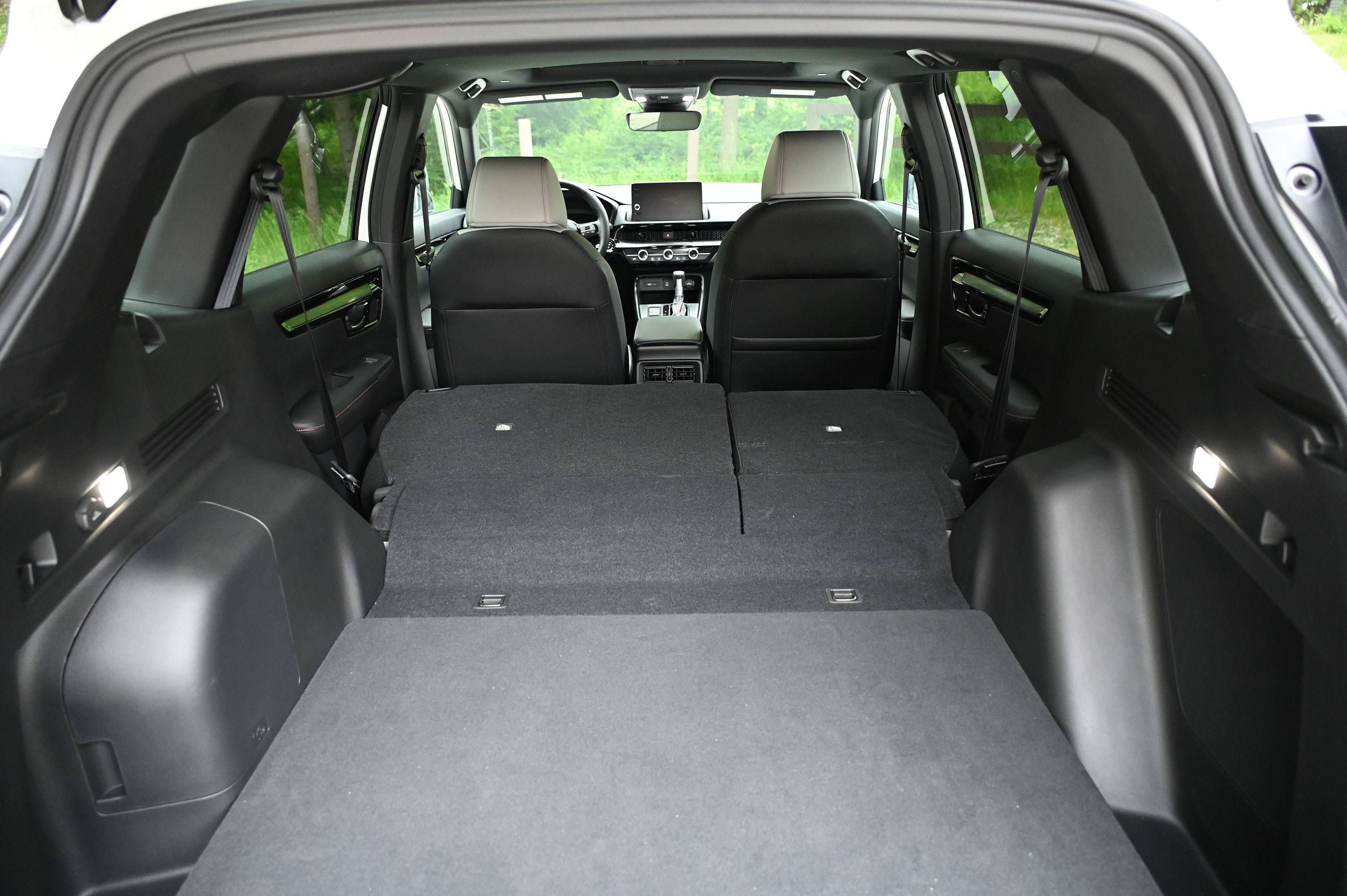
Cargo space comes in at an impressive 34.7 cubic feet behind the second-row seat, expanding to a generous 71.8 cubes with the seats folded. There’s a lot more cargo space in this small SUV than you might expect.
Liquid-Smooth and Efficient, Too
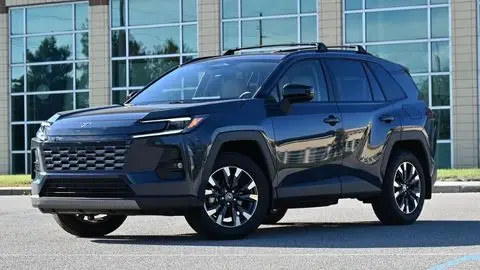
While not quite as powerful or economical as Toyota’s mainline hybrid drivetrain, Honda’s Two-Motor Hybrid System still works exceptionally well. Built around a 2.0-liter four-cylinder engine, this setup cranks out a respectable 204 horsepower. In comparison, a front-wheel-drive 2026 RAV4 has 226 ponies, or 236 with all-wheel drive.
When it comes to fuel economy, the Sport Touring Hybrid performs very well, returning an EPA-estimated 40 mpg in the city, 34 on the highway, and 37 combined. The comparable RAV4 Limited AWD tops that figure by returning 41 mpg combined. A difference of 4 mpg looks huge, but it isn’t that big a gulf in real-world driving.
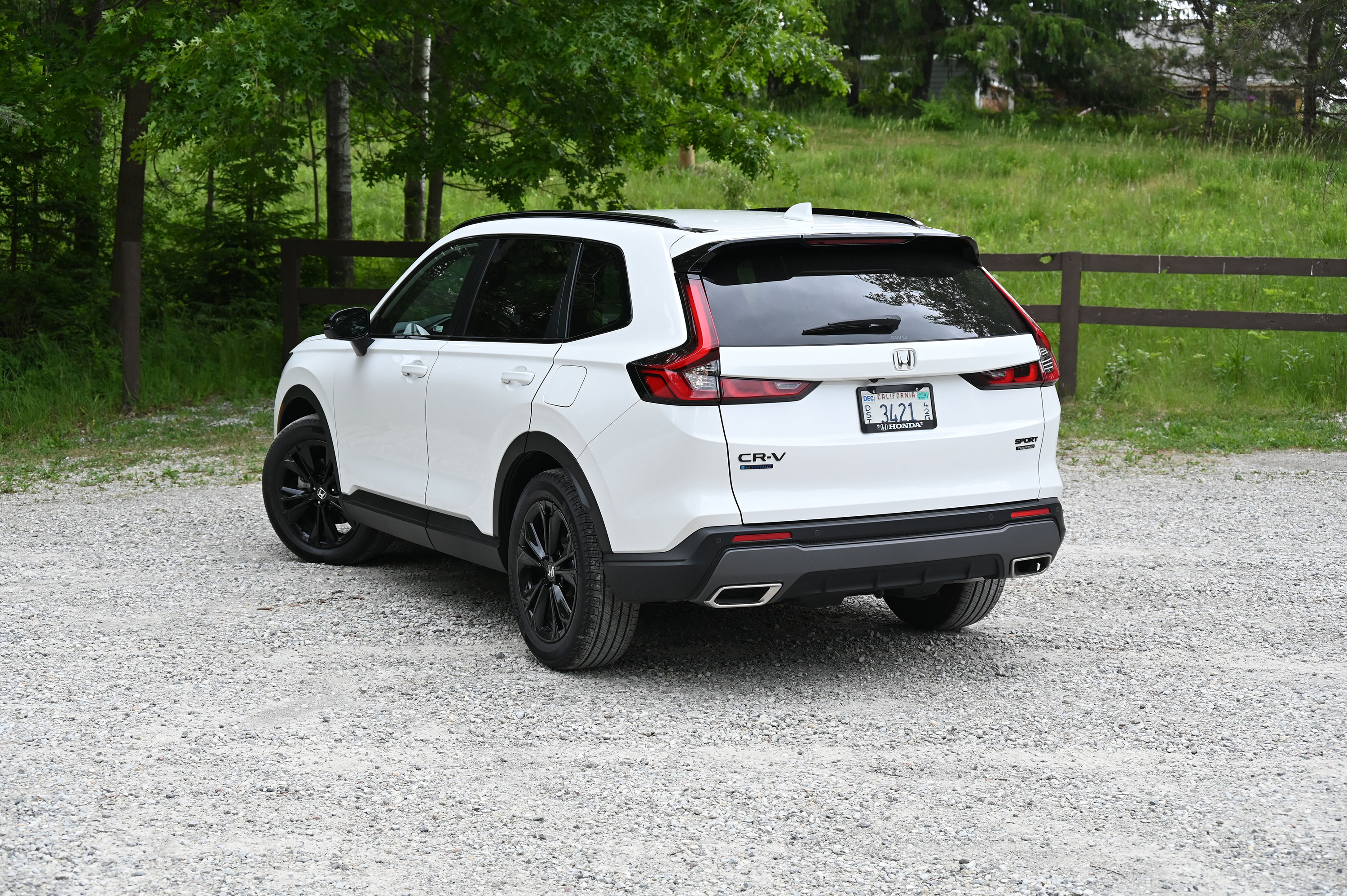
Where the CR-V pulls ahead is refinement. This powertrain is just liquid smooth. The gasoline engine is super quiet and feels zippy, totally friction-free. Toyota’s hybrids are good, but they don’t feel as pleasant as this one.
Despite the horsepower deficit compared to a RAV4, the CR-V Hybrid accelerates very well, with zero trouble getting up to speed. The performance is excellent, especially when you consider the fuel efficiency.
The Ride and Handling are Great, Too
The CR-V's steering is just about perfect for a modern SUV, moderately weighted and plenty crisp. Similarly, its ride is well controlled. Body movements are small and settle quickly. The suspension also does a fantastic job keeping noise and harshness out of a cabin that always stays quiet, no matter how fast you’re going.
For shoppers who want hybrid efficiency without giving up all-weather confidence, compare more all-wheel-drive hybrids before you choose ➜
Braking is firm and easy to modulate. In fact, you can’t tell the difference between regenerative braking and when the friction brakes start to bite. Honda also provides paddles on the steering wheel that allow you to adjust how aggressive the regenerative braking is, and a B mode on the gear selector that provides additional regenerative braking, designed primarily for long downhills.
The CR-V Hybrid comes with plenty of advanced driver-assistance technologies in the Honda Sensing suite. There are way too many features to list, but all models have adaptive cruise control, lane-keeping assist, road sign recognition, automatic high beams, and more. Depending on trim, you can also get front and rear parking sensors and rain-sensing wipers.
You Pay for the Privilege
It’s easy to see why the CR-V is Honda’s bestseller. It excels at just about everything, and the Hybrid model’s strong fuel efficiency is another huge benefit. You pay for the privilege, though.
The base front-wheel-drive CR-V Sport Hybrid has an MSRP of $37,080, with $1,450 in destination fees. As for the RAV4, the comparable entry-level LE model kicks off around $33,495, with $1,595 for delivery, a big savings.
The example tested here has an estimated MSRP of $44,455, including $455 for Platinum White Pearl paint and $1,450 in destination fees. That MSRP does seem a bit steep for a mainstream SUV, but this Honda punches far above its class and feels like it’s worth every penny.
🚙 More Hybrid SUV Picks
Honda CR-V Hybrid vs. Toyota RAV4 Hybrid
Compare the CR-V Hybrid and RAV4 Hybrid on space, tech, mpg, and driving feel to see which bestseller fits your life.
2026 Kia Sportage Hybrid Review
Kia’s refreshed Sportage Hybrid brings strong fuel economy, standout rear-seat space, and lower pricing against key CR-V and RAV4 rivals.
2025 Mazda CX-50 Hybrid Review
The Mazda CX-50 Hybrid gives compact SUV shoppers another efficient alternative with upscale style and a more premium road feel.