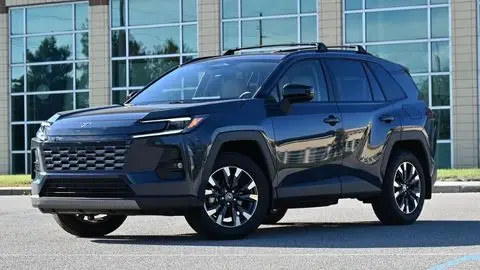

Fast Facts | 2026 Toyota Corlla Cross Hybrid
⚡ Power: 196-hp hybrid system with three electric motors
🔋 Efficiency: Real-world 40–41 mpg combined
🚙 Drivetrain: Standard all-wheel drive for all hybrid trims
📏 Space: 21.5 cu. ft. cargo room behind rear seats
💸 Value: Saves ~$500/year in fuel vs gas AWD model
🛠️ Updates: New styling, upgraded screens, improved driver-assist tech


A Practical Hybrid for Real-World Driving
The 2026 Toyota Corolla Cross Hybrid does a lot of things really well: it’s spacious enough for four adults and their cargo, the controls are uncomplicated, and real-world fuel economy hovering around 40 mpg means fewer stops at the pump.
That is, unless you want something a little zesty. Even in the top XSE trim I tested, which is (allegedly) the sportiest version of the refreshed-for-2026 Corolla Cross Hybrid, this fuel miser is no thrill ride. But for most shoppers who want something reliable, fairly comfortable, and built to last, that's not a dealbreaker.
Here’s what you need to know about a crossover that should probably be on your shopping list.
What's New for 2026? Just Enough
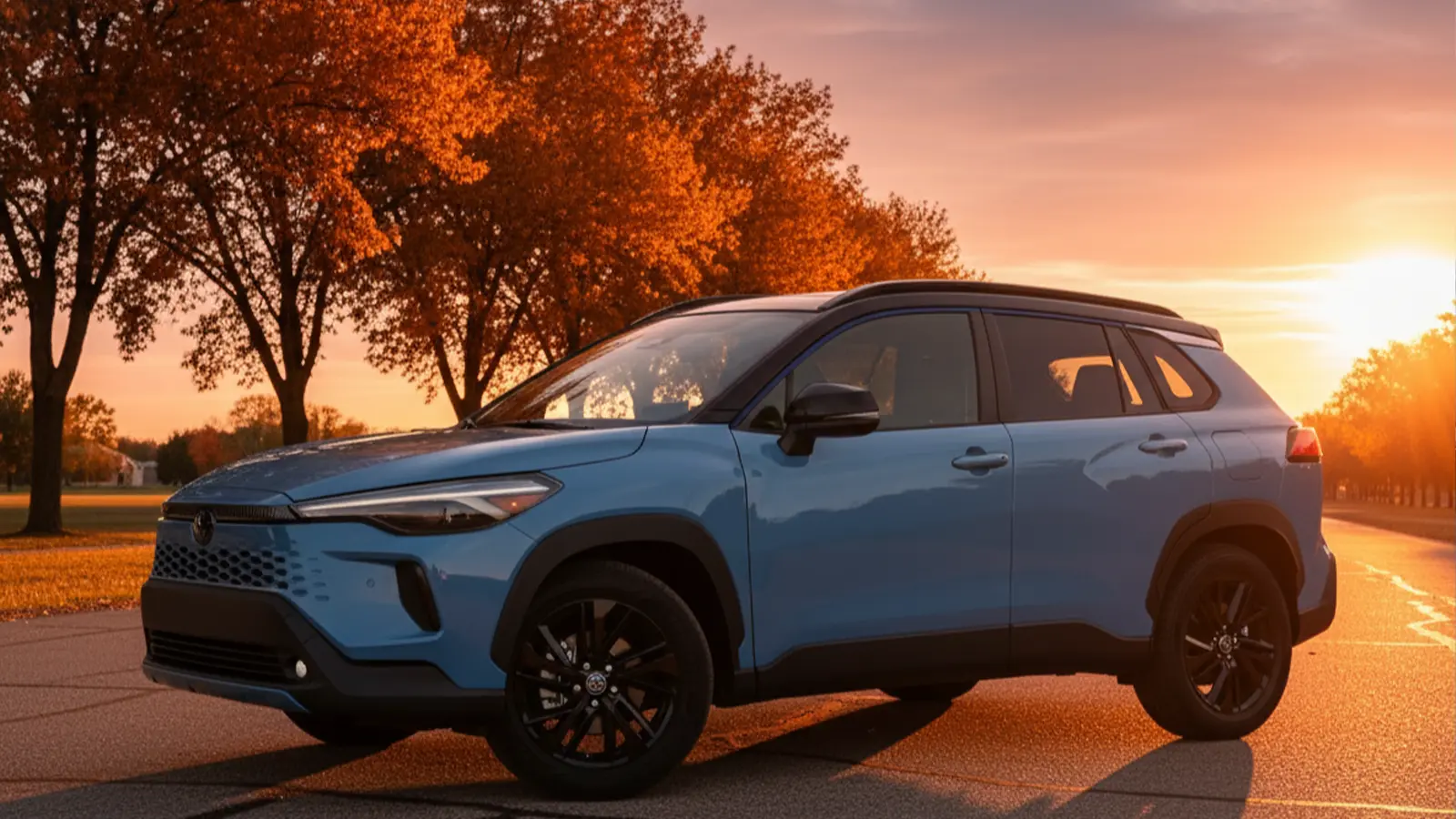
The Corolla Cross sits at the entry point of Toyota's crossover and SUV lineup. It’s basically a high-riding, SUV-shaped version of the Corolla Hatchback. The two share a 103.9-inch wheelbase - that's the distance between the wheels, which largely determines passenger space. Measuring 176.1 inches long overall, the Corolla Cross squares off against the Subaru Crosstrek and the Mazda CX-30, as well as the automaker’s bigger and pricier RAV4. Toyota offers two powertrain options: a conventional gas-only model and the hybrid I tested.
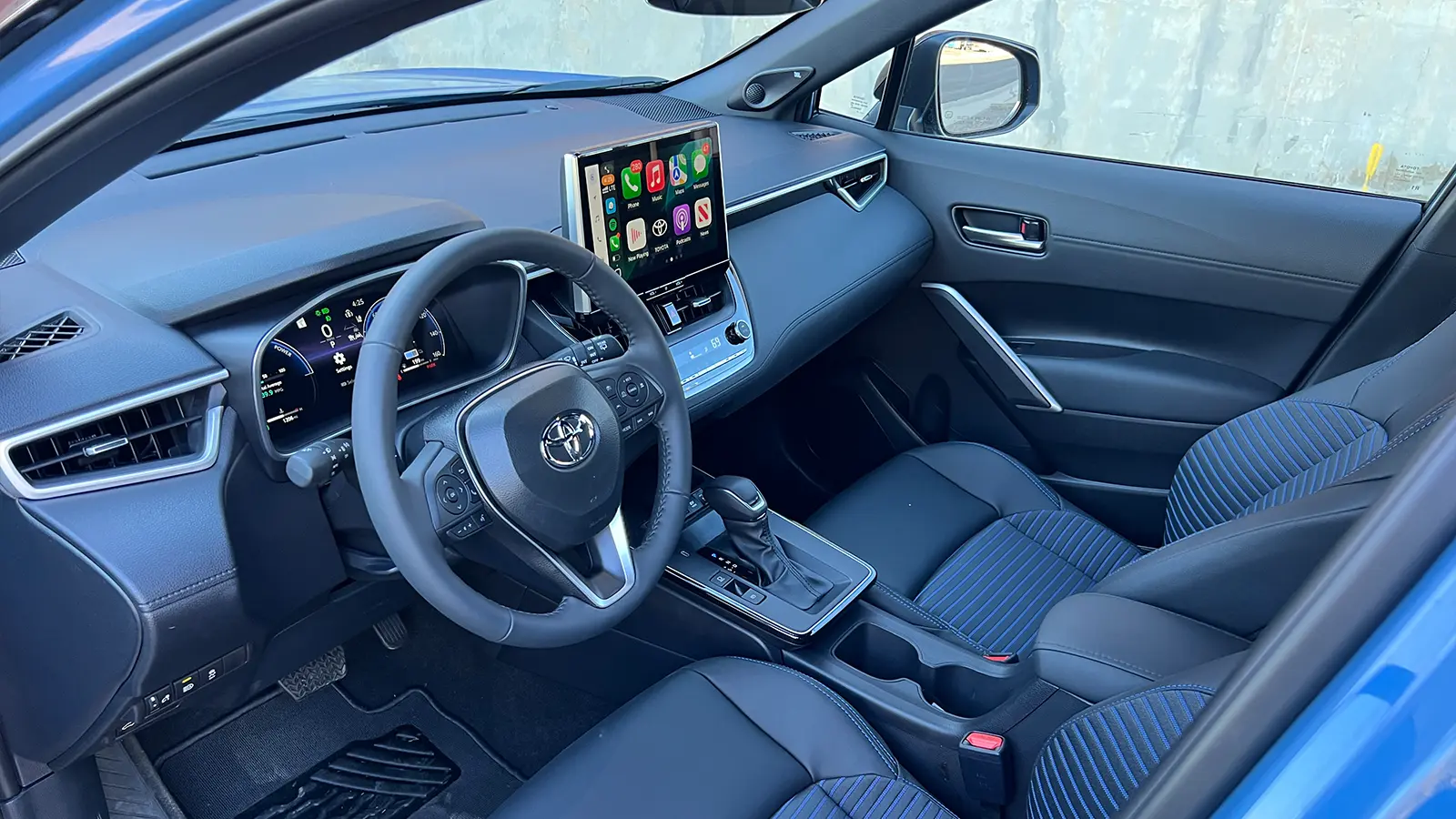
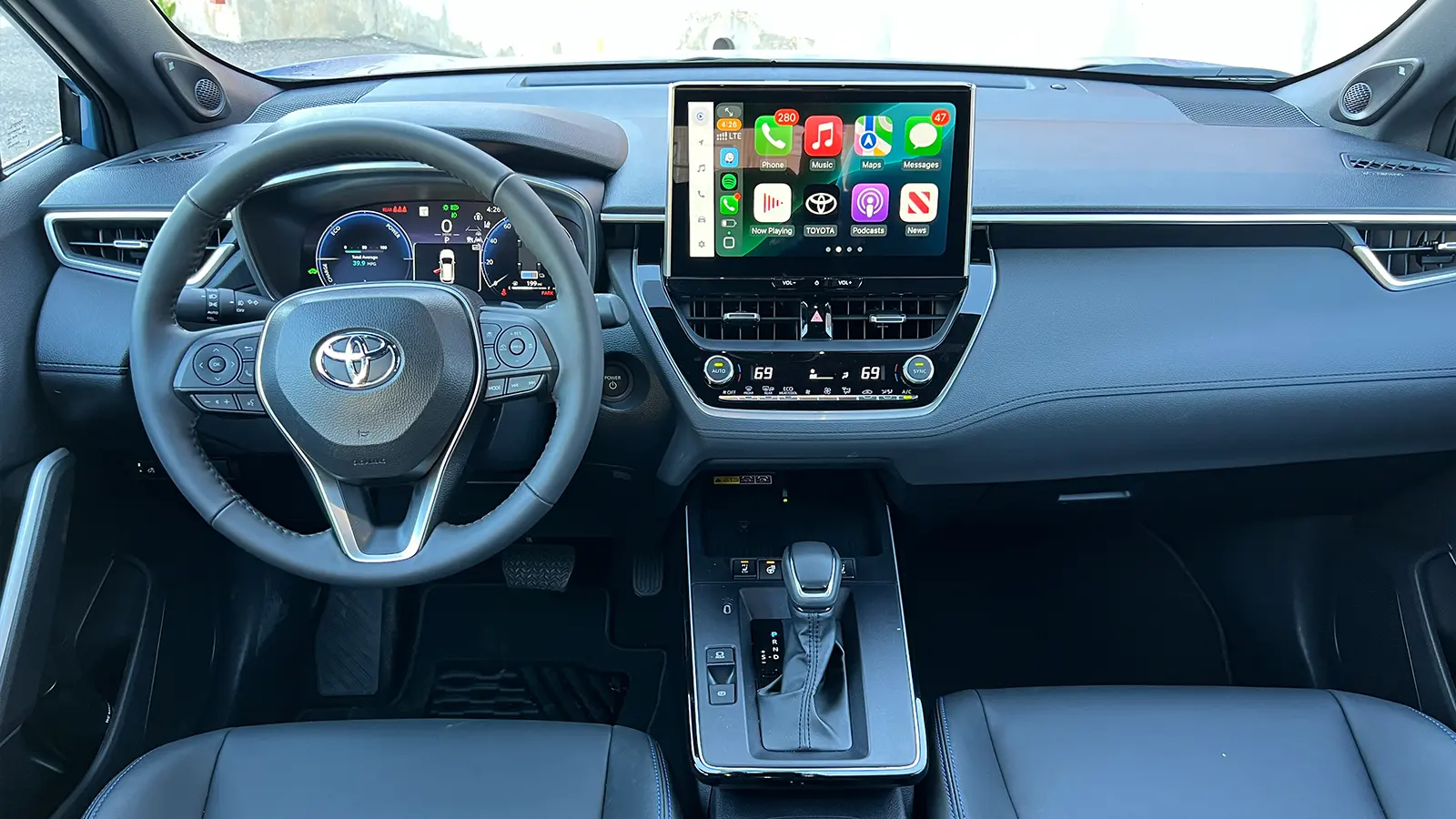
Both versions have new exterior styling for 2026. High-end trims like the XSE I drove come with a 12.3-inch instrument cluster and a high-mounted 10.5-inch touchscreen. Wireless Apple CarPlay and Android Auto come standard across the lineup.
The hybrid costs about $4,300 more than the gas-only version, though it’s not exactly an apples-to-apples comparison. The gas-only Corolla Cross comes standard with front-wheel drive; all-wheel drive costs $1,300 more, which narrows the gap to $3,000.
If you’re comparing hybrid benefits, check out our breakdown of modern hybrid systems: How Hybrid Cars Work
The base gas-only model is also not as well-equipped, with steel wheels rather than the hybrid’s corrosion-resistant alloys, no proximity keyless entry, and manual instead of automatic climate control. But the biggest difference is under the hood, where the base version has a 169-horsepower 2.0-liter four-cylinder engine, while the hybrid has three electric motors fed by a 4-kilowatt-hour lithium-ion battery pack that boost total output to 196 horsepower.
My test car topped $37,000 MSRP with optional extras like two-tone paint, JBL speakers, a power liftgate, and a glass sunroof. For around $32,000 MSRP, the mid-level Hybrid SE trim seems like $5,000 well-saved, as long as you’re cool with cloth seats. (Add another $1,100 or so for heated front seats, a heated steering wheel, and the 10.5-inch touchscreen, if you so wish.)
The Corolla Cross Handles Day-to-Day Duties Just Fine
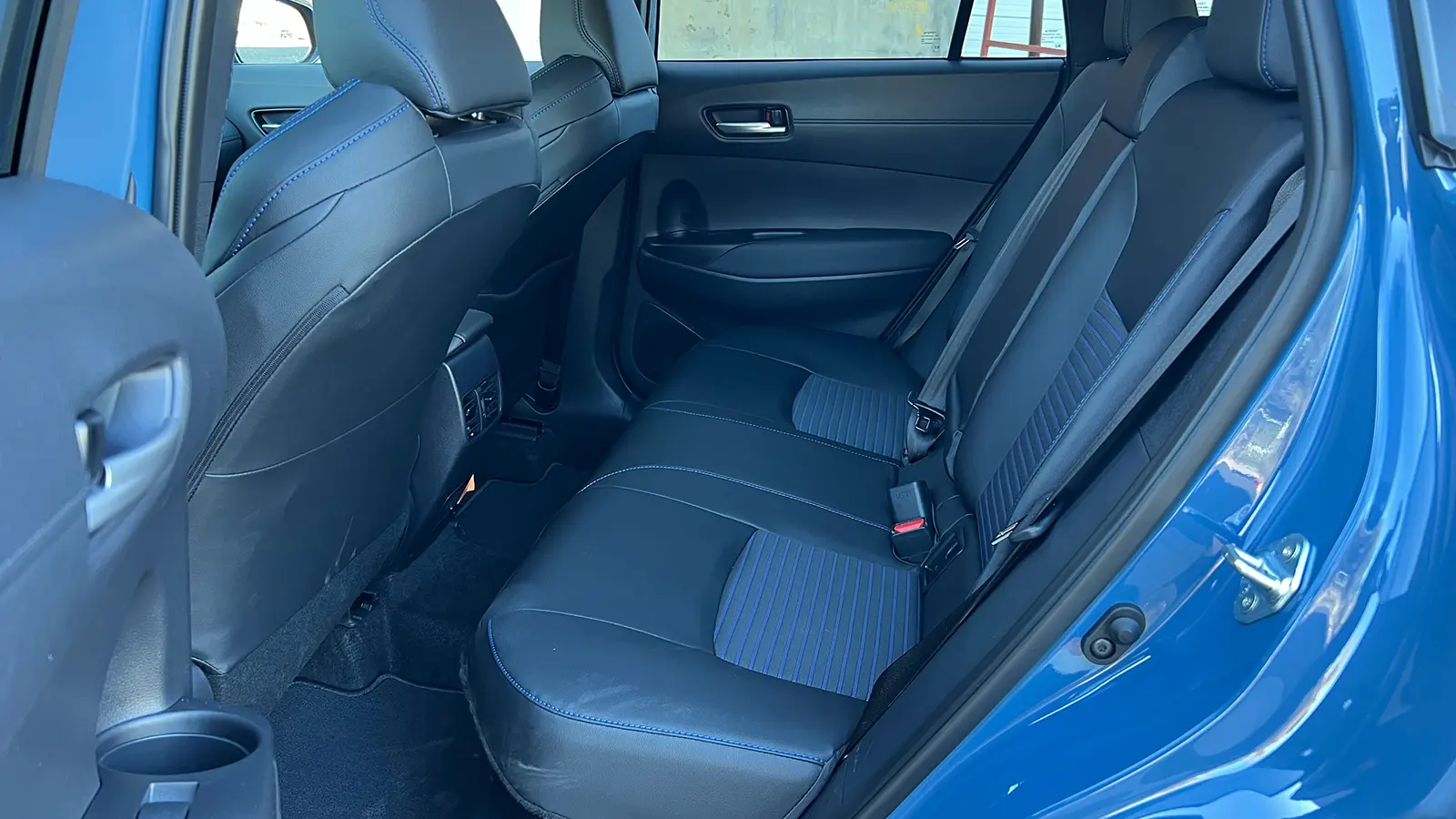
Though neither its exterior styling nor its interior trim makes a strong impression, the Corolla Cross is more than adequate. The synthetic leather-covered front seats — with power adjustment for the driver in XSE trim — were reasonably supportive. Outward vision was good forward and better rearward than some rivals like the CX-30, which has chunky roof pillars and a sloping roofline. Rear-seat riders will find acceptable legroom, but three adults are tough to wedge in since the Corolla Cross is somewhat narrow. I had no problem affixing a forward-facing child seat thanks to easy-to-reach anchors, and the rear doors opened wide enough for kid-friendly access.
The Corolla Cross Hybrid can lug 21.5 cubic feet of stuff behind the rear seats, which is 2.5 cubes less than the gas-only version since the hybrid's battery pack lives under the cargo floor. Still, I had no problem stuffing the results of a big-box store run back there. Practicality-wise, the Corolla Cross Hybrid hits a solid double or triple. If only it were more fun to drive.
The 18-inch wheels on the XSE trim shoulder some of the blame. Sure, they look good, but the small sidewalls mean this SUV rides stiffer than I expected. Hit a pothole around town, and you'll feel it — my head was bouncing side to side more than I'd like. It’s more settled at speed, but that’s where I noticed all the road rumble. At just over 3,300 pounds, the Corolla Cross Hybrid is surprisingly light for a small hybrid SUV with all-wheel drive. Subaru’s Crosstrek Hybrid weighs 300 pounds more, but it’s also much quieter. Adding a little more sound deadening wouldn’t have made the Corolla Cross heavy.
On the highway, the standard adaptive cruise control and other driver-assist features did a great job keeping this little SUV centered in its lane and maintaining a safe distance from vehicles ahead. Toyota offers several levels of driver-assistance tech that work well, though it took some time to figure out how to change their settings as I worked my way through the digital instrument cluster’s menus via steering wheel-mounted toggle switches. The system eventually made sense; I only consulted the owner’s manual once or twice.
On a winding canyon road, the Corolla Cross Hybrid delivered capable handling, but without any real thrills. The leather-wrapped steering wheel — heated in XSE trim — offered little in the way of road communication. Nudge the Corolla Cross Hybrid into a corner with some verve, and it leans, with a bit of protest from the tires underneath. Fine? Absolutely. Fun? Not really. But that’s not the point here.
The Real Selling Point Is Fuel Economy
The 2026 Toyota Corolla Cross Hybrid is a thrifty vehicle. During a nearly 200-mile highway stint, which included a reasonable and prudent adherence to the posted 75 mph speed limit as well as several elevation changes, my test car indicated just over 40 mpg. After tossing in another 75 or so miles of grueling city driving, my tester’s trip computer indicated 41 mpg combined. Frankly, that’s astounding.
According to the EPA, you'll save around $500 a year in fuel compared to the gas-only all-wheel-drive model. It’ll take a while for the average driver to claw back the $3,000 price difference, but it’s worth being patient. It’s also a good bit thriftier than the Subaru Crosstrek Hybrid (EPA rated at 36 mpg combined), the only other similarly sized hybrid crossover SUV with all-wheel drive currently on the market.
Infotainment Is a Mixed Bag
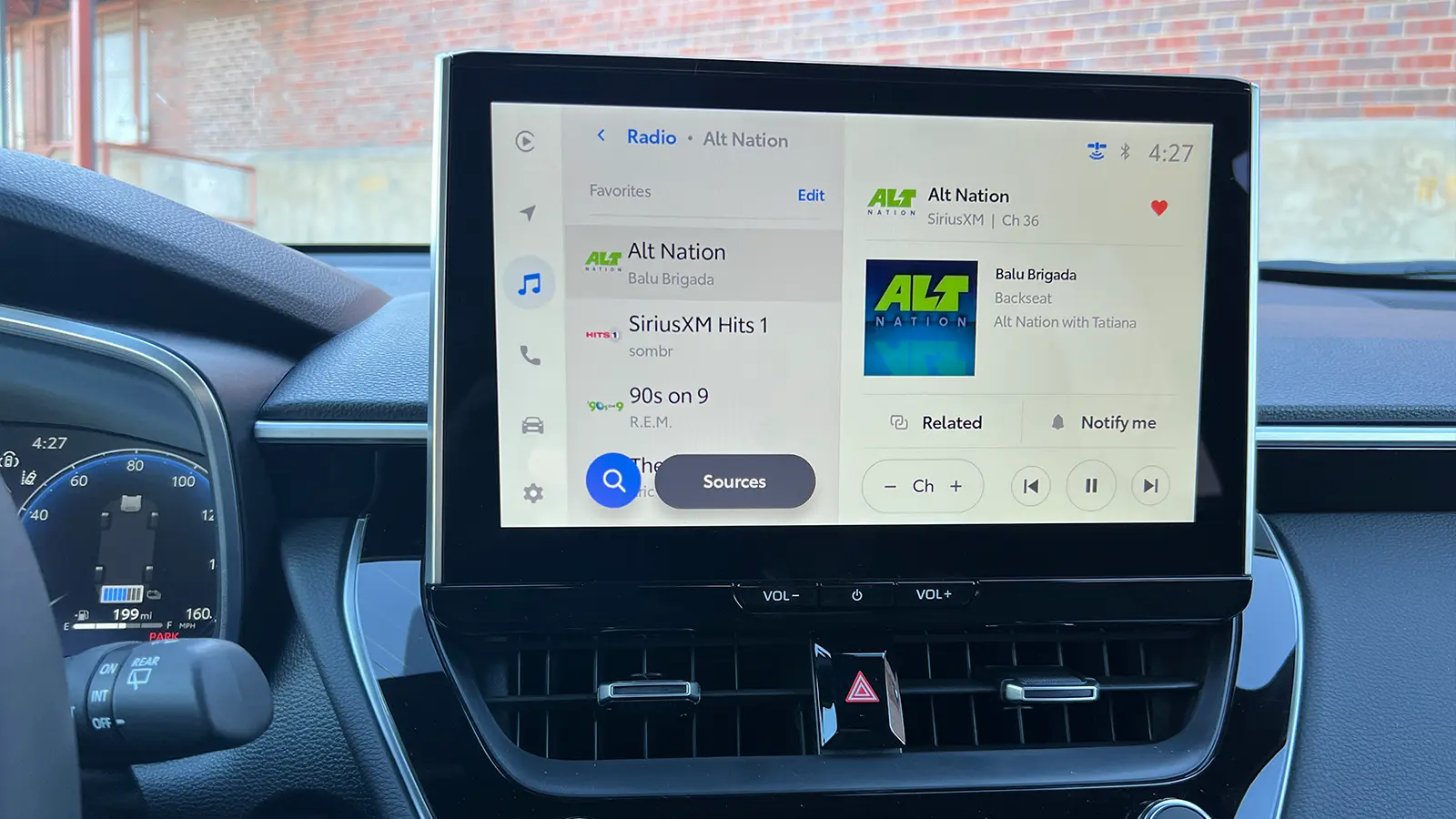
The loaded-up Corolla Cross XSE I tested had the larger of the two available screen options. While hardly dashboard-dominating, the screen was bright and responsive. The baked-in software features quick-access icons on the left side of the display, which remain visible even when using Apple CarPlay or Android Auto.
But here's an odd choice: instead of a volume knob like virtually every other car on the road, Toyota went with three separate buttons below the screen for volume and power. Why? Sure, there are redundant buttons on the steering wheel, but it’s always nice to have a central knob, too.
This One Speaks to Your Practical Side
Toyota didn't build much emotion or excitement into the Corolla Cross Hybrid, and that’s just fine. If you want a sporty crossover SUV, you can find one, but it'll use twice as much gas. If you’re a numbers person, the Corolla Cross Hybrid is the Moneyball choice. It’s not flashy, but it nonetheless does its job just about perfectly.
Further Reading on Hybrids & EVs
2026 Toyota RAV4 Hybrid: Everyday Practicality Gets Smarter
Toyota’s best-selling SUV enters 2026 as a full-hybrid lineup with smarter tech and improved efficiency.
Read More ➜
2025 Toyota 4Runner Trailhunter: Toyota’s Turbo-Hybrid Off-Road Evolution
A tougher, hybrid-powered 4Runner built for real off-road capability and Toyota’s next generation of adventure SUVs.
Read More ➜
First Look at the 2026 Honda Prelude
A sporty hybrid coupe signaling where performance and electrification meet in 2026.
Read More ➜