
Fast Facts | 2026 Toyota C-HR First Drive
⚡ Power: 338 horsepower total system output (dual-motor AWD standard)
🔋 Range: 287 miles (SE) or 273 miles (XSE) manufacturer-rated
⏱️ Acceleration: Toyota claims 0–60 in 4.9 seconds
🔌 Charging: NACS (J3400) port + up to 150 kW DC fast charging, 10–80% in about 30 minutes
📏 Bigger Footprint: +6.7 inches longer with a 4.4-inch longer wheelbase than the original
💰 Pricing: MSRP $38,450 (SE) or MSRP $40,450 (XSE) including $1,450 destination
📅 On Sale: Expected to arrive in March 2026
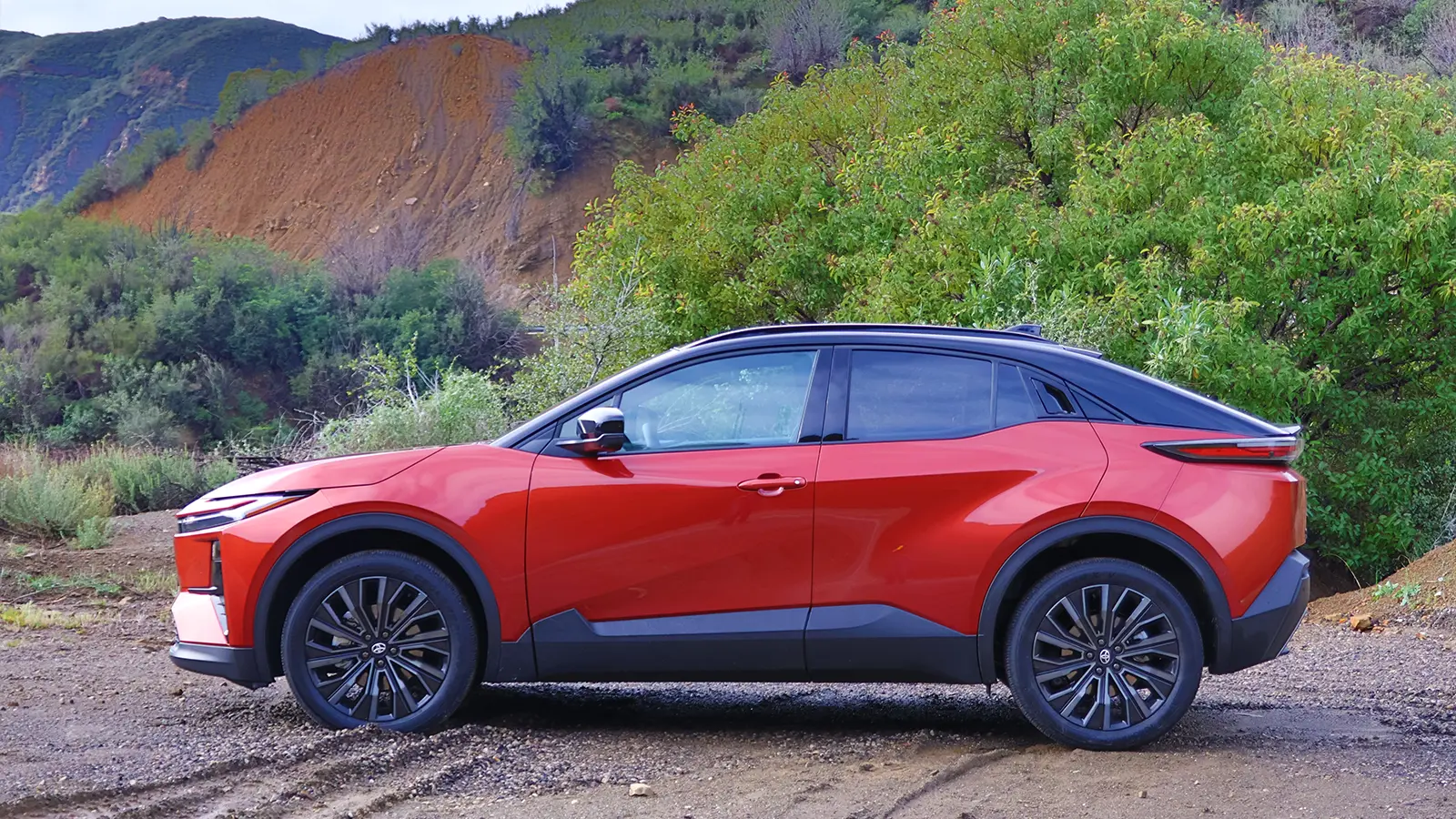
In 2018, Toyota brought an interesting little compact crossover coupe called the C-HR to the U.S. market for the first time. It had relatively modest sales of fewer than 50,000 units a year in the U.S. and was never offered with the all-wheel-drive powertrain that was available in other countries. When the second-generation model debuted in 2023, it wasn’t brought to the US market. Toyota instead shifted gears to bring Americans the more conventionally shaped Corolla Cross.
For 2026, Toyota is relaunching the CH-R in the U.S. market. It has a similar profile to the original, though this one is a bit bigger, and it will be fully electric. I went to Ojai, California, to try it out.
Similar Vibe, New Tech
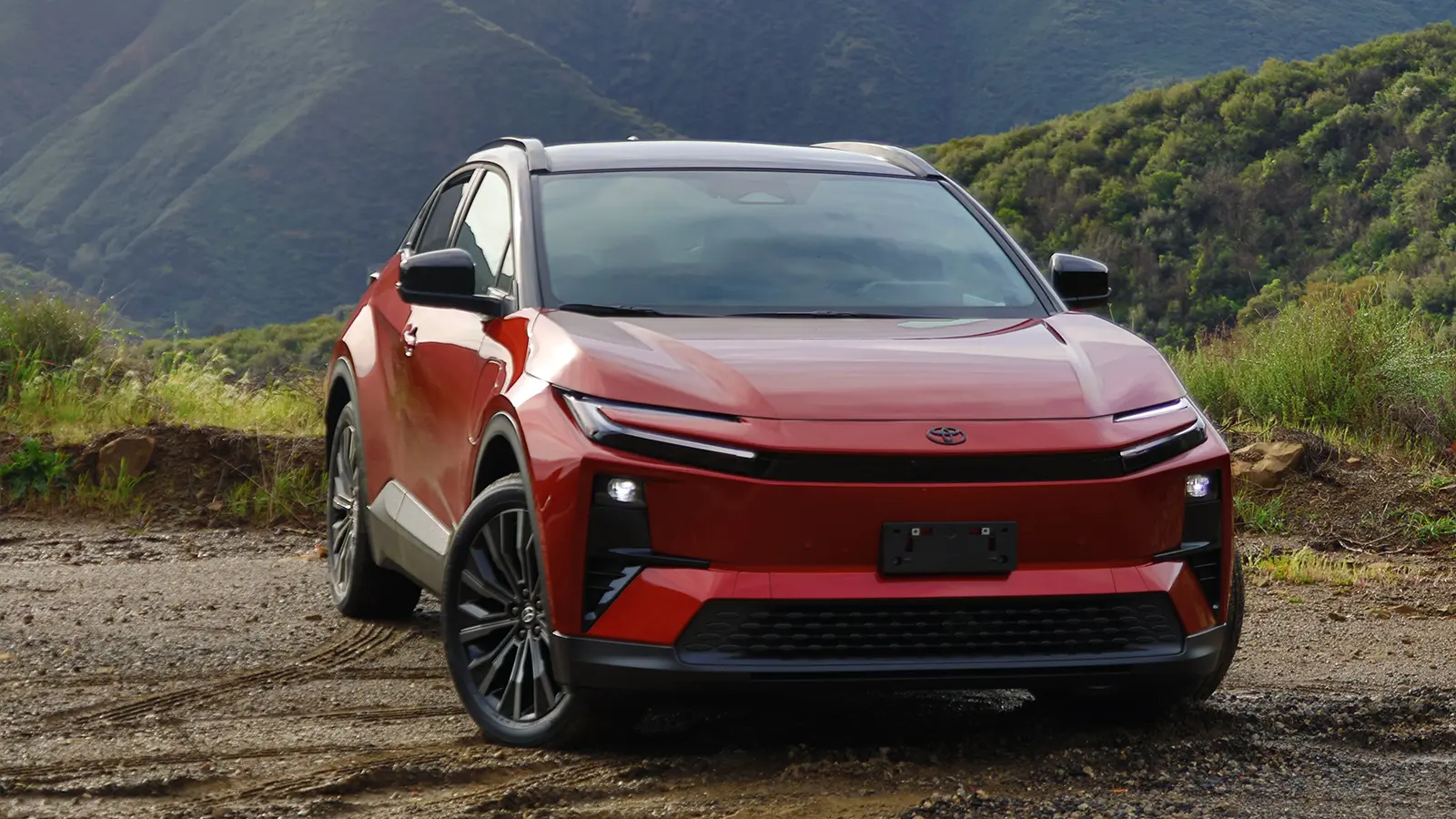
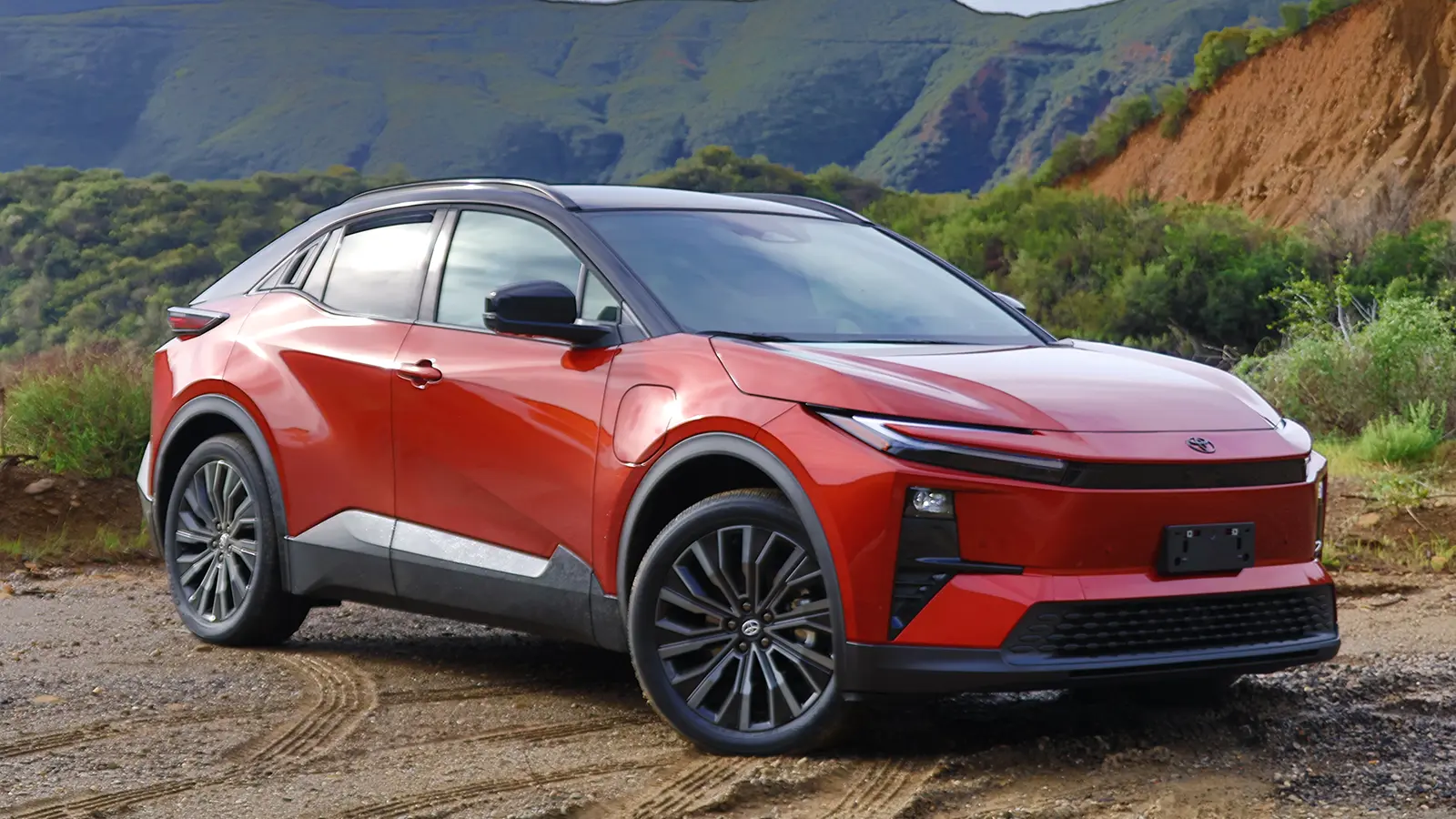
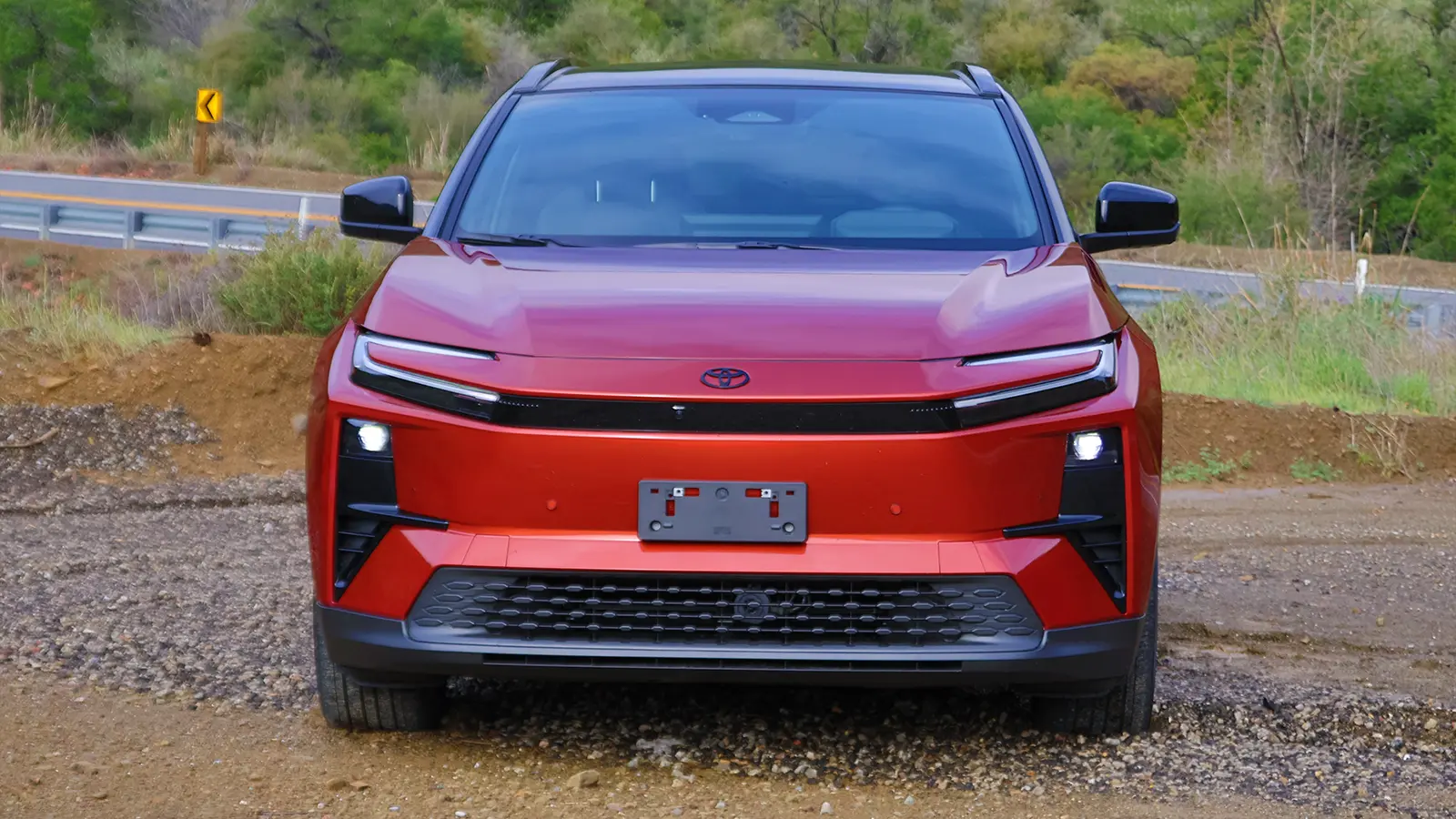
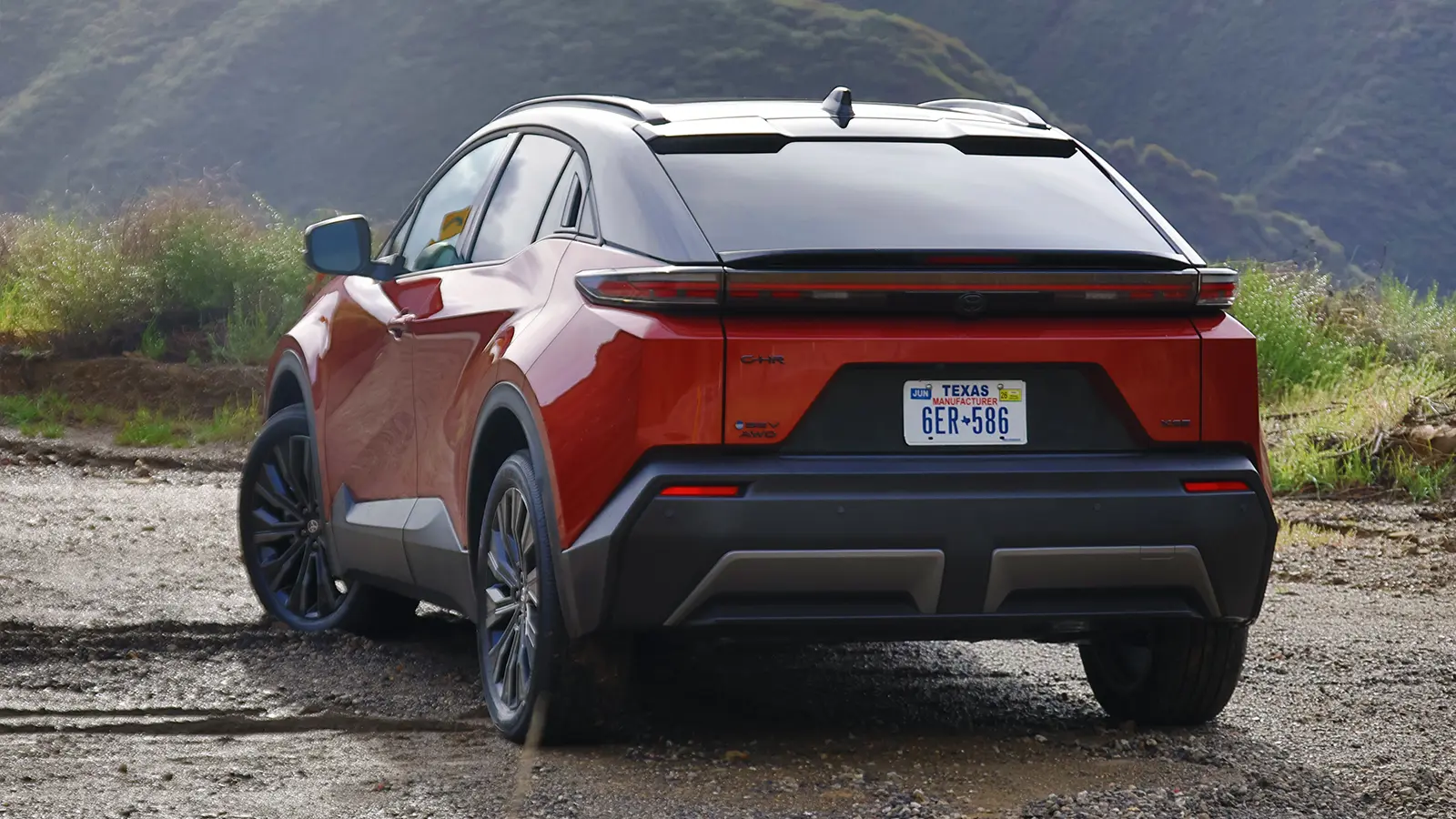
With its coupe-like roofline and semi-hidden rear-door handles, the 2026 C-HR retains much of the first generation's visual DNA, but it's a bit more aggressive, with an athletic attitude. The fenders are broad, and Toyota incorporated its hammerhead front lighting signature into the face. But since this one is an electric vehicle (EV), its grille opening is slimmed way down to just the bottom of the fascia.
It’s typical for vehicles to grow larger with succeeding generations, and the C-HR is no exception. The 2026 edition is 6.7 inches longer, 2.9 inches wider, 2.2 inches taller, and rides on a 4.4-inch longer wheelbase than the original. Because it now shares its core underpinnings with the bZ and bZ Woodland, it also sits higher off the ground, with 2.1 inches more clearance. The broader dimensions and the addition of the battery make it 1,000 pounds heavier.
The original C-HR’s profile gave it a sportier look than most small crossovers, but it was just for show. By modern standards, the performance provided by its 144-hp 2.0-liter four-cylinder and continuously variable automatic transmission could be charitably described as leisurely, with a 0-60 time of between 10 and 11 seconds, depending on who was measuring. The new C-HR is a whole different beast.
This time, AWD and dual motors are standard. The 167-kilowatt motor at the front axle and 87-kW unit at the rear combine for a system output of 338 horsepower, the same as the 2026 bZ AWD. Under the floor is a 74.7-kilowatt-hour lithium-ion battery with a 400-volt architecture. Toyota claims all this combines for a 4.9-second 0-60 sprint.
If you want to compare the C-HR against real cross-shops fast, start in the GreenCars Buyer’s Guide ➜
Like Toyota and Lexus' other EVs for 2026 and beyond, the C-HR has adopted the J3400/NACS charging port, and it's now on the right front fender. While this is diagonally opposite from where Tesla puts it, on the left rear corner, it means you can pull into a Supercharger stall and Tesla's short cables will actually reach the port. Toyota also bundles in CCS-NACS and J1772-NACS adapters for easy charging at those connectors as well.
The same charging upgrades that Toyota implemented on the 2026 bZ apply here, too, including a battery heater for optimal charging temperature no matter the weather. With a peak charging power of 150 kW and better temperature management, the CH-R's battery can go from 10 to 80 percent in about 30 minutes, less than half of what the early bZ4X required.
Inside the Cabin
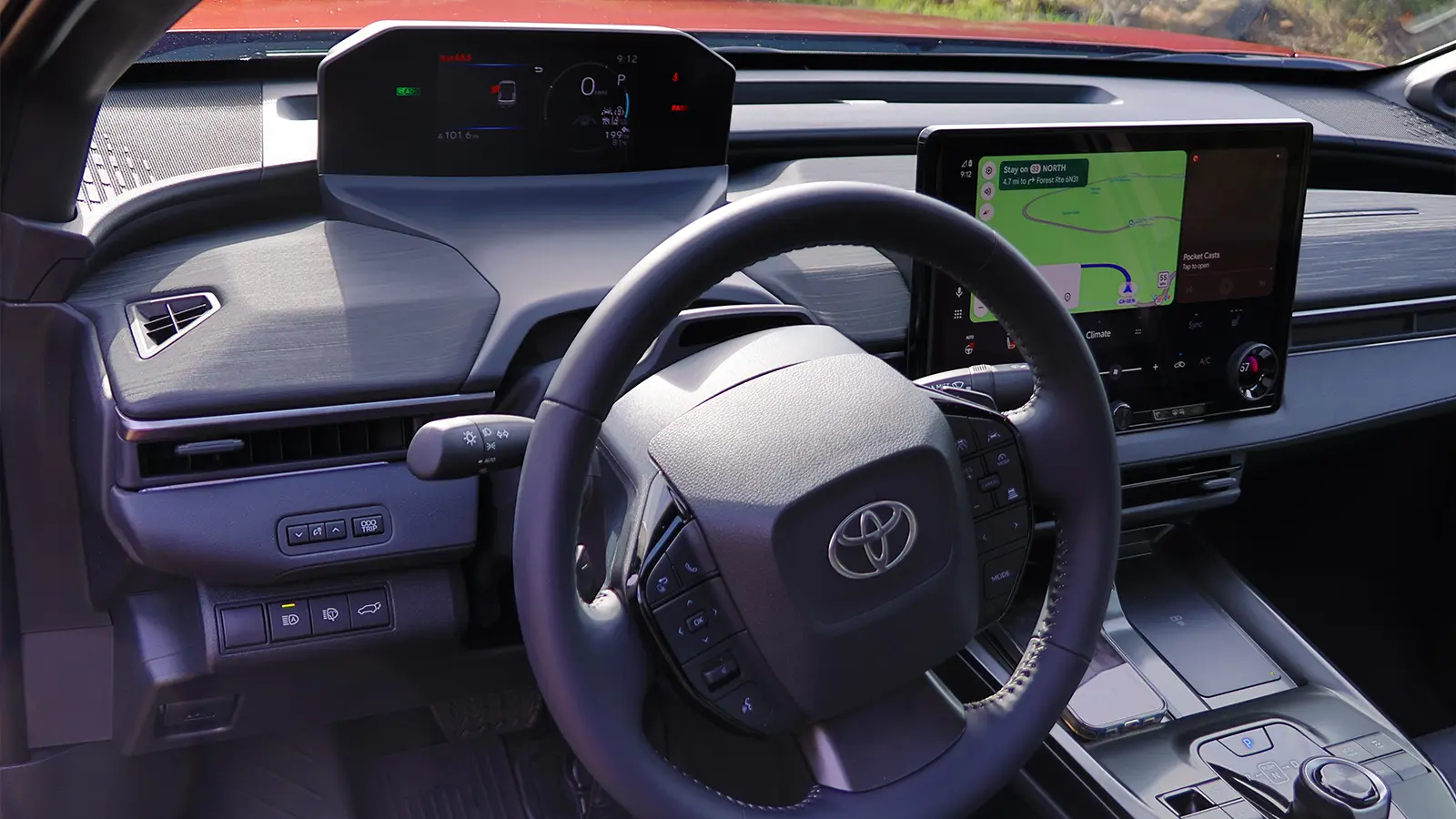
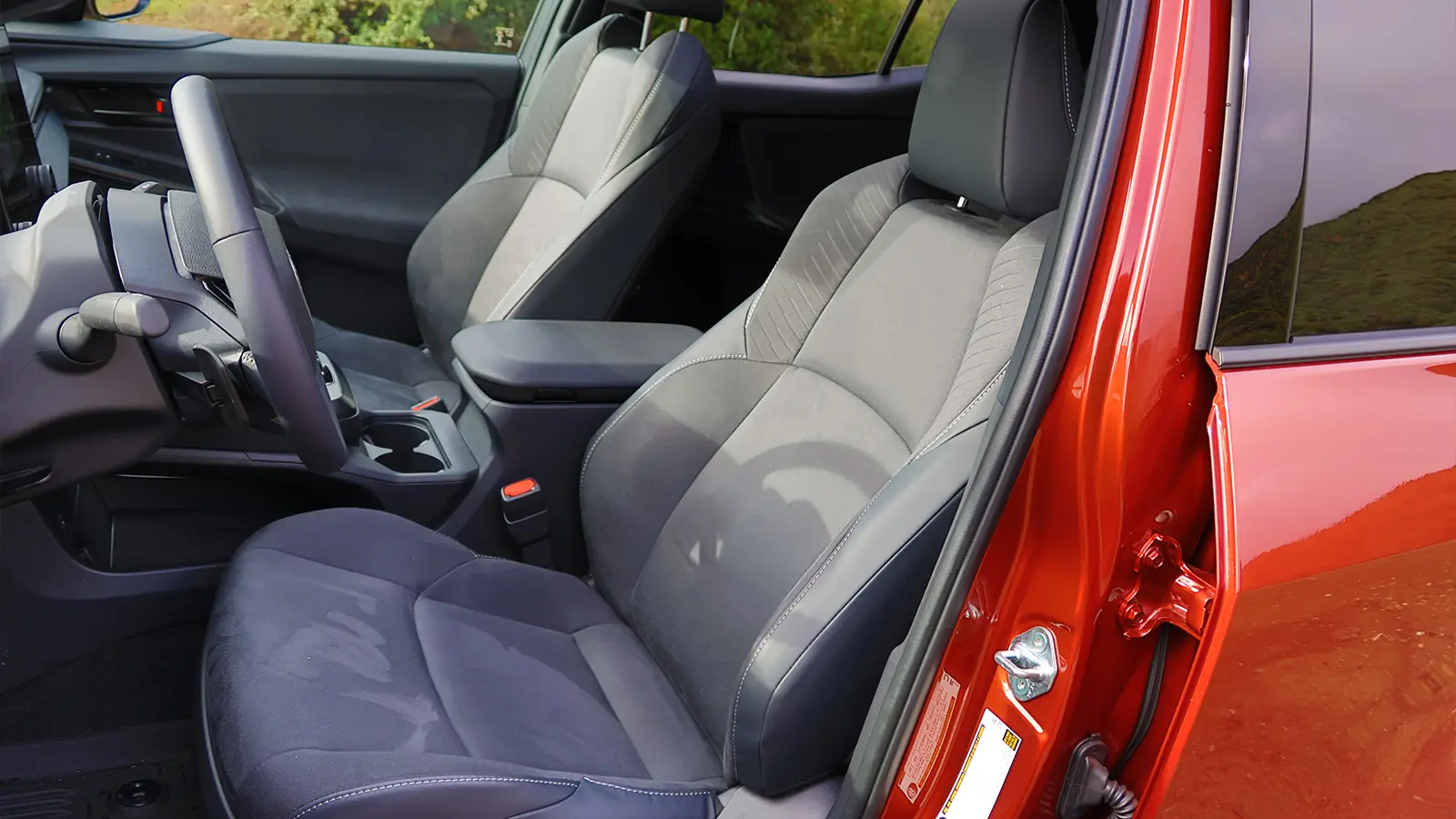
Inside, the front row is virtually indistinguishable from its bZ cousins. There's a 7-inch instrument cluster in front of the driver near the base of the windshield, where it’s close to the driver's line of sight, and eliminates the need for a head-up display. While I’ve complained about the materials in other recent Toyotas feeling cheap, including in the new RAV4, that certainly doesn’t apply here. The lower portion of the dashboard and many other surfaces have a textured, leather-like finish, while the upper segment feels like fabric and looks gorgeous. The XSE trim also features really nice synthetic suede on the seats and door panels.
In the center is a 14-inch touchscreen running Toyota’s Multimedia software, though it's not the most recent iteration. It’s still a pretty good system, with clear graphics and good response time. My only real complaint: it has no support for multi-pane views. Everything is full-screen, so you can't see the navigation and media player side by side. The 2026 RAV4 runs Toyota's new Arene software, which enables a multi-pane view, and it would've been nice if Toyota put that in its EVs too. Toyota EV Chief Engineer Masaya Uchiyama tells us it would be possible to update to the new software in the future, although there's nothing to announce right now.
Driving in Ojai
I headed out from Ojai into the mountains to the Howard Creek Trailhead in a C-HR XSE finished in a coppery color they call Tandoori that looks just fabulous in the sun. While most of the CH-R's color palette is the usual boring monochromatic range from white to black, it’s nice to see at least one fun, bold color.
As is the case with all EVs, this one is very responsive off the line thanks to the instant torque of its electric motors. I didn’t do any measured acceleration runs, but the C-HR pulls hard out of the many corners along CA-33, and the 4.9-second 0-60 time is totally believable. When a slow-moving old Jeep CJ pulled off into a turnout, a gentle squeeze of the accelerator had me up to a much higher speed very quickly.
If a reader is wondering why the same EV can feel different on road trips vs commuting, this is the best bridge: Electric vehicle range and how it works ➜
Another pleasant surprise was the handling. The low center of gravity that comes with that hefty battery helps keep body roll to a minimum, and while the damping could use a bit more refinement on some of the less even pavement, overall control was excellent. The steering was nicely weighted and responsive, and even provided a bit of feedback as to what was happening between the rubber and road. Handling was generally quite neutral with some mild understeer at the limit.
On the way up into the mountains at a fairly swift pace, the C-HR averaged about 1.8 miles/kWh, which doesn’t sound that impressive until you consider it was 17 miles uphill with a lot of braking and acceleration through the curves. At the top, we turned and came down the same way. By the time we arrived back in Ojai, the average was up to an impressive 3.7 miles/kWh. Based on that, the manufacturer-rated range values (287 miles for the SE and 273 miles for the XSE) should be totally achievable in typical driving.
Pricing and Availability
The 2026 C-HR isn’t a sports car by any means, but someone looking for a daily driver with a nice combination of spirit and style, a respectable range, and a price that isn’t crazy may find the C-HR a compelling option.
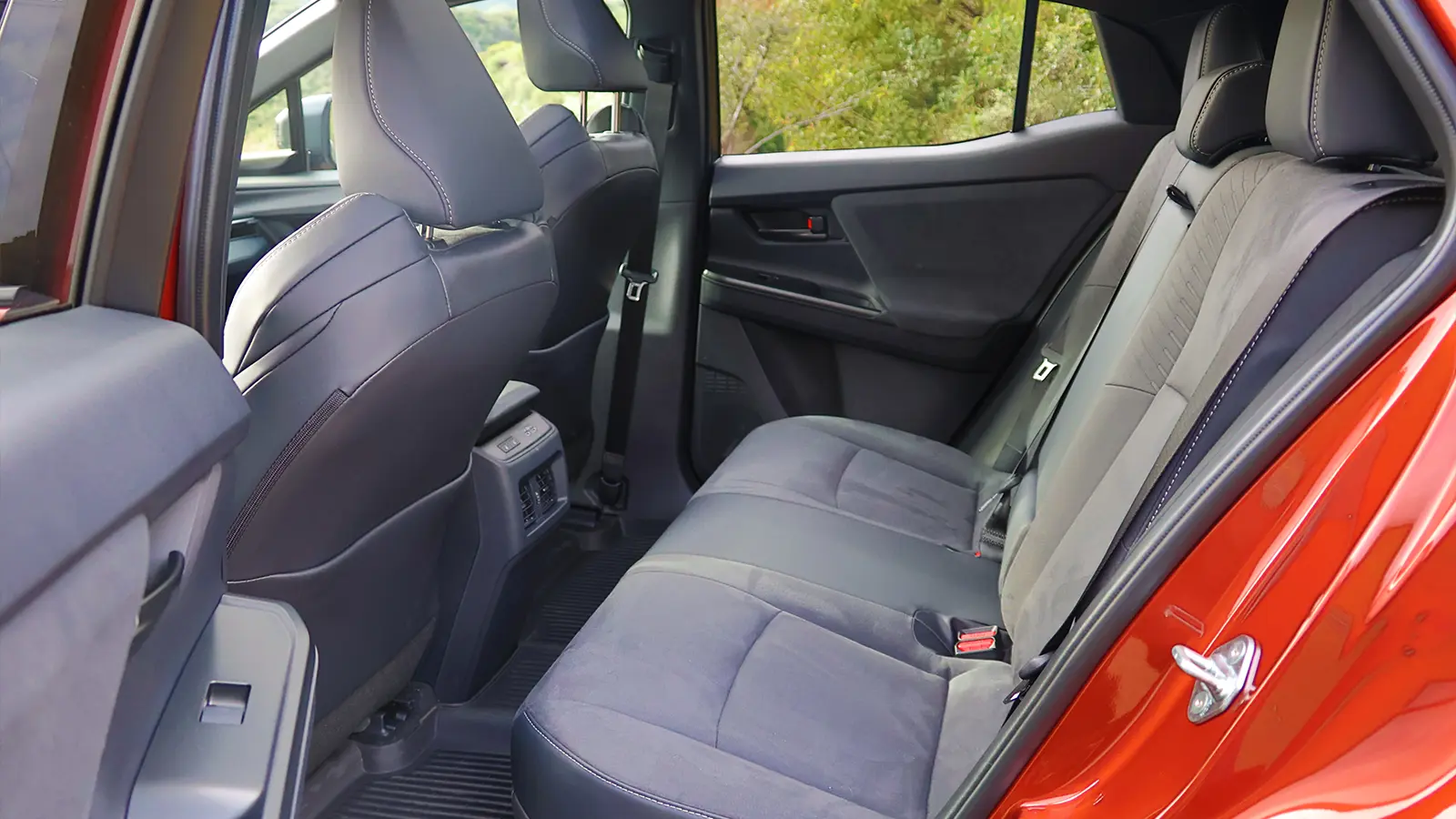
A necessary sacrifice for the C-HR’s sporty roofline and shorter wheelbase is a tighter back seat. While it’s far better than the first generation, which felt decidedly claustrophobic due to its upswept belt line and small rear windows, this is definitely the Toyota EV targeted to younger couples or empty nesters who will only occasionally carry rear passengers. As the sporty sibling, it's a reasonable sacrifice. Those who need more utility have the bZ and bZ Woodland to choose from.
The Toyota C-HR is available in two trim levels for 2026, both with the same battery, motors, and AWD. The base SE starts at an MSRP of $38,450, including the $1,450 destination fee, while the XSE starts at an MSRP of $40,450. The extra $2,000 swaps the standard 18-inch wheels for 20-inchers, adds puddle lights to the mirrors, replaces the cloth seats with the synthetic suede and leather, and adds power adjustment to the front passenger seat, automatic parking, an auto dimming mirror with Homelink, traffic-jam assist, and a few other features, as well as making options like a glass roof available. The 2026 C-HR should start arriving in dealerships in March 2026.
⚡More 2026 EV Coverage
Toyota’s 2026 bZ Finally Gets It Right
The key hardware and usability upgrades that set the baseline for Toyota’s new EV wave in 2026
Read More ➜
2026 Subaru Solterra Is a Strong Value Play
Same EV family tree, different execution, and a useful benchmark for AWD traction tech and value positioning
Read More ➜
2026 Nissan Leaf Delivers On What a Modern, Affordable EV Should Be
A fresh “small EV done right” reference point for range expectations, day-to-day usability, and price framing
Read More ➜