

Fast Facts | What to Do When EV Charging Feels Scarce
🔌 Core Issue: Charging anxiety often comes from uncertainty around charger availability, reliability, and location
🧰 Adapter Help: Carrying the right adapter can expand your public charging options
🗺️ Backup Planning: Knowing nearby fallback chargers can make a stressful situation easier to manage
🏪 Extra Options: Dealerships and Level 2 chargers may help when fast chargers are busy or unavailable
📱 App Strategy: Checking more than one charging app can reveal better availability, station status, or user reports
🔋 Range Buffer: Charging a little earlier can give you more flexibility when stations are spread out
🚗 Driver Takeaway: The goal is not to complicate EV ownership, but to prevent one bad charging stop from derailing your day
When Charging Starts to Feel Uncertain
Most EV drivers eventually have a moment when charging does not go as planned.
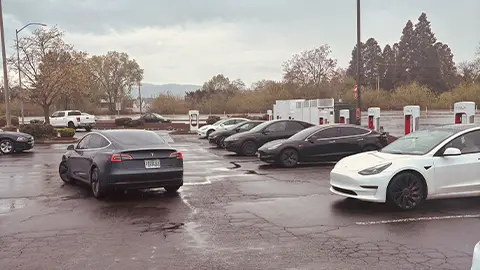
Maybe the station you counted on is occupied. Maybe it is offline. Maybe it is farther away than you expected, and your remaining range suddenly feels more important than it did a few minutes earlier.
That is when charging anxiety tends to set in.
The issue is not always whether a charger exists. It is whether the charger you need is available, working properly, and located where it is actually helpful. When your battery is running lower than you would like, having a few backup options in mind can turn a stressful situation into a manageable one.
Carry the Right Adaptor
One of the easiest ways to give yourself more flexibility is to keep the appropriate adaptor in your vehicle.
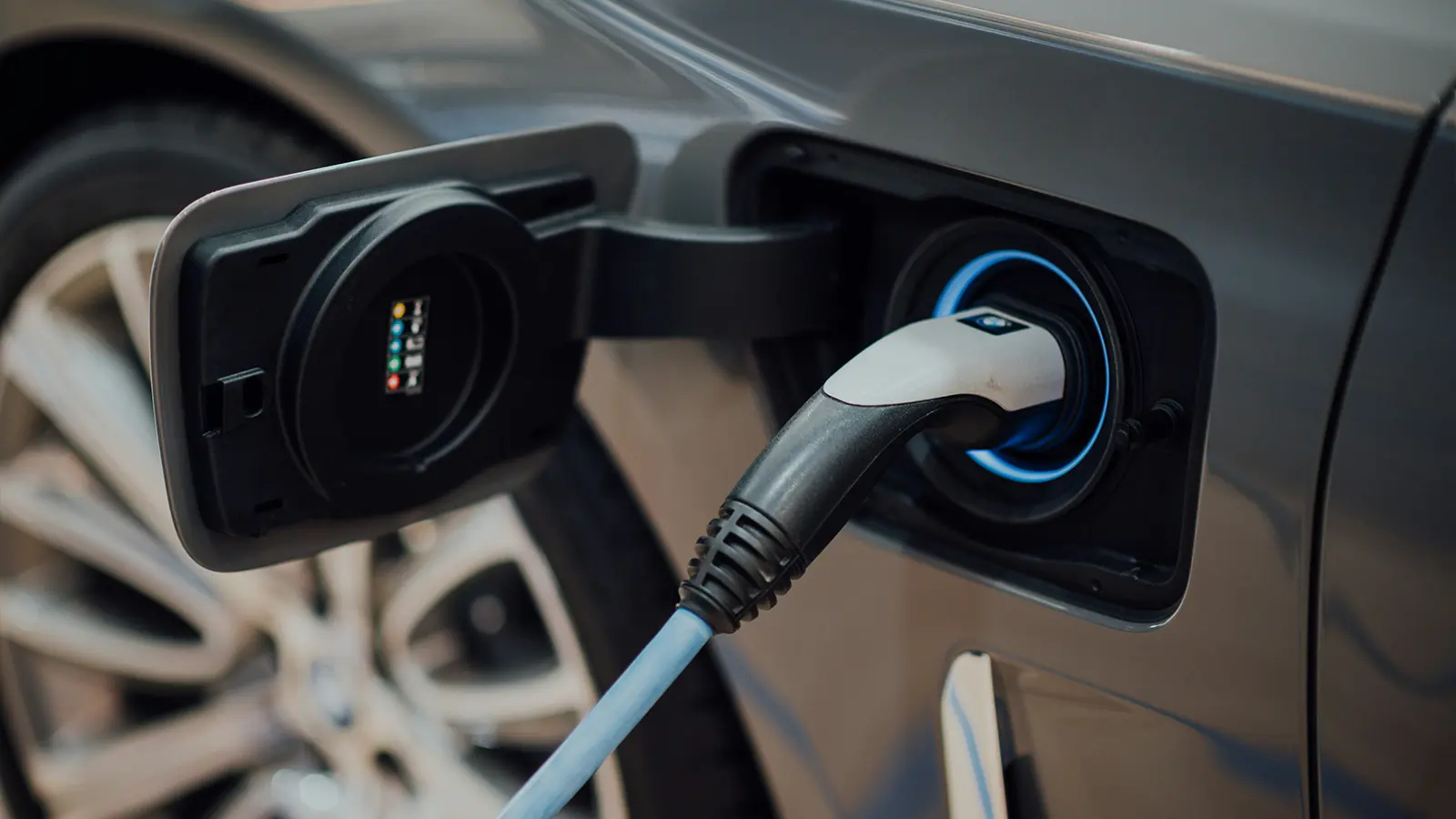
Depending on what you drive, that may allow access to a wider range of public chargers beyond the ones you use most often. As charging standards continue to evolve and more networks begin serving a broader mix of vehicles, adaptors can help reduce your dependence on any one station or provider.
That matters when the charger you planned to use is busy, unavailable, or simply not functioning as expected.
An adaptor may seem like a small thing to keep in the vehicle, but it can meaningfully expand your options when charging becomes less convenient.
If connector types still feel like alphabet soup, this EV charging adapters guide breaks down which plugs and adapters work with different vehicles and stations ➜
Know Where Your Backup Options Are
Fast-charging stations get most of the attention, but they are not the only places where you may be able to add useful range.
Dealerships can sometimes help in a pinch. Many automakers have chargers installed at their stores for service, sales, or customer use. Availability varies by brand and location, so they are not something to rely on blindly, but they can be worth checking if you need a fallback.
Level 2 chargers can also be more useful than drivers sometimes expect. They will not get you back on the road as quickly as a DC fast charger, but in the right situation, they can add enough range to help you reach your next stop with more confidence.
The key is knowing what is nearby before you urgently need it.
Check More Than One Charging App
One of the easiest mistakes to make is relying on only one map or one charging network app.
Different apps can show different station details, user reports, and real-time availability. If one app shows a charger as open, another may reveal recent comments about slower charging speeds, broken equipment, or long waits.
Checking more than one source takes only a minute, but it can help you avoid wasted time and unnecessary stress.
When you are planning a longer drive, navigation and trip planning tools can help you compare routes, charging stops, and range needs before stress kicks in ➜
For road trips or unfamiliar routes, that extra step is often worth it.
Build in a Little Extra Margin
Sometimes the best backup plan is simply charging a little earlier than you think you need to.
Waiting until your battery is very low can make every charging problem feel more urgent. Giving yourself more range cushion can create better options, especially in areas where public charging is limited or stations are spread farther apart.
That does not mean overcharging every time you drive.
It just means recognizing when a little extra margin can make the rest of your trip easier.
The Bottom Line
Public charging is better than it used to be, but it still is not perfect in every location or every situation.
When charging feels scarce, preparation matters. Carrying the right adaptor, checking multiple apps, knowing where backup chargers may be available, and leaving yourself some extra buffer can all make a meaningful difference.
The goal is not to make charging complicated. It is to make sure one frustrating station does not derail your day.
To explore more about charging types, range, and day-to-day EV ownership, visit GreenCars 101 Charging.
🔋 EV Charging Guides for Real Life
Charging Anxiety: What It Is and How to Overcome It
A natural next read for understanding why charging can feel stressful and how EV drivers can plan around uncertainty
How EV Charging Works: A Beginner’s Guide
This guide explains Level 1, Level 2, and fast charging so drivers can better understand their options at home and on the road
How to Plan the Perfect EV Road Trip
A helpful follow-up for drivers who want to build better routes, charging stops, and range buffers before a longer EV journey