
Fast Facts | 2027 Hyundai Tucson
⚙️ Powertrains: Gas-only, hybrid, and plug-in hybrid
⛽ Hybrid Efficiency: up to 42 mpg combined
💻 New Tech: 12.9- or 17-inch touchscreen, 9.9-inch driver display, Pleos Connect software, Gleo AI assistant
🛞 Off-Road SUV: XRT Pro trim has 8.3 inches of ground clearance
🗓️ On Sale: Early 2027 in North America; pricing TBA
Hyundai Reinvents Its Best-Selling North American SUV
Hyundai officially revealed its new fifth-generation Tucson this week in New York City. The Tucson is Hyundai’s second-bestselling model globally, behind the Elantra. In North America, it's the brand's top seller by a wide margin. For 2027, the Tucson gets a dramatic new look inside and out and Hyundai’s next-generation hybrid system, with and without a plug. That should push it near the top of its class for efficiency.
Aggressive New Design
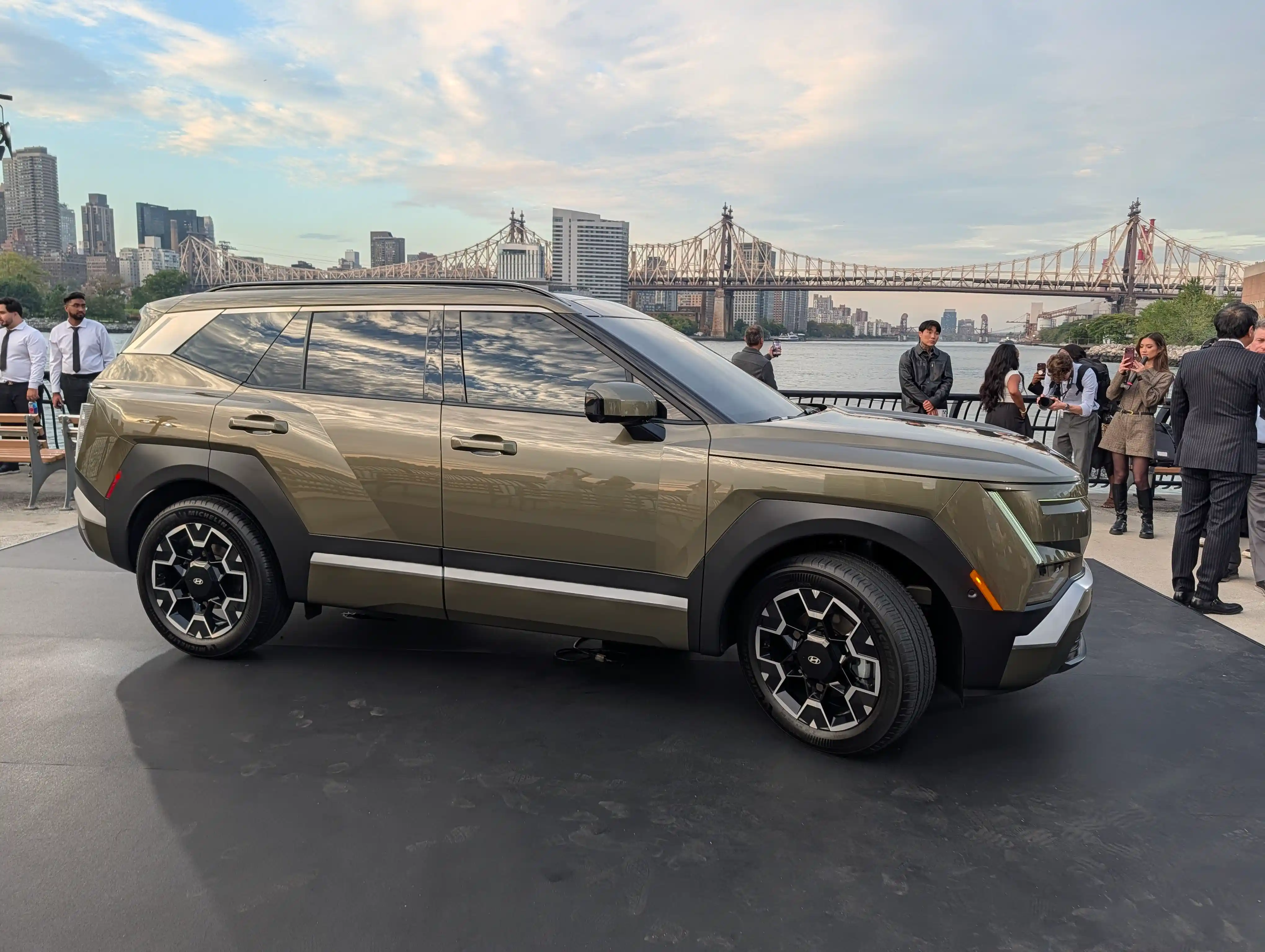
Many mainstream vehicles undergo evolutionary design changes from one generation to the next, but the Tucson epitomizes the transformation of Hyundai's design over the past two decades. The original was a soft, rounded, utterly nondescript compact crossover. Left in a parking lot, it would simply blend into the background. Each generation since has taken on sharper lines and angles, with unique lighting configurations.
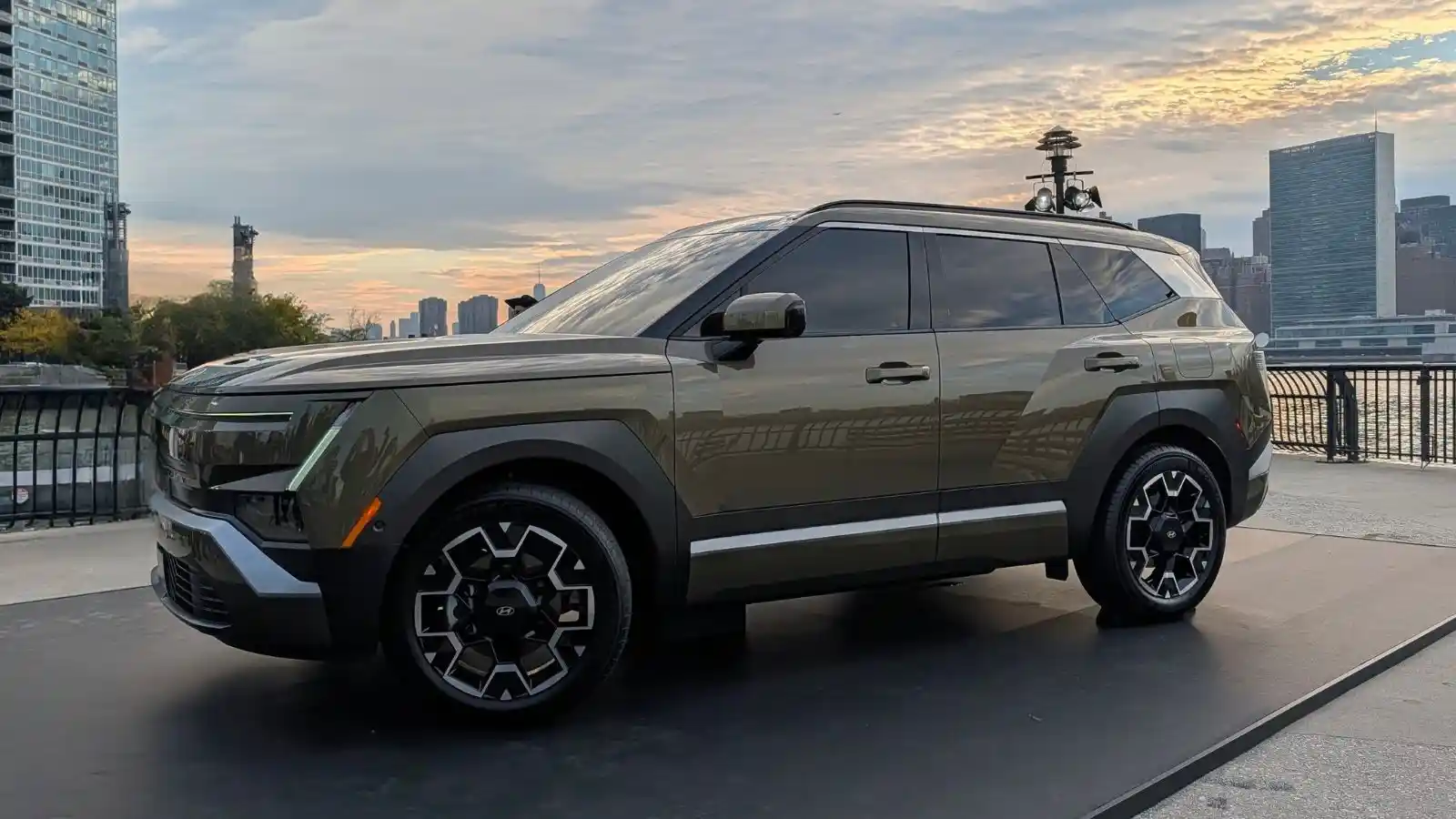
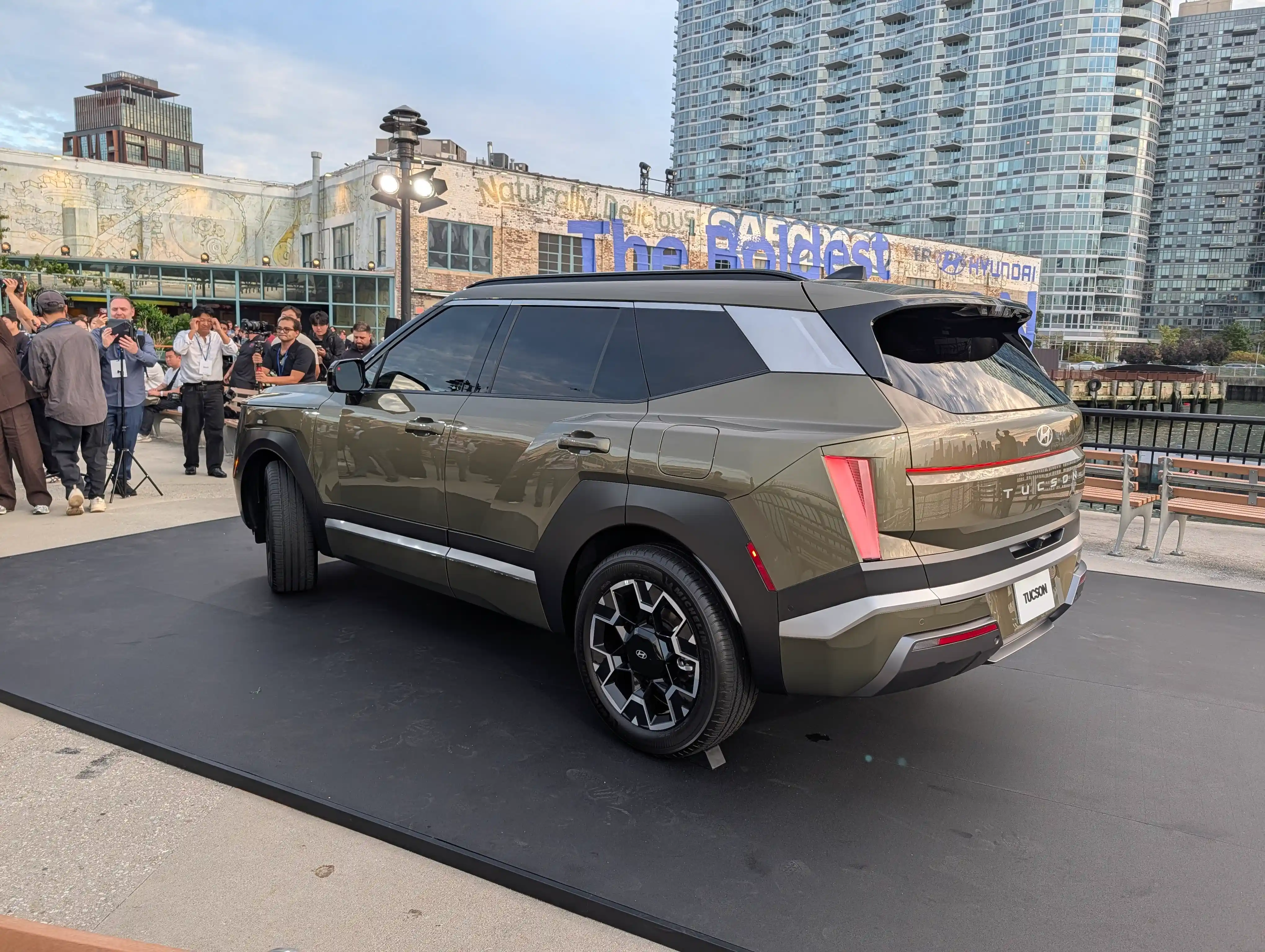
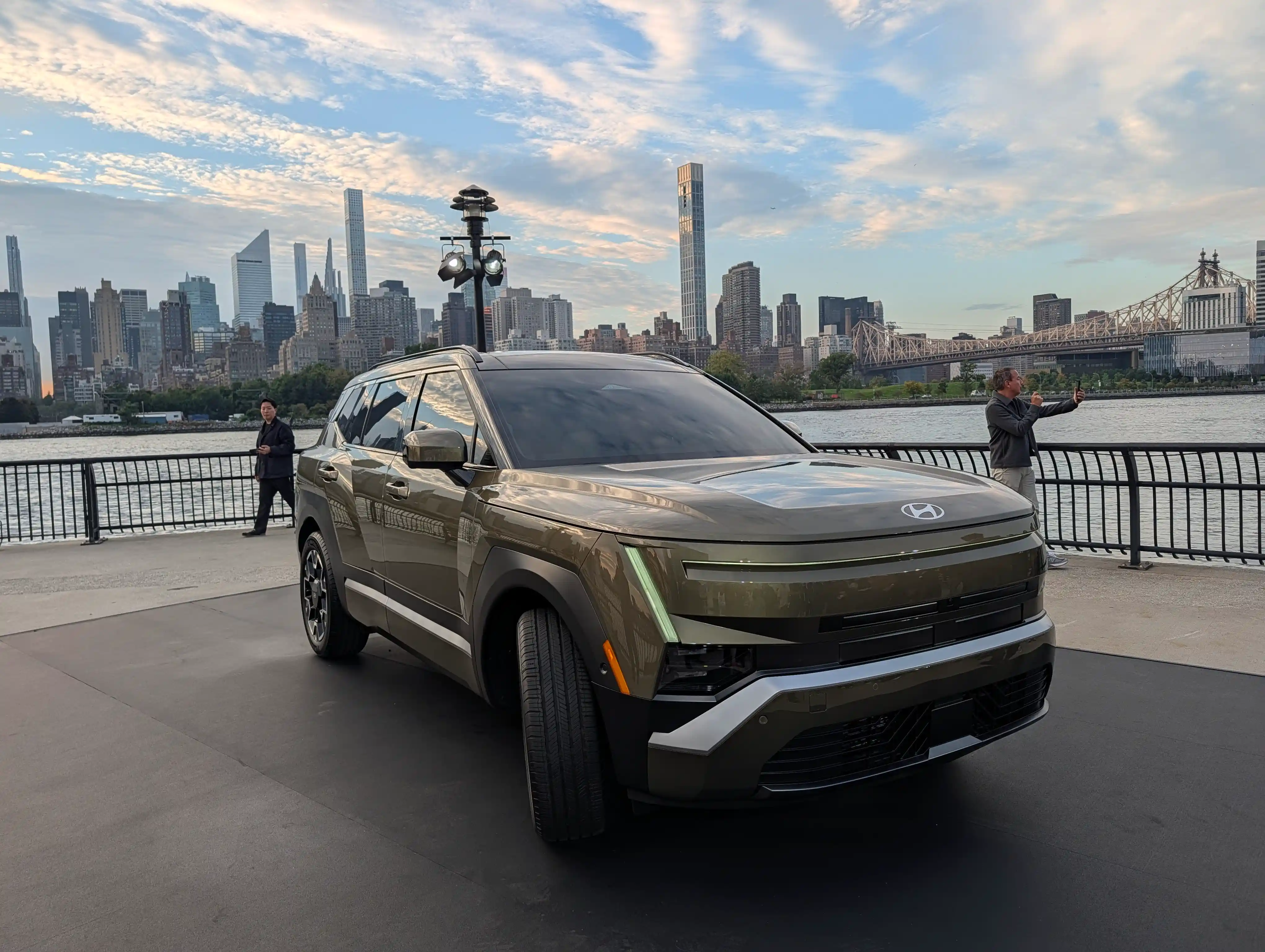
The 2027 model is the most extreme yet. It's boxier and chunkier, like it wants to grow up into a proper off-roader. I won't know what the XRT Pro trim can actually accomplish when the pavement ends until I drive it, but some elements of this Tucson clearly seem inspired by the larger Boulder concept Hyundai unwrapped at the New York Auto Show last spring. The most direct lift is the aggressive fender bulges, and there are also hints of the large three-row Palisade, particularly in the metallic-finished D-pillars (the rearmost roof pillars) on the non-XRT trims.
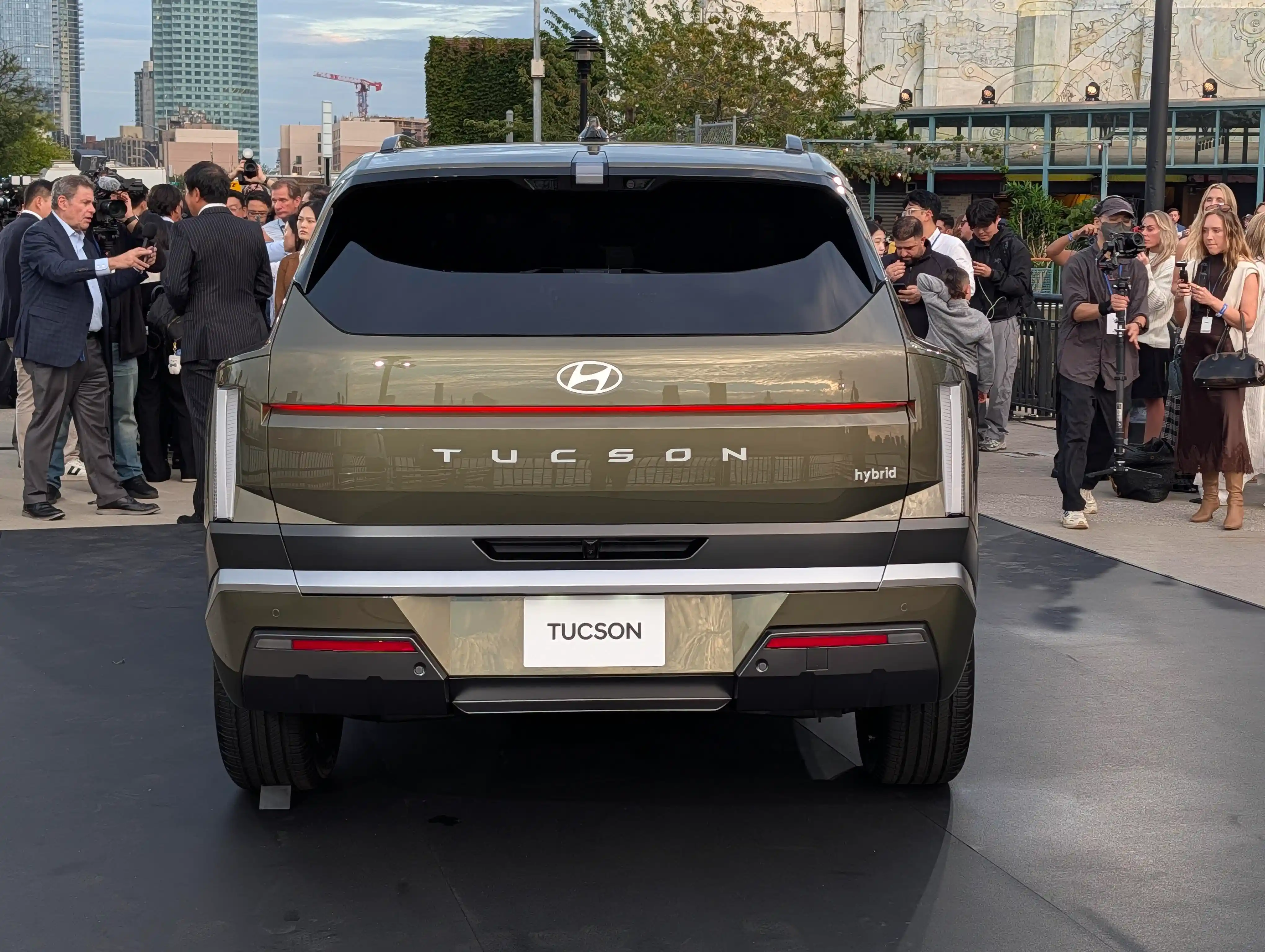
One interesting aspect of Hyundai’s design is that it doesn’t take a Russian nesting doll approach, where each model just looks like a scaled-down version of the next larger model. Beyond the fenders and rear pillars, this Tucson is otherwise distinct. A couple of years ago, Hyundai started integrating the letter H into the Santa Fe's lighting in a way that was perhaps over the top. The H is still here on the Tucson, but in a much more refined way. Instead of Hs everywhere, there’s a slim horizontal light bar across the front with two separate vertical lines and small projector headlamps tucked into the corners. The rear gets a similar effect, except in red, where the vertical elements are a bit thicker.
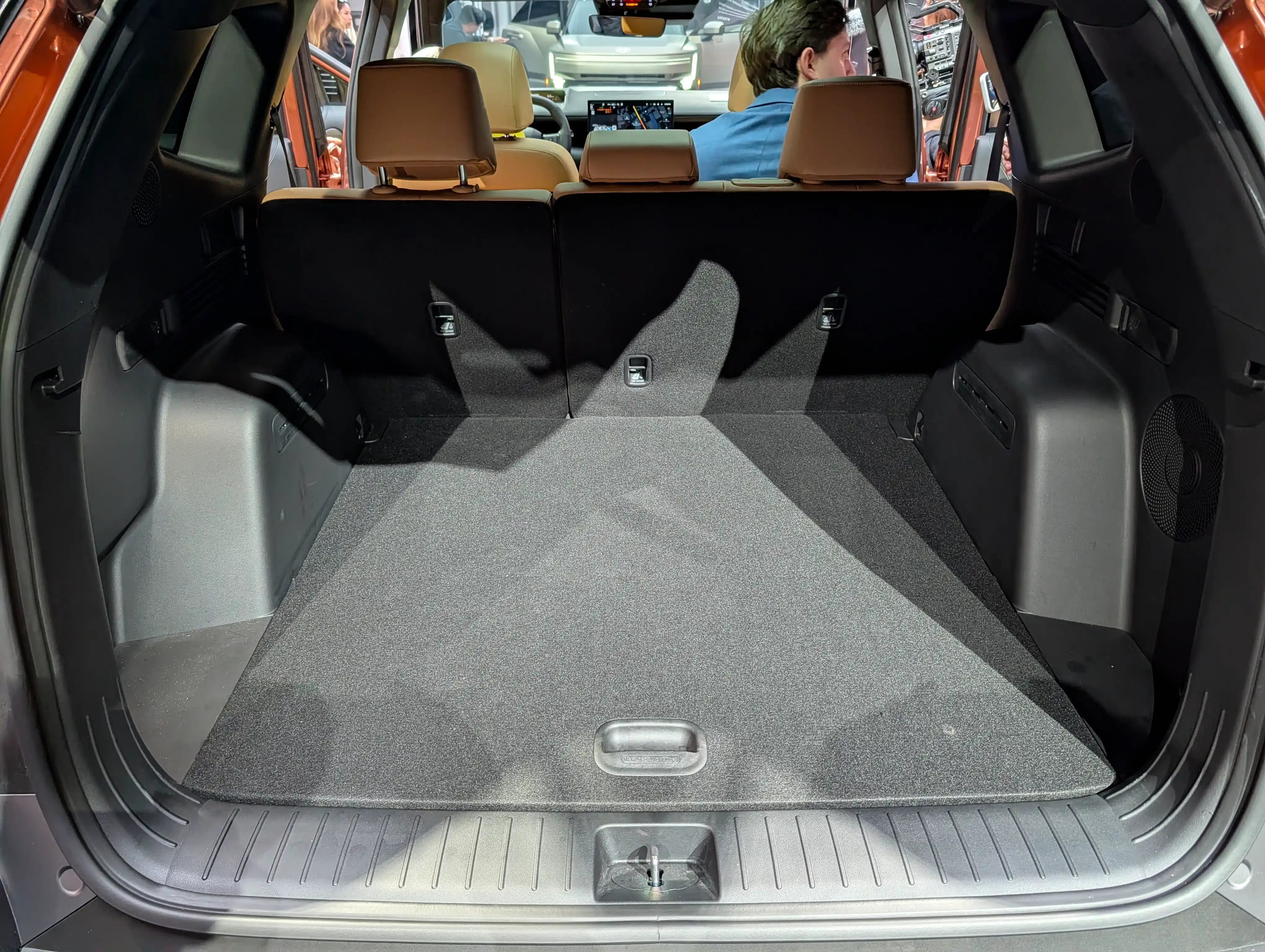
As with prior generations, the new Tucson is a bit bigger, though it hasn’t grown as much as it did in the third- to fourth-generation switchover. The 2027 Tucson is 2.4 inches longer, 1.6 inches wider, and about 0.8 inches taller, with a 1.2-inch longer wheelbase. Ground clearance stays at 7.1 inches for standard models, while the new XRT Pro off-road trim gets 8.3 inches.
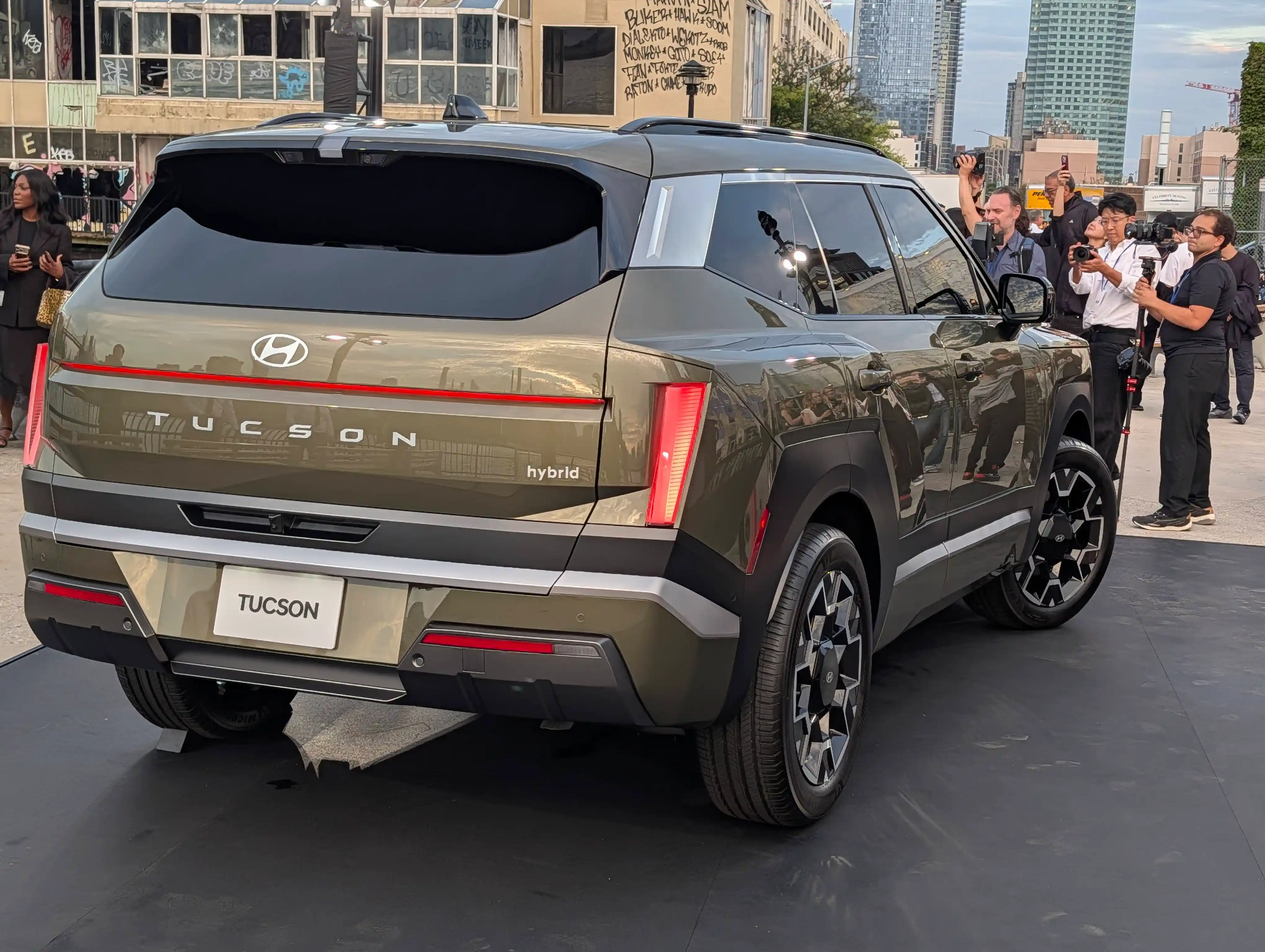
All new Tucsons get black plastic wheel arches. Like the Ioniq 5 XRT, the XRT and XRT Pro add a pattern molded onto the plastic to give it a bit more character. In this case, it's inspired by forged carbon rather than the pixels on the EV. Other trims just get a smooth finish on the arches.
All the driver-assist technologies on the current Tucson carry over. Hyundai also adds intelligent speed limit assist, which automatically adjusts cruise control when the cameras detect a new speed-limit sign. Navigation-based smart cruise control will also adjust the set speed when going through corners based on how tight the curve is.
A New Cabin Approach
When the fourth-generation Tucson debuted in 2020, Hyundai went for a capacitive touch-heavy interface, with a single panel sweeping up from the center console into the dashboard. It was difficult to use without taking your eyes off the road, and almost everyone hated it. Just two years later, Hyundai redesigned it with more physical controls and two 12.3-inch displays under a single pane of glass in front of the driver.
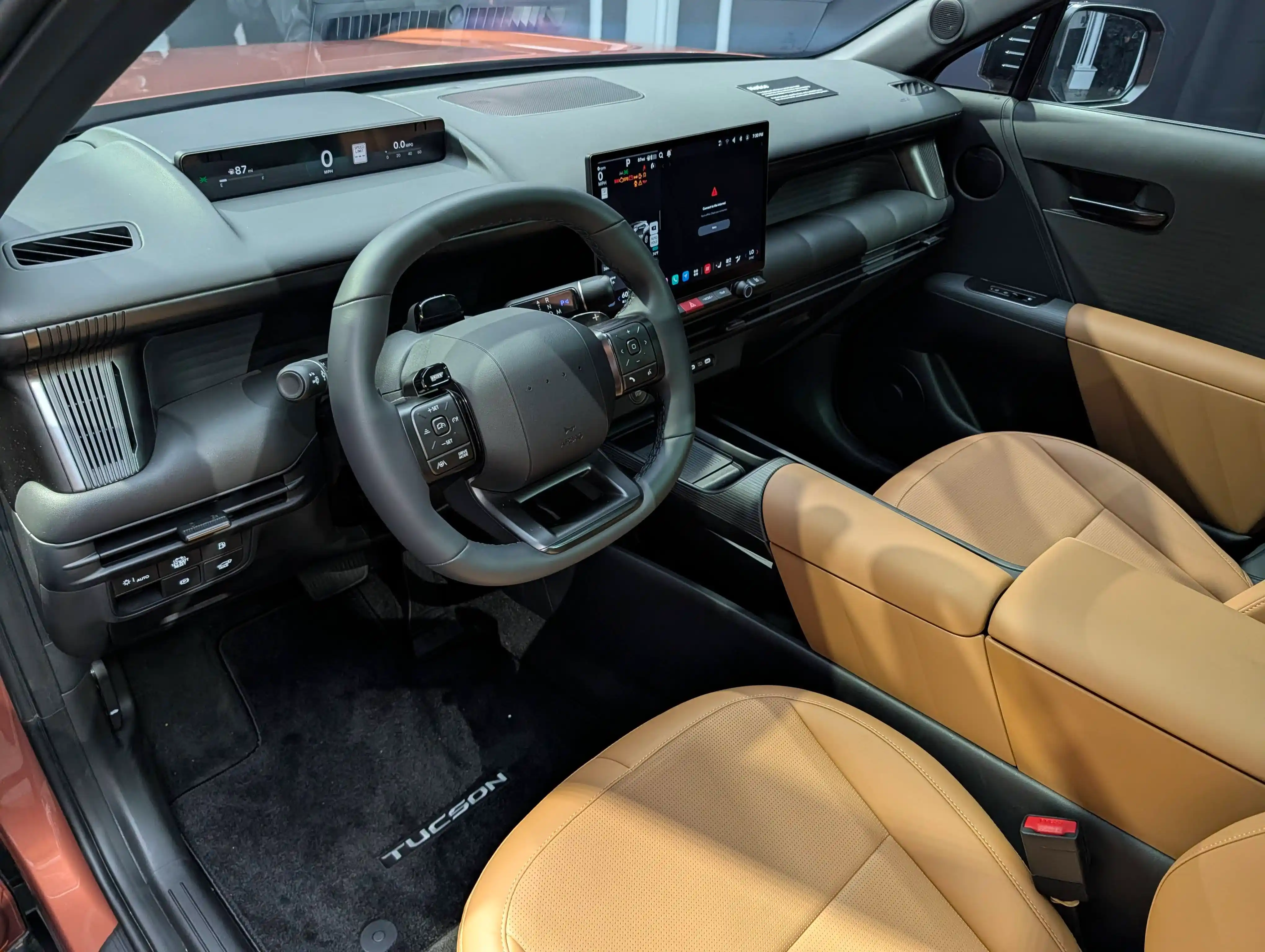
For 2027, Hyundai is taking a fundamentally different approach. Most of the screen space is now dedicated to a stand-alone central touchscreen, which measures 12.9 inches on lower trims and 17 inches on premium trims. Directly in front of the driver, near the base of the windshield, is a slim 9.9-inch horizontal display that shows essential information like speed, tachometer, navigation prompts, and warning lights. Because it's closer to the driver’s line of sight, it reduces the need for a head-up display.
The new model changes dramatically, so readers may benefit from a baseline for what it replaces. See how the outgoing Tucson Hybrid performs in everyday driving ➜
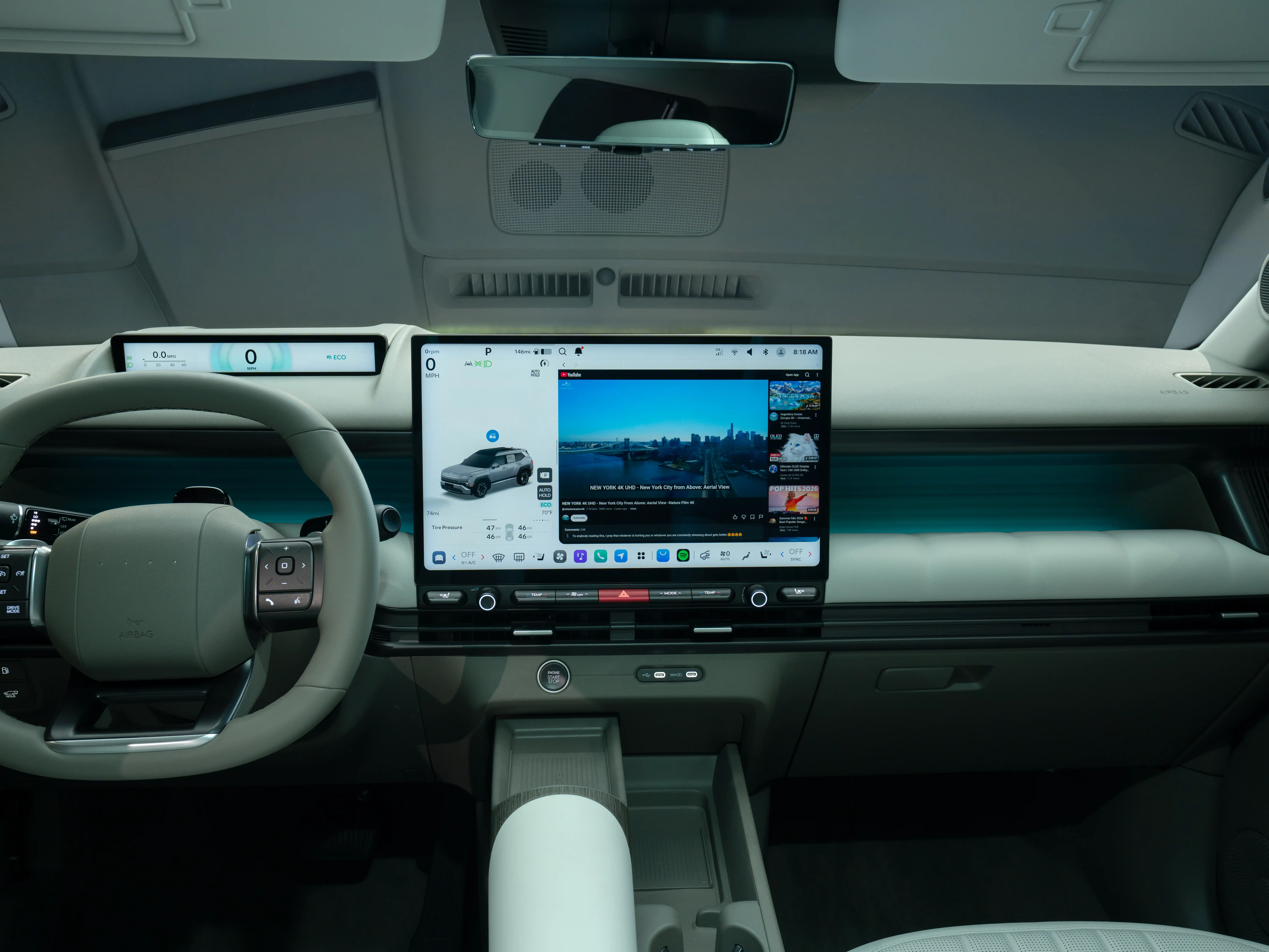
The big central screens feature Hyundai’s new Pleos Connect software, which makes its North American debut in the Tucson. Like many other infotainment systems, Pleos is built on the Android Automotive operating system, but it doesn’t use Google Automotive Services. Instead, Hyundai designed its own user interface that drivers can customize with up to three windows of information, so navigation, another app, and vehicle information can be displayed simultaneously.
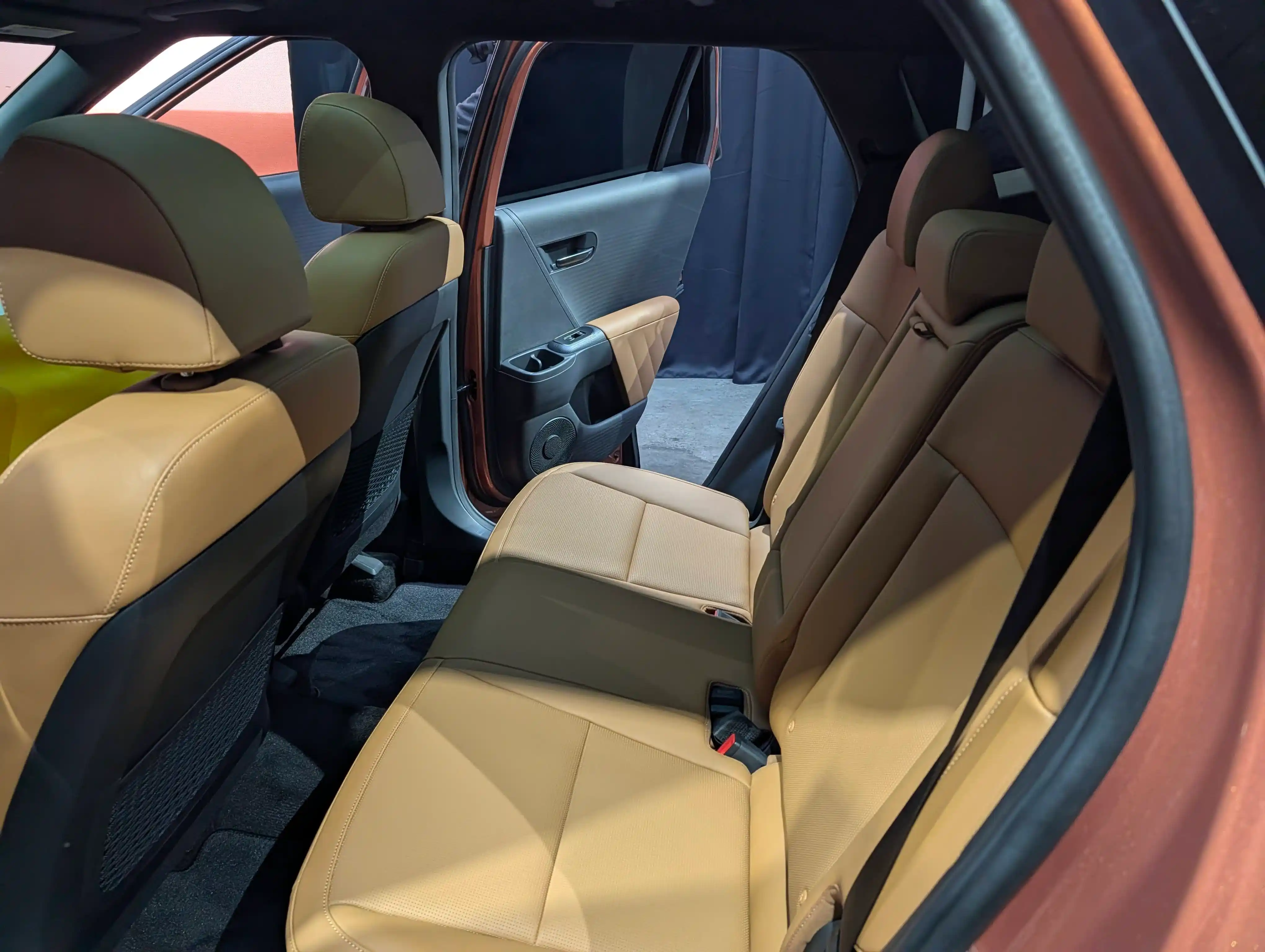
Along the bottom strip of the screen are controls for defrost and ventilated seats, plus shortcuts to frequently used apps. Hyundai also includes its own app marketplace where drivers can download additional Android apps. Even with the large touchscreen, there are still physical controls for the most used functions like temperature, fan speed, volume, tuning, and heated seats. Dual 15-watt wireless phone chargers are available in the center console, but they aren’t the magnetic kind that are appearing in other new vehicles lately.
Hyundai also incorporated its first agentic AI assistant, called Gleo AI. Gleo is designed to interpret natural-language queries from vehicle occupants and can control most vehicle systems, like changing the temperature. There’s also an in-cabin monitoring unit with a driver monitor to detect drowsiness or distraction, plus child presence detection and rear-occupant alerts.
Under the Hood
The 2027 Tucson offers four powertrains. Two are gas-only: the familiar naturally aspirated 2.0-liter four-cylinder or turbocharged 1.6-liter engine. The other two are electrified variants, offered with the turbocharged 1.6-liter engine paired with Hyundai’s next-generation hybrid system that debuted earlier this year on the Palisade. The new hybrid system replaces the former belted starter-generator (known as P0) with a motor/generator on the output of the crankshaft (P1) and a clutch before the primary P2 traction motor/generator.
The Tucson’s next-generation hybrid architecture first appeared in Hyundai’s larger SUV, so see how the same basic dual-motor strategy works in the Palisade Hybrid ➜
The hybrid gets a 13-kilowatt output from the P1 and 47.7-kW output from the P2, with a 1.49-kilowatt-hour battery. The plug-in hybrid (PHEV) increases the P2 motor output to 79 kW and the battery size from 13.8 to 17.1 kWh.
Hyundai projects 38 to 42 mpg combined for the hybrid, depending on whether it has front- or all-wheel drive and which tires are fitted. That’s a noteworthy improvement from the current Tucson hybrid's 36 to 38 mpg, making it more competitive with the Toyota RAV4, which gets up to 43 mpg. Based on my experience with this hybrid system in the Palisade, the new Tucson should perform better than the outgoing model and easily achieve those fuel economy numbers in the real world.
The RAV4 sets a high efficiency benchmark for this class, so see how Toyota’s redesigned hybrid crossover combines 40-plus-mpg efficiency with everyday practicality ➜
Hyundai hasn’t revealed the PHEV's expected electric range, but with 24 percent more battery capacity, it should be at least 40 miles, up from the 2026 model's 32. That’s not as much as the RAV4 PHEV's 54 miles, but it should meet most drivers’ daily needs without using any gas. The electrified models also get a new HEV Stay Mode, similar to the dog mode on some EVs. Climate control, audio, and device charging can remain active when the engine is turned off to keep the cabin comfortable.
When Can You Get One?
Hyundai officially took the wraps off the new Tucson in Brooklyn on October 1, 2026, and customers in Hyundai’s home market of South Korea will be able to get one before the end of the year. North American customers will have to wait a bit longer, until early 2027, and Hyundai will release pricing closer to the on-sale date.
More Efficient Crossovers to Consider
2026 Hyundai Tucson Hybrid vs. 2026 Kia Sportage Hybrid
See how the current Tucson and its closely related Kia sibling compare before both brands move further into their next generation of hybrid technology.
Read More ➜
What Is the Best Compact Hybrid SUV?
Compare the Tucson with more of the segment’s strongest hybrid choices on efficiency, space, pricing, and everyday usability.
Read More ➜
Best Plug-In Hybrid Crossover SUVs
For buyers interested in the Tucson PHEV, this broader guide shows how plug-in crossovers balance electric range with gasoline road-trip flexibility.
Read More ➜