
Fast Facts | Where EVs Are at in 2026
📉 North America: Market Cooling: Early 2026 demand softens versus last year
🌏 China Lead: Scale Advantage: Chinese brands drive global growth and affordability
🔌 Charging Buildout: Infrastructure Push: Public charging continues expanding across key corridors
🧯 Policy Drag: Incentive Volatility: Uncertain incentives and tariffs slow adoption in some markets
🧠 EREVs: New Category: Range-extended EVs move from niche to mainstream planning
What’s Driving Global EV Growth
I hope you are sitting down. Global electric vehicle sales are advancing, with over 17 million units sold in 2024 making up for over 20 percent of global car sales. Forecasts expect sales to exceed 20 million, which is over one-quarter of total cars sold in 2025.
Strong growth in EVs is being driven by China, emerging markets in Asia and Latin America, and increased affordability of EVs around the globe. Recent surveys show a jump in EV sales by over 60 percent in Southeast Asia, Brazil, and Africa.
Companies such as BYD and Tesla continue to dominate the world market and outside North America, other countries have amped up EV incentives along with a 40 percent growth in public charging stations.
Meanwhile, here in the U.S.A., electric car growth has slowed mostly due to the government’s scaling down on EV incentives and heavy tariff volatility. However, domestically, hybrid sales and the sale of used EVs is on the rise while Americans wait for new EVs that are more cost effective.
Market Developments
We can’t talk about today’s EV Market without looking at Tesla’s new strategy which involves scaling back on its Model S and Model X to focus on what it calls “100 percent unsupervised” Full-Self-Driving (FSD) cars. Tesla’s Fourth Quarter 2025 earnings report mentions that is currently has over 1.1 million FSD subscribers and growing. The company is also charging ahead with its Optimus humanoid robots. When you can buy one for $30, let me know.
If you want the cleanest macro view of where adoption is headed, see why EVs are projected to make up a quarter of global vehicle sales in 2025 ➜
As of January 2026, the global and U.S. markets are navigating a "slowdown" regime characterized by tempered economic growth, high-interest rates, and shifting investor sentiment. Various sectors are experiencing significant deceleration or stagnation in activity.
On the positive side, the Federal EV charging Infrastructure is expanding quickly to support EV adoption in the next decade. It is focusing on enhancing public, workplace, and highway access. Key trends include the integration of the Tesla Supercharger Network for all EVs, rising installations of new charging stations, and the shift towards ultra-rapid chargers, providing up to an estimated 200 miles of range in just 30 minutes.
New EV Models for 2027
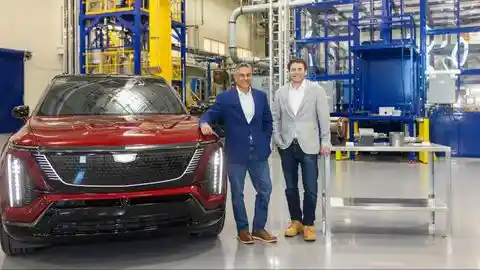
Automakers are expanding their lineups with specialized EV platforms offering increased range, faster charging, and lower prices. Key electric vehicle models coming soon include affordable options such as the new Ford midsize pickup with LFP batteries for under $30K and the redesigned 2027 Chevrolet Bolt with an MSRP of $26,500 and an EPA-estimated 255 miles of range.
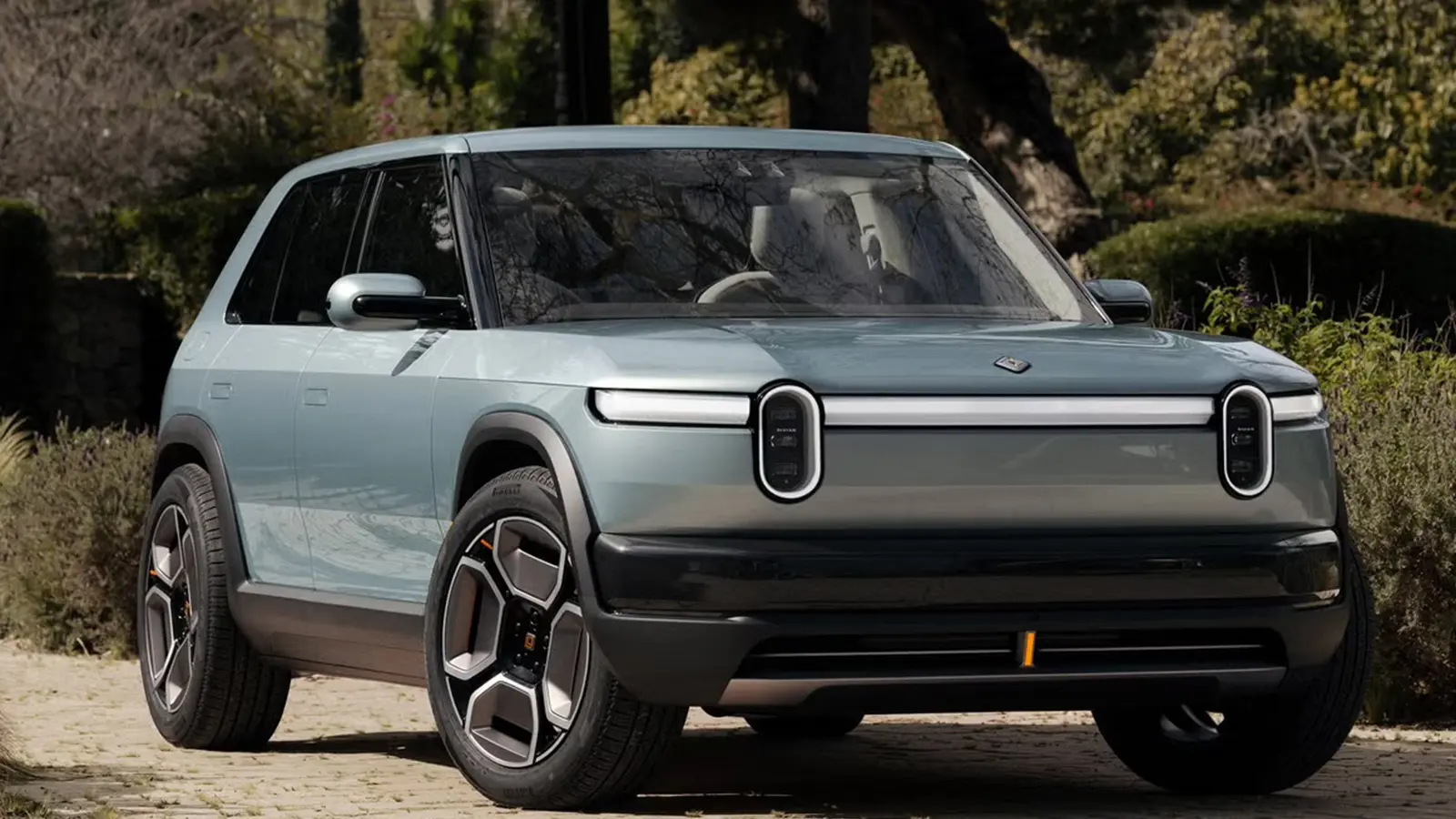
Besides new affordable EVs, there will also be the new Bentley "Urban SUV," the BMW iM3 with its quad motors and 800-volt system, and the high-performance Alfa Romeo Stelvio Quadrifoglio. When it comes to SUVs, Kia will be launching a major lineup of EVs (EV1 to EV7) through 2027. The 2027 Volvo EX60 is expected to arrive as a key family SUV, and Rivian is expected to introduce the R3 hot hatch crossover.
Another major trend in electrified vehicles will be a new world of Range Extender Vehicles (EREVs). The Genesis GV70 is expected to introduce a high-performance EREV variant in 2027, offering over 600 miles of EPA-estimated range. Other EREVs on the books include Jeep’s Grand Wagoneer 4xe, the next-generation Ford F-150 Lightning EREV, and Scout Motors’ Terra/Traveler.
Key manufacturers like Kia, Hyundai, and Stellantis (Alfa Romeo) are focusing their 2027 strategies on transitioning to fully electric or high-performance hybrid lineups.
What’s Shaping the EV Market
Hybrid Vehicles Claim Bigger Market Share in 2025
Hybrids surged as many buyers waited for cheaper EVs and better infrastructure
Read More ➜
New and Used EVs are Now More Affordable Than Ever
Falling prices and broader inventory are reshaping how buyers enter the EV market
Read More ➜
BYD Announces Sales Milestones
A quick snapshot of how BYD’s scale is influencing global EV momentum
Read More ➜