
Fast Facts | 2026 Lexus ES 350h
⚡ Powertrain: Sixth-generation Lexus hybrid system with FWD or available AWD
🚀 Output: 244 combined horsepower, up from 215 horsepower in the prior generation
⛽ Efficiency: Manufacturer-estimated 46 mpg combined for FWD and 44 mpg combined for AWD
💵 Starting Price: FWD Premium starts at $51,095 including the $1,395 destination fee
🧭 Trims: Premium and Premium+ are both available with FWD or AWD
📱 Tech: New Lexus multimedia system with a 14-inch touchscreen, 12.3-inch driver display, and AI-powered voice assistant
🛋️ Cabin: Longer body, wider stance, taller profile, and more rear-seat legroom than before
As Lexus closes in on its 40th anniversary, the last survivor of its original lineup is getting its most thorough makeover in decades. The ES is all-new for 2026, and like a growing number of vehicles in the Lexus and Toyota lineup, it now comes exclusively with electrified powertrains. There’s a fully electric version - the ES 350e and ES 500e - but this review focuses on what's likely to be the higher-volume model: the ES 350h hybrid, available with either front- (FWD) or all-wheel drive (AWD).
A New Design Direction For Lexus
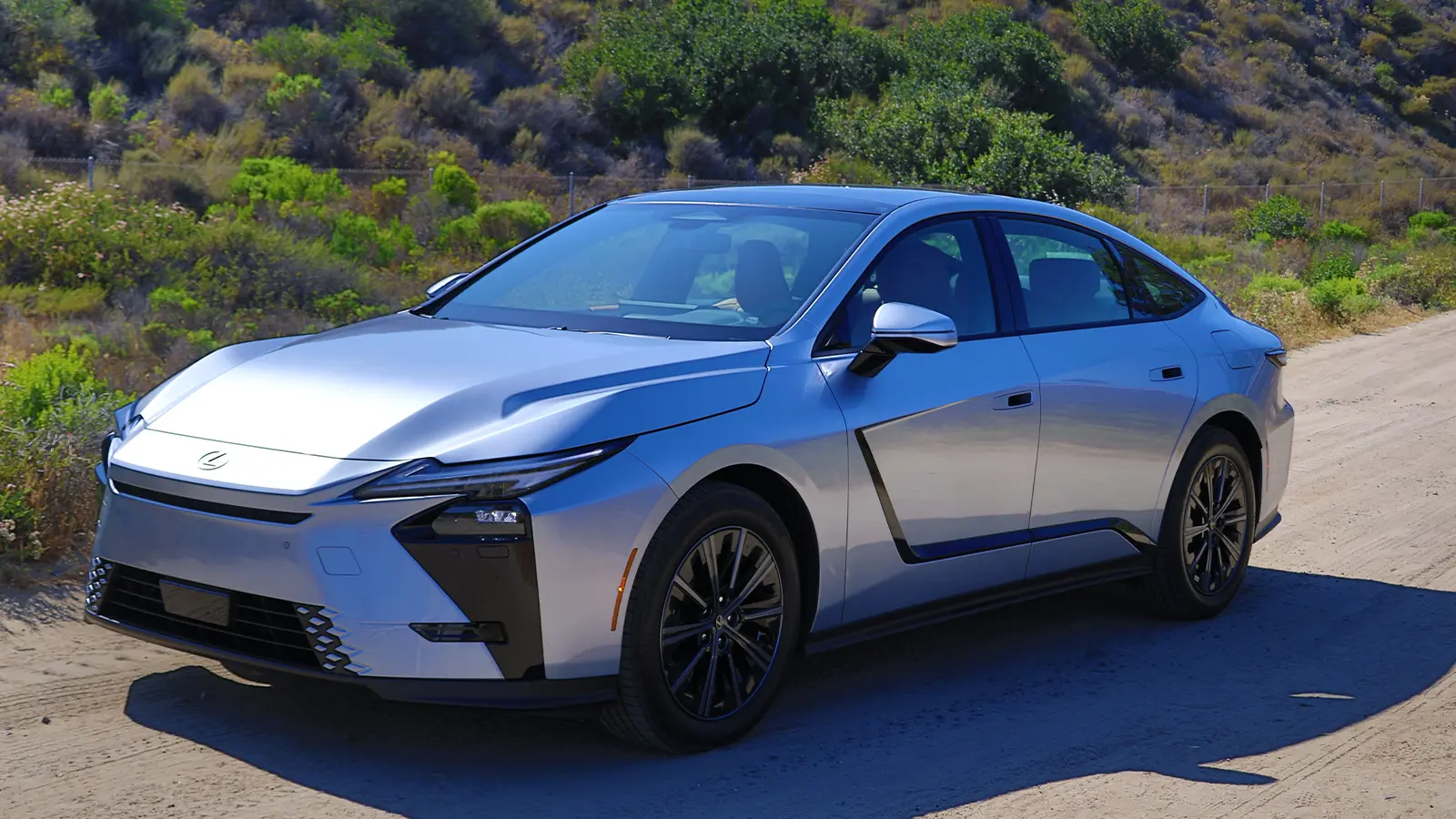
The ES has long taken a conservative approach to design, but the 2026 model marks a real shift for the brand. Gone are the sweeping curves and massive spindle grille that defined the last decade of Lexus. In their place is a smoother shape with crisply folded creases. At the front, those folds leave a subtle echo of the old grille, with similar folds in the hood. And apart from the badge on the trunk lid, the only visual element that distinguishes the hybrid from its electric siblings is a slim air intake just below the main horizontal crease on the nose.

The 2026 ES is also noticeably larger than its predecessor, slotting into the gap left by the now-defunct LS. Because the platform is designed to also accommodate a battery pack under the floor, the whole body sits nearly 4.5 inches taller than before. To maintain a modern, fastback body profile and attractive proportions, Lexus stretched it 6.5 inches longer, added 3.1 inches to the wheelbase, and widened it by 2.2 inches. To keep it from feeling slab-sided, designers added a double-hockey stick accent line in black along the flank. At first glance, it looks like side vents.
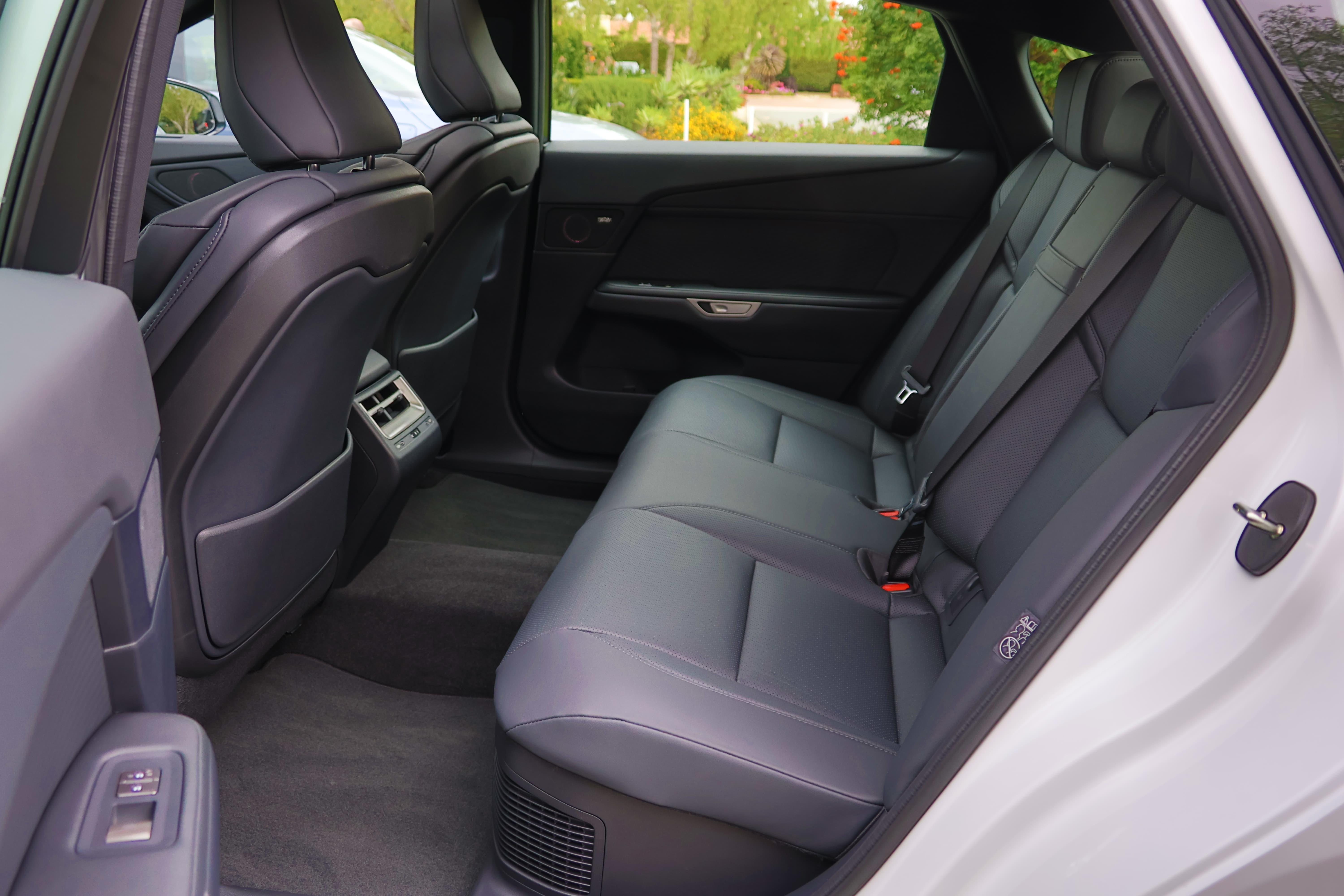
The larger footprint expands interior volume. Rear-seat passengers in particular will appreciate the newfound legroom, and even long-legged riders will have plenty of room. The interior design theme runs horizontal throughout, with lines across the dash that emphasize the cabin's width, while angles in the doors reflect the slight wedge of the exterior.
Lexus shoppers curious about the brand’s electric side should also see the 2026 Lexus RZ550e F Sport review ➜
As in most modern cars, there's no traditional shift lever. Instead, Lexus uses a toggle switch that's big enough to find easily and small enough to stay out of the way. A standard wireless charging pad sits at the front edge of the center console.
Next-Generation Infotainment
One goal for Lexus on the new ES was advancing the technology, and this is the first car from the brand to debut its new multimedia system. Developed internally by Toyota’s Arene software division, it addresses one of the biggest complaints of the outgoing system. Users can now arrange up to four large widgets for maps, drive mode, media, and phone and display up to three on screen at once for easy access. It's easy to use and quite responsive, though it does take a while to boot up when you start the car.
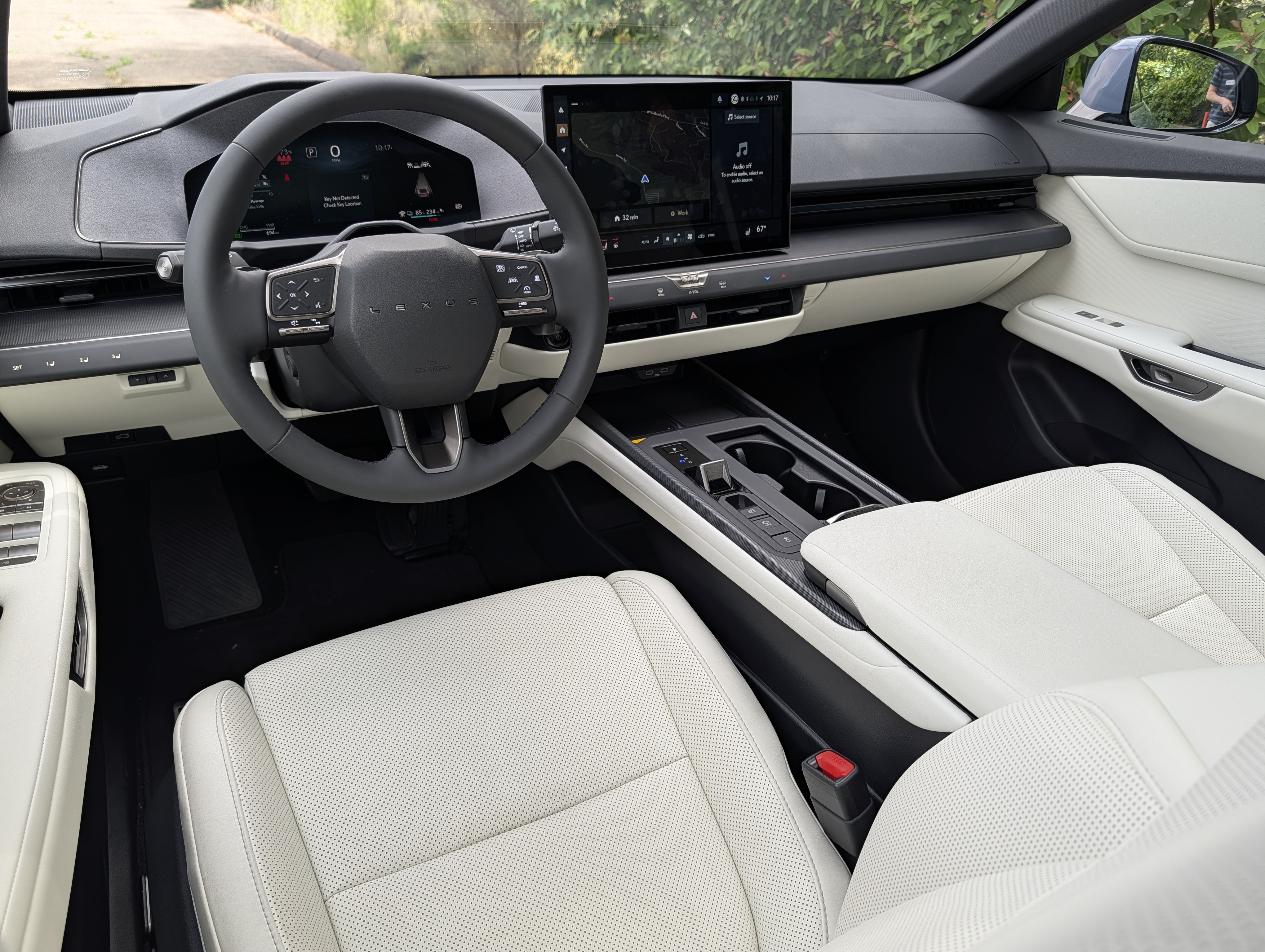
The infotainment display is a 14-inch center touchscreen, with a 12.3-inch instrument display directly in front of the driver. You can toggle through maps, driver assistance system visualization, trip data, and more. The touch controls on the steering wheel have been replaced by traditional single-function buttons, which are definitely easier to use. A new AI-powered voice assistant rounds things out, interpreting natural-language requests well and even guiding you to the settings menu when you need to make adjustments. For example, if you want to change between themes for the screen, just say, “Hey Lexus, go to display settings.”
A Lot More Hybrid Power
The 2026 ES marks the debut of Lexus' sixth-generation hybrid system. This is the latest evolution of technology that traces back to the original Prius in 1997. And it marks a notable shift in the way Lexus hybrids drive.
In older Toyota and Lexus hybrids, the electric motors had a modest power output that was significantly less than what the engine produced. They weren't designed for much electric-only operation, which meant the engine was doing most of the work, and you could hear it, especially when accelerating.
In the new generation, the electric motors take the lead. Where the old ES added just 39 horsepower from the electric motor, the new one has a 201-horsepower electric motor up front, plus a 54-horsepower rear motor for AWD models, for a combined output of 244 horsepower, a notable step up from the 215 horsepower total on the prior generation. The engine, an upgraded 2.5-liter four-cylinder making 186 horsepower, acts as more of a generator, similar to Honda's hybrids or Nissan’s e-Power system. The result is a vastly more refined driving experience, with none of the "rubber-banding" effect that Toyota hybrids have been known for.
Behind the wheel, the difference is palpable. The ES 350h now feels much more like what luxury car buyers are looking for. Despite the increase in size and weight, the car is surprisingly well controlled on the road — it’s no Supra or LFA, but the body remains stable while still providing a very comfortable ride, and the steering feels surprisingly good.
One challenge for Lexus dealers: once customers drive the ES 350h and feel just how quiet and refined it is, some of them are going to try the ES 350e next, and quiet will feel loud compared to downright silent.
The Bottom Line
The 2026 Lexus ES 350h is offered in two trims — Premium and Premium+ — each available with FWD or AWD. The FWD ES 350h Premium starts at an MSRP of $51,095, including the $1,395 destination fee, while the Premium+ starts at an MSRP of $55,895. AWD costs an extra $1,400 on either. The Premium+ has a 10-way power-adjustable passenger seat, a Mark Levinson 17-speaker audio system, advanced parking assist, traffic-jam and lane-change assist, a head-up display, and a digital key. The ES 350h should be hitting dealers across the country by mid-summer.
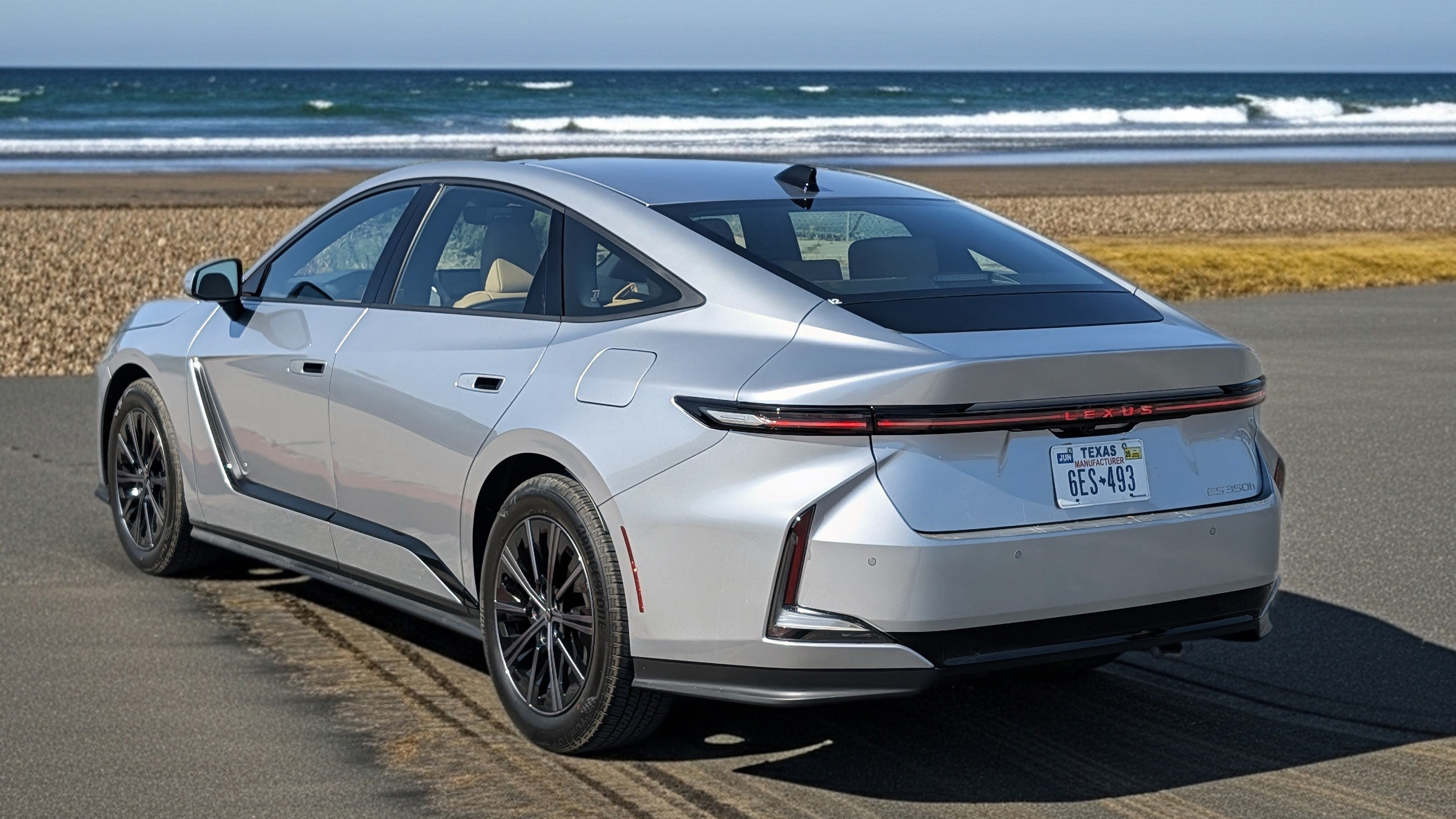
Design is always a subjective matter, but the move away from the massive spindle grille feels like the right call. Fuel efficiency climbs from an EPA-estimated 44 mpg combined to a manufacturer-estimated 46 mpg for FWD, and 44 mpg for AWD. And the new generation hybrid is a huge step forward. When this technology expands to the rest of the Lexus and Toyota lineups, it should close the refinement gap to Honda. Lexus is hoping the new ES will attract younger buyers, and the blend of new design and technology will definitely help. It’s a better car than its predecessor in almost every way.
Between the hybrid and electric versions of the ES, Lexus expects about 80 percent of customers to opt for the hybrid. However, Lexus owners are going to be more affluent than the average Toyota buyer, and many will own homes with access to overnight charging. If those customers also test drive the electric variants, Lexus may find that more than 20 percent of buyers end up opting for the EV, especially if fuel prices stay elevated. It’s going to be a very interesting experiment to watch.
⚡More Green Luxury Choices
2026 Lexus RX 450h+ Luxury Review
A plug-in hybrid Lexus SUV gives shoppers another look at how the brand is blending quiet luxury with electrified performance
2026 Lexus NX 350h F Sport Handling AWD Review
The NX 350h shows how Lexus is applying its hybrid formula to a smaller, sharper luxury SUV
2026 Toyota Crown Platinum Review
Toyota’s premium hybrid sedan offers a useful cross-shop for buyers who like the ES formula but want a different flavor