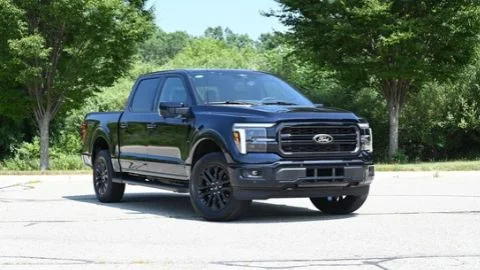

Fast Facts | 2025 Ford F-150 PowerBoost Lariat
💪 System Output: 430 horsepower and 570 lb-ft of torque (gas + electric)
⛽ EPA Rating: 23 mpg combined
❄️ Cold-Weather Test: 18.4 mpg combined observed during a freezing test week
🛻 Max Towing: Up to 11,200 pounds
🔌 Pro Power Output: 2.4 kW to 7.2 kW available depending on trim and options
🧰 EV Assist Use: About 18% of test miles handled by the EV system
🧭 Driving Range: More than 500 miles of cruising on one tank
💵 Tested MSRP: Lariat example referenced at $72,935 MSRP
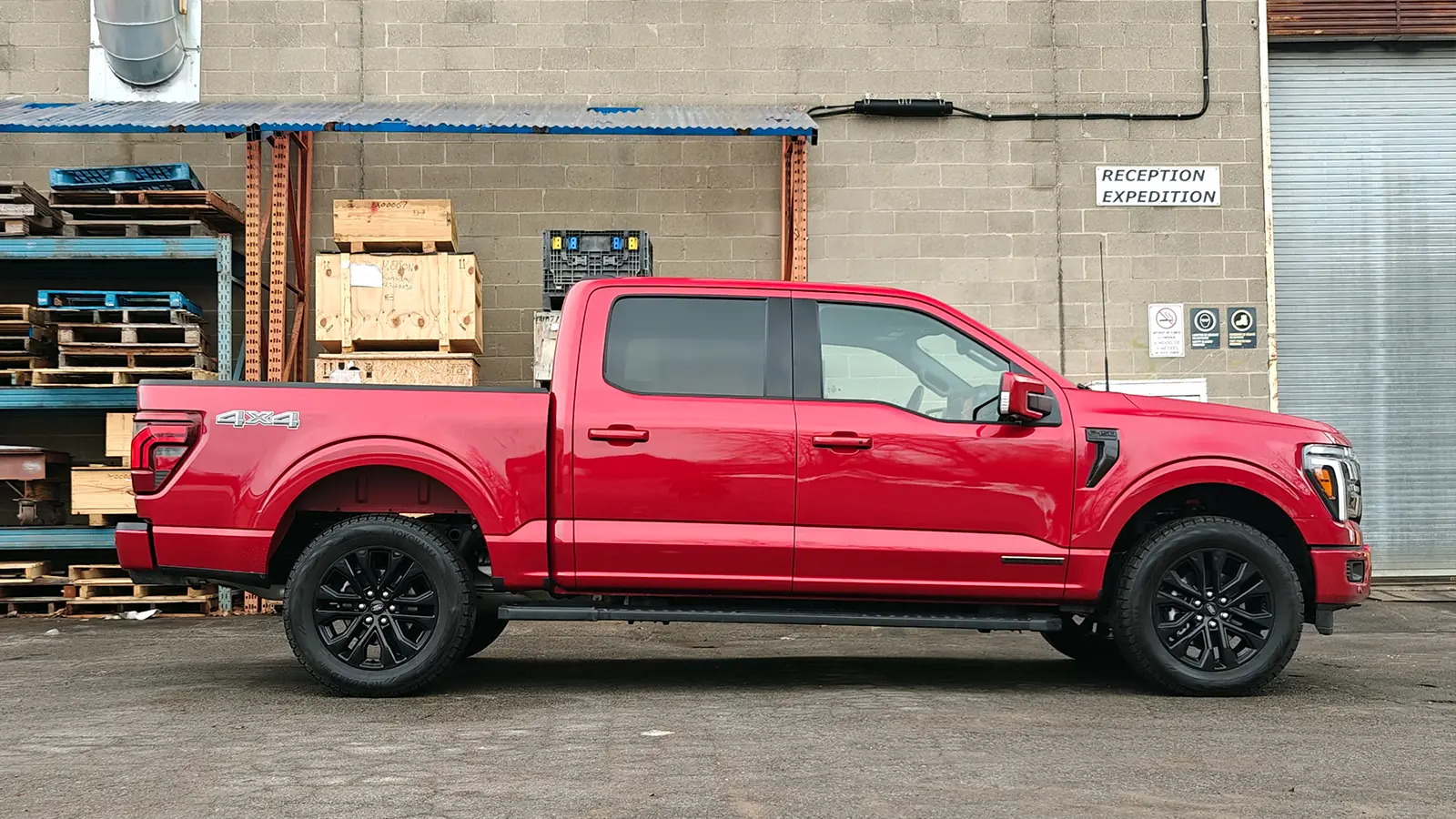
More Than Just a Mighty Fuel-Sipper
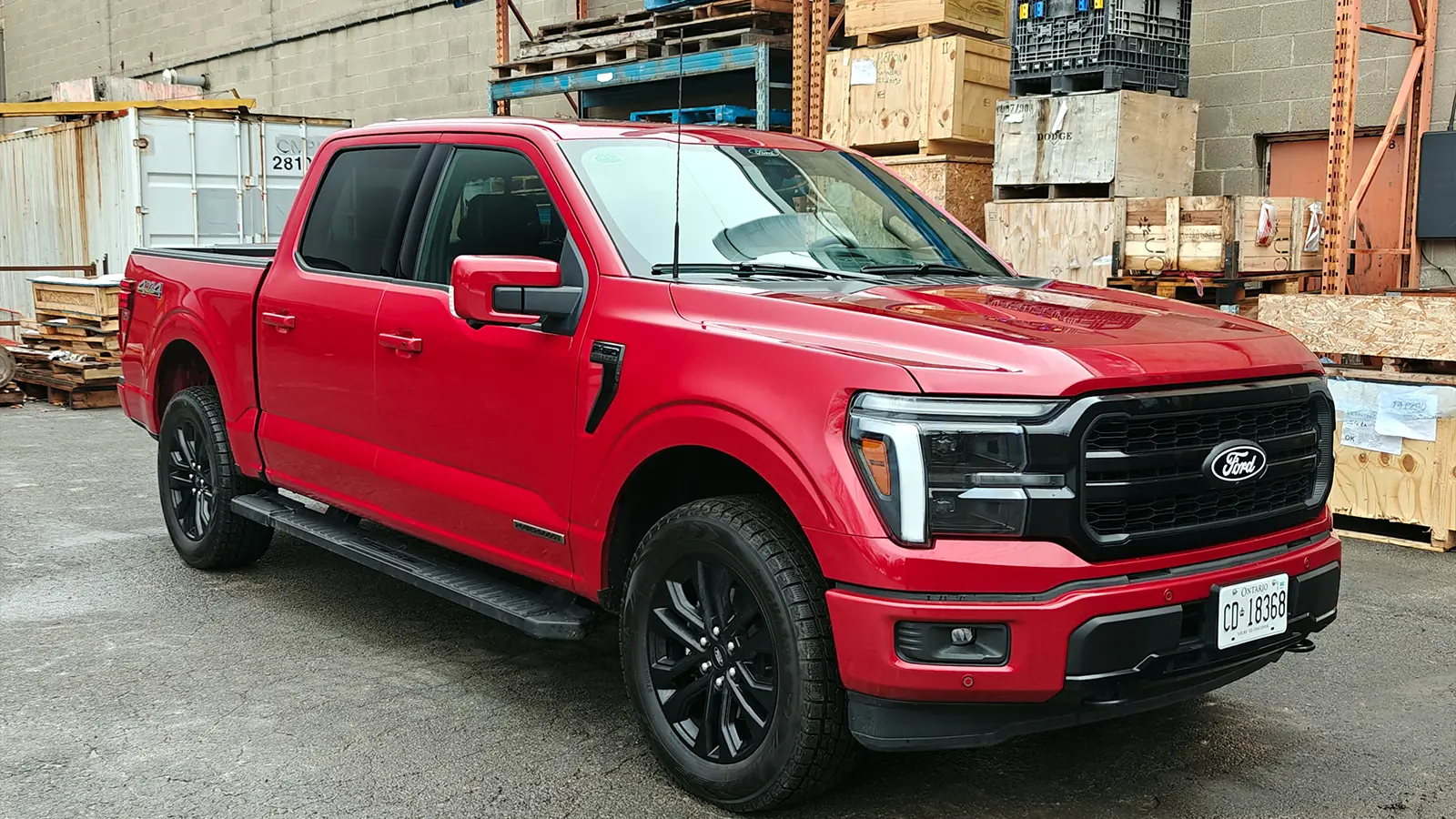
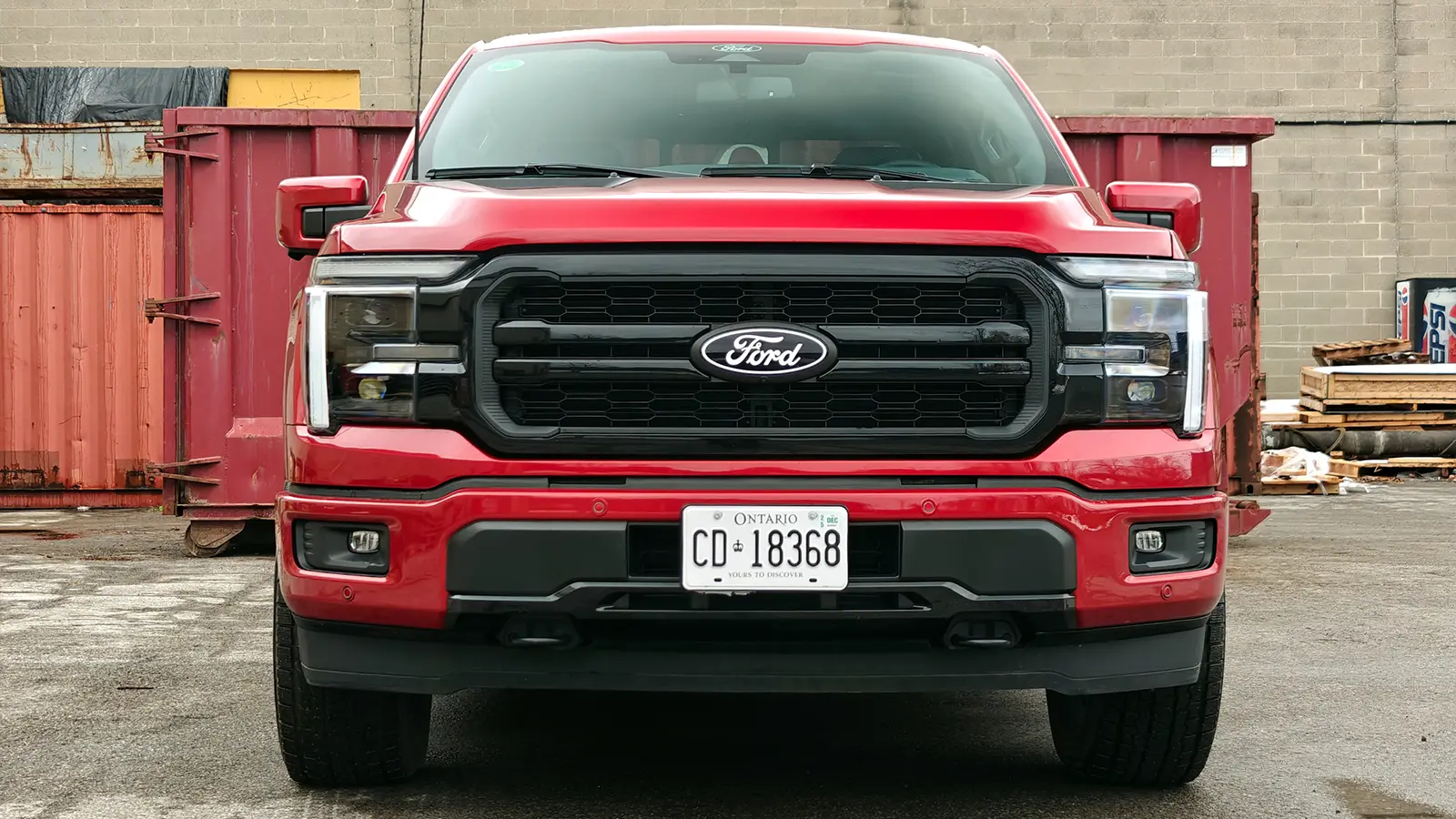
Ford sells the F-150 in a bewildering array of configurations but tucked within that mix is a traditional hybrid option perfect for pickup shoppers seeking an edge at the fuel pump. The 2025 Ford F-150 PowerBoost drivetrain can be added to trims ranging from the XLT to the fully-loaded Platinum, giving it a level of versatility that Detroit rivals like Chevrolet, GMC, or Ram simply don't offer.
While the PowerBoost gets better gas mileage than several other F-150 engines — at least, on paper — my experience suggests its main advantages are actually in power and practicality.
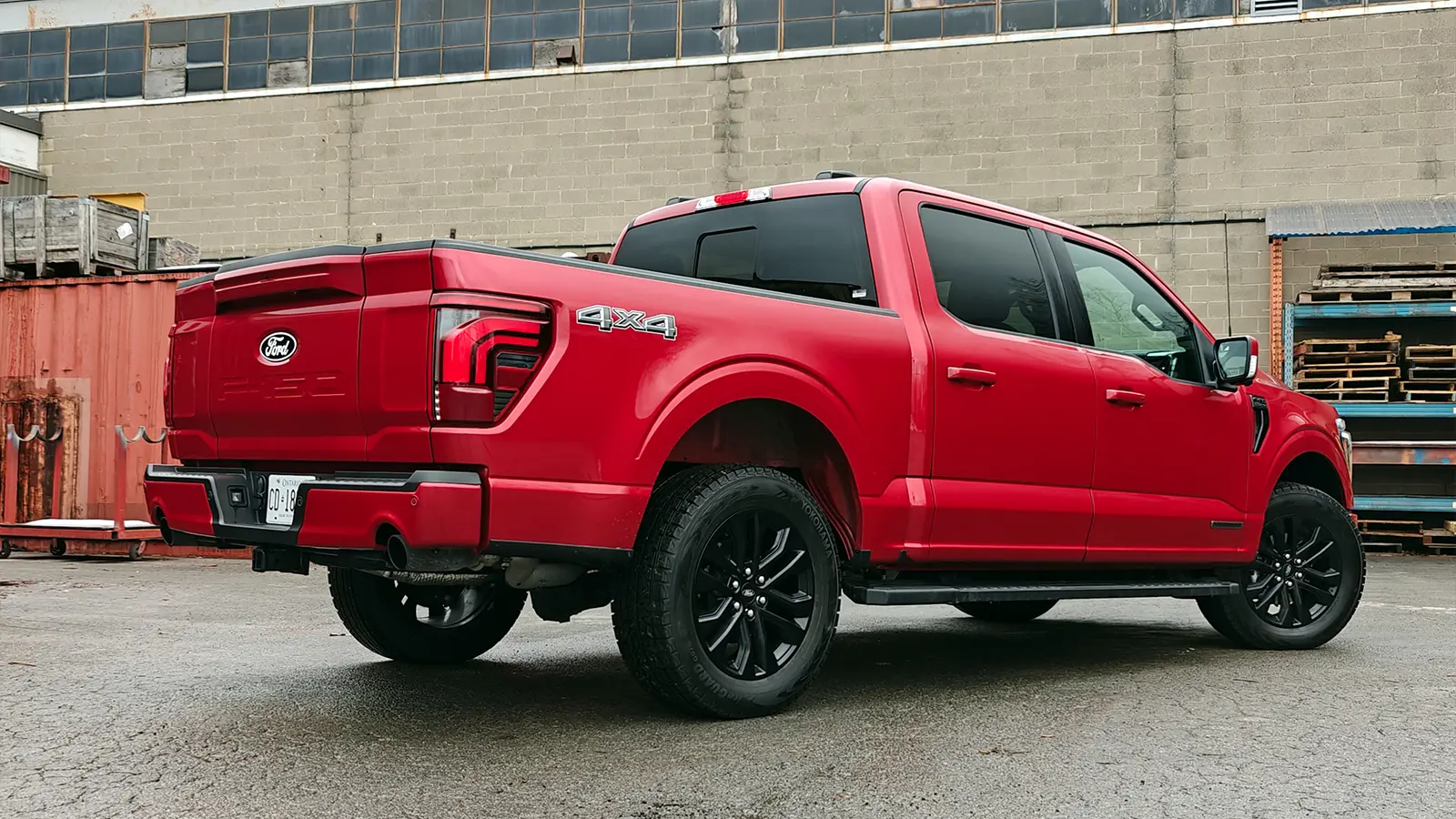
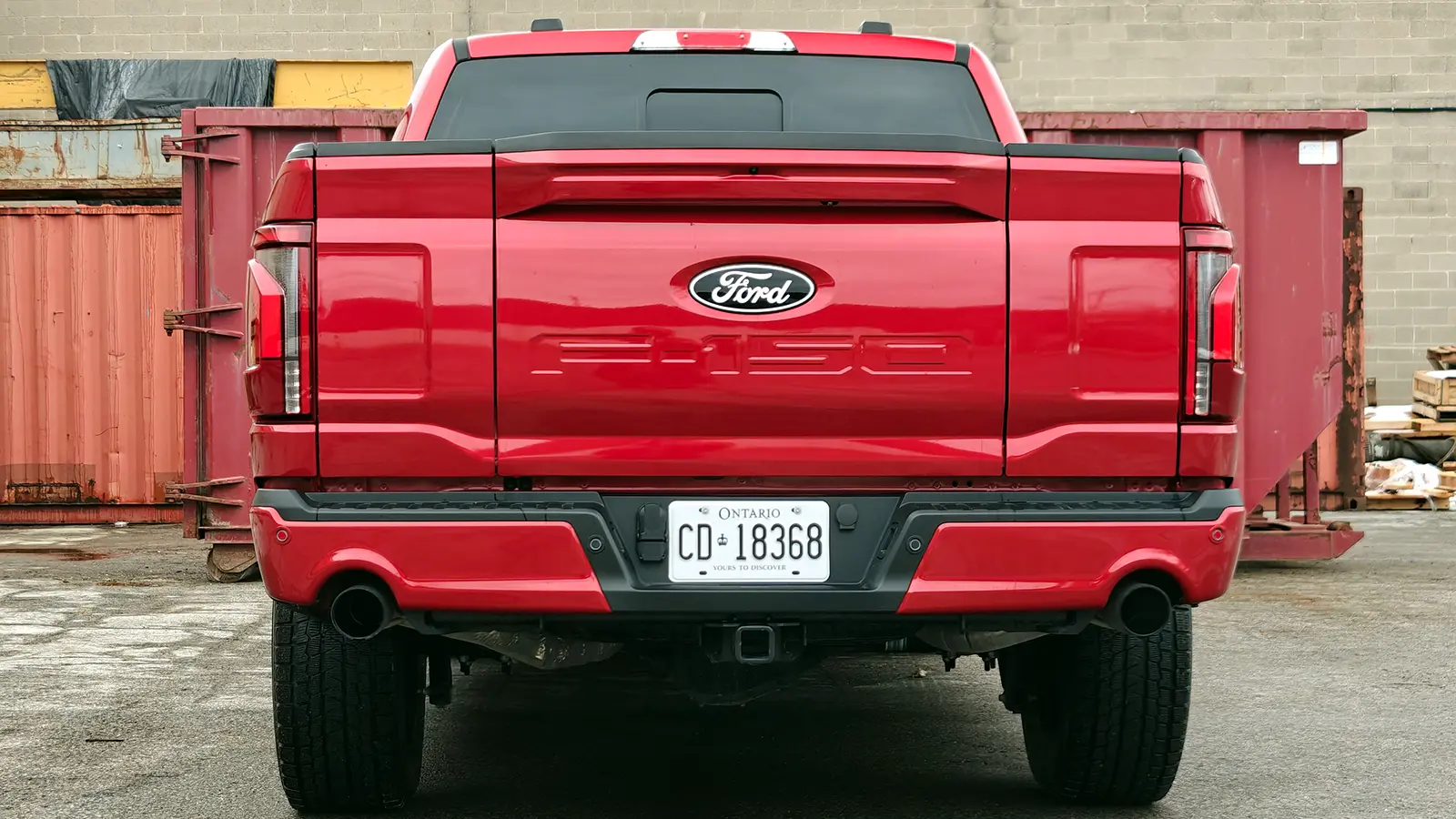
The Mightiest F-150 Short of the Raptor R
The F-150’s hybrid system combines a single electric motor with a twin-turbocharged 3.5-liter V6, and together, they produce 430 horsepower and 570 pound-feet of torque. That’s serious muscle, outshining the 5.0-liter V8 (400 horsepower, 410 lb-ft of torque) and twin-turbocharged 3.5-liter V6 (400 horsepower, 500 lb-ft of torque). Only the supercharged V8 in the Raptor R tops its output.
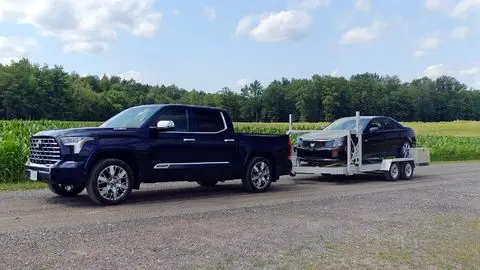
The Toyota Tundra Hybrid is really the F-150 hybrid's only true rival. It uses a similar turbocharged six-cylinder, producing an additional 7 horsepower 13 more lb-ft of torque. A key difference between the two? The Toyota’s max torque comes on nearly 700 rpm lower, which those towing or hauling a heavy load will appreciate.
The PowerBoost offers exceptional forward thrust at full gallop. Unless you’re goofing off from a standing start, there’s no drama at all to the F-150’s acceleration. Simply pin the throttle and let the truck’s computers figure out the best mix of electric and gas power. It’s a quick truck, which is even more impressive considering it weighs just under three tons.
With a traditional 10-speed automatic transmission calling the shots, there’s very little of the droning common in many hybrids with continuously variable automatic transmissions. That said, the V6’s exhaust note can occasionally intrude into the cabin in a less-than-graceful manner.
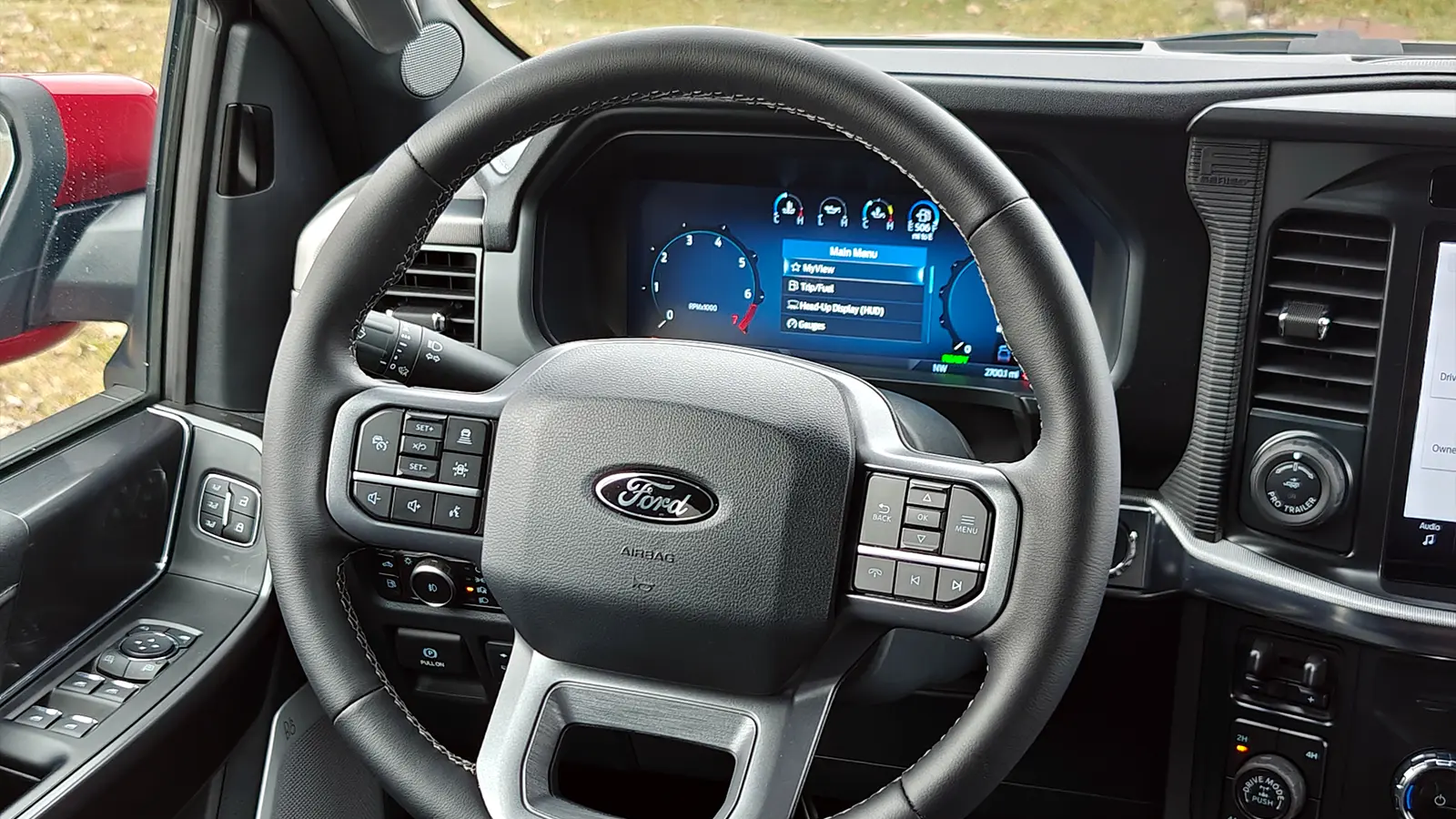
I encountered freezing weather during my test week, and the Ford was a winter champ, confidently navigating through a blizzard’s worth of low-visibility and low-friction, two-lane driving once I set the four-wheel drive system to automatic.
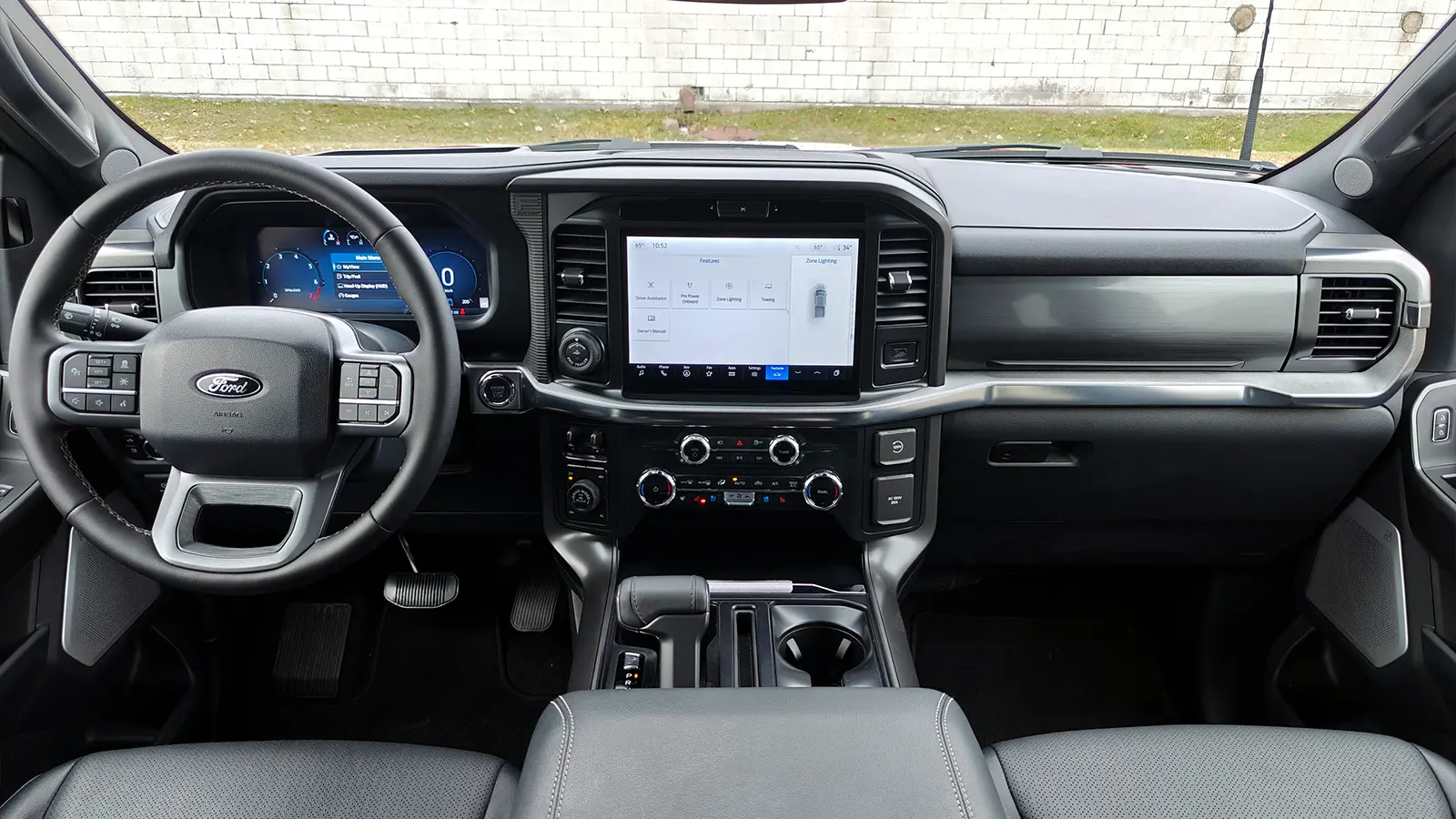
Fuel Efficiency In The Cold
There’s no doubt that those same chilly temperatures had an impact on the PowerBoost’s fuel mileage. I averaged 18.4-mpg combined, including a fair amount of highway driving. That’s considerably less than the EPA rating of 23 mpg, but a loss of 22 percent is pretty typical for hybrid performance during the colder months.
Keep in mind that the hybrid F-150 has only slightly better overall efficiency than its gas-powered peers. Four-wheel drive versions of the base pickup check in at 20 mpg with its entry-level turbocharged V6, while the V8 and larger turbo V6 both sit at 19 mpg. You’re mainly paying a premium for the additional grunt offered by the PowerBoost, with the understanding that it'll sip fuel at a rate similar to less-gifted drivetrains on the daily commute.
The hybrid also provides solid driving range on a single tank of gas. The well-equipped Lariat trim I drove (which stickered with an MSRP of $72,935) was good for more than 500 miles of cruising before I needed to fill up, which is laudable for a full-size truck. In total, roughly 18 percent of my total miles were handled by its EV system, which frequently shut down the engine while coasting or took over completely at parking lot speeds.
Pro Power Practicality Is a Major Selling Point
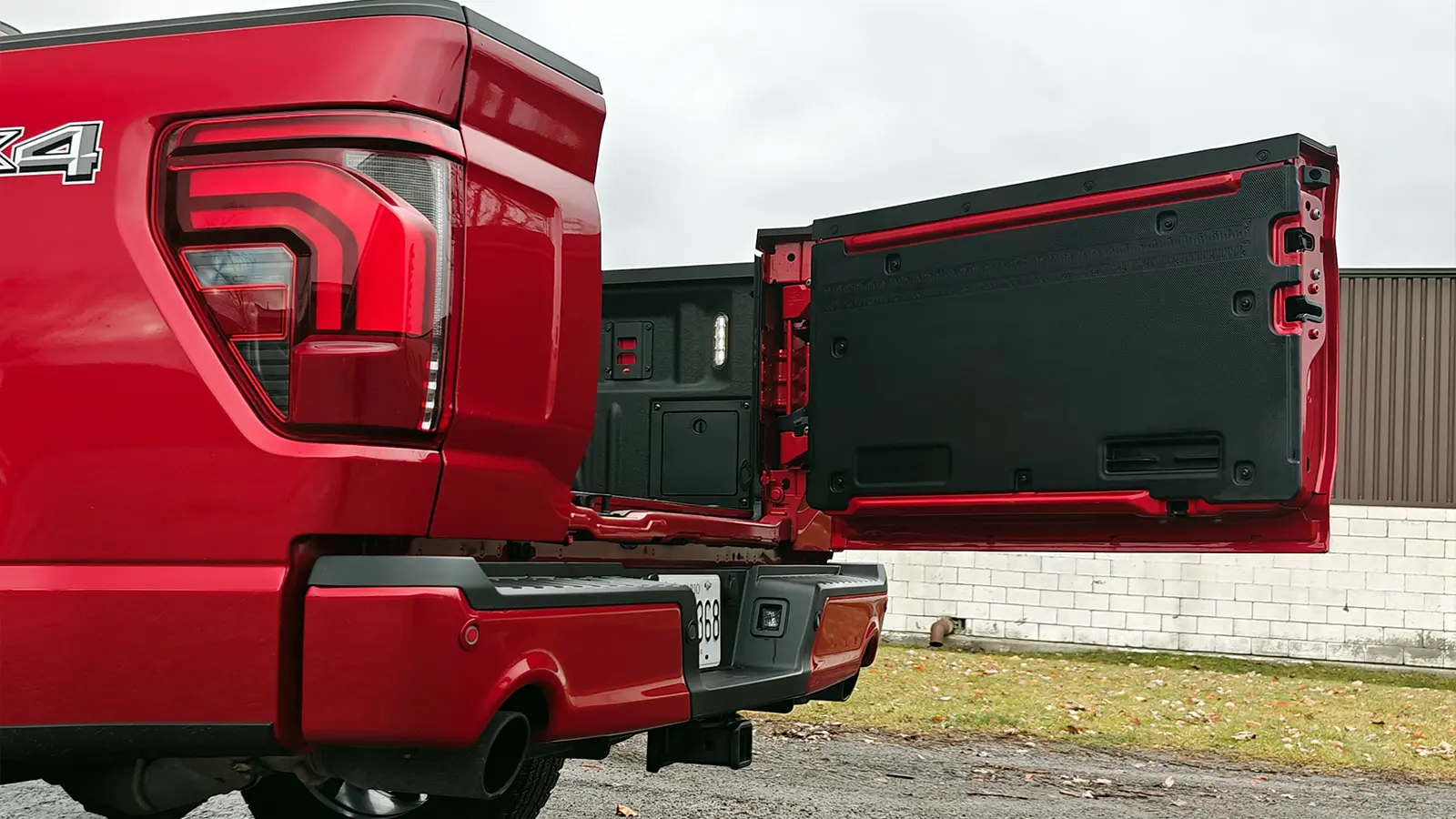
Ford’s PowerBoost hybrid delivers additional features that you won’t find in the Toyota Tundra Hybrid. The F-150 has long been available with Pro Power Onboard, which provides 2.0 kW of electricity from plugs in the cargo bed. Like the Lightning EV pickup, the PowerBoost hybrid system goes a step beyond that and acts as a generator, churning out between 2.4 kW and 7.2 kW (depending on trim and options), which considerably extends its capabilities at a job site.
After using the Lariat SuperCrew to haul home a Christmas tree, I plugged an electric rotary saw into the Pro Power system to slice a puck off the end of the trunk (to make sure the tree could drink water once it was brought inside). The system worked flawlessly. Activation is easy; there's a control in the infotainment system and an on/off button in the bed itself. Later that night, the perimeter lighting illuminating the cargo area allowed me to sweep out the pine needles.

At This Price, PowerBoost Is a Bargain
The Ford F-150 PowerBoost strikes me as one of the most practical choices in the lineup's many options. From a getting-things-done perspective, being able to cart around up to 7.2 kW of power nearly anywhere this off-road capable truck can scramble to is an incredible bonus. Even if you aren’t hanging your hard hat on the Ford’s hook at night, it’s a big boon to campers, off-the-grid explorers, and tailgaters, too.
While its fuel savings might be modest when compared against nonhybrid models, no other F-150 can match the PowerBoost’s excellent torque, which makes it appealing not just as a daily driver, but as a tow rig too (especially considering its max trailer rating of 11,200 pounds).
Choosing the PowerBoost drivetrain limits you to 4x4 SuperCrew models, and you’re looking at an additional $1,900 to $3,560 to install it over the base engine, depending on the trim level selected and the options packages Ford pairs with it. But considering what the hybrid truck brings to the table, that feels like a bargain.
All mileage is EPA estimated.
Keep Comparing Electrified Pickups
Toyota Tundra TRD Pro Hybrid Road Test
A direct rival with a similar turbo-hybrid formula, and a great baseline for how the segment’s hybrid muscle stacks up
Read More ➜
Ford F-150 Lightning Road Test
If you love the idea of Pro Power and instant response, here’s the all-electric alternative with a very different ownership tradeoff
Read More ➜
Today's Most Fuel-Efficient Trucks
A quick shortlist for shoppers who want better mpg without giving up truck usefulness
Read More ➜