 Trends
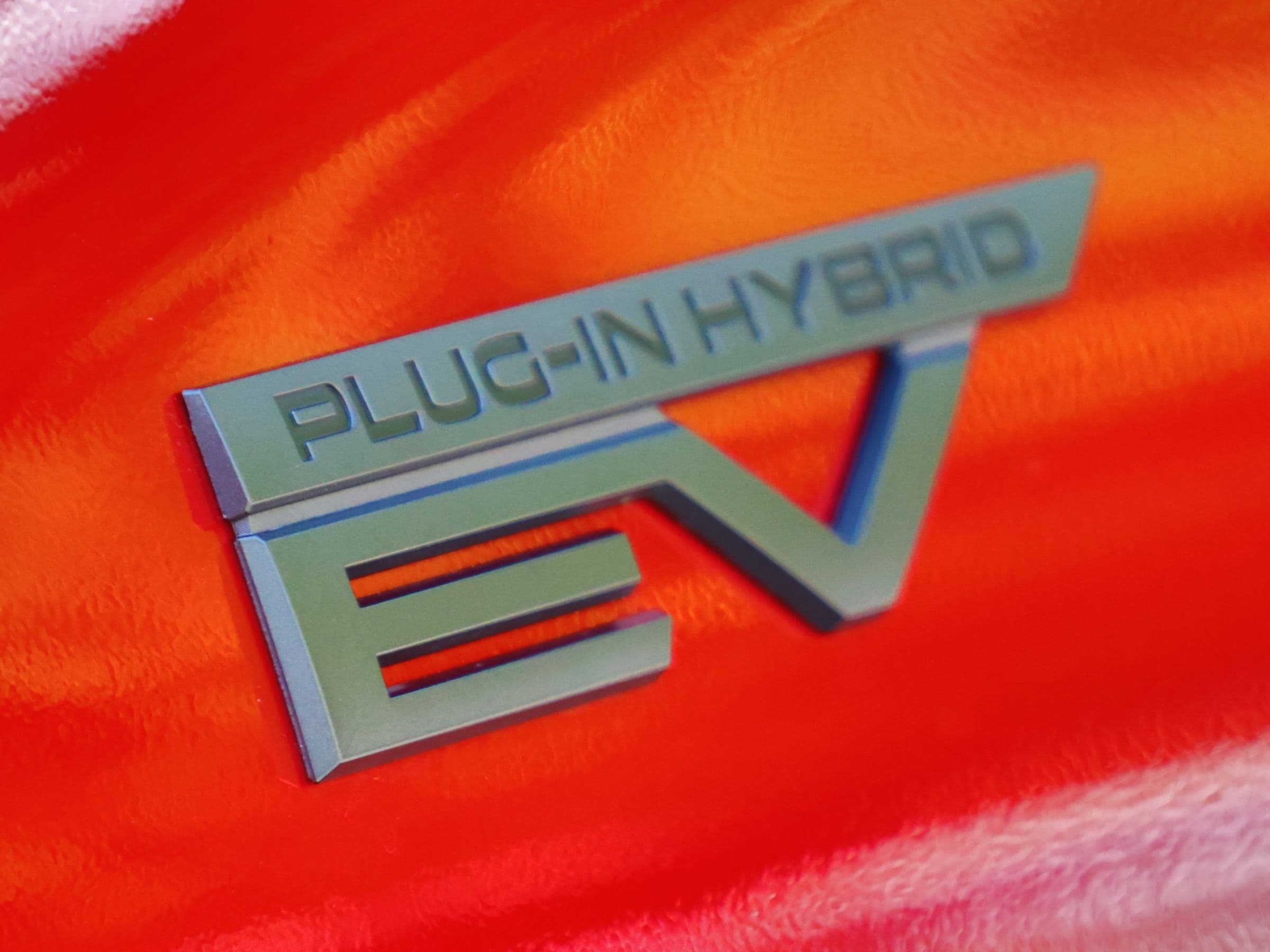
Should Plug-In Hybrids Have Smaller Gas Tanks?
A European organization wants to limit the size of plug-in hybrid gas tanks to encourage drivers to plug in. Here's why that could backfire and what might work better.
Sam Abuelsamid6 min read

Page 1 of 27
TrendsA European organization wants to limit the size of plug-in hybrid gas tanks to encourage drivers to plug in. Here's why that could backfire and what might work better.
 Announcements
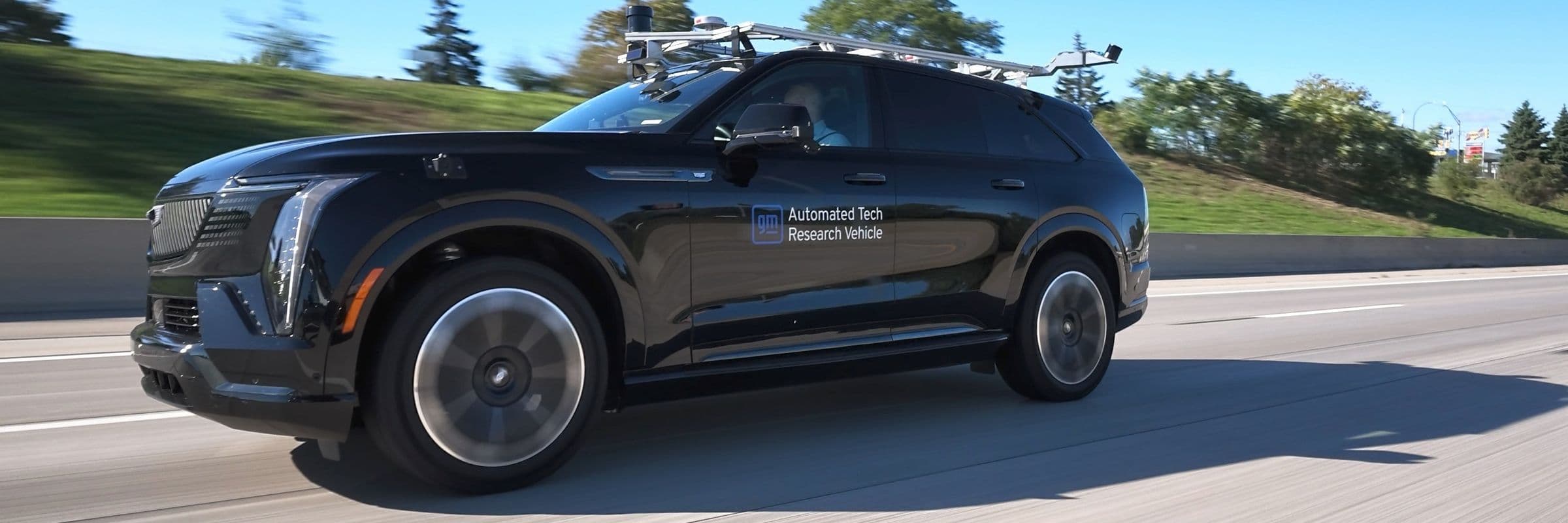
At its second annual GM Forward event in New York City, GM shared new details on OnStar AI, fourth-gen EVs, and the eyes-off highway driving system it's targeting for 2028.
 Announcements
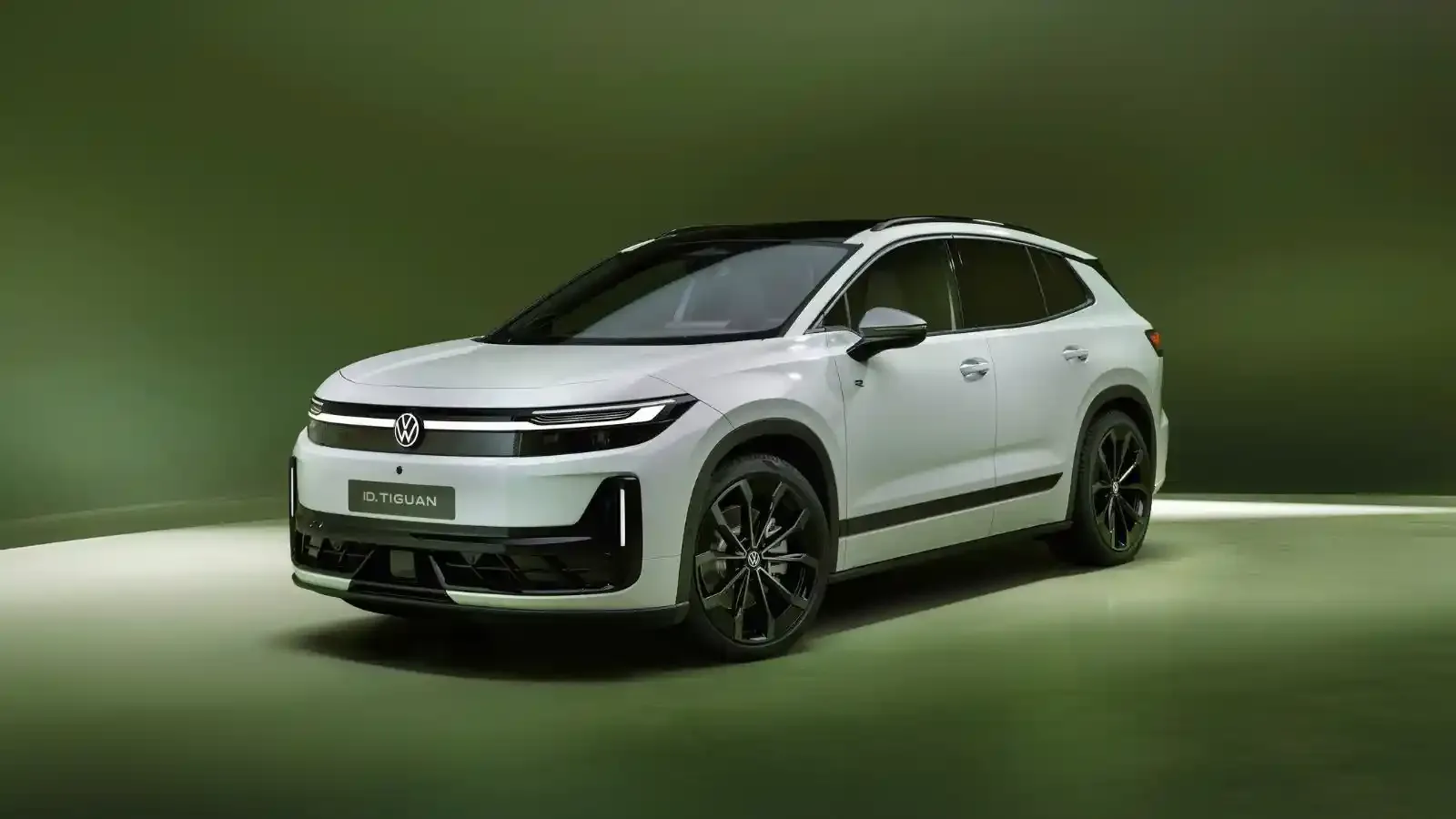
The Volkswagen ID.4 becomes the ID Tiguan for 2027, with a sharper face, more range, a frunk, and a return to physical buttons for controls.
 Industry Updates
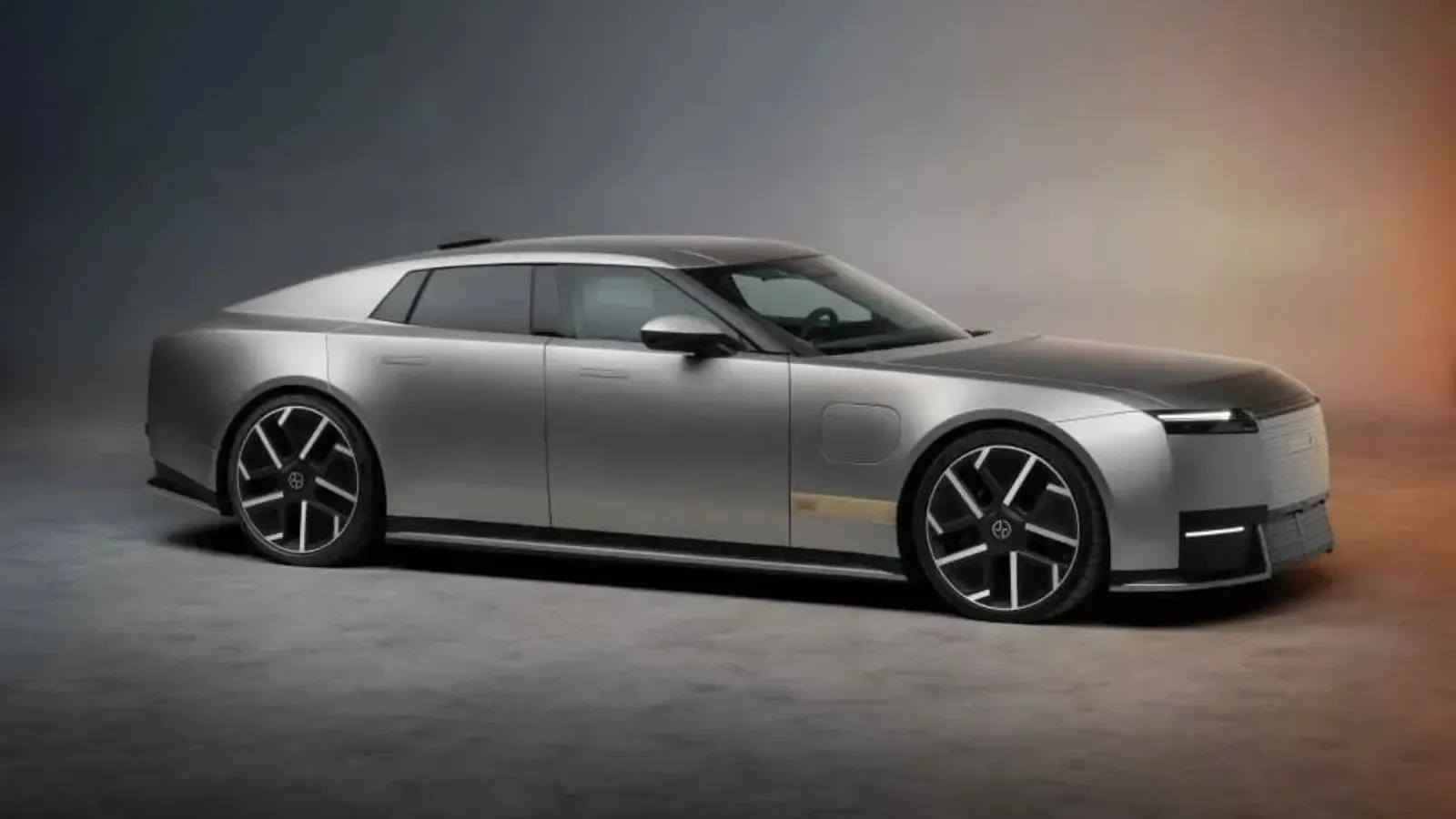
After nearly a decade without a new model, Jaguar is back with the Type 01, a 1,015-horsepower electric grand tourer that kicks off a new era for the brand.
 Industry Updates
Kia America's James Bell joined the GreenCars podcast to explain why Kia's doubling down on EVs and sedans, even as other automakers retreat.
 Industry Updates
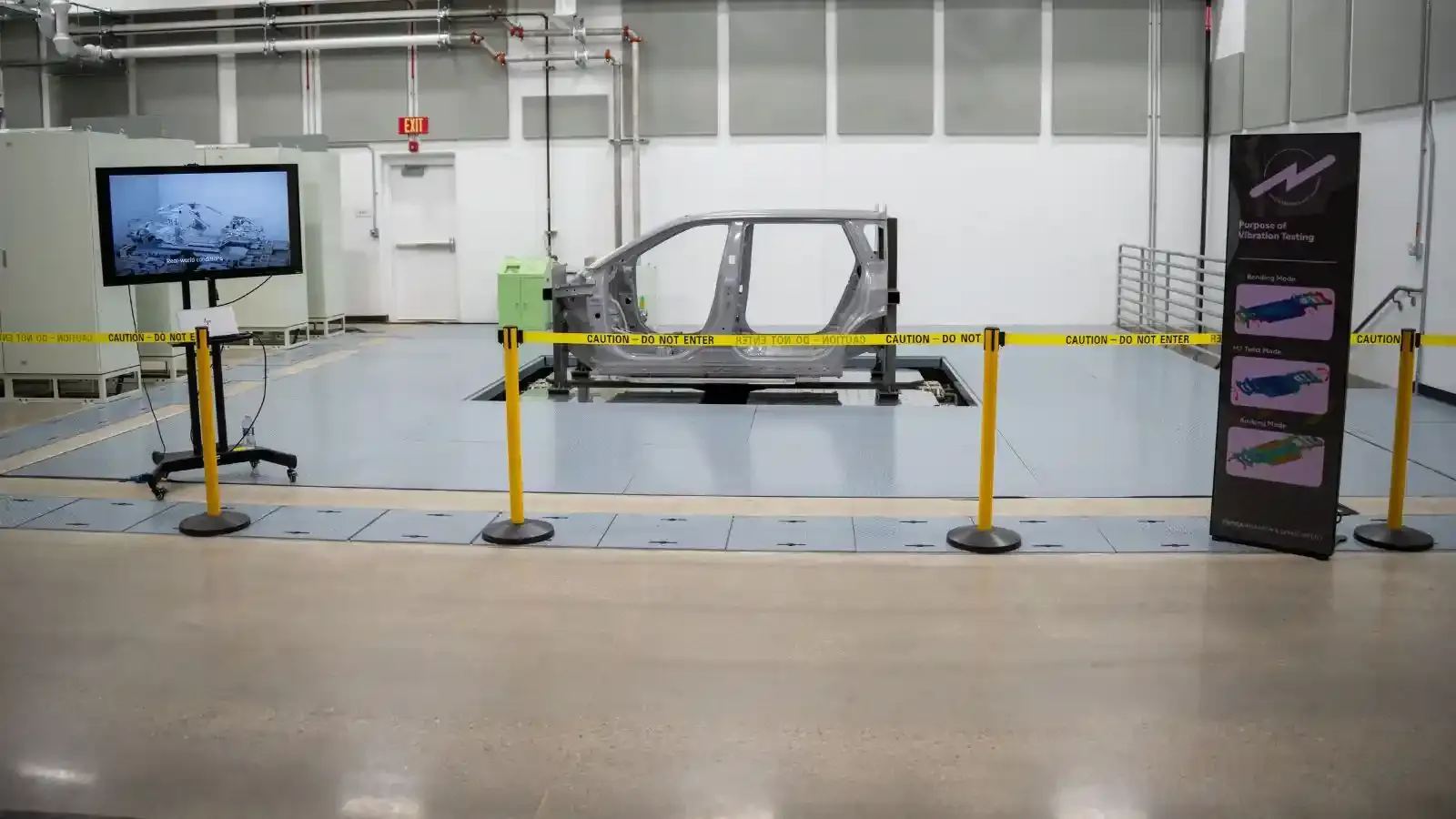
Toyota's new $50 million lab in Saline, Michigan, will test battery cells, modules, and packs, including the solid-state batteries Toyota hopes to launch by 2028.
 Announcements
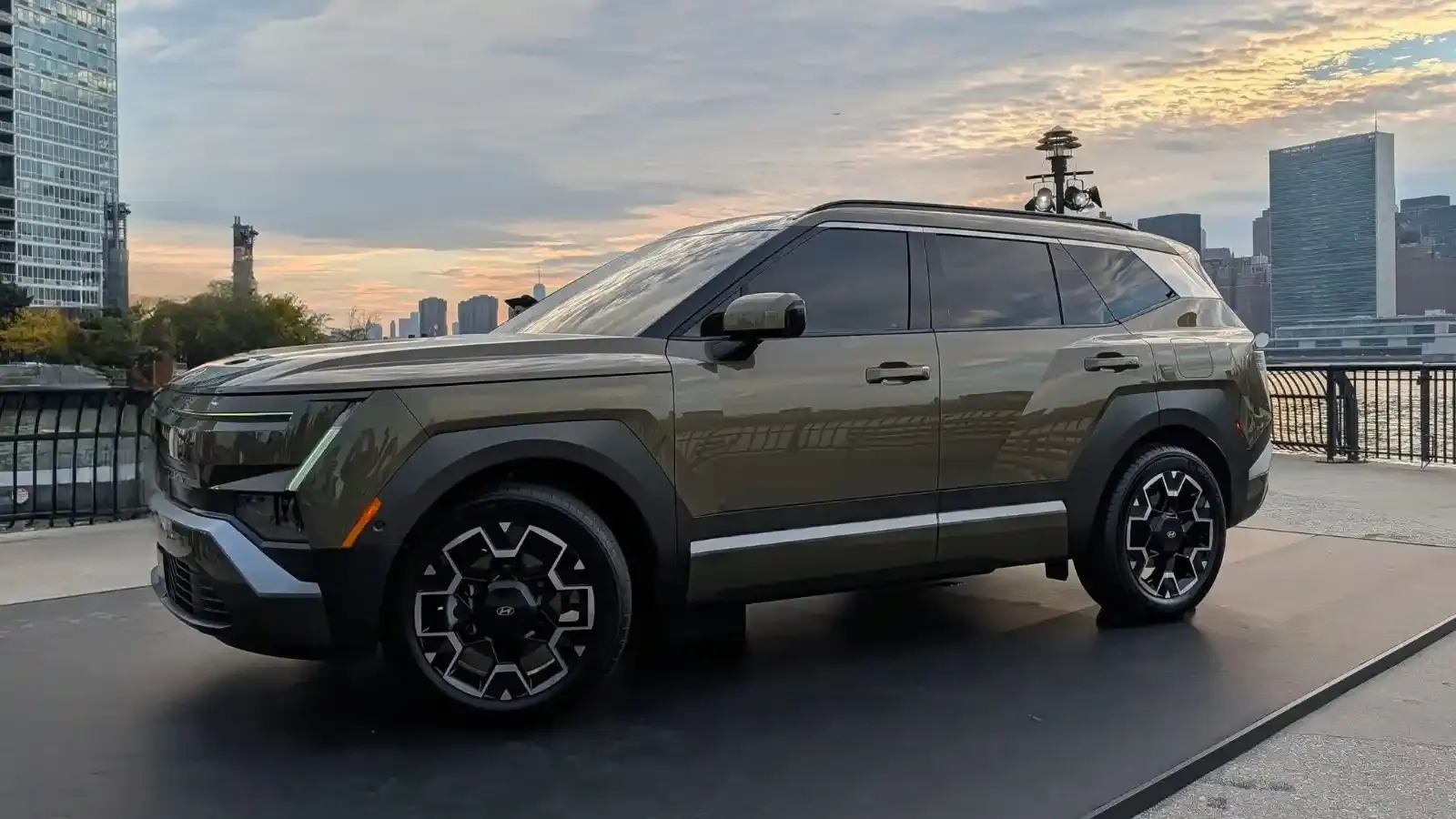
Hyundai's North American bestseller gets a bold redesign, all-new infotainment, and a more efficient next-generation hybrid system for its fifth generation.
 Industry Updates
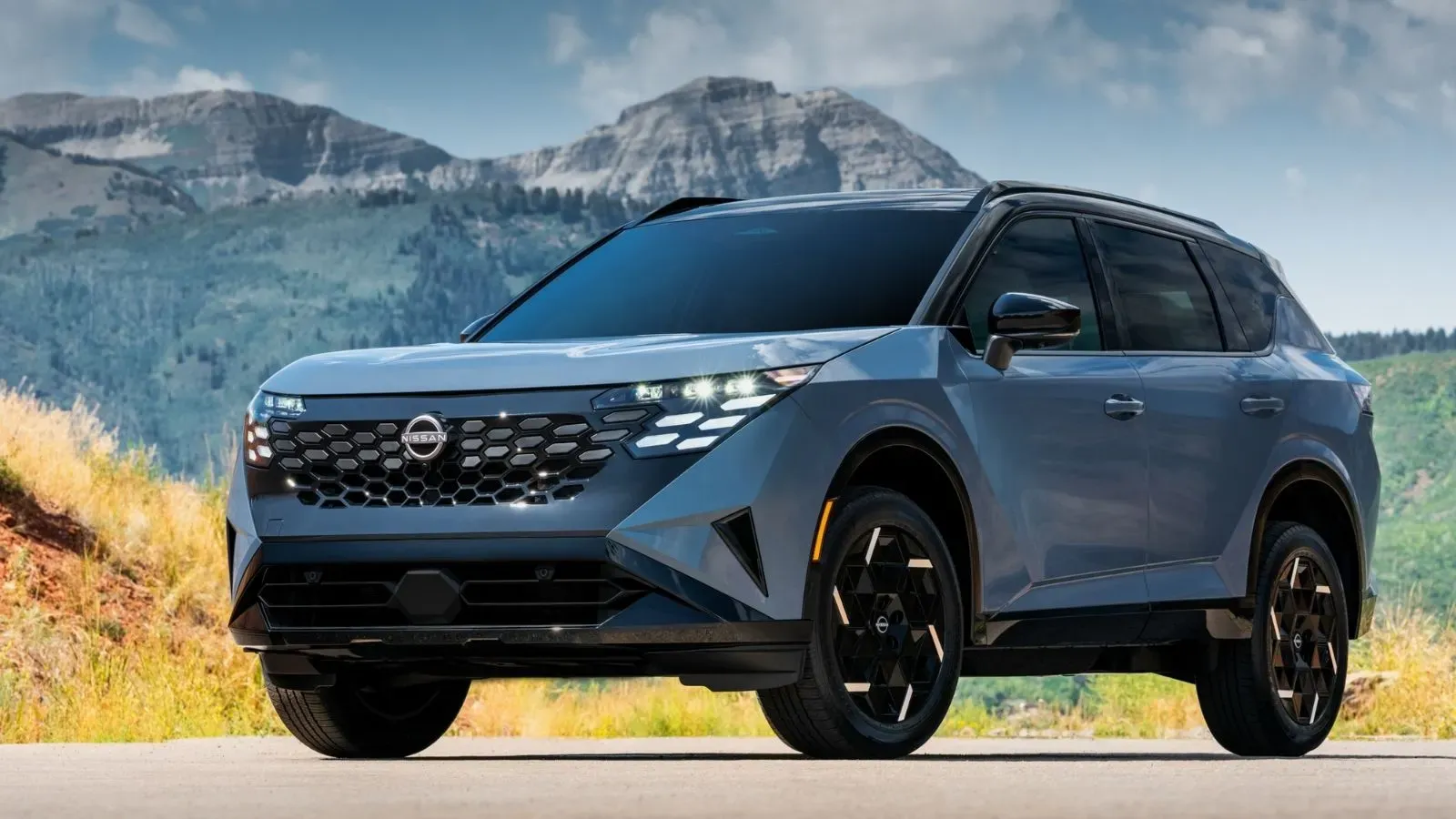
Nissan's 2027 Rogue Hybrid starts at $37,065 and debuts its e-Power system in the U.S., so it drives like an EV but fills up like any other hybrid.
 Industry Updates
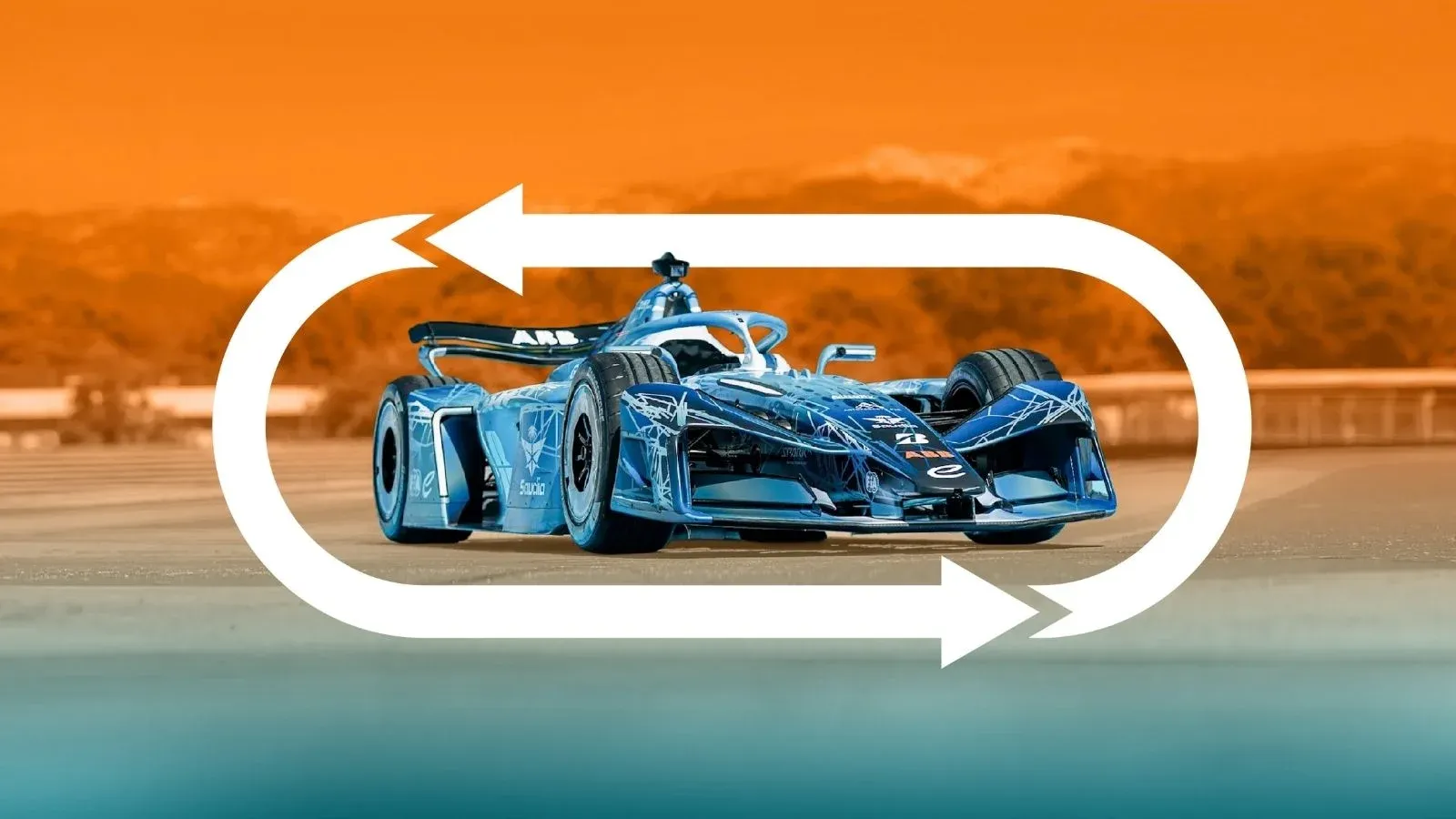
Officials from the FIA explain how its targets are pushing motorsport toward sustainability, and why that race-proven tech may one day end up in your driveway.
 Industry Updates
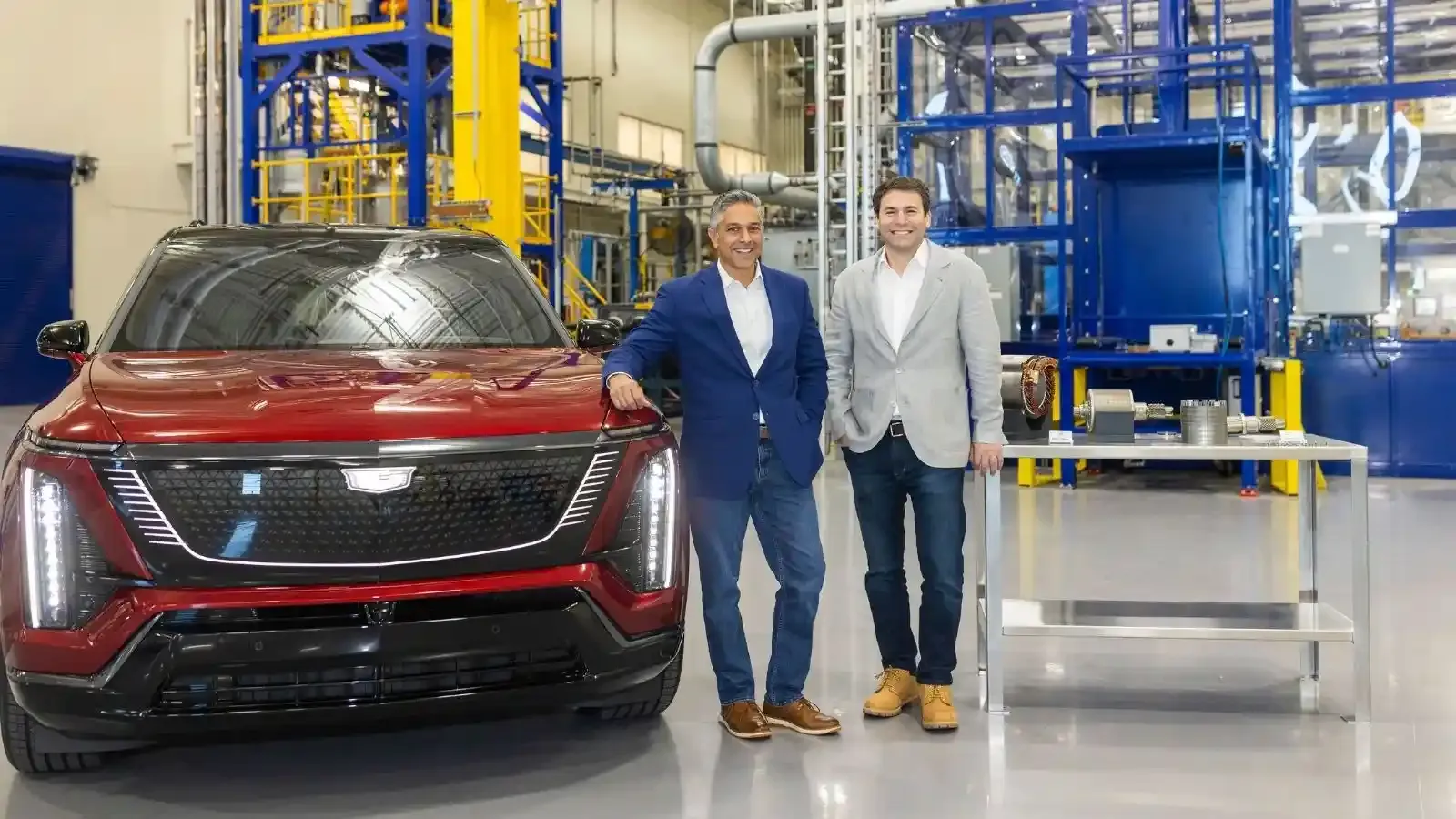
GM is partnering with MP Materials to bring rare-earth magnet production back to U.S. soil, reducing reliance on China and laying the groundwork for a domestic EV supply chain.
 Industry Updates
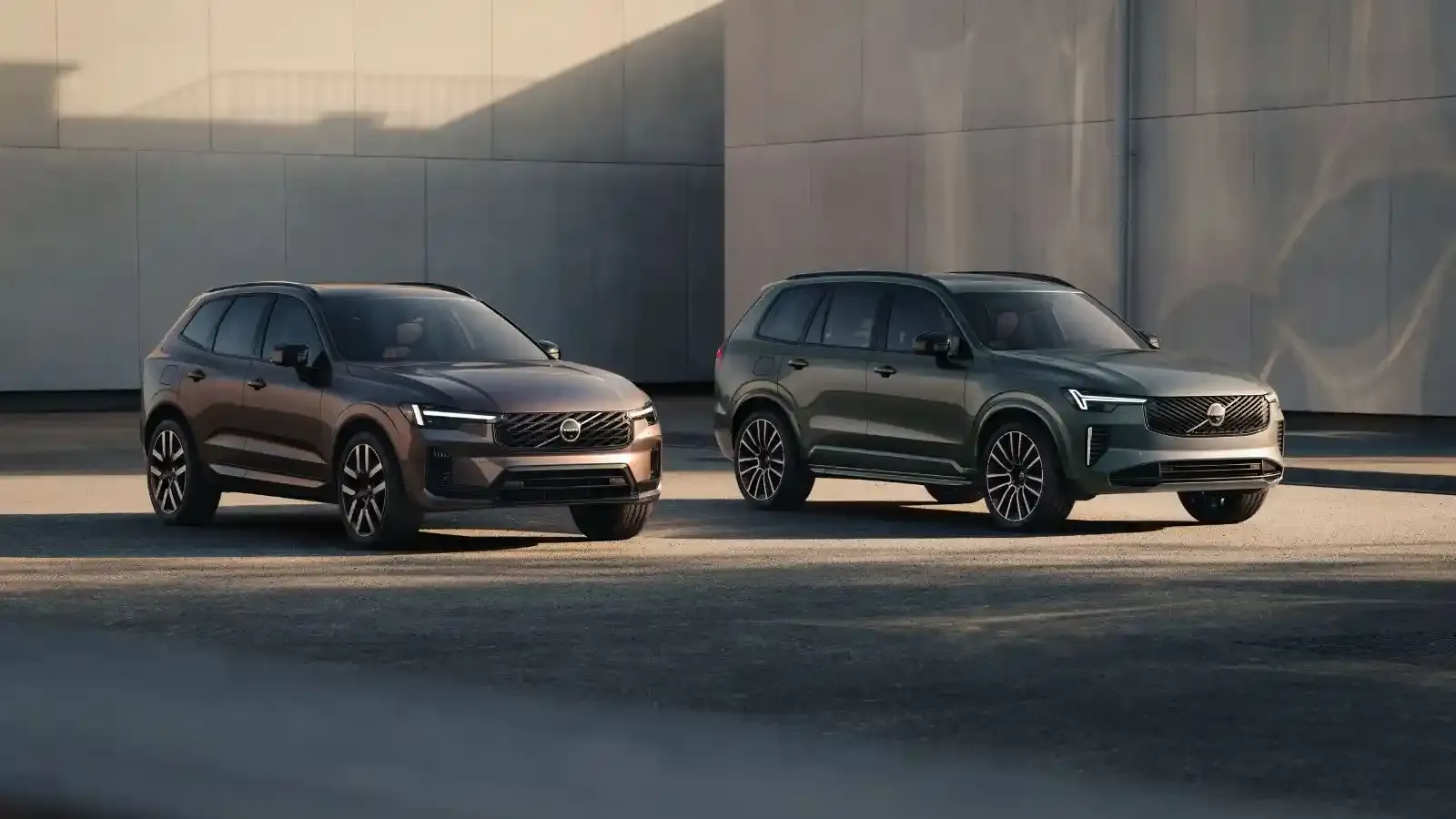
Volvo just unveiled long-range plug-in hybrid versions of its two bestselling SUVS, the XC60 and XC90, and they boast the longest electric-only range of any PHEV on the U.S. market.
 Industry Updates
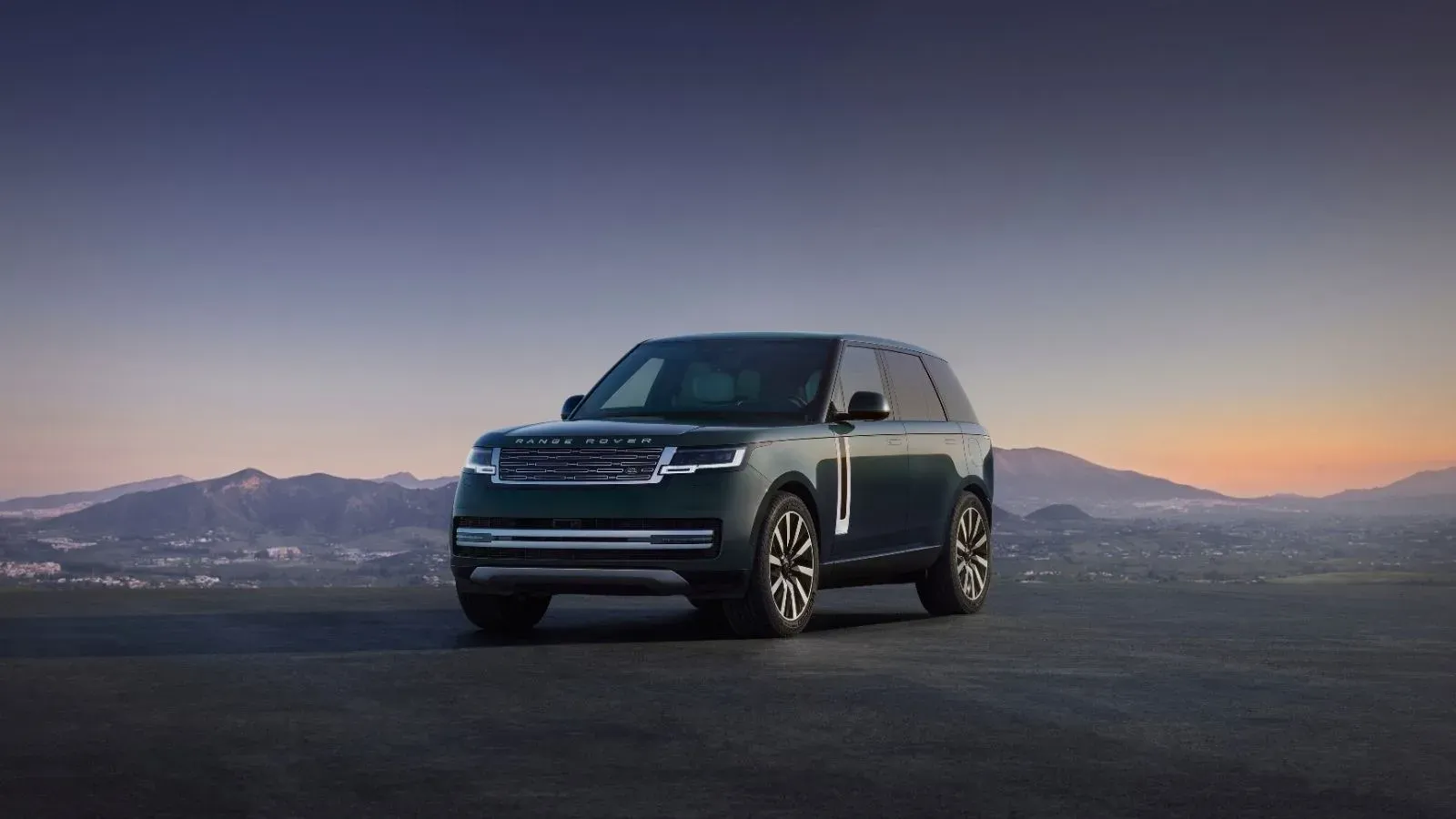
After years of delays, the Electric Range Rover is finally here, and it has 333 EPA estimated miles of range and more torque than any other Range Rover to date.
 Trends
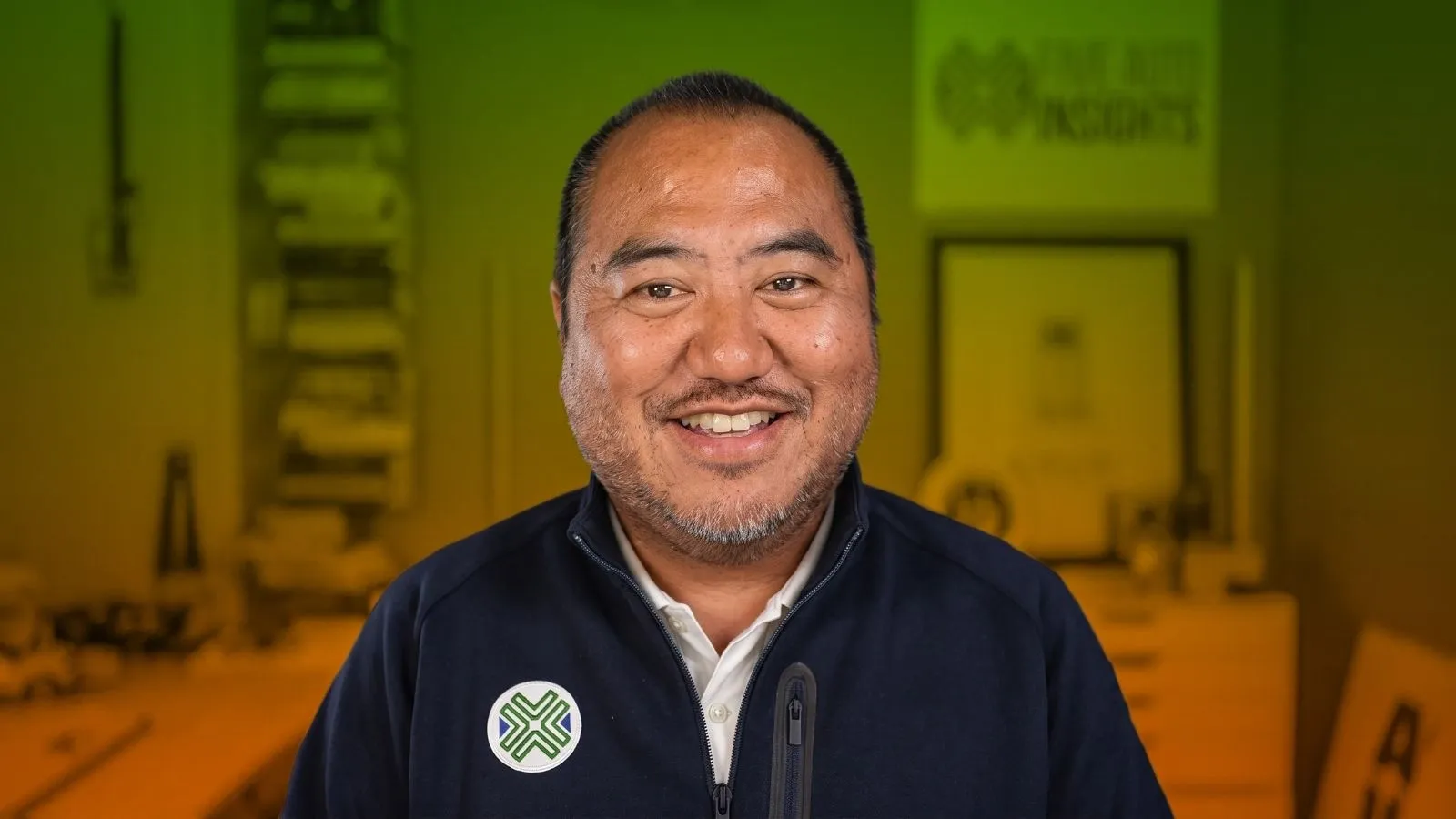
On the latest episode of GreenCars The Podcast, Sino Auto Insights founder Tu Le explains why legacy automakers' share in the Chinese market has collapsed and what it means for US buyers.
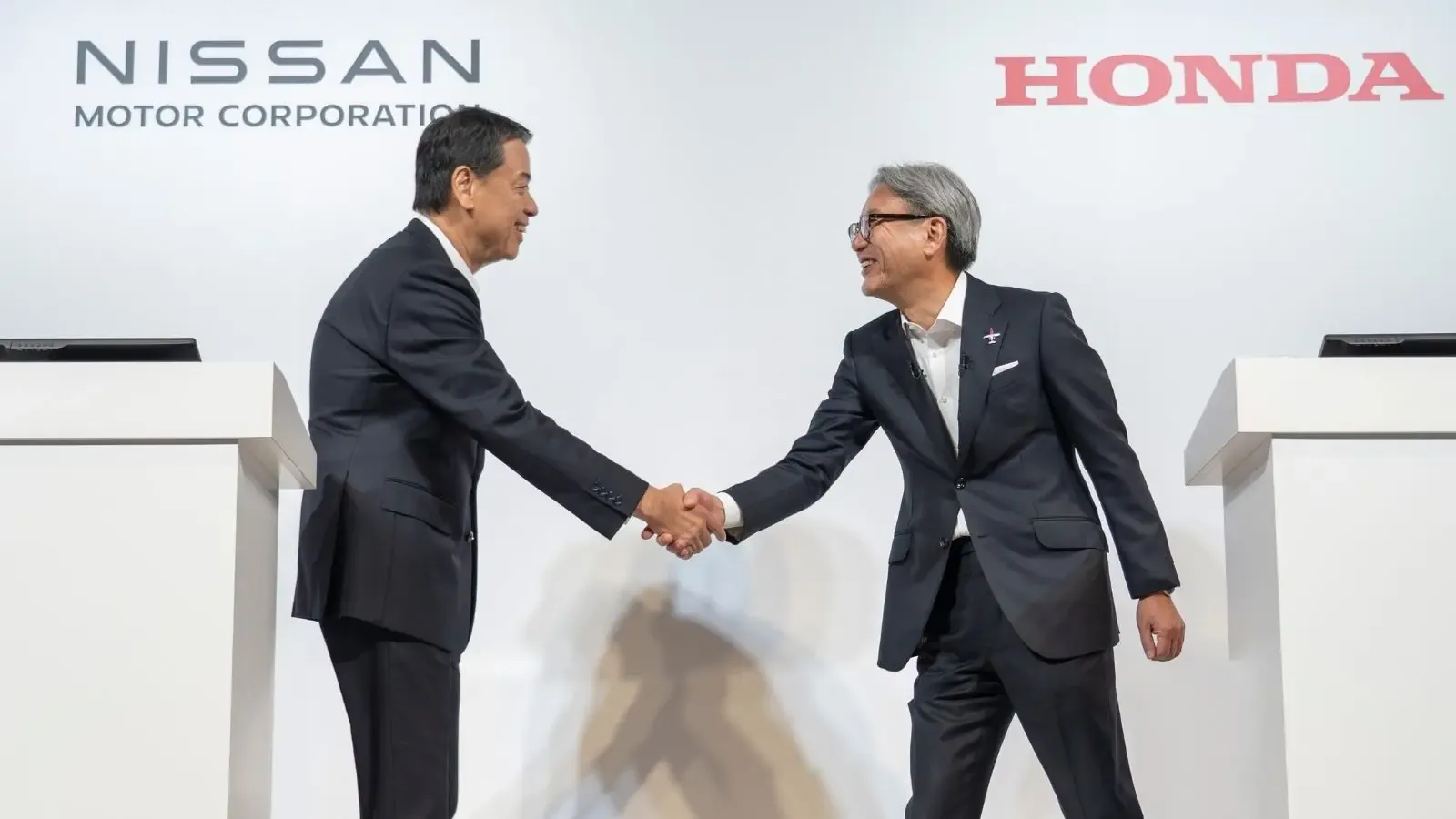 Industry Updates
Honda and Nissan are the latest automakers to team up on software-defined vehicle tech. Why are legacy brands struggling to do it by themselves?
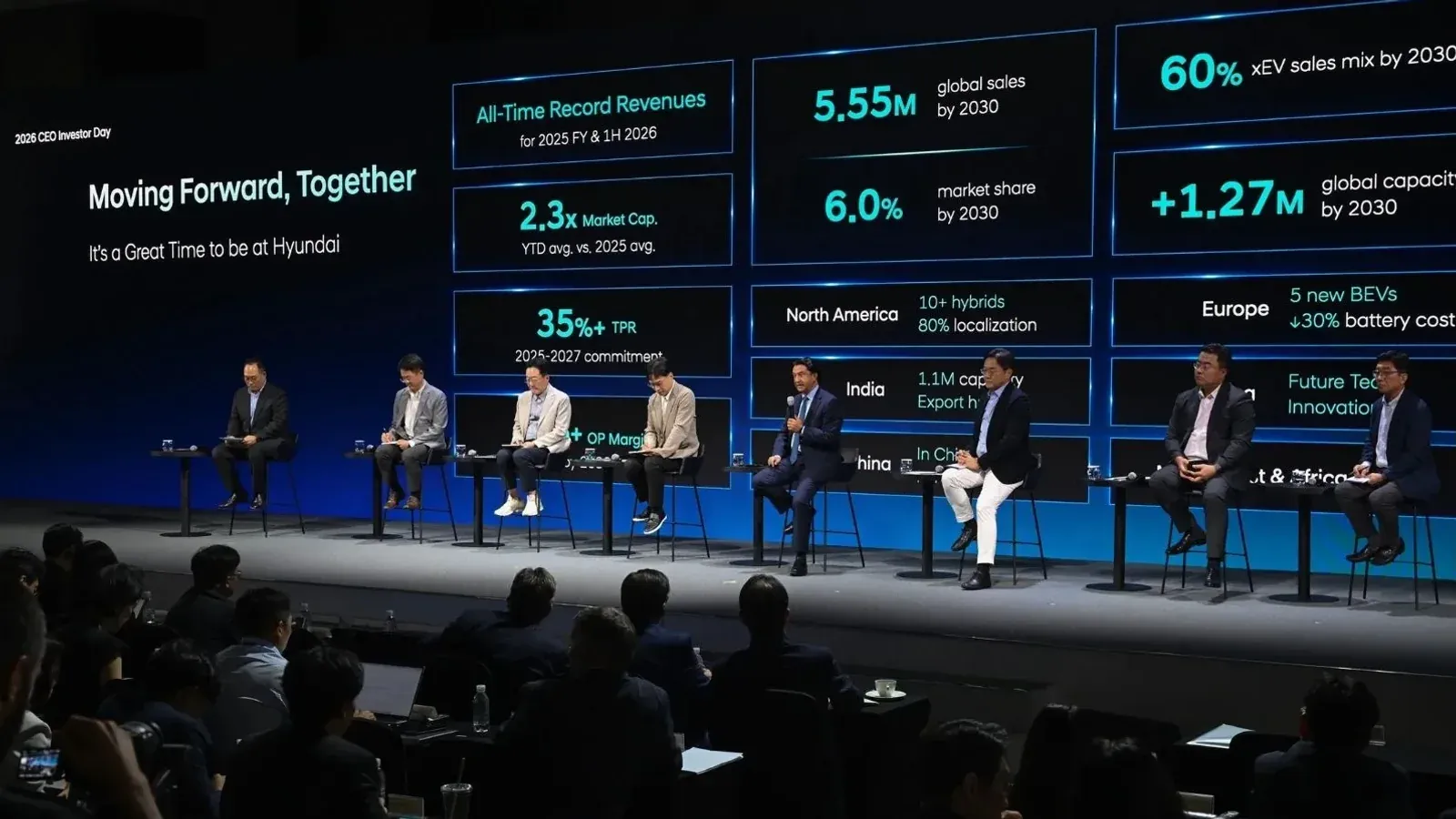
Will Hyundai overtake Volkswagen and Toyota to become the world's biggest automaker? Its ambitious 2030 plan makes it seem possible.
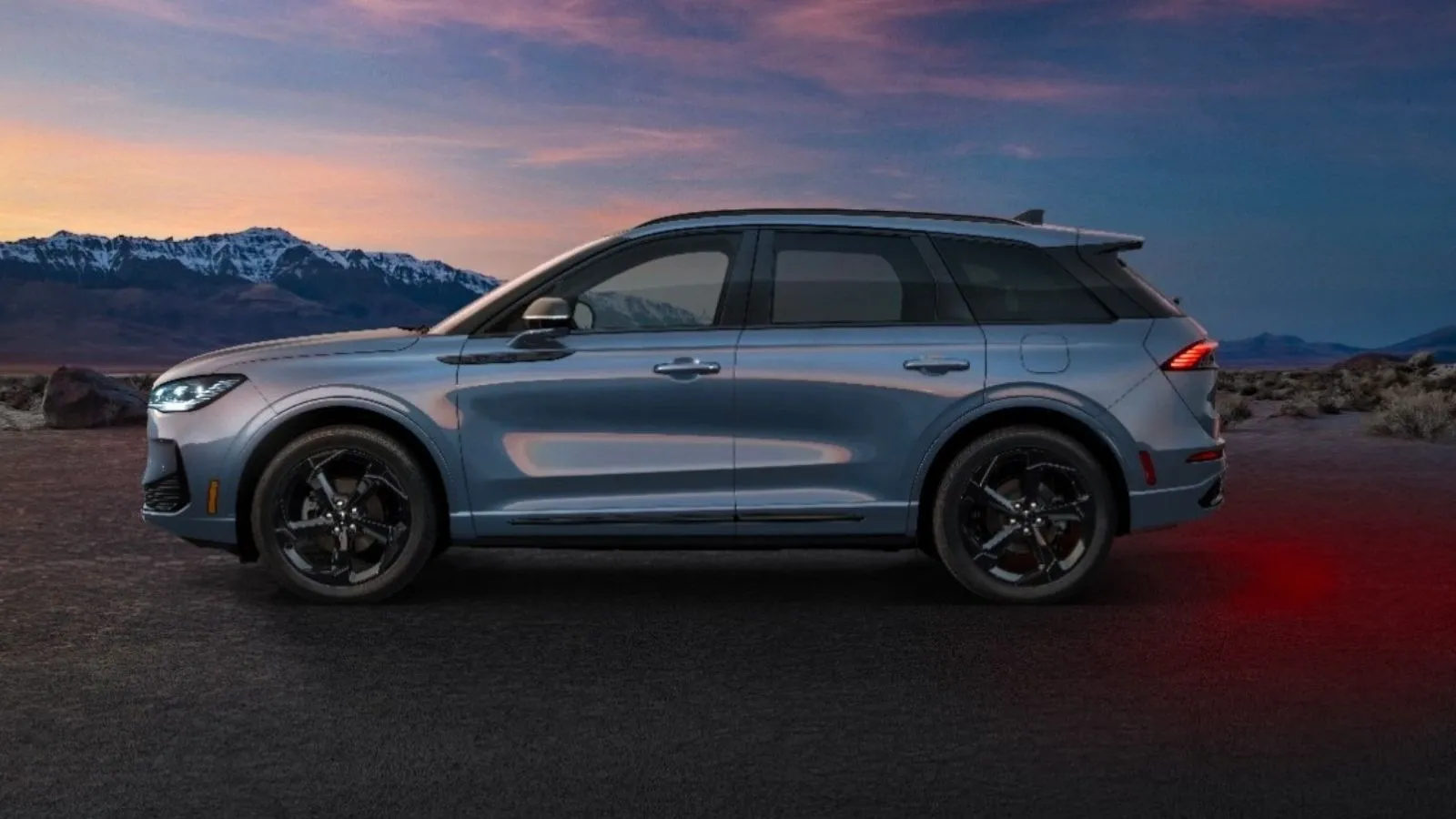 Announcements
After discontinuing the Corsair in 2026, Lincoln is bringing it back for 2027, this time as an all-wheel-drive hybrid built in China.
 Events
Bay Area Demo Days brought 30,000 people to Alameda Point over two days to test-drive cars and e-bikes and get their EV questions answered at GreenCars' EV Reality stage.
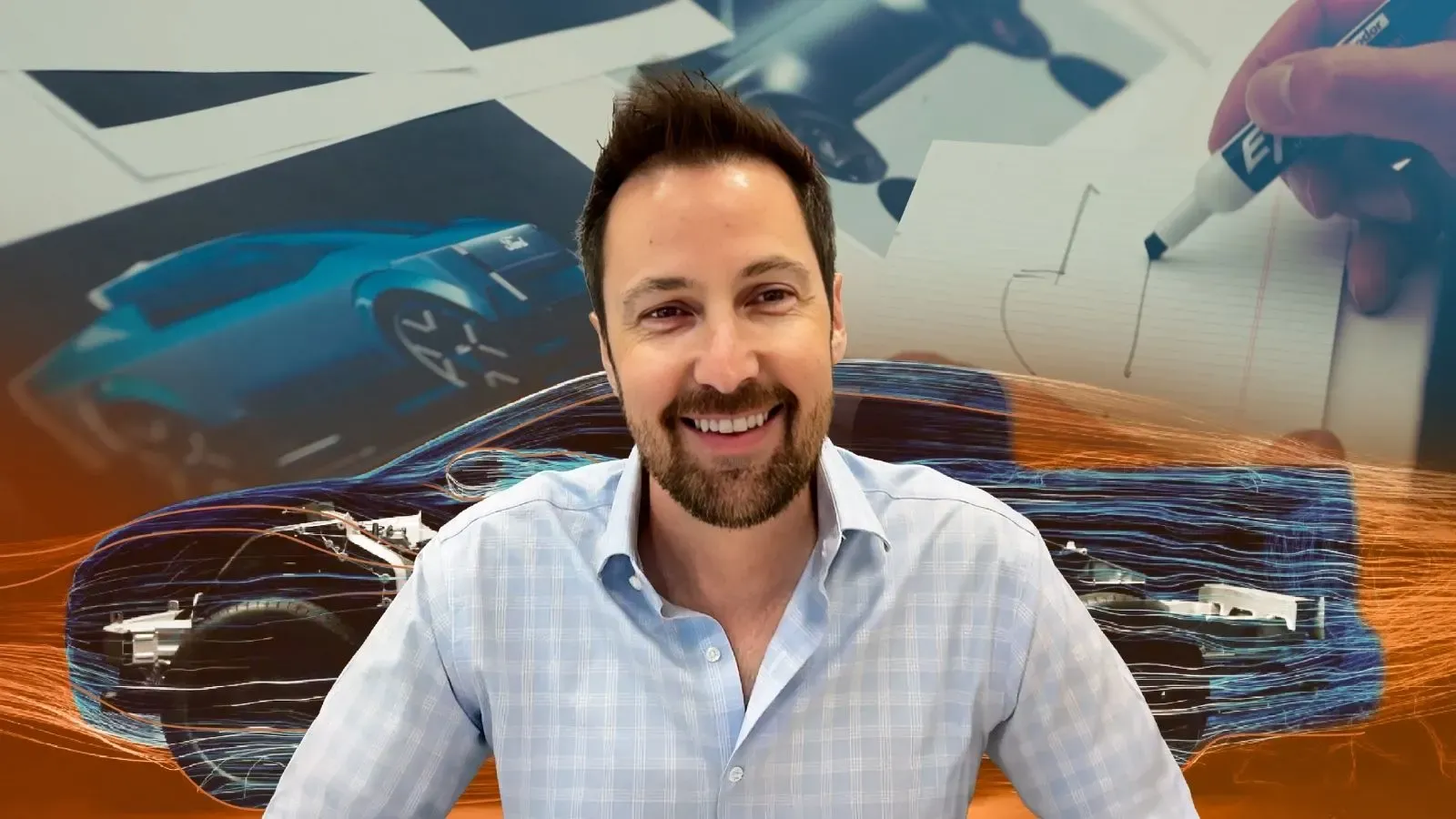 Industry Updates
On the latest episode of Green Cars The Podcast, Ford's Alan Clarke explains how a startup-style team is building the automaker's most disruptive EV yet.