- Market Growth
- Energy storage projected to jump from about $70B in 2025 to over $150B by 2030
- Grid Need
- DOE estimates over 225 GW of long-duration storage required by 2050
- Company
- Inlyte Energy, U.S.-based (San Francisco) grid-scale iron sodium storage systems
- Milestone
- Factory acceptance test completed on a field-ready system with a major utility present
- Cell Scale
- Modules described as over 300 kWh each
- Efficiency
- Reported 83% system efficiency during testing
- Next Deployment
- First installations planned for early 2026 at a utility test site in Alabama
- Supply Partner
- Collaboration with HORIEN Battery Solutions for sodium metal chloride production
A New Battery Chemistry Steps In
Global energy storage is big business, projected to grow from around $70 billion in 2025 to over $150 billion by 2030. The US Department of Energy is estimating our energy grid will require more than 225 gigawatts of long-duration energy storage by 2050. That’s where Inlyte Energy comes in.
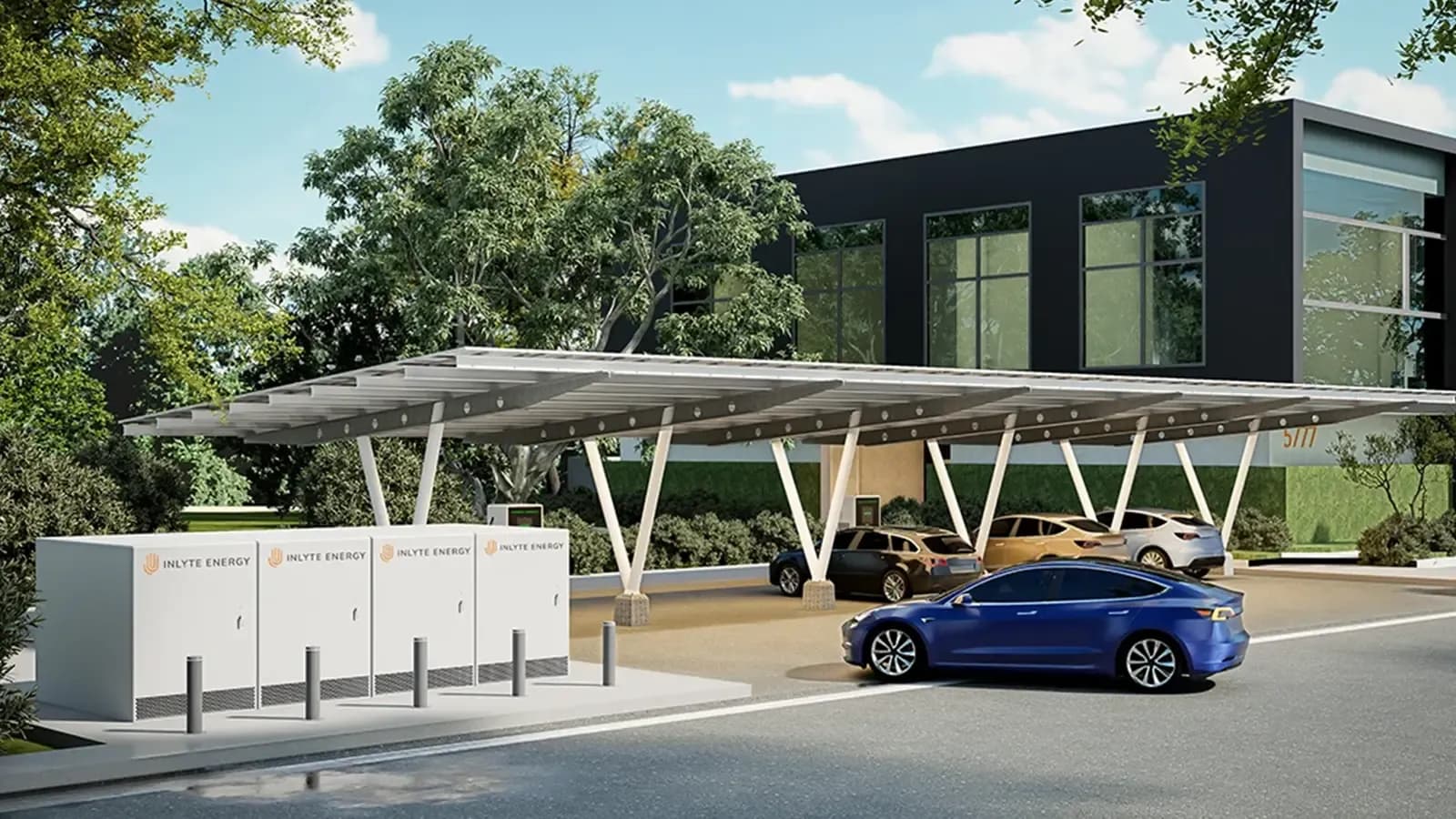
Inlyte Energy is a US based company in San Franciso designing and manufacturing iron sodium batteries for commercial, industrial, and utility-scale energy storage systems.
Delivering the Energy Future
Inlyte Energy’s mission is to build the most trusted energy storage solution; one that utility-scale and industrial critical power can depend on for safety, longevity, resilience and performance.
The company has over 40 years of experience in manufacturing iron sodium battery energy storage systems. It is known for developing and commercializing the sodium metal chloride chemistry which is the foundation of iron sodium batteries.
Inlyte’s goal today is to bring its expertise to bear on the target of transforming industrial-scale energy storage for bigger and better electrical grids to support the electric vehicle revolution.
Iron Sodium EV Battery Storage
Inlyte Energy recently completed a major factory acceptance test of its first field-ready iron sodium battery energy storage system before representatives of Southern Company; a major American utility company.
The test happened at Inlyte’s test facility at Burton-on-Trent in the United Kingdom. The test proved the integration capability and performance characteristics of sodium metal chloride battery cells to enhance US power grids. Inlyte tells us that the system performed as was expected and is ready for deployment in the field.
That’s important as the energy storage market is growing to make sure the world is ready for the eventual switch to all-electric vehicles. Utility companies are looking beyond lithium-ion.
Inlyte’s iron sodium battery storage system is a compelling alternative made from abundant low-cost materials that offer long-duration and superior safety. Iron sodium systems also are better to support long service life and more energy density.
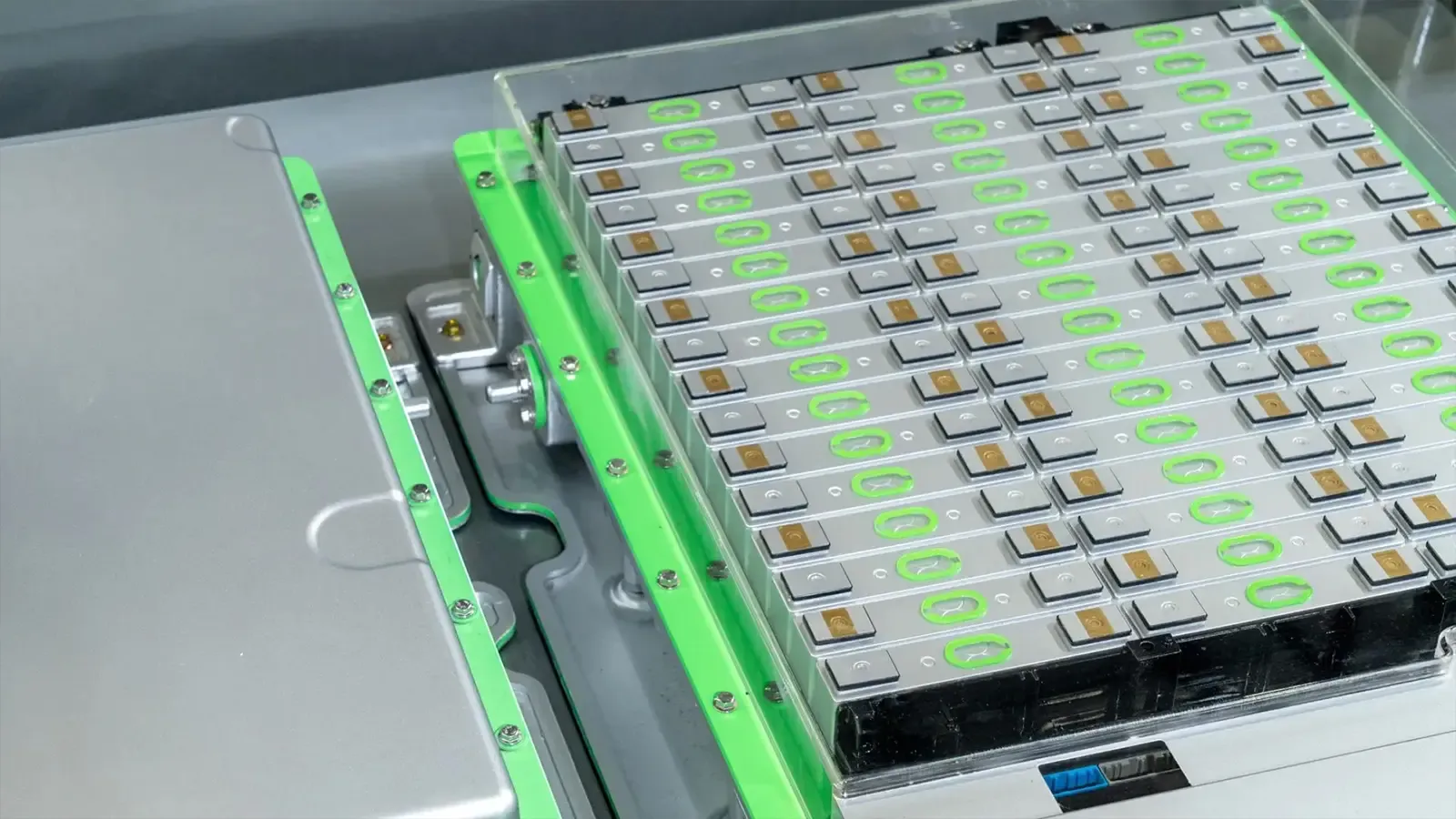
The recent test used what the company calls “the world’s largest sodium metal chloride battery cells and modules ever built,” each able to store over 300 kilowatt-hours of energy. During the test, Inlyte’ battery system produced 83 percent efficiency, well above other energy storage technologies, clearing the road for real-world testing in the field.
Inlyte tells us its first energy storage systems will be installed at Southern Company’s test site in Wilsonville, Alabama, in early 2026. This will allow the two companies to study how the systems perform in real-life grid conditions.
At the same time, Inlyte Energy is partnering with HORIEN Battery Solutions, the largest producer of sodium metal chloride batteries on the planet. Inlyte will be building its first US manufacturing facility in 2026 to bring its iron sodium batteries to market here in North America.
For more information, visit inlyteenergy.com (opens in a new tab)
🔋Keep Going: Storage, Supply, and the EV Power Backbone
LG Energy Solution Gets Billion Dollar Battery Bucks from Mercedes
A massive supply deal shows how automakers are locking in battery capacity for the long haul
Read More ➜
General Motors Launches Home Energy Products to Pair With Its EVs
A look at how EVs, home backup power, and energy management are converging fast
Read More ➜
A 1,000 Mile EV Battery Is Coming
Big-range battery ambitions are accelerating, and the tech race is getting serious
Read More ➜




 Industry Updates