
Fast Facts | 2027 Subaru Getaway
⚡ Power: Dual-motor setup with 420 horsepower
🛣️ Range: Over 300 miles expected with the 95.8-kWh battery
🪑 Seating: Three rows with room for up to seven passengers
🌲 Capability: Standard AWD, X-Mode, and 8.3 inches of ground clearance
🔌 Charging: NACS port with a 10 to 80 percent charge in about 30 minutes
📦 Battery Plans: 95.8-kWh pack at launch, 77-kWh version expected later
🏁 Performance: Subaru says it should hit 60 mph in under 5 seconds
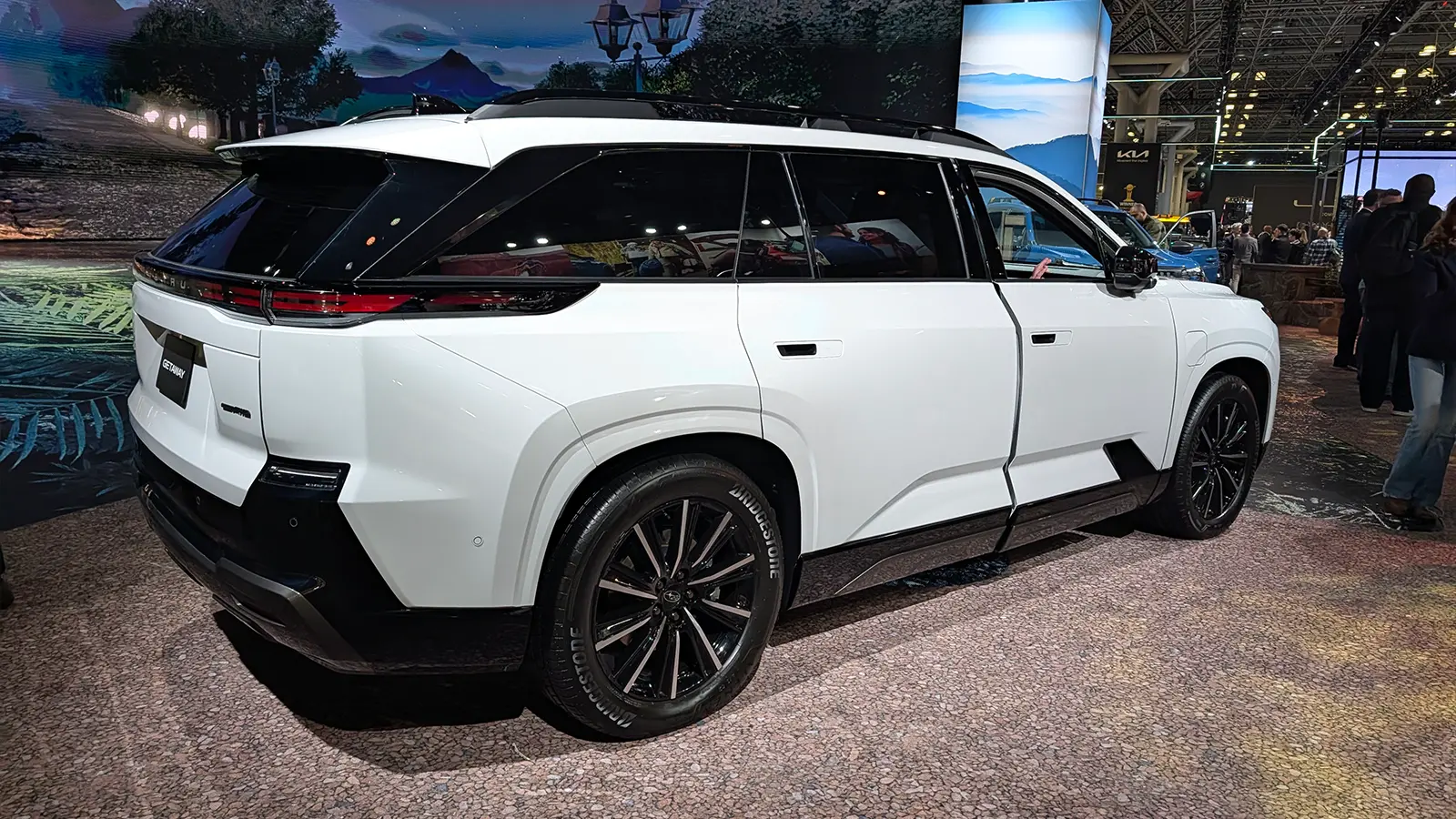
Not that long ago, the idea of Subaru having four electric vehicles in its lineup while competitors like Ford and Honda struggled to keep even one would've seemed ludicrous. And yet, that's exactly the situation we're in. Subaru has been selling the Solterra for several years and is in the middle of launching both the Uncharted and Trailseeker. By the end of 2026, the lineup will also include the Getaway, an upper-midsize, three-row crossover that shares much with the recently revealed Toyota Highlander.
Partnership Is Key
Subaru sold just over 914,000 vehicles globally in 2025 — barely a quarter of what either Ford or Honda does in a year. So how is a smaller automaker able to pull off a lineup with four EVs? The answer is its partnership with Toyota. Toyota owns just over 20 percent of Subaru, and the two have had several successful partnerships in the past, including the GR86/BRZ twins and Subaru integrating Toyota’s excellent hybrid technology with its signature boxer engines.
The EV partnership got off to a bit of a rocky start with the bZ4X and Solterra back in 2022, which debuted to middling reviews. But both companies addressed almost all the complaints in a 2026 refresh, making the EVs much more competitive. They dramatically improved the efficiency and range, made the charging much faster, redesigned the interior to make it more usable, and reduced the prices. Once those improvements were in place, the shared components became the foundation for new models across both brands, and even Lexus.
Getting Away
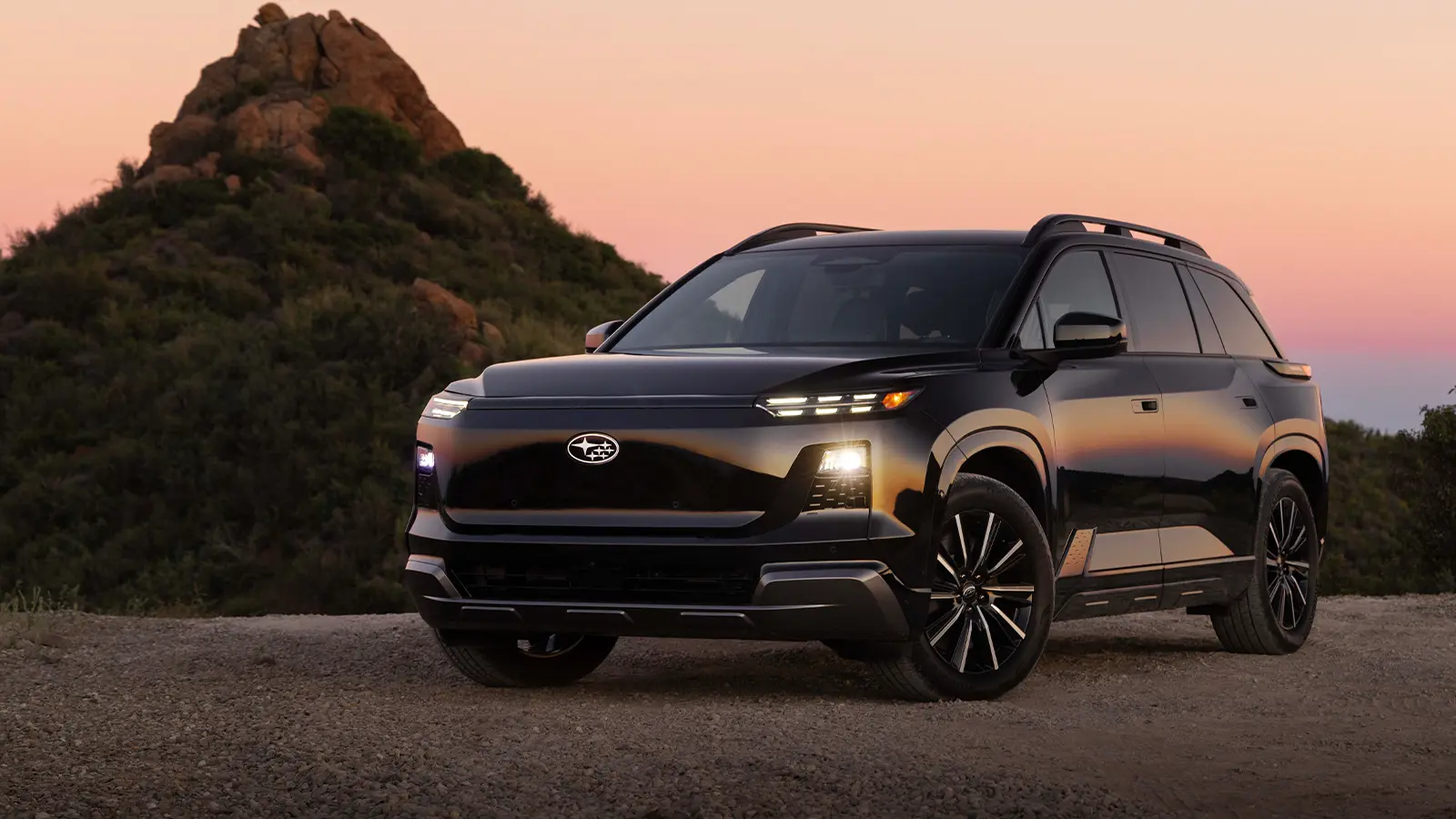
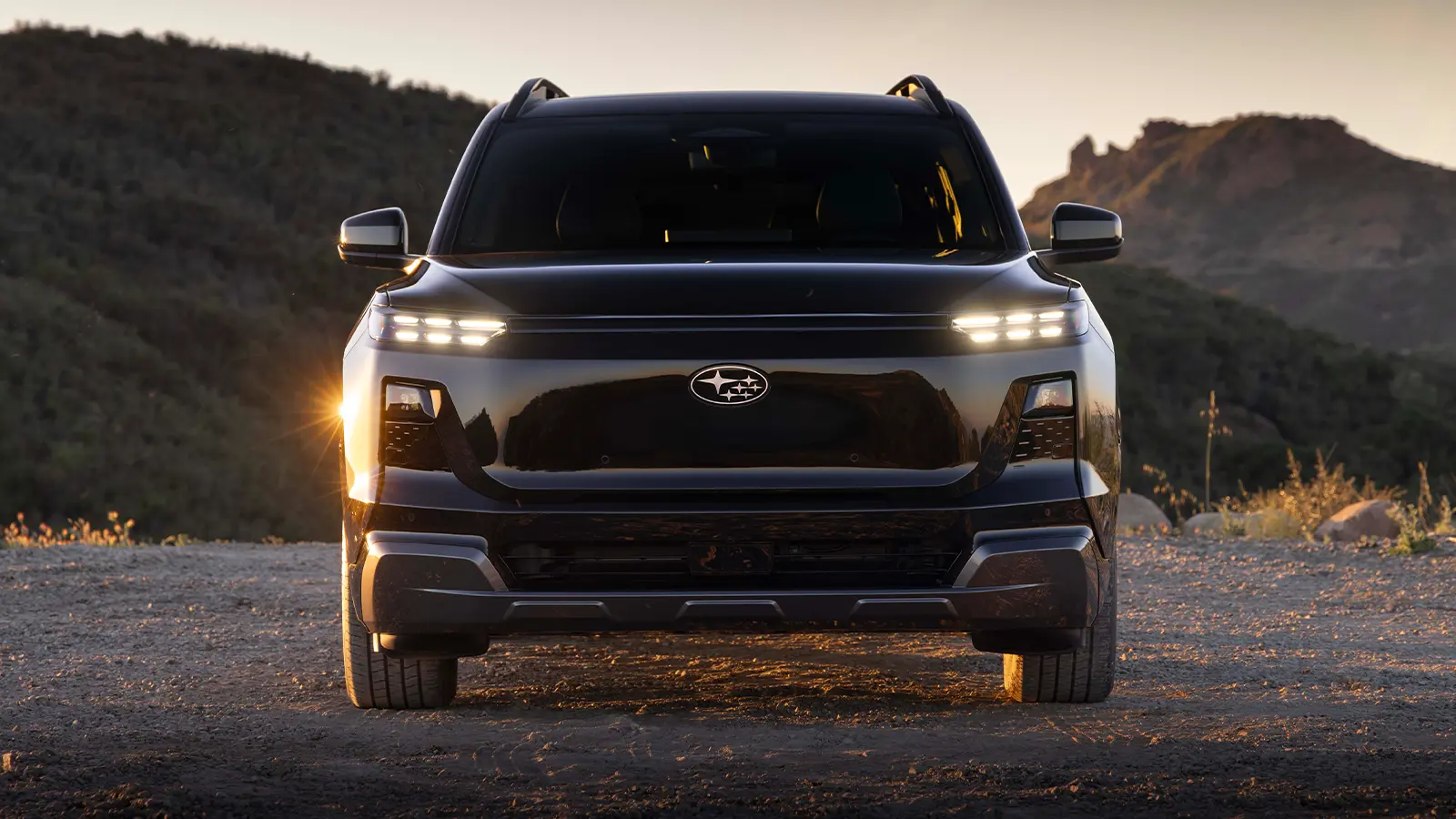
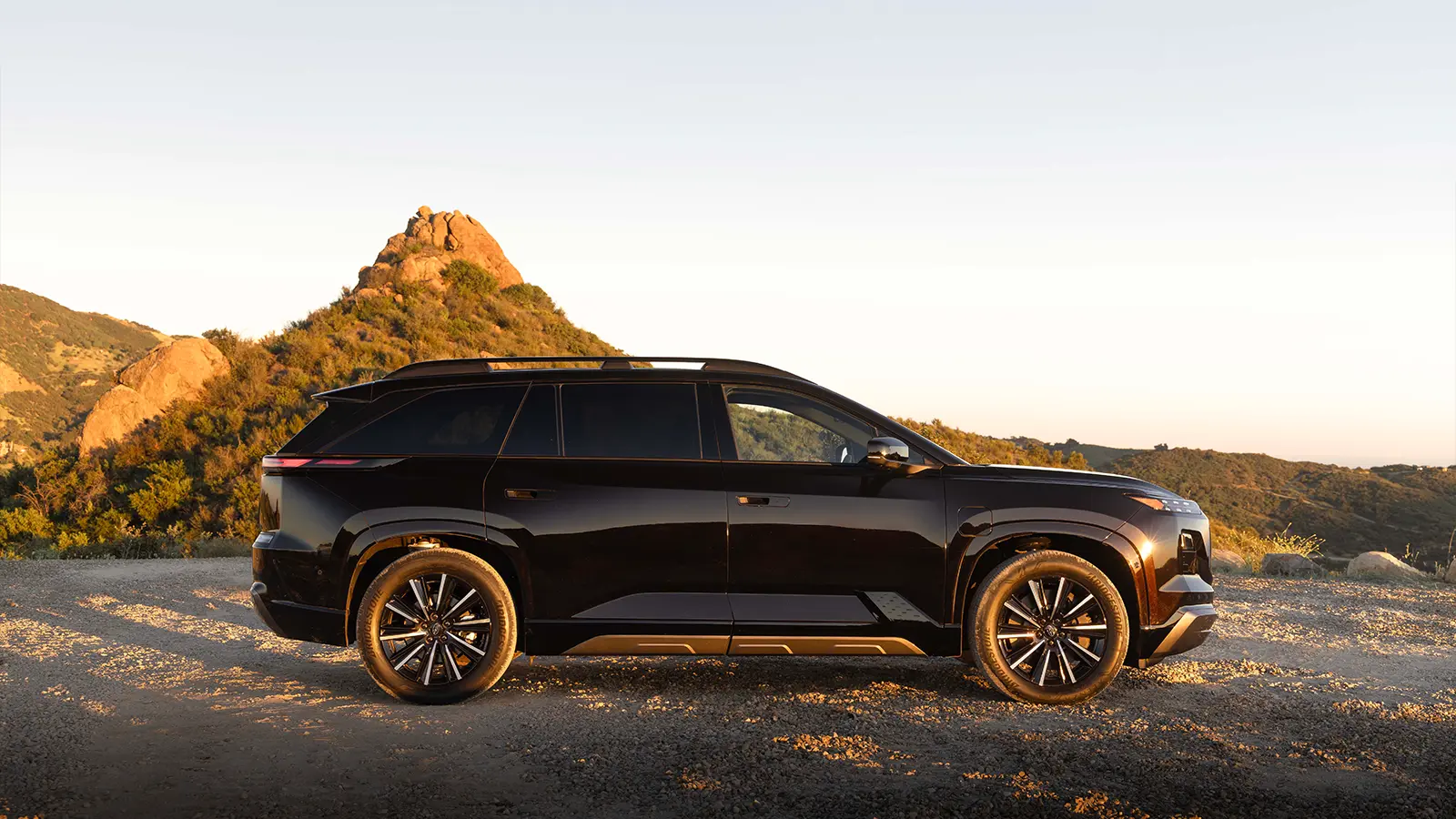
Like the other Toyota-Subaru EV pairs, the Getaway and Highlander share a lot of hardware. Most of the sheetmetal is common between the two, but in place of Toyota's Hammerhead headlights, the Getaway has the six-element LEDs that debuted on the revised Solterra and new Outback last year. They're a nod to the six stars in Subaru's logo, which are themselves inspired by the Pleiades star cluster. Beyond that, the Getaway's front fascia is a bit softer and rounder than the sharply creased Highlander. At the rear, Toyota’s solid, full-width taillamp strips are replaced by a six-element lighting layout with "Subaru" spelled out across the center. The tailgate and rear bumper have been recontoured as well, though the overall look is similar between the two.
For buyers who want Subaru EV flavor in a smaller, sportier package, the Uncharted tells the other half of the story ➜
The Getaway is the largest SUV Subaru has offered to date. At 198.8 inches long, it stretches 2 inches beyond the Ascent (the brand's current largest offering), and it's 2.3 inches wider. The biggest difference, however, is the wheelbase, which is 6.3 inches longer than the Ascent's 113.8 inches. The extra length provides noticeably more room inside for passengers and their stuff.
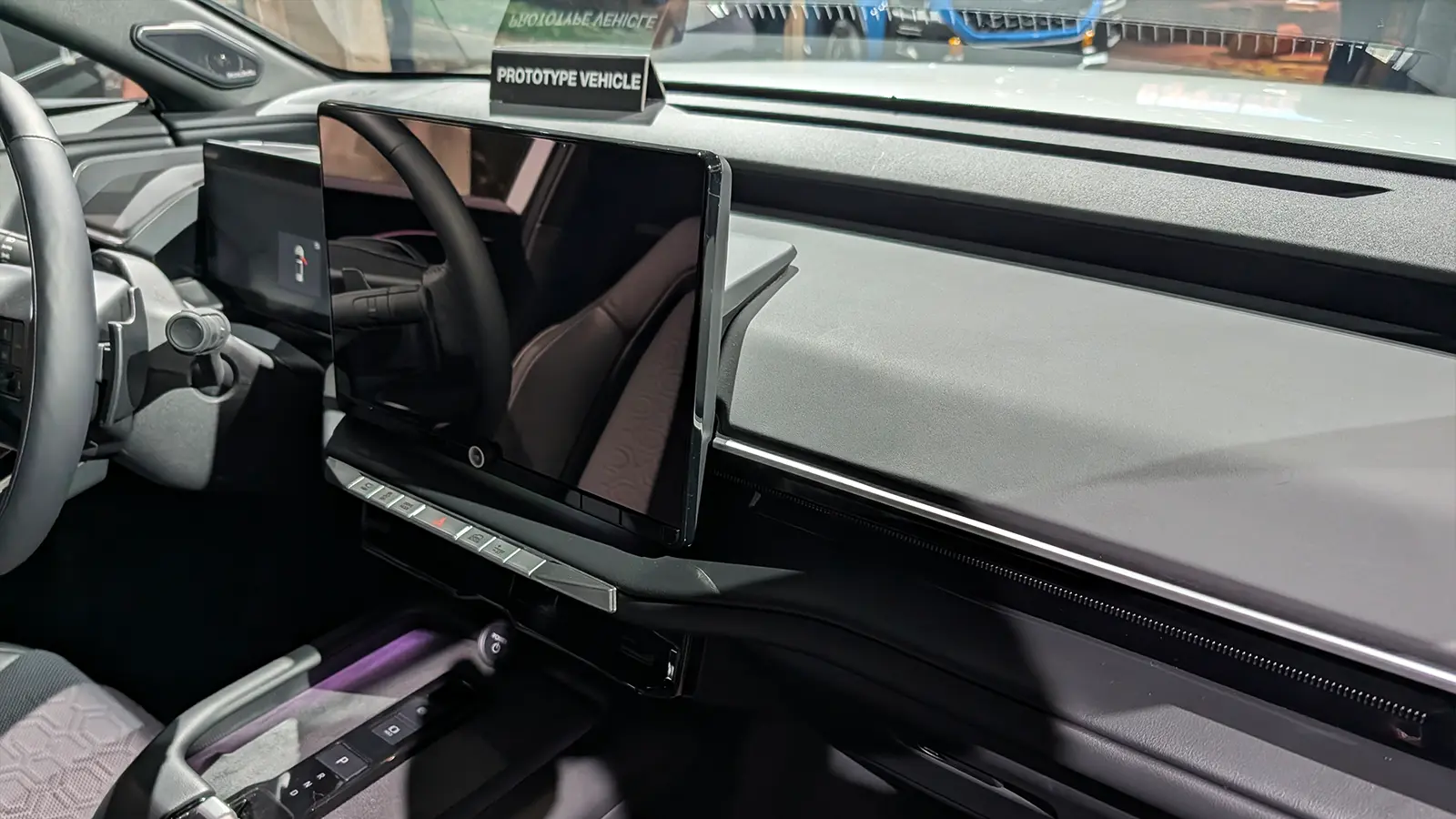
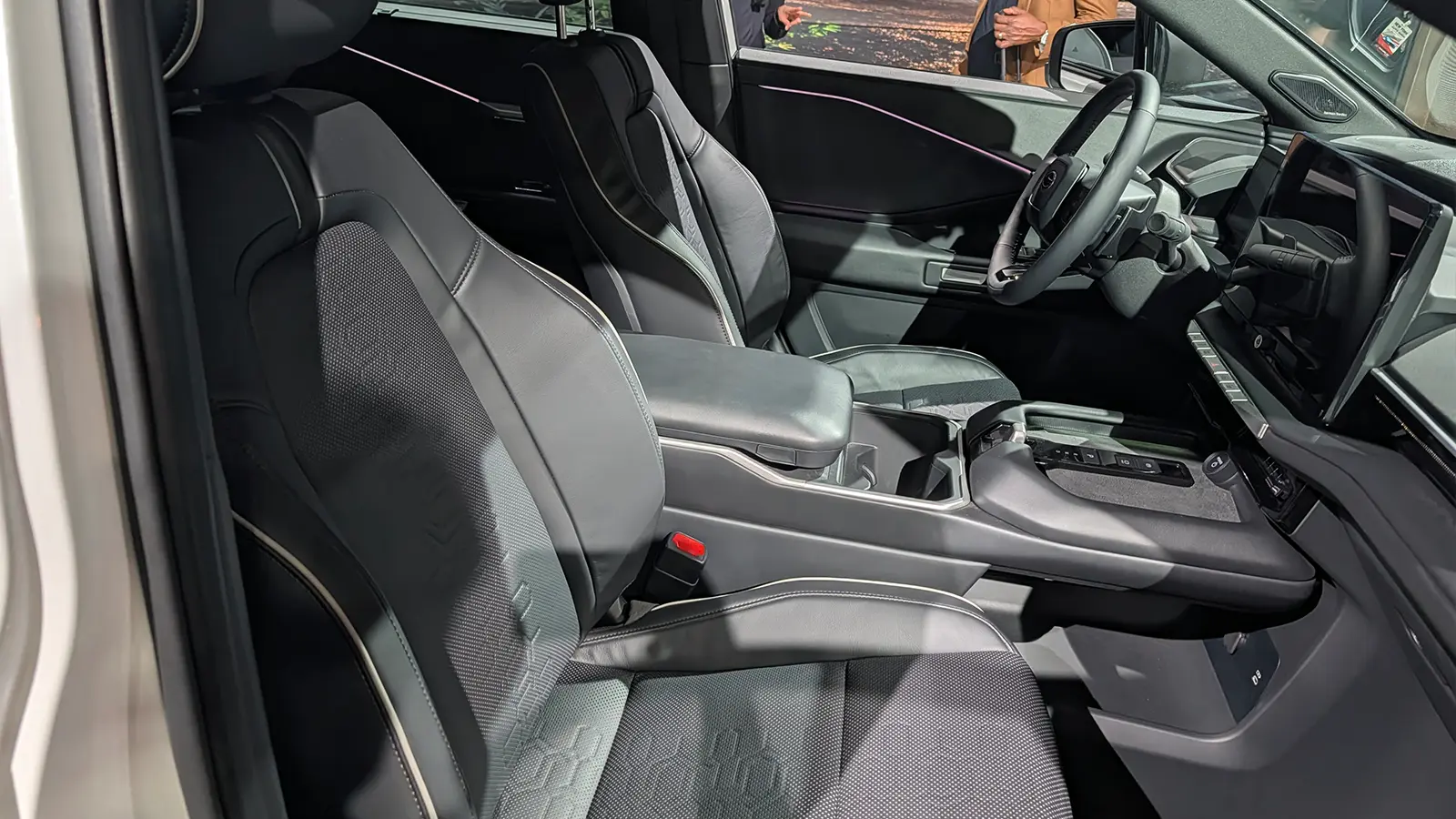
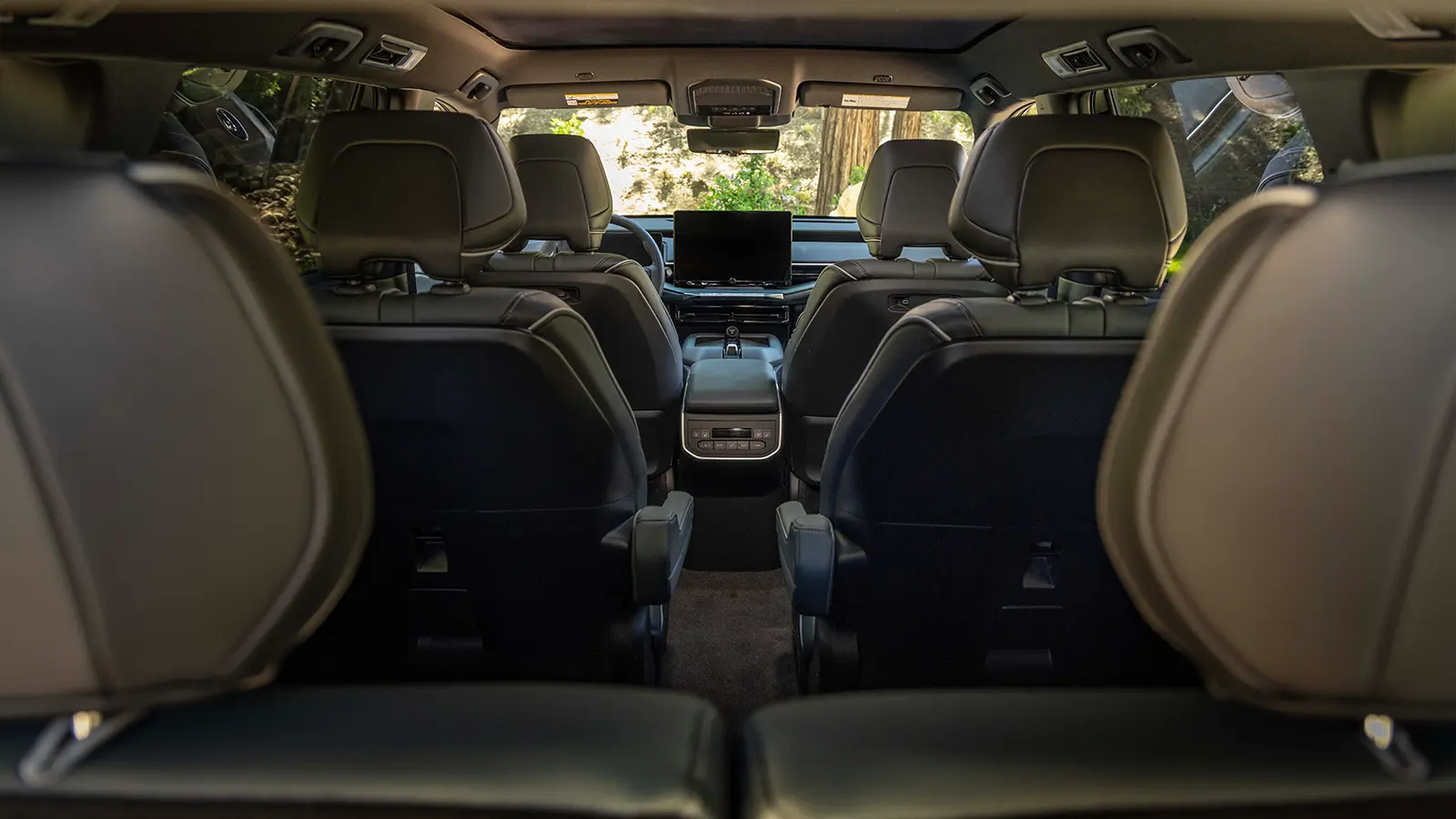
Inside, the dashboard features a 12.3-inch instrument cluster display directly in front of the driver, with a large 14-inch touchscreen in the center for infotainment. The Toyota-based infotainment software is the latest version introduced with the 2026 RAV4. It’s much improved over what’s currently in the Solterra, Uncharted, and Trailseeker. It now supports multiple panes, so navigation and the media player can run simultaneously, and other widgets are also available.
Below that central display, there's a row of buttons for drive modes, traction control, camera views, and other functions. The vents are manually controlled, and two wireless charging pads sit in the console flanking the gear selector buttons. Every seat gets cup and bottle holders, and USB-C charging ports are available in all three rows.
Built to Get Moving
While the Getaway doesn’t look noticeably different from the Highlander, there's one key differentiator: performance. All of the Subaru-Toyota EVs draw from shared component sets, including motors, electronics, and batteries in different combinations. There are at least two motor sizes, one producing up to 221 horsepower and a smaller unit delivering up to 143 horsepower. The larger motor is used on the front axle across the lineup. The Trailseeker and the Getaway both use it on the rear axle as well, while the Solterra, Uncharted, and Highlander use the smaller motor there. The lower voltage from the smaller battery in the Trailseeker caps its total output to 375 horsepower.
With two of the larger motors and a larger, higher-voltage battery, the Getaway produces a combined 420 horsepower, which should be enough to get away to 60 mph in under 5 seconds. As with its siblings, the Getaway has Subaru's X-Mode smart traction control system to provide better performance in low-grip conditions and has 8.3 inches of ground clearance, more than enough to handle most of the trails a family is likely to encounter.
At launch, the Getaway comes exclusively with the larger 95.8-kilowatt-hour battery pack expected to deliver over 300 miles of range. A standard-range model with a smaller 77-kWh pack, good for around 270 miles, is expected to arrive sometime in 2027. There are no current plans for a front-wheel drive option.
As with the rest of the Subaru/Toyota EVs, the Getaway is equipped with a NACS charging port on the right front fender, putting it within reach of the short cables on the 25,000 Tesla Superchargers it can use across North America. With a peak charging rate of 150 kilowatts, a 10 to 80 percent charge should take around 30 minutes. It’s not the speediest, but on a road trip, that's about how long it takes to get everyone out of the car, through the restroom, back with snacks, and buckled into all three rows anyway.
When Can We Get Away?
The 2027 Subaru Getaway goes into production this fall at Toyota's Georgetown, Kentucky, plant alongside the Highlander and likely a Lexus variant. Deliveries are expected to begin before the end of the year.
Subaru isn't releasing pricing yet, but given that the Getaway is all-wheel drive only and has more power than its Toyota sibling, expect it to be priced a bit higher. I'm hoping to get behind the wheel this fall.
⚡ More Electric SUVs to Compare
2027 Toyota Highlander EV Reveal
The Toyota cousin to the Getaway shows how the shared platform changes when the mission shifts toward mainstream family EV duty.
Read More ➜
2025 Volvo EX90 Review: A Calm, Confident Take on Luxury EVs
If your budget stretches higher, the EX90 shows what a more premium three-row electric SUV experience looks like.
Read More ➜
Hyundai Ioniq 9: Three Row EV SUV With Big Range and Features
The Ioniq 9 is another family-focused three-row EV that makes a useful comparison for space, style, and long-haul appeal.
Read More ➜