
Fast Facts | 2027 ID Tiguan
Drivetrain: Single-motor rear-wheel drive or dual-motor all-wheel drive
Battery and Range: 77 kWh; up to 373 miles WLTP, compared with 355 for the ID. 4
Tech Changes: Physical climate switches and volume knob, 10-inch driver display with retro gauge options, two wireless charging pads
Storage: New 1.1-cubic-foot frunk
Pricing and Availability: To be announced; U.S. arrival expected next year
Volkswagen Gives Its Electric SUV a Fresh Start
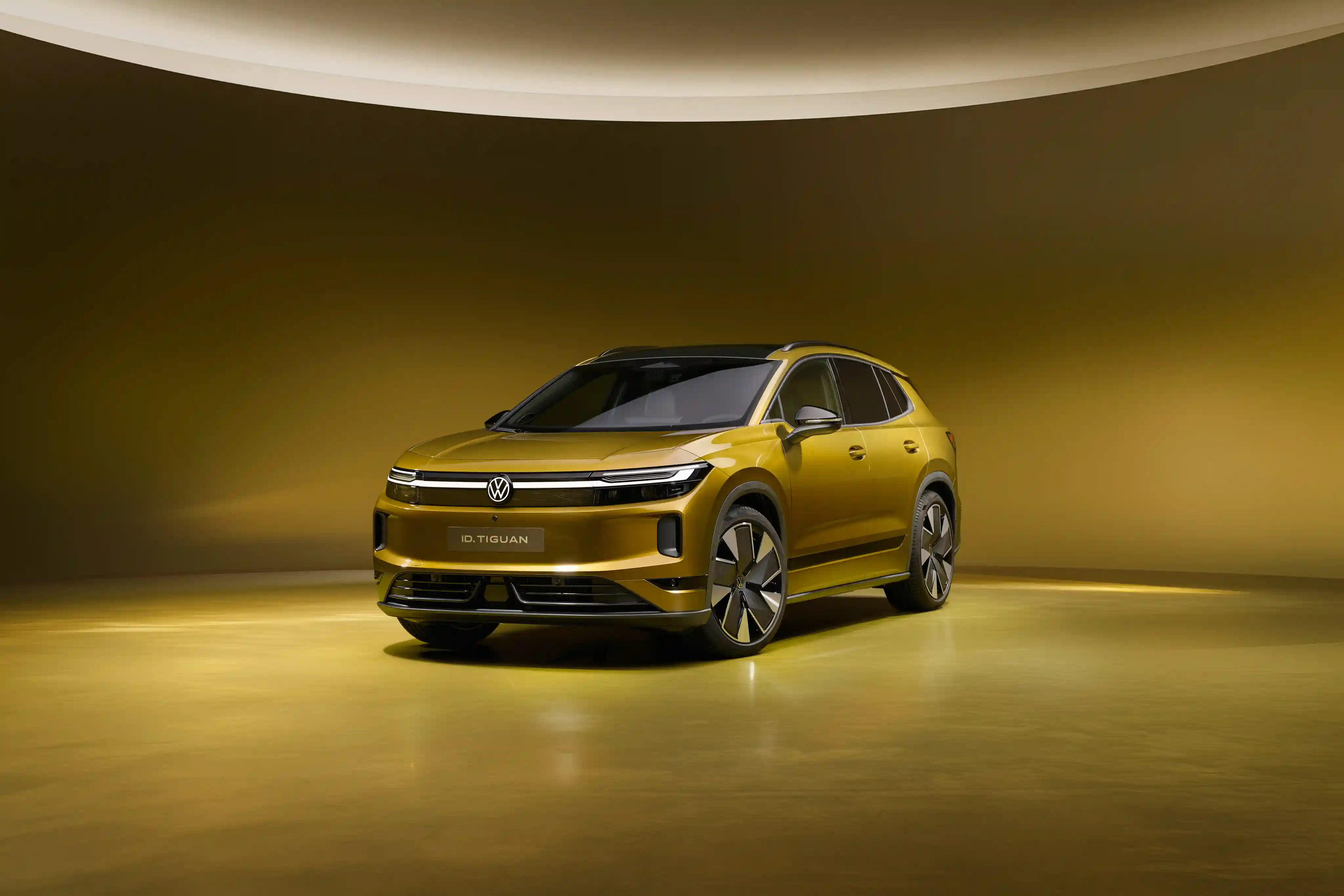
It’s no secret that Volkswagen's transition to electric vehicles has had a somewhat rocky start. VW began developing dedicated EV platforms after its 2015 diesel emissions scandal. Like other legacy automakers, it came with a host of problems, such as buggy software and performance that fell short of competitors like Tesla. The first of these EVs to reach North America was the ID.4 crossover. For 2027, it's getting a thorough makeover and a new name: ID Tiguan.
From Numbers to Names
When VW began launching its EV lineup, they were sold alongside many of its combustion-engine models, so it gave them names to set them apart. Each began with "ID" followed by a number. The ID.3 was the electric equivalent of the Golf, the ID.4 was a compact crossover about the size of the Tiguan, and the ID.7 was a Passat-sized sedan and wagon. The one exception was the ID Buzz van.
With the launch of what's effectively a second generation, VW has clearly learned some lessons. The ID prefix remains, but the new models get names matching their combustion-engine equivalents. That began with the recently launched ID Polo, continues with the ID Tiguan, and will carry on with an ID Golf later this decade.
A Sharper Face
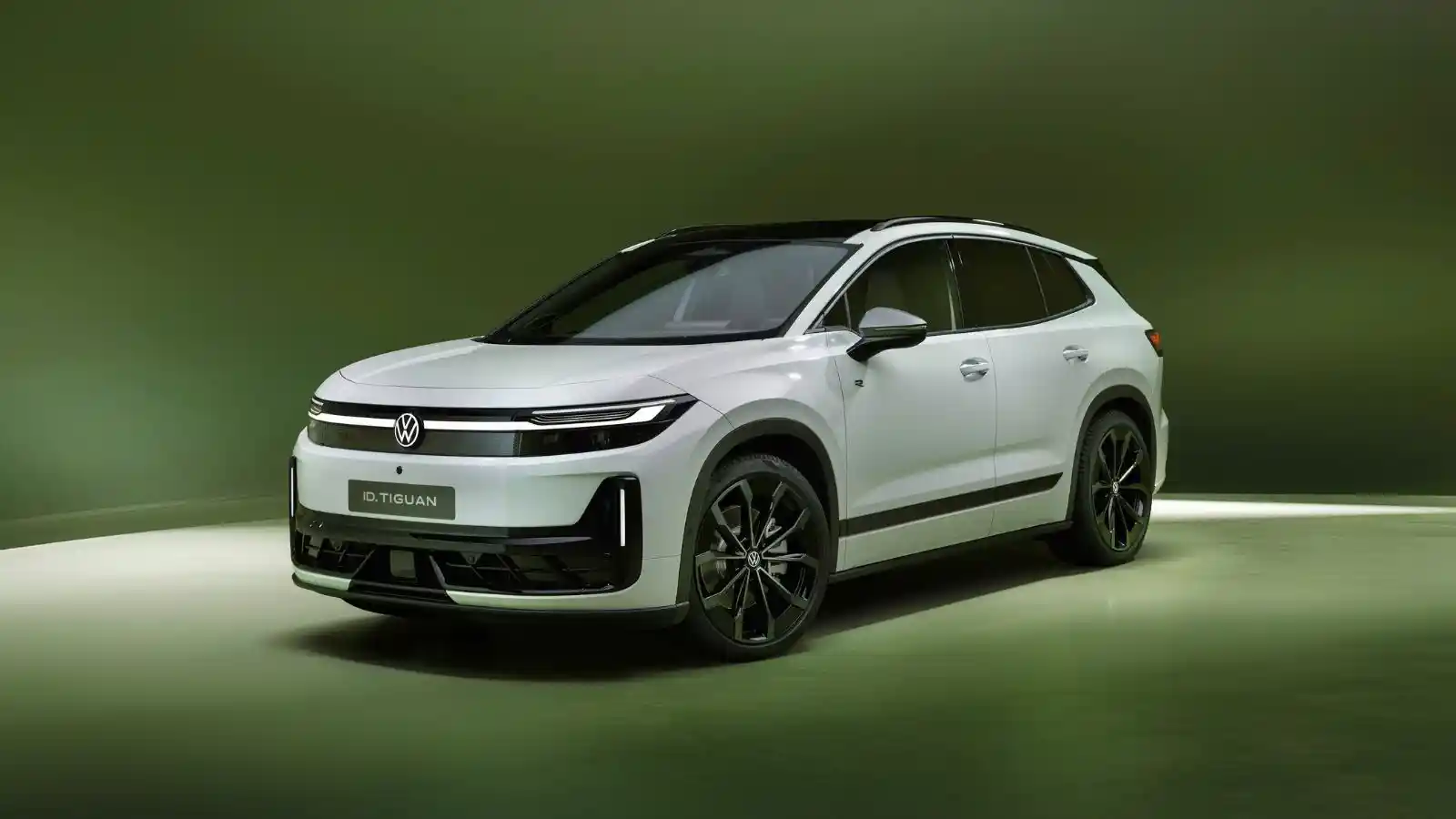
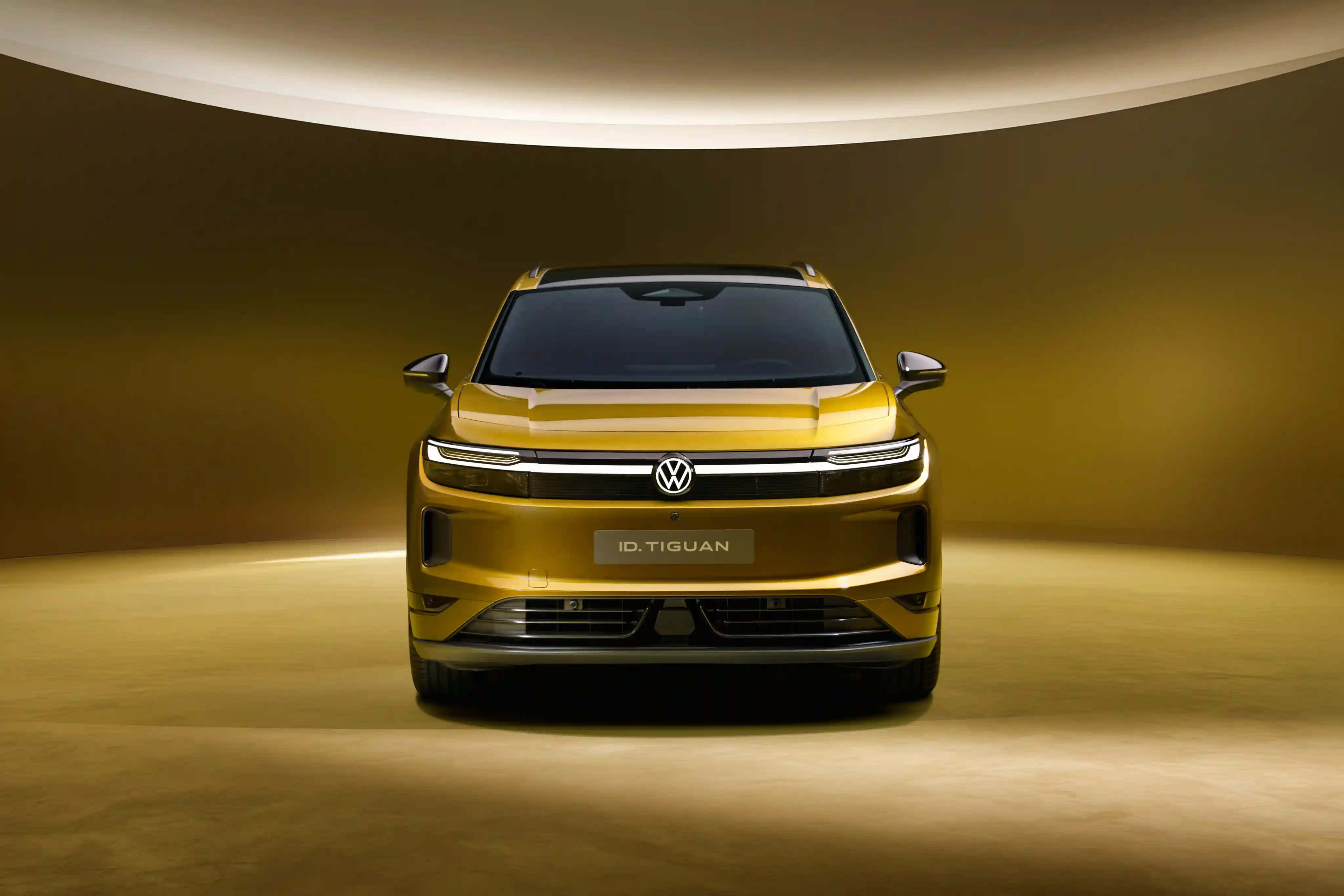
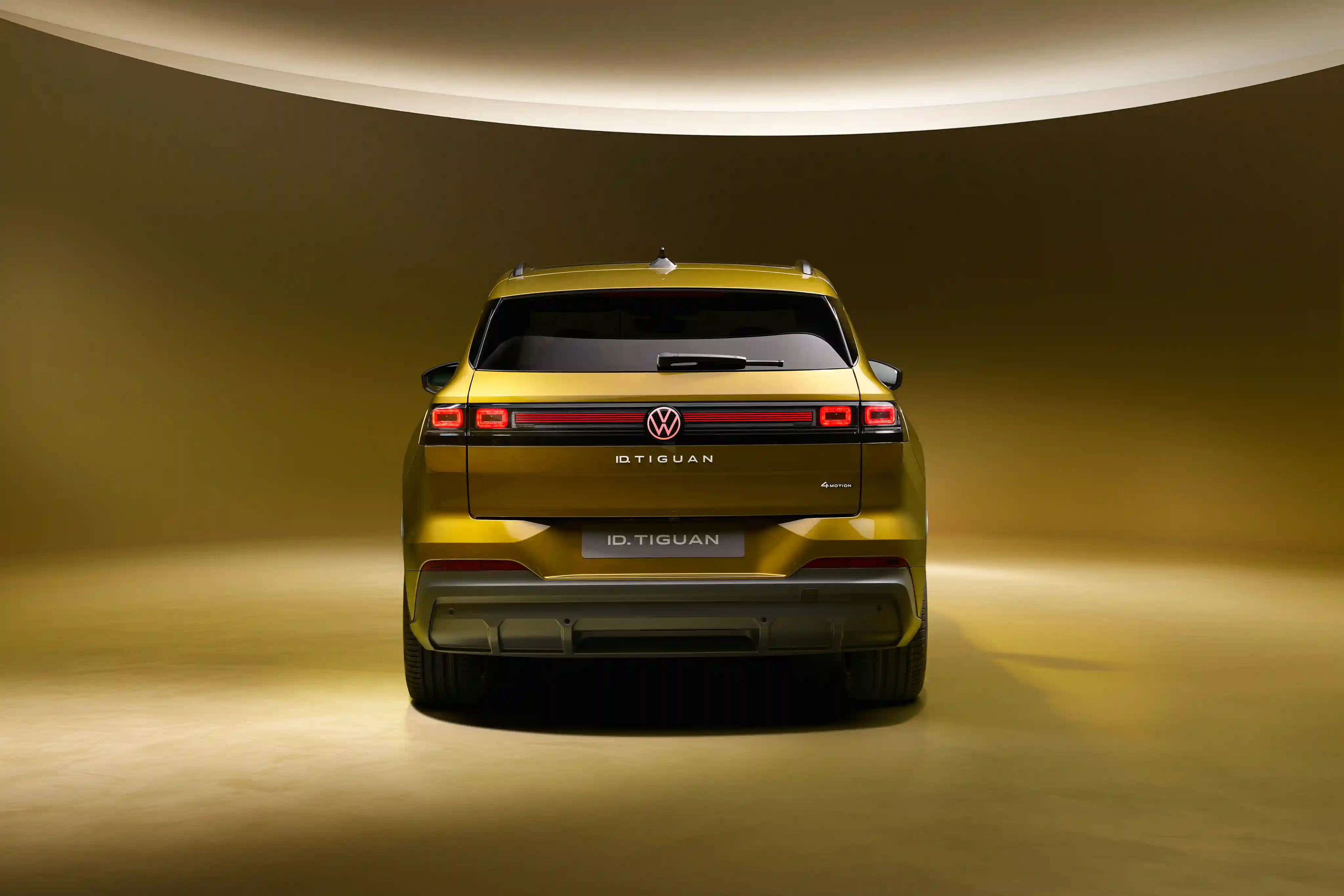
Most of the ID Tiguan's sheet metal and structure carry over from the ID.4, but it gets a fresh new face that bears a stronger resemblance to the latest Tiguan. The lower grille is much smaller, and a thicker, dark band ties the headlights together, making the front end look more angular and horizontal. Out back, the light bar now sits at the same height as the taillights. The overall effect is cleaner and tighter.
Buttons Are Back
Most of the changes are inside, and nearly all of them are for the better. The ID.4 (and ID.3) had many annoyances, so let’s start with the driver’s door armrest. To save one switch, VW gave it just two window controls, plus a third button to toggle between the front and rear windows. Virtually everyone who tried it thought it was ridiculous to have to pick front or rear first and then the side. (Volvo was the exception, since it copied the same setup on the EX90 for some inexplicable reason.) The ID Tiguan fixes this with four separate window switches.
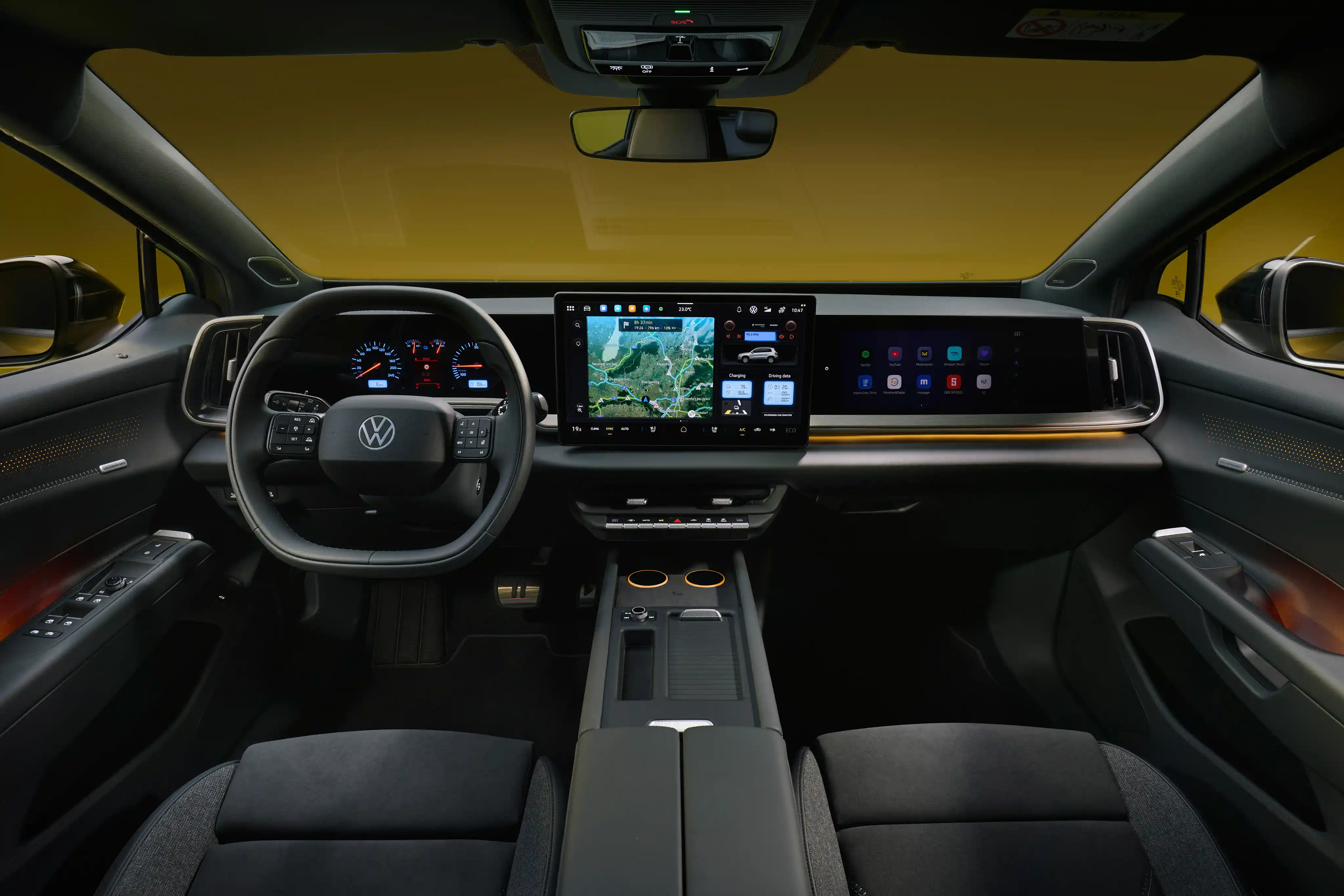
Another major annoyance was the center touchscreen. The display itself was fine, though the early software was terribly slow and unresponsive. It did improve over time. Below the screen sat a small shelf with touch-sensitive areas for temperature and volume. For the first couple of years, that shelf wasn’t even backlit, making it a challenge to use successfully.
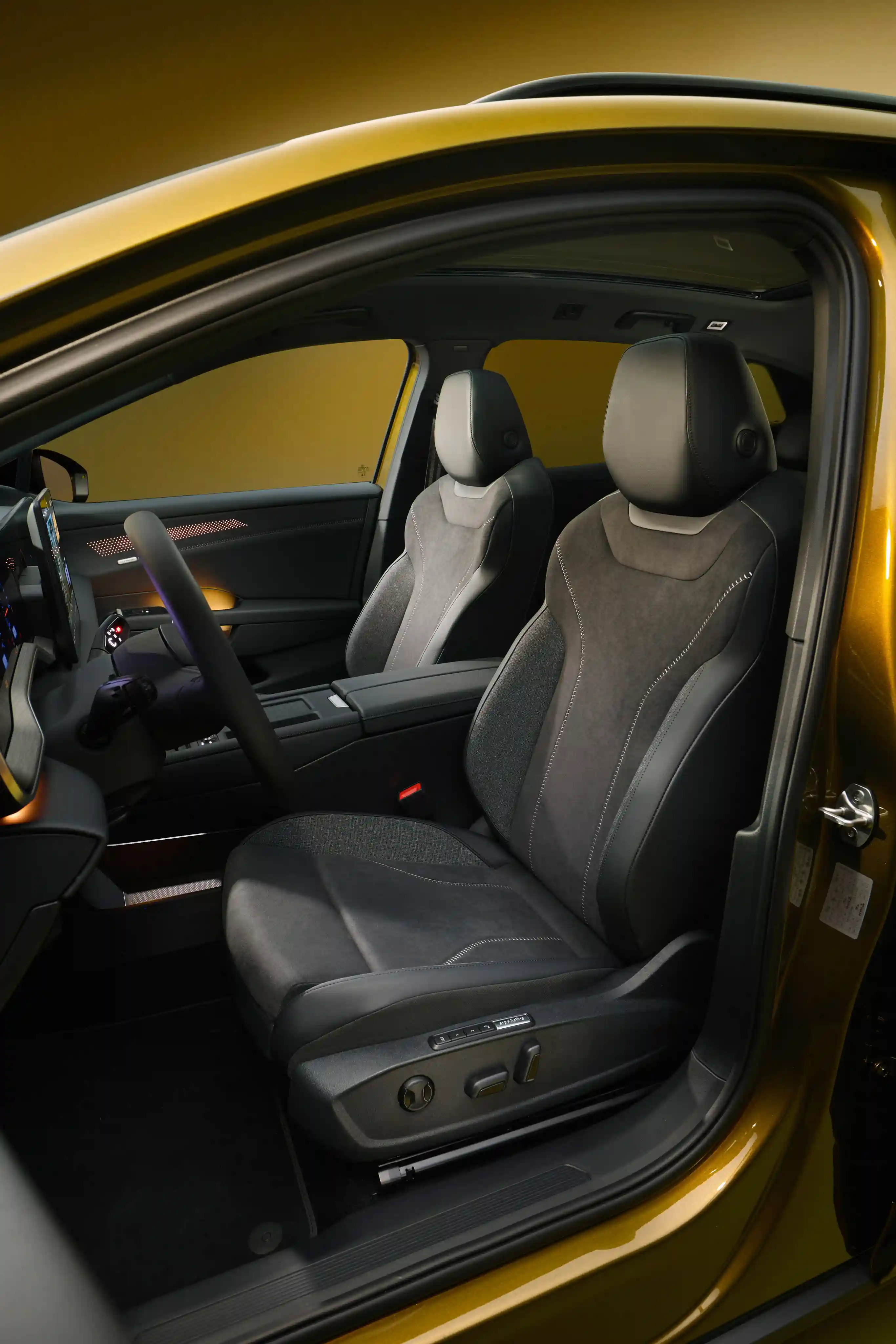
Last year, VW CEO Thomas Schafer acknowledged the company went too far in eliminating physical controls and said all future VWs would bring them back. That began with the ID Polo. Now the ID Tiguan gets a row of physical climate control switches and a volume knob on the center console. The touch-sensitive controls on the steering wheel spokes have also been replaced with real buttons as well. There are also two magnetic Qi2 wireless charging pads on the console.
The small instrument cluster display mounted on the steering column was fine, but it's been replaced by a larger 10-inch screen. A passenger-side screen is also available, though it's not really needed. The larger cluster display provides optional retro gauge designs inspired by previous VW models like the Golf Mk IV.
More Range
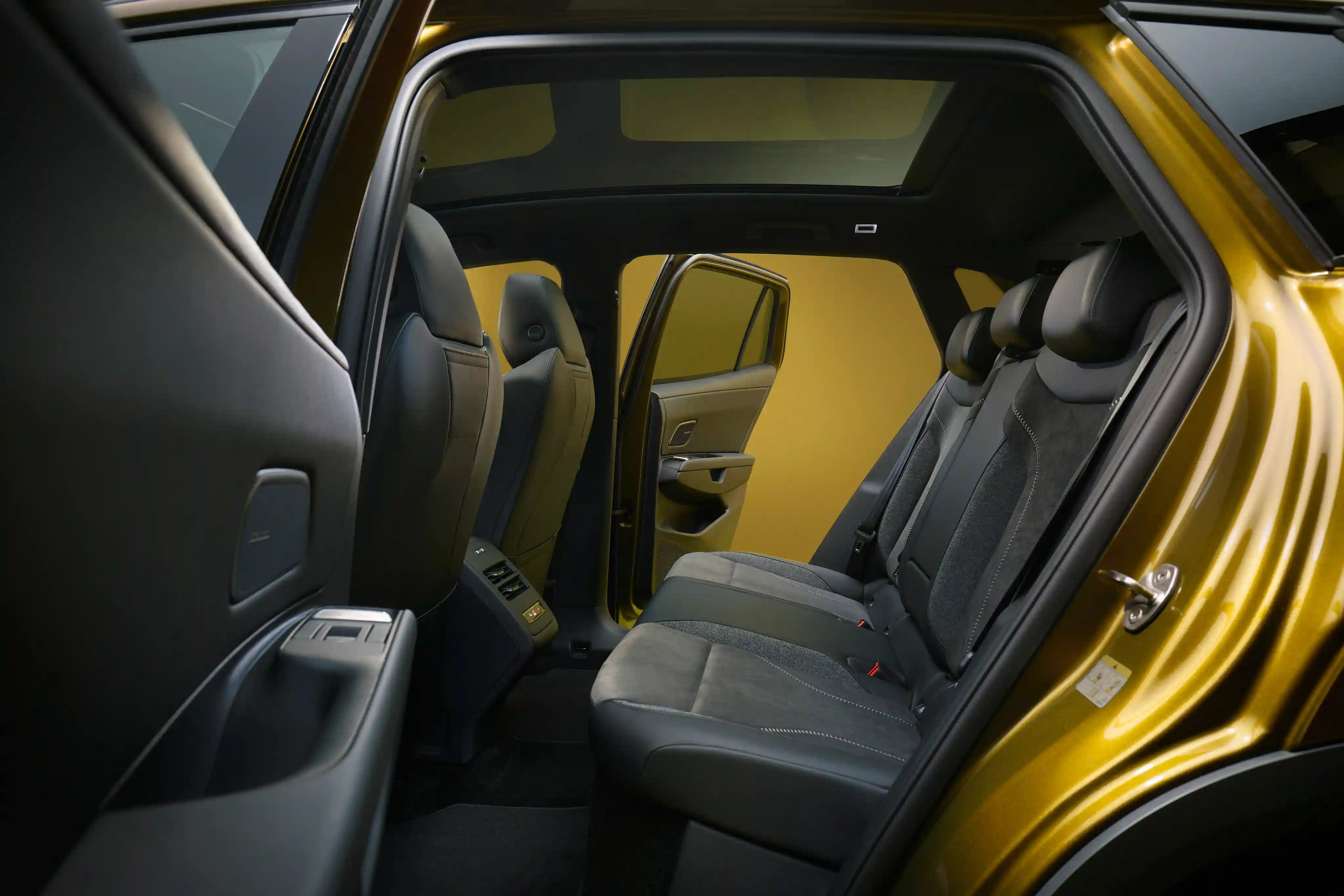
Full specifications for the North American model won’t be available until closer to its 2027 launch, but the European specs show some efficiency improvements. With the larger 77-kilowatt-hour battery, the ID Tiguan is rated for up to 373 miles of range on the WLTP cycle. That's the World Harmonised Light Vehicle Test Procedure used in most of the rest of the world outside the U.S. The ID.4 topped out at 355 miles.
WLTP and EPA figures are not directly interchangeable, so see how to compare official EV range numbers before using them to judge a U.S.-market vehicle ➜
As before, buyers can choose either a single-motor rear-wheel-drive or dual-motor all-wheel-drive configuration. And for the first time, it will offer a modest frunk. At 32 liters (1.1 cubic feet), it's big enough to carry a charging cable, adapters, and a few other small items.
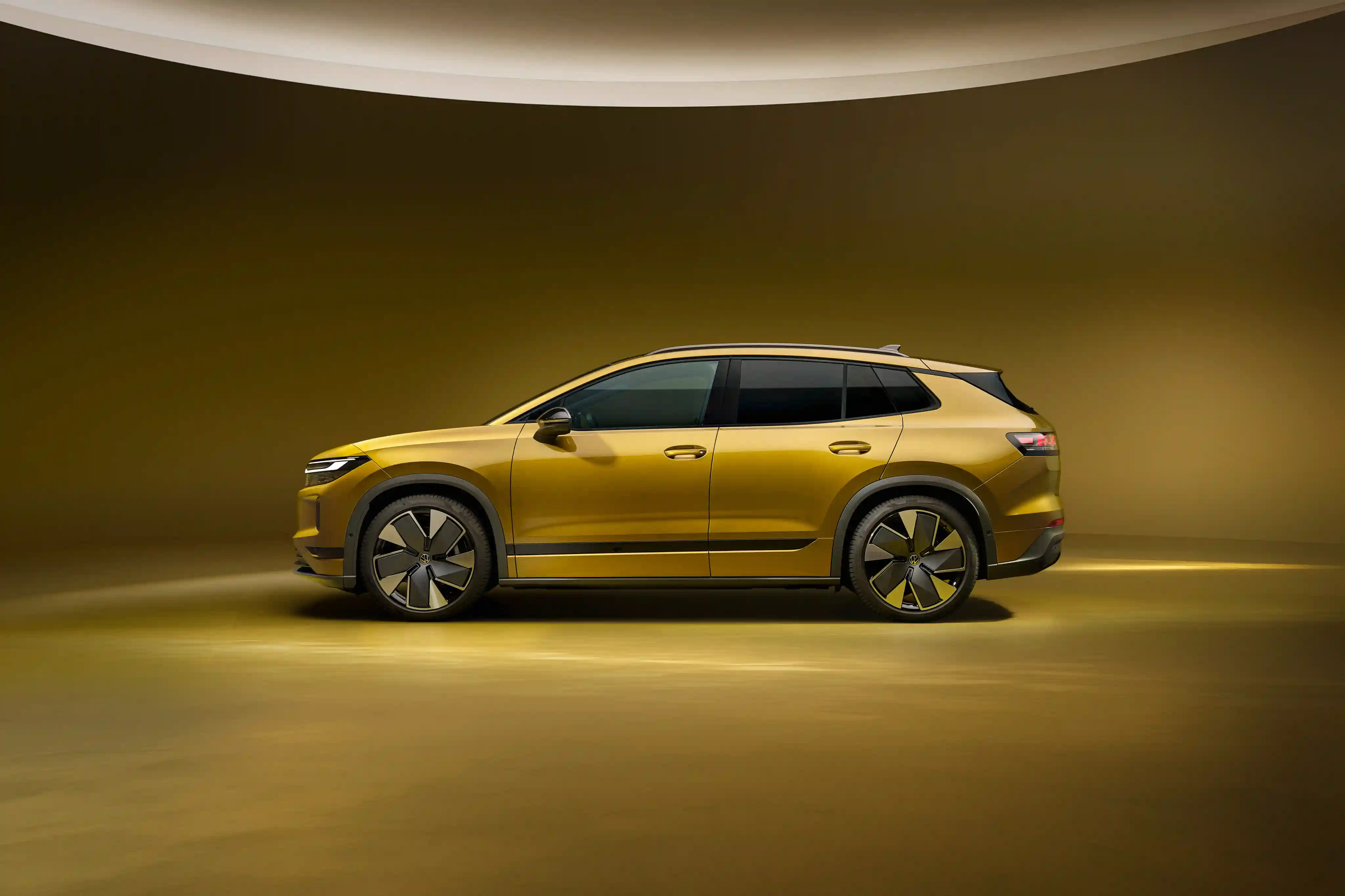
Volkswagen ended U.S. production of the ID.4 at its Chattanooga, Tennessee, plant earlier this year. The ID Tiguan is expected to arrive from Germany sometime next year, with pricing still to come.
The larger-battery ID. Tiguan peaks at 165 kW rather than the much higher numbers advertised by some newer EVs, but peak power alone does not determine charging time, so see what actually controls how fast an EV charges ➜
More Electric SUVs the ID. Tiguan Will Have to Beat
Ford Mustang Mach-E vs. Tesla Model Y: Which Electric SUV Is Better?
Two of the segment’s most established electric crossovers show the range, price, space, and performance benchmarks Volkswagen will face when the ID. Tiguan reaches North America.
Read More ➜
2026 Subaru Solterra Vs. 2026 Hyundai Ioniq 5
These recently updated electric SUVs highlight how far competitors have moved on charging speed, range, equipment, and value since the original ID.4 arrived.
Read More ➜
2027 Volvo EX60 and EX60 Cross Country First Look
Volvo’s new midsize EV gives Volkswagen another upcoming rival promising long range, fresh software, and a clean-sheet electric platform.
Read More ➜