
Fast Facts | Ford Skunkworks, UEV, and Fathom
🏢 Development Team: Ford says its Long Beach Electric Vehicle Development Center has grown to roughly 350 people, with about 500 more employees in Dearborn, Palo Alto, Louisville, and elsewhere contributing to the UEV program.
🛻 First Vehicle: The Ford Fathom is the first UEV product, a five-passenger midsize electric pickup with a $29,945 starting MSRP including destination charge for the standard-range version.
🧠 Apple Maps: Apple Maps will be embedded directly in Ford’s UEV platform for navigation, EV routing, and battery preconditioning. Ford will also use Apple road-level mapping information to support next-generation BlueCruise development.
The $29,945 Truck Is Really a Test of Ford
The battle for the most affordable EV has been in full swing since EVs first hit the road. Earlier this year, we spoke to executives from Rivian and Cadillac about their current platforms, which sit at higher price points. This week, we spoke to Ford about its upcoming electrification projects.
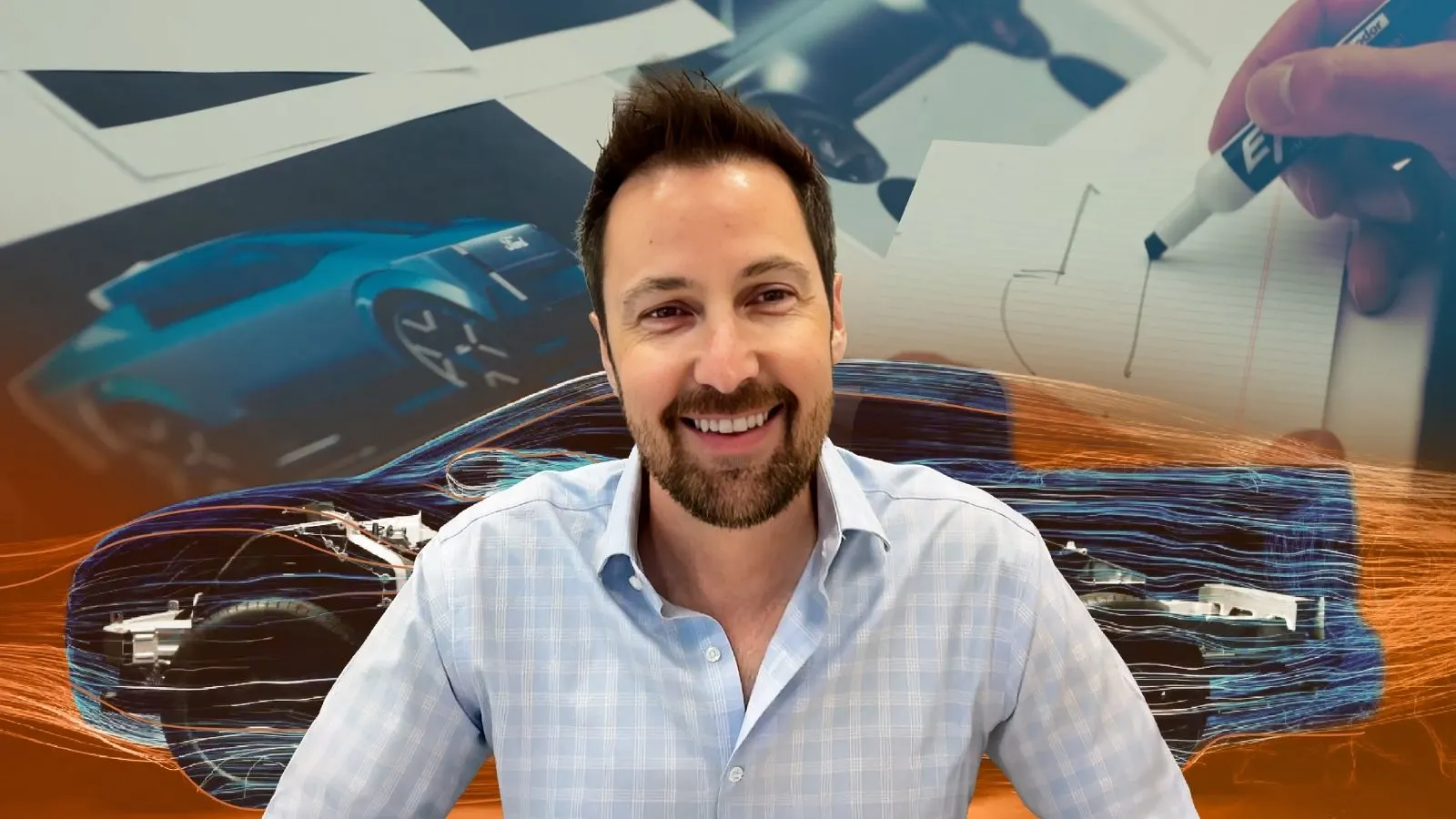
Alan Clarke, Ford’s Vice President of Advanced Development Projects, joined co-hosts Craig Cole and Sam Abuelsamid on GreenCars The Podcast to discuss Ford’s Skunkworks program, its universal EV platform, and the first EV to come from it — the Fathom.
A Startup Inside a Century-Old Company
Ford’s leadership carved out a new division to develop an EV from scratch, startup-style, rather than iterating on existing vehicles. Its employees have backgrounds in consumer electronics, EV startups, and Formula One — only a handful are from Ford or other legacy automotive companies.
Ford has deliberately concentrated design, engineering, fabrication, battery work, and prototype testing in Long Beach, so go inside the California facility where the Skunkworks approach actually happens ➜
The benefit of being an EV startup within a century-old company? Easy access to manufacturing and industrialization expertise when it’s time to scale up. The downside? Corporate overstepping can end up preventing its success. Ford tried a program like this before that operated in Michigan, but ultimately, its close proximity to its headquarters in Dearborn led to too much interference. This time around, the Skunkworks team is based in Long Beach, California, some 2,300 miles from its headquarters.
A New Universal Platform
The first announcement out of the Skunkworks program was its “universal EV platform” — a true zonal electrical architecture and a from-scratch software stack that Clarke said can eventually scale from Fiesta-sized cars to midsize vans. The first vehicle built on that UEV platform is the Ford Fathom, an electric midsize truck. Ford has yet to share official range numbers, but Clarke confirmed the Fathom will offer two different battery sizes, hinting that one is likely to exceed 300 miles, though the cheaper, sub-$30,000 variant likely won't.
The Fathom is only the first application of a much broader architecture, so take a deeper look at the electronics, unicastings, testing, and manufacturing behind Ford’s UEV program ➜
Clarke was candid about the trade-offs at that price point, including modest towing capability. However, he said most Maverick buyers — the closest comparison — rarely tow heavy loads. It should be more than capable of handling the truckloads of mulch, skis, and kayaks that make up the average truck driver's usual hauling.
Clarke, admittedly partial to alliteration, said the name "Fathom" was chosen to echo "Ford" while evoking depth and engineering thoroughness. It also ties back to Ford's 1912 bird logo, whose wingspan roughly matched the original definition of a fathom — the distance between a person's outstretched fingertips.
Why Apple Maps
Clarke also detailed how the Fathom will be Ford’s first vehicle with Apple Maps embedded directly into its infotainment system, handling navigation, EV routing, and geofencing for the next-generation BlueCruise. Ford evaluated Google, TomTom, and other providers before choosing Apple for its accuracy, up-to-date charger data, and tight integration with Ford's engineering team. Google Maps fans shouldn't be alarmed, though. It'll still be available through Apple CarPlay.
Embedded Apple Maps changes more than navigation, so see how Ford plans to connect EV routing, battery preconditioning, and next-generation BlueCruise ➜
What's Next
Pilot production is expected to begin at Ford's converted Louisville Assembly Plant in early 2027, with customer deliveries likely following late in the year.
What Ford Is Betting on Next
Ford’s $30K EV Pickup Aims for Cost Parity with Gas Vehicles
See how smaller batteries, aerodynamics, LFP chemistry, power electronics, and aggressive cost targets are supposed to make affordable Ford EVs financially viable.
Read More ➜
Ford’s New Hybrid Plan Signals a Major Strategic Shift
The Skunkworks is only one piece of Ford’s broader decision to balance pure EVs with hybrids and extended-range electrified vehicles.
Read More ➜
2027 Rivian R2 First Drive Review: A Smaller Rivian, A Better Ride
Rivian offers a useful startup comparison, showing how another American EV company is trying to reduce cost while keeping advanced software and hands-free driving technology.
Read More ➜